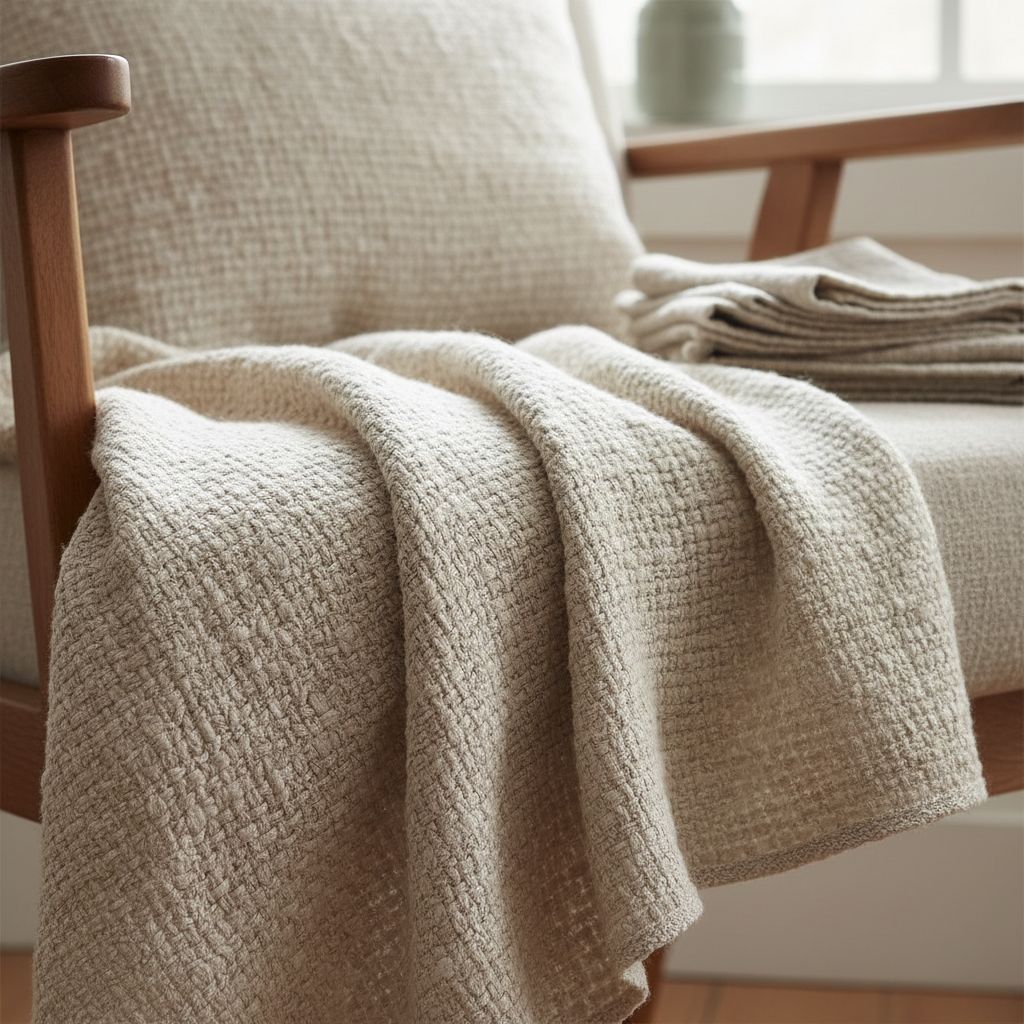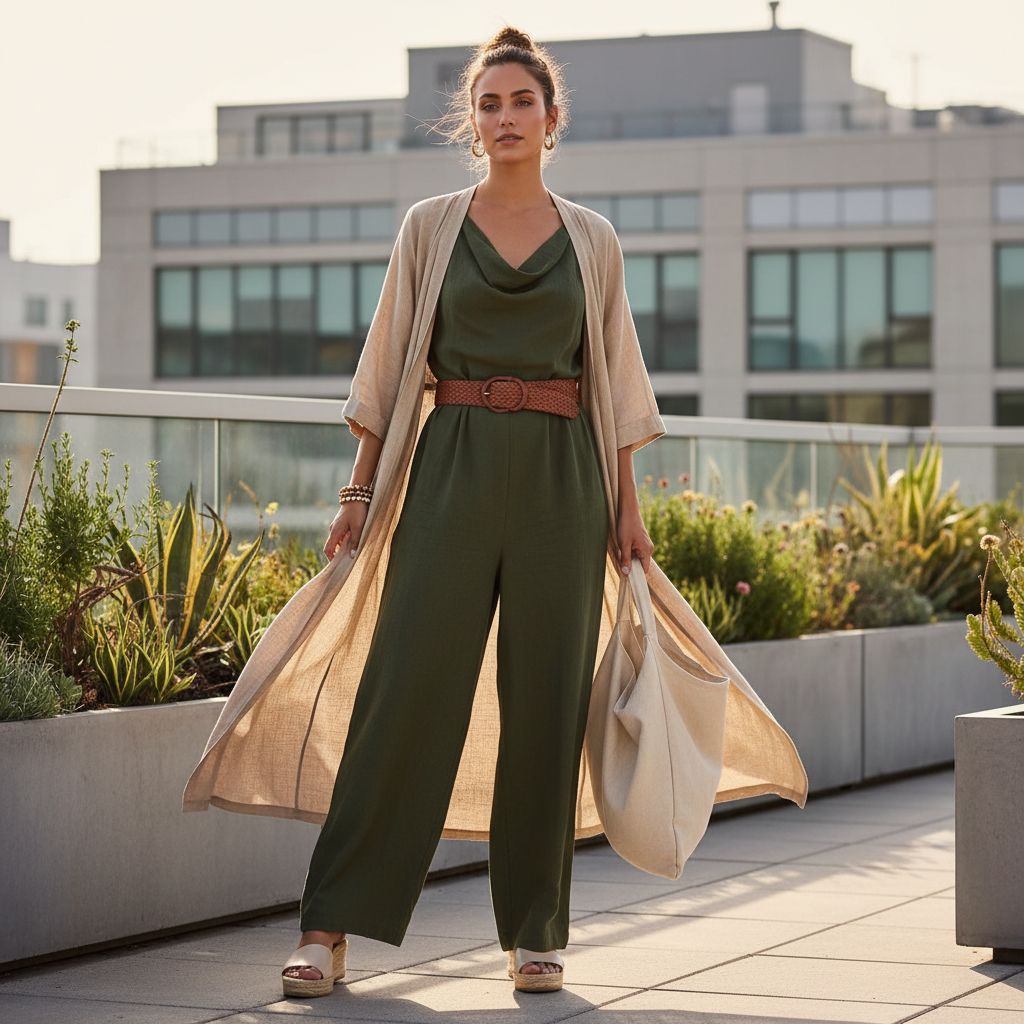

Linen is one of the most respected fabrics in the textile world. It is known for its breathability, natural texture, and timeless appeal. However, pure linen is not always the perfect choice for every garment or product. It wrinkles easily, can feel stiff at first, and may not always offer the softness or flexibility that some customers want. That is why linen blends have become so popular. By combining linen with other natural or synthetic fibers, manufacturers can improve softness, durability, wrinkle resistance, drape, and even seasonal performance. Each linen blend offers different benefits, but each also comes with trade-offs. Choosing the right one depends on the purpose of the garment, the comfort level needed, and the expectations of the end user. In this guide, we will explore the most common types of linen blends, their pros and cons, and the best uses for each fabric.
What Are Linen Blends?
Linen blends are fabrics made by combining linen fibers with one or more other fibers, such as cotton, polyester, viscose, silk, or wool. The purpose of blending is to improve the performance of the fabric while still keeping some of the natural beauty and breathability of linen. Pure linen has many strengths, but it also has limitations. It can wrinkle heavily, feel crisp rather than soft, and may require more care than many modern consumers prefer. Blending linen with other fibers can reduce these drawbacks and make the fabric more versatile for fashion, home textiles, and everyday wear. The final result depends on the blend ratio, yarn quality, weave structure, and finishing process. That means not all linen blends behave the same way, even when they contain the same fibers.
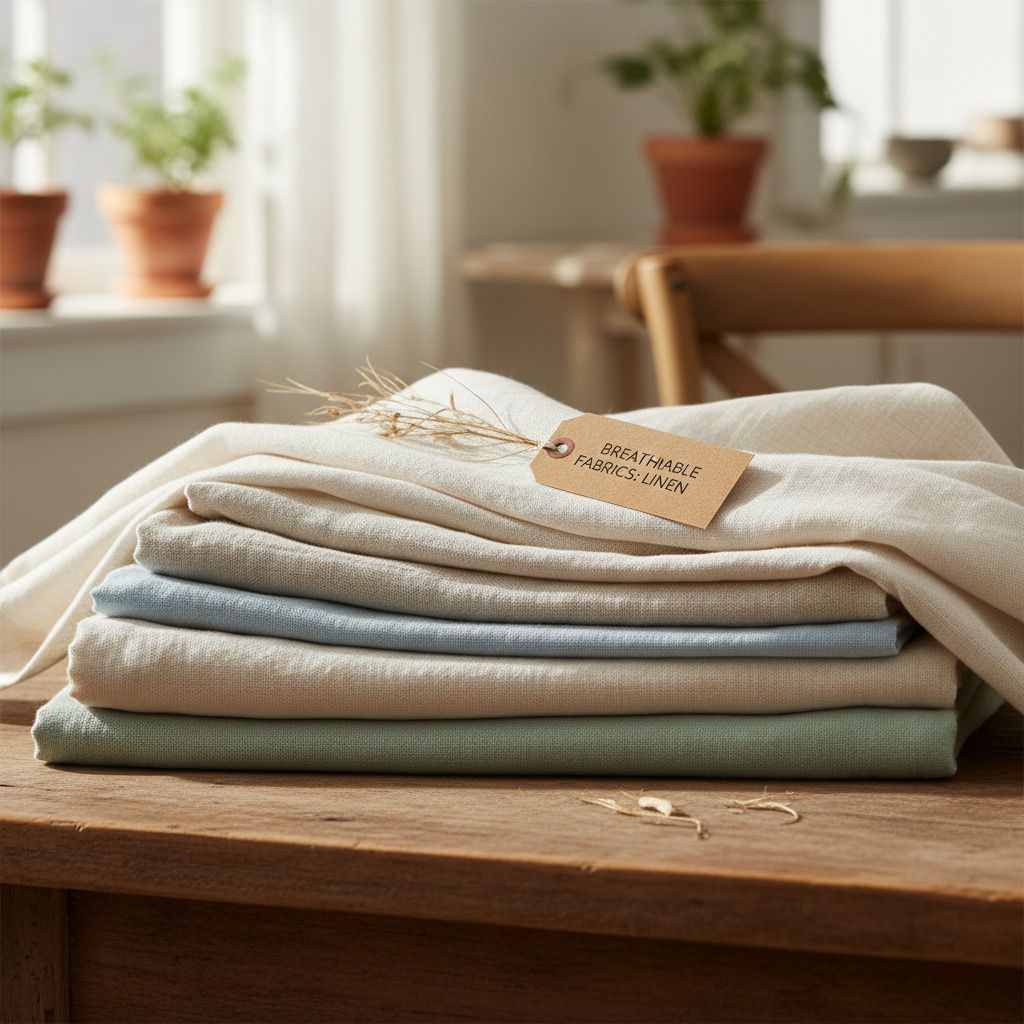
Why Linen Is Often Blended with Other Fibers
Linen is a strong natural fiber, but it is not always the easiest fabric to work with. In garment production and retail, many buyers want materials that are easier to sew, easier to maintain, and more comfortable for daily use.
- To Improve Softness: Pure linen can feel slightly rough or crisp, especially when new. Blending it with softer fibers helps create a smoother hand feel.
- To Reduce Wrinkling: One of linen’s biggest disadvantages is how easily it wrinkles. Some blend partners help reduce the sharp creases that pure linen is known for.
- To Enhance Drape: Certain fibers, such as viscose or silk, make linen fabrics flow better and look more elegant in lightweight garments.
- To Increase Durability: Blending can improve fabric stability, reduce shrinkage, and help garments maintain their shape after repeated use.
- To Expand Seasonal Use: Linen is usually linked with hot weather, but when blended with wool or other insulating fibers, it can also work well in cooler seasons.
Types of Linen Blends
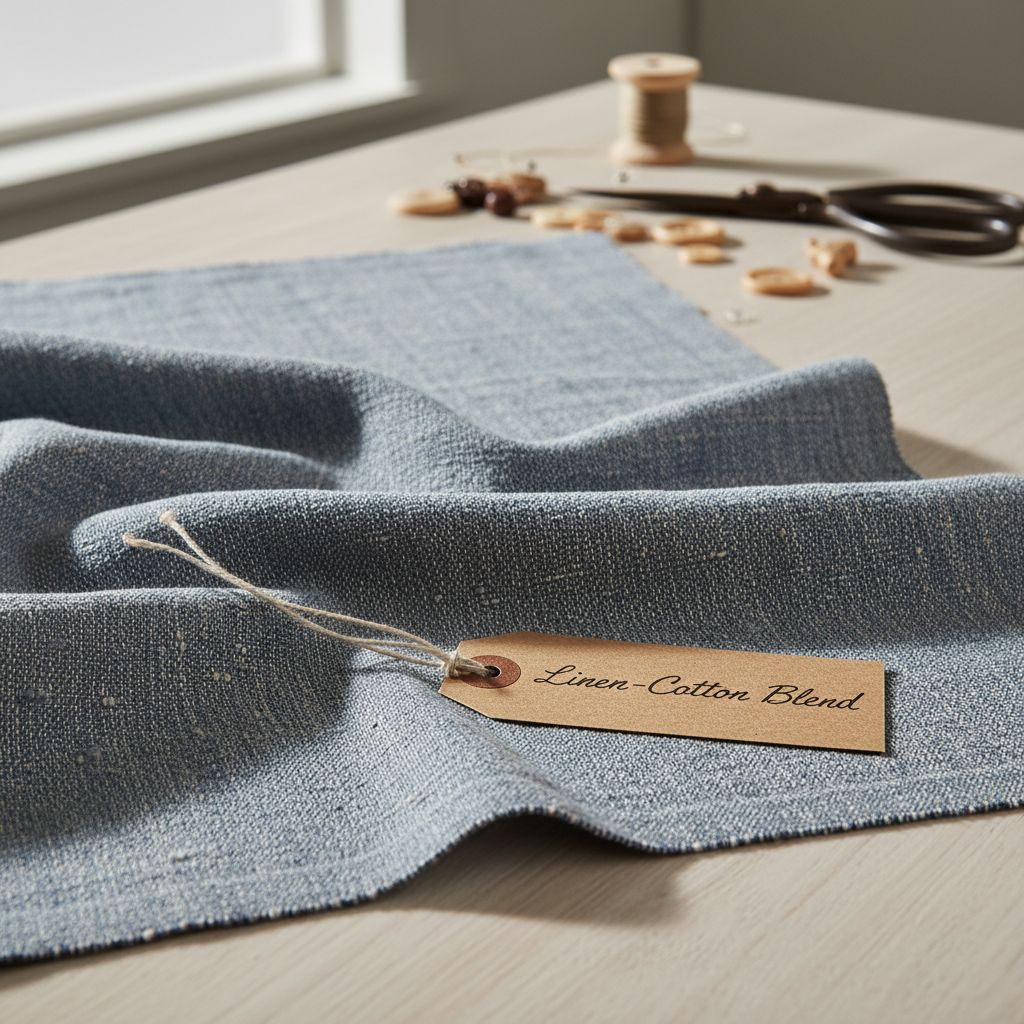
Linen-Cotton Blend:
Linen-cotton is one of the most popular and practical linen blends in the apparel industry. It combines the crisp, breathable nature of linen with the softness and familiarity of cotton.
- Pros of Linen-Cotton: Linen-cotton blends are usually softer than pure linen, making them more comfortable for daily wear. They also wrinkle less than 100% linen, although they still maintain a natural, casual appearance. This blend is breathable, lightweight, and suitable for warm climates. Another advantage is versatility. Linen-cotton works well in shirts, dresses, trousers, skirts, and even some bedding products. It is a good option for brands that want a natural look without the stiffness of pure linen.
- Cons of Linen-Cotton: The downside is that the more cotton added, the more the fabric may lose the distinct character of linen. It may feel less crisp and look less textured. It also still wrinkles more than many synthetic-rich blends. Depending on the blend ratio, this fabric may not offer the same premium image as pure linen, especially in high-end fashion markets.
- Best Uses for Linen-Cotton: This blend is ideal for casual shirts, summer dresses, lightweight pants, relaxed tailoring, and everyday fashion items.
Linen-Polyester Blend:
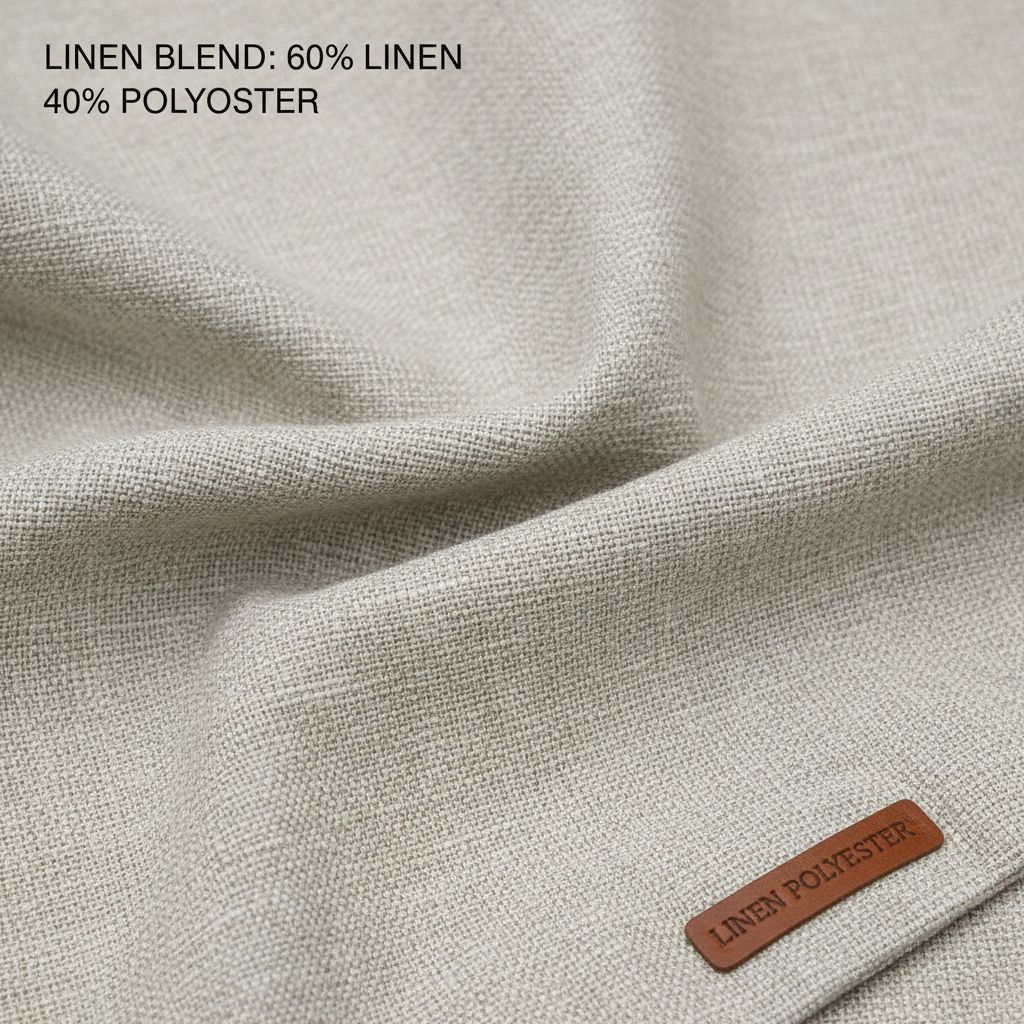
Linen-polyester blends are widely used when easy care and durability are important. This blend combines natural linen with synthetic polyester to create a fabric that is more stable and easier to maintain.
- Pros of Linen-Polyester: One of the main benefits of linen-polyester is wrinkle resistance. Compared with pure linen, it stays smoother and holds its shape better. It is also more resistant to shrinkage and often lasts longer in frequent-use garments. This blend is practical for consumers who like the look of linen but do not want high-maintenance clothing. It is also a cost-effective option for commercial production.
- Cons of Linen-Polyester: The biggest weakness is that polyester can reduce the natural feel of linen. If the polyester content is high, the fabric may feel less breathable and less authentic. It can also lose some of linen’s premium image and eco-friendly appeal. Some buyers may view linen-polyester as less luxurious, especially in markets that prefer natural fibers.
- Best Uses for Linen-Polyester: This blend is often used for casual apparel, uniforms, easy-care dresses, travel clothing, and budget-friendly fashion collections.
Linen-Viscose Blend:
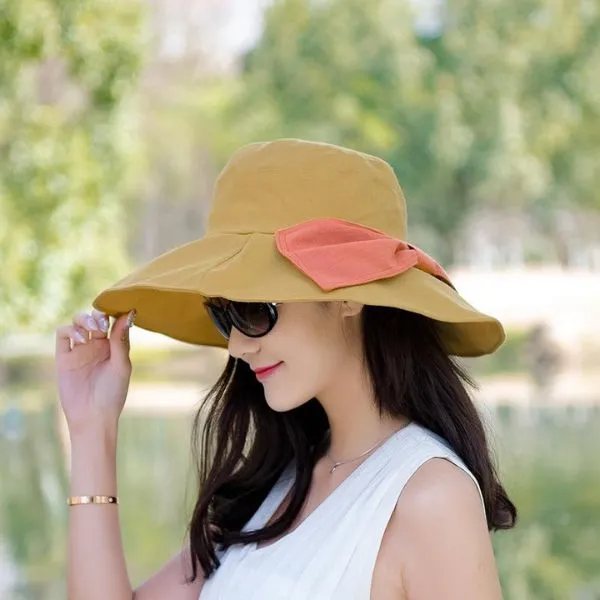
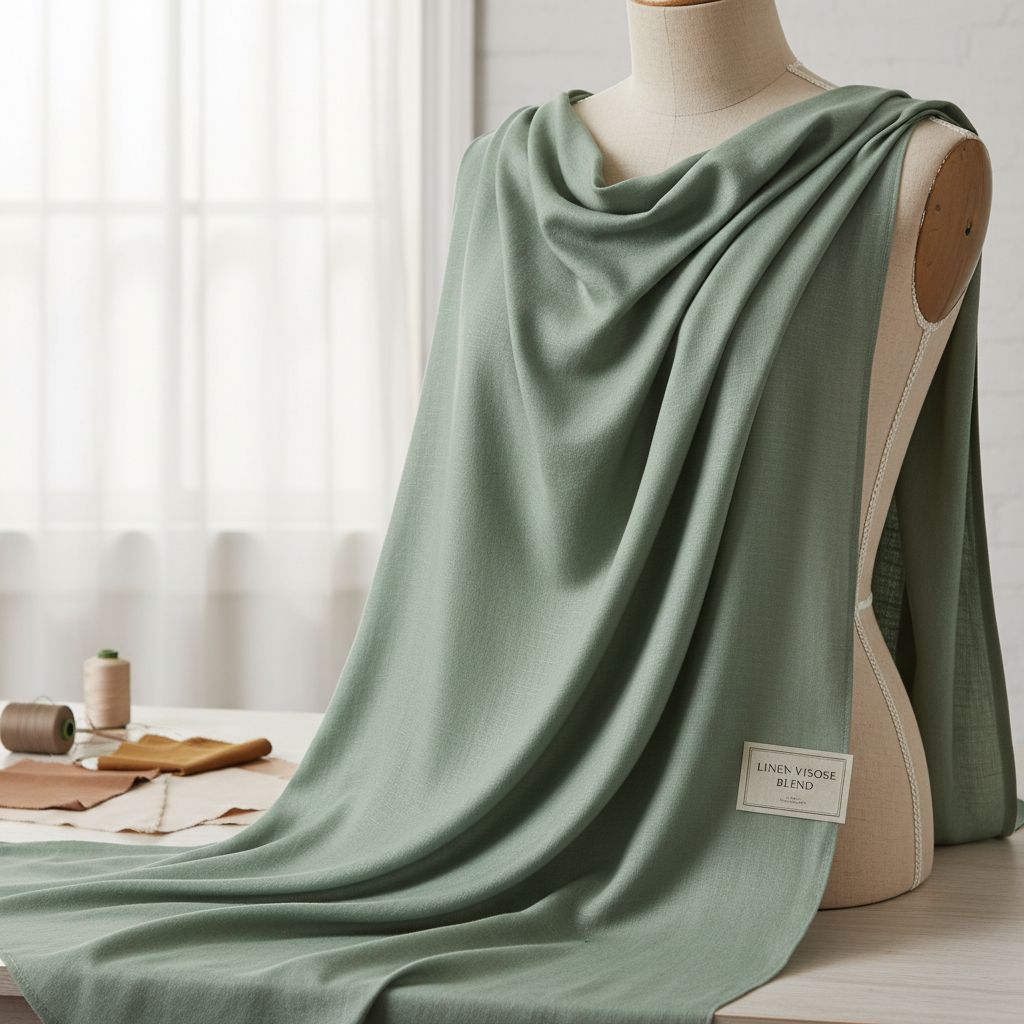
Linen-viscose is valued for its soft hand feel and flowing drape. Viscose helps make linen smoother and more elegant, which makes this blend especially popular in women’s fashion.
- Pros of Linen-Viscose: This blend is softer than pure linen and often feels more refined on the skin. It drapes beautifully, making it a strong choice for blouses, dresses, skirts, and scarves. It also wrinkles less than 100% linen and can have a subtle sheen that adds visual appeal. Linen-viscose is a good option for garments that need movement and softness rather than stiffness or structure.
- Cons of Linen-Viscose: While the fabric looks attractive, viscose can be less stable than cotton or polyester. It may weaken when wet, and in some cases the garment may stretch or lose shape if not handled properly during washing or sewing. This means the blend may need more careful quality control during production and more detailed care instructions for consumers.
- Best Uses for Linen-Viscose: This blend works well for blouses, soft dresses, lightweight scarves, relaxed tops, and fashion pieces that need fluid drape.
Linen-Silk Blend:
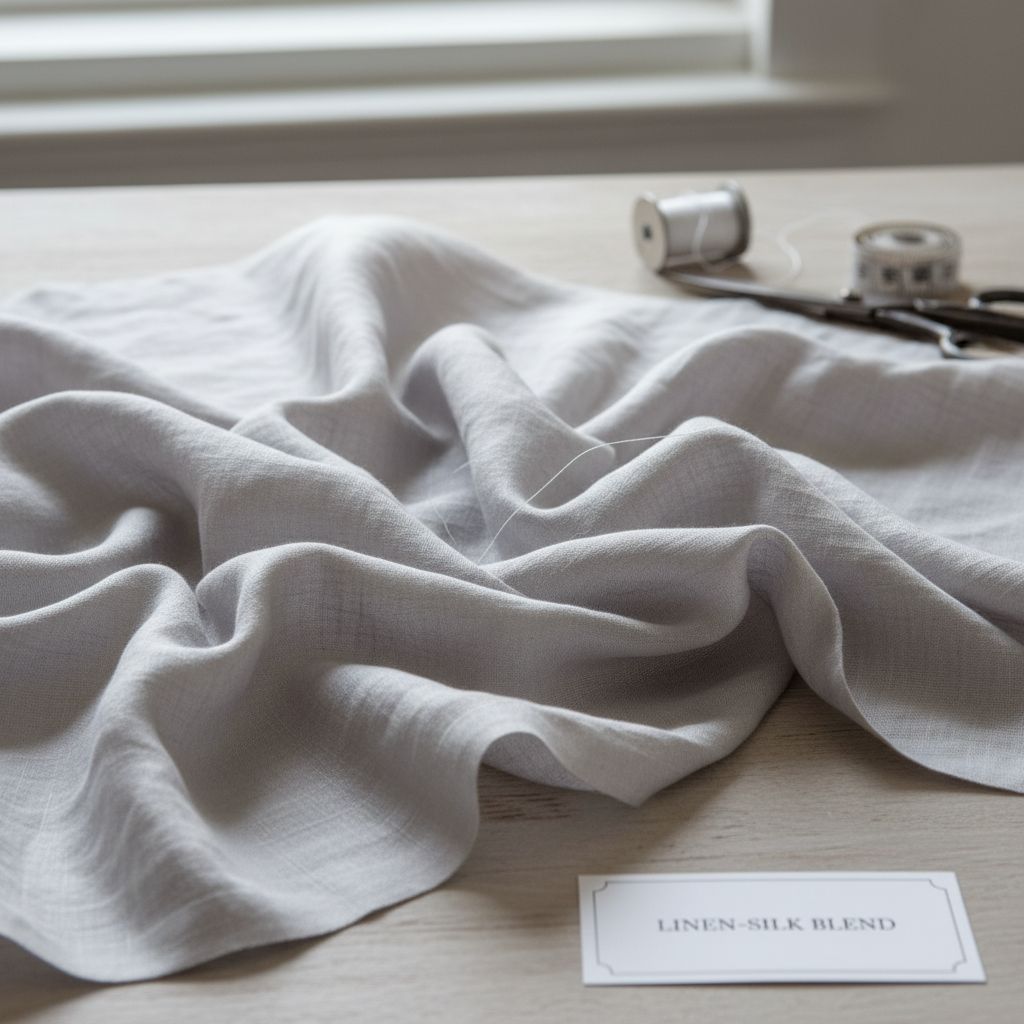
Linen-silk is a premium blend that combines linen’s natural texture with silk’s smoothness and shine. It is often chosen for elegant garments and luxury accessories.
- Pros of Linen-Silk: This blend has a refined appearance that feels more elevated than standard linen fabrics. It offers a soft touch, light sheen, and graceful drape while still keeping some of linen’s breathable nature. Linen-silk is an excellent choice for brands that want a fabric with both natural character and a more sophisticated finish.
- Cons of Linen-Silk: The biggest limitation is cost. Silk is expensive, so linen-silk fabrics are usually more costly than other blends. They may also require delicate care and are not always suitable for heavy daily wear. In addition, while the blend looks beautiful, it may not be the most practical option for garments that need strong durability or simple maintenance.
- Best Uses for Linen-Silk: This blend is commonly used for luxury blouses, occasion wear, lightweight jackets, scarves, and premium summer fashion.
Linen-Wool Blend:
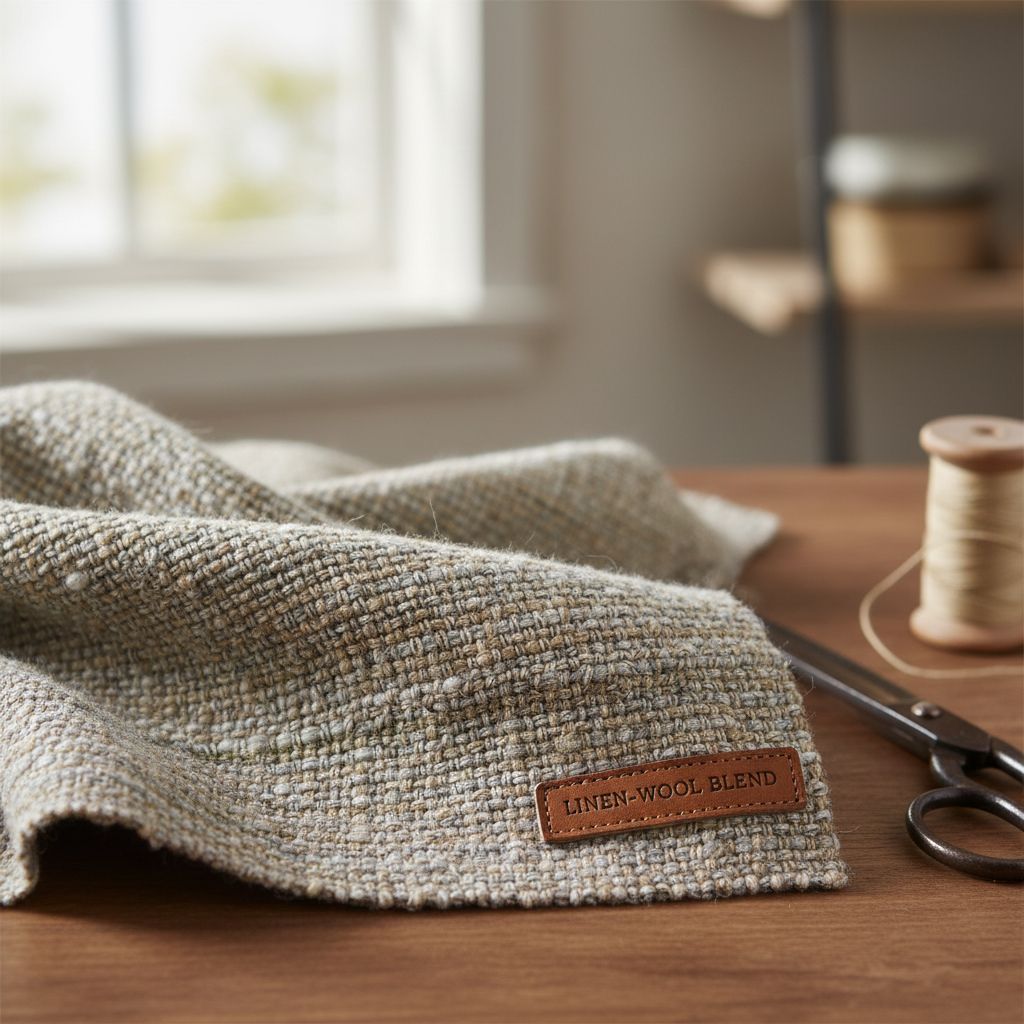
Linen-wool is less common than other linen blends, but it offers unique benefits for cooler weather. It combines wool’s warmth with linen’s breathability and moisture management.
- Pros of Linen-Wool: This blend is useful for transitional seasons because it provides warmth without becoming too heavy. It can create a rich, textured surface that works well in jackets, suits, and tailored garments. Linen-wool also has a distinctive look that feels both natural and refined, especially in menswear and autumn collections.
- Cons of Linen-Wool: The fabric may feel rougher than other blends if it is not well finished. It can also be more complex to produce because linen and wool behave differently in spinning, weaving, and finishing. This blend is not ideal for consumers looking for very soft, lightweight summer fabrics.
- Best Uses for Linen-Wool: Linen-wool is suitable for jackets, trousers, tailored garments, lightweight outerwear, and smart-casual clothing for cool weather.
How to Choose the Right Linen Blend
Not every linen blend is right for every purpose. The best choice depends on what the garment needs to deliver.
- Choose Linen-Cotton for Everyday Comfort: If softness, breathability, and casual wearability matter most, linen-cotton is a safe and balanced option.
- Choose Linen-Polyester for Easy Care: If wrinkle resistance, lower shrinkage, and easier maintenance are the main priorities, linen-polyester may be the most practical choice.
- Choose Linen-Viscose for Soft Drape: If you want a fabric that feels fluid, smooth, and elegant, linen-viscose is a strong option.
Final Thoughts / Connclusion
Linen blends are an excellent way to expand the performance and versatility of linen fabric. They offer solutions for comfort, style, maintenance, and seasonal use that pure linen alone may not always provide. However, there is no single best linen blend for every situation. Linen-cotton is practical and wearable. Linen-polyester is easy to care for. Linen-viscose offers softness and drape. Linen-silk feels luxurious. Linen-wool brings warmth and structure. The key is to match the blend to the purpose of the product. When chosen carefully, linen blends can deliver the beauty of linen with added benefits that suit both manufacturers and consumers. For fashion brands, garment producers, and fabric buyers, understanding the pros and cons of each linen blend is the first step toward making smarter textile decisions.