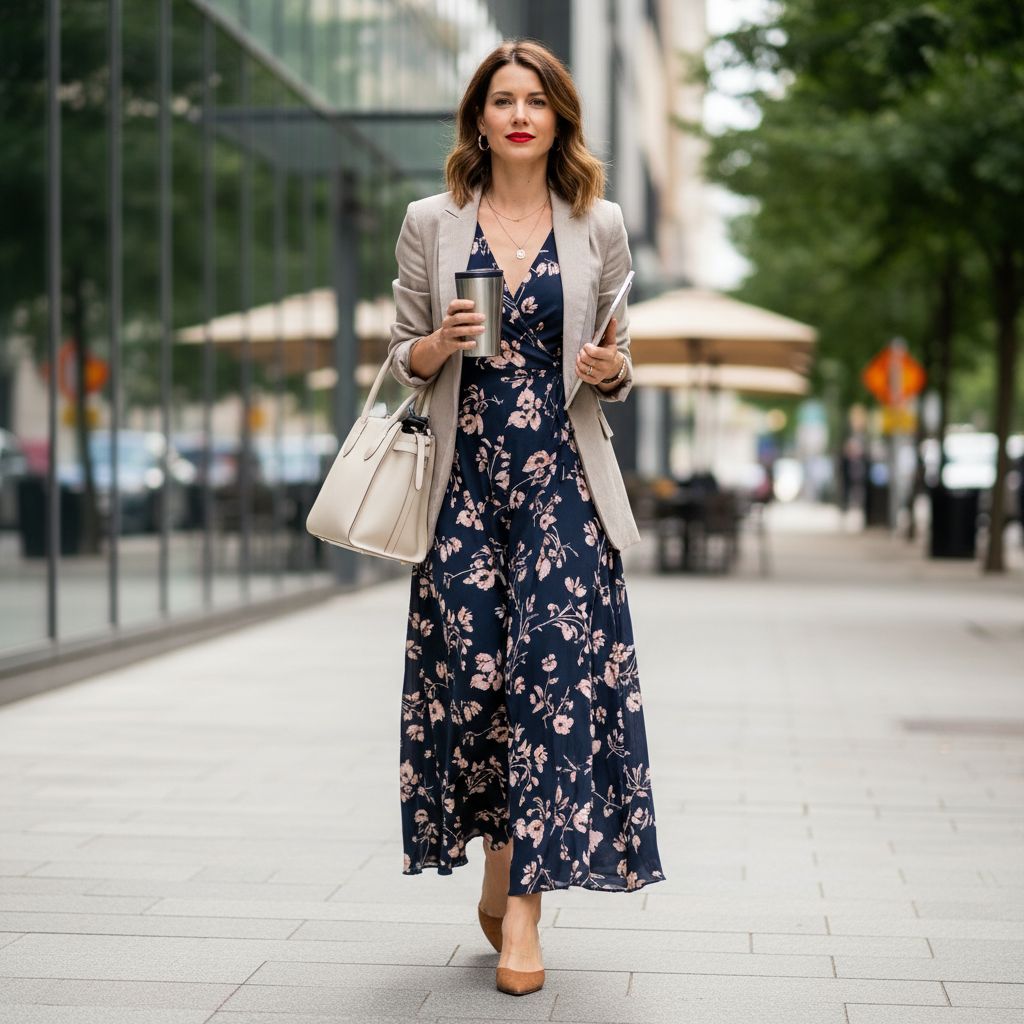

How silhouette makes a garment speak before anyone sees the details When people look at an outfit, they read the outline first. That outline is shape, also called silhouette. Shape is the “big form” of the garment from a distance. It can feel sharp, soft, relaxed, bold, classic, or modern without using any color or print. But here’s the pushback: shape alone won’t save a design. If the fabric is wrong, or the fit is off, the silhouette collapses. So we should treat shape like a system, not a label.
What “Shape” Really M,eans (and what it does not mean)
Shape / silhouette = the outer contour of a garment. Think: what the garment looks like as a shadow. Shape is NOT the same as fit. Shape is the big outline of a garment the way it looks as a simple shadow from a distance. It’s the overall form: A-line, boxy, column, cocoon, hourglass… It is not the same as size or even fit; a garment can be oversized and still have a clear A-line or boxy shape. When you separate “shape” from “fit” and “size,” you can talk about design more clearly and avoid vague words like “looks nice” or “more flattering.”
- Fit = how close the garment sits on the body (tight, regular, oversized).
- Shape = the outline it creates (A-line, boxy, column, cocoon).
A boxy tee can be fitted or oversized. An A-line dress can be loose or structured. So always describe shape + fit.
| Shape family | Quick visual test | Feels like | Easiest way to build it |
|---|---|---|---|
| Column | sides look straight | sleek, modern | straight panels + controlled ease |
| A-line | hem wider than top | easy, classic | flare panels or added hem width |
| Fit-and-flare | fitted top + flare below | playful, dressy | waist shaping + added skirt volume |
| Hourglass | waist clearly defined | polished, tailored | shaping seams + belt/waist detail |
| Boxy | width is obvious | casual, street | dropped shoulder + straight body |
| Cocoon | rounded outline | artsy, cozy | volume in mid + taper at hem |
| Inverted triangle | top wider than bottom | sharp, powerful | shoulder shape + slimmer lower line |
The Core Silhouette Families (simple and useful)
Before we talk details like fabric, trim, or color, we need the big outline. These are the core silhouette families that show up again and again in real products. They’re simple to spot from far away, easy to describe in meetings, and useful for both design and production. Learn these first, and you’ll understand 80% of what people mean when they say “shape.” You don’t need 50 fashion terms. These 7 cover most products.
A) Column / Tubular (straight)
- Straight sides. Little to no flare.
- Feels: clean, calm, minimal.
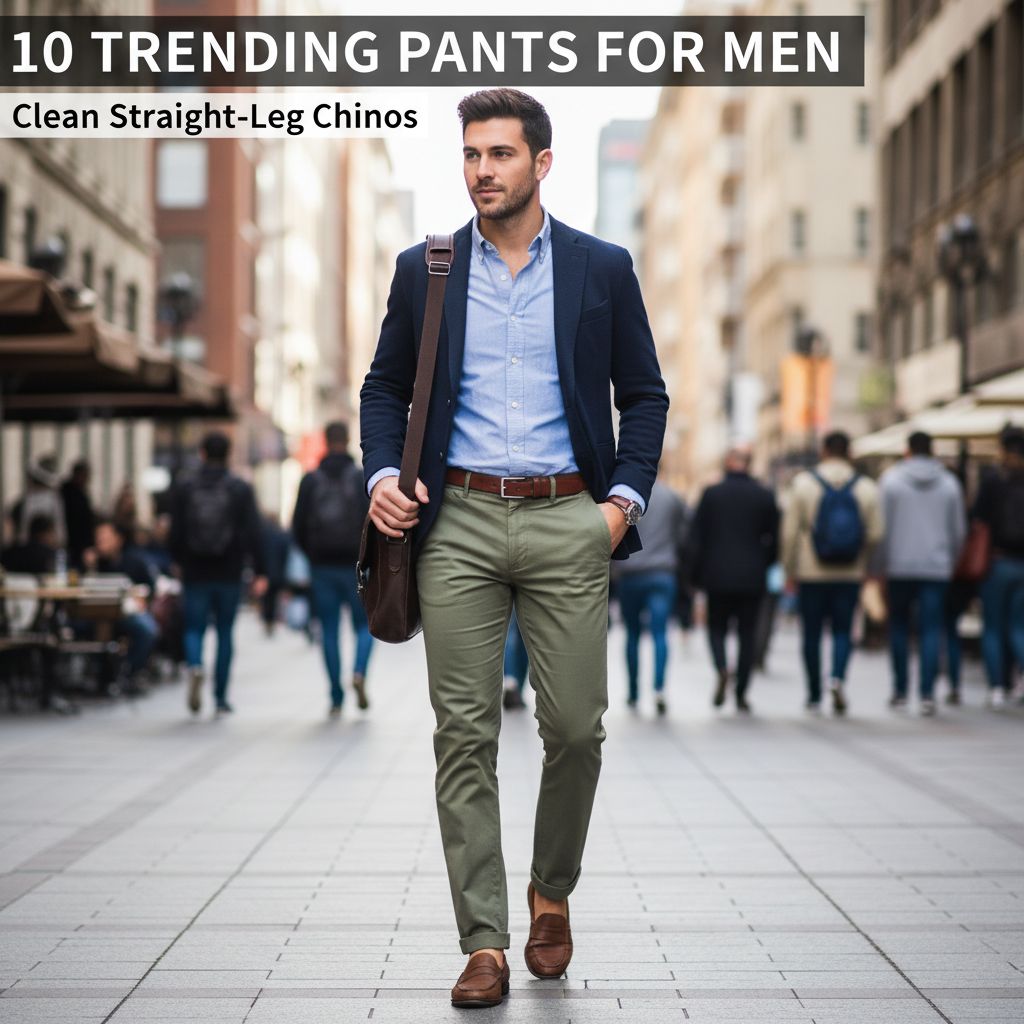
- Examples: pencil skirt, slip dress, straight pants.
B) A-line (triangle)
- Narrower top, wider hem.
- Feels: easy, classic, balanced.
- Examples: A-line skirt, fit-easy dress.
C) Fit-and-flare
- Fitted top, flared bottom.
- Feels: lively, feminine, “dressy.”
- Examples: skater dress, flared mini.
D) Hourglass (waist focus)
- Clear waist shape.
- Feels: polished, tailored, confident.
- Examples: belted dress, tailored blazer, peplum top.
E) Boxy / Square
- Width is part of the look. Often shorter body and dropped shoulder.
- Feels: casual, street, modern.
- Examples: boxy T-shirt, cropped hoodie, workwear jacket.
F) Cocoon / Oval
- Rounded outside line. Often volume in the middle, then taper.
- Feels: fashion-forward, cozy, artsy.
- Examples: cocoon coat, balloon skirt.
G) Inverted triangle
- Strong shoulders, slimmer lower line.
- Feels: sharp, powerful.
- Examples: structured blazer, puff sleeve top.
If your “silhouette list” is only 2–3 types, it often means your brand will look repetitive. But if you use all 7 at once, the brand can feel confused. Pick 1–2 hero shapes and repeat them.
What Creates Silhouette (the “why your sketch didn’t happen” section)
If your sample doesn’t look like your sketch, it’s usually not “bad luck.” Silhouette is created by a few concrete factors: pattern shaping, where volume is placed, how the fabric behaves, and how much structure you build inside. Once you understand these levers, you can predict the final outline and fix problems before wasting time on resamples.
Shape is built by four big levers:
- Pattern (the map)
- Volume control (where you add or remove space)
- Fabric behavior (stiff vs soft)
- Hidden structure (the secret engine)
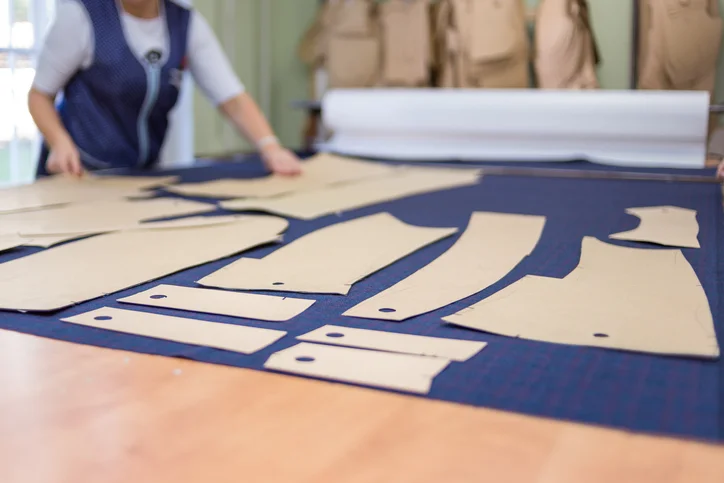
1) Pattern (the map)
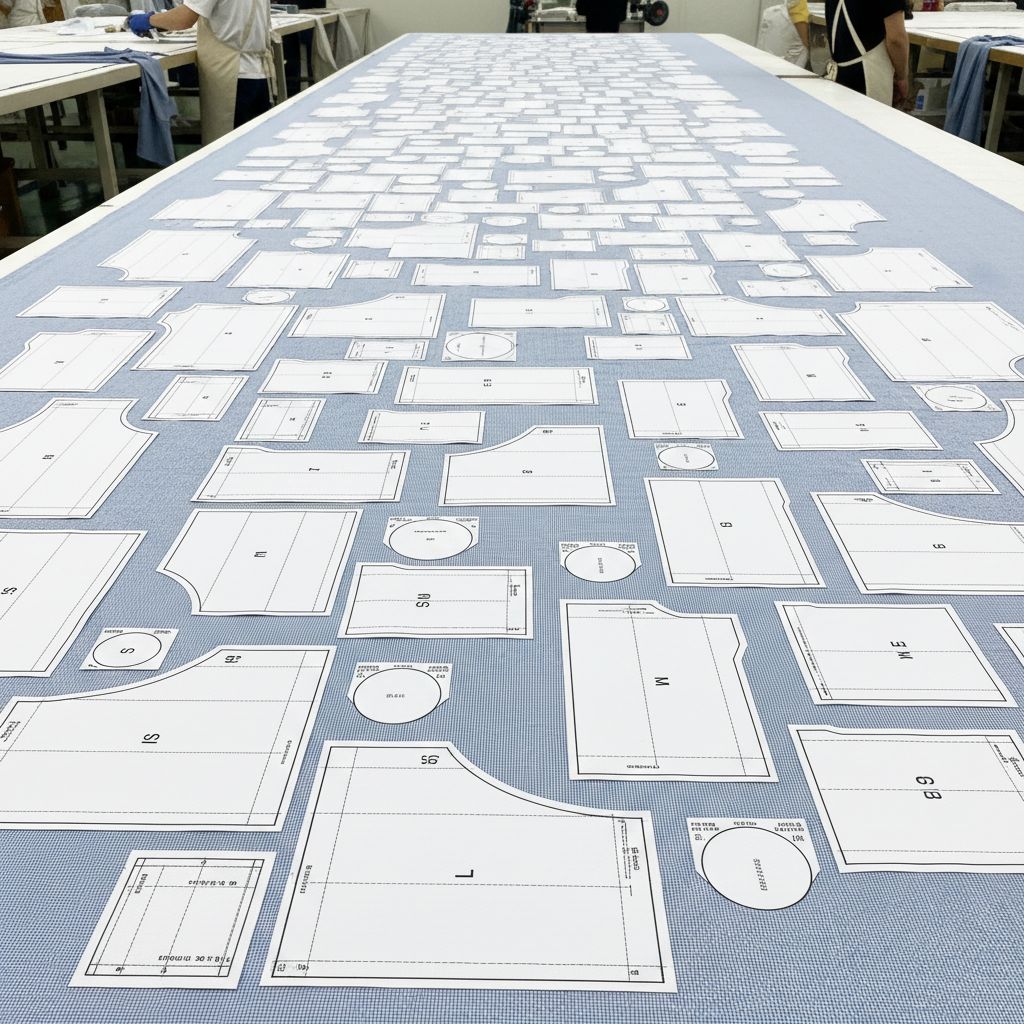
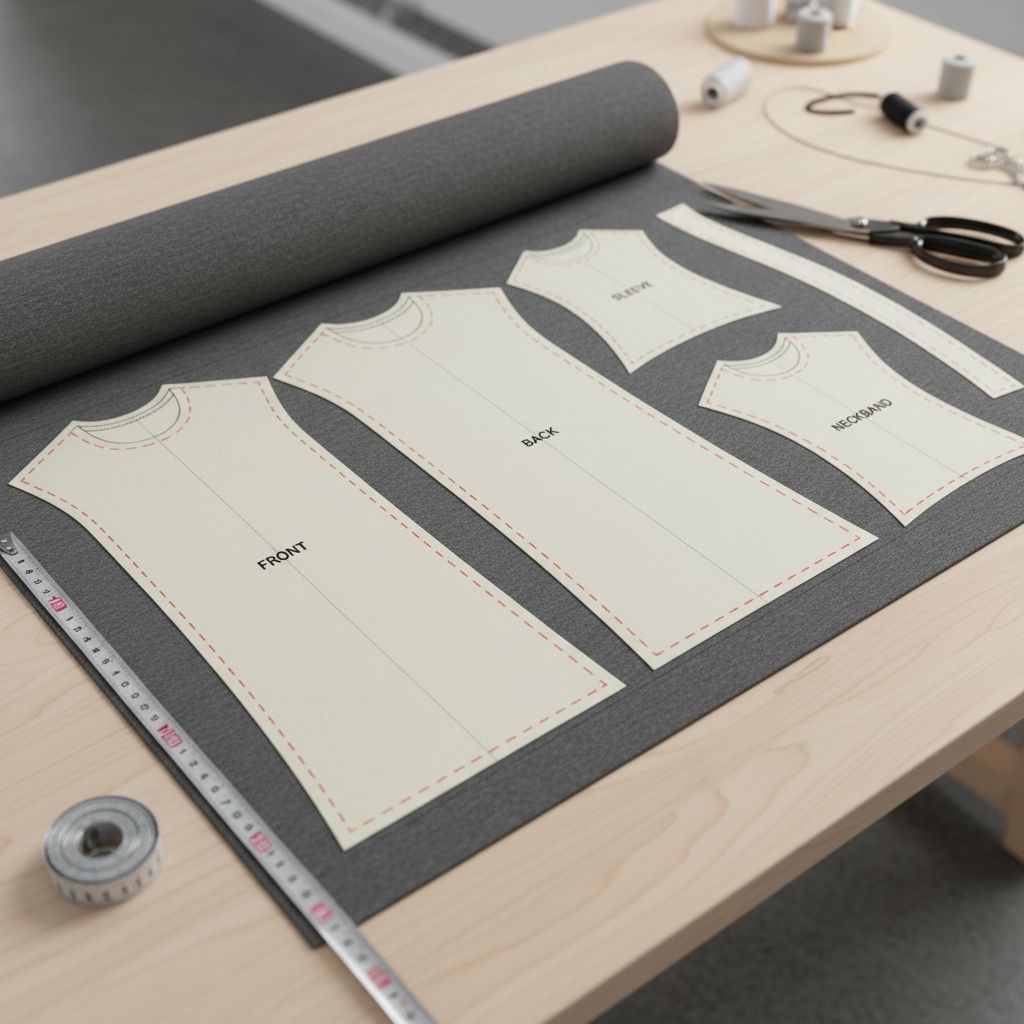
A silhouette starts with the pattern. The pattern is the garment’s map: it decides where fabric sits close to the body, where it moves away, and how the outline looks from a distance. If the pattern doesn’t build the shape, no fabric or styling trick can fully “fix” it later. Pattern lines decide where fabric sits and where it moves.
- Seams can sculpt.
- Panels can add flare.
- Shaping seams can hug the waist.
If you want a sharp shape but your pattern is “flat,” the garment will look flat too.
2) Volume control (where you add or remove space)
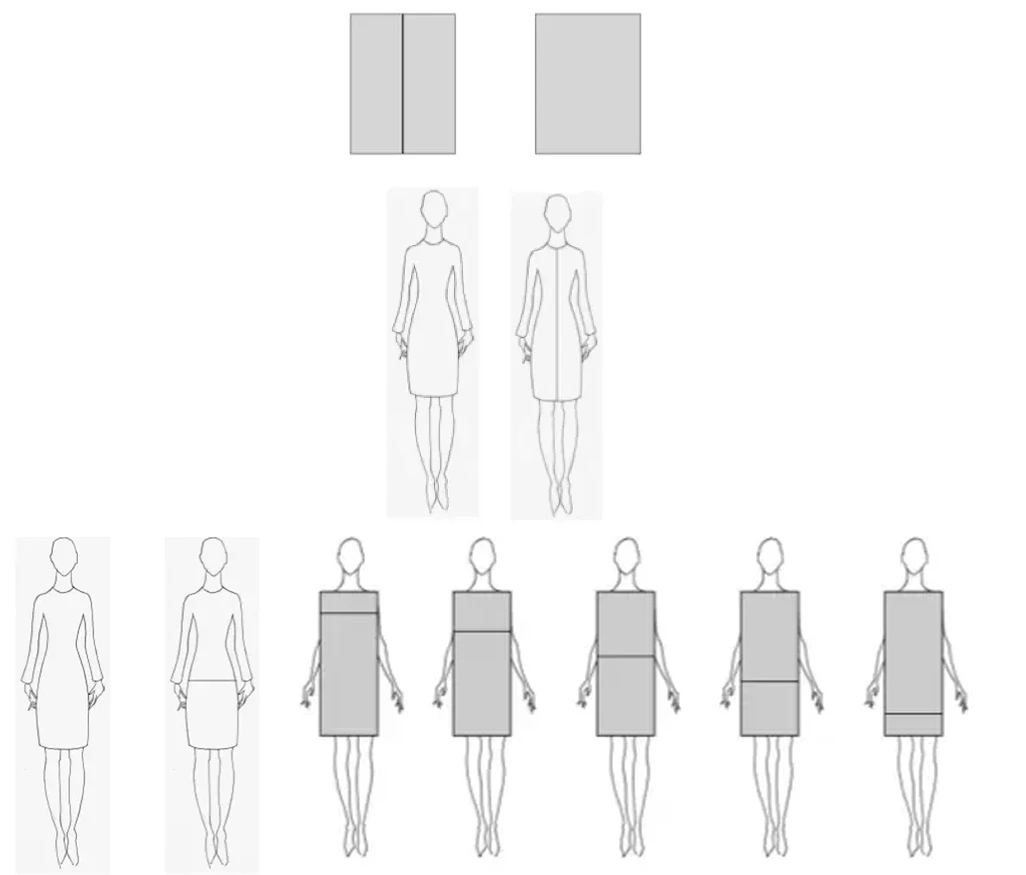
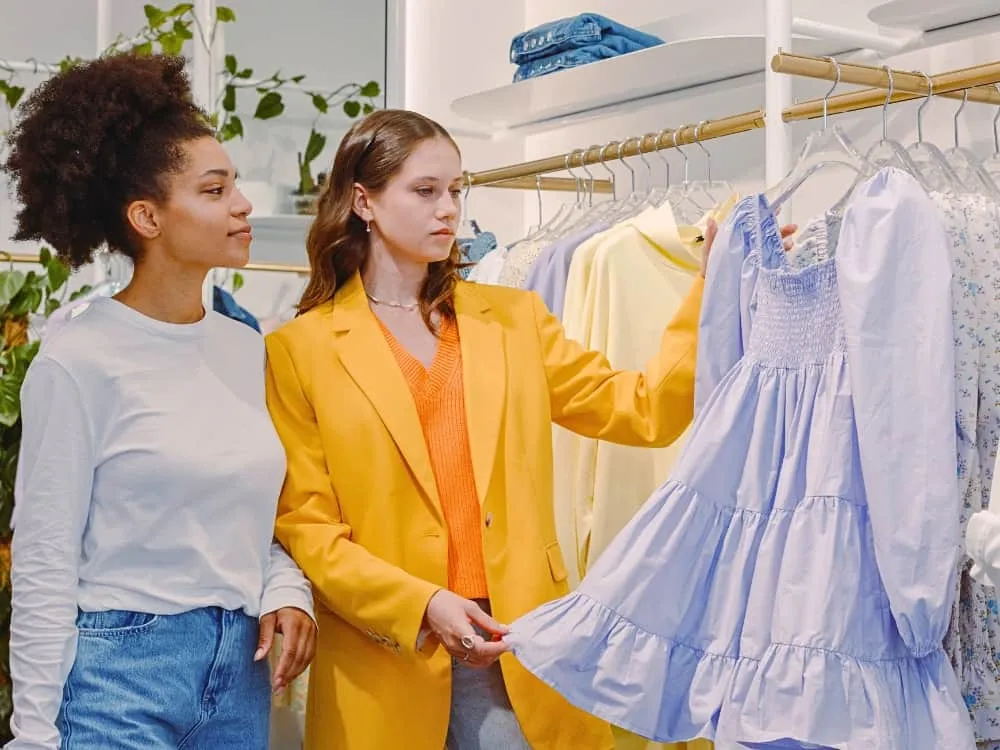
Silhouette is mostly about where the space goes. Volume control means deciding where the garment should feel roomy and where it should stay close. Add space in the right zone and the shape looks intentional. Add it in the wrong place and the garment can look bulky, messy, or “off.” Volume is not random. It has an address. You create it with:
- gathers
- pleats
- tucks
- extra panels
- bigger sleeve shapes

3) Fabric behavior (stiff vs soft)
Fabric has its own behavior. Some fabrics stand up and hold a sharp edge. Others fall softly and follow the body. The same pattern can look clean and sculpted in a stiff fabric, but relaxed and droopy in a soft one. If you ignore this, your sketch and your sample will never match. Learning how stiff and soft fabrics change the outline is the key to choosing the right silhouette. This is where many designs fail.
- Stiff fabric holds edges and volume.
- Soft fabric drapes and collapses.

Same pattern. Two fabrics. Two silhouettes.
4) Hidden structure (the secret engine)
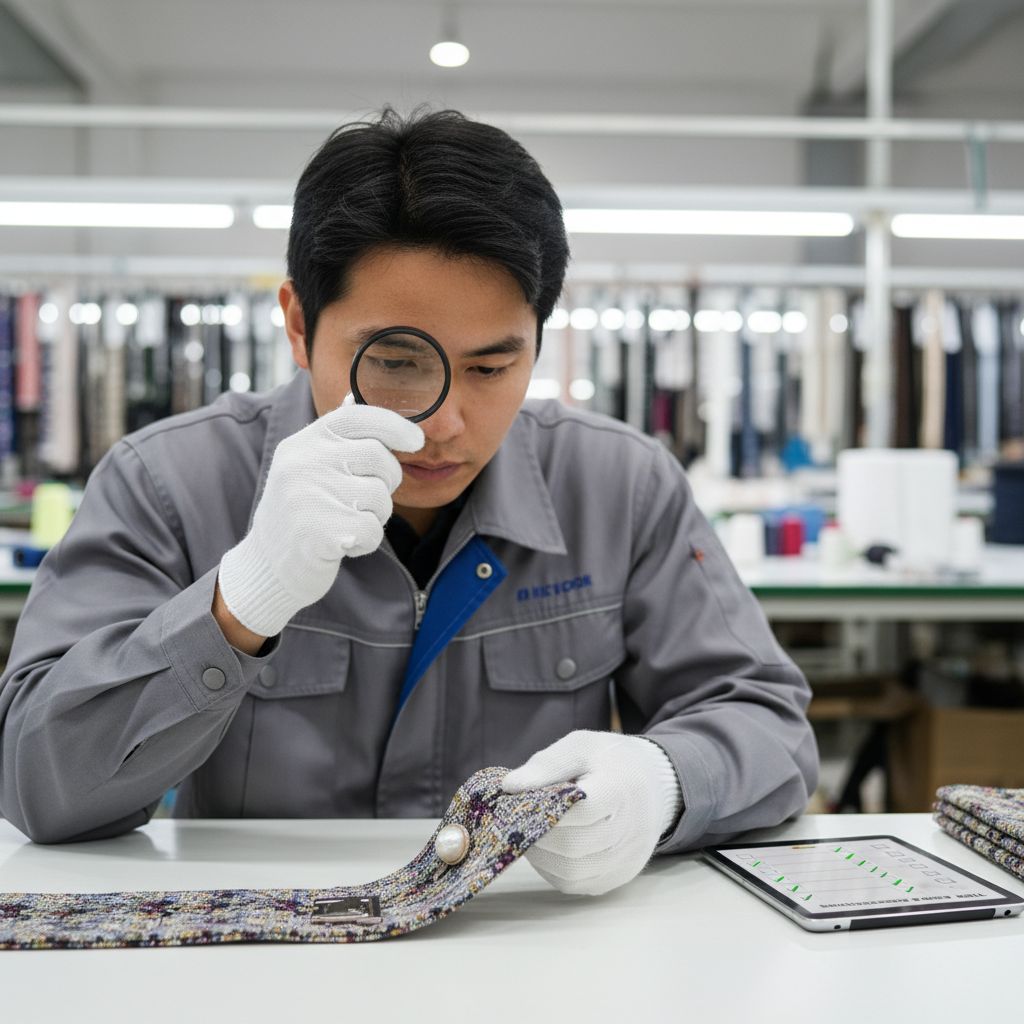
Hidden structure is the part of a garment most people never see, but it controls more than they think. Interfacing, lining, shoulder pads, tapes, and inner stays act like a skeleton under the fabric. They hold edges in place, support collars and waists, and stop silhouettes from collapsing after a few wears. If you design only with the outer fabric in mind and skip this “secret engine,” the shape will look weak, change over time, and never match the clean outline you had in your head. A “clean” silhouette often needs support:
- interfacing in collars, plackets, waist
- lining for smooth outline
- shoulder support for sharp top shapes
If you skip structure, the shape may look tired after wear.
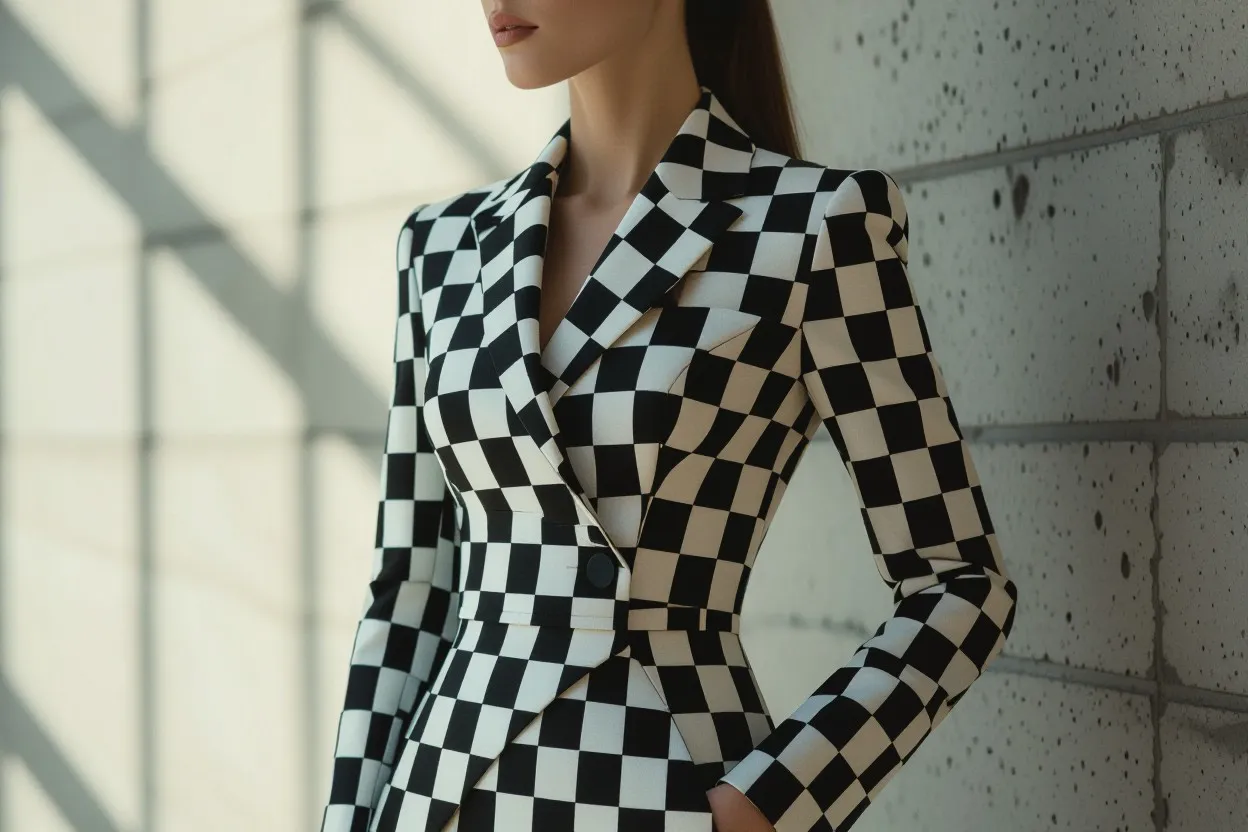
Shape = Mood (what people feel when they see it)
Before anyone notices color or print, they feel the shape. Silhouette gives an outfit its mood sharp or soft, relaxed or formal, modern or vintage. That’s why two outfits in the same fabric can still feel totally different: the outline tells the story first. Silhouette sends a message fast:
- Straight / column → modern, sleek, grown-up
- A-line → friendly, classic, easy
- Fit-and-flare → playful, energetic
- Hourglass → polished, “put together”
- Boxy → relaxed, cool, casual
- Cocoon → bold, artistic, cozy
- Strong shoulder → power, edge, confidence
Notes: People often say “this shape flatters me,” but comfort matters too. A silhouette that looks great but feels tight will not win repeat buyers.
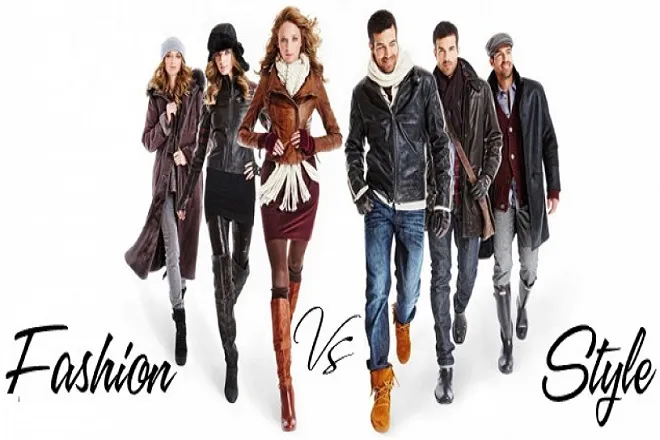
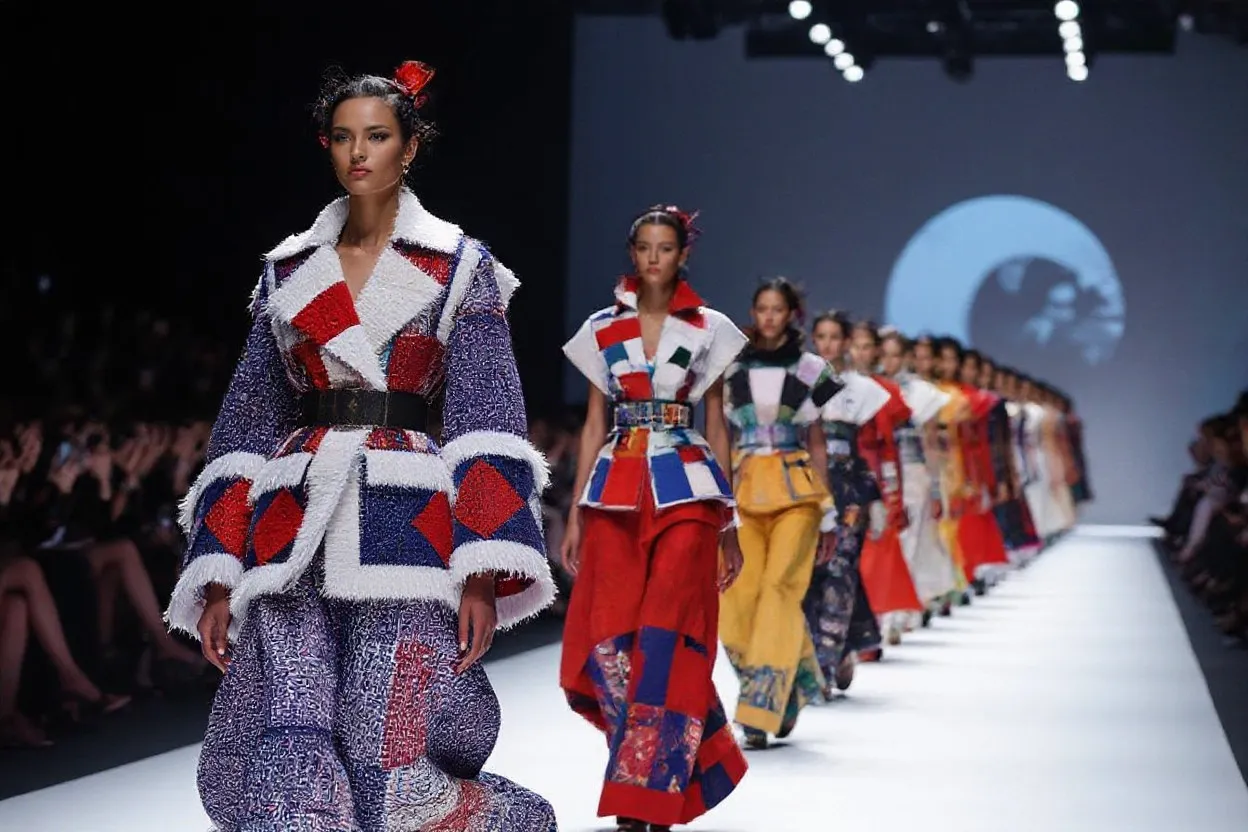
Final thoughts / Conclusion
Shape is the first impression of style. It tells people the mood before they see details. But don’t treat silhouette names like magic spells. A strong shape comes from a clear system: pattern + volume + fabric + structure = silhouette that stays true. If you want, tell me one product you’re writing for (example: “premium boxy tee 240gsm,” or “A-line woven summer dress”). I’ll turn this into a full brand + factory plan with the best silhouette choice, fabric match, and construction notes.