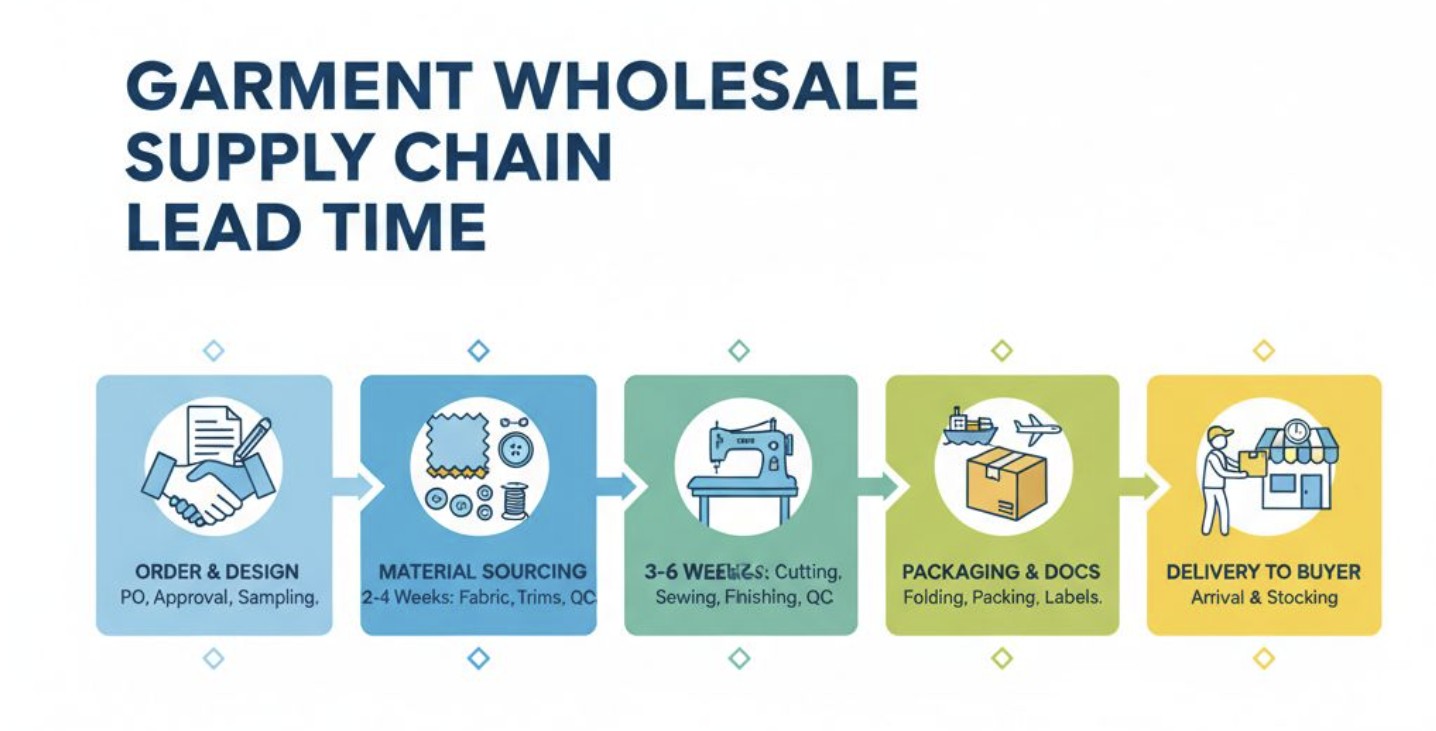

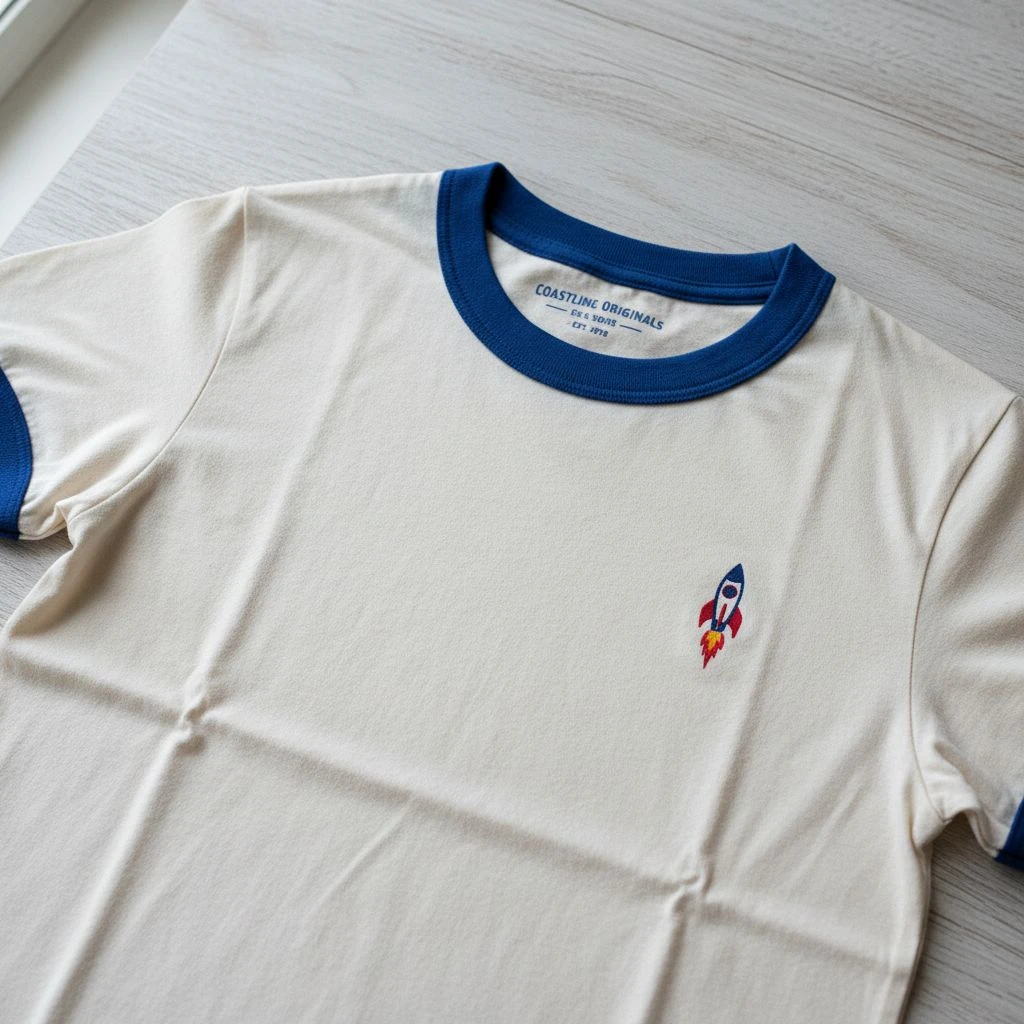
A ringer tee is a simple T-shirt with contrast rib trim at the neckline (and sometimes the sleeves), creating a clean retro, sporty look with minimal design changes. It’s a popular choice for vintage-inspired drops, campus merch, and casual streetwear because it stands out on rack without changing the core fit. But that contrast detail also leaves no room for mistakes. If the rib shrinks, stretches, or the color match is off, the tee can quickly look cheap. This article breaks down the real pros and cons of ringer tees, plus key production tips to help brands get them right.
=> Read More: T Shirts Manufacturing Vietnam | Mekong Garment Factory
What Ringer Tee T-Shirts
A ringer tee is a T-shirt with contrast rib trim on the neckline (and often the sleeve cuffs). It’s a simple detail, but it changes the whole look. Here’s the honest take: ringer tees are high-reward, high-exposure. The contrast trim sits right by the face. So if the collar waves, twists, or the color is slightly off, customers notice fast. This guide is written for brand owners who want ringer tees that feel intentional and premium not like leftover event shirts.
Why Ringer Tees Keep Coming Back
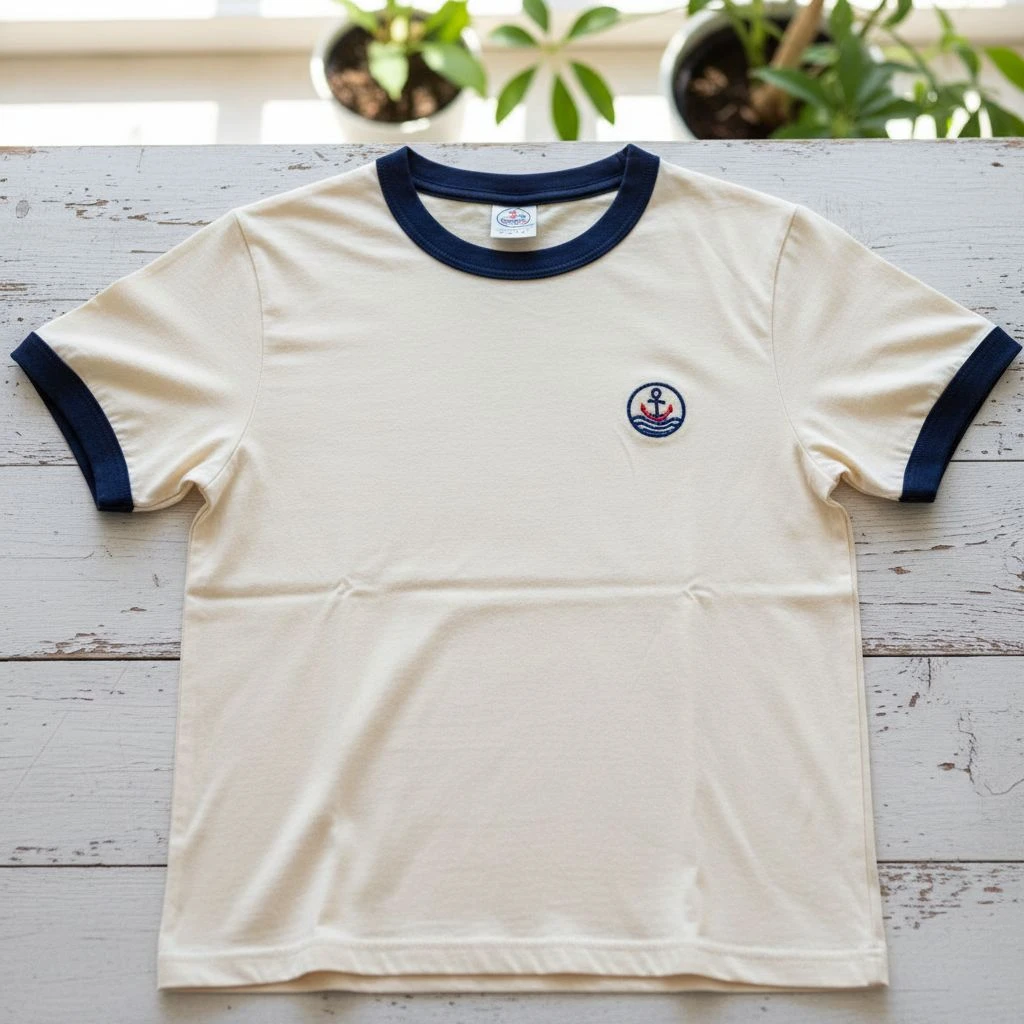
Ringer tees have roots in sporty, retro styling and keep cycling into fashion again and again (including recent trend waves). A “comeback” trend is not the same as your customer wanting it. If your brand identity is clean minimal, loud contrast rings can feel off-brand. The fix is easy though: go tone-on-tone or use a muted contrast.

What makes a ringer tee feel premium
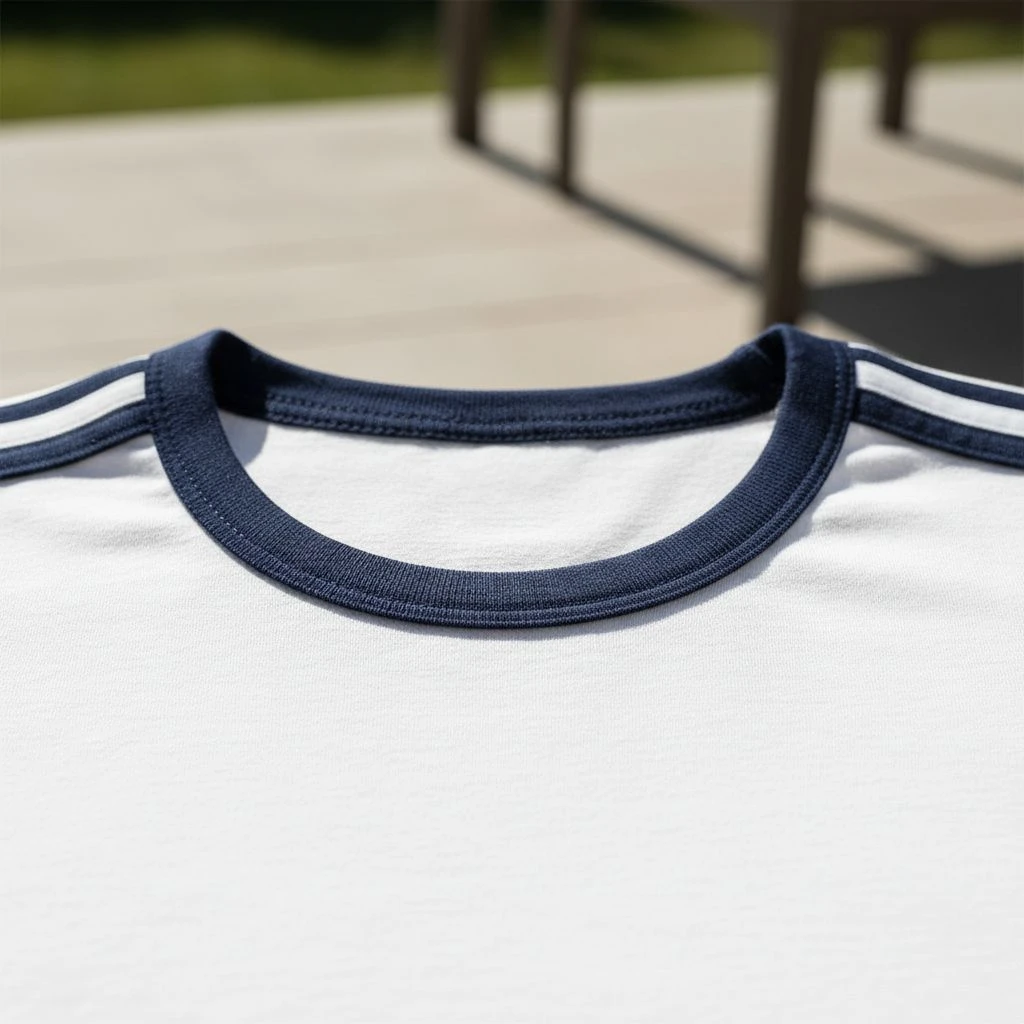
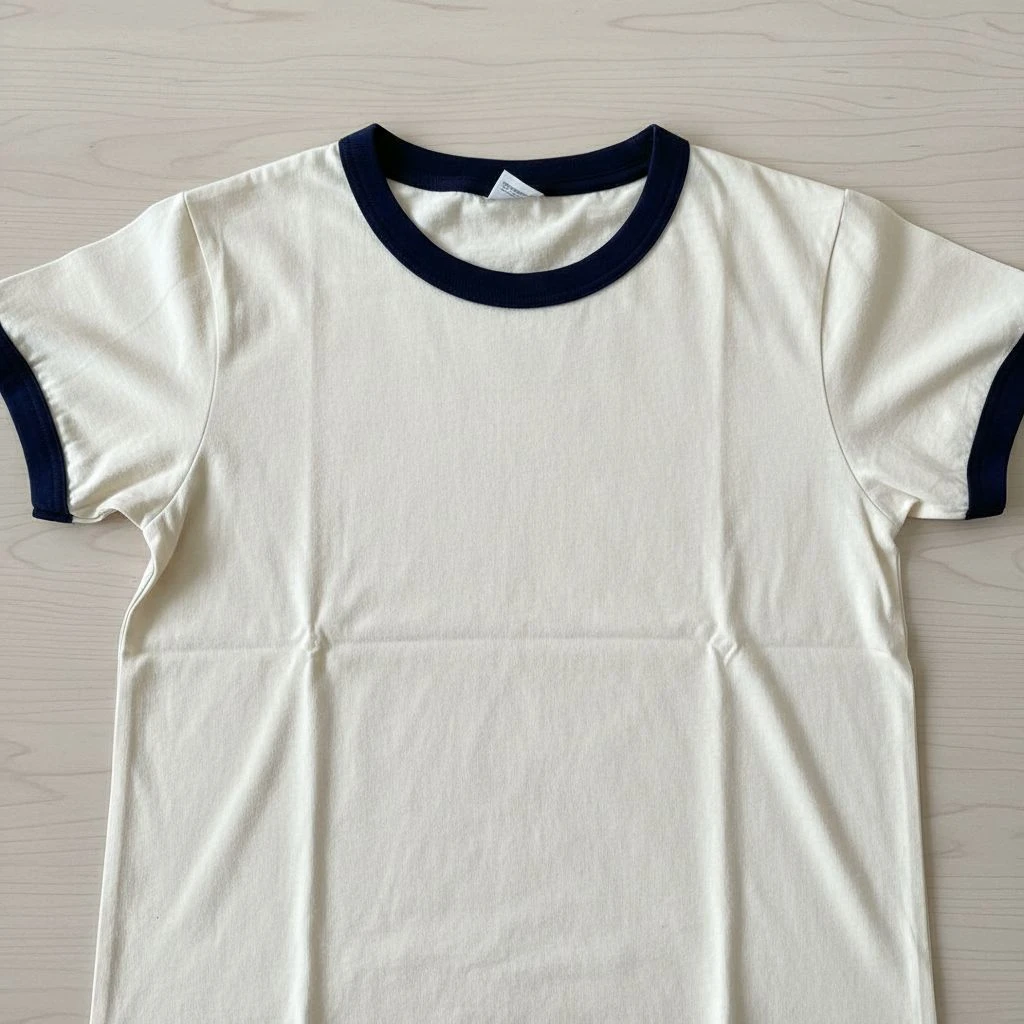
A ringer tee feels premium when the details are controlled. The contrast trim puts the neckline in focus, so any flaw, wavy collar, weak rib, off color shows instantly. When the rib lies flat, recovers well, and the contrast looks intentional, a simple tee suddenly feels designed and high quality.
Premium signals:
- Clean, flat neckline (no ripples)
- Strong collar recovery (doesn’t stretch out)
- Perfect shade match (contrast looks deliberate, not random)
- Even stitching (contrast makes wobbles obvious)
Cheap signals:
- Wavy neckline
- Collar torque/twist
- Shiny or flimsy rib
- Contrast that looks “close enough”
Best uses by brand type
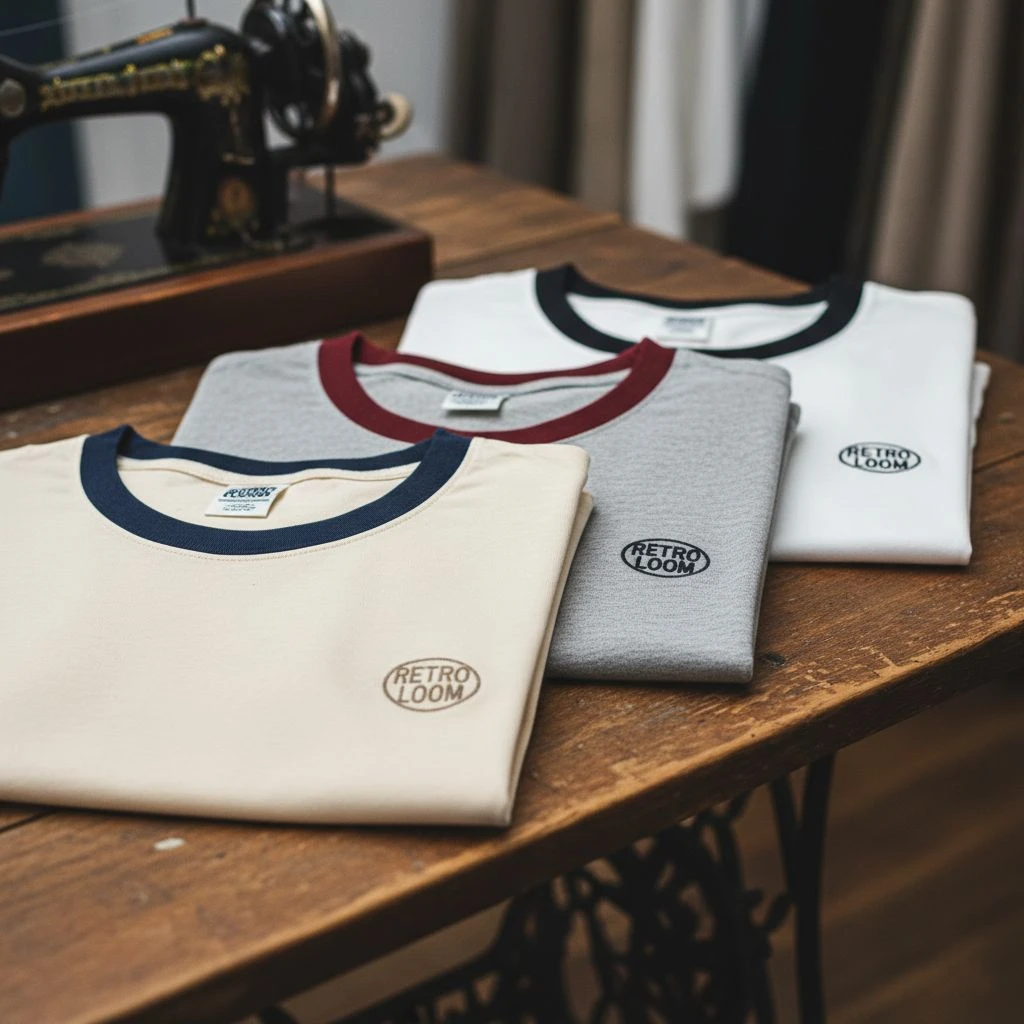
Ringer tees aren’t “for everyone” they work best when the retro, sporty contrast fits your brand story. For some labels, a ringer tee becomes an easy hero item for drops and merch. For others, it can clash with a clean minimalist identity or read too “team shirt.” In this section, we’ll map out where ringer tees perform best by brand type, so you choose the right angle, color contrast, and collection placement.

Best for:
- Vintage-inspired drops (especially with retro prints)
- Sporty streetwear (clean logo + ring color)
- Team / campus merch (school colors, club colors)
- Kidswear (ringer reads playful and classic)
Not ideal for:
- Ultra-minimal luxury brands (unless tone-on-tone)
- Brands with weak trim control or inconsistent dye lots
- Very hot climates if you plan heavy rib + tight neck
Design options that sell well
With ringer tees, small choices create big results. The same base T-shirt can feel vintage, sporty, minimalist, or bold depending on where you place the contrast and how strong the color difference is. The best-selling ringer designs are the ones that look intentional, stay wearable, and keep production risks under control. Below are the most proven design options brands use to get strong sell-through without turning the tee into “cheap merch.”
- Option A: Neck ringer only (safest)- Most wearable, Lowest QC risk, Works across genders and ages
- Option B: Neck + sleeve rings (true retro) – Strongest ringer identity, Higher risk: cuff tension mismatch, sleeve ring unevenness
- Option C: “Soft contrast” (premium-friendly) – Body: off-white / washed black / heather gray, Trim: slightly darker/lighter within the same color family
Pros & Cons of Ringer Tees
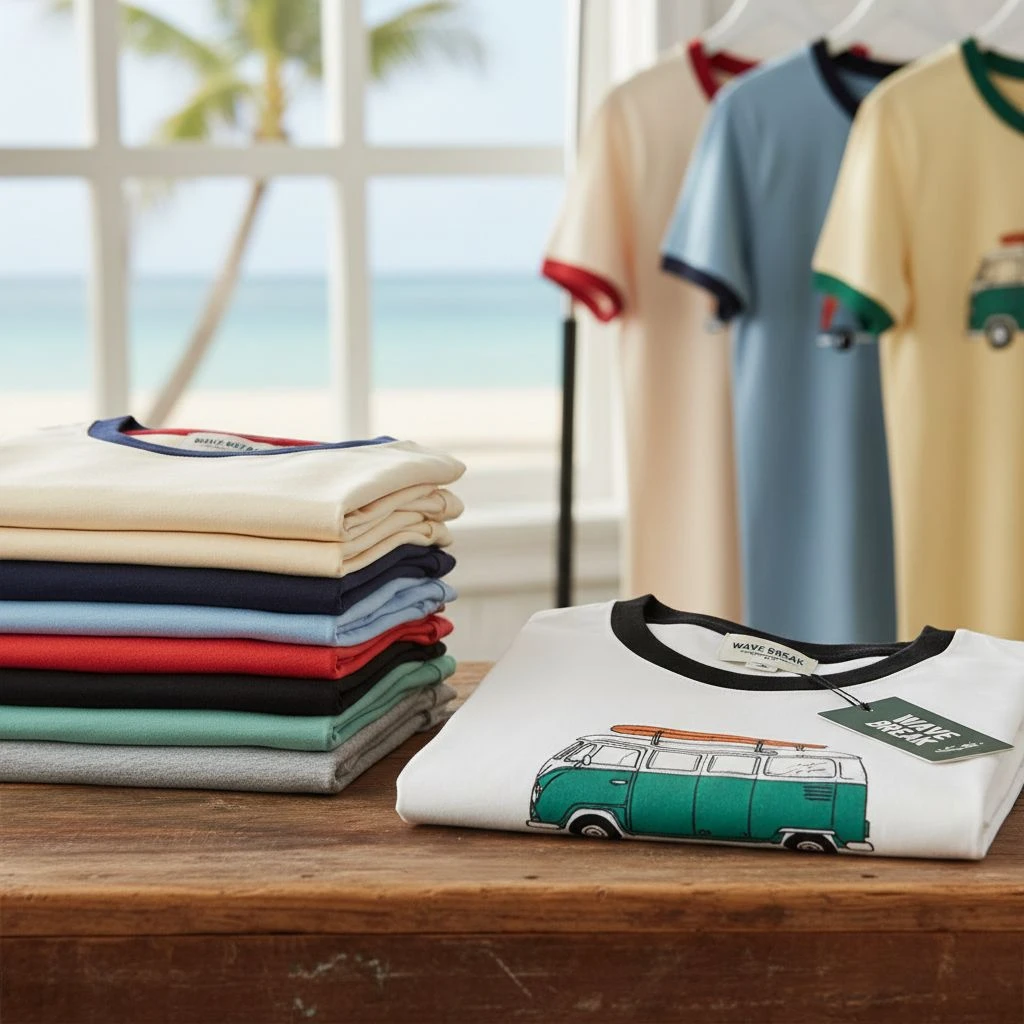
Ringer tees are a quick way to make a basic T-shirt look more designed just add contrast rib trim at the neckline (and sometimes the sleeves) and you instantly get a retro, sporty vibe. That’s the upside. The downside is that this same contrast detail makes quality issues obvious: if the rib shrinks differently, loses shape, or the color match is off, the tee can look cheap fast. In this section, we’ll break down the real pros and cons so you can decide when ringer tees are worth it for your brand.

Pros:
- 1) “Designed” look with low development cost: You usually keep the same tee block and add contrast trim. That’s fast.
- 2) Strong identity on rack: A ringer tee reads instantly from 2–3 meters away. Great for retail photos and thumbnails.
- 3) Perfect for capsules and drops – Ringer tees fit themes like: vintage / retro, sporty streetwear, campus or club merch, band / tour-inspired graphics.
- 4) Easy to build a color story: One body color + one trim color can become a whole “system” across tees, tanks, and long sleeves.
Cons:
- 1) Shrinkage mismatch can ruin the neckline: If the rib trim shrinks differently than the body, the collar can pucker or wave after wash. That’s why dimensional-change testing matters.
- 2) Color matching is harder than it looks: You’re matching two different fabrics (body jersey vs rib). Dye lots can drift.
- 3) Stitch quality is more visible: Contrast frames the seam. Any uneven topstitch looks worse than on a normal tee.
- 4) More SKUs and sourcing complexity: You may need separate rib colors, extra trims, and tighter inventory planning.
Conclusion / Final Words
Ringer tees are one of the simplest ways to make a basic T-shirt look more “designed,” but they’re also one of the easiest styles to mess up. The contrast rib puts the neckline and cuffs under a spotlight so small issues like shrink mismatch, weak recovery, uneven stitching, or off color can instantly make the product feel cheap.
If you want ringer tees that sell and get re-ordered, treat the trim like a key material, not an afterthought. Start with a clean neck-only ringer, choose rib with stable stretch and recovery, lock down color approval, and always validate with a wash test before bulk. Done right, a ringer tee becomes a reliable capsule piece: recognizable, brandable, and easy to refresh with new colorways and graphics without changing your core fit.