How to Reduce Waste in the Fashion Manufacturing Process

A practical, factory-friendly guide for brand owners, product developers, and production teams. Waste in fashion is not just “fabric scraps.” It’s also rework, delays, extra samples, rushed shipping, deadstock, and returns. The painful part? Most of that waste is created before the first bulk cut. And yes, waste hits the planet and your profit at the same time. The fashion/textiles sector is linked to a meaningful share of global emissions and pollution, and it uses a huge amount of water. Below is a full, step-by-step playbook you can use in real manufacturing.
What “Waste” Really Means in a Garment Factory
When people hear “waste” in garment production, they often think only of fabric scraps on the cutting room floor. That’s real but it’s only the visible part. In a factory, waste also shows up as extra sample rounds, rework and repairs, waiting time, wrong trims, rejected pieces, overproduction, and rushed shipping. Every time a team has to redo, recut, or repack, the factory burns fabric, labor, time, and money and the environmental impact grows too. So if you want to reduce waste, don’t look at cutting waste alone. You need to track waste across the whole process from design and tech pack decisions to sewing quality control, packing, and demand planning.

Think in 8 waste buckets (so you don’t fix only one and miss the rest):
- Fabric waste (offcuts, bad marker, shade loss, shrinkage surprises)
- Sample waste (too many rounds, late changes)
- Defect waste (repairs, re-cut, rejects)
- Time waste (waiting for trims, unclear approvals, bottlenecks)
- Process waste (over-processing: extra topstitch, fancy construction that adds little value)
- Energy/water/chemical waste (washing, dyeing, finishing)
- Packaging & logistics waste (wrong packing, carton damage, air freight)
- Overproduction waste (unsold inventory, markdowns, disposal)
The core rule: most waste is a planning problem
In garment manufacturing, waste rarely happens because people “don’t try hard enough.” It happens because the plan is weak. When goals are unclear, tech packs miss details, materials aren’t confirmed, or approvals come late, the factory is forced to guess and guessing creates waste. One small planning mistake can trigger a chain reaction: extra samples, last-minute changes, recutting panels, reworking seams, delayed shipments, and even air freight… That’s why the smartest way to reduce waste is not to start at the cutting table it’s to start earlier. Strong planning removes surprises, locks decisions at the right time, and keeps every team working with the same target from day one.
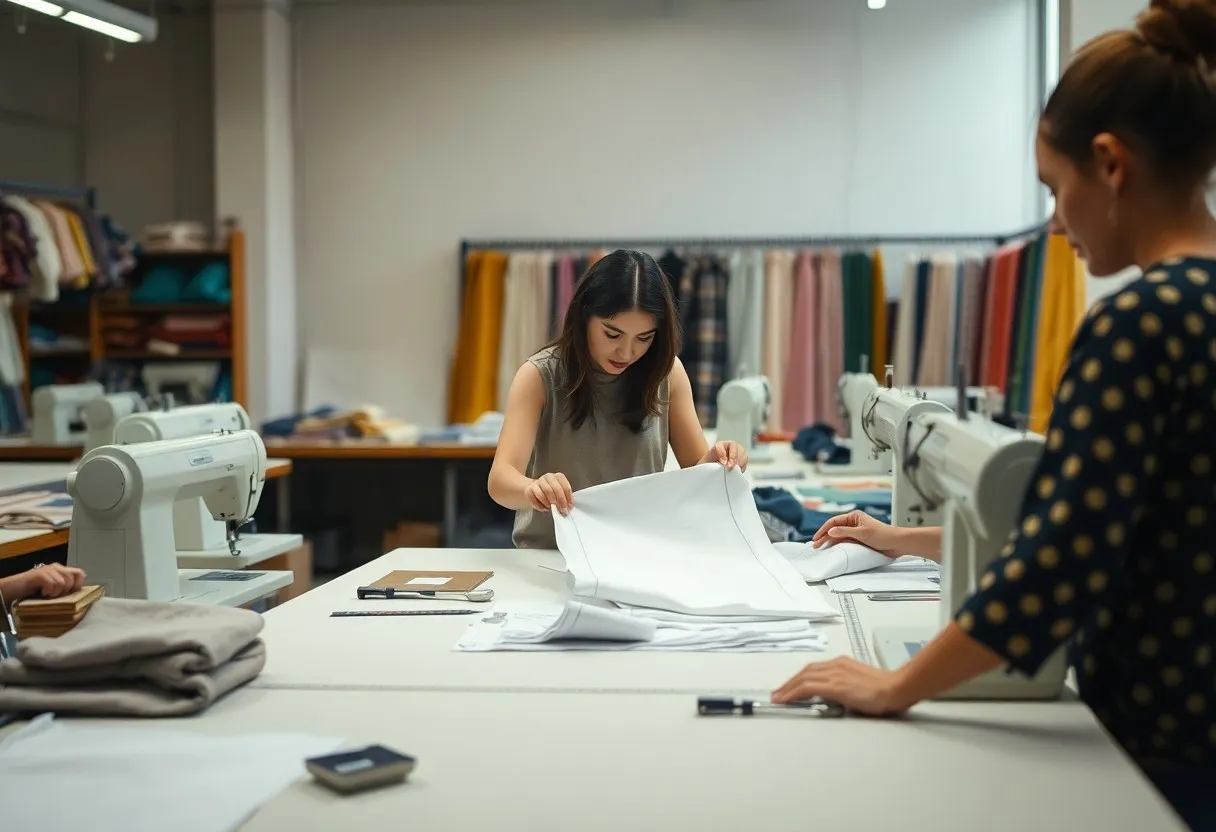

Factories don’t “accidentally” waste a lot. Waste usually comes from:
- unclear specs
- late changes
- weak tech packs
- rushed timelines
- poor cut planning
- weak process control
- guessing demand
So the goal is simple: remove surprises.
The 10-Step System That Actually Reduces Waste
Reducing waste in fashion manufacturing isn’t one “magic trick,” and it’s not solved by buying a greener fabric alone. Waste comes from many small breakdowns across the workflow unclear specs, late changes, poor cutting plans, defects, overproduction, and rushed logistics. That’s why you need a system, not a single fix. The 10-step method below is built around how real factories run: it focuses on preventing surprises early, tightening communication, improving cutting and quality control, and making smarter production decisions. Follow these steps in order, and you’ll reduce waste in a way that is measurable, repeatable, and realistic for both small brands and large production teams.
| KPI | Why it matters | Simple target idea |
|---|---|---|
| Marker efficiency (%) | Direct fabric waste | Improve +3–8% |
| Rework rate (%) | Hidden cost + delays | Cut by 20–40% |
| First-pass yield (%) | Quality health | Increase steadily |
| Sample rounds/style | Time + money + fabric | Aim for 2–3 |
| Deadstock fabric (meters) | Cash trapped | Reduce month by month |
| Air shipments (#) | Waste signal | Aim for near zero |
Step 1) Set clear goals and a baseline (or you’re guessing)
Before you try to “reduce waste,” you need to know what waste looks like in your production. Otherwise you’re just making changes and hoping they work. Clear goals turn sustainability into something measurable: fewer sample rounds, higher marker efficiency, lower rework, less deadstock, fewer rush shipments. A baseline is simply your starting point your current numbers so you can prove improvement and spot where the real waste is hiding. Without a baseline, even good ideas can backfire: you might reduce fabric scraps but increase defects, or cut sample rounds but raise returns. Set targets first, measure the current reality, then improve with confidence.

Start with numbers, not vibes. Pick 4–6 targets like:
- Sample rounds per style: 5 → 2
- Marker efficiency: +3% to +8%
- Rework rate: -30%
- First-pass yield: +10%
- Deadstock fabric: -20%
- Air shipments: near zero
Then measure your current state for 2–4 weeks. No baseline = you can’t prove improvement.
Step 2) Align early with the factory (DFM meeting)

A lot of manufacturing waste comes from one simple problem: the factory discovers the “hard parts” too late. When a design looks great on screen but is difficult to sew, press, or finish at scale, the result is predictable extra samples, rushed changes, rework, and delays. A DFM meeting (Design for Manufacturability) fixes that early. It brings design, development, and production into the same room to review the style before sampling and before bulk decisions get locked. The goal isn’t to “downgrade” the design it’s to spot risks, simplify where it doesn’t hurt the look, and make sure the product can be made consistently with less waste and fewer surprises.
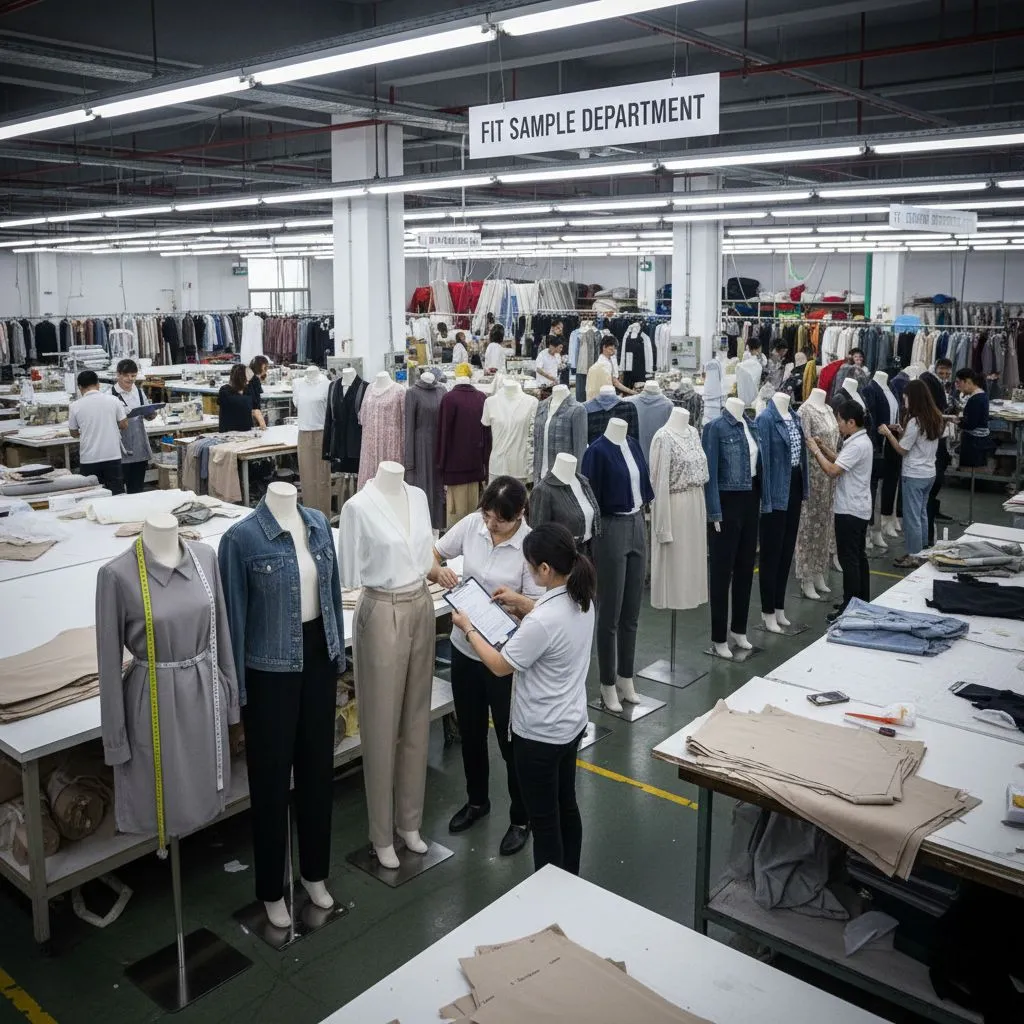
Do one structured meeting before sampling:
Bring:
- sketches or CAD
- target price
- fabric idea
- trims list
- fit intent (tight, relaxed, oversized)
Ask the factory:
- What operations are risky?
- What machines are needed?
- What steps slow the line?
- What causes defects on this fabric?
- Where can we simplify without losing the look?
This is “Design for Manufacturability” (DFM). It prevents late redesigns.
Step 3) Build a tech pack that prevents guessing
In garment production, a weak tech pack forces the factory to fill in the blanks and every blank becomes a risk. When details like stitch type, seam allowance, placement, tolerance, or trim specs are missing, the team has to guess, interpret, or “do what they usually do.” That might work on one sample, but it often breaks in bulk: measurements drift, seams fail, labels are misplaced, or the look changes across sizes. A strong tech pack is not just a document it’s a prevention tool. It gives clear, factory-friendly instructions so the product can be made the same way every time, reducing sample rounds, rework, and wasted fabric, time, and cost.

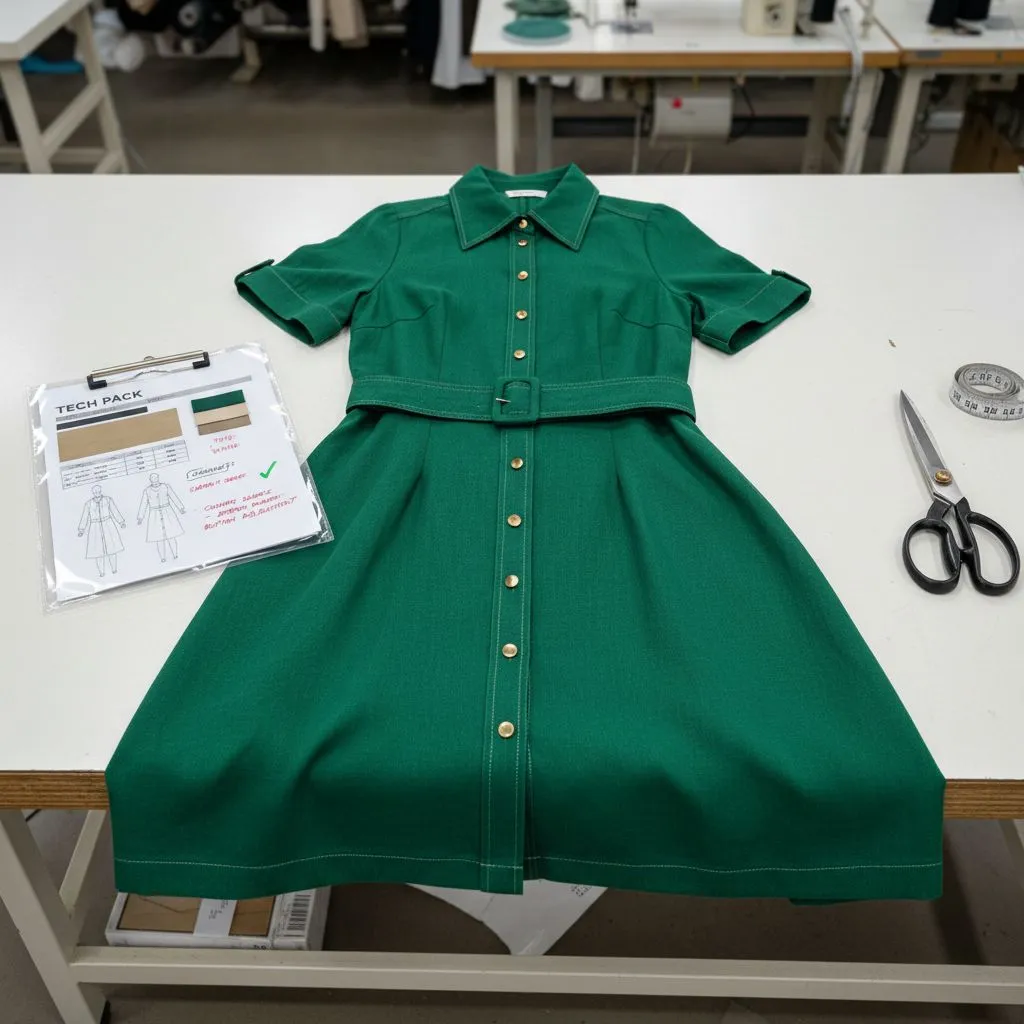
A “pretty tech pack” can still be useless. Your tech pack should make the factory say: “I know exactly what to do.” Include:
- BOM with approved alternatives (backup zipper, backup rib)
- stitch type + SPI + seam allowance
- tolerance table (what’s acceptable)
- graded spec sheet (all sizes)
- placement diagrams (prints, labels, pocket position)
- construction notes (in order)
- wash/shrinkage assumptions
=> Reality check: “We’ll explain on WhatsApp later” is a waste engine. Every missing detail becomes rework.
Step 4) Reduce sample rounds with smarter approvals
Sampling is necessary, but too many sample rounds are usually a sign of unclear decisions, not better quality. Every extra round burns fabric, labor, shipping time, and energy then pushes the timeline tighter, which often causes even more waste later (rush trims, rushed sewing, rushed freight). Smarter approvals reduce waste by making sure each sample has a clear purpose: one round to confirm construction and fit direction, another to refine and lock standards, then stop. The key is to review early, decide faster, and avoid late design changes after fit work begins. When approvals are structured and disciplined, you get a cleaner path to bulk fewer samples, fewer revisions, and far less wasted time and materials. Sampling is necessary, but many rounds are not.
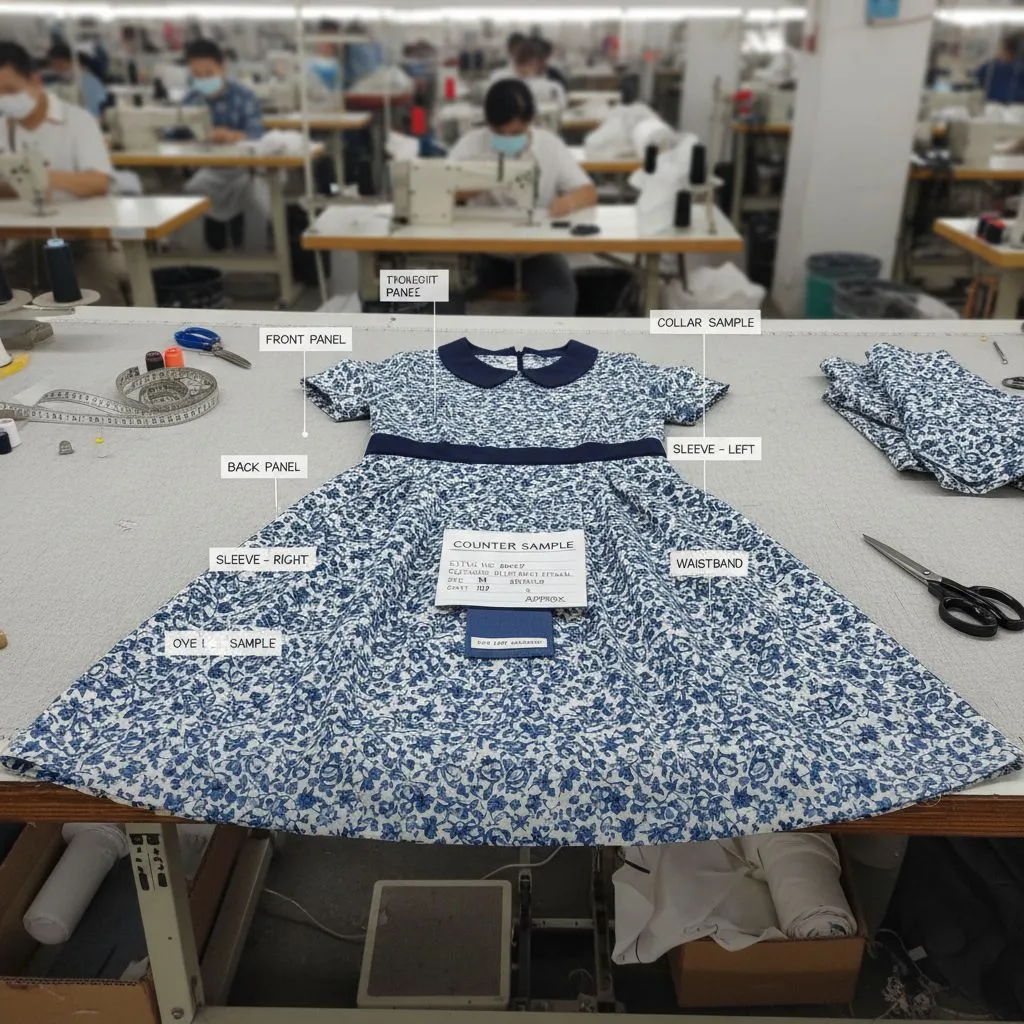
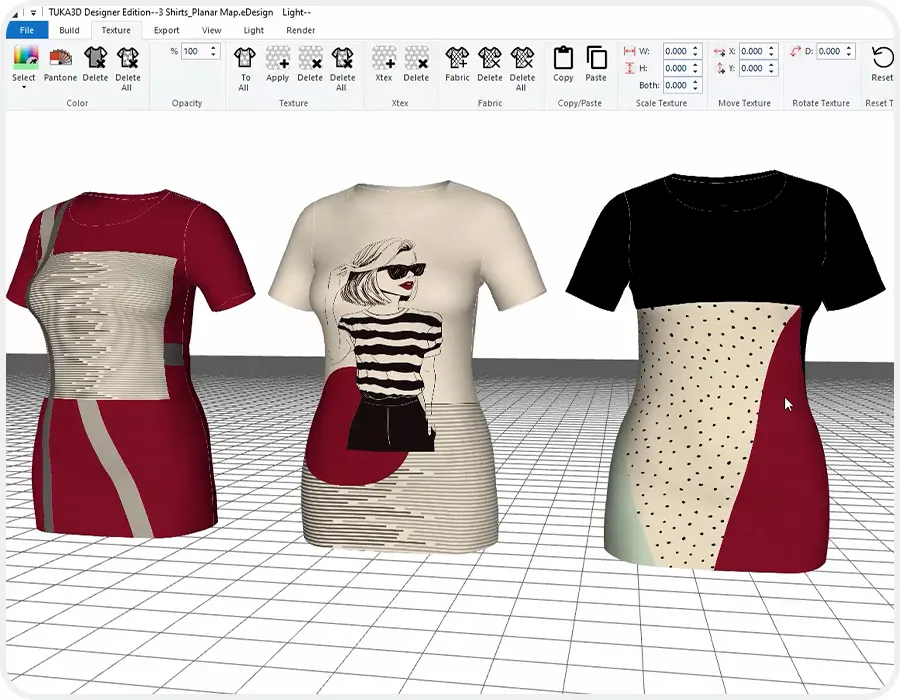
Use a 3-layer approach:
- Digital review (construction logic, silhouette, placement)
- 1st physical proto (fit + major construction)
- 1 improvement round max (then lock)
=> Key habit: Freeze the design before you perfect the fit. Design changes after fit work = double waste.
Step 5) Design to cut waste (patterns + style choices)

Fabric waste doesn’t start in the cutting room it starts in the pattern shapes you choose. Some designs naturally nest well and use fabric efficiently. Others create lots of empty space on the marker, forcing higher offcut waste even if the cutting team is skilled. Small style choices extra panels, unusual curves, tiny decorative pieces, strict stripe matching, or complex seam lines can quietly increase fabric consumption and create more sampling and sewing risk. Designing to cut waste means thinking like a pattern maker early: simplify shapes where possible, standardize parts across styles, and plan the pattern layout from the beginning. You’re not “making it boring” you’re making it efficient, repeatable, and scalable with less fabric loss.
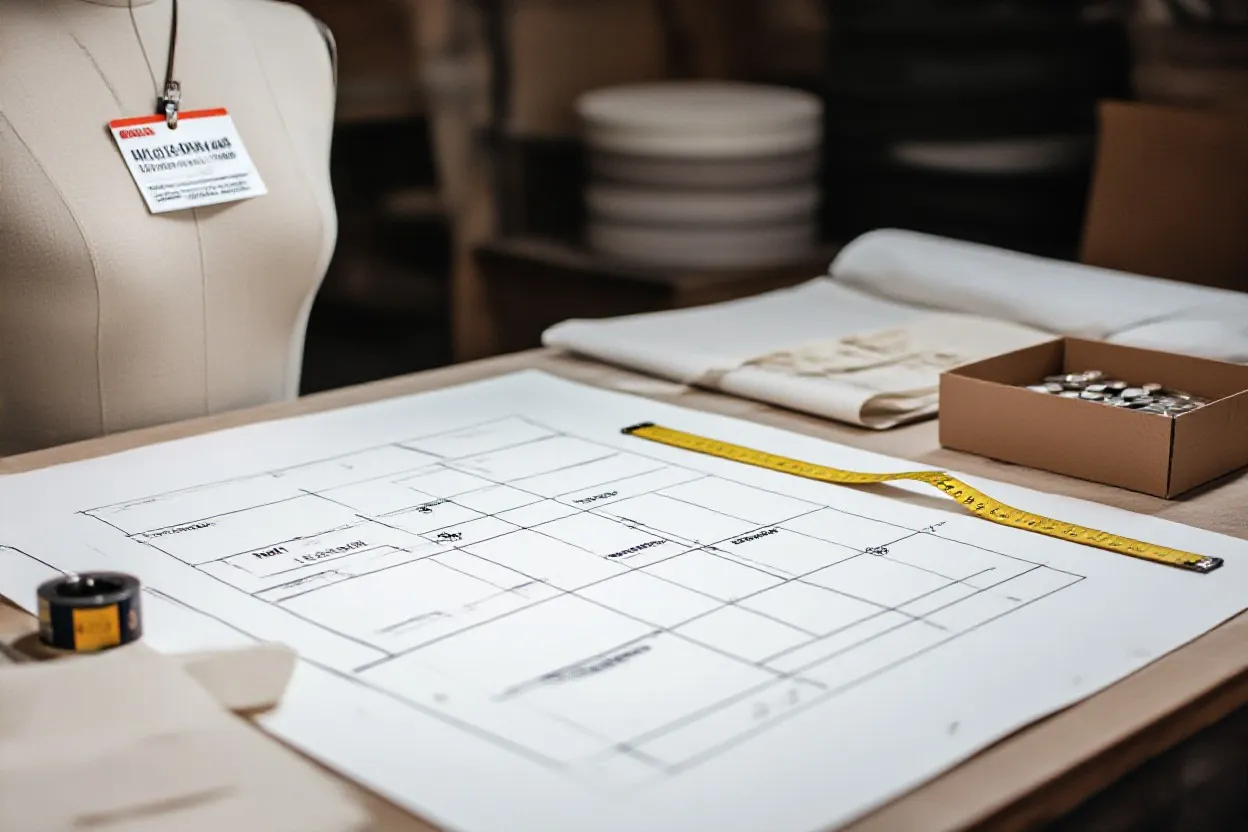
Fabric waste is driven by pattern shapes.
Good moves:
- avoid tiny “decorative” panels that create offcuts
- standardize pockets/hood shapes across styles
- reduce random curved seams unless they add true value
- plan stripe/plaid matching rules early (they can destroy yield)
If your factory has CAD, ask for 2–3 marker options:
- best fabric yield
- best speed
- best balance
Step 6) Upgrade the cutting room (where fabric savings often live)
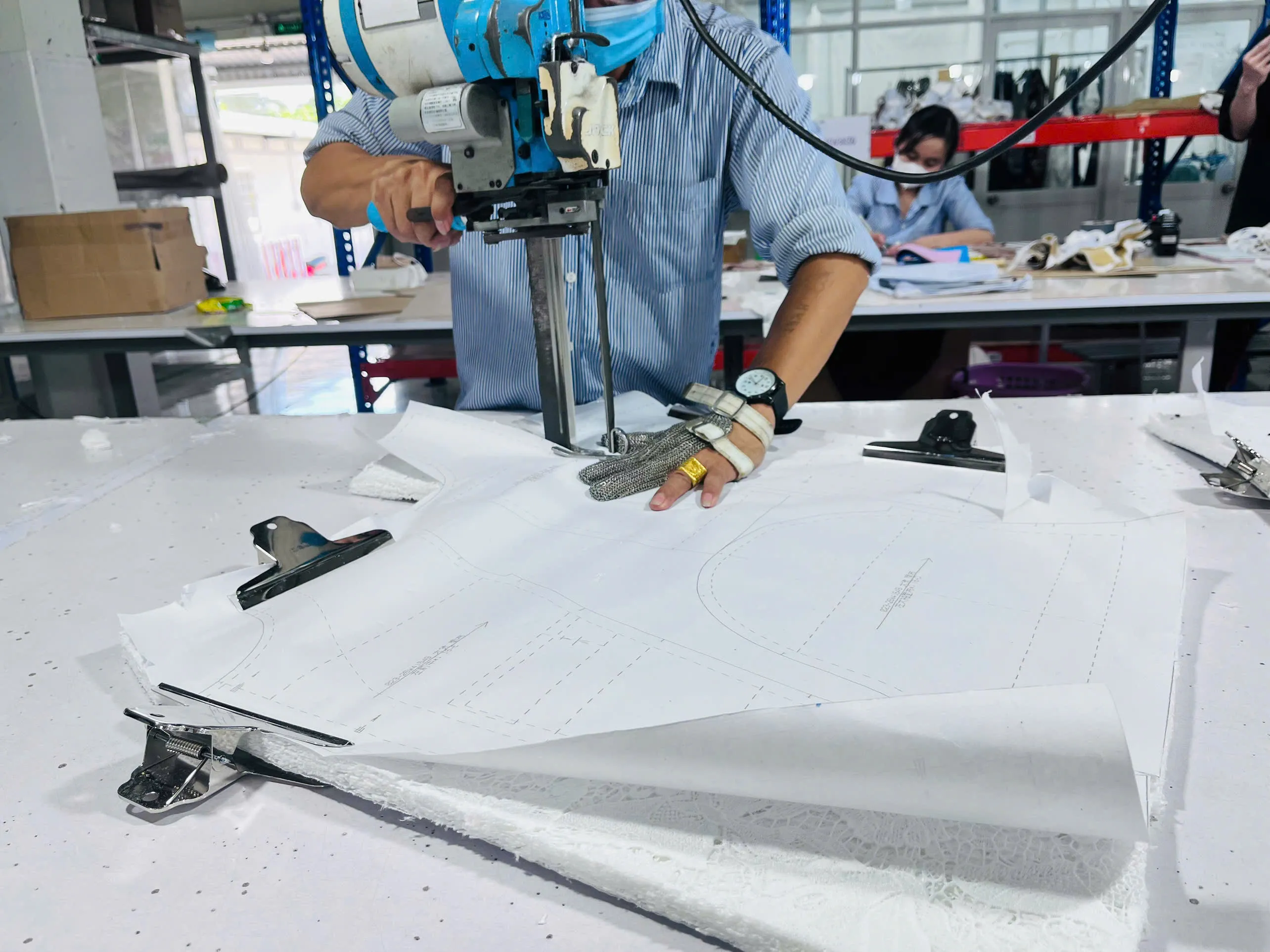
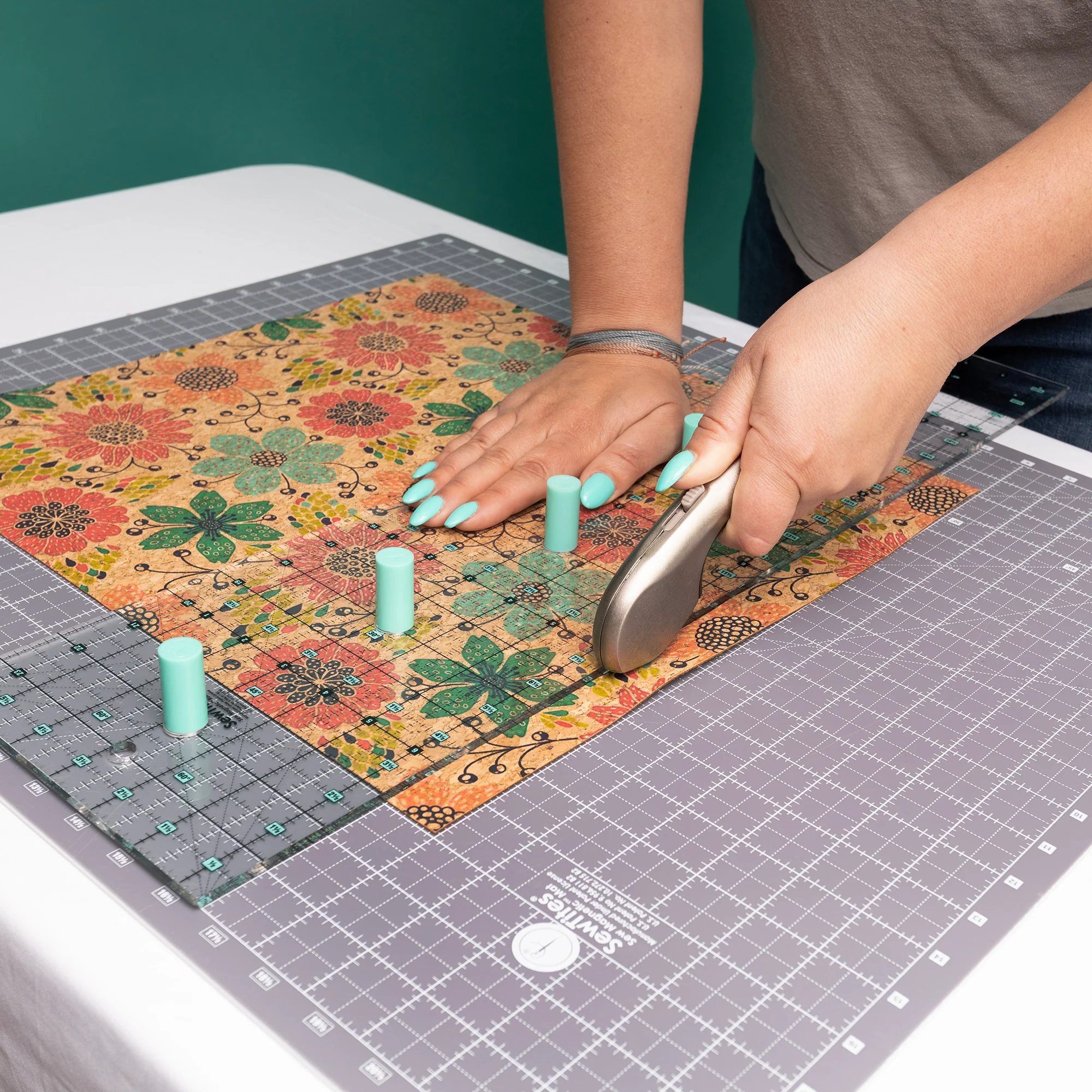
If you want fast, measurable fabric savings, the cutting room is usually the best place to look. This is where fabric turns into real garment parts so small mistakes here create big waste: poor marker efficiency, wrong shade-lot mixing, cutting inaccuracies, and damaged panels that require re-cuts. Many teams blame “fabric wastage” on the design, but in reality, cutting-room control is often the difference between an average order and a high-performing one. Upgrading the cutting room means improving the systems behind cutting inspection, lay planning, marker making, remnant handling, and accuracy so you get more usable pieces per roll, fewer re-cuts, and smoother production with less waste.
Cutting is a profit lever. Cutting waste drops when you control:
- fabric inspection (shade, defects)
- shrinkage / relax time
- lay planning by shade lot and size ratio
- marker making and nesting
- remnant management (reuse rules)
Some best-practice guidance even suggests letting the cutting team propose small design tweaks if quality stays the same, because they can see yield opportunities that designers miss. Simple factory rule: If marker efficiency is low, don’t blame the cutter first. – Check: style complexity + size ratio + matching rules + fabric width variance.
Step 7) Cut defect waste with “stop-the-line” thinking
Defects are one of the most expensive forms of waste because they multiply fast. One bad setting on a machine, one unclear sewing method, or one tricky fabric can create a chain of repairs, rework, rejects, and delays and by the time final QC catches it, the damage is already huge. “Stop-the-line” thinking flips the mindset: instead of letting problems flow down the line and fixing them later, you pause early, fix the root cause, and prevent repeat defects. This doesn’t mean stopping production for everything. It means choosing the few “killer points” (like collar, zipper, placket, hem) and protecting them with early checks, clear standards, and quick corrective actions. When defects are prevented at the source, you save fabric, labor, time, and your delivery schedule all at once. Defects are silent waste. They don’t look like waste until the rework pile grows.
Do this:
- define “killer defects” per product (zipper wave, collar twist, puckering)
- set inline checkpoints at those points
- track defects by cause, not by blame
Use a basic root-cause loop:
- What happened?
- Why did it happen?
- What changes the process so it can’t happen again?
=> Reality check: If you rely only on final QC, you find defects late, when waste is most expensive.
Step 8) Choose materials that reduce risk, not just “sound green”
In real manufacturing, a fabric can be “eco-friendly” on paper but still create a lot of waste in production. If the material has unstable shrinkage, shade variation, pilling risk, weak colorfastness, or long lead times, it can trigger extra testing, more sample rounds, re-cuts, rework, and even last-minute air shipping. That’s why smart material choice is not only about sustainability claims it’s about production stability. The best waste-reducing materials are the ones that are consistent, repeatable, available at the right scale, and proven in similar styles. In short: don’t choose fabric just because it sounds green. Choose what helps you produce accurately, on time, with fewer surprises and that’s often the most sustainable outcome.
“Sustainable fabric” can still create waste if it causes:
- shade issues
- high shrinkage
- pilling complaints
- sewing instability
- long lead times that force air shipments
For impact comparisons, many teams use tools like the Higg MSI to compare materials cradle-to-gate. But be careful: sustainability scoring tools have faced criticism and greenwashing concerns when used as consumer-facing “labels.” Practical rule for small brands: Pick fabrics that are available, stable, and repeatable first. Deadstock is not “sustainable.”
Step 9) Attack the biggest waste: overproduction
This is the elephant. Some reporting claims a large share of garments can go unsold (estimates vary, and data is messy). The cleanest way to reduce waste is to make less wrong product.
Ways to do it:
- smaller first drop + faster replenishment
- fewer SKUs (SKU explosion creates leftovers)
- pre-orders or deposits for risky styles
- demand testing (small run) before full bulk
Policy pressure is also rising. For example, the EU is moving toward stronger rules that include a ban on destroying unsold clothing, starting in 2026 (with reporting duties for large firms).
Step 10) Reduce finishing + packaging waste (and avoid rush shipping)
Finishing and packaging are often treated like “small details,” but they can create huge waste at the end of production. Wrong folding, incorrect labels, damaged cartons, over-pressing, stains, or missing polybag info can force rework, repacking, and delays right when the shipment is supposed to leave. And when timelines slip at the last minute, many teams panic and switch to air freight, which is one of the most expensive and wasteful fixes you can make. Reducing waste here is about standardizing the final steps: clear packing guides, controlled pressing methods, carton quality checks, and locked labeling decisions early. When finishing and packing run smoothly, you protect product quality, avoid costly rework, and keep shipping calm instead of rushed.
Finishing waste includes:
- over-pressing, scorching, shine marks
- wrong folding and re-folding
- polybag mistakes
- carton damage

Fixes:
- one packing standard + photo guide
- carton drop test rules
- training on pressing for each fabric type
- avoid last-minute label changes (they create rework)
And try hard to avoid air freight. Late approvals + missing trims = air shipments = expensive waste.
Wrap-up / Final Words
Reducing waste in fashion manufacturing isn’t about one “green” choice it’s about building a system that prevents problems before they happen. The biggest wins come from early planning, clear tech packs, smart sampling, efficient cutting, and strong process control. When those parts are tight, you naturally create less fabric waste, fewer defects, fewer delays, and far less rework.
Reducing waste is not one magic move. It’s a system:
- clear specs
- early alignment
- smart patterns
- tight cutting control
- early quality prevention
- better demand decisions
And the best part? You usually save money while reducing environmental harm.