



How to Make Your Clothing Brand Truly Unique in 6 Simple Steps

There’s a real risk that your label will get lost in the crowd, so you need a focused plan. By following these six simple steps, you can transform a simple garment line into a distinctive, trusted brand that customers recognize, relate to, and return to season after season.
1. Know Exactly Who Your Customers Are
Every strong brand starts with a clear picture of its customers. When you understand your audience’s habits and lifestyle, it becomes easier to create products they truly love. Instead of trying to please everyone, focusing on a specific group makes your brand feel personal and meaningful.
- Who wears your clothes? (Age, location, occupation)
- What specific styles do they gravitate toward?
- What problems or needs are you solving for them?
=> Related Article: Guide to Clothing Trade Shows in Vietnam
2. Build a Strong, Recognizable Visual Identity
Your brand image is the “face” of your business. Long before a customer touches the fabric, they notice your name, logo, and colors. Consistency across all touchpoints builds professional trust and instant recognition.
- Memorable Logo & Name: The core of your visual identity.
- Fresh Color Palette: Sets the mood of your collections.
- Consistent Tone: From website copy to social media captions.

3. Create a Community Around Your Values
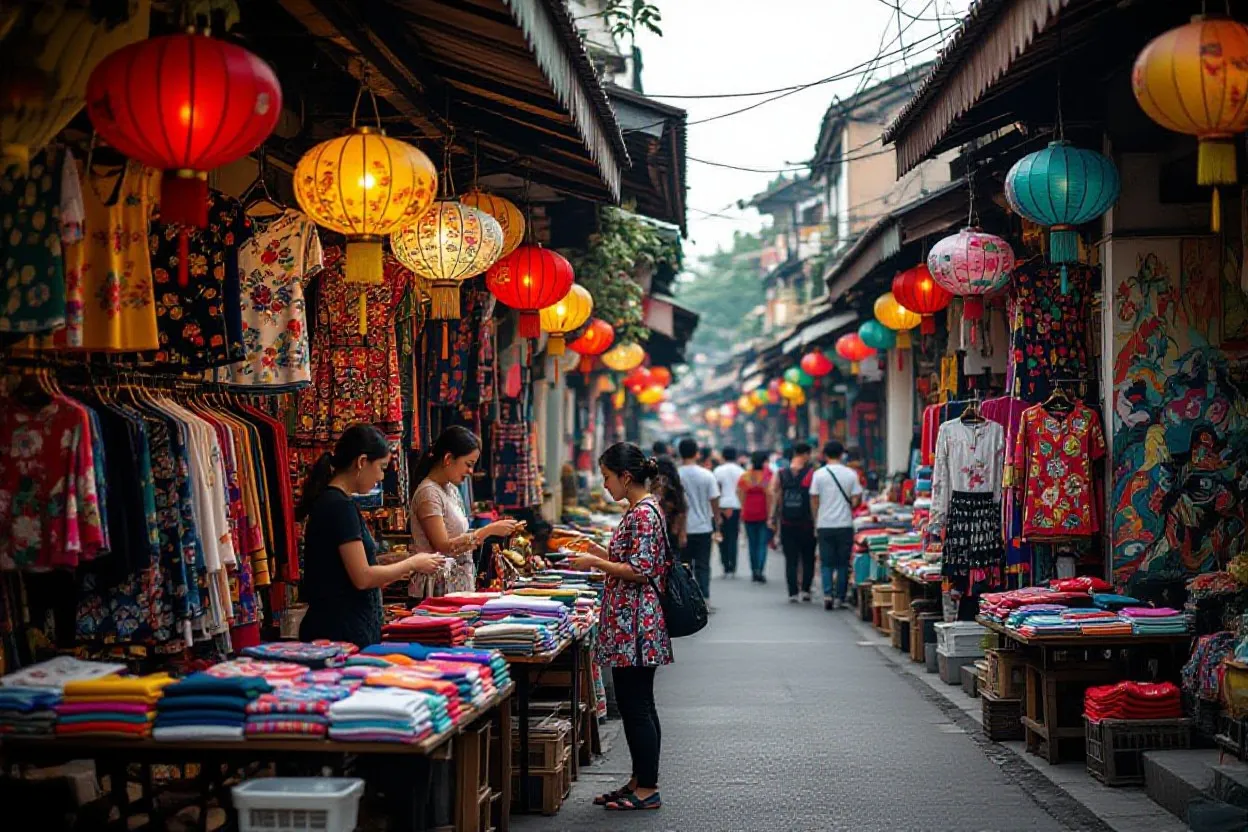
Modern customers want connection, not just products. A brand becomes unique when people feel included in its journey. Build a real community by being transparent and conversational rather than just transactional.
- Share behind-the-scenes design stories.
- Show your manufacturing process and mission.
- Have real conversations with your followers.

4. Define Your Core Brand Values
Your clothes show what you make, but your values show who you are. In today’s market, people prefer brands that match their beliefs—whether it’s sustainability, ethical manufacturing, or local craftsmanship.
=> Related Article: Chemical Safety in Clothing: What You Need to Know
5. Stay Consistent With Your Niche
Consistency is the key to uniqueness. A brand becomes memorable when people know what to expect from your quality and style. Whether you are minimal or streetwear-focused, your evolution should always stay true to your core identity.

6. Partner with the Right Manufacturers
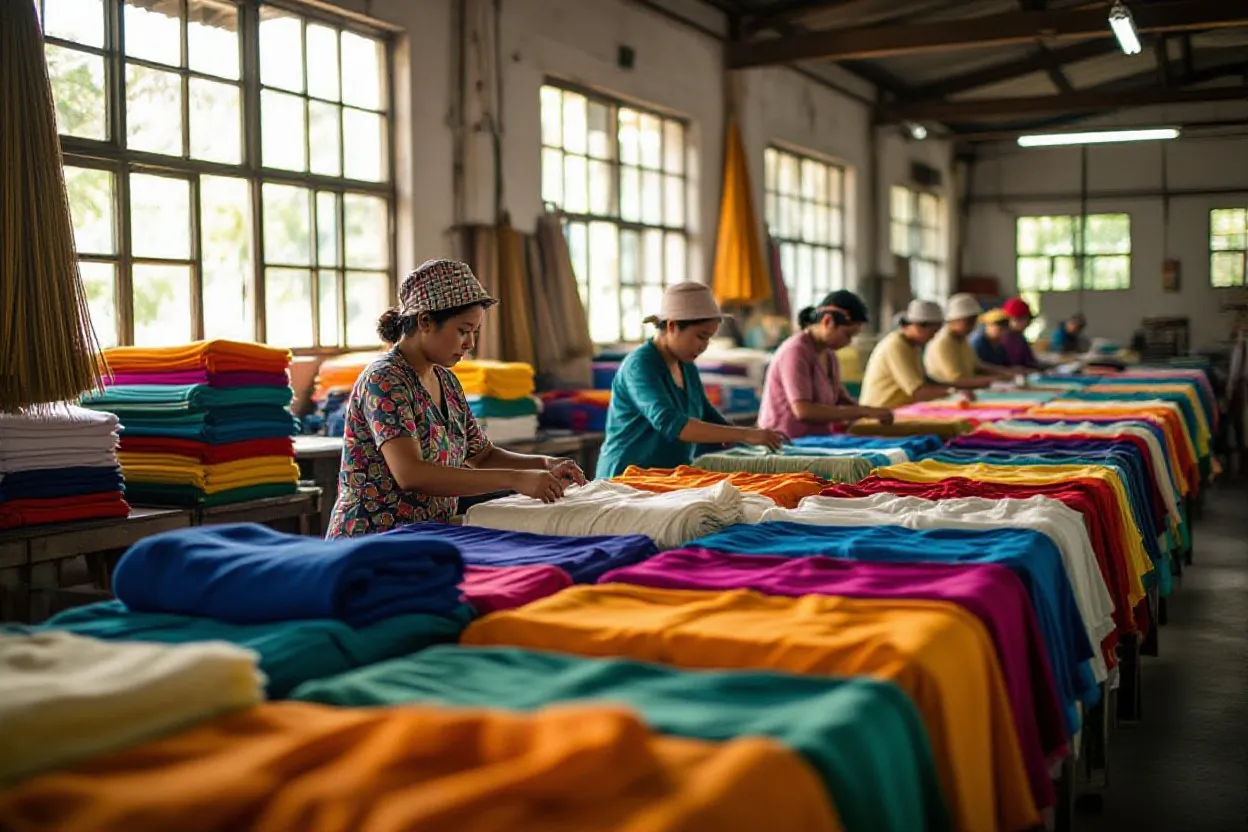
Behind every successful label is a reliable production partner. A good manufacturer ensures high quality, consistent sizing, and on-time delivery—factors that protect your brand’s hard-earned reputation.
- Maintain high quality across bulk runs.
- Scale production as your quantities grow.
- Collaborate with stylists and creative agencies to expand your reach.
Conclusion

Making a clothing brand unique isn’t about being the most expensive; it’s about being the most meaningful. By knowing your customers, building a clear identity, and working with the right partners like Mekong Garment, your brand becomes an experience people remember. Focus on these six steps to build a legacy that lasts.
FAQs: How to Make Your Clothing Brand Stand Out
In Short, What are the six simple steps in “How to Make Your Clothing Brand ?
The six steps are: 1) Know exactly who your customers are – research demographics, needs and buying habits; 2) Build a strong, recognizable brand image – create a cohesive logo, color palette, typography and visual style; 3) Create a community around your brand – engage customers through events, content and interaction; 4) Define your core brand values – state what you stand for and align products and messaging to those values; 5) Stay consistent with your style and niche – maintain signature design cues and quality while evolving strategically; 6) Partner with the right manufacturers and collaborators – choose reliable production and meaningful partner relationships to scale and maintain quality.
How do I define my target customers effectively for a clothing brand?
Combine quantitative and qualitative research: analyze sales and website analytics, run surveys, interview existing customers, study social media behavior and competitor audiences. Build 2-4 buyer personas that include age, income, lifestyle, style preferences, pain points and purchase triggers. Use those personas to guide product design, pricing, distribution channels and the brand voice so decisions consistently reflect real customer needs.
What practical steps create a strong, recognizable brand image?
Start with a clear visual system: logo variations, primary and secondary color palettes, typography rules, photographic and illustration styles, and packaging templates. Document these in a brand guideline to ensure consistency across website, labels, tags, lookbooks and social media. Develop signature elements-such as a distinctive pattern, stitch detail or label placement-that customers can identify at a glance.
How can I build and nurture a community around my clothing brand?
Focus on engagement and value: produce storytelling content (behind-the-scenes, maker stories), encourage user-generated content with hashtags and rewards, host local or virtual events and workshops, launch loyalty programs and founder Q&As, and foster two-way conversation on social channels and email. Prioritize inclusion and shared interests so members feel part of a lifestyle rather than just buyers.
How should I define and communicate my brand’s core values so they matter to customers?
Identify 3-5 authentic values that align with your audience and business model (e.g., sustainability, craftsmanship, inclusivity). Translate values into tangible actions: material choices, production practices, supplier transparency, charity partnerships or inclusive sizing. Communicate them clearly on product pages, about pages and campaigns, and back claims with evidence like certifications, factory stories or impact reports.
How do I stay consistent with my style and niche while still evolving with trends?
Create a style bible that documents signature silhouettes, trims, color families and quality standards. Use seasonal collections to introduce limited, trend-driven pieces while keeping core offerings stable. Test new ideas as capsules or collaborations to gauge audience response before fully integrating them. Maintain clear quality and manufacturing standards so evolution never sacrifices brand identity.