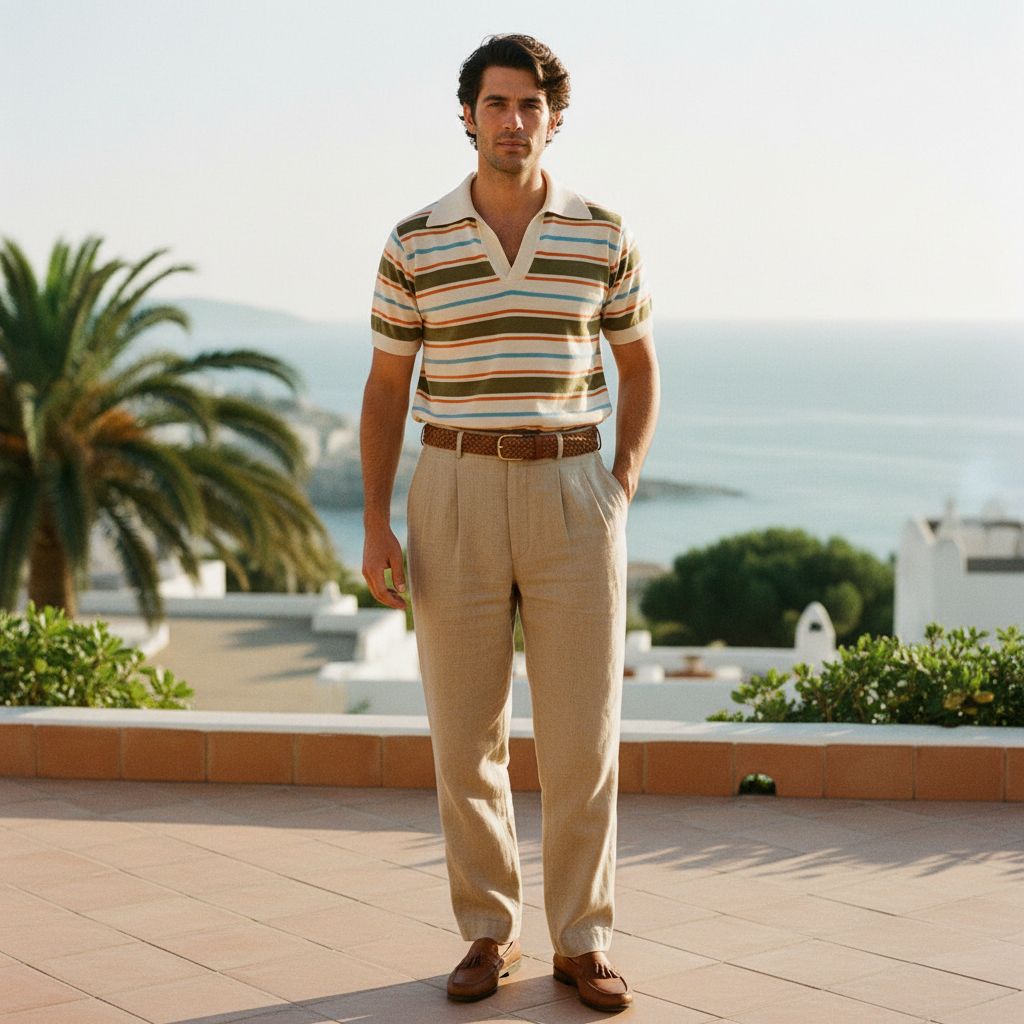
04 Mar Fabrics, Fashion, Polo Shirts Johnny Collar Polo: The Stylish Polo Without Buttons Posted by mekong March 8, 2026 Continue reading
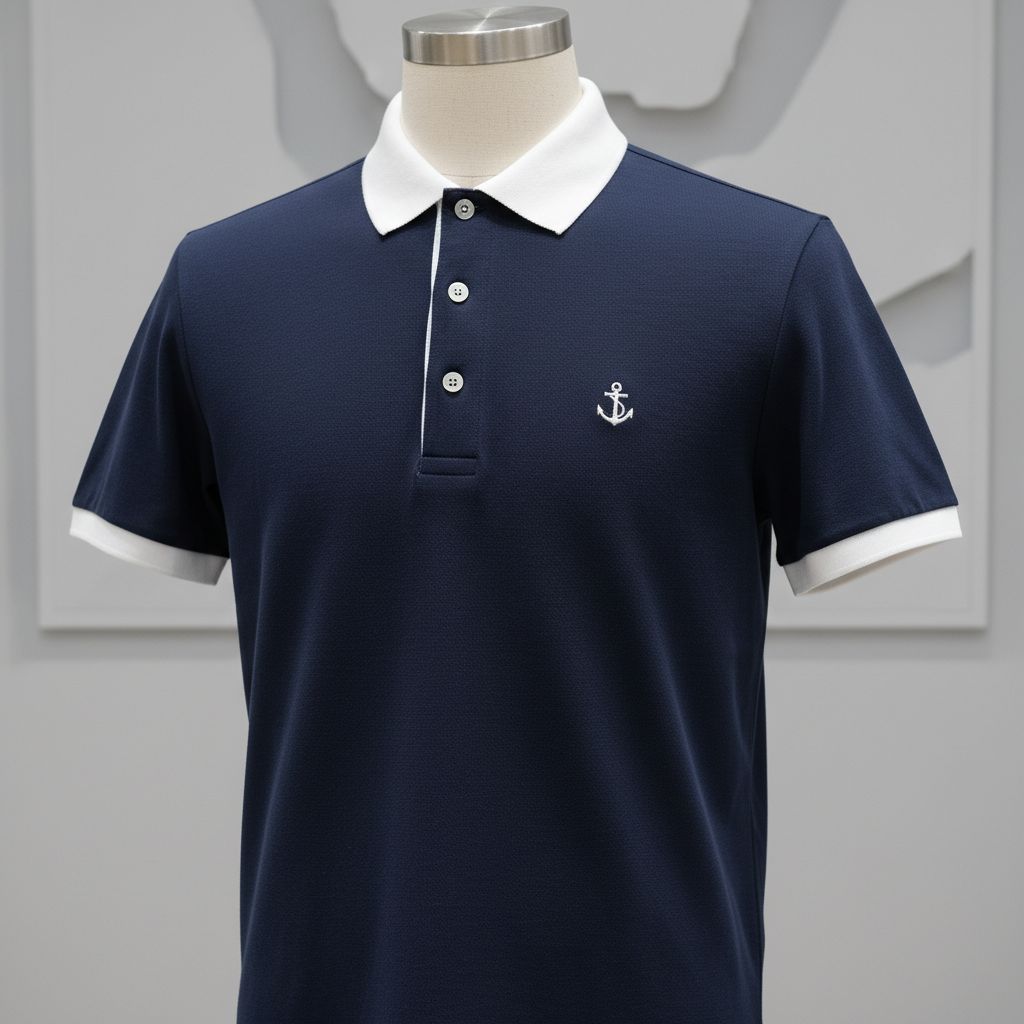
04 Mar Fabrics, Fashion, Polo Shirts From Classic to Modern: 5 Types of Polo Shirt Necklines Posted by mekong March 8, 2026 Continue reading
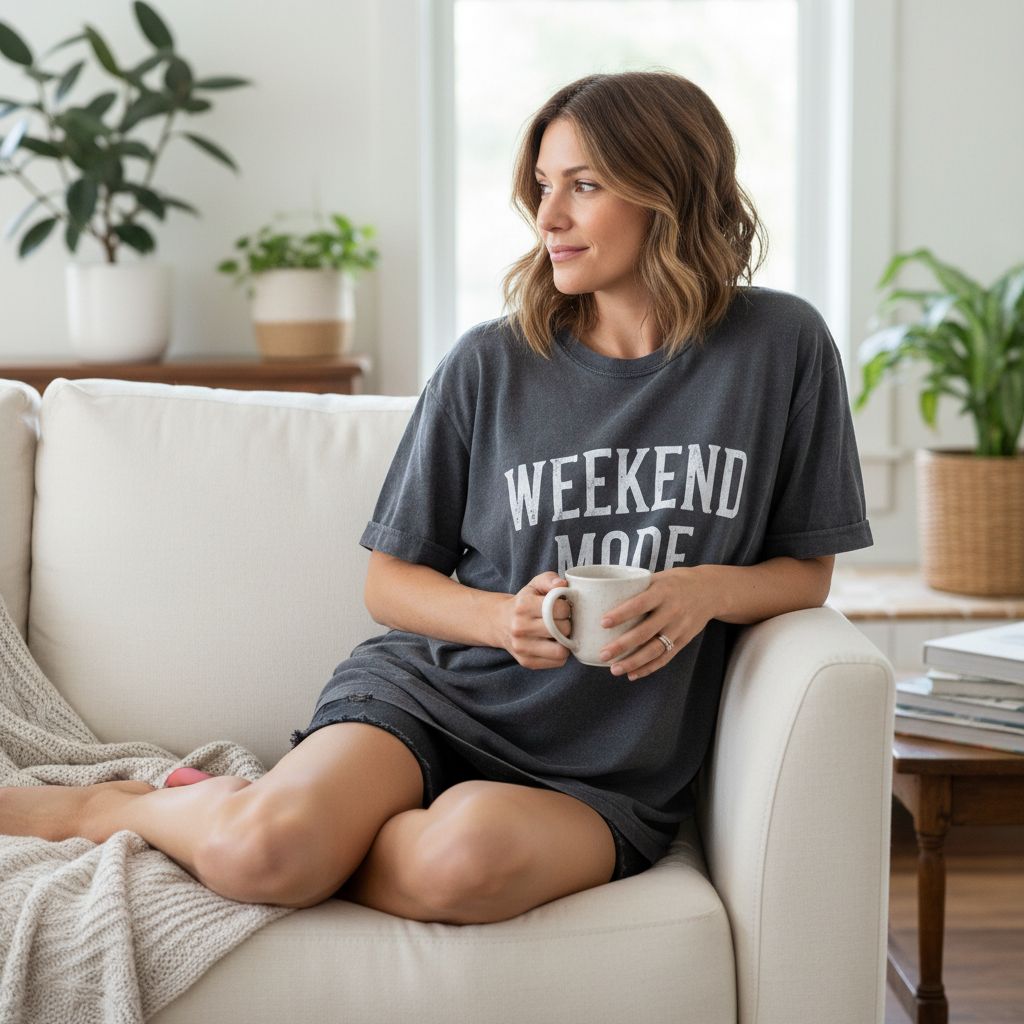
04 Mar Fabrics, Fashion, T Shirts Boyfriend T-Shirt: What It Is, Why It Works, and How to Wear It Well Posted by mekong March 4, 2026 Continue reading
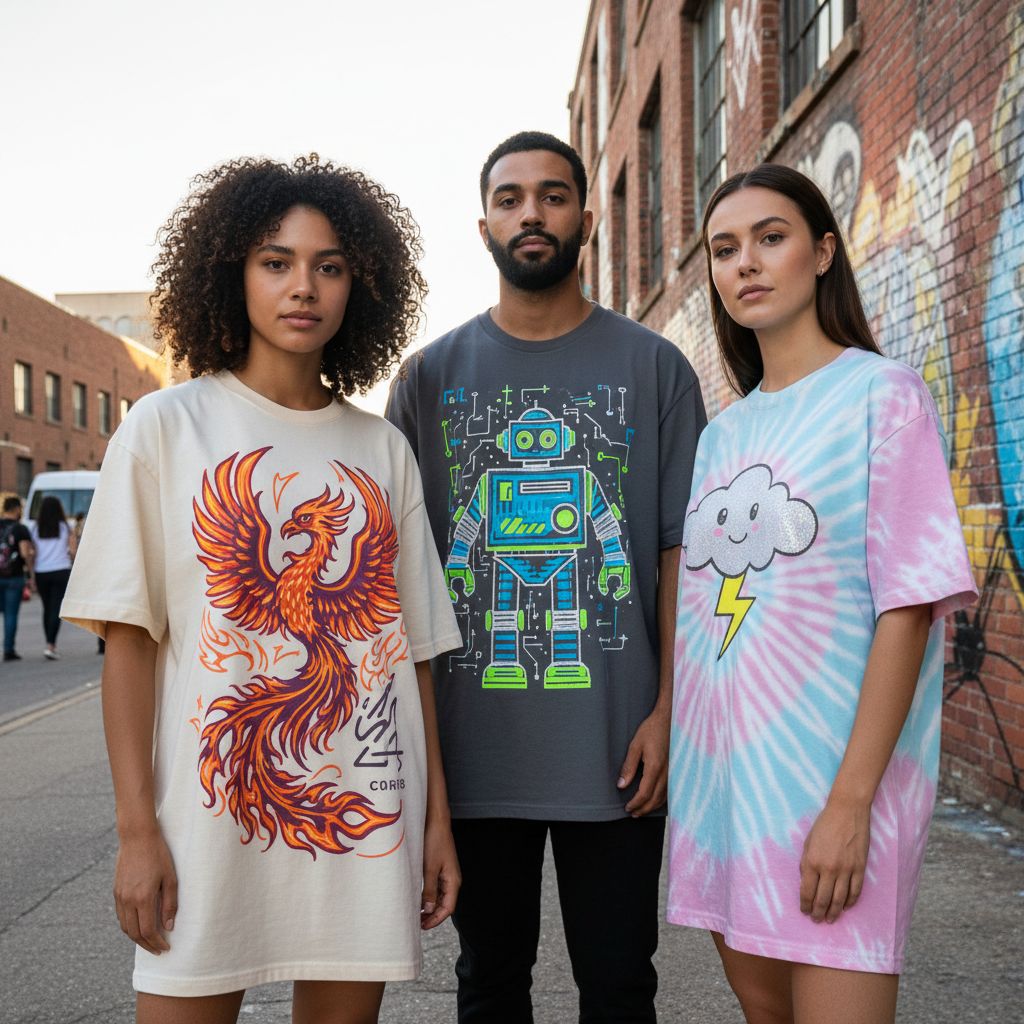
03 Mar Fabrics, Fashion, T Shirts The Dos & Don’ts of Oversized Screen Printing T-Shirts Posted by mekong March 4, 2026 Continue reading
03 Mar Fabrics, Fashion, T Shirts How T-Shirt Sleeves Change Your Look And How to Get Them Right Posted by mekong March 4, 2026 Continue reading
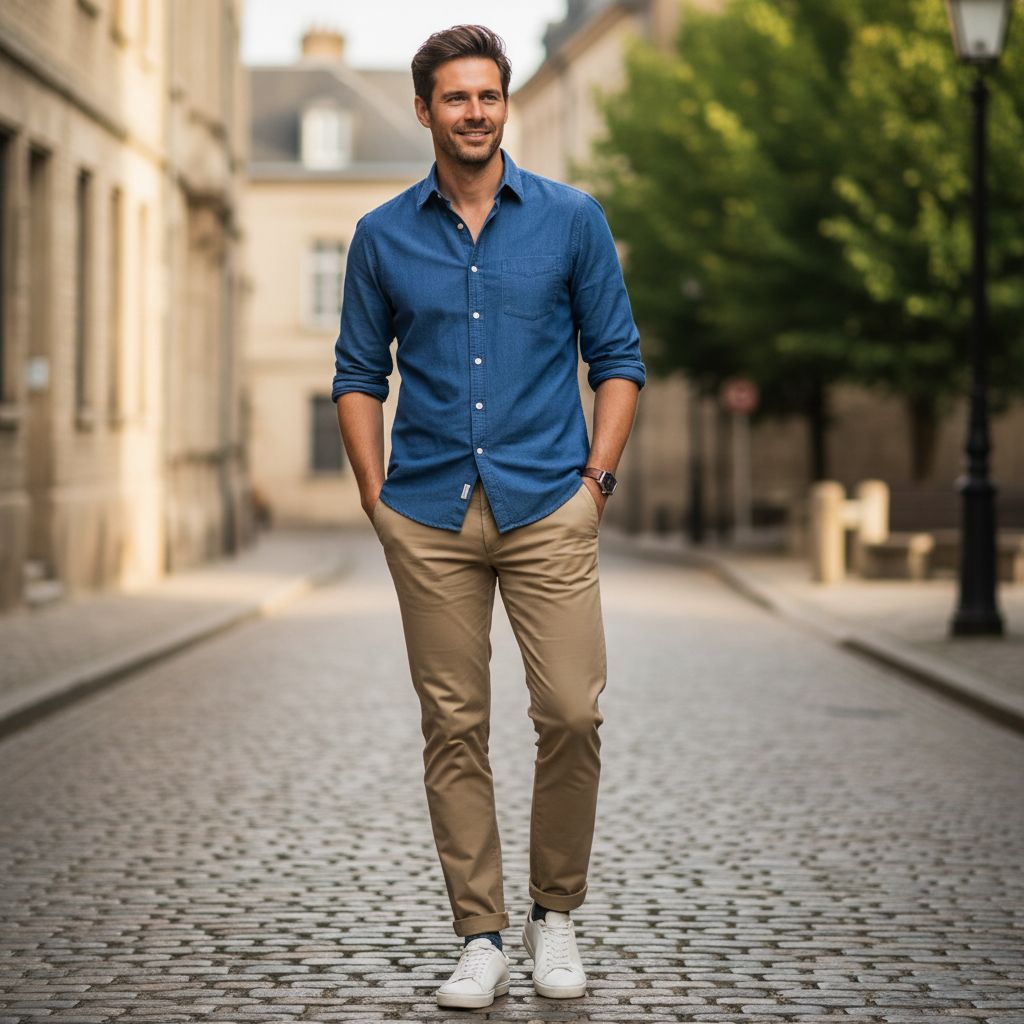
03 Mar Fabrics, Fashion, T Shirts How to Wear Khakis and a Shirt Like a Pro (Full Guide) Posted by mekong March 3, 2026 Continue reading
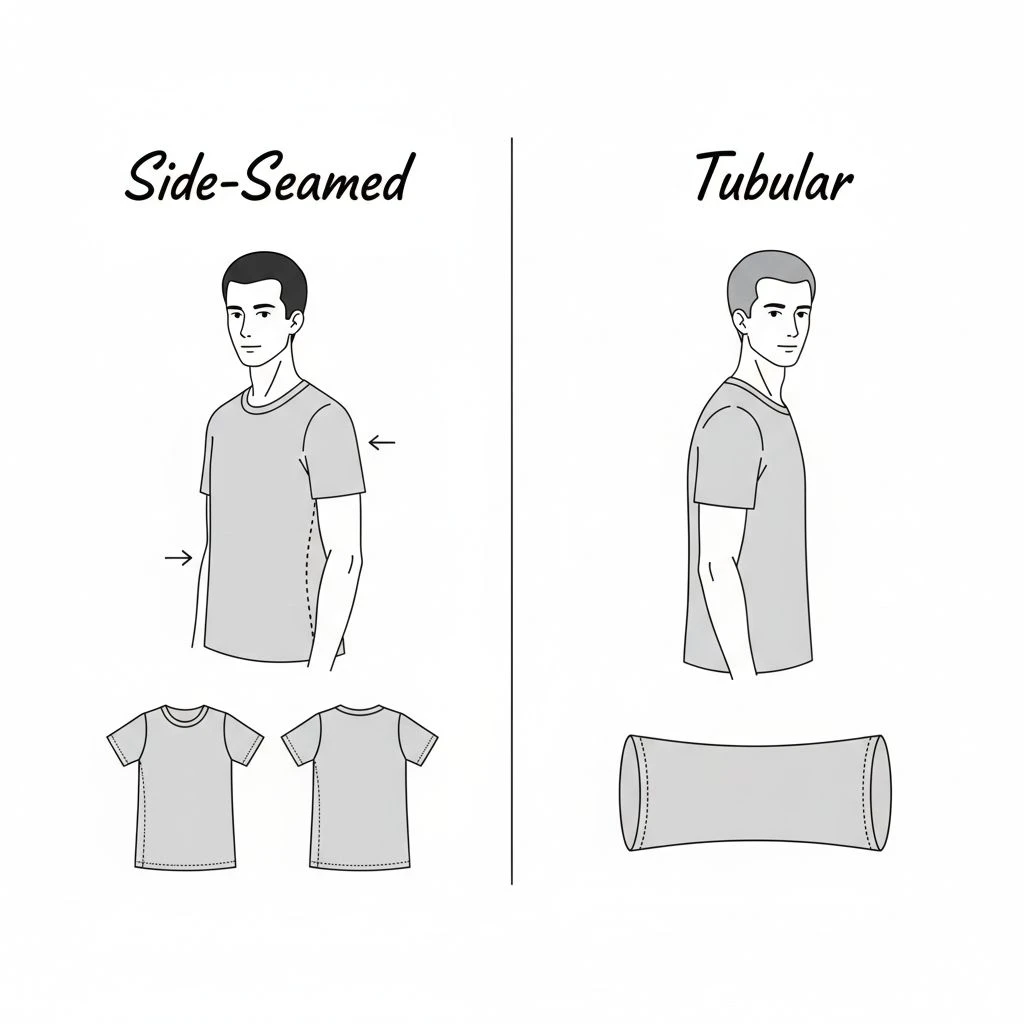
02 Mar Fabrics, Fashion, T Shirts The T-Shirt Side Seams: The Feature You Didn’t Know You Loved Posted by mekong March 4, 2026 Continue reading
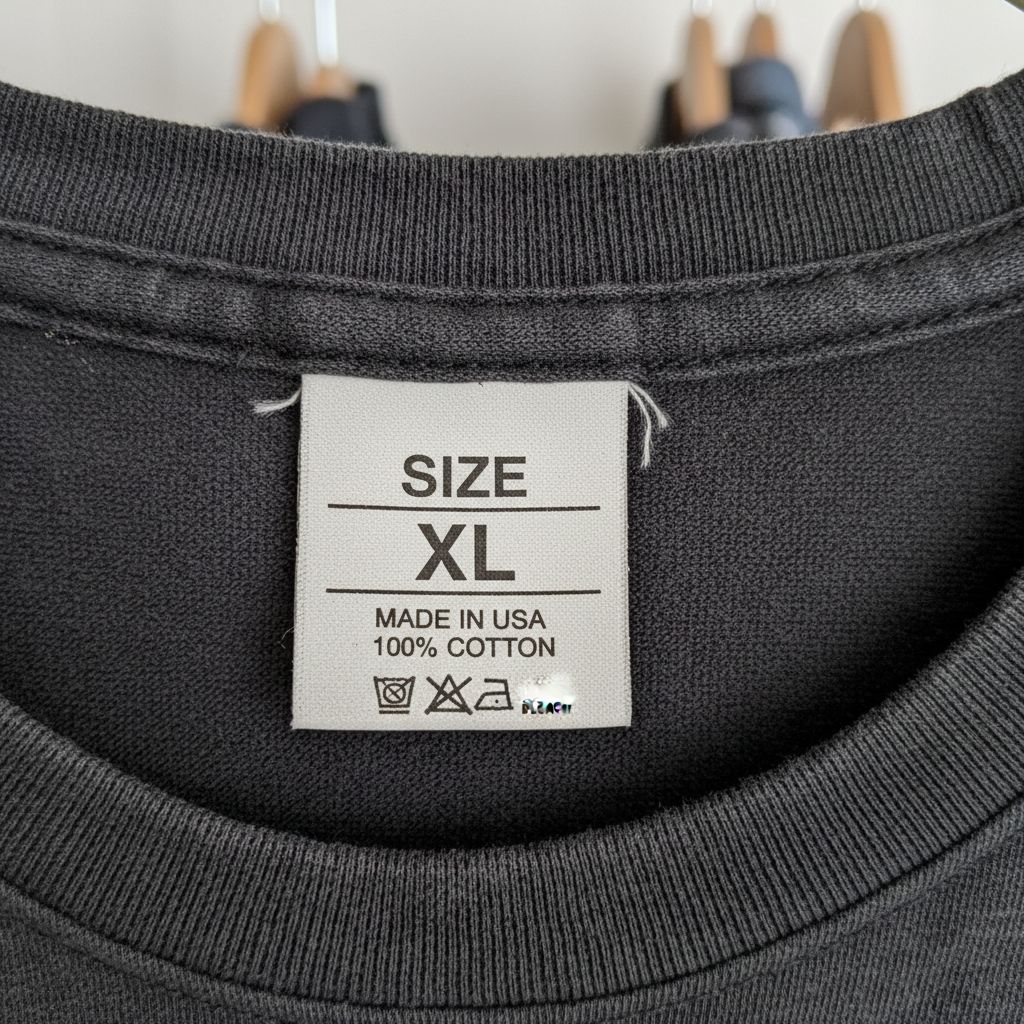
02 Mar Fabrics, Fashion, T Shirts The Common T-Shirt Size Percentages in Group Orders Posted by mekong March 4, 2026 Continue reading
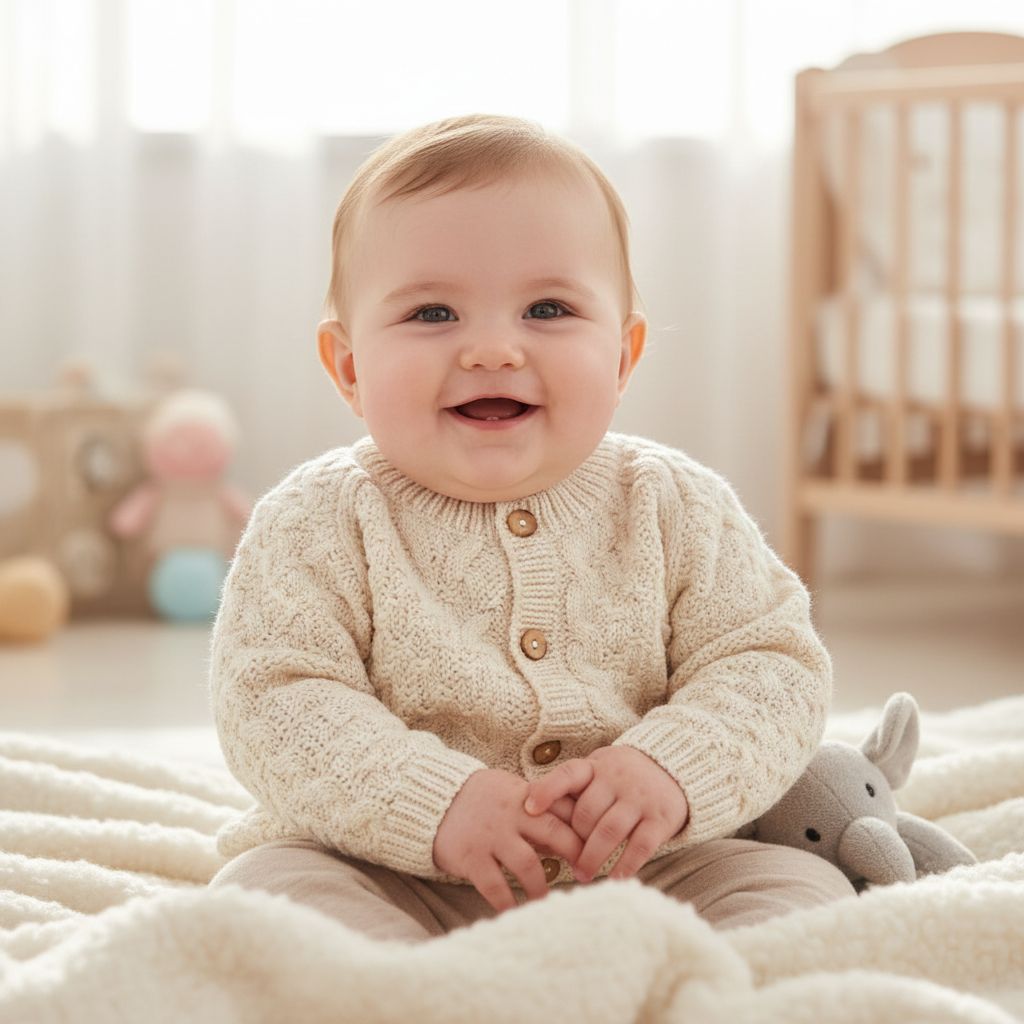
01 Mar Fabrics, Fashion How Baby Sweaters Keep Your Child Warm: Soft, Safe, and Snug Posted by mekong March 2, 2026 Continue reading
01 Mar Fabrics, Fashion Baby Footed & Footless Coveralls: The Complete Guide for Parents Posted by mekong March 1, 2026 Continue reading
 mekong
mekong
mekong
mekong
mekong
mekong
mekong
mekong
mekong
mekong
mekong
mekong
mekong
mekong
mekong
mekong
mekong
mekong
mekong