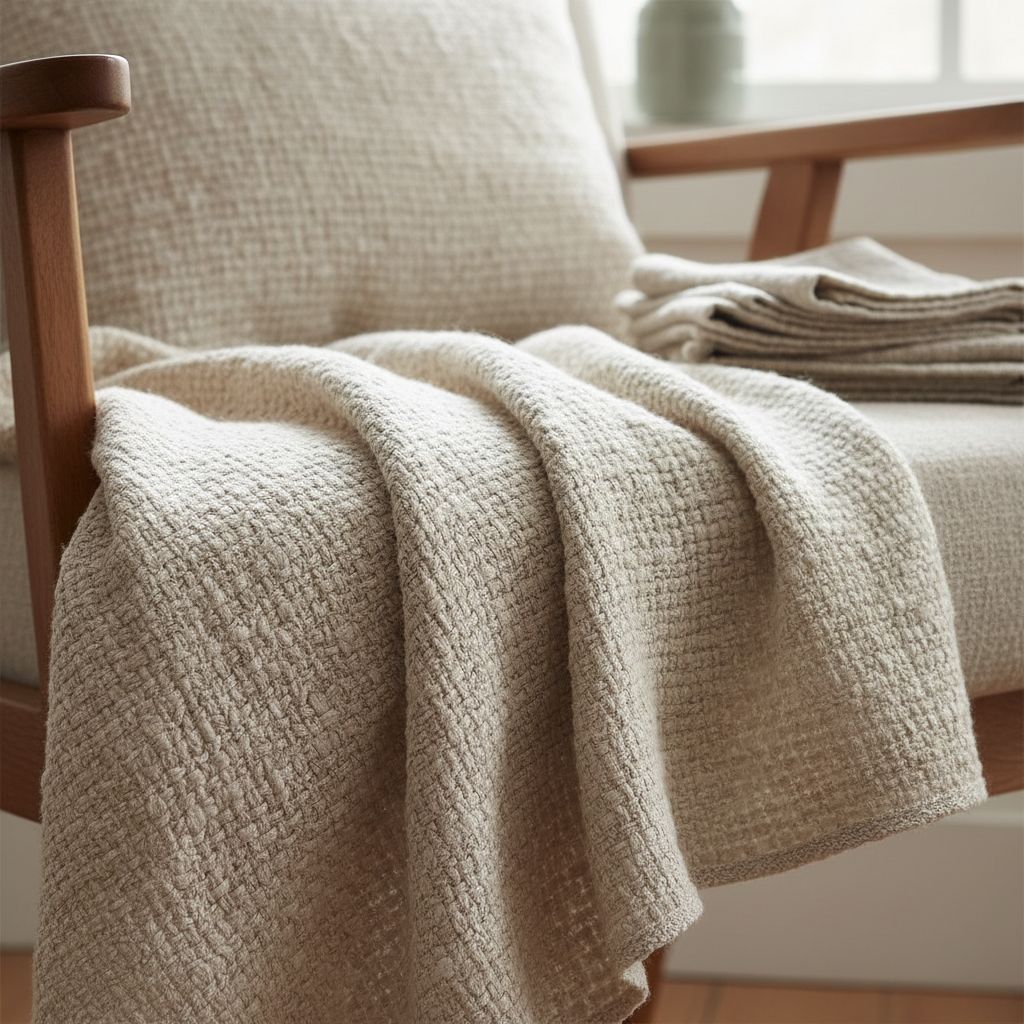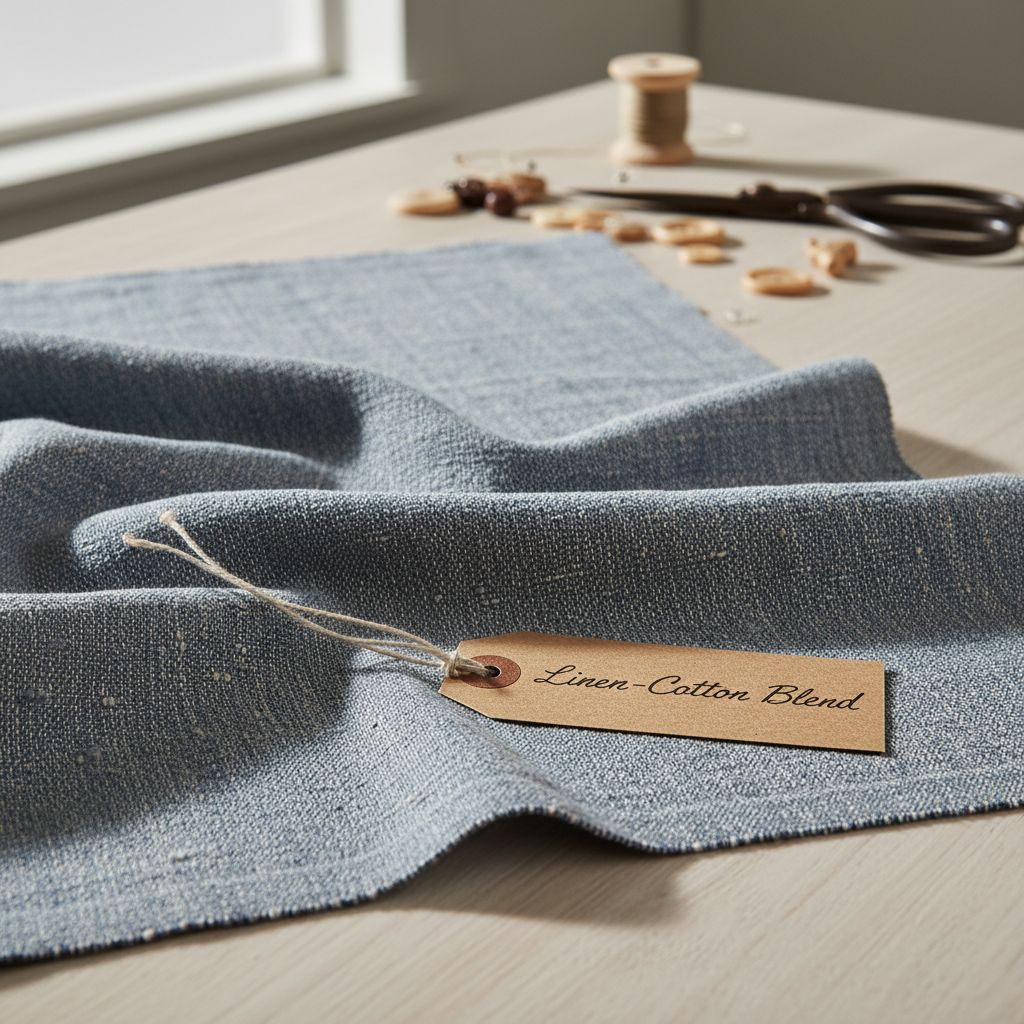

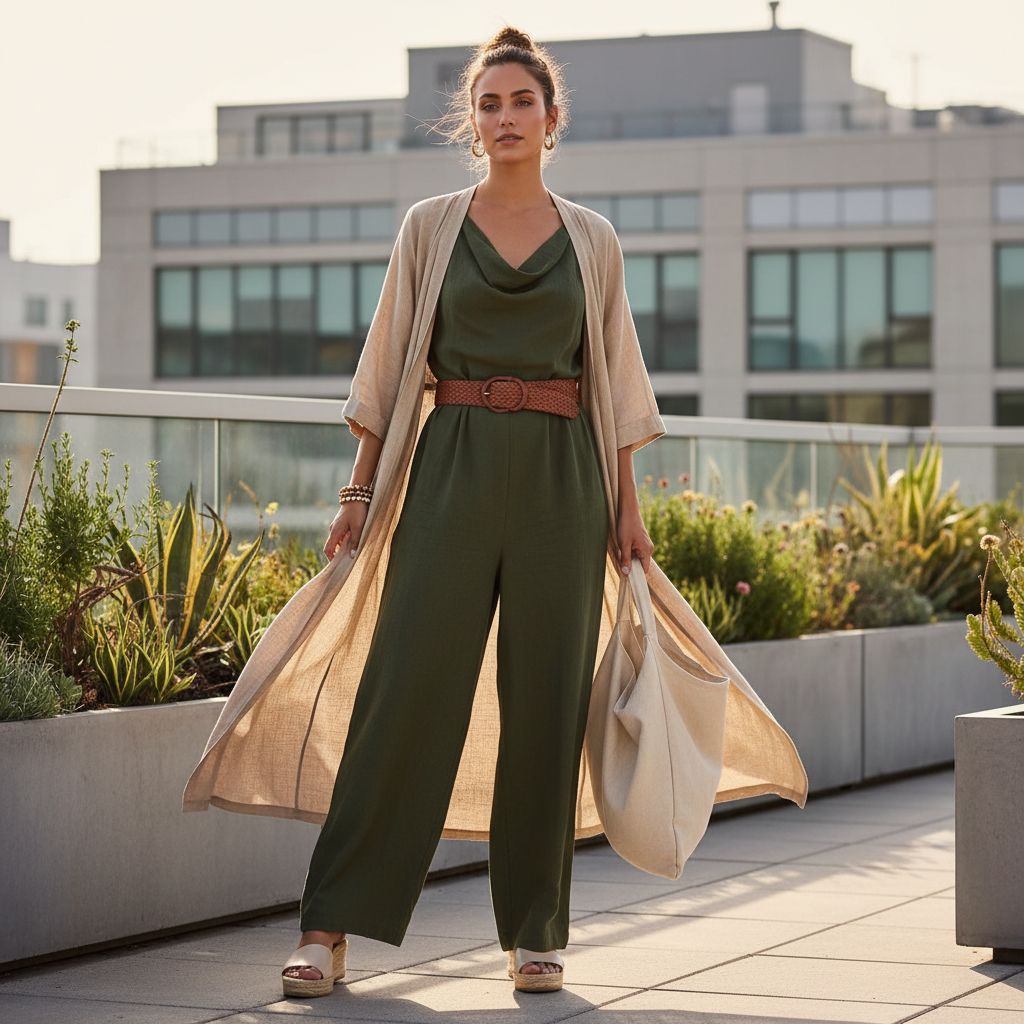
Linen is one of the oldest fabrics in the world, yet it still feels fresh and relevant today. Made from flax fibers, linen is loved for its natural look, cool touch, and lasting strength. It has become a popular choice for clothing, bedding, curtains, upholstery, and many other textile products. What makes linen special is not just its history, but also its versatility. There are many types of linen, and each one serves a different purpose. Some are soft and lightweight for summer clothing. Others are thick and durable for furniture or household use. If you understand the different types of linen fabric, it becomes much easier to choose the right one for your needs. This guide explains what linen is, why it is valued, the most common types of linen, and how each type is used in daily life.
What Is Linen?
Linen is a natural fabric made from the fibers of the flax plant. It has been used for thousands of years in many parts of the world. Ancient civilizations valued linen for its strength, breathability, and clean appearance. Today, it remains one of the most respected natural textiles in both fashion and home décor. Linen stands out because it is strong, breathable, absorbent, and biodegradable. It also has a natural texture that gives garments and household products a relaxed but elegant look. Unlike many synthetic materials, linen feels cooler against the skin and becomes softer over time.
Why Linen Is Still So Popular
Linen continues to be in demand because it offers a balance of comfort, function, and style. It works well in hot weather, but it is also useful throughout the year in many home applications.
- Breathable and Cool: Linen allows air to move easily through the fabric. This helps the body stay cool in warm climates, which is why linen is often used for summer clothing and lightweight bedding.
- Strong and Durable: Linen fibers are naturally strong. In many cases, linen products last longer than cotton products when cared for properly. This makes linen a smart long-term choice.
- Moisture Absorbent: Linen absorbs moisture well and dries faster than many other fabrics. This is one reason it is often used in towels, napkins, and warm-weather garments.
- Eco-Friendly: Flax generally needs fewer chemicals and less water than some other fiber crops. Because linen is plant-based and biodegradable, it is often seen as a more sustainable fabric option.
- Better with Time: One of the best things about linen is that it softens with use and washing. It may feel crisp at first, but it usually becomes more comfortable over time.
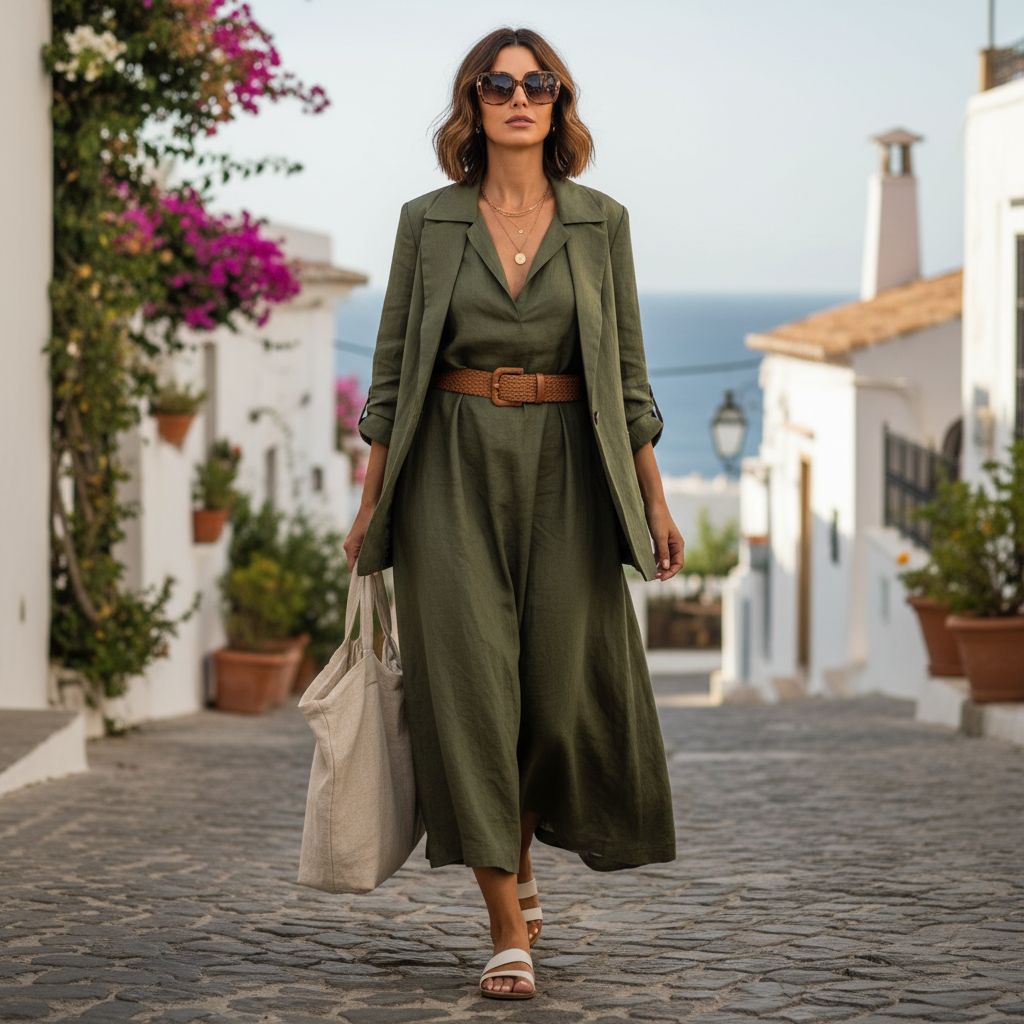
Why Linen Remains a Timeless Fabric
Linen has stayed popular for centuries because it offers something many modern fabrics cannot: natural comfort with a simple, elegant look. It works in fashion, interior design, hospitality, and everyday home use. From lightweight summer shirts to durable upholstery and luxury table linens, the many types of linen give buyers a wide range of options. Each type has its own texture, performance, and visual appeal. Once you understand these differences, it becomes much easier to choose linen with confidence.
Main Types of Linen Fabric
By Weave Pattern
The weave of linen affects its texture, weight, appearance, and function. Below are some of the most common weave-based types of linen fabric.
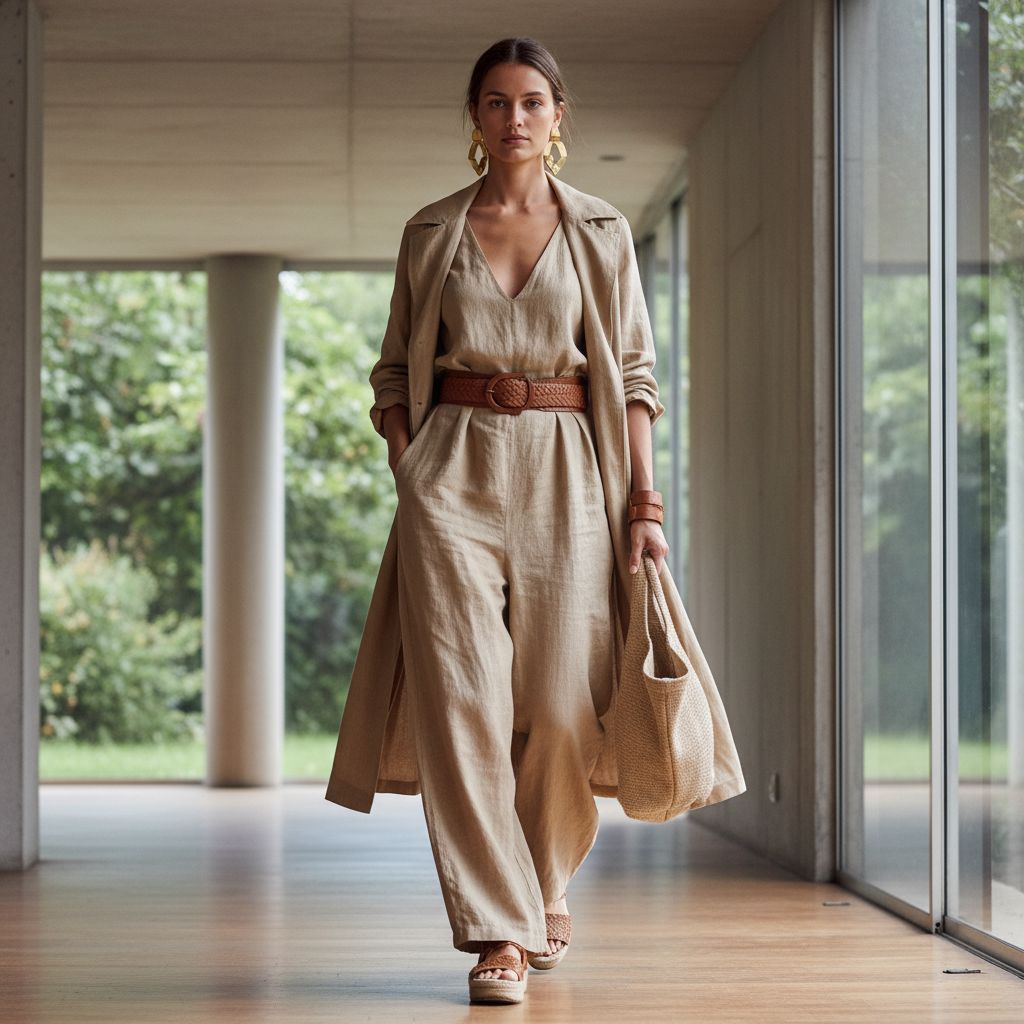
- Plain Weave Linen: Plain weave linen is one of the most common and basic forms of linen. It has a simple over-under weave structure, which gives it a clean and balanced surface. This fabric is breathable, crisp, and suitable for many everyday uses. Plain weave linen is often used for shirts, blouses, dresses, lightweight trousers, curtains, and simple home textiles. It is a practical choice for people who want a classic linen look.
- Damask Linen: Damask linen is known for its elegant woven patterns. These patterns are created directly in the fabric, often with a slightly glossy finish that gives it a luxurious appearance. It is usually used in formal and decorative products. Common uses of damask linen include tablecloths, napkins, decorative runners, and premium upholstery items. It is a good option when appearance matters as much as performance.
- Bird’s Eye Linen: Bird’s eye linen has a small repeated pattern that looks like tiny dots or diamonds. This structure improves absorbency, making the fabric useful for items that need to handle moisture well. It is often used for hand towels, cleaning cloths, and some baby products. Bird’s eye linen is valued more for function than for fashion.
- Cambric Linen: Cambric linen is lightweight, fine, and soft. It has a smoother hand feel than many heavier linen fabrics, which makes it suitable for delicate products. This type of linen is often used in handkerchiefs, lightweight dresses, blouses, lingerie details, and fine summer garments. It is a good choice when softness and lightness are important.
- Huckaback Linen: Huckaback linen has a textured surface that improves absorbency. It is strong, practical, and often chosen for household applications. Typical uses include kitchen towels, bathroom towels, and utility cloths. It is not the most decorative type of linen, but it performs well in daily use.
- Venice Linen: Venice linen is more decorative and refined. It often includes floral or ornamental woven designs and is mainly used for interior decoration rather than basic everyday use. This fabric may appear in luxury table settings, decorative panels, or elegant household textiles where design and visual texture are important.
- Canvas Linen: Canvas linen is heavy, coarse, and durable. Compared with finer linen fabrics, it is much stronger and better suited for hard use. Canvas linen is often used in bags, shoes, upholstery, cushions, and some outdoor products. It is ideal when durability matters more than softness.
By Application
Linen can also be divided by how it is used. This helps buyers choose the right fabric for clothing, interior products, or workwear.
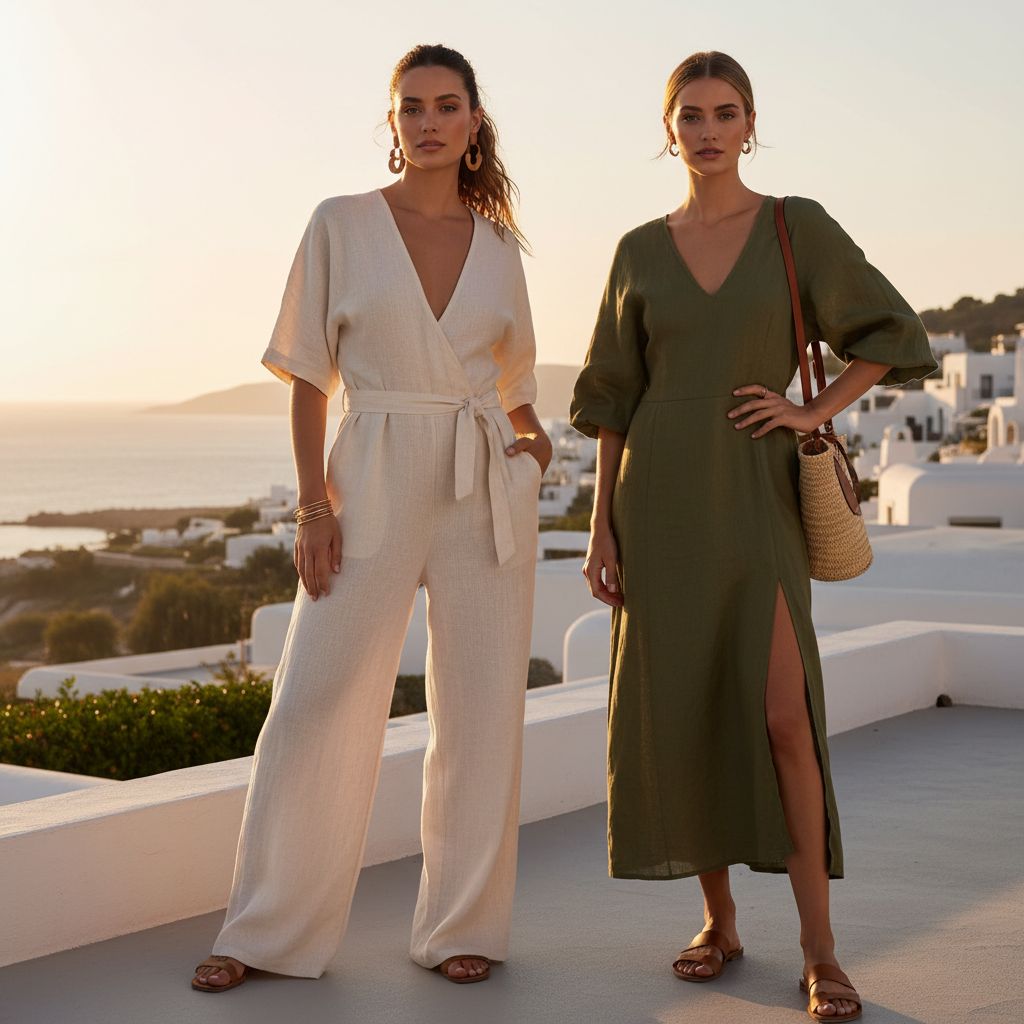
- Sheeting Linen: Sheeting linen is designed for bedding and similar products. It is usually smooth, wide, and comfortable, making it suitable for bed sheets, pillow covers, and duvet covers. Because of its breathability, sheeting linen is especially popular in warm climates and for people who prefer cool sleeping materials.
- Towel Linen: Towel linen is made for absorbency and repeated washing. It is often thicker or more textured than garment linen. It is used in bath towels, hand towels, dish towels, and cleaning textiles. It performs well in households that prefer natural fibers.
- Upholstery Linen: Upholstery linen is heavier and more structured than apparel linen. It is made to handle wear, pressure, and daily use on furniture. This type of linen is commonly used for sofas, chairs, benches, cushions, and decorative interior products. In some cases, it may be blended with other fibers for greater stability.
- Handkerchief Linen: Handkerchief linen is very light, fine, and smooth. It is often used in small fashion accessories or personal textile items. Besides handkerchiefs, it may also be used for pocket squares, trims, lightweight linings, or delicate sewing projects.
- Butcher’s Linen: Butcher’s linen is stiff, strong, and practical. It is designed for utility rather than softness or drape. It is often used for aprons, uniforms, kitchen workwear, and other products that need durability and repeated washing.
- Suiting Linen: Suiting linen is a medium to heavier linen fabric made for structured garments. It is commonly used in blazers, jackets, trousers, skirts, and suits. This fabric gives a smart and elegant look, especially in warm-weather tailoring. However, it usually wrinkles more easily than wool or synthetic suiting fabrics.
- Table and Bathroom Linen: This group includes napkins, placemats, runners, tablecloths, decorative towels, and similar products. These linens may be simple or richly designed, depending on the use. Damask and embroidered linen are often chosen for these applications because they combine function with decorative value.
By Blended Types
Not all linen fabrics are made from 100% flax. Many modern fabrics blend linen with other fibers to improve softness, reduce wrinkles, lower cost, or make care easier.
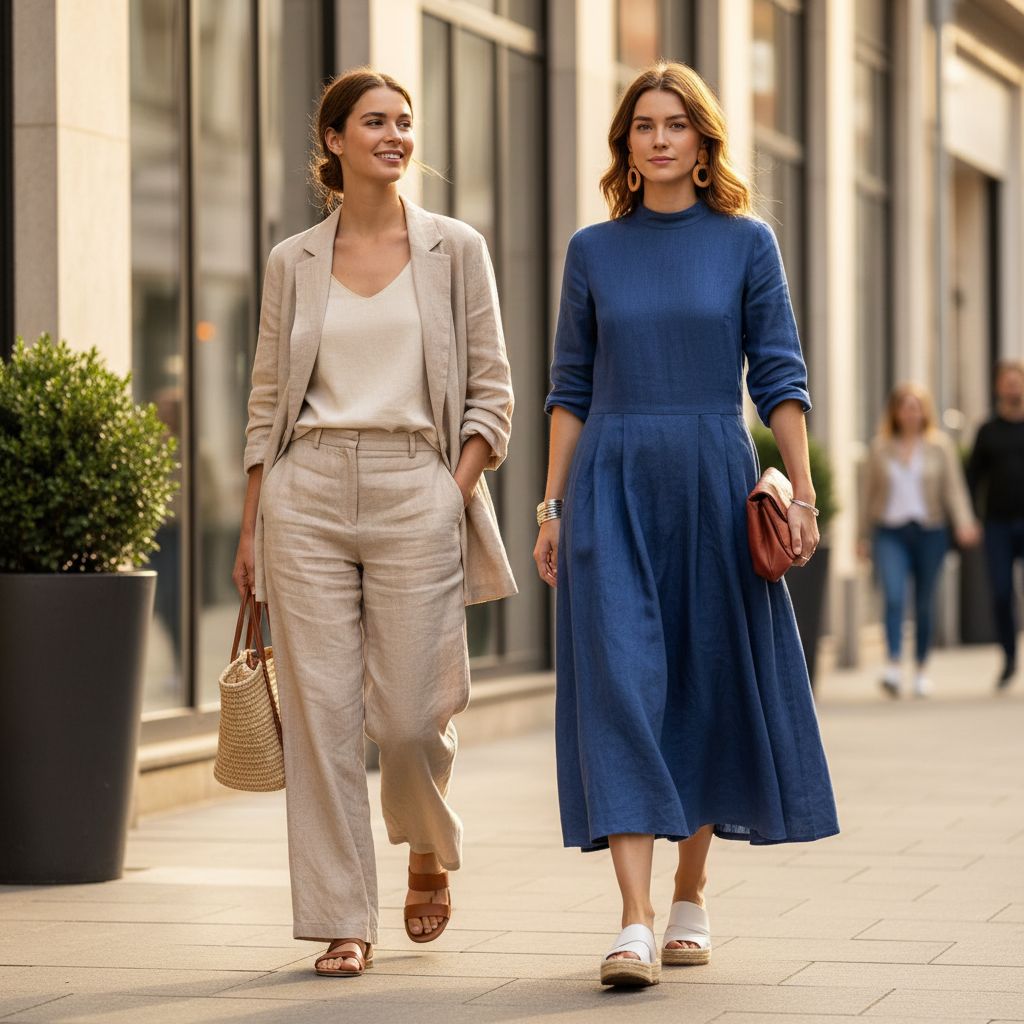
- Linen-Cotton Blend: Linen-cotton blends are softer and often easier to manage than pure linen. They keep much of linen’s breathable nature while adding some of cotton’s softness and flexibility. These blends are common in casual shirts, dresses, bedding, and children’s wear.
- Linen-Silk Blend: Linen-silk blends combine the texture of linen with the smoothness and shine of silk. The result is a more elegant and refined fabric. This blend is often used for premium dresses, scarves, formal garments, and lightweight luxury products.
- Linen-Polyester Blend: Linen-polyester blends are popular because they are more wrinkle-resistant and usually more affordable than pure linen. They may not feel as natural as 100% linen, but they are practical for many uses. This blend is often used in curtains, upholstery, uniforms, and easy-care garments.
- Linen-Viscose Blend: Linen-viscose blends are softer and more fluid than pure linen. They drape better, which makes them useful for garments that need a smoother silhouette. You can often find this blend in dresses, blouses, tops, and lightweight fashion items.
How to Choose the Right Type of Linen
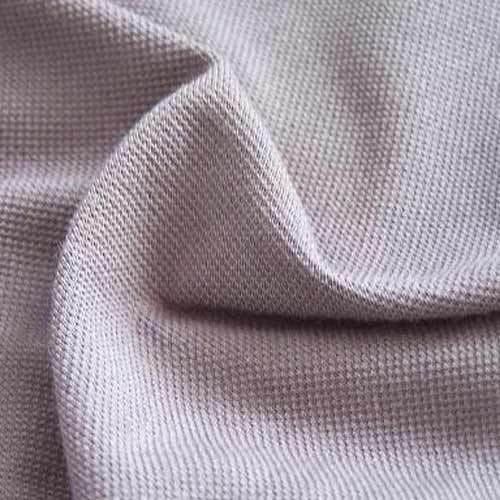
Choosing the right linen depends on how you plan to use it. Not every type of linen is suitable for every purpose.
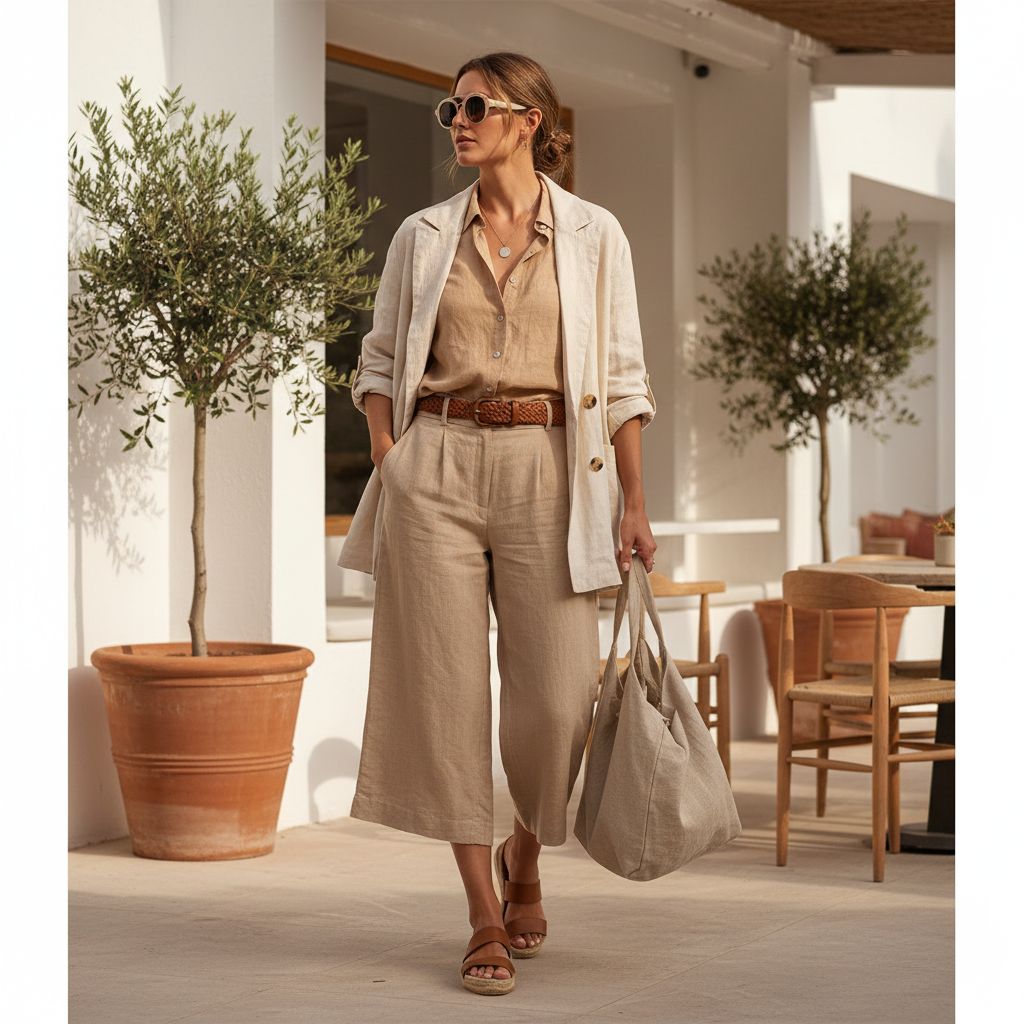
- For Clothing: If you want breathable summer clothing, plain weave linen, cambric linen, or linen-cotton blends are usually good options. For jackets and tailored items, suiting linen is a better choice.
- For Bedding: For bedsheets and pillow covers, sheeting linen is the most suitable because it is comfortable, breathable, and made for repeated home use.
- For Towels and Kitchen Use: If absorbency matters most, look for bird’s eye linen, huckaback linen, or towel linen. These are more functional than decorative.
- For Furniture and Home Décor: For sofas, cushions, curtains, or decorative household items, upholstery linen, canvas linen, damask linen, and Venice linen are often the best choices.
- For Formal or Luxury Products: If you want a richer appearance, damask linen, Venice linen, or linen-silk blends offer a more refined look than basic linen fabrics.
Final Thoughts / Conclusion
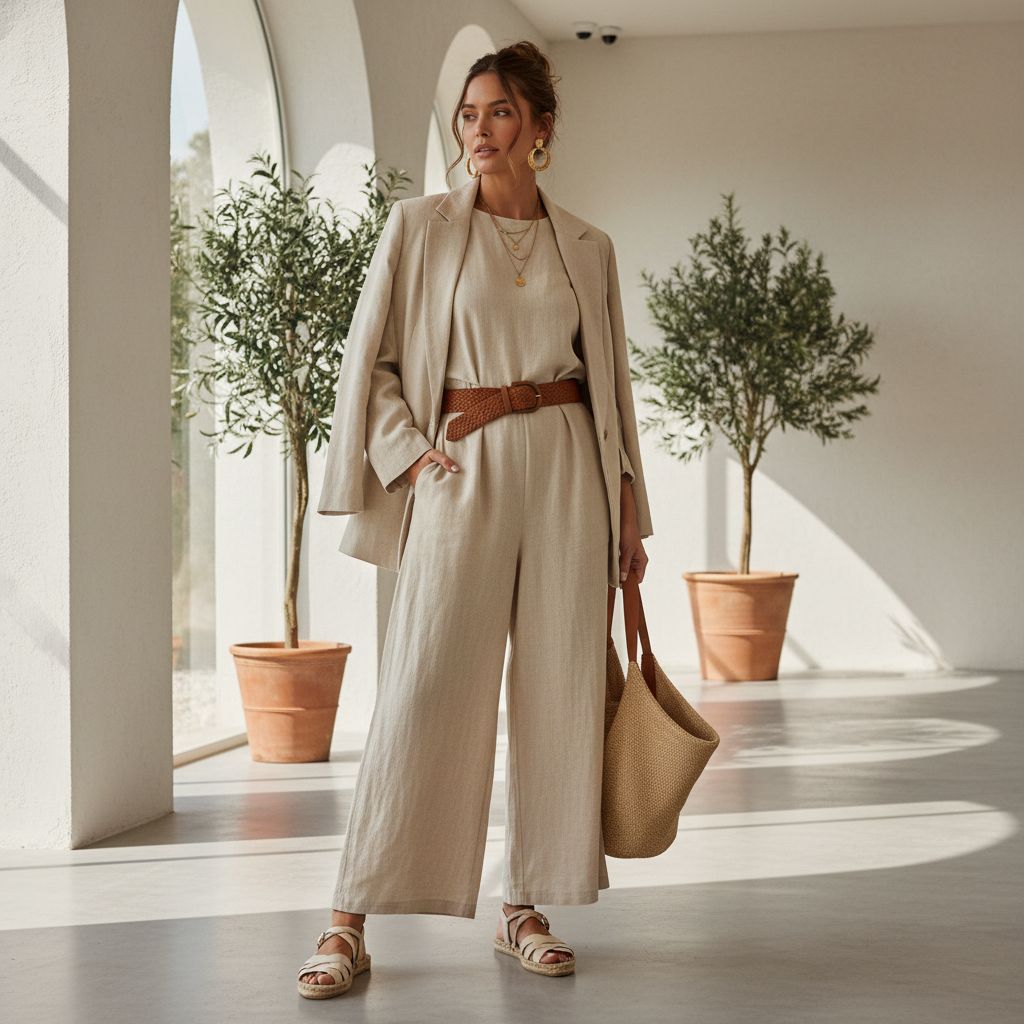
Linen is more than just a traditional fabric. It is a practical and stylish material that continues to fit modern lifestyles. Whether you are choosing linen for clothing, bedding, furniture, or decorative use, understanding the different types of linen helps you make a better decision. Some linen fabrics are soft and light. Others are thick and strong. Some are made for comfort, while others are made for beauty or performance. By learning how each type works, you can choose the right linen fabric for both function and style. If you are looking for a fabric that is breathable, durable, natural, and timeless, linen remains one of the best choices available today.