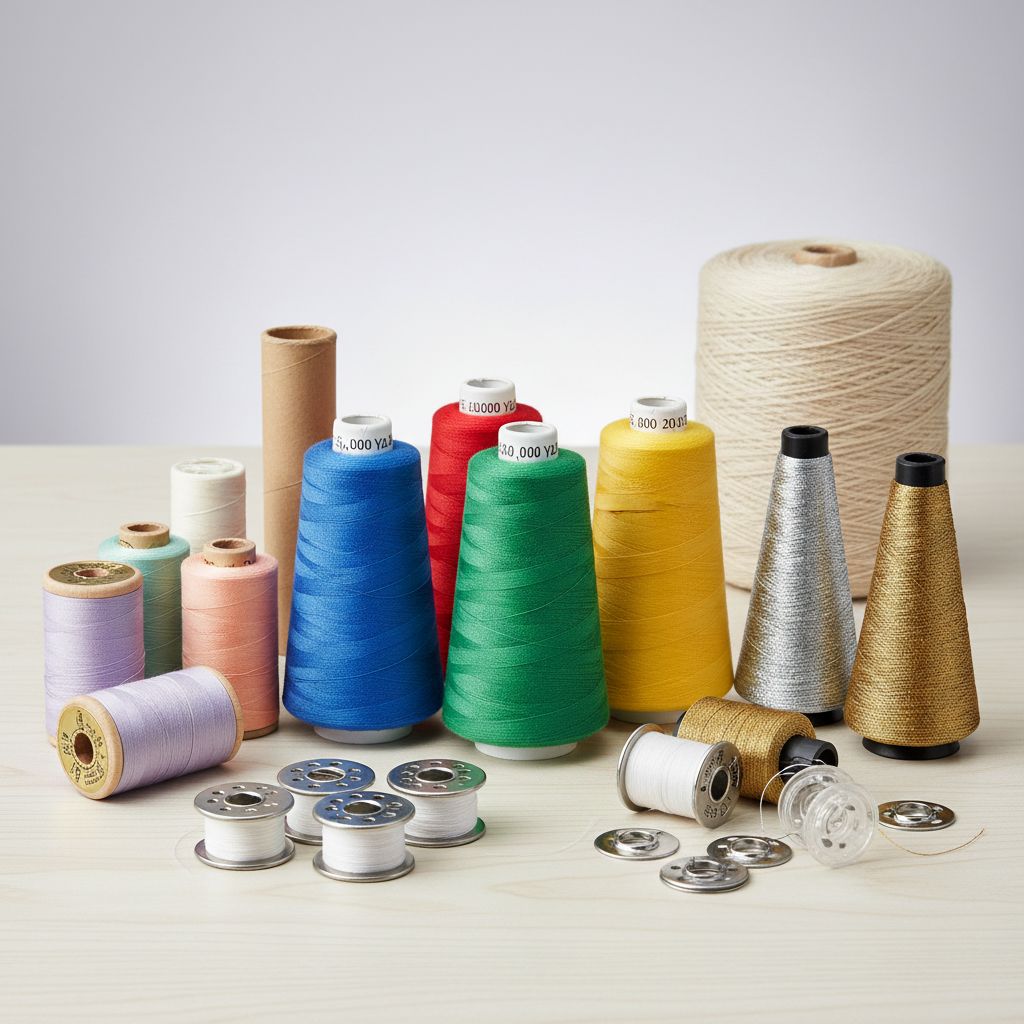

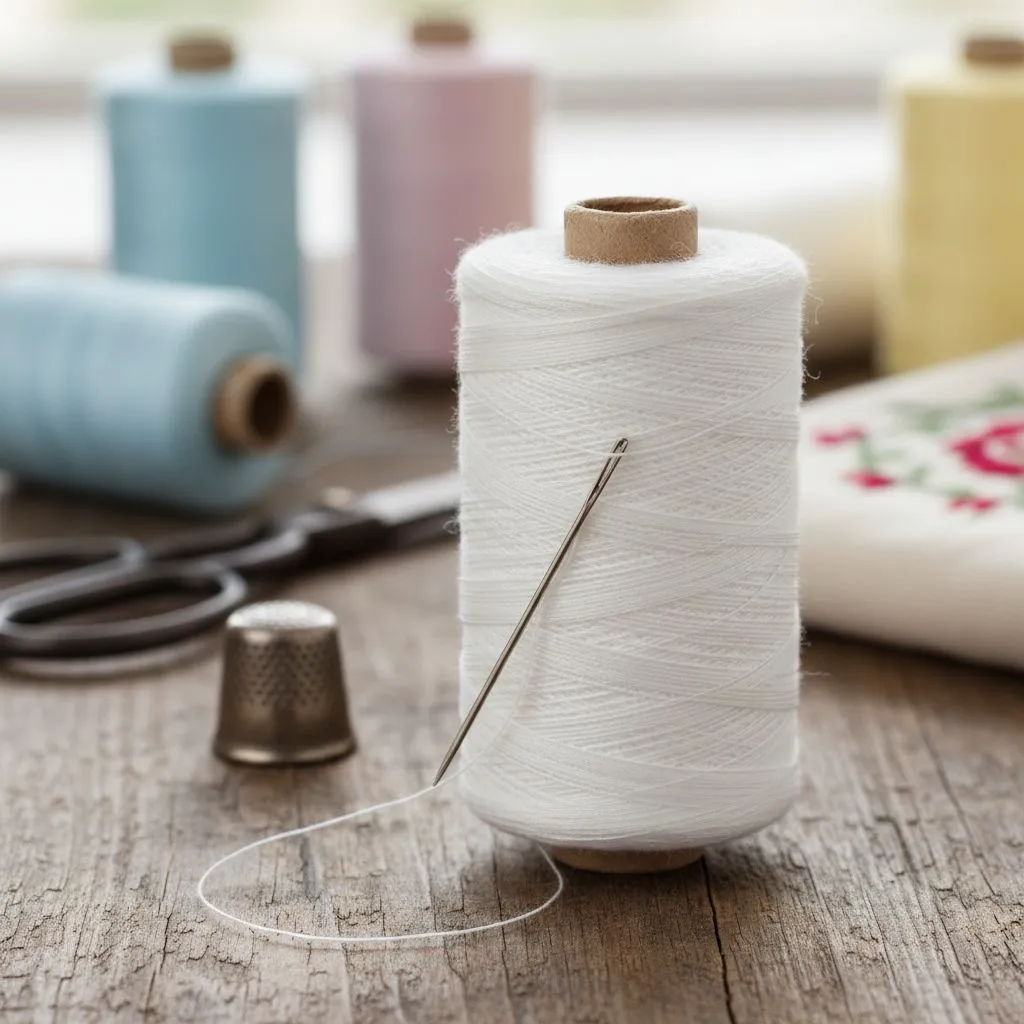

Cotton thread is a specialized sewing thread made from spun natural cotton fibers. It is highly valued for its soft hand-feel, “organic” visual harmony with cotton fabrics, and exceptional tolerance for high-temperature pressing. While many modern factories prioritize synthetic alternatives for speed, cotton thread remains the gold standard for traditional tailoring, quilting, and garment-dyeing processes. However, to ensure garment longevity, it is critical to understand that cotton thread is designed for aesthetic harmony rather than maximum tensile strength.
What Exactly is Cotton Thread?
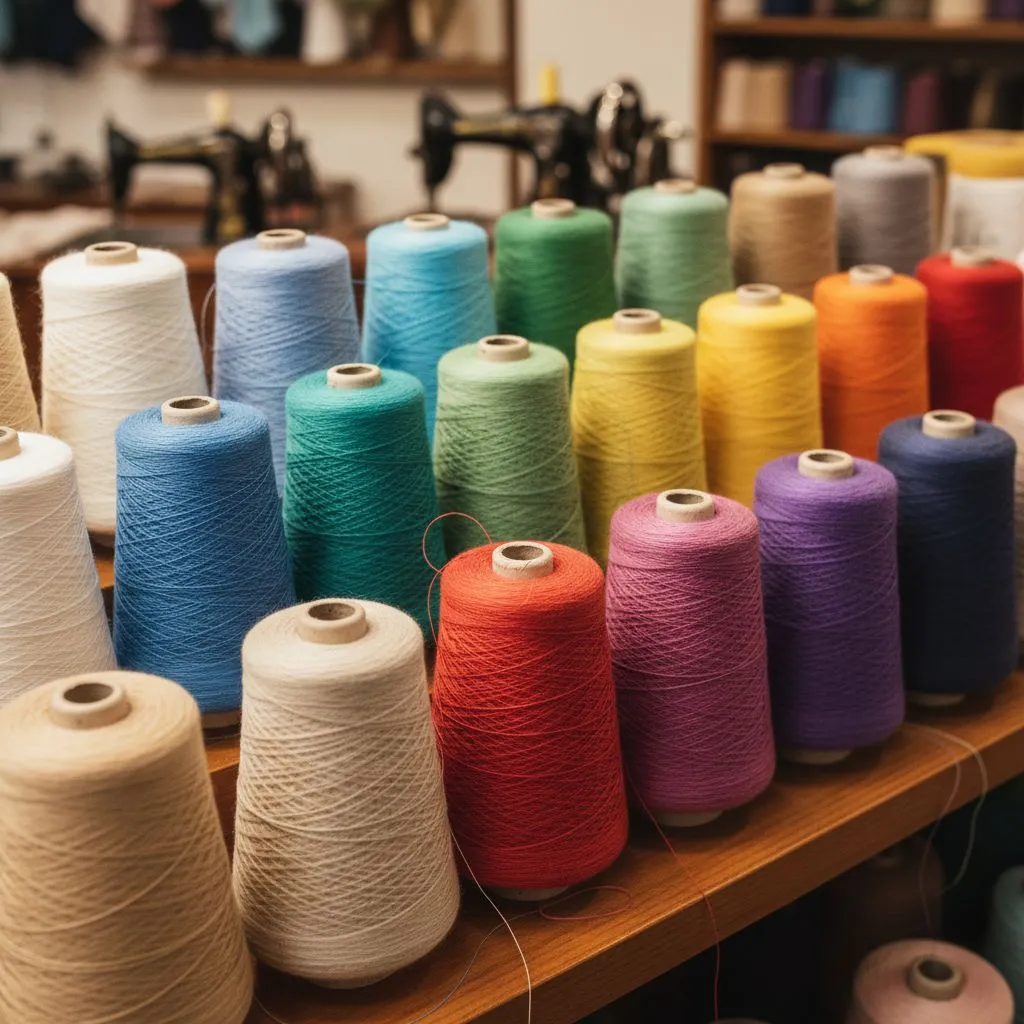
Cotton thread is produced by spinning raw cotton fibers into fine yarns and twisting them into a usable sewing line. Unlike synthetic filaments, cotton is fiber-based, meaning its strength depends on the length and quality of the raw material. In professional manufacturing, we distinguish between two primary types:
- Mercerized Cotton: Treated with sodium hydroxide to align the fibers, making the thread smoother, shinier, and significantly stronger.
- Non-Mercerized Cotton: Softer and more matte, but prone to lint buildup and lower tensile strength.
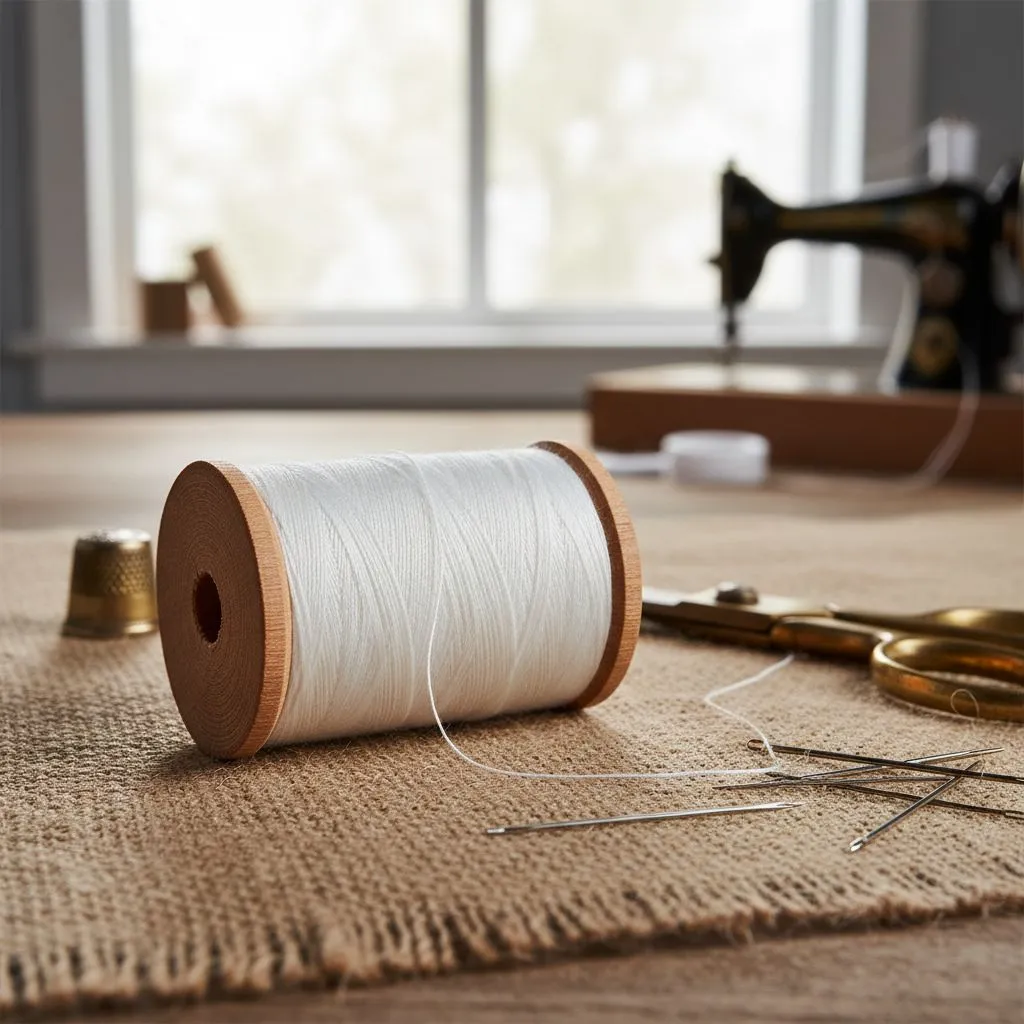
The Technical DNA of Cotton Thread
Because it originates from a plant fiber, cotton thread possesses inherent properties that cannot be replicated by synthetics. These characteristics dictate its performance on the industrial sewing line and its behavior throughout the garment’s lifecycle.
Natural Properties:
- High Heat Resistance: It will not melt under industrial irons, making it perfect for crisp, heavy pressing.
- Dye Absorption: It takes on color identical to the fabric during garment-dyeing, ensuring a seamless visual look.
- Low Elasticity: Cotton thread has almost zero stretch. If the fabric expands under stress, the thread will snap cleanly rather than elongating.
Strategic Applications: When to Choose Cotton
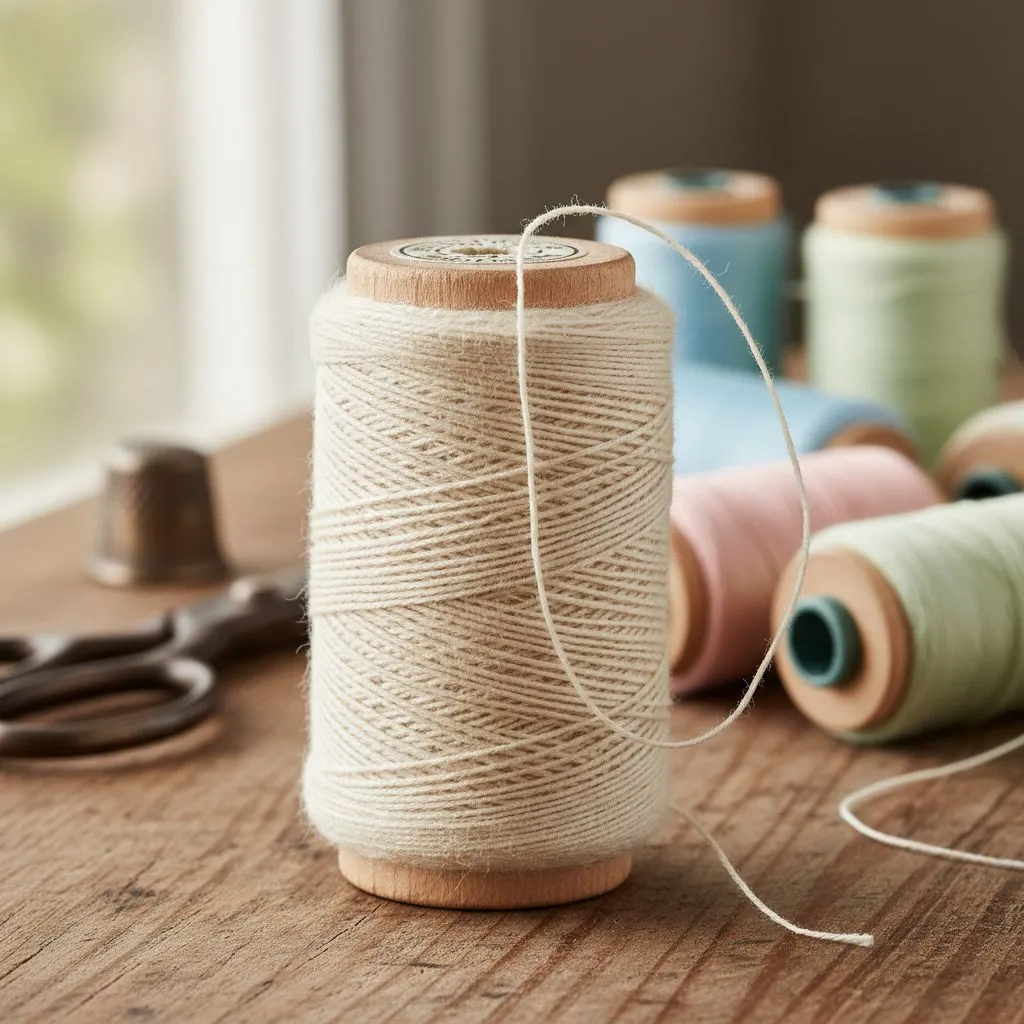
Cotton thread is a strategic choice for specific product categories where the “look” of the stitch is as important as the function. At Mekong Garment, we recommend cotton thread for:
- Garment-Dyed Collections: Essential for consistent color across seams and fabric.
- Premium Men’s Shirts: Provides a soft, “woven-in” appearance that looks more expensive than shiny polyester.
- Traditional Quilting & Embroidery: Offers a matte, vintage aesthetic that synthetic threads lack.
What Cotton Thread is NOT: Avoiding Production Errors
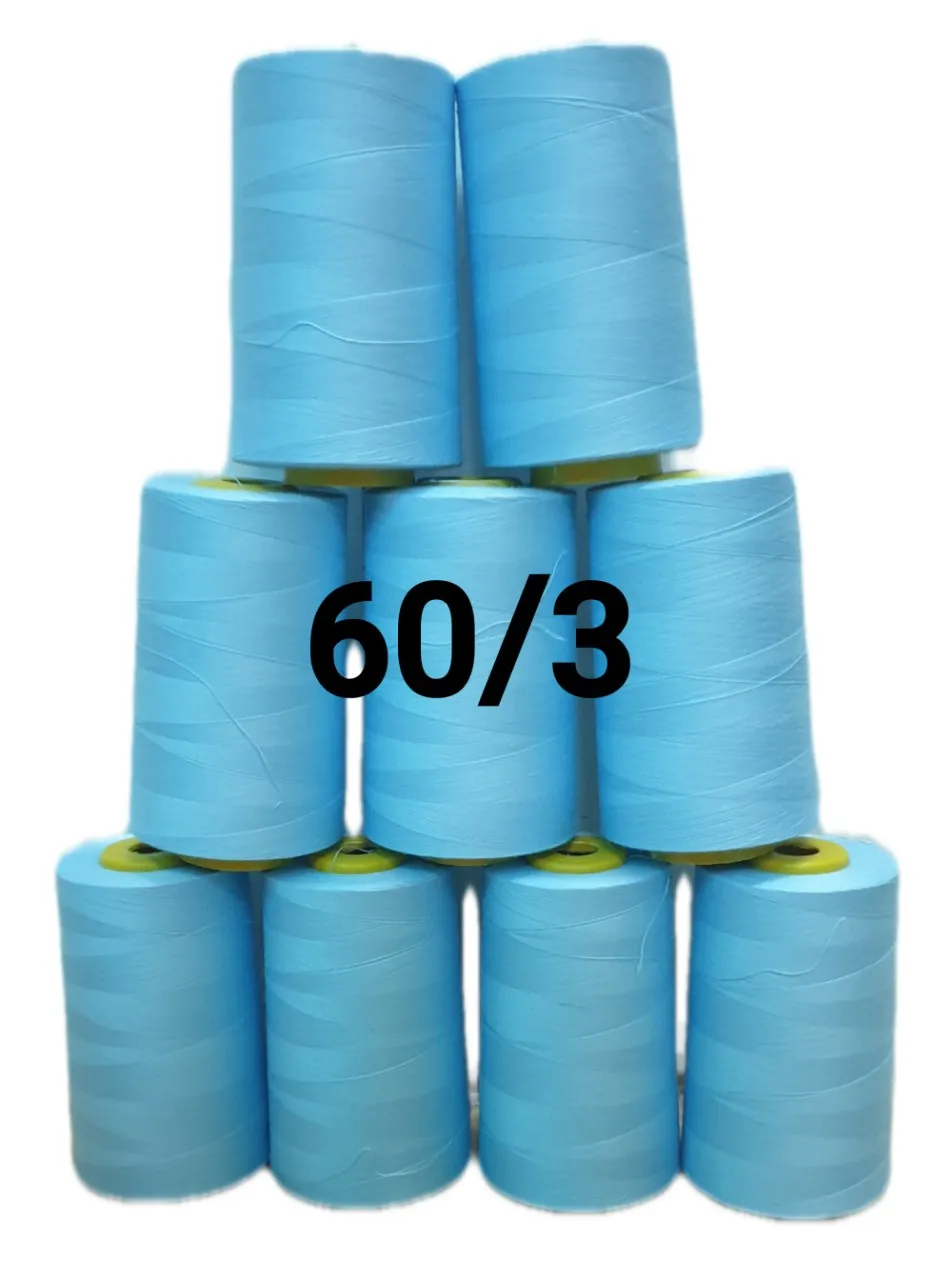
To prevent seam failure, manufacturers must be honest about cotton’s limitations. It is not an “all-purpose” solution. Using cotton thread outside its technical comfort zone leads to immediate returns and brand damage.
- It is NOT a high-strength thread for heavy denim or workwear.
- It is NOT suitable for stretch fabrics (leggings, swimwear).
- It is NOT UV-resistant for outdoor or maritime gear.
- It is NOT designed for ultra-high-speed industrial sewing (prone to friction breakage).
Conclusion
Cotton thread is a material of tradition and harmony. It wins when the goal is a natural aesthetic and high-heat tolerance, but fails when forced into high-stress or high-stretch environments. At Mekong Garment, we consult with our partners to ensure the thread choice matches the fabric’s technical requirements—ensuring your garments are as durable as they are beautiful. Use cotton for the soul of the garment; use synthetics for the strength.
Contact Mekong Garment Factory
- VN Phone/WhatsApp/WeChat: +84 947 729 829
- Email: hanh@kimmy.vn
Inshort, What Is Cotton Sewing Thread?
Cotton sewing thread is made from 100% natural cotton fibers that are spun and twisted into thread. It is commonly used for sewing cotton fabrics, quilting, and light garments. Important reality: being “natural” does not mean it is strong or flexible.
Is cotton thread stronger than polyester thread?
No. Polyester thread is generally stronger and more durable than cotton thread. Cotton thread breaks more easily under tension and has lower resistance to abrasion.
Why do people still use cotton thread if it is weaker?
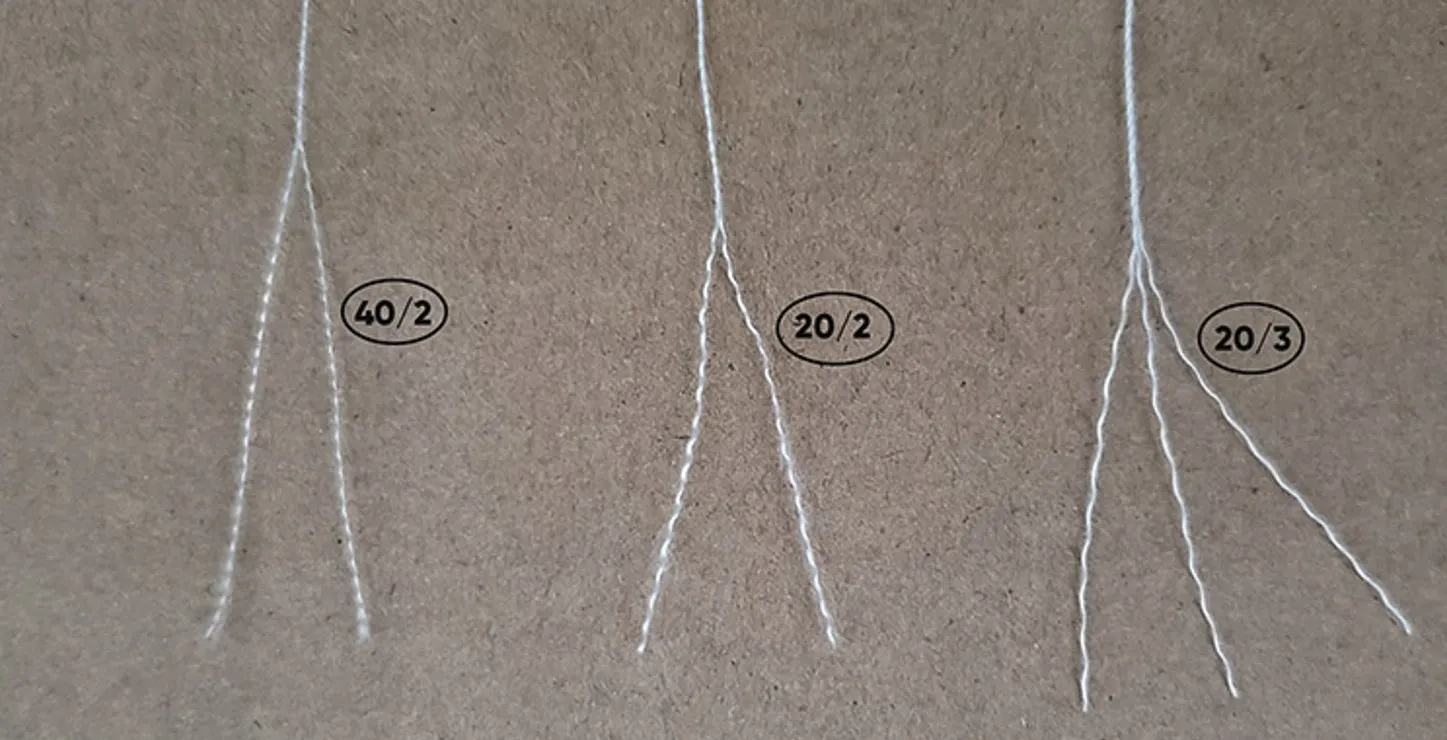
Because cotton thread has advantages that matter in certain cases, such as a natural matte look, high heat resistance, and good dye absorption. It is chosen for appearance and compatibility, not for strength. => Read More
Is cotton thread suitable for industrial sewing machines?
In most cases, no. Cotton thread is not ideal for high-speed industrial sewing because it produces lint, wears faster, and breaks more easily at high machine speeds.
Can cotton thread be used for stretch fabrics?
No. Cotton thread has almost no elasticity. When the fabric stretches, the thread cannot stretch with it and may break. Stretch fabrics require polyester, nylon, or core-spun thread.
Is cotton thread good for garment dyeing?
Yes. Cotton thread absorbs dye well, so seams dye evenly with the fabric. This makes it a strong choice for garment-dyed clothing.