


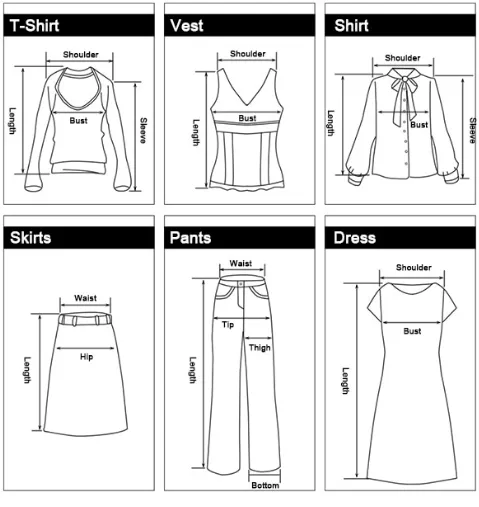

Starting a clothing brand is exciting, but one small mistake can cause big problems. One of the most common issues for new brands is incorrect garment measurement. When clothes are measured the right way, they fit better, look cleaner, and feel more comfortable. Accurate measurement is a basic skill every new brand owner must master to ensure production success.
Why Garment Measurement Matters
Garment measurement is the foundation of clothing production. It affects fit, sizing consistency, and customer satisfaction. If measurements are unclear, factories may produce garments that do not match your design vision. Clear measuring rules improve communication with your manufacturer and keep quality stable across bulk production runs.
Key Garment Parts You Must Measure
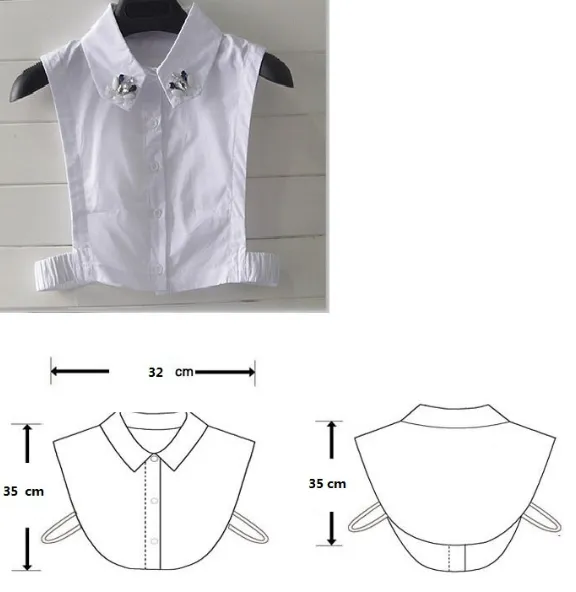
1. Collar Circumference
The collar is a focal point of any garment. Measuring it flat and relaxed helps ensure consistent results and prevents discomfort for the end customer.
- Lay the collar flat and unfold it fully.
- Stand Collar: Measure along the top edge.
- Non-Stand Collar: Measure along the bottom edge (seam line).
- Keep the fabric relaxed; never stretch it while measuring.
2. Clothes Length
Length defines the proportion and style of your brand. Different styles require different measuring points as specified in your Tech Pack.
- High Point of Shoulder (HPS): Measure straight down from the highest point of the shoulder seam to the hem.
- Center Front Neck: Measure vertically from the center of the front neckline to the bottom.
- Center Back Neck: Measure vertically from the center of the back neckline to the hem.
3. Sleeve Length
Accurate sleeve measurement ensures a balanced fit. The method changes depending on the sleeve construction:
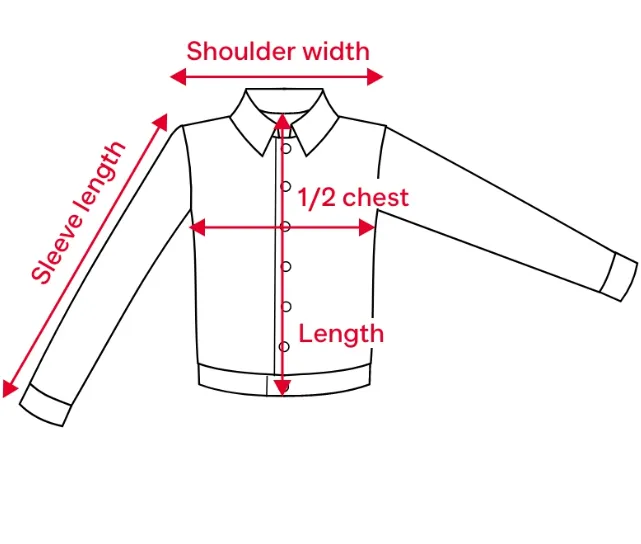
- Normal Sleeve: Measure from the top of the shoulder seam down to the cuff edge.
- Raglan Sleeve: Measure from the center front neckline across the shoulder to the cuff.
4. Across Back Shoulder & Cuff
- Across Back Shoulder: Lay the garment flat and measure straight across from the left shoulder seam to the right shoulder seam.
- Cuff Circumference: Flatten the cuff completely and measure around it without twisting or pulling the fabric.
Basic Measuring Rules for Success
To maintain accuracy, every brand should follow these fundamental principles:
- Always measure the garment flat and relaxed on a large, clean surface.
- Use a straight, firm ruler for vertical lines and a flexible tape for curved areas.
- Measure all sizes in a shipment, not just one. Randomly check 2–3 pieces per size to confirm consistency.
- Handmade Tolerance: Remember that a tolerance of 1–2 cm is standard in the garment industry unless otherwise specified.
Final Advice
Mastering garment measurement early saves time, money, and frustration. When your brand speaks the same technical language as the factory, samples improve faster and production runs smoother. At Mekong Garment, we work closely with our partners to ensure every measurement aligns perfectly with their brand standards.
Contact Mekong Garment Factory
- VN Phone/WhatsApp/WeChat: +84 947 729 829
- Email: hanh@kimmy.vn