
Sampling is where fashion brands often burn the most capital, yet it is also where they learn the most. This stage turns your creative vision into something tangible: patterns, fabrics, trims, and finishing. Because sampling is small-batch, hands-on work, factories cannot spread costs like they do in bulk production. However, most sampling “waste” is caused by unclear inputs rather than factory inefficiency. By fixing your process, you can significantly cut costs while protecting quality.
Know What You’re Actually Paying For in Sampling
When you pay for a sample, you aren’t just paying for “one garment.” You are paying for the technical infrastructure: pattern making, precision cutting, sourcing, and senior-level sewing expertise. Since these are produced in tiny quantities, the unit cost remains high. Understanding these components helps you identify where money is being utilized and where it can be optimized.
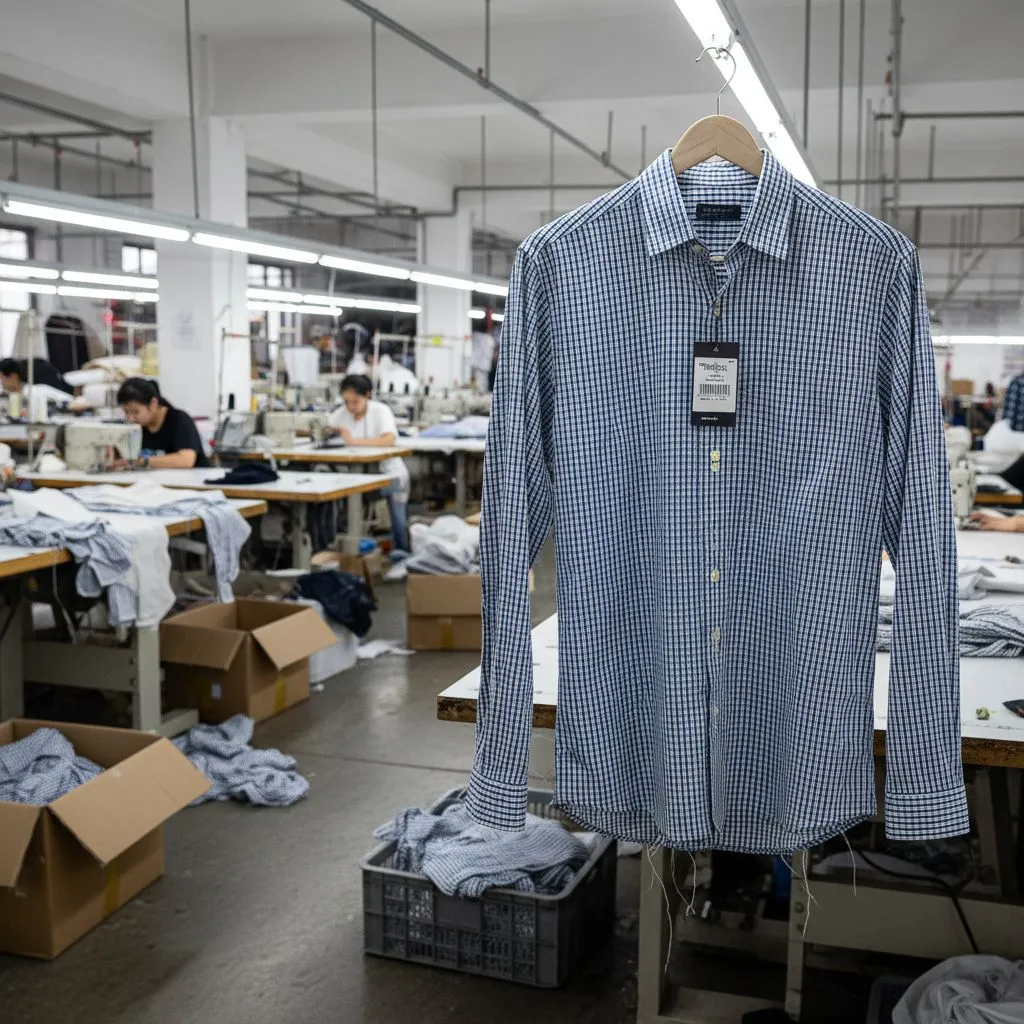
Common Sample Types and Their Roles:
- Proto Sample: To prove the initial design concept and silhouette.
- Fit Sample: To refine measurements and movement.
- Size Set Sample: To verify grading across all sizes.
- PP (Pre-production) Sample: The final “blueprint” using bulk materials.
The #1 Cost Saver: Reduce Iterations, Not Quality
The real expense in sampling is the number of rounds you go through. To minimize iterations, focus on these two pillars:
A. Deliver a Technical Tech Pack
A comprehensive Tech Pack reduces guesswork. When a factory has exact measurements and construction specs, the need for remakes drops significantly. Vague mood boards drive up costs because they lead to “discovery by error.”
B. Lock “Non-Negotiables” Early
Decide on core elements—such as fabric weight, fit standard (oversized vs. regular), and neckline shape—after the first round. Changing these structural elements in later rounds essentially forces a “restart,” doubling your costs.
Batching Changes Strategically
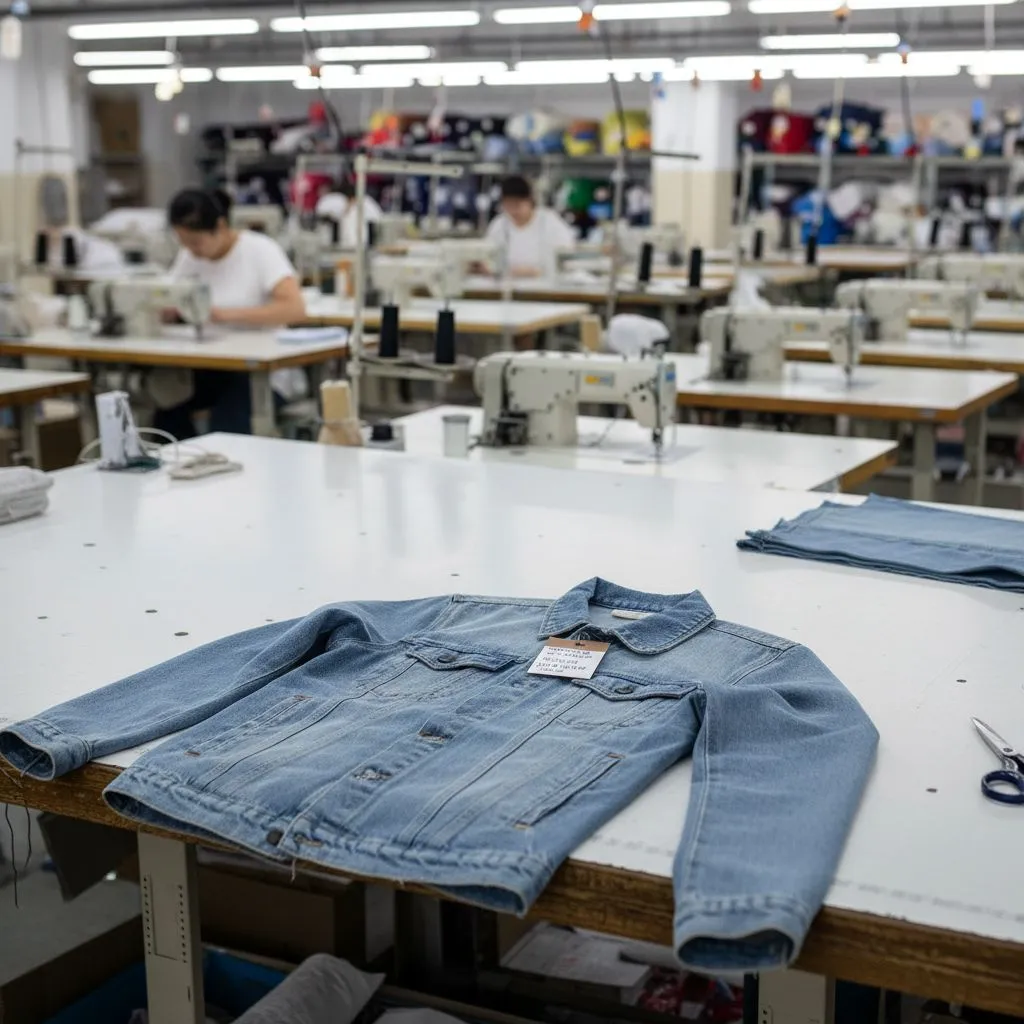
Batching can save money, but only if you separate aesthetic changes from structural changes. Tweak colors or print placements together after the base pattern is approved. Avoid changing the silhouette and the fabric simultaneously, as different fabric behaviors (stretch vs. woven) will force a complete pattern redo.
Leveraging Stock Materials vs. Custom Sourcing
Using a factory’s in-stock fabric for early Proto or Fit samples can save significant sourcing time and cost. However, be cautious: stock materials should only be used for internal testing. Always use the final, custom-locked fabric for your PP Samples and marketing sets to ensure the bulk production matches your approved standard exactly.
A Practical “Smart Sampling” Workflow
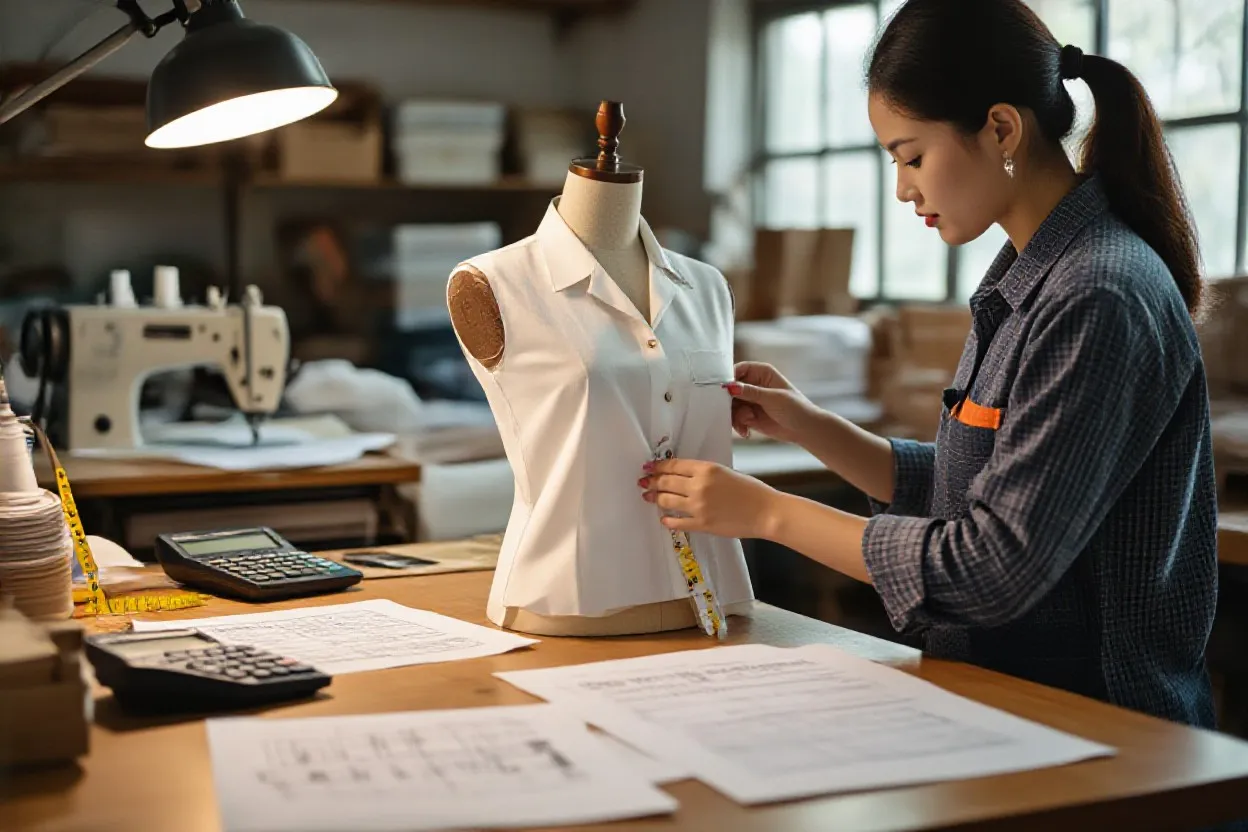
Transitioning from idea to bulk production requires a disciplined checklist to avoid costly detours:
- Pre-sample Alignment: Finalize the Tech Pack and confirm revision rules.
- Proto Stage: Approve the design and rough construction.
- Fit Stage: Document and execute measurement and silhouette changes.
- PP Stage: Use actual bulk materials for final approval.
- Seal the Standard: Keep a “Golden Sample” to match against bulk output.
Conclusion
Sampling doesn’t get cheaper by cutting corners; it gets cheaper by cutting confusion. The goal is the fewest sample mistakes, not the lowest sample price. By using clear specs, smarter batching, and the right sample type at the right time, you protect your budget and your production timeline. Predictability in sampling leads to perfection in bulk production.
FAQs: Reducing Clothing Sample Costs in Apparel Manufacturing
What are clothing sample costs?

Clothing sample costs are the expenses factories charge to create prototype garments before bulk production. These costs include pattern making, fabric usage, labor, machine setup, and multiple adjustments. Samples cost more per piece because they are made individually, not in volume.
Why are clothing samples more expensive than bulk garments?
Samples require more time, skilled workers, and trial work. Machines must be adjusted, patterns tested, and mistakes corrected. In bulk production, these costs are spread across many pieces, but for samples, they apply to only one or two garments.
Can sample costs really be reduced without lowering quality?
Yes, but only by reducing mistakes and repeated revisions. Cutting corners on materials or workmanship usually leads to more sample rounds later, which increases total cost instead of reducing it.
What causes sample costs to increase the most?
The biggest causes are unclear tech packs, frequent design changes, poor communication, and approving samples too early. Each unclear detail forces the factory to redo work that has already been paid for.
Is negotiating sample price the best way to save money?
Not always. Lowering the price per sample does not fix design confusion or repeated revisions. A cheaper sample that must be remade several times often costs more overall.
How important is a detailed tech pack?
A detailed tech pack is critical. It reduces guesswork and limits revisions. When measurements, construction, and materials are clearly defined, factories can produce correct samples faster and with fewer changes.
What happens if the tech pack is incomplete?
An incomplete tech pack usually leads to extra sample rounds. Each round adds labor, time, and cost. In many cases, high sample costs are caused by missing information, not factory pricing.
Does reducing the number of sample rounds lower costs?
Yes. Fewer sample rounds mean less labor and fewer corrections. However, reducing rounds only works if decisions are made carefully. Skipping necessary steps often creates bigger problems during bulk production.