Why Are Fabric MOQs Usually Higher Than Garment MOQs?

When brands source apparel, they often discover a frustrating reality: fabric suppliers require far higher minimum order quantities (MOQs) than garment factories. This is not arbitrary pricing pressure; it reflects a fundamental difference in how textiles are manufactured versus how garments are assembled. Understanding this distinction is essential for realistic costing, accurate production planning, and avoiding supply-chain deadlocks.
Fabric Manufacturing Carries Heavy Fixed Setup Costs
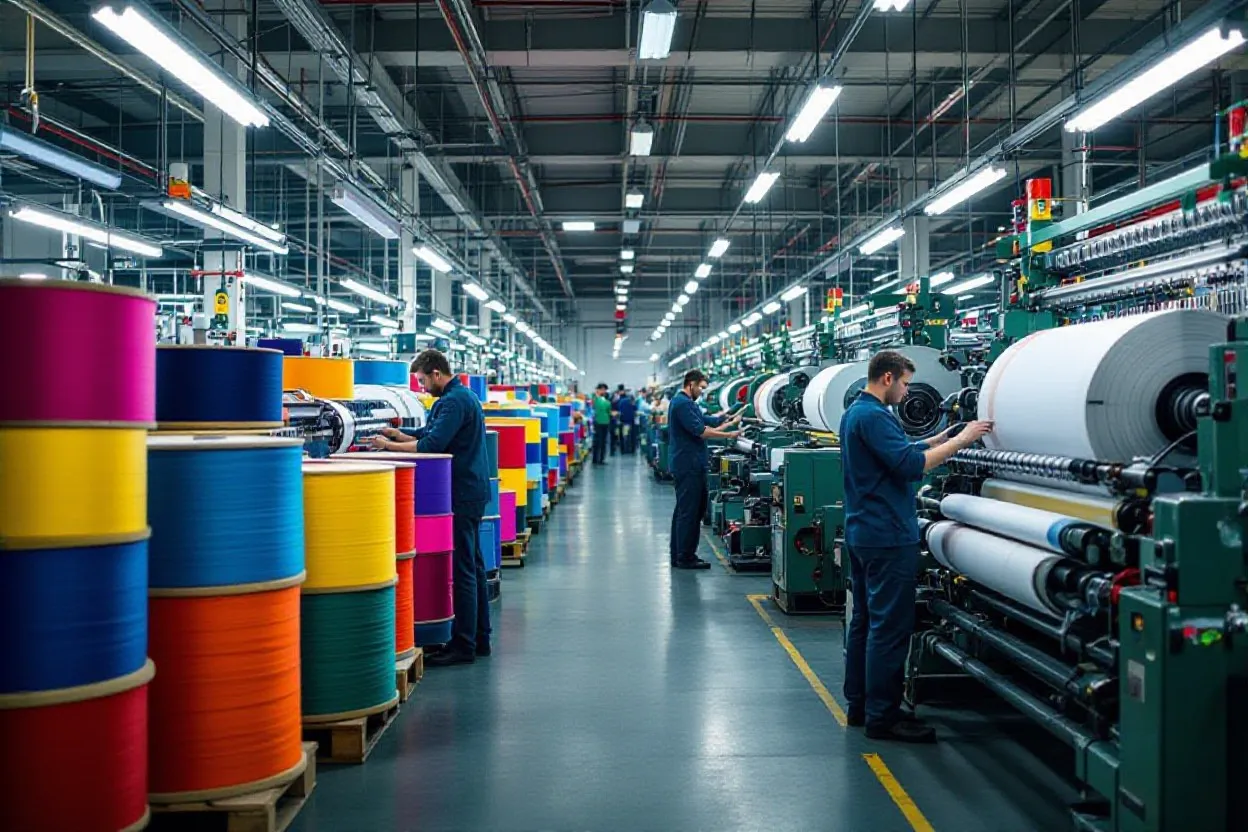
Fabric production is a capital-intensive process that begins long before any usable material exists. Mills must prepare yarn systems, configure knitting or weaving machines, and stabilize mechanical settings such as tension and density. These fixed setup costs must be distributed across enough volume to remain economically viable.
Non-negotiable setup steps include:
- Yarn preparation and loom/knitting machine configuration.
- Dye lab dips and chemical color recipe development.
- Machine cleaning and chemical preparation for each new color.
- Finishing setup (compacting, brushing, or performance coatings).
Dye Lot and Finishing Constraints Limit Flexibility
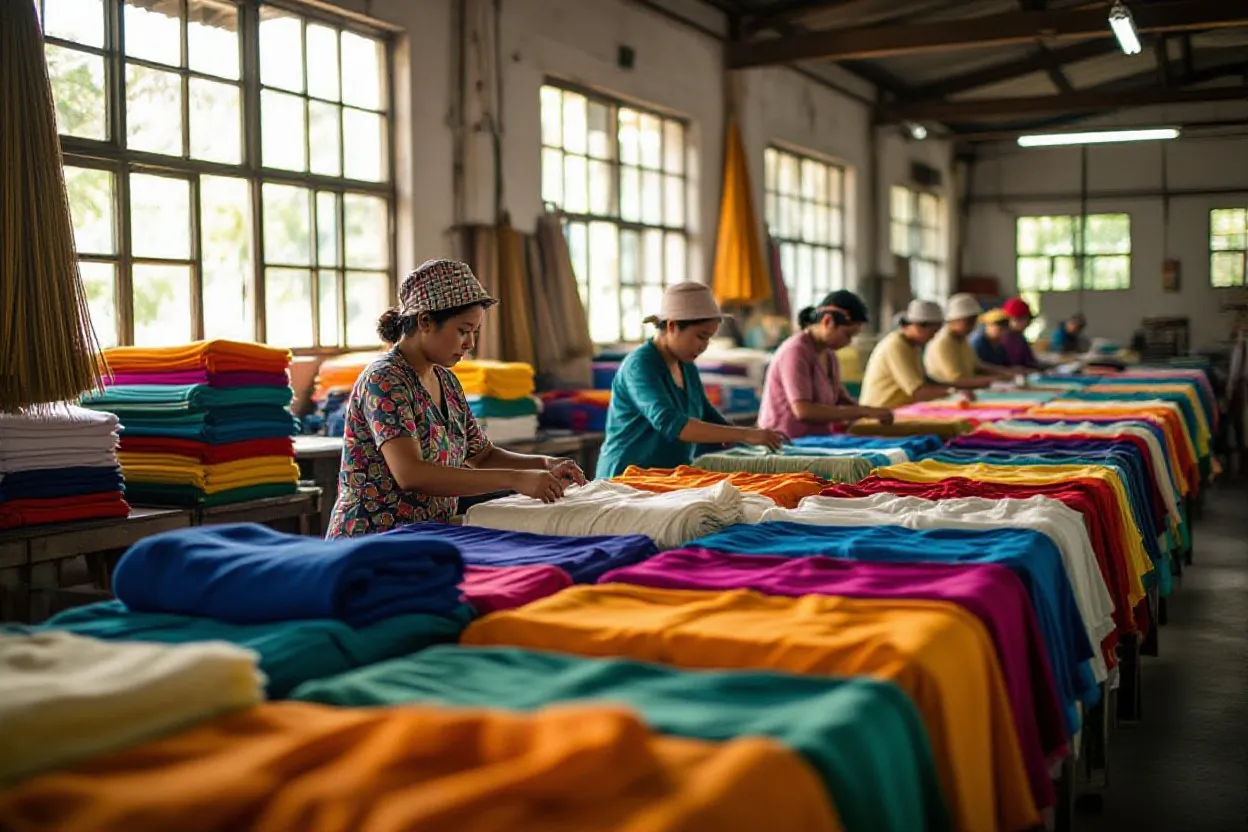
Unlike garment sewing, fabric production relies on batch systems. Dyeing and finishing equipment must operate at defined lot sizes to maintain color consistency and performance stability. Running partial dye lots increases the risk of shade variation and creates excessive chemical waste.
- Minimum Dye Lots: Required to ensure uniform color across all rolls.
- Process Stability: Partial runs cause chemical imbalances and failed performance tests.
- Waste Reduction: Mills enforce MOQs to prevent underfilled machines from draining profitability.
Raw Material and Upstream Dependencies
Fabric MOQs are often driven by requirements from further up the supply chain. If a fabric uses custom yarn counts, recycled fibers, or certified organic materials, the mill must first meet the Yarn Spinning MOQ. This upstream dependency makes fabric MOQs much less flexible than the labor-driven MOQs of a sewing factory.

Garment Production Is Labor-Driven, Not Chemistry-Driven
Garment factories operate on a different cost model centered on labor efficiency. While setting up a sewing line takes time (marker making, machine adjustment), these costs are incremental. Factories can often accommodate smaller orders by assigning fewer operators or charging a surcharge for the loss in efficiency. Fabric mills do not have this luxury because their processes are chemically and mechanically locked.
Fabric Quality and Consistency Depend on Scale
Fabric quality actually improves with scale. Larger production runs allow mills to stabilize machine settings and maintain consistent dye curves. Small runs increase variability, leading to shade inconsistency or failed shrinkage tests. Higher MOQs protect both the mill and the buyer from quality defects that cannot be corrected once the material is produced.

Strategic Implications for Brands
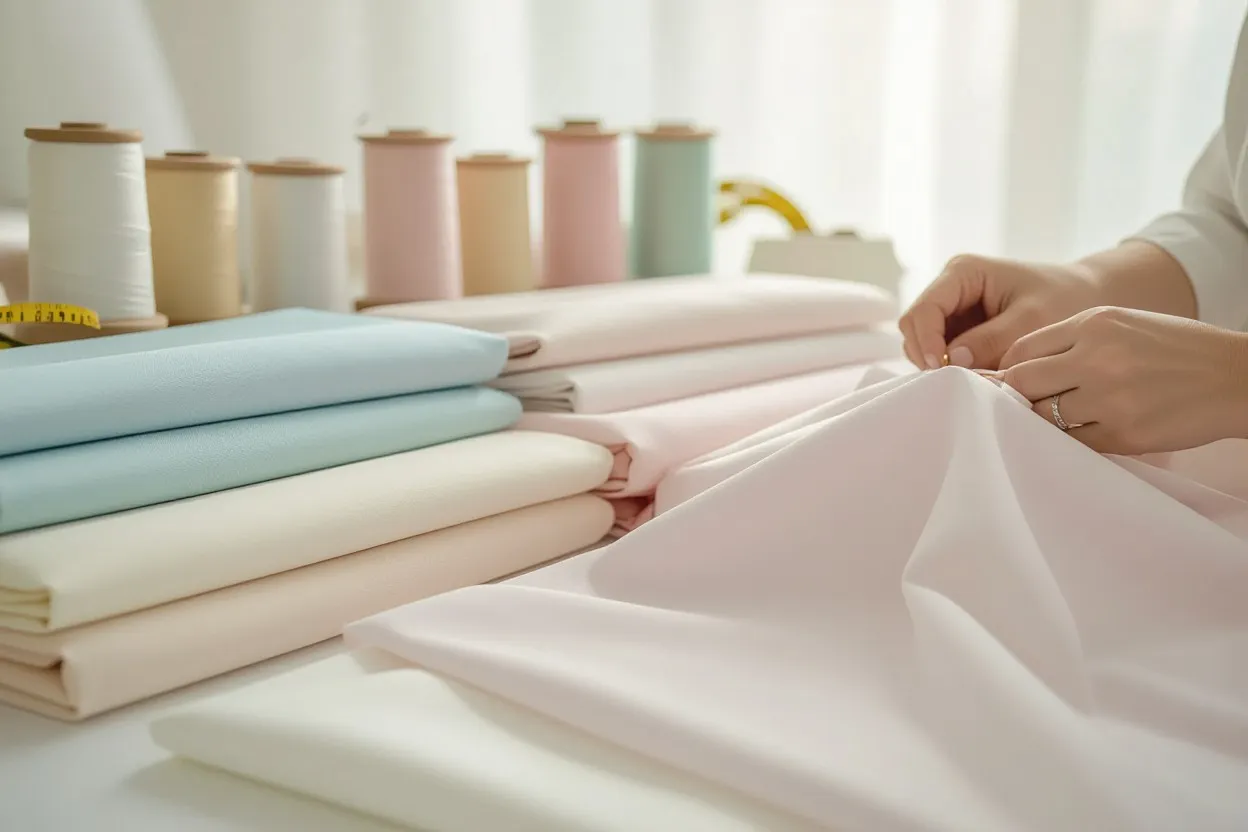
For brands, this means the Fabric MOQ often becomes the true minimum production volume, regardless of how flexible a factory appears. Successful sourcing strategies account for this early in the design phase.
Effective strategies include:
- Using a single core fabric across multiple styles (Capsule collections).
- Reducing the number of colorways per fabric type.
- Selecting fabrics from a mill’s “Stock Program” to bypass MOQs.
- Planning multi-season use of the same material to reach volume thresholds.
Conclusion
Fabric MOQs are higher than garment MOQs because textile manufacturing involves irreversible chemical and mechanical commitments. Understanding this structural reality allows brands to plan realistically, cost accurately, and build supply chains that function effectively. At Mekong Garment, we help our partners navigate these requirements by aligning fabric choice with production execution from day one.