
What Happens When Defects Are Found During Garment Production?

Finding a defect during garment production does not automatically mean the entire order has failed. In a professional garment factory, a defect should trigger a controlled quality process. The factory needs to understand what happened, how many garments may be affected, whether production should continue, how the defective pieces should be handled, and what must change so the same problem does not keep returning.
- A weak quality process often looks like this: Find Defect → Repair Garment → Continue Production
- A stronger process looks like this: Detect → Contain → Assess → Trace → Correct → Analyze Root Cause → Take Corrective Action → Verify → Release
The main goal is not simply to repair the defective garment. The goal is to protect the remaining production and improve the process that created the defect.
=> Related Article: Top 8 Garments Production Problems That May Affect Your Factory Output.
Why Garment Defects Must Be Handled Quickly
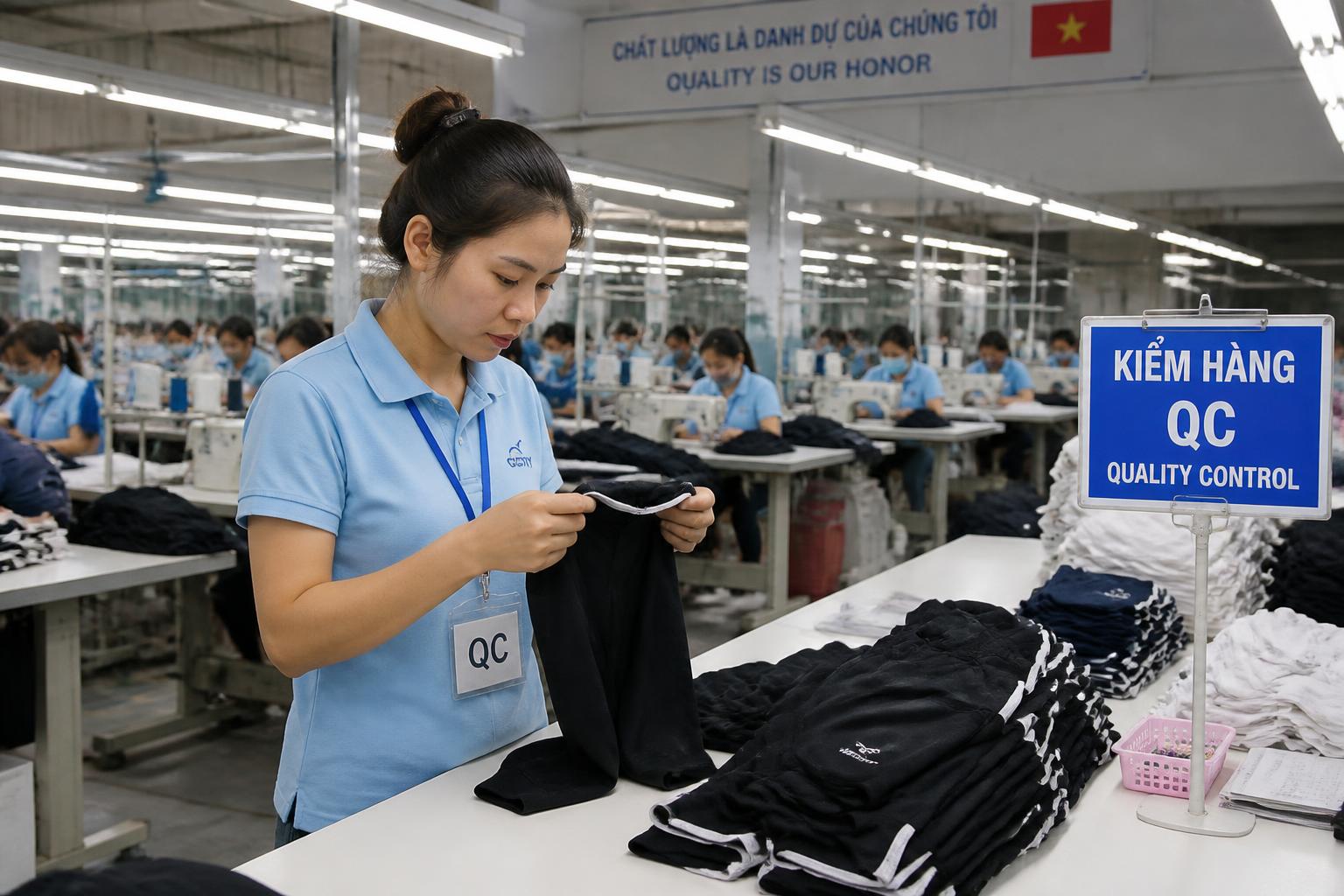
Defects can appear at any stage of production, from fabric cutting to final finishing. Early detection is critical to preventing faulty items from reaching the customer. Modern factories utilize a combination of manual inspections and advanced technology to ensure consistency.
- Manual Inspections: Trained quality personnel perform physical checks at key production milestones to spot uneven stitching, stains, or holes.
- Automated Vision Systems: Advanced operations employ cameras and AI-driven machine vision to catch defects faster and more accurately than the human eye.
The earlier a defect is found, the easier and cheaper it is usually to control.
Early Detection Reduces Rework
Suppose a pocket is sewn in the wrong position.

If the problem is found after the first five garments, the factory may only need to:
- Stop the operation
- Correct the method
- Repair a few pieces
- Check the next production pieces
=> Related Article: +15 Common Fabric Defects & How to Spot Them Early, Why They Are So Dangerous

But if the same defect is found after 3,000 garments have already been completed, the factory may need to:
- Sort thousands of garments
- Remove and resew pockets
- Remeasure garments
- Repress them
- Reinspect them
- Repack them
The technical defect may be the same, but the cost is completely different.
=> Related Article: What Happens When Defects Are Found During Garment Production?
Defects Can Become Production Problems
A quality problem can quickly become a production problem because defects create:
- Rework
- Waiting
- Extra handling
- Lost operator time
- Line interruptions
- Overtime
- Inspection delays
This is why good quality control protects both quality and output.
=> Related Article: Defect Categories in Garment Inspection (Critical / Major / Minor)
Defects Can Become Delivery Problems
If a serious problem is discovered close to shipment, the factory may need additional time for:
- Sorting
- Repair
- Reinspection
- Repacking
- Buyer communication
A defect that could have been corrected during the first production hour may become a shipment delay when found at the end.
Where Garment Defects Can Be Found
Defects can appear at almost every stage of garment production.
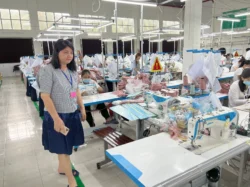
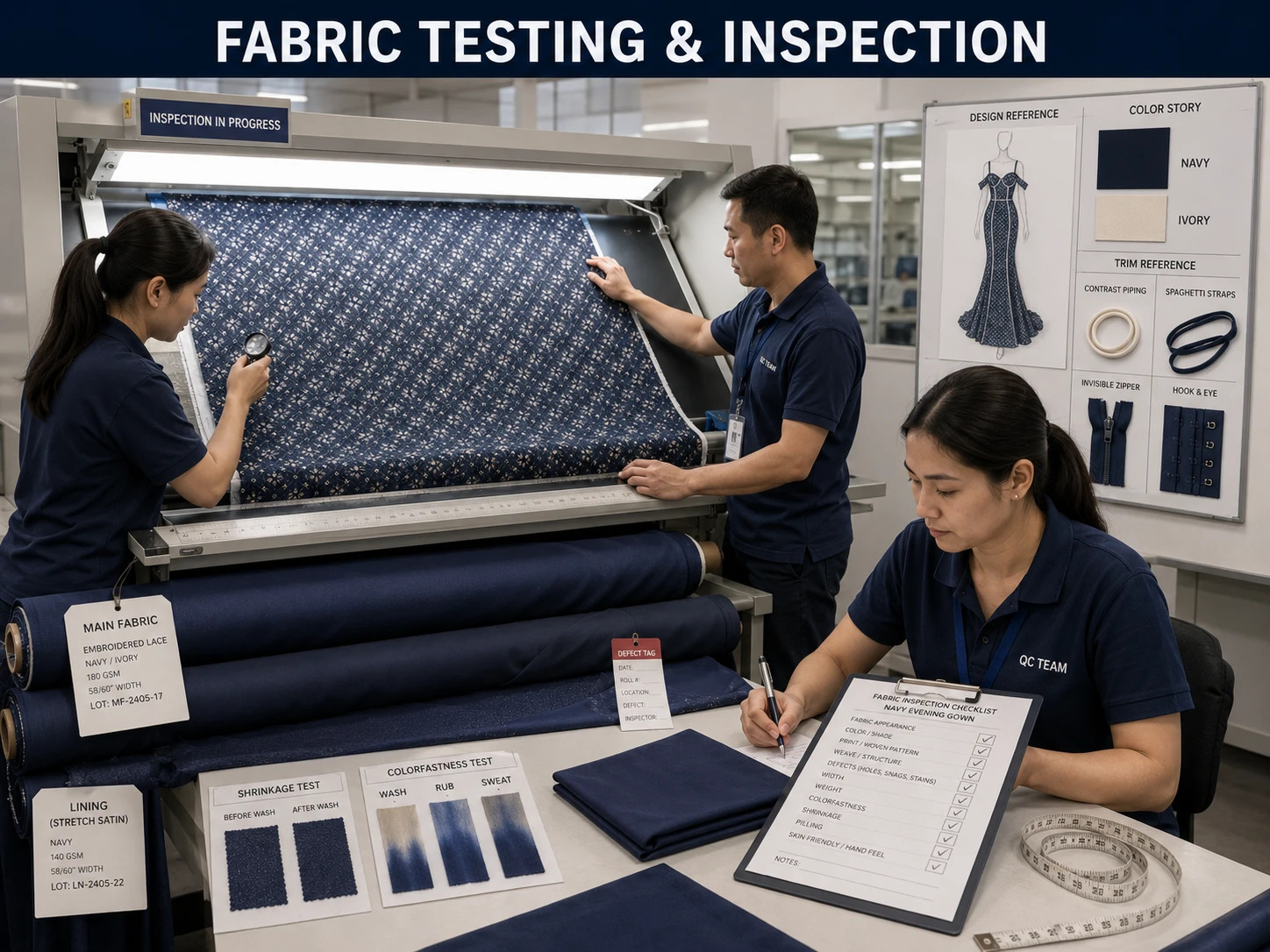
Fabric Inspection Defects
Common problems include:
- Holes
- Oil stains
- Shade variation
- Barre
- Slubs
- Width variation
- Fabric distortion
- Surface contamination
Fabric problems should ideally be identified before cutting.
Cutting Defects
Typical cutting problems include:
- Incorrect panel shape
- Mixed sizes
- Off-grain panels
- Missing components
- Shade mixing
- Inaccurate cutting
Once the panels enter sewing, cutting problems become much harder to correct.

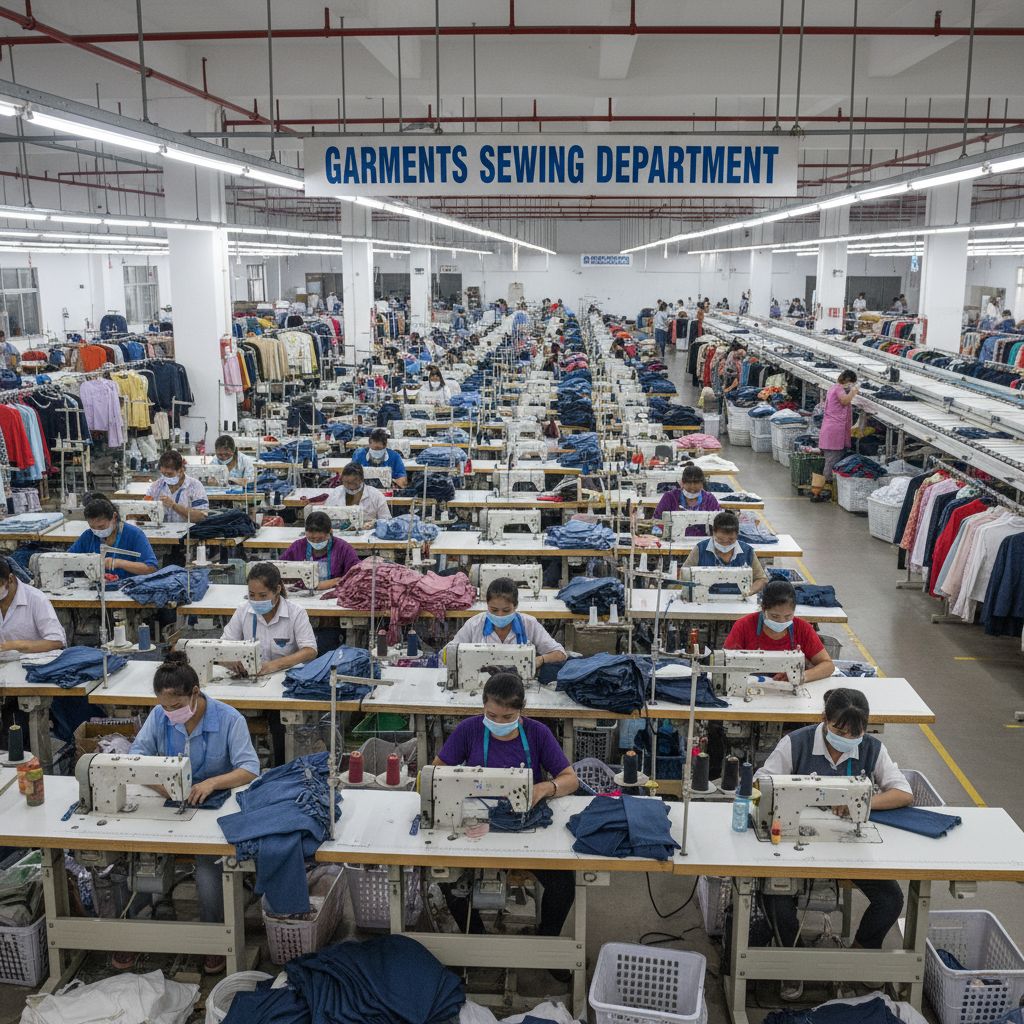
Sewing Defects
Common sewing defects include:
- Skipped stitches
- Broken stitches
- Open seams
- Seam puckering
- Uneven seam allowance
- Crooked pockets
- Incorrect attachment
- Measurement problems
Sewing defects are often found by operators, line leaders, inline QC, or end-line QC.
Washing and Finishing Defects
Possible problems include:
- Excessive shrinkage
- Shade change
- Spirality
- Distortion
- Oil stains
- Poor pressing
- Loose threads
- Incorrect labels

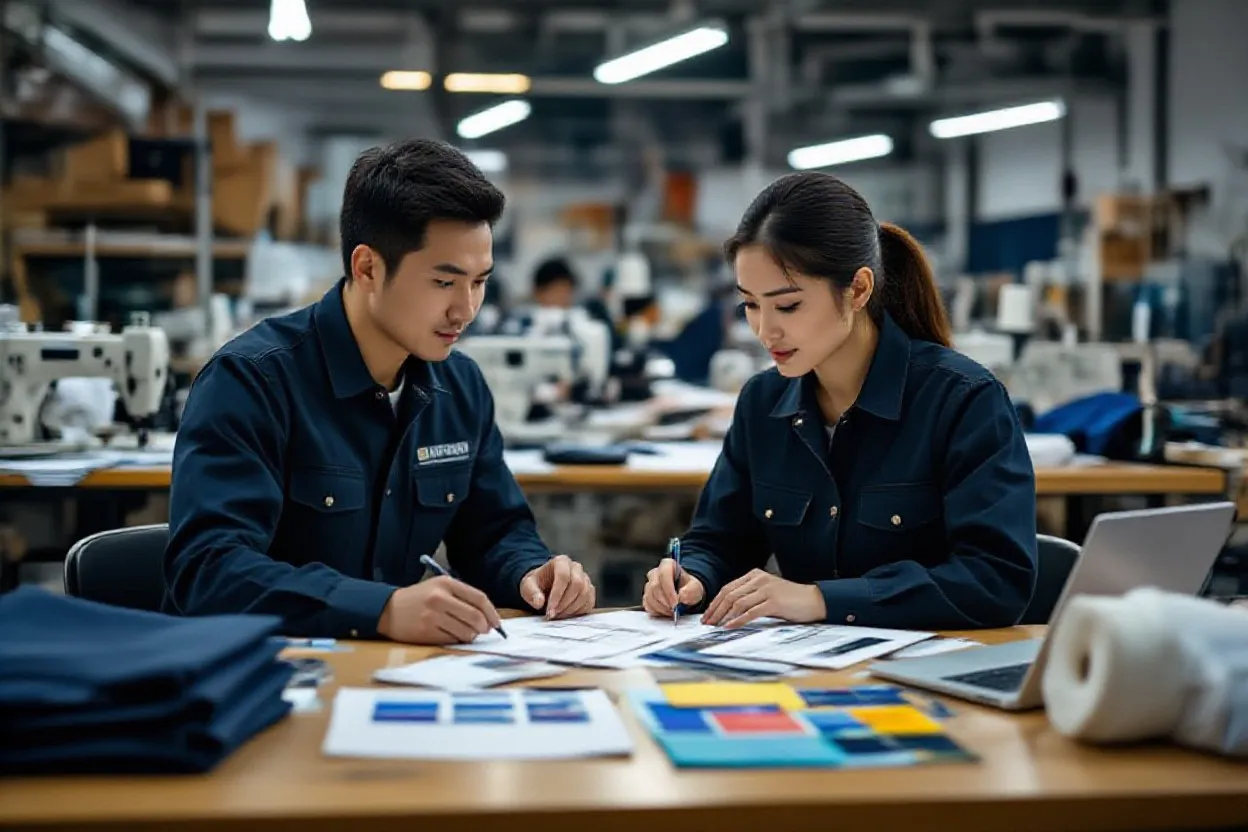
Packing Defects
Packing errors may include:
- Wrong barcode
- Wrong size sticker
- Missing hang tag
- Incorrect folding
- Wrong carton assortment
- Incorrect carton marking
Even when the garment itself is correct, packing errors can still create shipment problems.
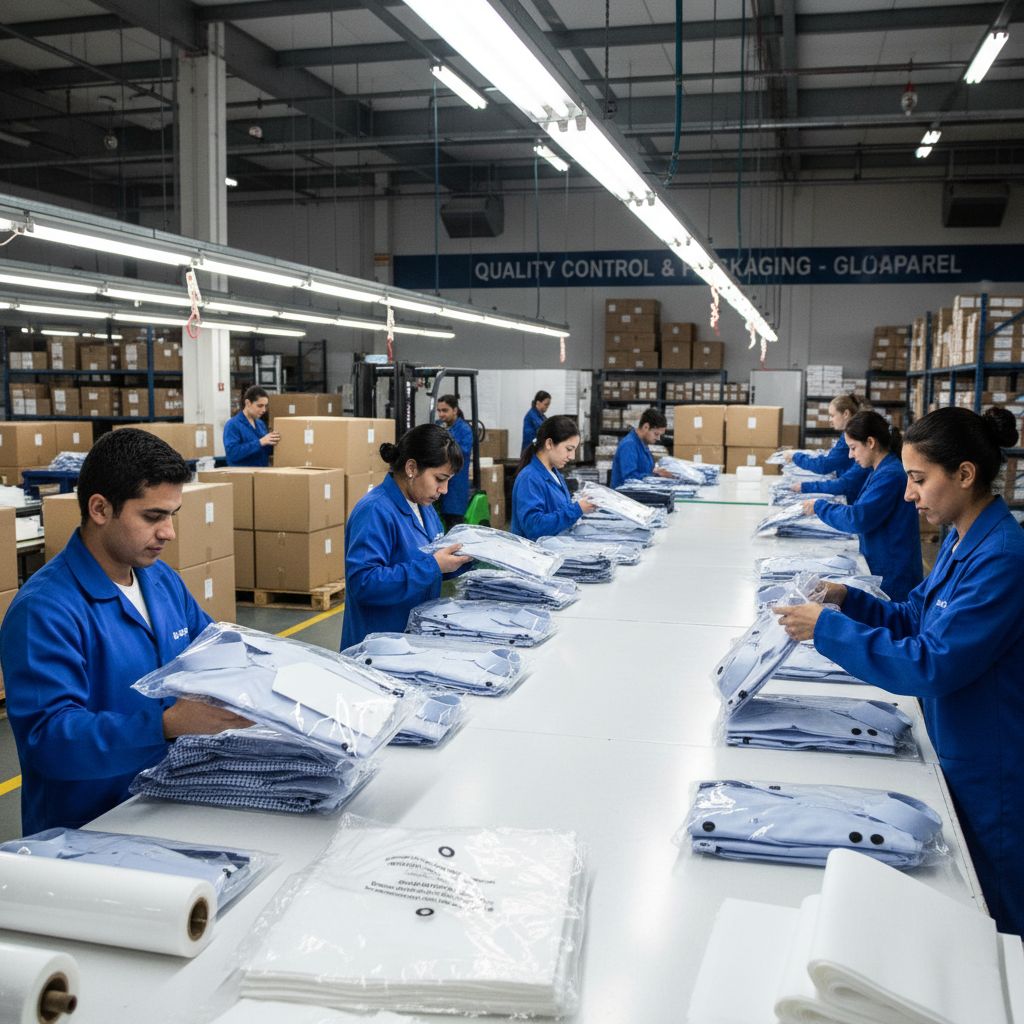
Basic Sorting and Isolation
Once a defect is detected, the affected garment is immediately marked and isolated. This critical step prevents defective units from mixing with quality-approved inventory. Quality teams typically perform three actions:
- Assess Severity: Categorize as minor, major, or critical based on Acceptable Quality Limit (AQL) standards.
- Tag and Isolate: Faulty pieces are moved to a designated area to prevent “contamination” of the main batch.
- Log Data: Records are created including defect type, operator ID, and machine data for future investigation.
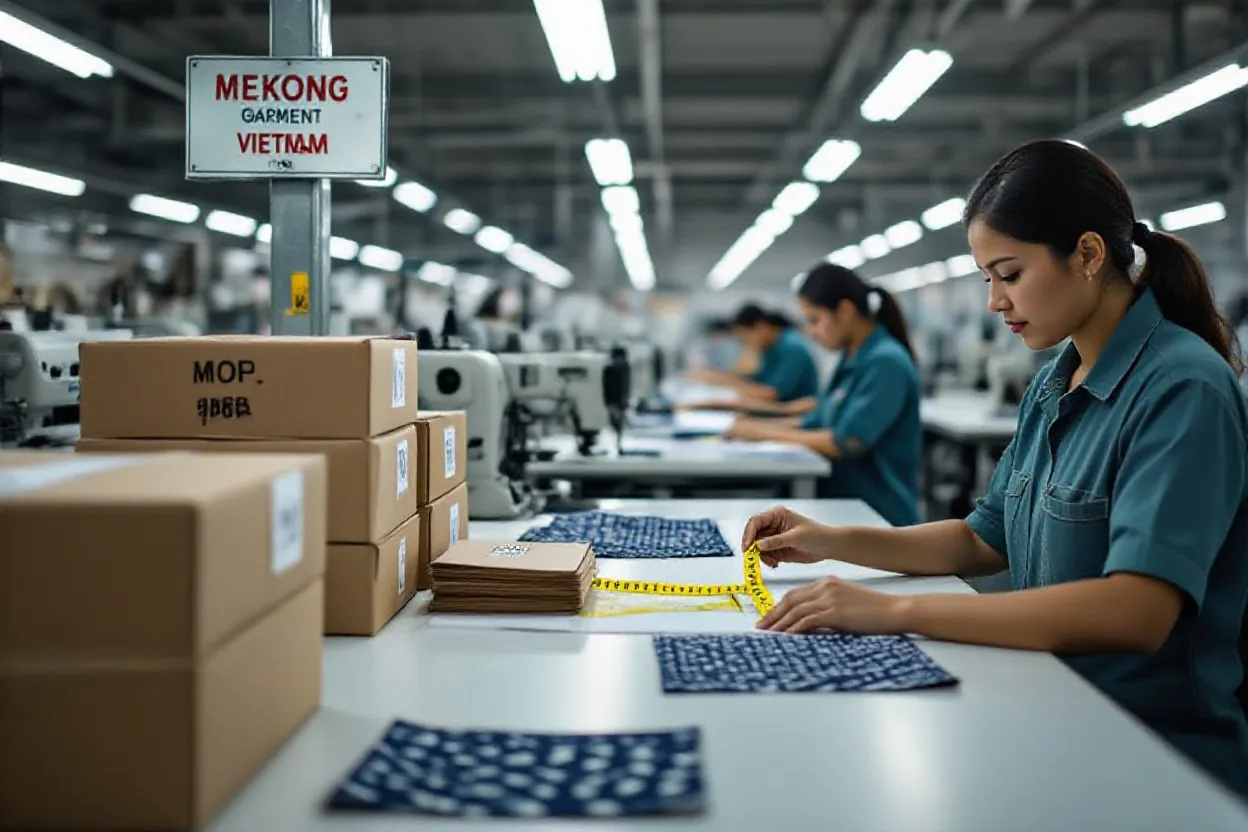
Root Cause Analysis (RCA): Identifying the Source
A proper Root Cause Analysis (RCA) is the most neglected step in many factories. It focuses on why the defect happened, not just what happened. Most professional manufacturers use the 6M Model to investigate:
- Machinery: Was the equipment out of calibration?
- Manpower: Did the operator lack proper training?
- Materials: Was the raw fabric or thread inherently flawed?
- Methods: Was the Standard Operating Procedure (SOP) incorrect?
- Measurement: Was the inspection tool or method inaccurate?
- Mother Nature: Did environmental factors like humidity affect the material?
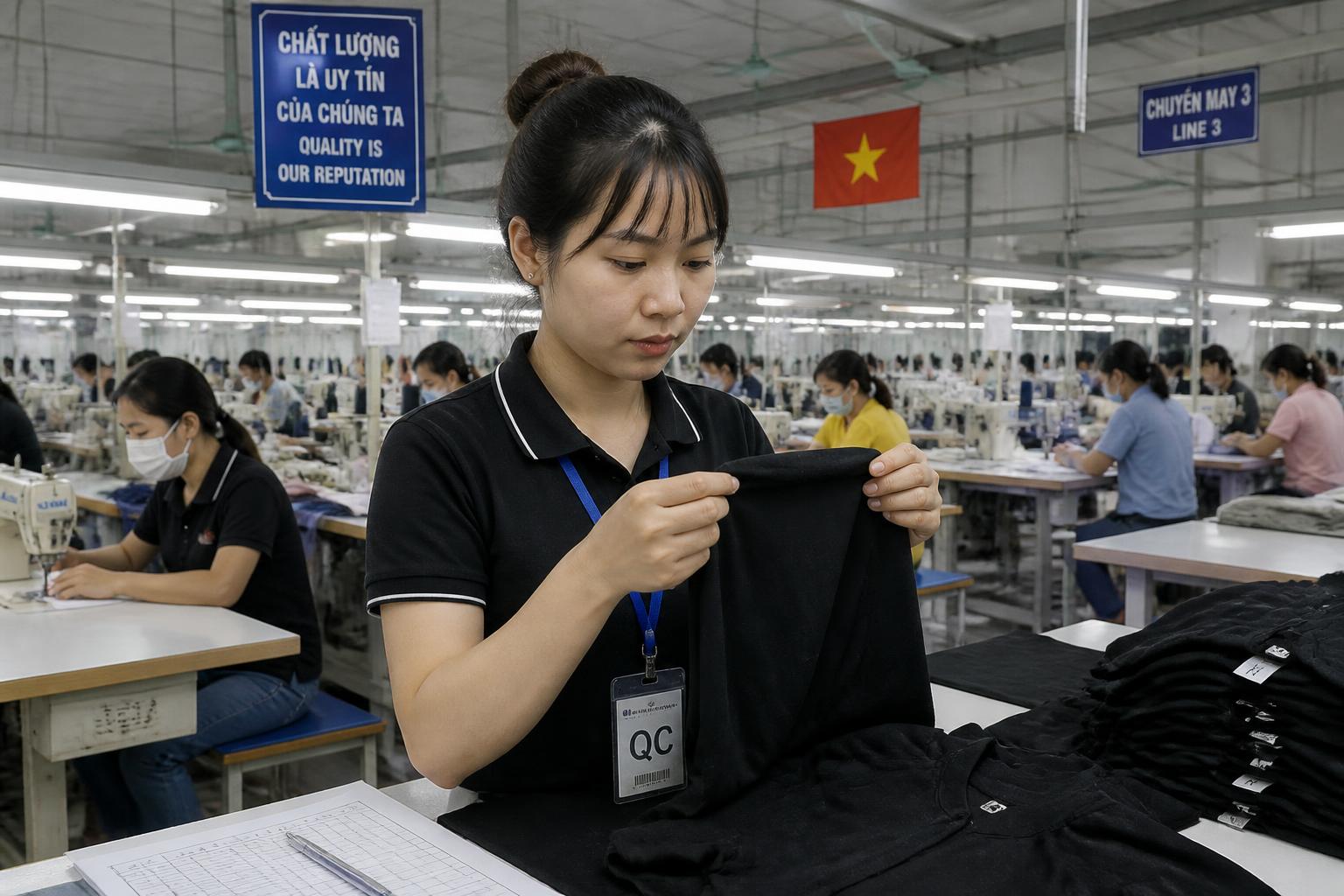
Immediate Correction vs. Preventive Action
Immediate correction (fixing the garment) addresses the symptom to keep production moving. However, Preventive Action is what ensures long-term quality. This includes:
- Standardizing Fixes: Updating SOPs so the entire line operates uniformly.
- Poka-yoke (Error-proofing): Building mechanical safeguards to make it impossible for the mistake to happen again.
- Continuous Monitoring: Tracking whether the defect recurs in subsequent batches to validate the fix.
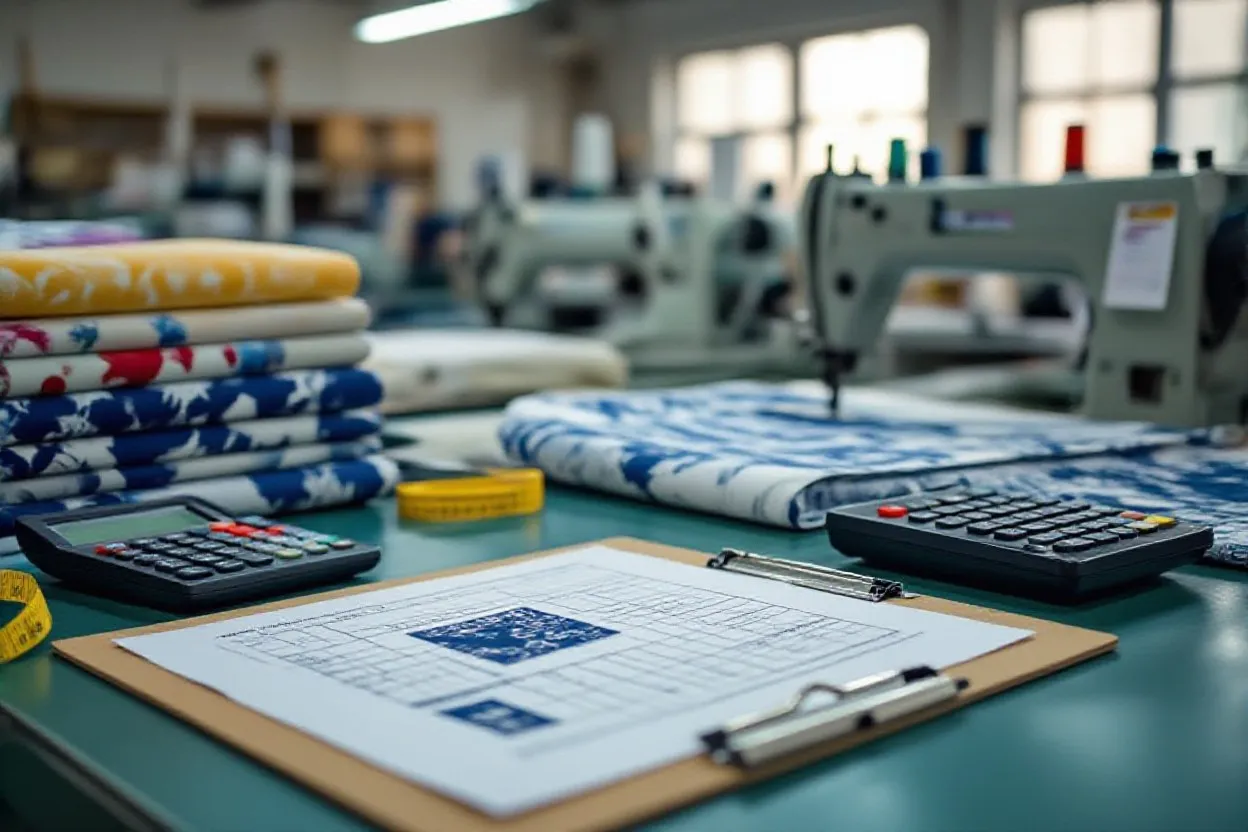
Final Quality Assurance Before Shipment
Before garments leave the factory, a Final QA check ensures that all rework has been performed correctly and the shipment meets the buyer’s requirements. Items that fail this final gate are either reworked, sold as seconds (with buyer approval), or scrapped. This protects the brand’s reputation and prevents costly customer claims.
Summary: Solving the System, Not Just the Stitch
Fixing a single defect allows you to meet a deadline, but fixing the system allows you to build a sustainable business. Companies that invest in deep quality systems including automated vision, Root Cause Analysis, and error-proofing outperform competitors by reducing waste and ensuring consistent delivery. Don’t just bail water; plug the hole.