Cotton Thread (Sewing Thread): What It Is, Pros & Cons, and Best Uses

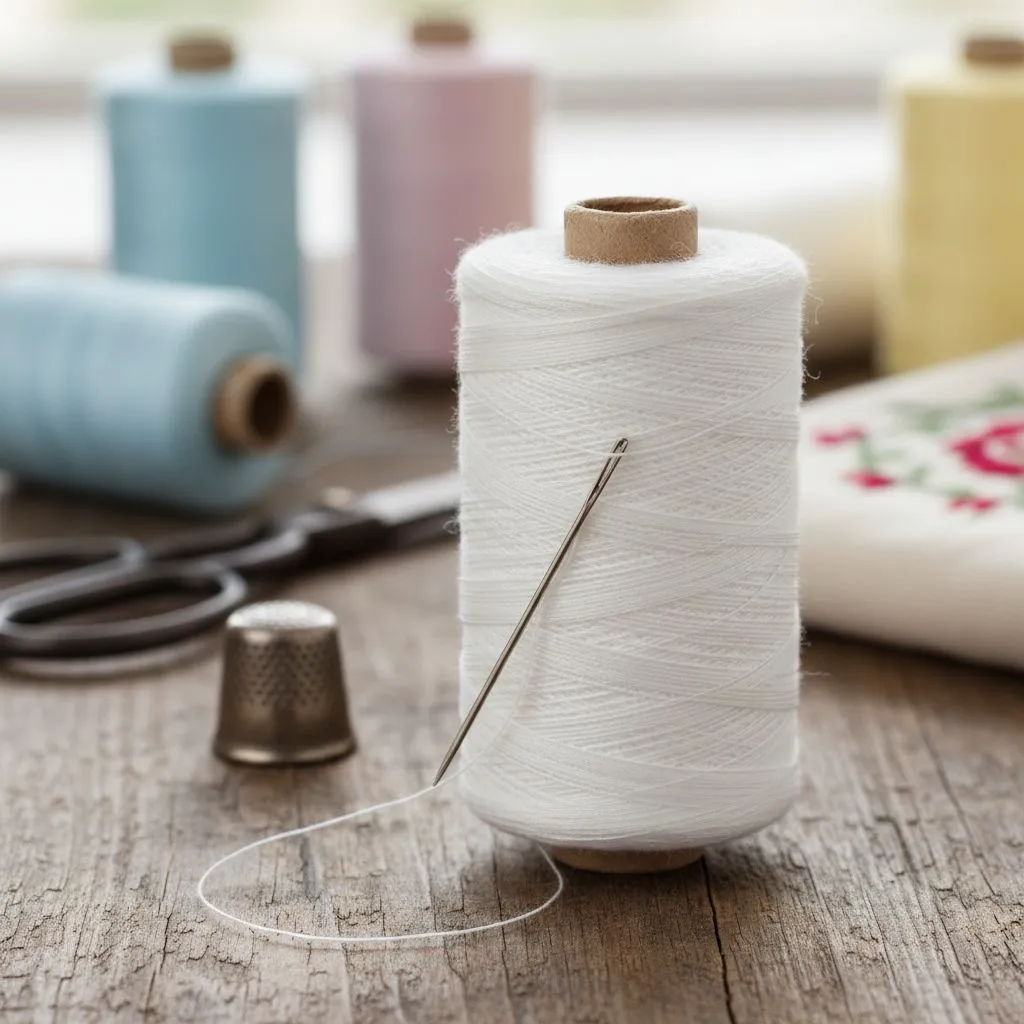
Cotton thread is a specialized sewing thread made from spun natural cotton fibers. It is highly valued for its soft hand-feel, “organic” visual harmony with cotton fabrics, and exceptional tolerance for high-temperature pressing. While many modern factories prioritize synthetic alternatives for speed, cotton thread remains the gold standard for traditional tailoring, quilting, and garment-dyeing processes. However, to ensure garment longevity, it is critical to understand that cotton thread is designed for aesthetic harmony rather than maximum tensile strength.
What Exactly is Cotton Thread?
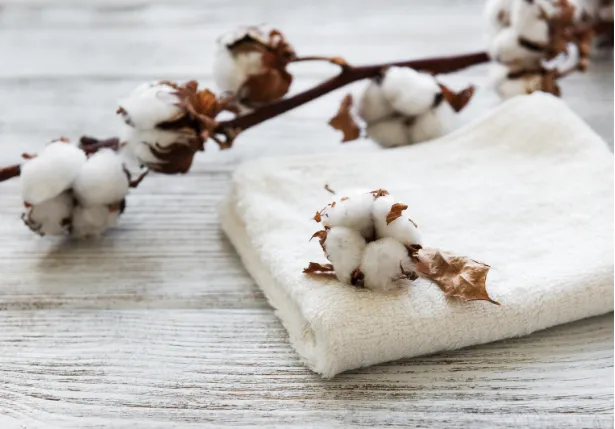
Cotton sewing thread is a thread produced from staple cotton fibers. Unlike continuous-filament synthetic threads, cotton fibers have limited natural length. The fibers are therefore processed through several stages before becoming sewing thread.
- Cleaned and prepared
- Carded or combed
- Spun into yarn
- Twisted or plied
- Finished
- Lubricated where required
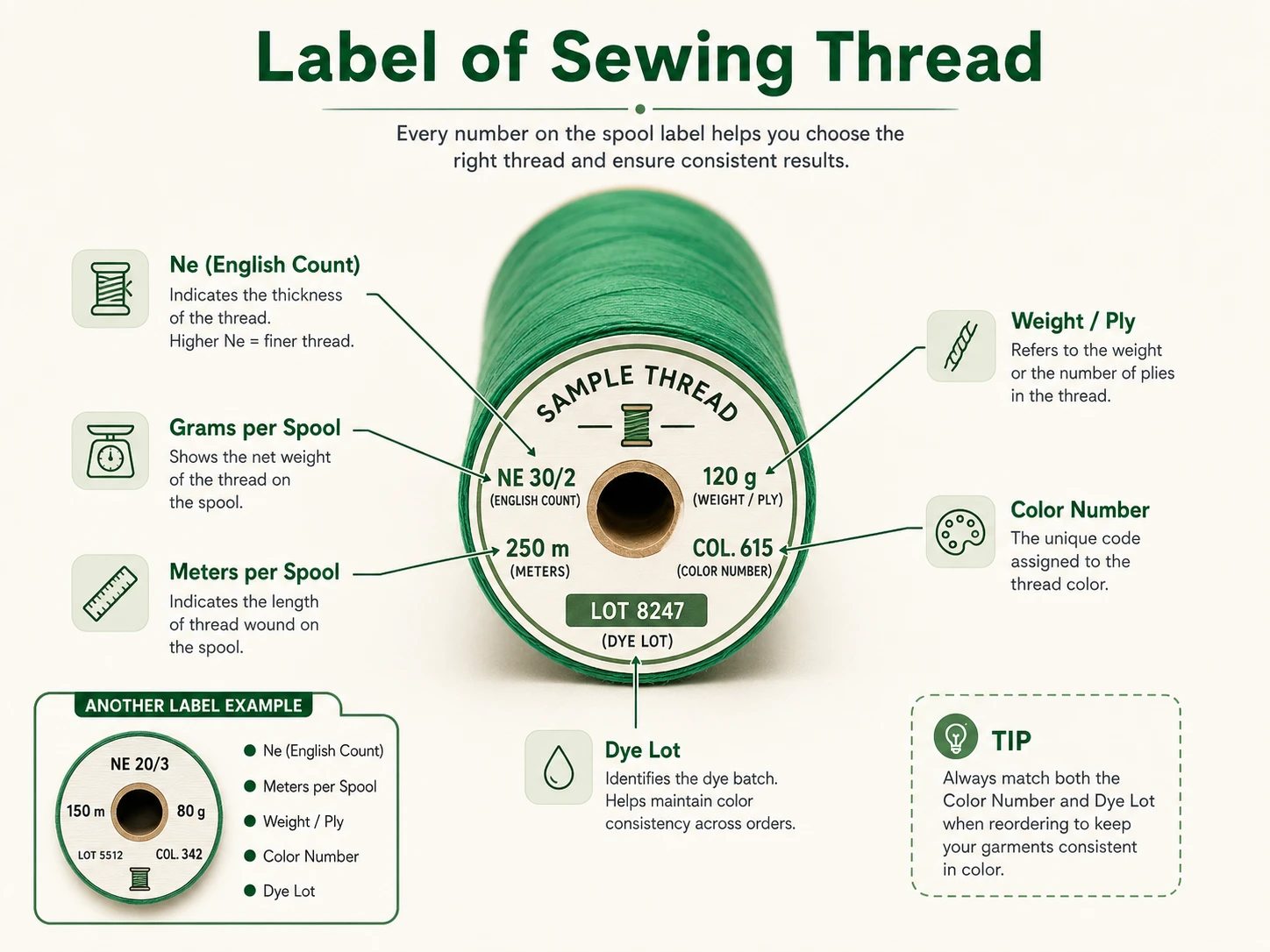
- Wound onto cones, tubes, or spools
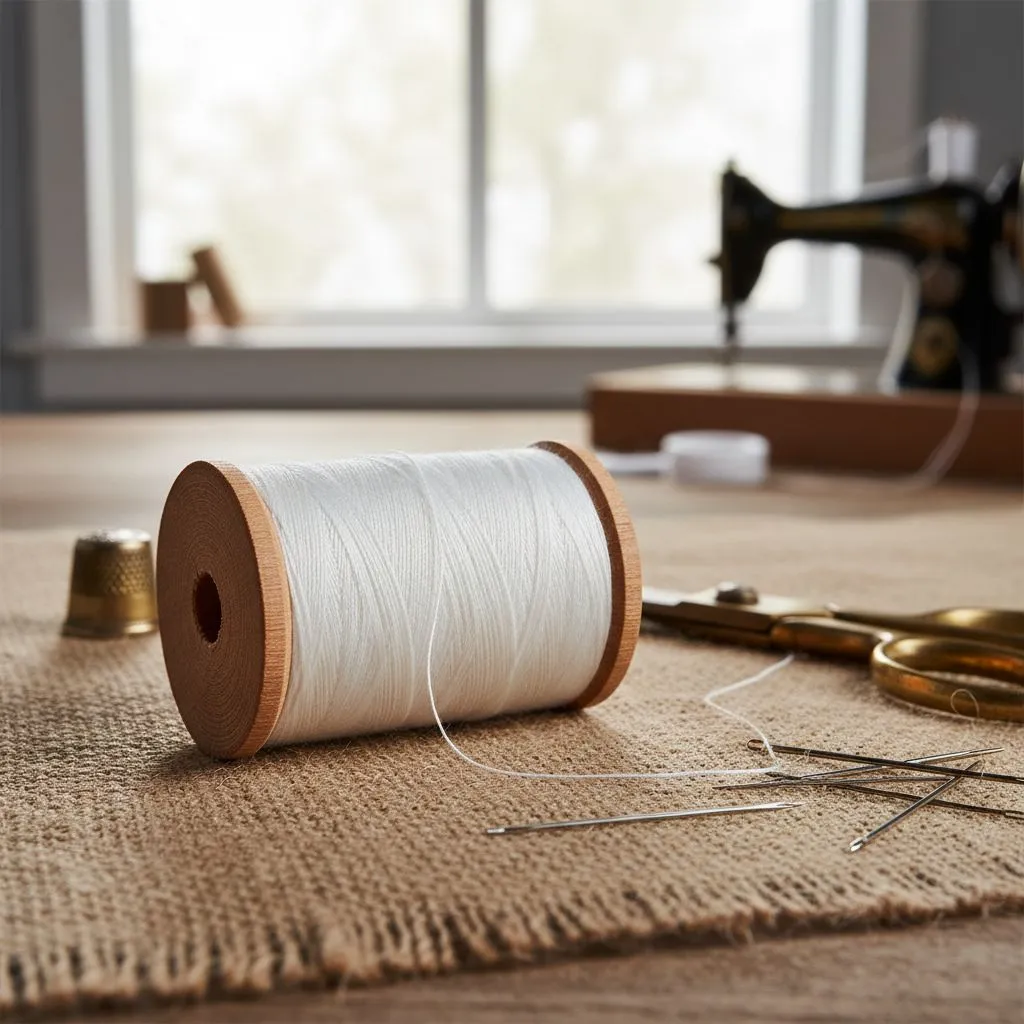
Cotton thread is produced by spinning raw cotton fibers into fine yarns and twisting them into a usable sewing line. Unlike synthetic filaments, cotton is fiber-based, meaning its strength depends on the length and quality of the raw material. In professional manufacturing
The finished thread can then be used for:
- Garment sewing
- Tailoring
- Quilting
- Embroidery
- Decorative stitching
- Garment dyeing
- Craft sewing
- Home textiles
Cotton thread can be produced in different sizes, constructions, colors, twists, and finishes depending on the intended application.
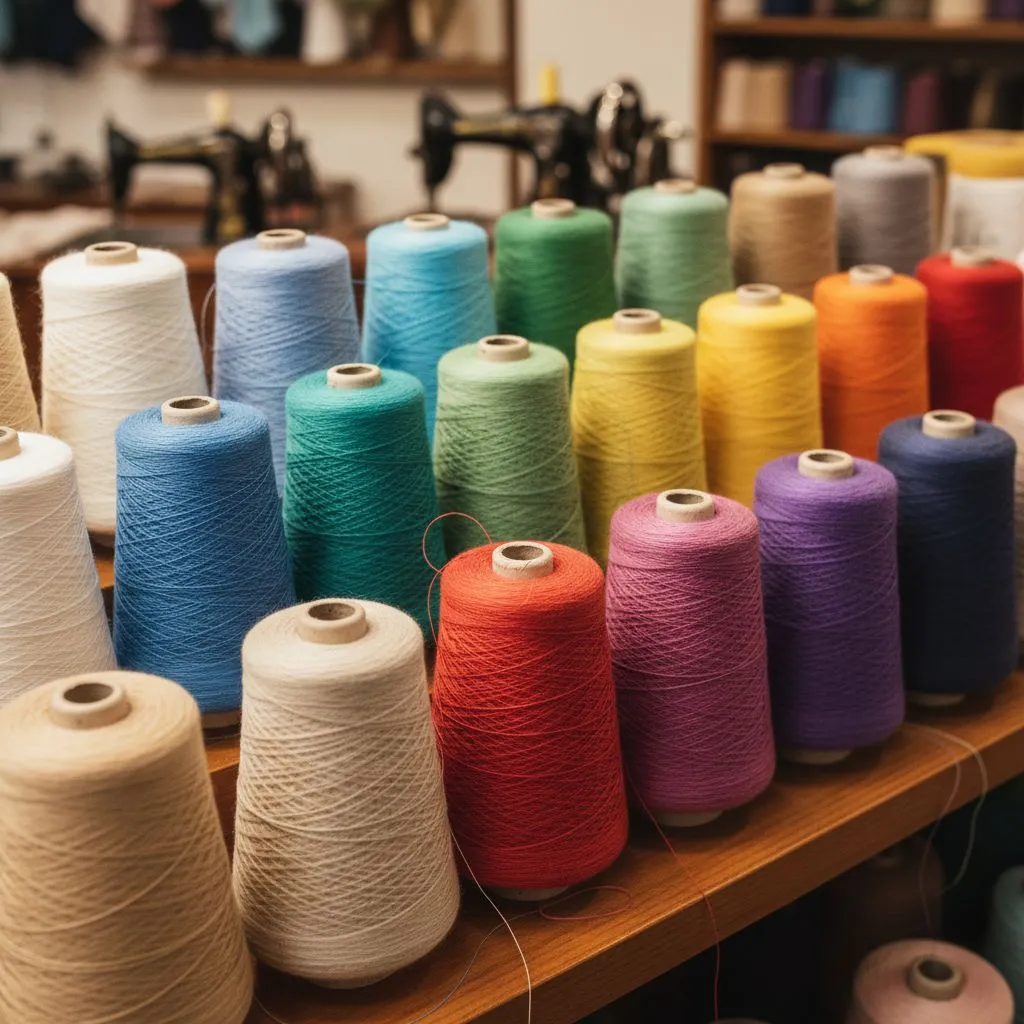
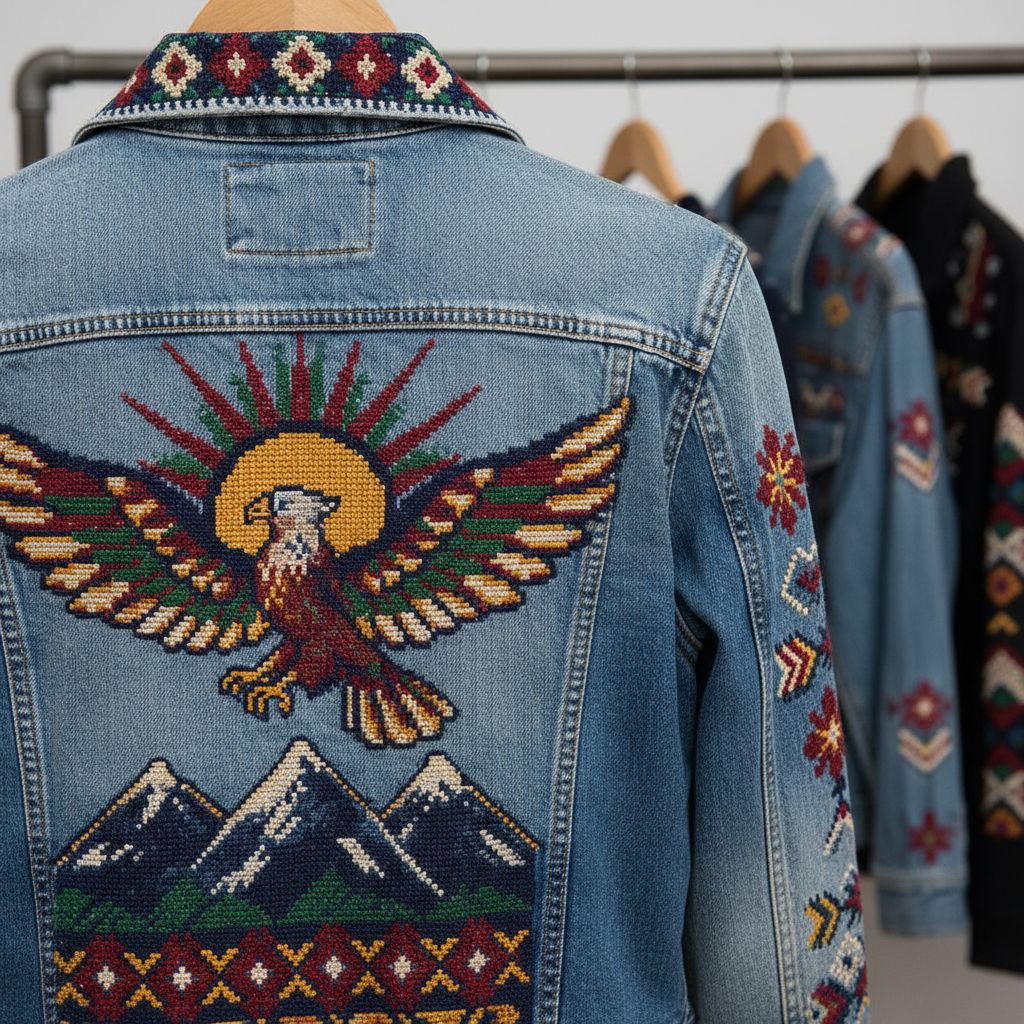
Cotton thread is a strategic choice for specific product categories where the “look” of the stitch is as important as the function.
What Makes Cotton Thread Different from Synthetic Sewing Thread?
The main difference is the fiber. Cotton thread is made from natural cellulose fibers, while common synthetic sewing threads are usually made from: Polyester, Nylon,… Other manufactured fibers. This difference affects: Strength, Elongation, Heat behavior, Moisture absorption, Dyeing, Abrasion resistance, Surface appearance, Sewing performance. Cotton tends to provide a softer, more natural appearance, while polyester usually offers better strength and durability for demanding industrial applications.

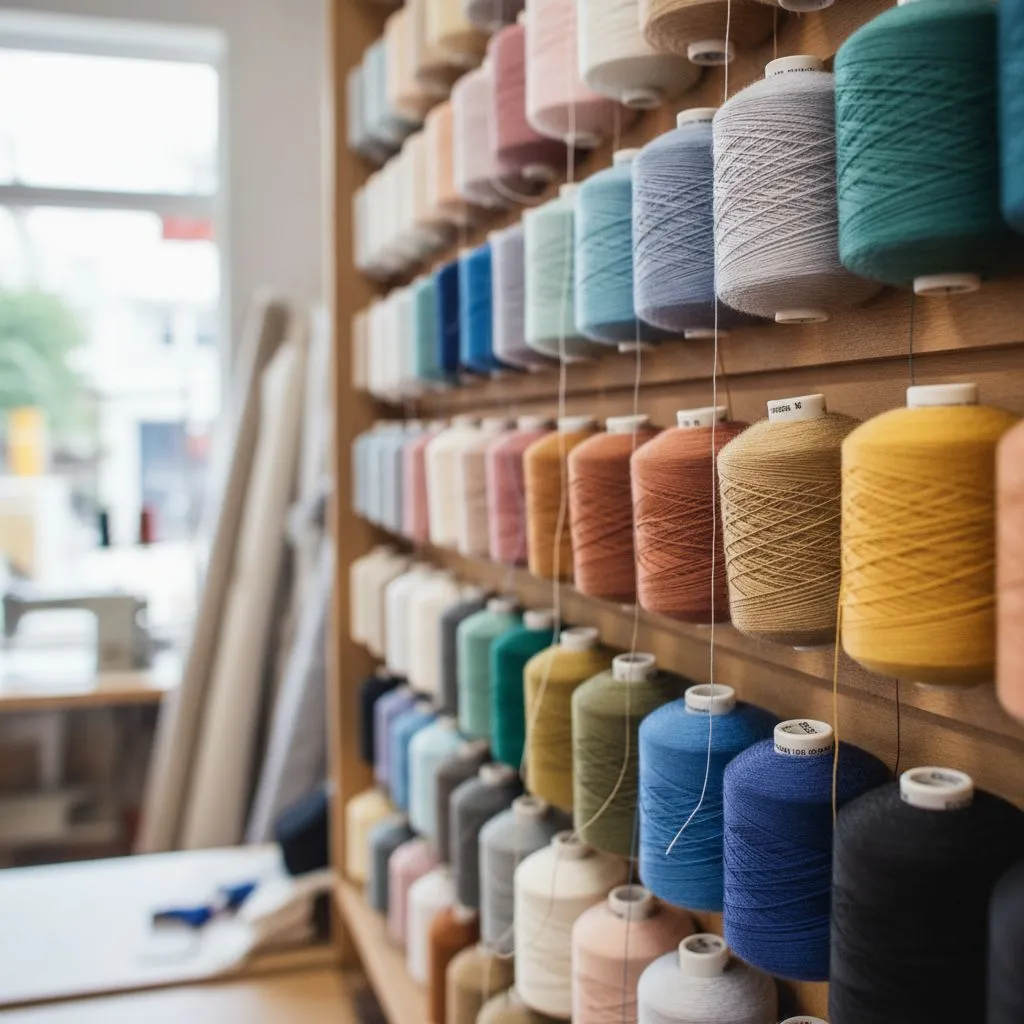
Properties of Cotton Sewing Thread
1. Natural Fiber Appearance
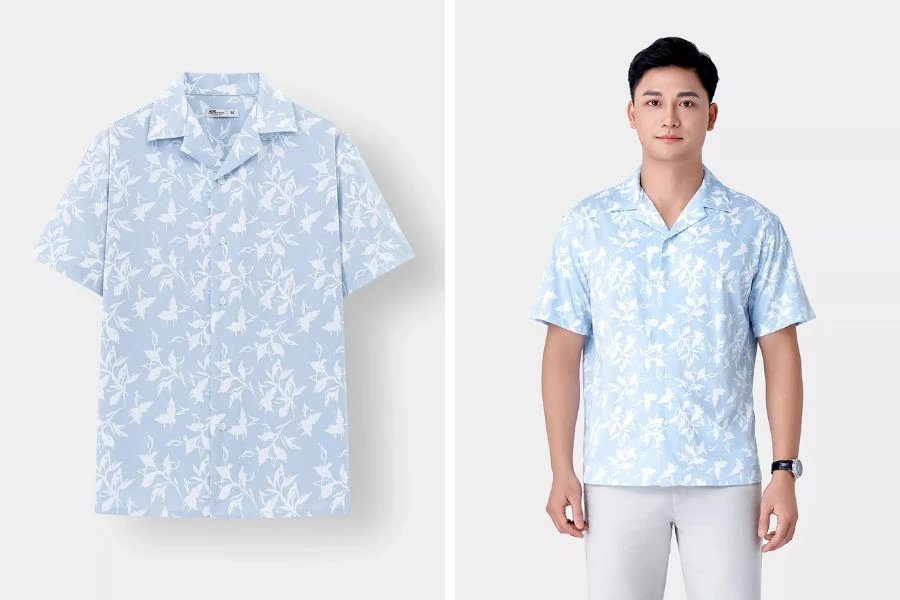
One of cotton thread’s strongest advantages is visual compatibility with natural fabrics. On fabrics such as: Cotton poplin, Oxford, Chambray, Linen blends, Cotton twill, Canvas… cotton stitching can produce a soft and relatively natural-looking seam.
2. Good Heat Resistance
Cotton does not melt in the same way thermoplastic fibers such as polyester can. This can be advantageous during: Pressing, Ironing, Tailoring, High-temperature finishing. However, “does not melt” does not mean cotton is unaffected by unlimited heat. Excessive heat can still: Scorch cotton, Yellow it, Weaken cellulose, Damage finishing chemicals.
3. Good Dye Affinity
Cotton thread can be particularly useful in garment-dyed products, especially when the thread needs to take up dye along with cotton fabric. This can help create a more unified final color appearance. However, the final shade still depends on: Cotton preparation, Thread treatment, Dye class, Finishing, Differences between fabric and thread.
4. Relatively Low Elongation
Cotton generally has lower elongation than many polyester sewing threads. This can be useful for stable woven fabrics, but it can become a disadvantage on fabrics that require significant stretch. If the garment stretches beyond the seam’s capacity, the thread may break or the seam may fail.
5. Moisture Absorption
Cotton is hydrophilic, meaning it can absorb moisture. This can influence: Thread dimensions, Drying, Storage behavior, Sewing conditions, Final garment. performance
6. Lower Abrasion Resistance Than Many Synthetic Threads
Compared with good industrial polyester thread, cotton generally has lower resistance to repeated abrasion. This matters during both sewing and garment use. During sewing, thread repeatedly passes through: Needle eye, Tension devices, Guides, Fabric layers. For high-abrasion applications, polyester or core-spun thread may therefore be more appropriate.
Main Types of Cotton Sewing Thread
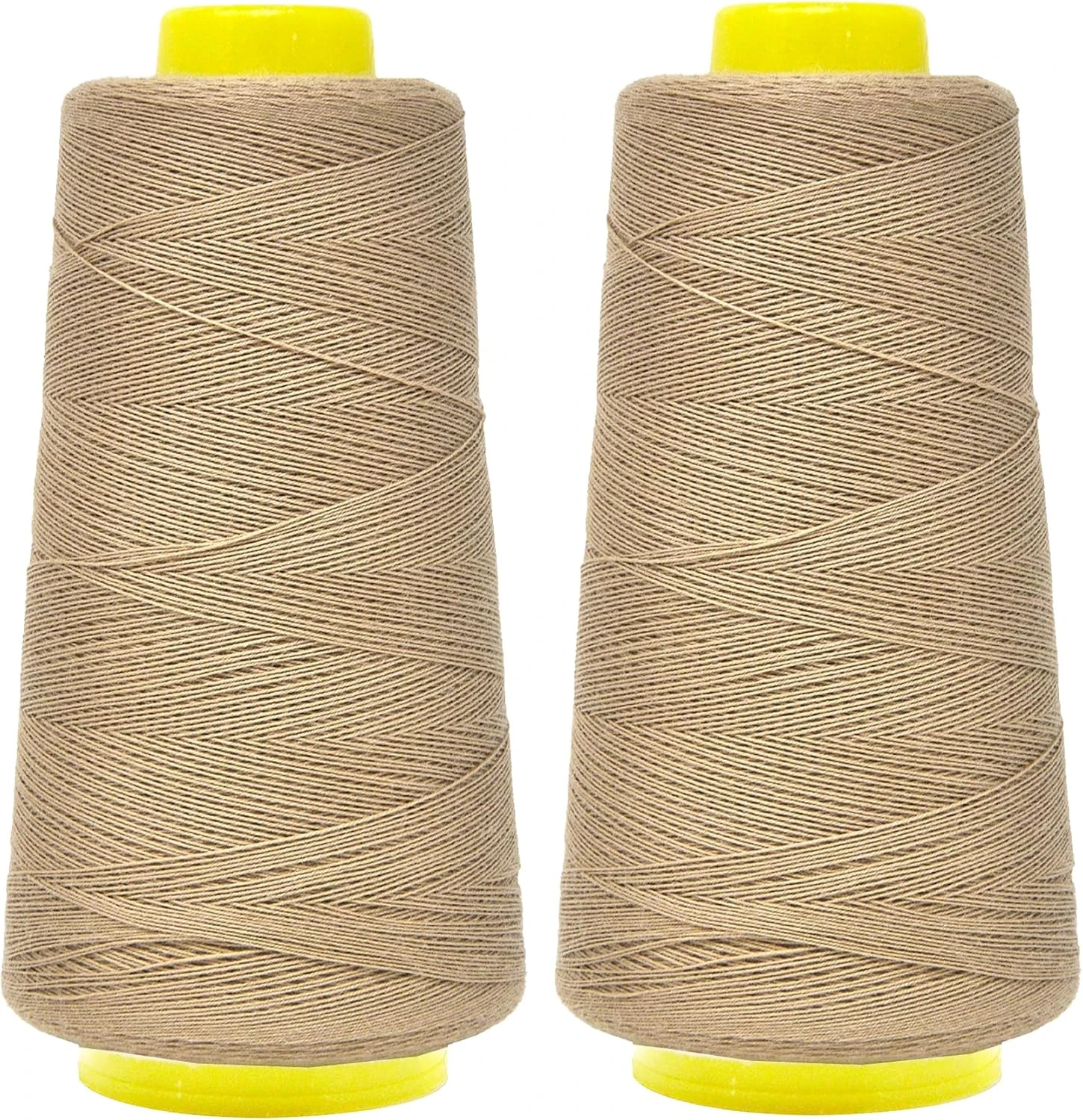
1. Mercerized Cotton Thread
Mercerized cotton is cotton that has been treated under controlled conditions, traditionally using a strong alkali treatment. Mercerization can improve characteristics such as:
- Luster
- Dye affinity
- Dimensional characteristics
- Surface smoothness
- Strength under suitable processing conditions
Mercerized thread normally has a cleaner and somewhat more lustrous appearance than untreated cotton.
It is commonly selected where:
- Stitch appearance matters
- Color clarity is important
- Smooth sewing performance is required
- Cotton fiber content is preferred
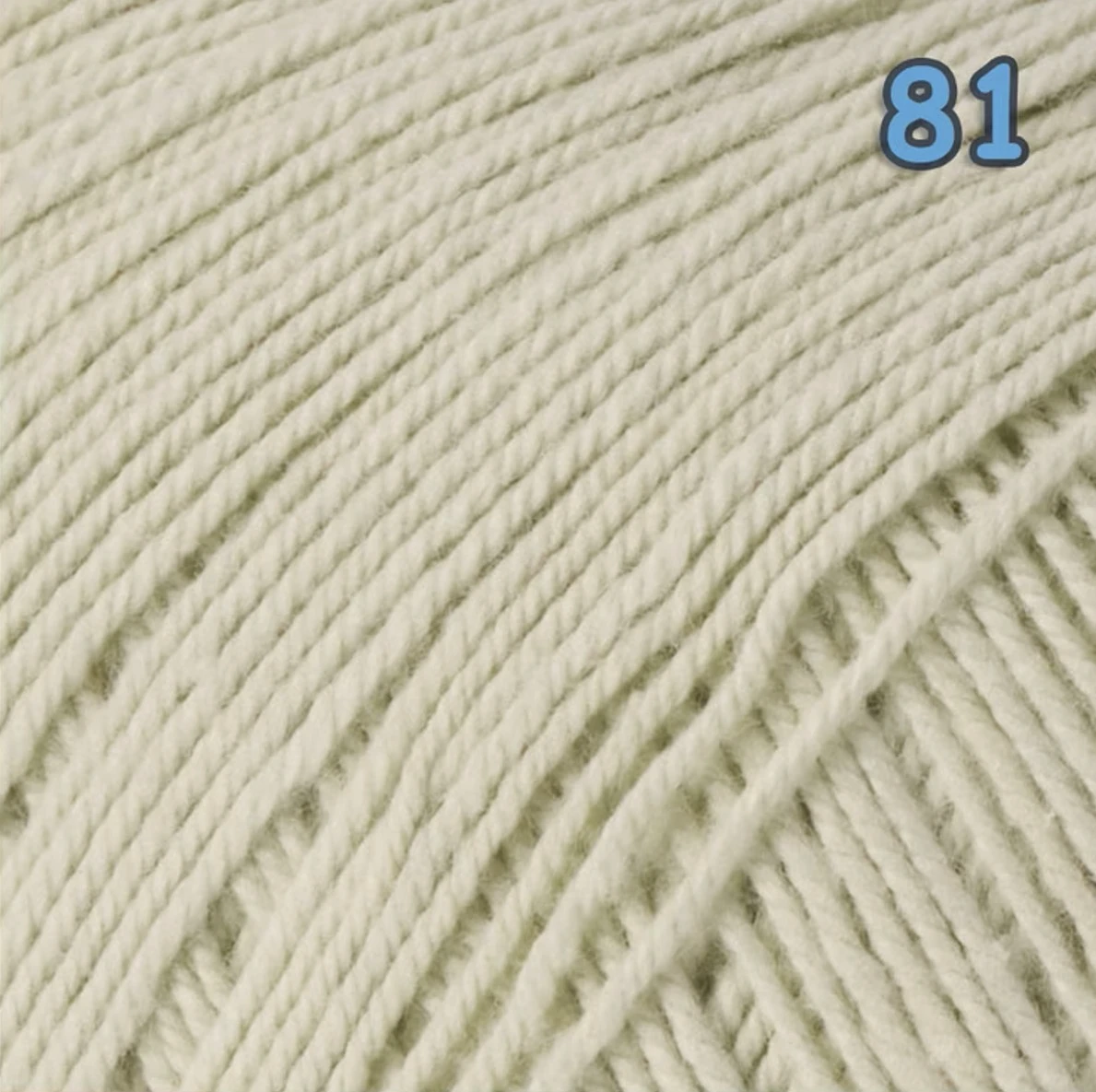
2. Non-Mercerized Cotton Thread
Non-mercerized cotton retains a more natural, matte appearance. It may be selected for:
- Traditional sewing
- Craft applications
- Quilting
- Vintage-look garments
- Decorative sewing
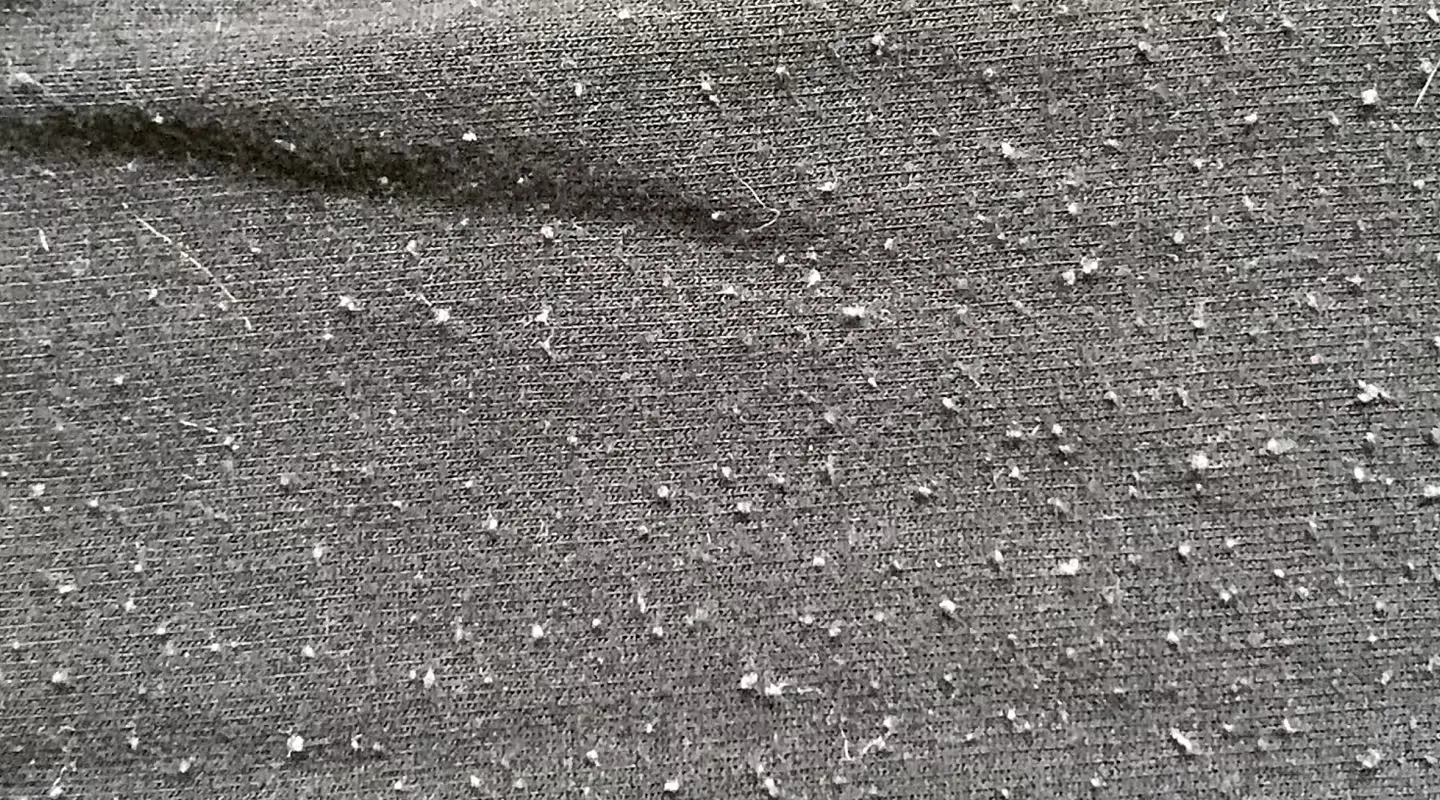
Depending on yarn quality and finishing, it may produce more lint and have a rougher surface than well-finished mercerized cotton.
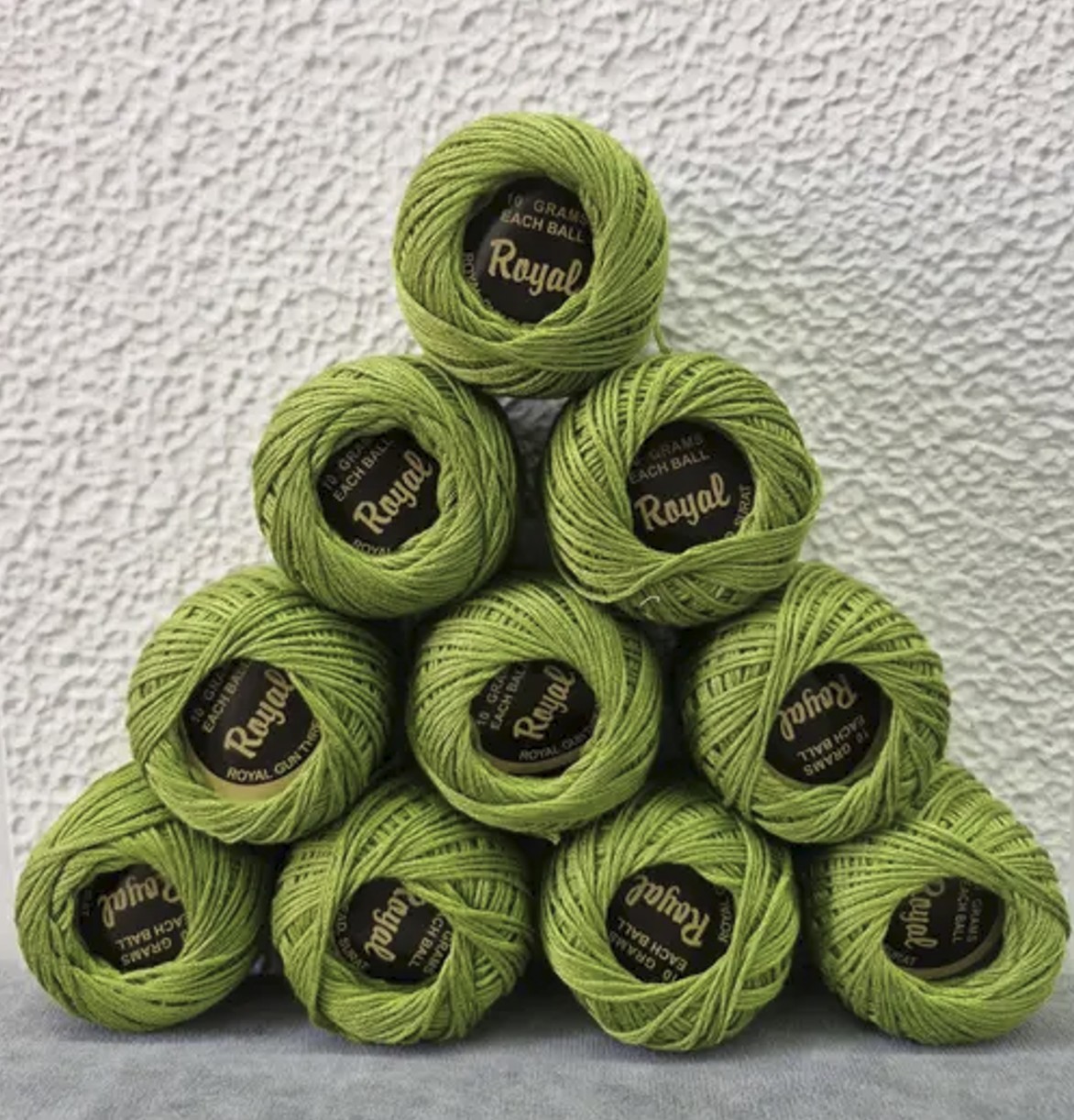
3. Soft Cotton Thread
Soft cotton thread is designed to retain a relatively soft, natural surface rather than a highly polished appearance. It can be useful when a garment requires:
- Matte seams
- Soft handle
- Traditional appearance
4. Glazed Cotton Thread
Some cotton threads receive a surface finish or coating to make the thread smoother and firmer. Glazed cotton thread is often associated with applications such as:
- Crafts
- Leatherwork
- Hand sewing
- Decorative work
The exact suitability depends on the coating and thread specification.
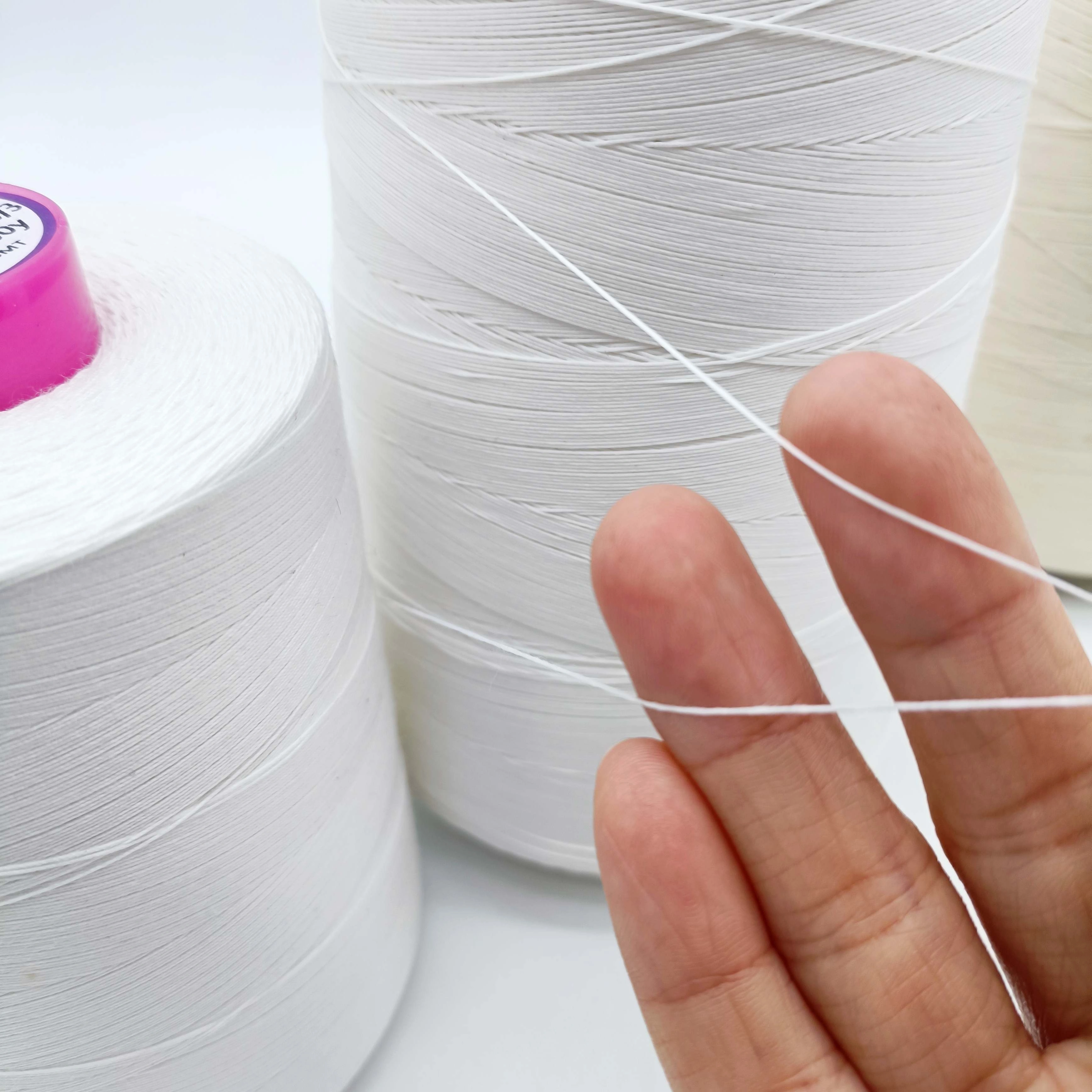
5. Combed Cotton Thread
Combing removes more short fibers and helps produce a cleaner yarn. Compared with lower-grade carded cotton, combed cotton can generally provide:
- Better uniformity
- Less hairiness
- Smoother surface
- Improved strength consistency
For sewing thread, raw-material quality can have a major effect on performance.
Best Uses for Cotton Sewing Thread
1. Garment-Dyed Clothing
This is one of the most important industrial uses for cotton thread.
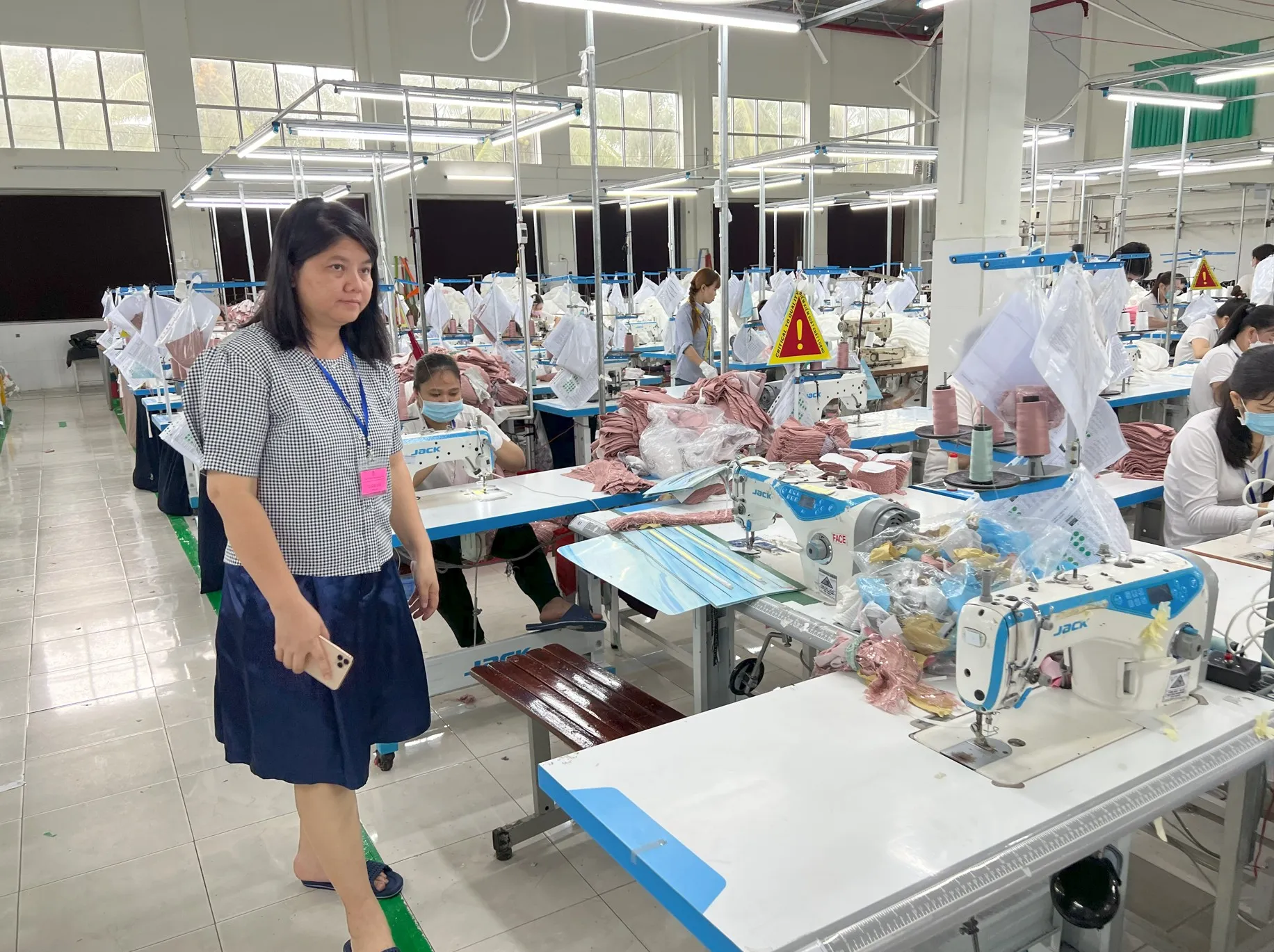
Products can include:
- T-shirts
- Casual shirts
- Chinos
- Dresses
- Jackets
- Cotton trousers
For garment-dyed programs, the factory should perform dyeing trials before bulk approval.

2. Cotton Shirts
Cotton thread can be used where brands want:
- Natural-looking seams
- Matte appearance
- Heat tolerance during pressing
However, required seam strength and wash performance should still be considered.

3. Quilting
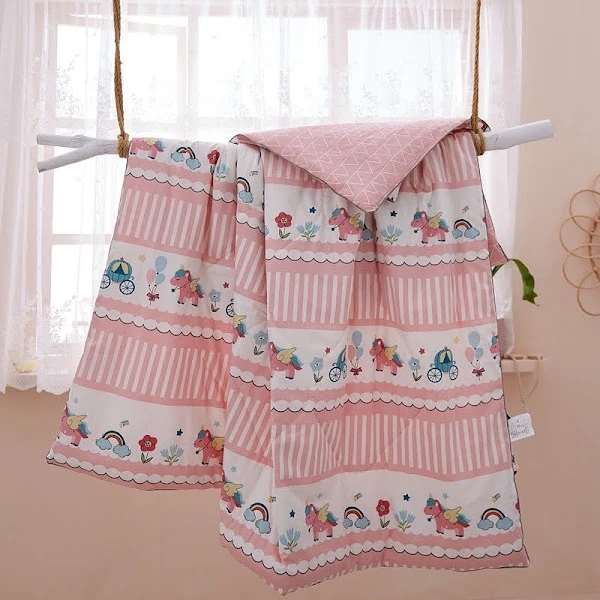
Cotton thread is widely associated with quilting because of its:
- Natural appearance
- Compatibility with cotton fabrics
- Traditional aesthetic
4. Embroidery
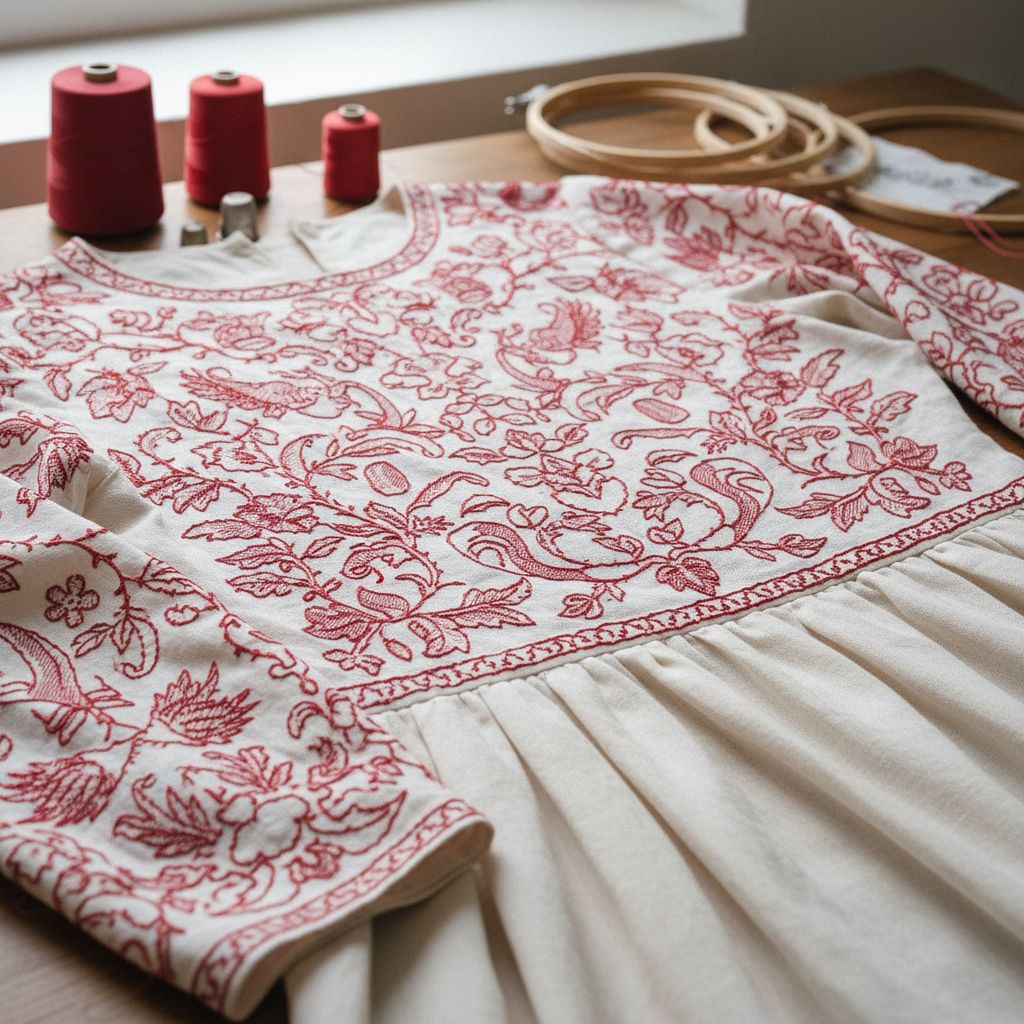
Cotton can be used for embroidery when the desired appearance is:
- Matte
- Natural
- Vintage
- Hand-crafted
5. Traditional Tailoring
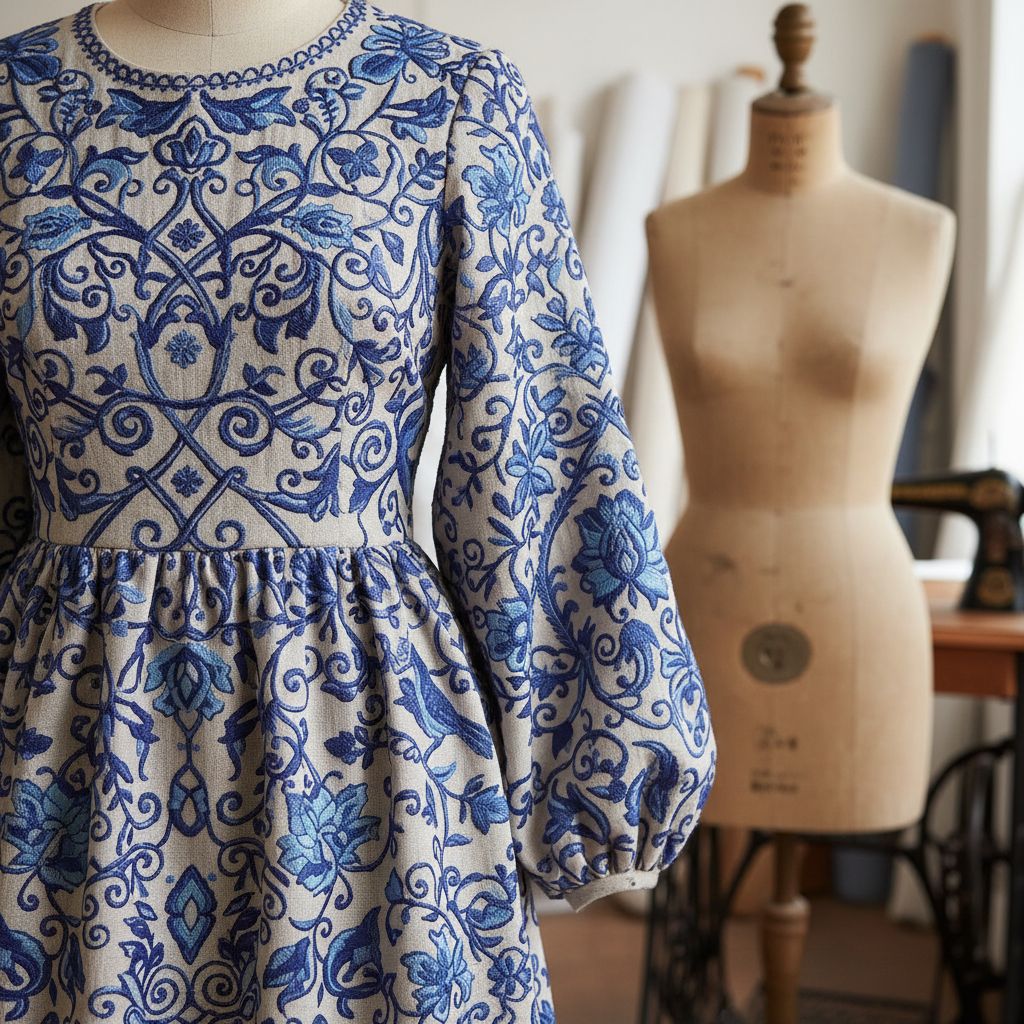
Cotton thread can work well for certain tailoring operations where heat resistance and natural appearance are useful.
6. Heritage and Vintage-Look Garments
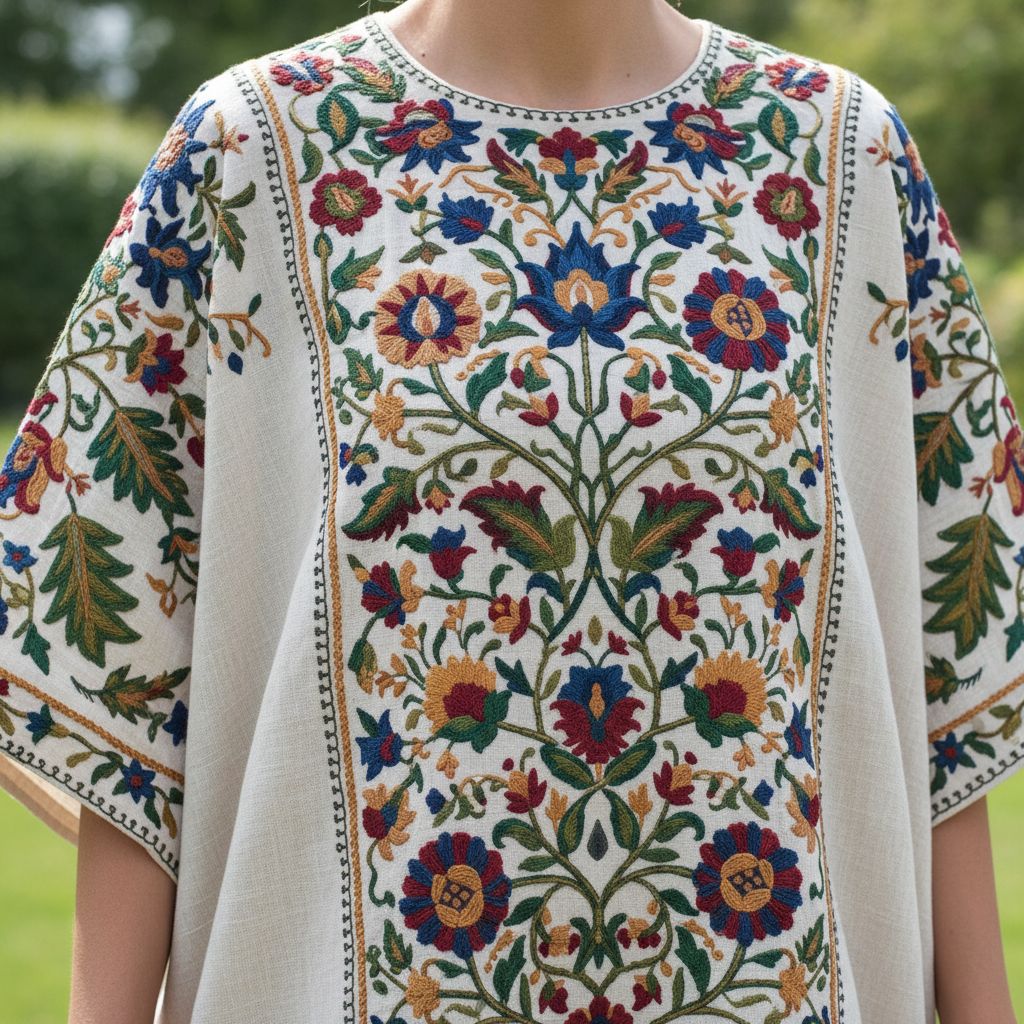
Cotton stitching can support a traditional visual identity for:
- Heritage shirts
- Vintage-inspired trousers
- Workwear-style products
- Natural-fabric collections
When to Choose Cotton Thread?
Should to Choose:
Cotton thread can be a strong choice when you need:
- Natural-looking stitches
- Matte appearance
- Garment-dye compatibility
- Heat resistance during pressing
- Traditional tailoring character
- Cotton-fiber surface characteristics

Consider Another Thread:
Consider polyester, core-spun, nylon, textured, or another engineered thread when the garment requires:
- Very high seam strength
- High abrasion resistance
- Significant stretch
- Outdoor durability
- High production-speed stability
- Heavy mechanical stress
The correct alternative depends on the garment. A core-spun or hybrid thread may provide the required balance.
Final Thoughts / Conclusion
Cotton sewing thread combines a natural appearance, good heat tolerance, and useful dyeing behavior, making it valuable for garment-dyed clothing, traditional shirts, quilting, embroidery, and heritage-style garments. Its limitations are equally important. Cotton generally offers lower tensile strength, abrasion resistance, and elongation than many modern polyester threads. The best thread depends on the garment not simply the fabric fiber. Before bulk production, factories should evaluate thread size, strength, elongation, shrinkage, sewability, dyeing behavior, fabric compatibility, and end-use requirements. When cotton’s natural characteristics match the application, it can be an excellent sewing thread. When greater strength, stretch, or abrasion resistance is required, polyester, core-spun, or another specialized thread may be the better choice.
FAQs About Cotton Thread (Sewing Thread)
Inshort, What Is Cotton Sewing Thread?
Is cotton thread stronger than polyester thread?
Why do people still use cotton thread if it is weaker?
Is cotton thread suitable for industrial sewing machines?
Can cotton thread be used for stretch fabrics?
Is cotton thread good for garment dyeing?
Inshort, What Is Cotton Sewing Thread?
Cotton sewing thread is made from 100% natural cotton fibers that are spun and twisted into thread. It is commonly used for sewing cotton fabrics, quilting, and light garments. Important reality: being “natural” does not mean it is strong or flexible.
Is cotton thread stronger than polyester thread?
No. Polyester thread is generally stronger and more durable than cotton thread. Cotton thread breaks more easily under tension and has lower resistance to abrasion.
Why do people still use cotton thread if it is weaker?
Because cotton thread has advantages that matter in certain cases, such as a natural matte look, high heat resistance, and good dye absorption. It is chosen for appearance and compatibility, not for strength. => Read More
Is cotton thread suitable for industrial sewing machines?
In most cases, no. Cotton thread is not ideal for high-speed industrial sewing because it produces lint, wears faster, and breaks more easily at high machine speeds.
Can cotton thread be used for stretch fabrics?
No. Cotton thread has almost no elasticity. When the fabric stretches, the thread cannot stretch with it and may break. Stretch fabrics require polyester, nylon, or core-spun thread.
Is cotton thread good for garment dyeing?
Yes. Cotton thread absorbs dye well, so seams dye evenly with the fabric. This makes it a strong choice for garment-dyed clothing.