How Apparel Brands Cut Shipping Costs with Packaging, Consolidation, and Timing

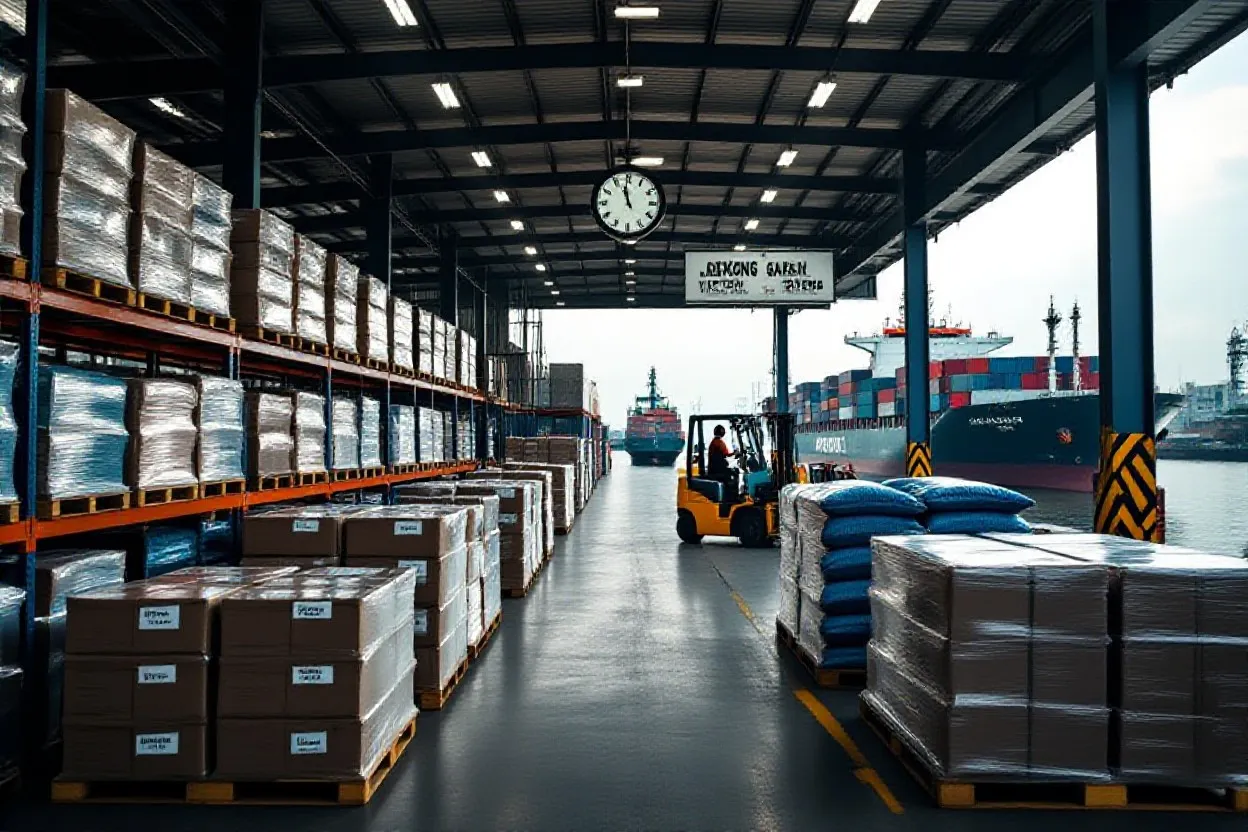
You can stop a freight invoice from eating your margin by fixing repeat patterns with systems that optimize packaging, consolidation, and timing, so you cut shipping costs while keeping delivery speed and product quality intact; this guide shows practical steps-right‑sizing cartons, consolidating shipments, and choosing modes and windows-to lower landed cost and protect your margins across routine shipments.

  • Dimensional weight – box size can trump actual weight.
  • Mode – air is fastest but much costlier than sea.
  • Volume – larger, consolidated loads lower unit cost.
  • Peak season – surcharges and scarcity inflate rates.
  • Accessorials – extras that can add 15-40% to invoices.
  • Documentation – errors trigger delays, storage, and fines.

Factors you Can Consider to Cut Shipping Costs

Packaging Optimization

Packaging is the fastest place to save money because it affects every single shipment. Even if your garment is light, a bulky carton can trigger higher charges due to size. Many brands accidentally pay to ship empty space, not products. Also, the wrong materials add weight, which matters a lot for air shipments. Done right, packaging changes can reduce shipping costs while keeping goods safe and neat.

How right-sizing packaging impacts costs

Carriers often charge by dimensional weight, which is based on box size, not just actual weight. If your carton is too big, your cost jumps even if the contents are light. The solution is to use carton sizes that match the folded garment, not the “standard box” your team always grabs. Better folding methods, compressing polybags, and using fewer carton sizes can all improve packing discipline. A small size cut can produce big savings because it repeats across hundreds or thousands of cartons.

Why lightweight materials are crucial

Packaging weight adds up fast, especially when you ship by air. Heavy corrugated boxes, thick inserts, and extra fillers all increase your cost per shipment. Switching to lighter but strong materials, like reinforced mailers or thinner corrugate, can reduce weight without raising damage risk. The key is balance: if you reduce weight but increase damage, your returns and reshipments will erase the savings. Always test changes on a small batch first, then scale when damage rates stay stable.

Quick wins, checklist:

  • Reduce empty space in cartons
  • Standardize folding and packing methods
  • Remove unnecessary inserts
  • Test for damage before rolling out

Shipment Consolidation

Consolidation is how brands stop paying “small shipment tax.” When you ship in many small batches, you repeat fixed costs again and again. These include handling fees, documentation, pick-up charges, and minimum freight charges. Consolidation helps you pack more goods into fewer shipments, which lowers cost per unit. It takes planning, but the savings can be big and consistent.

Why full container loads (FCL) are more cost effective

FCL is often cheaper per unit than LCL because you avoid shared container fees and extra handling steps. With LCL, your freight is mixed with other shipments, which usually adds handling charges and delays. FCL also reduces “touch points,” which can lower the risk of carton damage. The trade-off is timing: your production needs to finish in a coordinated way so you can load one full container. If your factory finishes in waves, you may need tighter production planning to make FCL possible.

How consolidation services help smaller brands

If your orders are too small for FCL, consolidation services can combine your shipment with others to reach better rates. You pay a service fee, but your net cost can still drop because you access volume pricing. This is helpful for startups or brands with many SKUs and smaller reorders. However, don’t ignore the downside: consolidation can add warehouse waiting time and extra steps. Ask about cut-off dates, storage fees, and how they handle delays or claims.

Simple consolidation options:

  • Combine multiple POs into one export shipment
  • Align production timelines across suppliers
  • Use a consolidation warehouse near port
  • Work with a forwarder who runs regular consol containers
Strategy Typical savings What can go wrong
Full Container Load (FCL) 25–40% Needs strict planning
Consolidation service 15–30% Extra dwell time, fees
Better production scheduling 20–35% Requires cross-team discipline
Shared containers with partners 30–50% Trust + legal clarity needed

Transportation Mode Selection

Choosing the shipping mode is one of the biggest cost decisions you can make. Air is fast but expensive, sea is cheaper but slower, and multimodal sits in the middle. The mistake is using one mode for everything, like a “one-shoe-fits-all” plan. Your best choice depends on product value, urgency, seasonality, and cashflow. When you match mode to business needs, you cut cost without hurting service.

When sea freight provides the best value

Sea freight is usually far cheaper than air for the same volume. It works best for bulk orders when you can plan ahead and tolerate longer transit time. This is ideal for basics, core styles, and stable demand items. But sea freight punishes bad forecasting: if you plan late, you may need expensive air to rescue stockouts. To use sea freight well, build longer lead times into your buying calendar and keep a buffer for delays.

How multimodal solutions balance cost and speed

Multimodal shipping uses a combination, such as sea to a hub and air or truck for the final leg. It can be a smart choice for seasonal drops where timing matters but full air is too costly. This method often reduces cost versus air while improving speed versus sea. The risk is complexity: more handoffs mean more paperwork and more chances for delays. Multimodal works best when you have a strong forwarder who can manage each step cleanly.

Comparing Air, Sea, and Multimodal Shipping

You’ll pay roughly 5-10× more per kilogram for air than sea, but air cuts transit to 1-5 days vs sea’s typical 20-40 days on Asia→US routes; multimodal often saves 20-50% vs full air while trimming 30-60% of sea transit for final-mile urgency.

Mode Key traits & best use
Air Highest cost per kg, fastest transit (1-5 days), best for high-value launches, urgent reorders, or seasonal drops.
Sea Lowest cost per CBM, long transit (20-40 days), ideal for bulk basics, predictable replenishment, and low-margin SKUs.
Multimodal Combines sea/air/truck to balance speed and cost, useful for time-sensitive inventory where full air is unaffordable.

Mode selection, Rule of thumb:

  • High value + urgent: air (or partial air)
  • Big volume + flexible timing: sea
  • Seasonal deadline + medium urgency: multimodal

Carrier and Forwarder Negotiation

Negotiation is not just “ask for a discount.” It’s about becoming a customer that carriers want to keep. Carriers price risk and uncertainty into your rates, so messy operations often cost you more. If you can offer steady volume and clean processes, you gain leverage. The best deals usually go to brands who ship predictably and communicate clearly. Negotiation works even better when you understand the fees hidden around the base rate.

Why volume commitment improves pricing

Carriers love consistent volume because it helps them plan capacity. Even smaller brands can create leverage by concentrating shipments with fewer carriers. If you spread freight across many forwarders, each sees you as a small, low-priority customer. But if you commit 60–80% of your volume to one or two partners, your negotiating power grows. Just make sure service quality stays high, not just the rate.

How to reduce accessorial charges

Accessorial charges are extra fees like residential delivery, liftgate service, storage, re-delivery, or “special handling.” These can quietly add 15–40% on top of the base rate. Many of them are avoidable with simple changes, like delivering to a commercial address or using a warehouse with a proper dock. Clear labeling and correct paperwork also reduce delays that trigger storage charges. Track these fees each month so you know what’s driving them.

Negotiation tips that actually work:

  • Track your top lanes (origin → destination)
  • Ask for fee schedules in writing
  • Reduce last-minute changes and “surprises”
  • Bundle volume with fewer partners

Shipping Timing and Planning

Timing is the invisible hand that pushes your cost up or down. The same route can cost much more during peak season when capacity gets tight. Many brands ship late, then pay peak pricing plus rush fees, then pay again for air rescue. Smart timing saves money because it avoids crowded periods and uses calmer windows. This factor is less about shipping tactics and more about planning discipline.

Why avoiding peak season saves money

Peak seasons often come with surcharges and limited space. When many brands ship at the same time, carriers raise prices and prioritize larger customers. If you can shift production and ship earlier or later, you often avoid the worst rates. But don’t overcorrect: shipping too early can increase storage and tie up cash. The goal is to move shipments into better windows without harming inventory health.

How to leverage shoulder season pricing

Shoulder season is the period between peak and off-peak. Rates can be more reasonable, and capacity is usually easier to secure. Planning around shoulder seasons can reduce both cost and stress. To do this well, build a yearly shipping calendar tied to launches, factory closures, and holiday demand. When shipping is planned early, you stop getting trapped into expensive weeks.

Planning habits that cut costs:

  • Create a yearly shipping calendar
  • Build buffer time before known congestion
  • Avoid last-minute changes that trigger fees
  • Align production schedule with shipping windows

Conclusion / Final Words

Reducing shipping costs is not one trick, it’s a system. Packaging optimization cuts waste at the carton level, consolidation reduces repeated fixed fees, smart mode selection matches cost to urgency, negotiation removes hidden charges, and better timing avoids peak premiums. The biggest savings happen when these factors work together, not alone. Also, remember: the cheapest freight rate is not always the cheapest outcome if it causes delays, damages, or stockouts. The best strategy is the one that lowers total landed cost while keeping your customer promise intact.

Our Contact Information – MEKONG GARMENT FACTORY

  • Vietnam Phone: +84 947 729 829
  • WeChat: +84 947 729 829
  • WhatsApp: +84 947 729 829
  • Email: hanh@kimmy.vn

Related posts