Why Bulk Apparel Production Gets Delayed? Causes, Examples, and How to Prevent Them

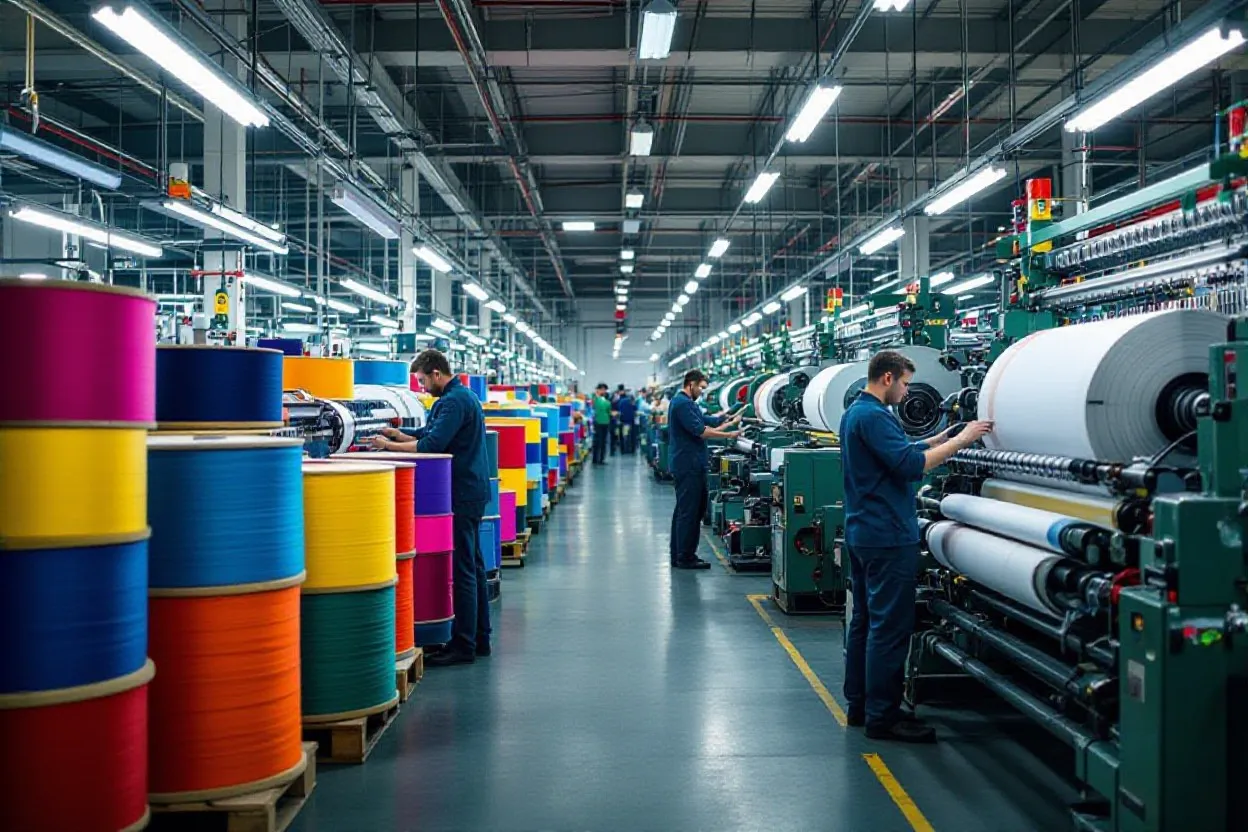
Bulk apparel production looks simple on paper: confirm the sample, buy materials, cut, sew, finish, and ship. In reality, it is a complex relay race where one small issue can stall the entire supply chain. Most delays are predictable if you understand the technical slow points. The most successful brands plan for these contingencies early, rather than reacting after a deadline is missed. This guide breaks down the primary causes of production delays and how they impact your final delivery schedule.
1. Fabric and Material Critical Paths
Fabric and trims are the most frequent reasons for production stoppages. If raw materials are late, incorrect, or technically unstable, the sewing lines cannot move. Because factories schedule production based on material arrival dates, a delay here often pushes your order out of its reserved slot, causing a domino effect across multiple styles.
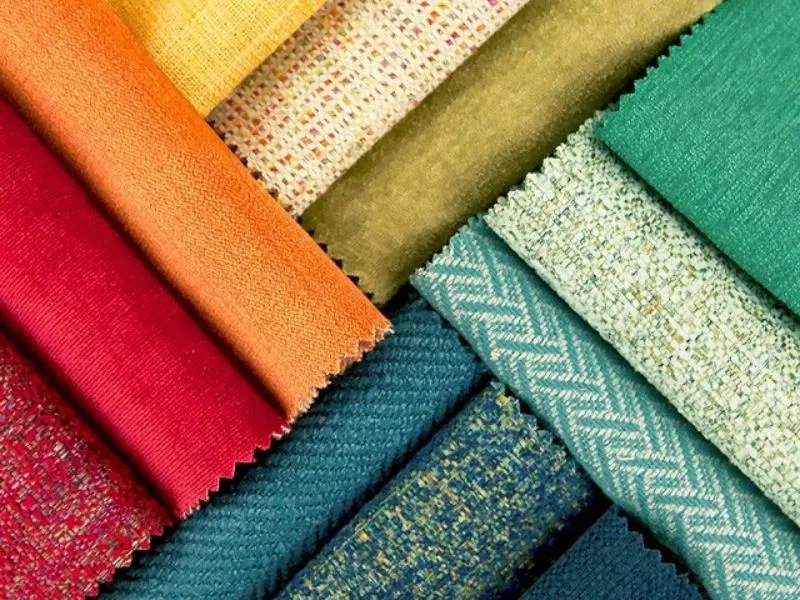
Common Material Fail Points:
- Inspection Failures: Shading differences (dye lot mismatch), physical defects (holes/streaks), or performance issues like excessive shrinkage.
- Production Surprises: Fabric that passes initial inspection but twists, creeps, or sticks to machines once it reaches the high-speed sewing line.
- Trim Shortages: A missing zipper color or incorrectly printed labels can block the entire finishing and packing stage.

2. Factory Capacity and Workforce Dynamics
Even with perfect materials, scheduling bottlenecks can occur. Factories must juggle multiple orders simultaneously. If a prior job runs late or complexity is higher than estimated, your “start date” may shift. Furthermore, labor is not a fixed variable; seasonal holidays (like Tet or Lunar New Year) and workforce fluctuations can drastically reduce available sewing minutes during peak periods.

3. Quality Control and Rework Cycles
Quality issues found during In-Process QC are safer to fix than those found at the end, but they still require time. Serious defects like pattern mismatches or sizing errors require a line stoppage and immediate Root Cause Analysis (RCA). Reworking thousands of units adds days or weeks to the timeline, often causing the shipment to miss its original booking window.


4. The “Silent Killers”: Approval and Administrative Gaps
Many delays are not physical; they are administrative. If a brand takes 10 days to reply to a fit comment or a lab dip approval, the factory cannot safely proceed. Late payments of deposits also stall the procurement of raw materials. In international sourcing, speed requires fast decisions, not just fast machines. Paperwork errors, such as incorrect HS codes or missing certificates, can hold a perfect shipment in customs for weeks.

Conclusion
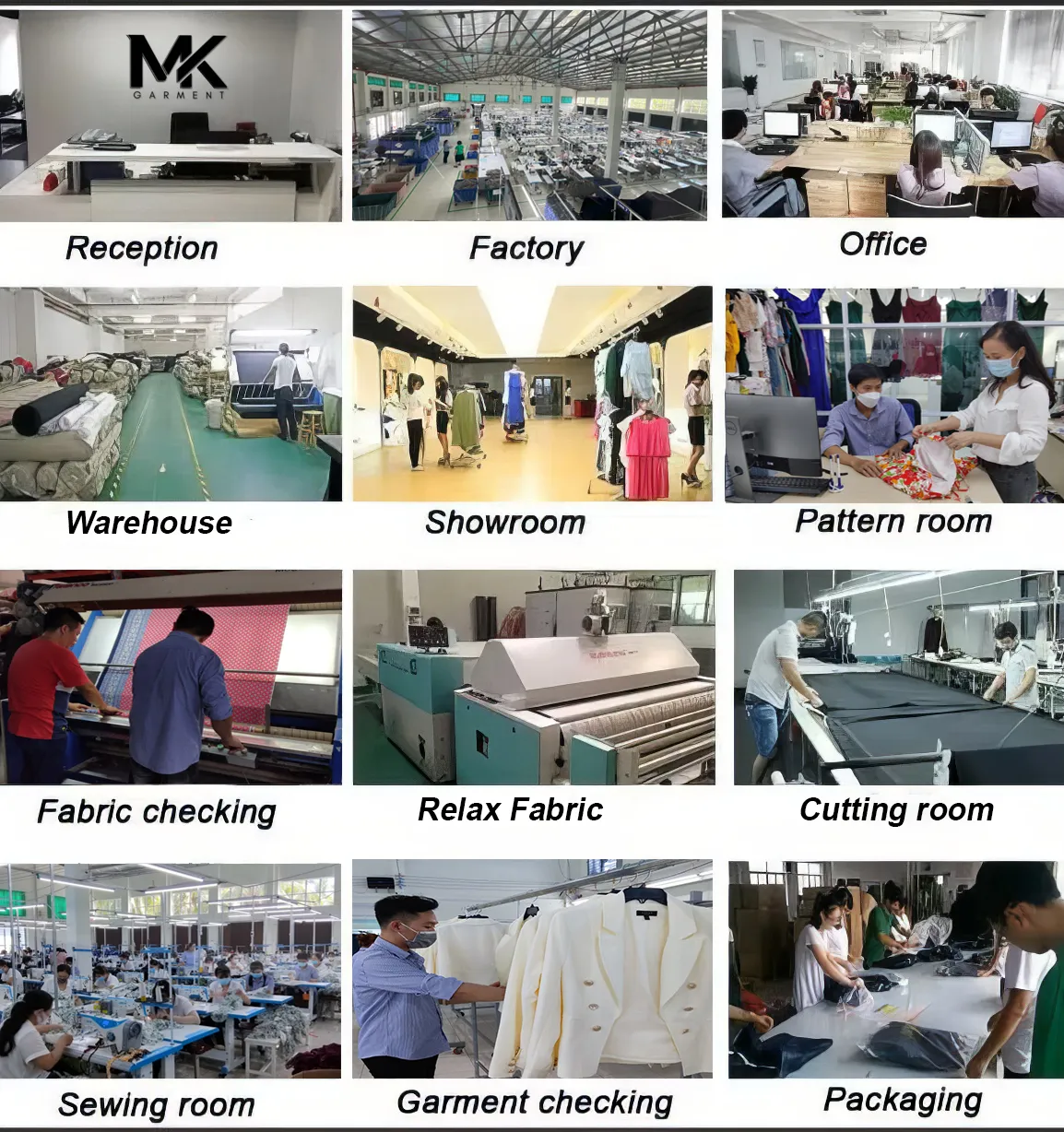
Reliable delivery in bulk apparel production is built on three habits: locking decisions early, building realistic time buffers for peak seasons, and maintaining lightning-fast communication. At Mekong Garment, we work closely with our partners to identify these risk points before production starts, ensuring your collection stays on track despite the inherent volatility of the global supply chain. Quality is a system, and timing is its most critical metric.
Contact Information – Mekong Garment Factory
- VN Phone/WhatsApp/WeChat: +84 947 729 829
- Email: hanh@kimmy.vn