
Many apparel brands assume they must sacrifice speed to protect quality, or sacrifice quality to meet shipping deadlines. This belief stems from the fact that poor quality control often manifests as last-minute rework and chaos. However, the real issue is not quality itself, but how and when quality is managed. When integrated into each stage of production, quality control becomes a built-in protection for your timeline, ensuring shipments stay on schedule without the risk of late-stage discoveries.
Integrated Quality Systems: Prevention Over Reaction
Integrated quality systems distribute inspection throughout the entire production cycle rather than concentrating it at the end. This shift from reactive to preventive management ensures that issues are identified when they are small and easy to correct. By embedding checks into the workflow, factories avoid the extreme time pressure of discovering massive defects during the final inspection.

In-Process Inspection: Catching Errors at the Source
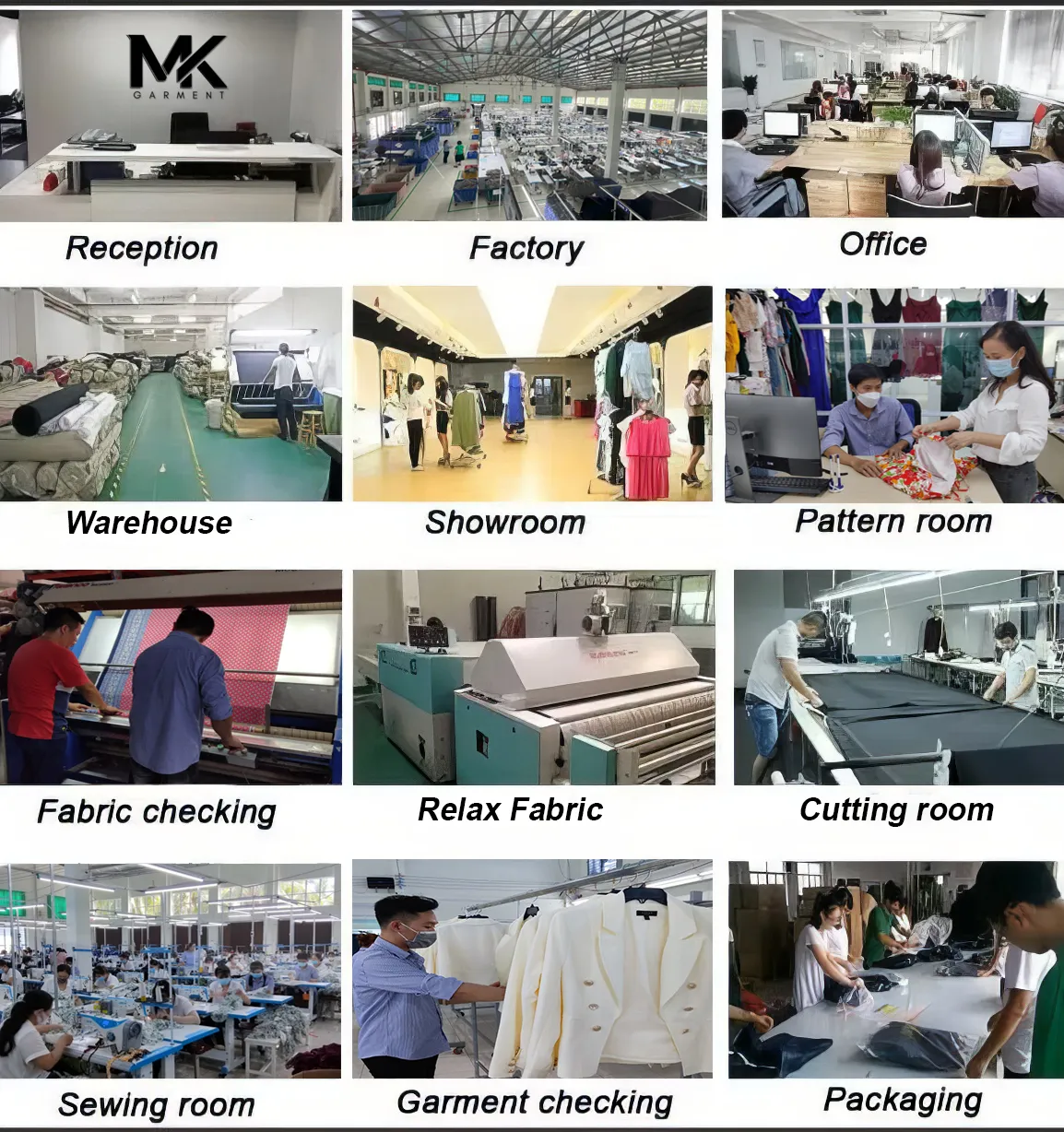
The earlier a defect is detected, the less it costs in terms of time and money. In-process inspection prevents a single mistake from flowing into the next operation and multiplying across hundreds of units. By checking quality after cutting, during critical sewing steps, and before finishing, we reduce rework volume dramatically.
- Speed Advantage: Defects are corrected within hours, not days.
- Predictability: Final inspection rejection rates drop significantly.
- Efficiency: Less total time spent on corrections means faster overall throughput.
Standardized Procedures: Speed Through Consistency
Standardization creates a shared technical language. When every inspector uses the same tools, measurement methods, and Acceptable Quality Limit (AQL) criteria, decisions become instant. Consistency removes the need for lengthy debates or buyer clarifications, allowing production to maintain its momentum.

Proactive Risk Management: Eliminating Repeat Issues
Most quality issues are predictable. By analyzing historical data, factories can identify high-risk fabrics or complex designs before bulk production begins. This proactive approach allows us to assign more skilled operators or add targeted checkpoints for known failure points, effectively preventing problems rather than just detecting them.

Supplier Qualification: The First Line of Defense
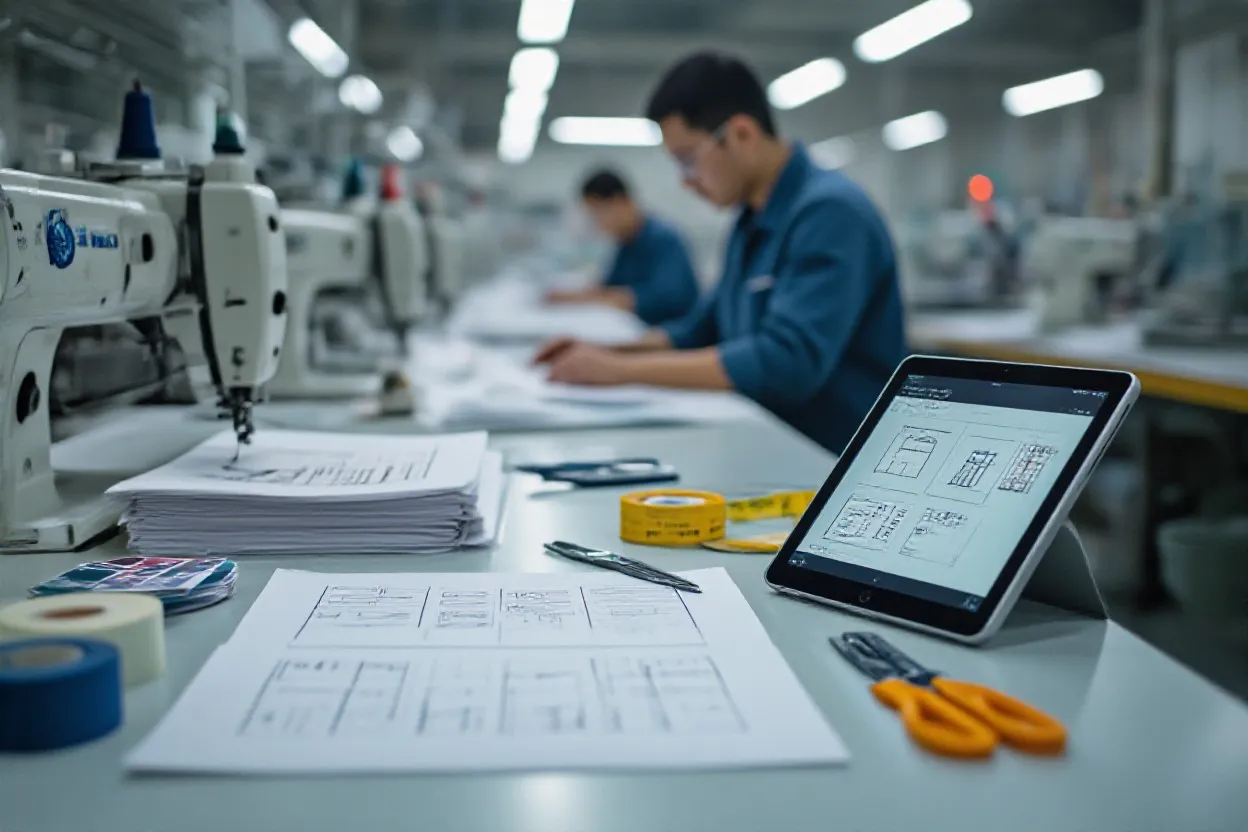
Material quality has a direct impact on shipping schedules. If fabric fails inspection, replacements take weeks. Strong supplier qualification and incoming material inspections act as a safeguard, ensuring only compliant raw materials enter the sewing lines. Reliable material supply is the foundation of a stable production timeline.

Timeline Strategies: Planning for Precision
Delays occur when quality activities are treated as “add-ons.” Successful factories build inspections into the primary schedule using Parallel Processing. While one batch is under final inspection, the next batch enters finishing. This maintains a continuous flow while small time buffers at critical points absorb any minor adjustments without moving the final booking date.

Conclusion
Quality control does not delay shipments – late detection and slow decisions do. When quality is built into the fabric of production, it becomes the strongest protection for your delivery dates. By empowering inspectors, planning intelligently, and maintaining strict supplier standards, we ensure that shipment dates stop being fragile and start being reliable. At Mekong Garment, we prove every day that strict quality and on-time delivery are not just compatible—they are inseparable components of a professional supply chain.
Contact Mekong Garment Factory
- VN Phone/WhatsApp/WeChat: +84 947 729 829
- Email: hanh@kimmy.vn