Tech Pack to Finished Garments: A Complete Production Timeline Guide (8–16 Weeks)

Most orders move through four critical phases: Development (Weeks 1–4), Pre-Production (Weeks 3–5), Bulk Manufacturing (Weeks 5–12), and Final Inspection + Shipping (Weeks 11–16). The variance in these ranges is primarily driven by fabric lead times, design complexity, and approval speed. Delays often stem from “waiting time”—waiting for materials, fit notes, or final sign-off. A clear timeline makes your launch dates real, moving your collection from hope to market-ready reality.
=> Related Article: What Is a Garment Tech Pack? Why It Matters to Buyers & Factories
Phase 1: Development (Weeks 1–4)
Development turns a 2D tech pack into a repeatable bulk standard. This is the “reality check” where patterns, sewing sequences, and measurements are tested in real fabric. Fixing issues here—whether it’s a fit flaw or a weak seam—is significantly cheaper and faster than discovering them during mass production.
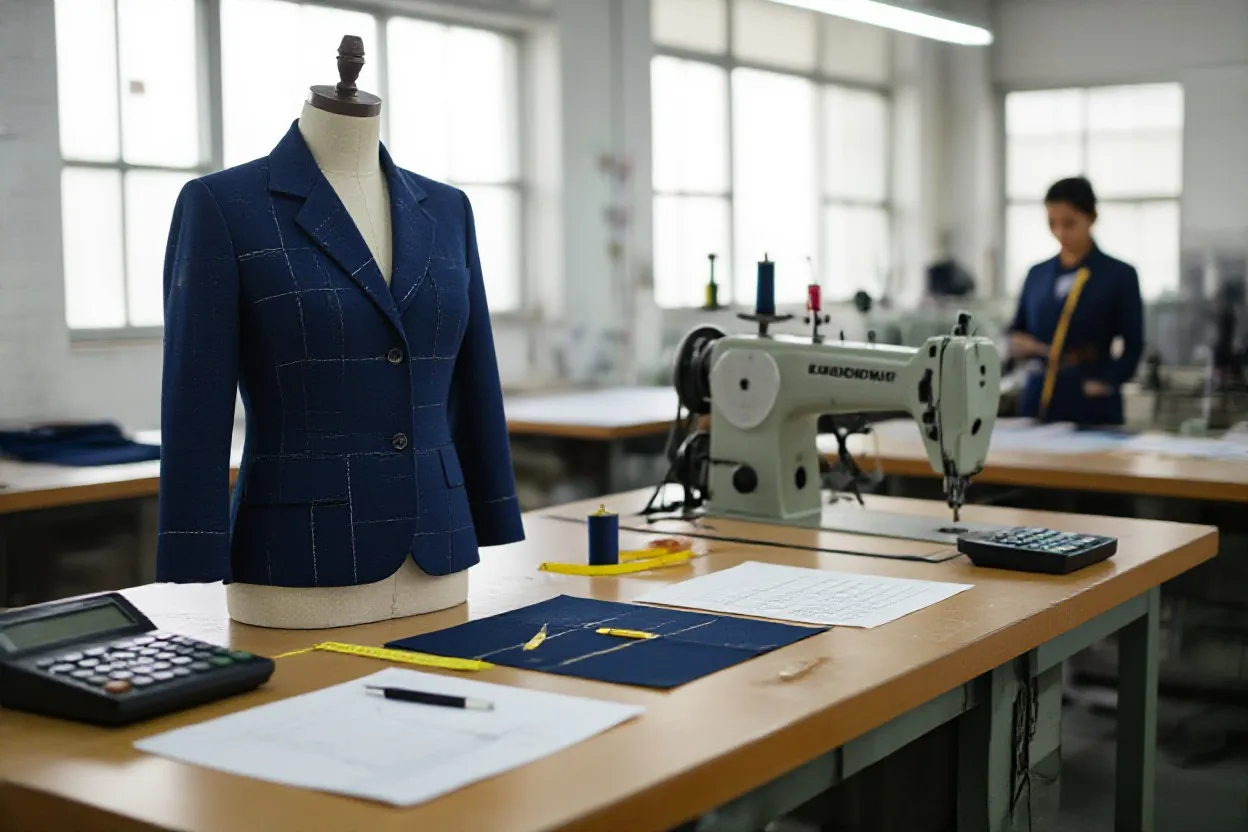
Typical Sample Development Benchmarks:
- Standard Styles: 10–14 days.
- Complex Styles: 15–20 days.
- Fitting Rounds: 2–3 rounds (averaging 5–7 days per round for revisions).
Phase 2: Pre-Production (Weeks 3–5)
Pre-production is the “gatekeeper” phase. It locks the factory plan before the first bulk cut. This involves finalizing patterns, confirming grading rules, and approving the Pre-Production (PP) Sample. The PP sample serves as the ultimate benchmark for workmanship, trims, and fit for the entire production run.

Material Sourcing Impact:
Fabric availability dictates the schedule more than sewing speed does. Stock fabrics can save 2–3 weeks, while custom mill development can add up to 4+ weeks for lab dips, testing, and production lead times.
Phase 3: Bulk Manufacturing (Weeks 5–12)
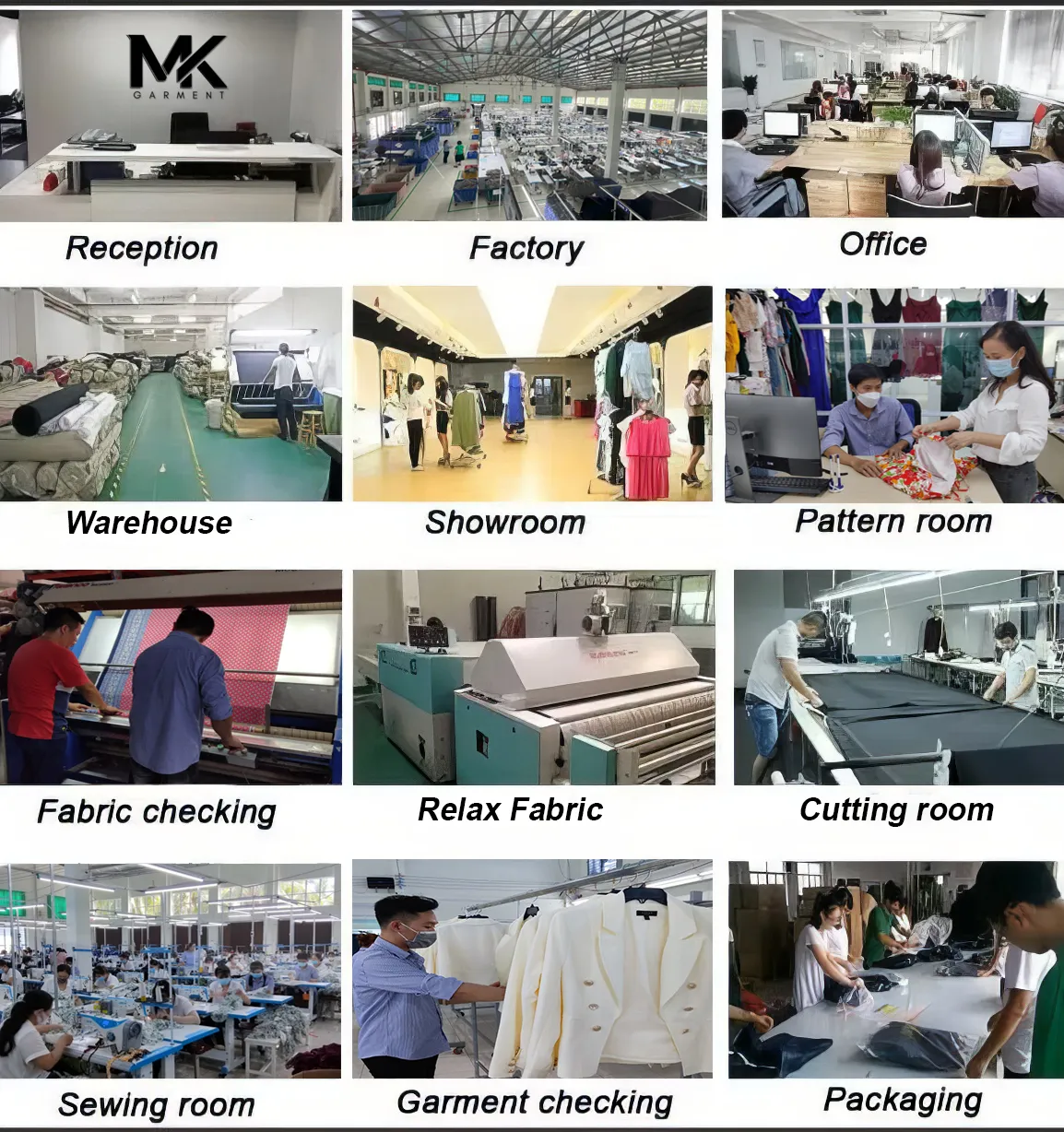
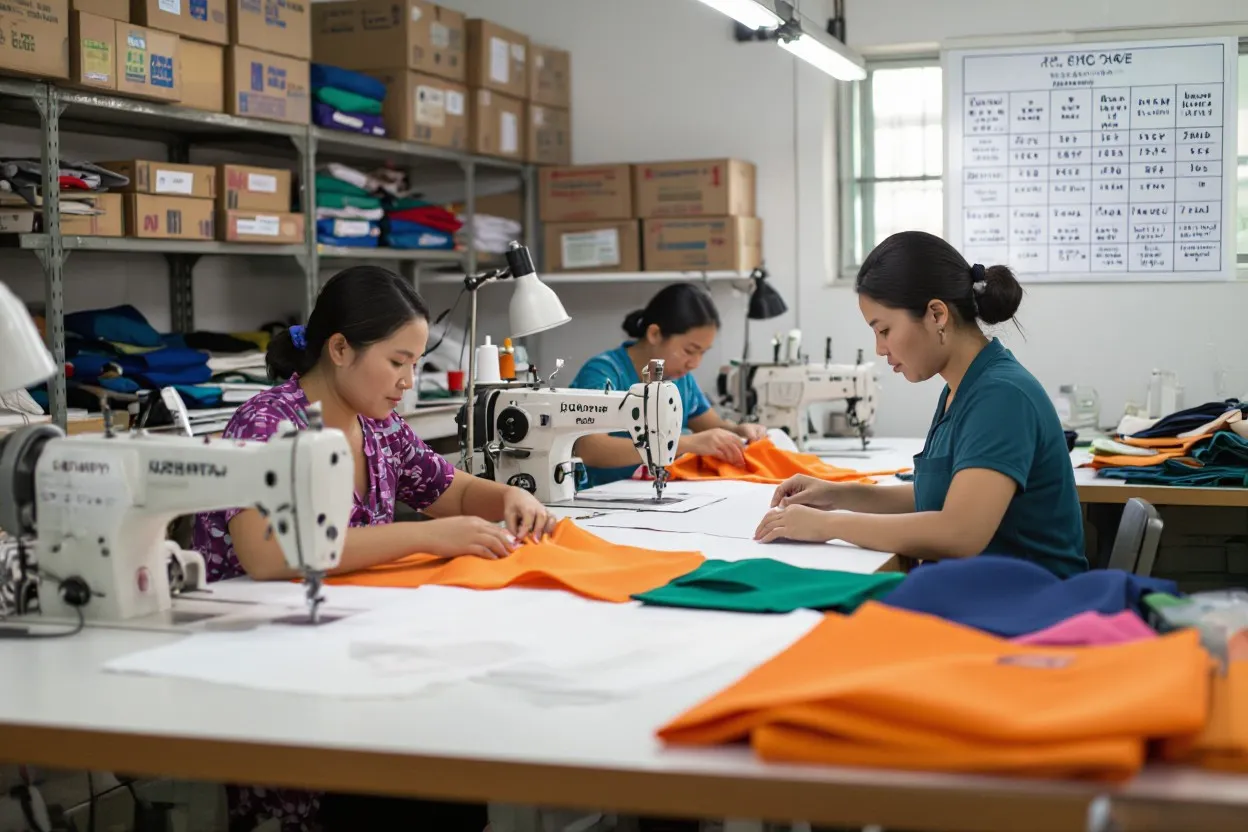
This is where time and quality must move in unison. Bulk manufacturing involves cutting, sewing, finishing, and packing to specification. A stable line plan and strict in-process QC prevent small errors from becoming massive defects. Production speed depends on unit volume and the number of technical operations per garment.


Phase 4: Final Inspection & Shipping (Weeks 11–16)
Final inspection is the release gate. Our QA team verifies that the bulk matches the approved PP sample in measurements, appearance, and workmanship. Once released, cartons are labeled and booked for transit. Proper final processes prevent customs issues and retail floor rejections.
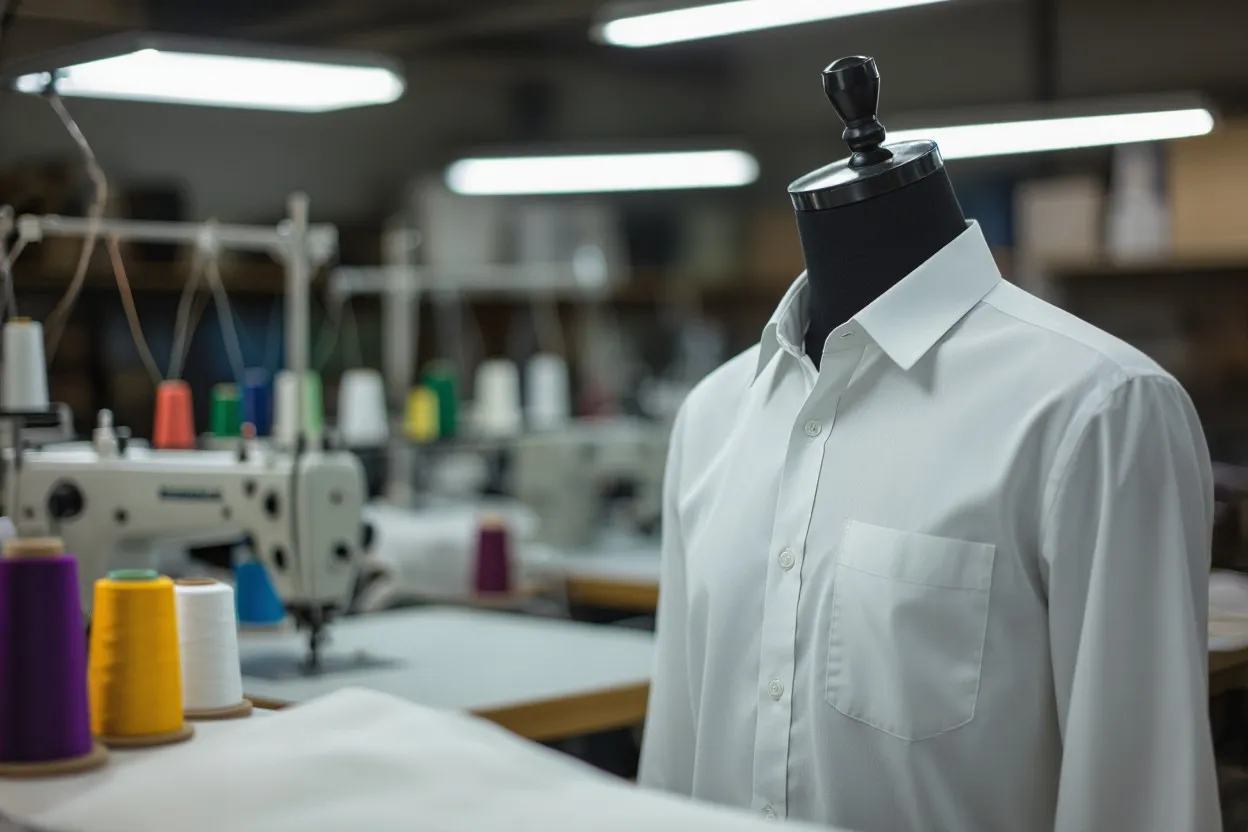
Practical Example Timelines (Week-by-Week)
| Scenario | Duration | Best For |
|---|---|---|
| Fast Scenario | 8–10 Weeks | Stock fabrics, simple styles, fast approvals. |
| Standard Scenario | 10–12 Weeks | Normal sourcing, mixed product lines, moderate complexity. |
| Long Scenario | 14–16 Weeks | Custom fabrics, complex outerwear, large volumes. |
Conclusion
The journey from tech pack to finished garment is a controlled sequence of critical decisions and approvals. By understanding the lead times for fabric, fit, and production capacity, you gain total control over your delivery date. At Mekong Garment, we specialize in optimizing these 16 weeks to ensure your brand remains competitive and your products reach shelves exactly when needed.
Contact Mekong Garment Factory
- VN Phone/WhatsApp/WeChat: +84 947 729 829
- Email: hanh@kimmy.vn