
In international trade, T/T (Telegraphic Transfer) is the most widely used payment method—especially in apparel, footwear, and consumer goods. It is simple, fast, and cost-effective. Yet, many first-time importers misunderstand where the real risk lies and how to control it. This article explains how T/T works, why it dominates modern sourcing, and how you can manage the process to protect your capital and your collection.
What Is T/T (Telegraphic Transfer)?
T/T is a direct international bank wire transfer from the importer’s account to the supplier’s account. Unlike complex trade finance tools, banks in a T/T transaction act only as money carriers. They do not review documents or guarantee production performance. Control remains entirely in the hands of the importer, making it essential to tie payments to clear production milestones.
Common T/T Payment Structures in Apparel
T/T payments are rarely made in one lump sum. Instead, they are divided into stages to balance risk between the brand and the factory. Choosing the right structure keeps suppliers motivated while limiting your financial exposure.
- 30% Deposit / 70% Balance (Industry Standard): 30% to secure raw materials; 70% after quality approval but before shipment.
- 20% / 80%: Common for long-term partners with high mutual trust.
- 50% / 50%: Often used for small MOQs or urgent rush orders.

How Importers Control Risk with T/T
Risk control under T/T is process-based, not bank-based. You protect yourself through discipline and verified checkpoints. Control is only lost if the importer pays without verifying the product’s status.
1. Supplier Vetting
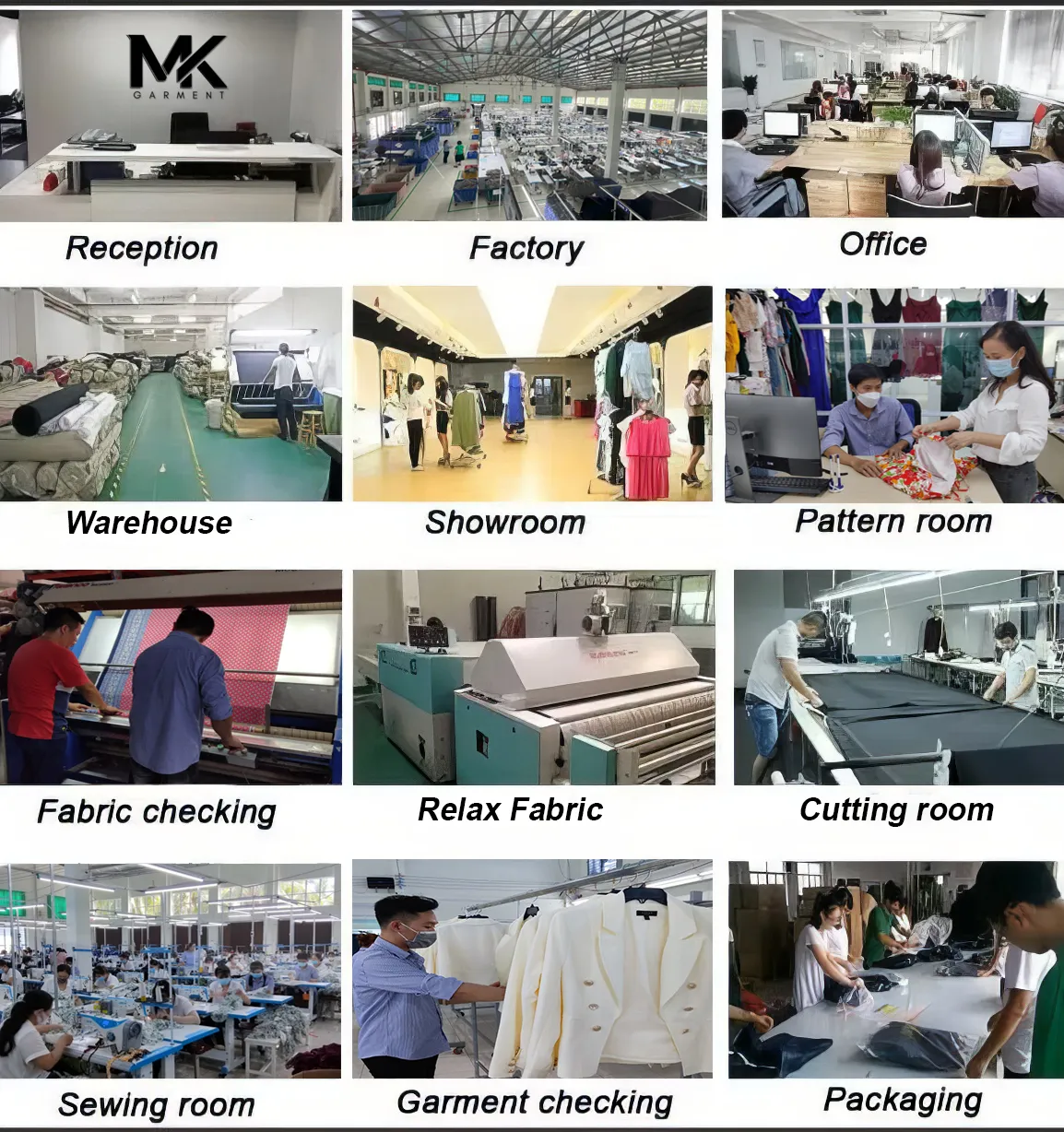
Verify business licenses and factory capabilities through sampling orders before committing to bulk. A professional factory like Mekong Garment will always encourage this transparency.
2. Third-Party Inspections (PSI)
The strongest leverage you have is the final 70% balance. Never release this payment until a Pre-Shipment Inspection (PSI) report is issued and approved. This ensures that what you are paying for actually meets your brand standards.
The Cost and Speed Advantage
One of T/T’s biggest strengths is efficiency. While a Letter of Credit (L/C) can cost 1%–3% of the total order value in bank fees, T/T fees are flat and predictable (usually $25–$80 per transfer).
| Aspect | T/T (Direct) | L/C (Bank-Backed) |
|---|---|---|
| Payment Control | Importer (You) | Issuing Bank |
| Speed | Fast (1-3 days) | Slow (Weeks) |
| Cost | Low (Flat fees) | High (% based) |
| Risk Focus | Inspection & Quality | Paperwork Compliance |
T/T Control Checklist for Safe Sourcing
- Verify Beneficiary Name: Ensure it matches the factory’s business license exactly.
- Use a Clear PI: Every Proforma Invoice must list materials, lead times, and payment milestones.
- Milestone Linkage: Explicitly tie final payment to PSI approval.
- Bank Detail Verification: Double-check accounts via a direct phone call to prevent email fraud.
- Request SWIFT Copies: Keep the MT103 confirmation for tracking and procurement starts.
Conclusion
T/T is not risky by default; it is only risky when managed without discipline. For modern apparel sourcing, it offers the speed and cash-flow control that seasonal collections require. By focusing on supplier selection and independent inspections, you create a security system stronger than any banking instrument. At Mekong Garment, we support transparent T/T workflows to ensure our partners can scale with speed and total financial confidence.
Contact Information – Mekong Garment Factory
- VN Phone/WhatsApp/WeChat: +84 947 729 829
- Email: hanh@kimmy.vn