
In international trade, payment risk is a primary concern for importers. When goods are produced overseas and governed by different legal systems, a simple bank transfer may feel insecure for large or first-time orders. This is where the Letter of Credit (L/C) becomes relevant. Often described as the most secure payment method, it is a highly structured, document-based tool that offers specific protections—while introducing significant cost, delay, and complexity. This guide explains how an L/C works and when it truly serves an importer’s interest.
What Is a Letter of Credit (L/C)?
An L/C is a bank-issued payment guarantee. It is a written commitment by your bank to pay the supplier only if they present a set of shipping documents that strictly comply with the L/C terms. Crucially, the bank does not guarantee the actual quality of the goods; it only guarantees payment against perfect documentation.
How an L/C Works: Step-by-Step
The L/C process follows a rigid sequence governed by international banking standards (UCP 600). Even a small typo can stop the payment flow.
- Agreement: Importer and supplier agree on L/C terms.
- Issuance: Importer applies to their bank to open the L/C.
- Advising: The L/C is sent to the supplier’s bank.
- Production & Shipping: Supplier manufactures and ships the apparel.
- Presentation: Supplier submits required documents (Bill of Lading, Invoice, etc.) to the bank.
- Verification: Banks review documents line-by-line for 100% accuracy.
- Settlement: Payment is released only if documents are perfect.
What an L/C Actually Protects
Clarity on what an L/C can and cannot do is essential to avoid overestimating your security:
- Risks Mitigated: The supplier cannot receive funds without providing valid shipping documents. It ensures the factory is serious about the shipment.
- Risks NOT Covered: Product quality, sizing errors, or poor workmanship. Banks do not inspect the factory or the finish of the garments.
Critical Warning: The biggest risk with L/C is Document Discrepancy. Typos like “Cartons” vs “Boxes” or a late document presentation can block payment even if the garments are perfect.
When Should Importers Use an L/C?
L/Cs carry high bank fees (often 1%–3% of order value) and add 2–4 weeks to the cycle. Use them only when:
- Order value is exceptionally high (e.g., >$250,000).
- The supplier is new, high-risk, or in a volatile region.
- Your bank financing or investors require a documentary guarantee.

For custom apparel and repeat orders, controlled T/T payments paired with third-party inspections are often more efficient and cost-effective.
Conclusion
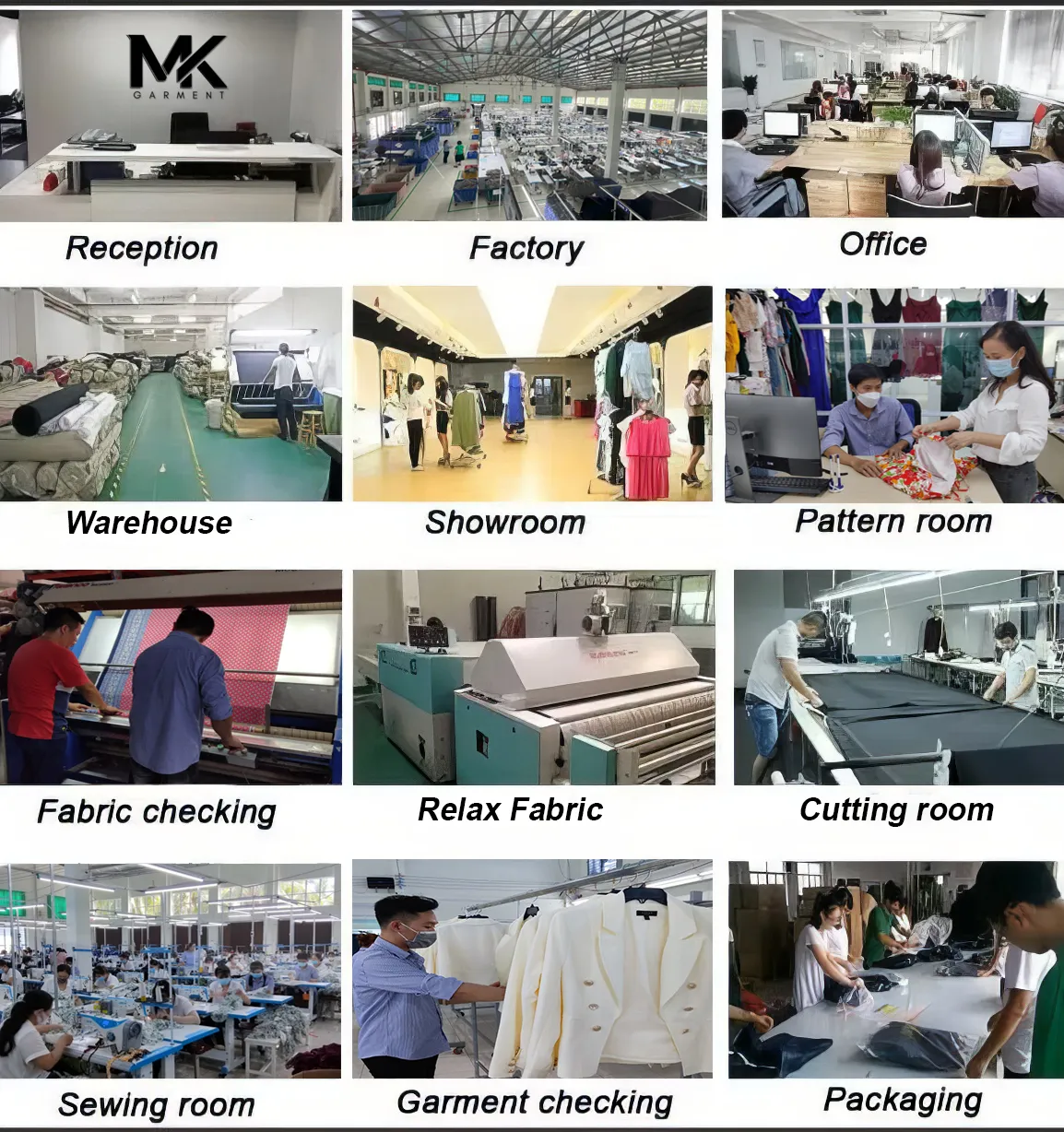
A Letter of Credit is a specialized banking instrument, not a universal safety net. While it reduces non-payment risk, it adds layers of administrative drag and cost. In modern apparel sourcing, building strong supplier relationships and using professional inspections provides superior protection for your product quality. At Mekong Garment, we work with our partners to establish the most secure and efficient payment structures tailored to their business needs.
Contact Information – Mekong Garment Factory
- VN Phone/WhatsApp/WeChat: +84 947 729 829
- Email: hanh@kimmy.vn