What Is the Biggest Misconception About Tech Packs?

Brands often seek a “perfect tech pack” as if it were a one-and-done file. The ideal scenario seems simple: send the file, get a quote, and start production. However, in the real world of manufacturing, a tech pack is not a static document; it is a living blueprint. Treating it as a “set-and-forget” formality invites delays, hidden costs, and bulk production surprises. Understanding the dynamic nature of this document is the key to protecting your quality and profit margins.
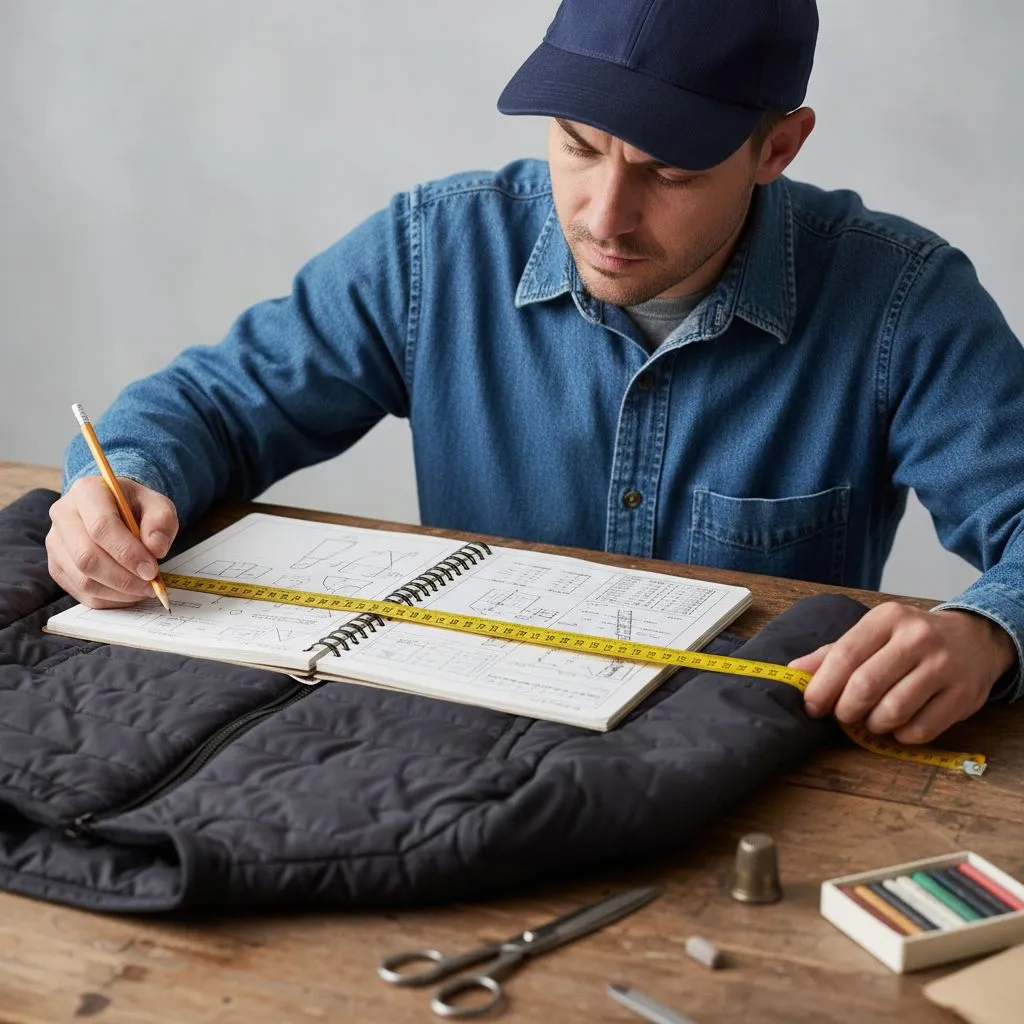
Myth 1: “A Tech Pack is Only for Quoting and Initial Production”
Many brands believe a tech pack has only one job: pricing. Once the price is settled, the file is often neglected. This is where trouble starts. Sampling is the phase where garments become real, and reality triggers change. If you don’t update the tech pack during sampling, the factory continues to work from outdated measurements, wrong trim lists, and obsolete QC specs.
- The Result: Bulk production that doesn’t match the approved sample.
- The Cause: Failure to translate “verbal approvals” into the official documentation.
Myth 2: “A Sketch and a Size Chart are Sufficient”
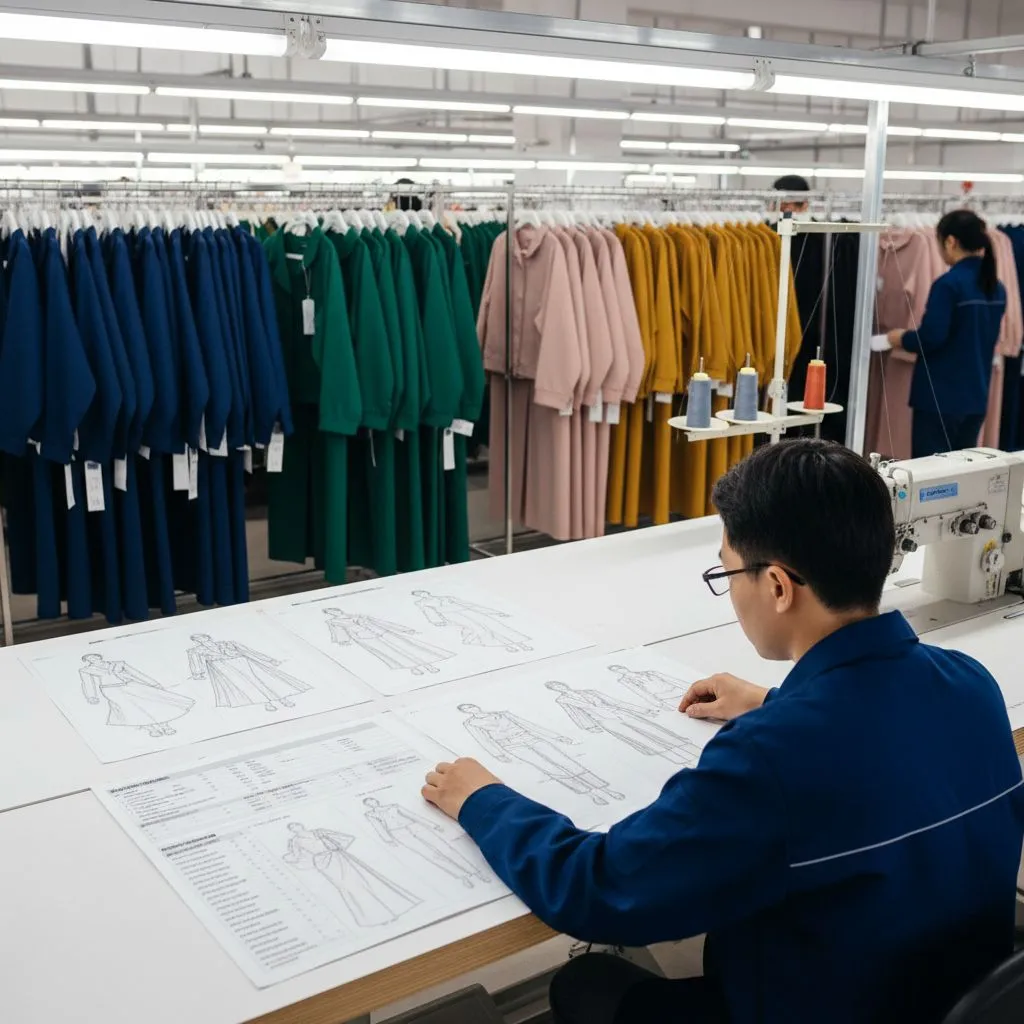
A sketch shows the “what,” but a tech pack explains the “how.” Without construction specifications, the factory is forced to guess seam allowances, stitch types, and reinforcement points. Even the most skilled manufacturers cannot read your mind. Building a garment without a full tech pack is like building a house with only a photo and room dimensions—you lack the structural blueprint.
Non-Negotiable Construction Details:
- Stitch Density: Higher SPI (Stitches Per Inch) for durability.
- Seam Finishes: Defining the hand-feel and internal cleanliness of the garment.
- Reinforcements: Bar-tacks at stress points (pockets, flies) to prevent tearing.

The Power of a “Living” Tech Pack
The tech pack should be the single source of truth for your product. Every decision—from a fabric swap to a zipper upgrade—must be documented. This turns vague feedback into measurable precision, saving significant time and money during bulk inspection.
| Feedback Type | The Vague Way (Risk) | The “Living” Way (Precision) |
|---|---|---|
| Fit | “Make the collar higher” | “Collar height updated to 3.8 cm (±0.3 cm)” |
| Materials | “Use a metal zipper” | “YKK #5 Antique Brass, 18cm, Navy Tape” |
| Stitching | “Stronger seams” | “Update to 12 SPI with core-spun thread” |
Myth 3: “Tech Packs Kill Creativity”
In reality, tech packs protect creativity by making it repeatable. A brilliant vision fails if the factory interprets your silhouette differently than you intended. By capturing the exact proportions and material behaviors, you ensure your creative vision is realized perfectly in every single unit, batch after batch.

Conclusion
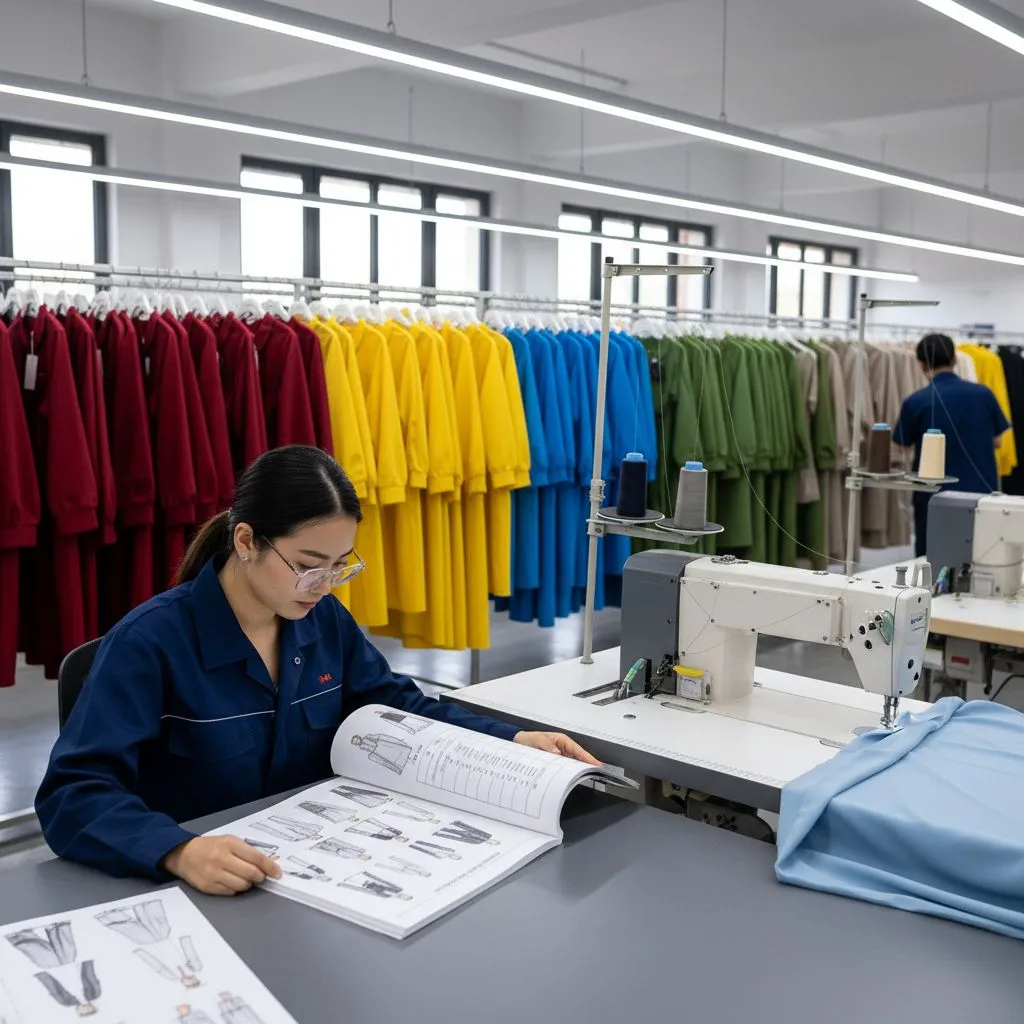
Successful fashion brands don’t use tech packs as a formality; they use them as a control center. A strong, updated tech pack keeps teams aligned, factories consistent, and quality measurable. It is the most vital tool for achieving scale and speed in modern manufacturing. At Mekong Garment, we advocate for the “Living Tech Pack” approach to ensure your design transitions from concept to customer with zero compromise.
Contact Information – Mekong Garment Factory
- VN Phone/WhatsApp/WeChat: +84 947 729 829
- Email: hanh@kimmy.vn