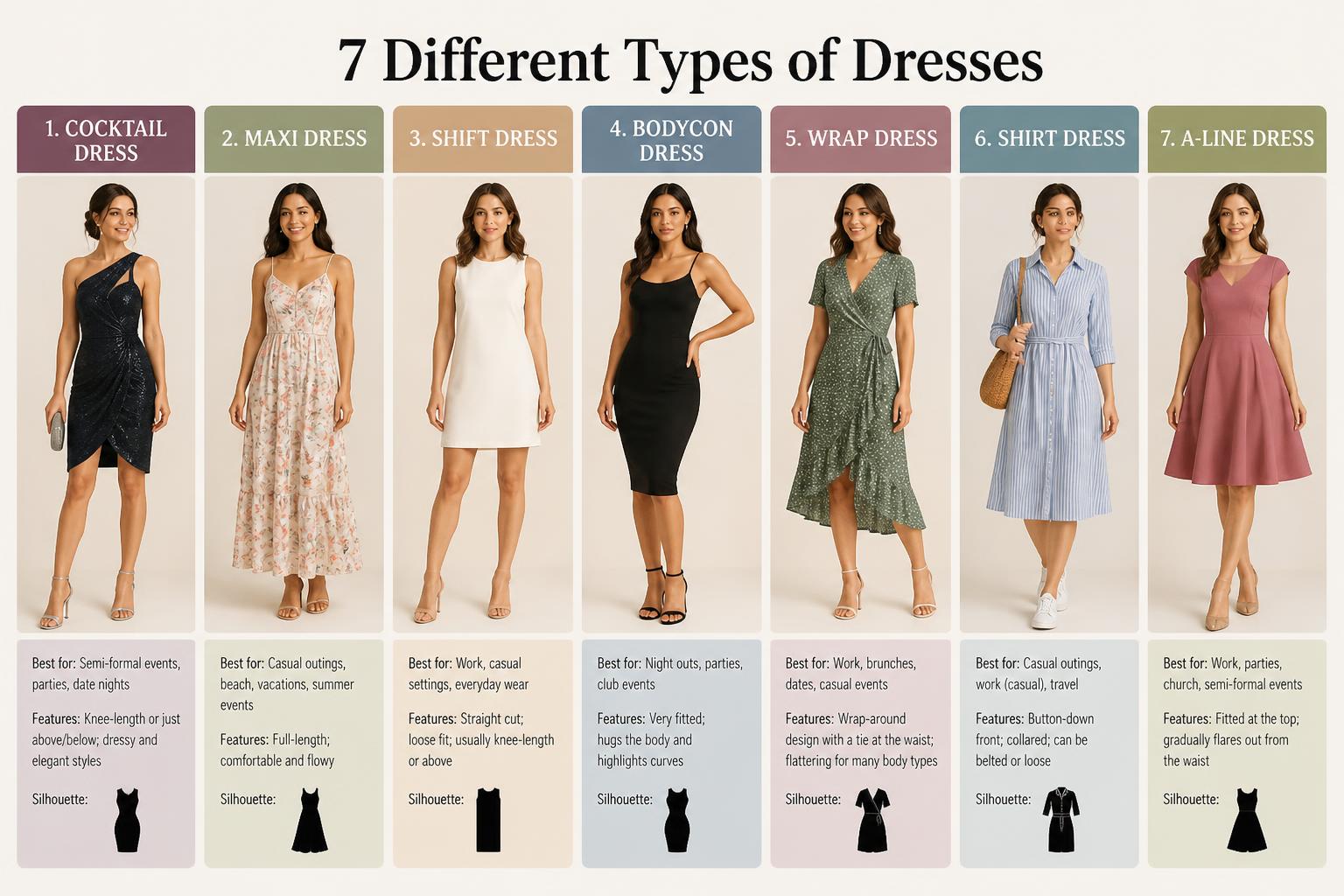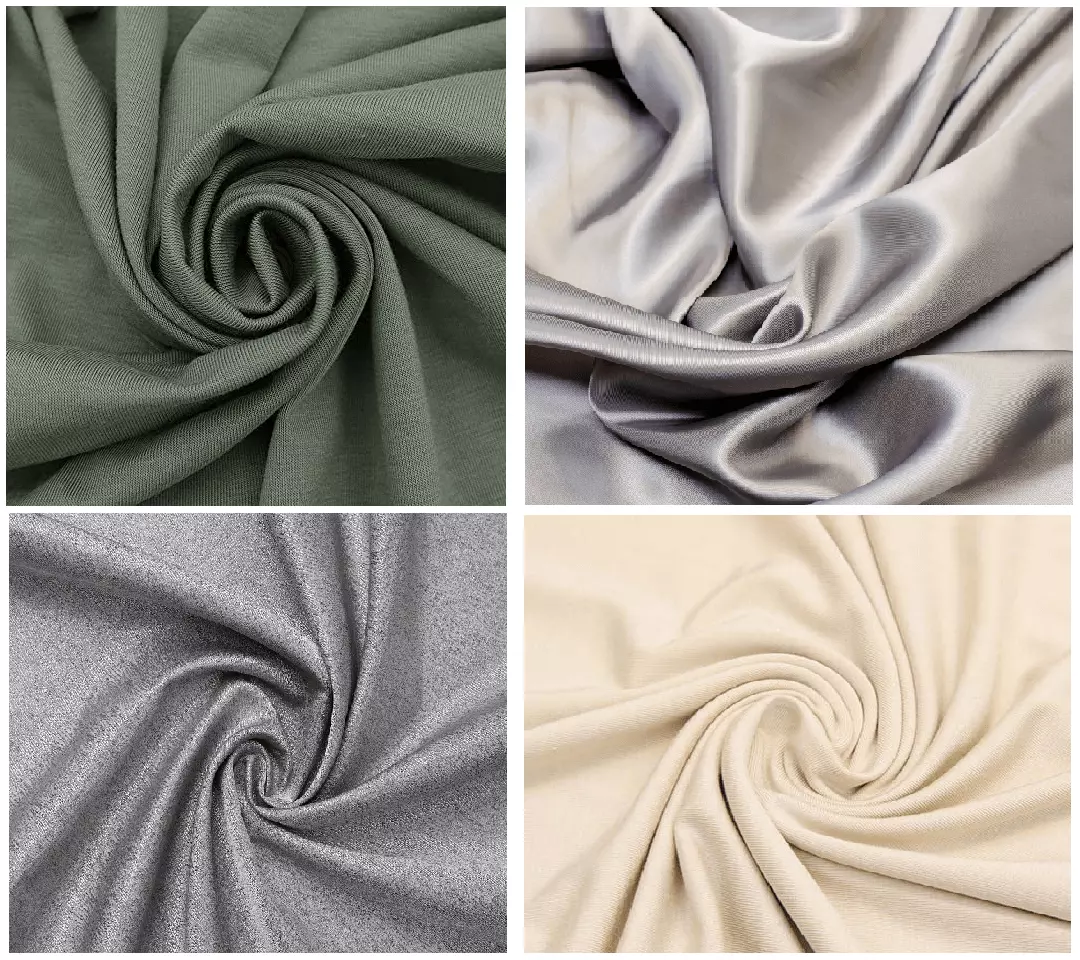
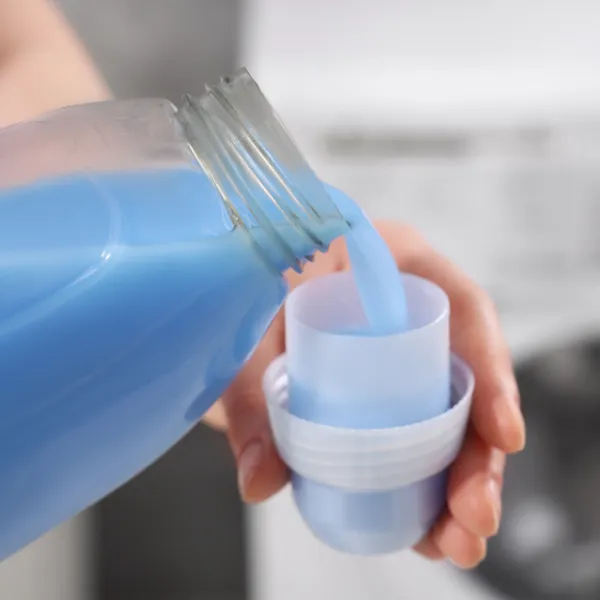

Fabric softener is often seen as a laundry essential, but it can actually be detrimental to certain garments. In many cases, it damages delicate fibers, clogs performance channels, or causes skin irritation. Understanding which fabrics to keep away from softeners is key to extending the lifespan and performance of your wardrobe.
What is Fabric Softener and How Does it Work?
Fabric softener works by coating fabric fibers with a thin layer of chemical agents to reduce static and increase perceived softness. While this improves comfort for basic cotton items, this “waxy coating” can be a disaster for performance materials and natural luxury fibers.
=> Related Article: Natural Fabric Softener Alternatives
6 Types of Garments That Don’t Need Fabric Softener
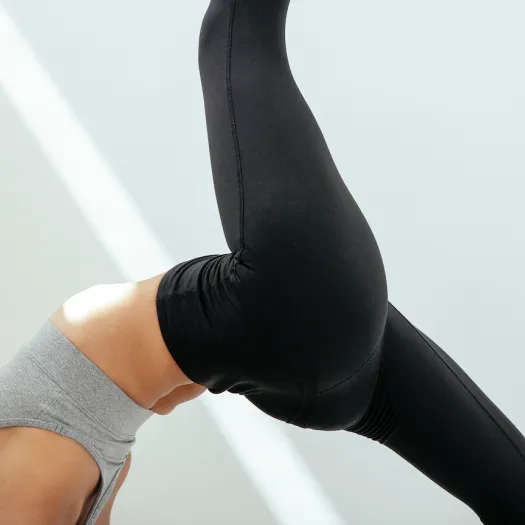
1. Workout Clothes and Activewear
Activewear is engineered with moisture-wicking technology to pull sweat away from your skin. Fabric softener clogs the tiny pores in these synthetic fibers, trapping sweat and odors inside. This leads to reduced breathability and a permanent “locker room” smell over time.
2. Swimwear (Spandex & Nylon)
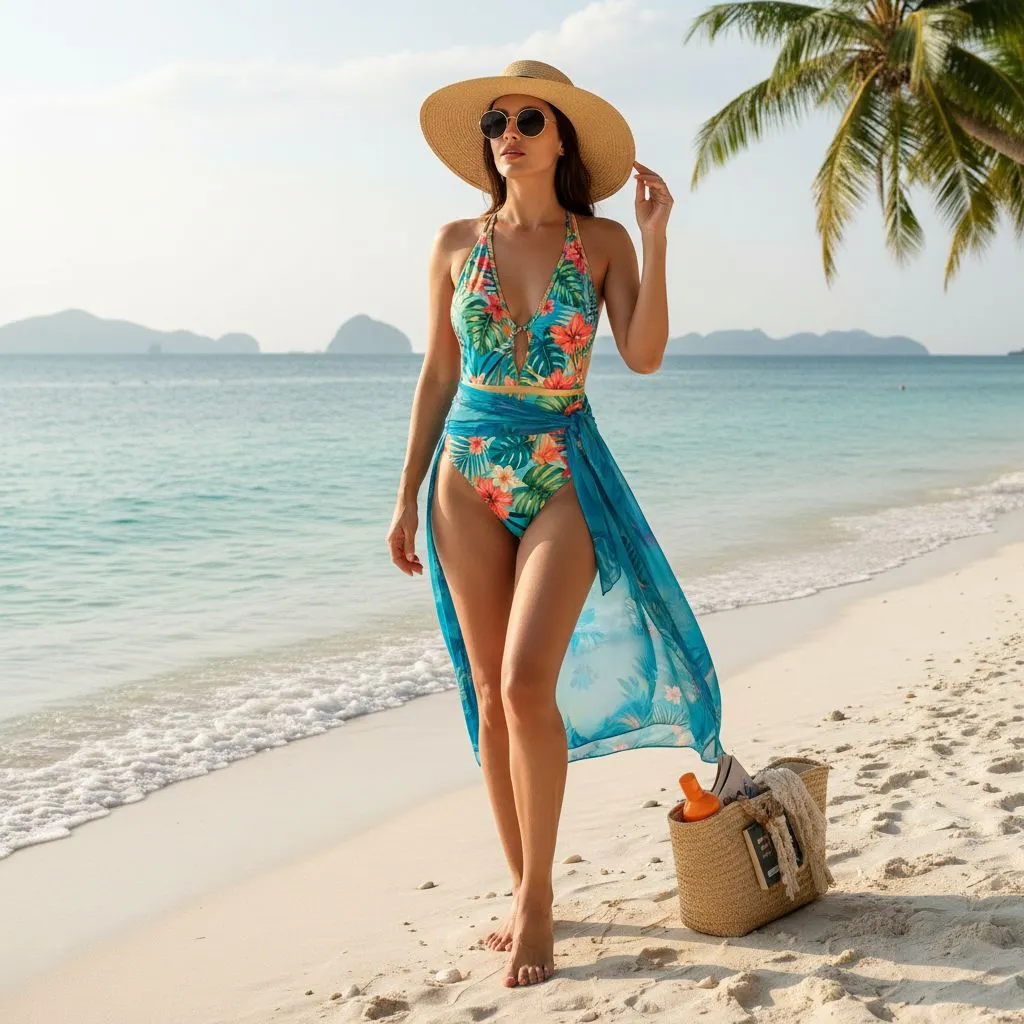
Swimsuits rely on high elasticity to maintain their fit. The chemicals in fabric softeners break down the elastic fibers (spandex/elastane), leading to saggy, loose swimwear that loses its shape after just a few washes. Simply rinse with fresh water to maintain durability.
3. Towels (Absorbency Risk)
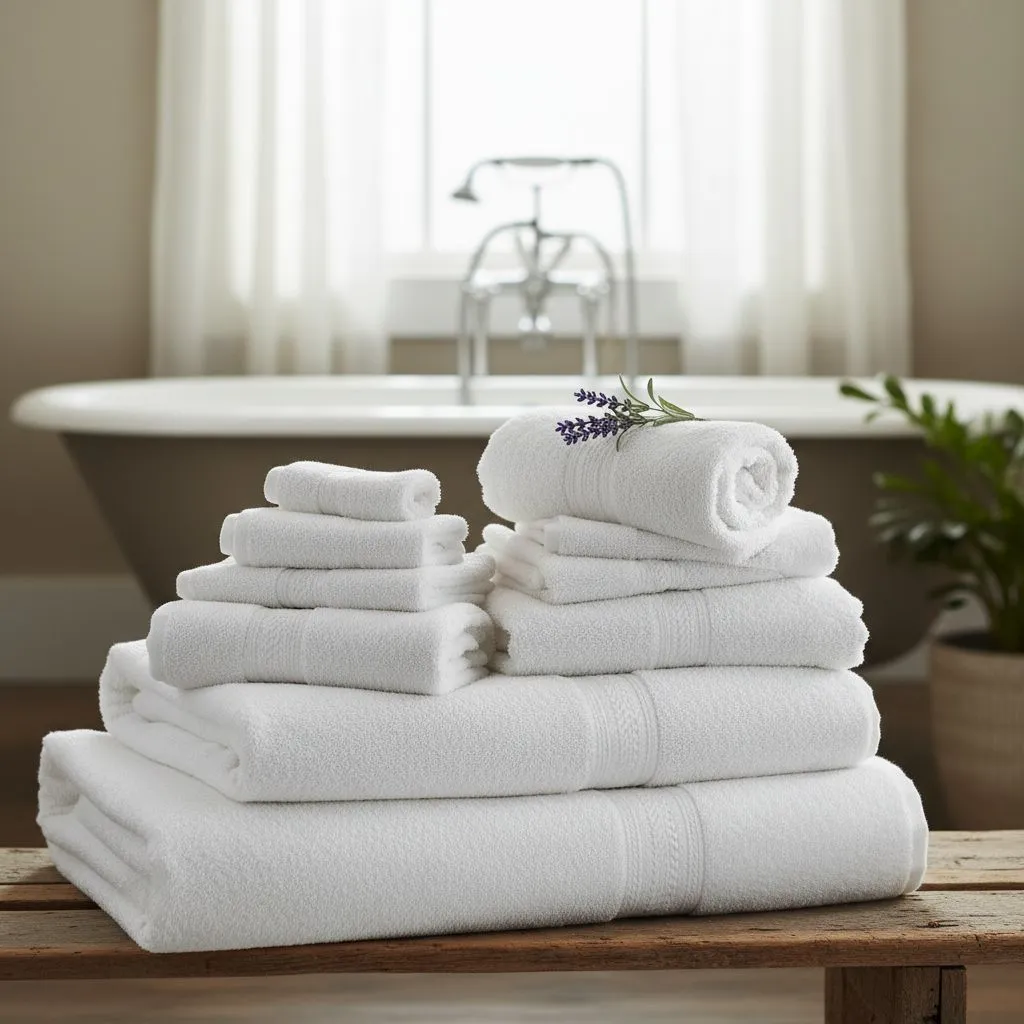
It sounds counterintuitive, but softeners make towels less effective. The waxy residue creates a water-repellent layer on the loops of the towel, significantly reducing its ability to absorb water. For fluffy, absorbent towels, skip the softener and use a cup of white vinegar instead.
4. Wool and Silk (Natural Delicates)
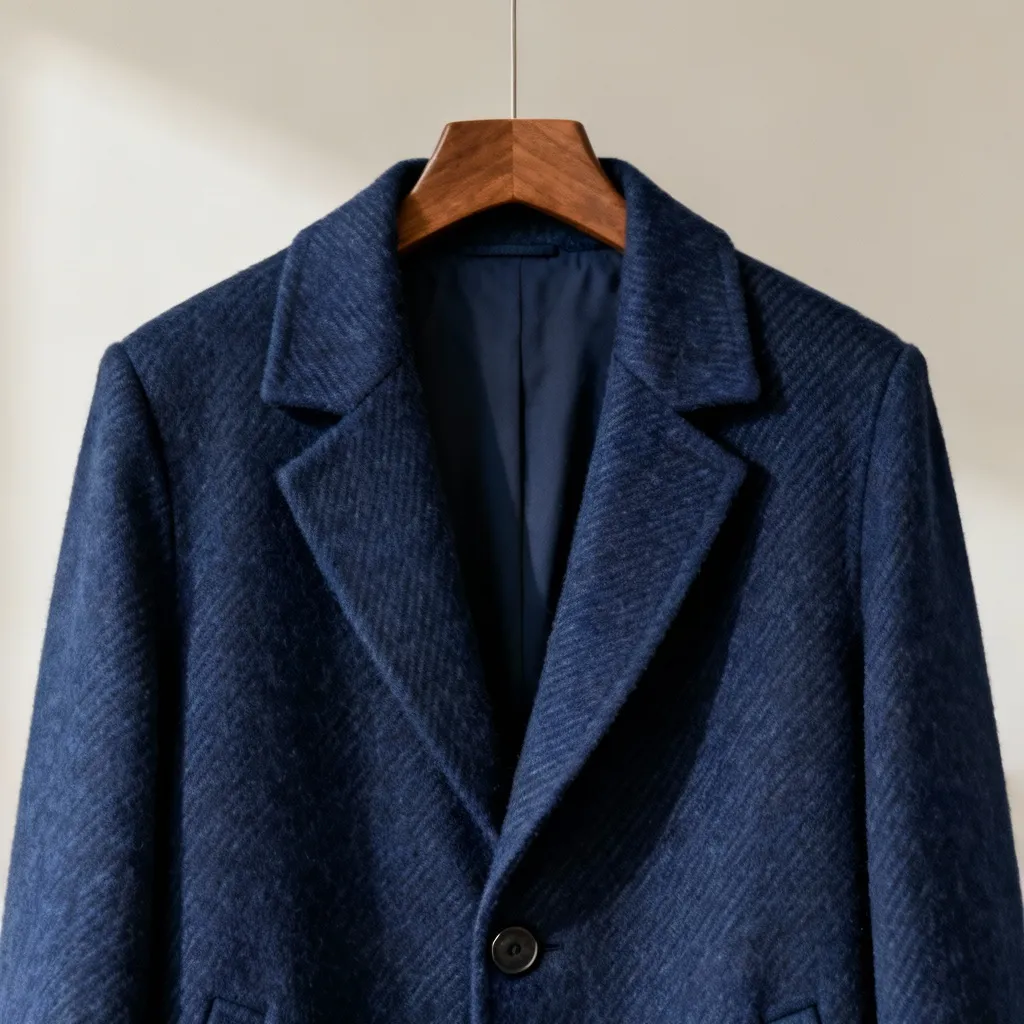
Natural fibers like wool, cashmere, and silk are already soft. Softeners coat these breathable fibers, making them feel heavy and potentially weakening the structure, which leads to stretching or pilling. Use specialized wool/silk detergents to maintain their natural beauty.
5. Linen Fabrics
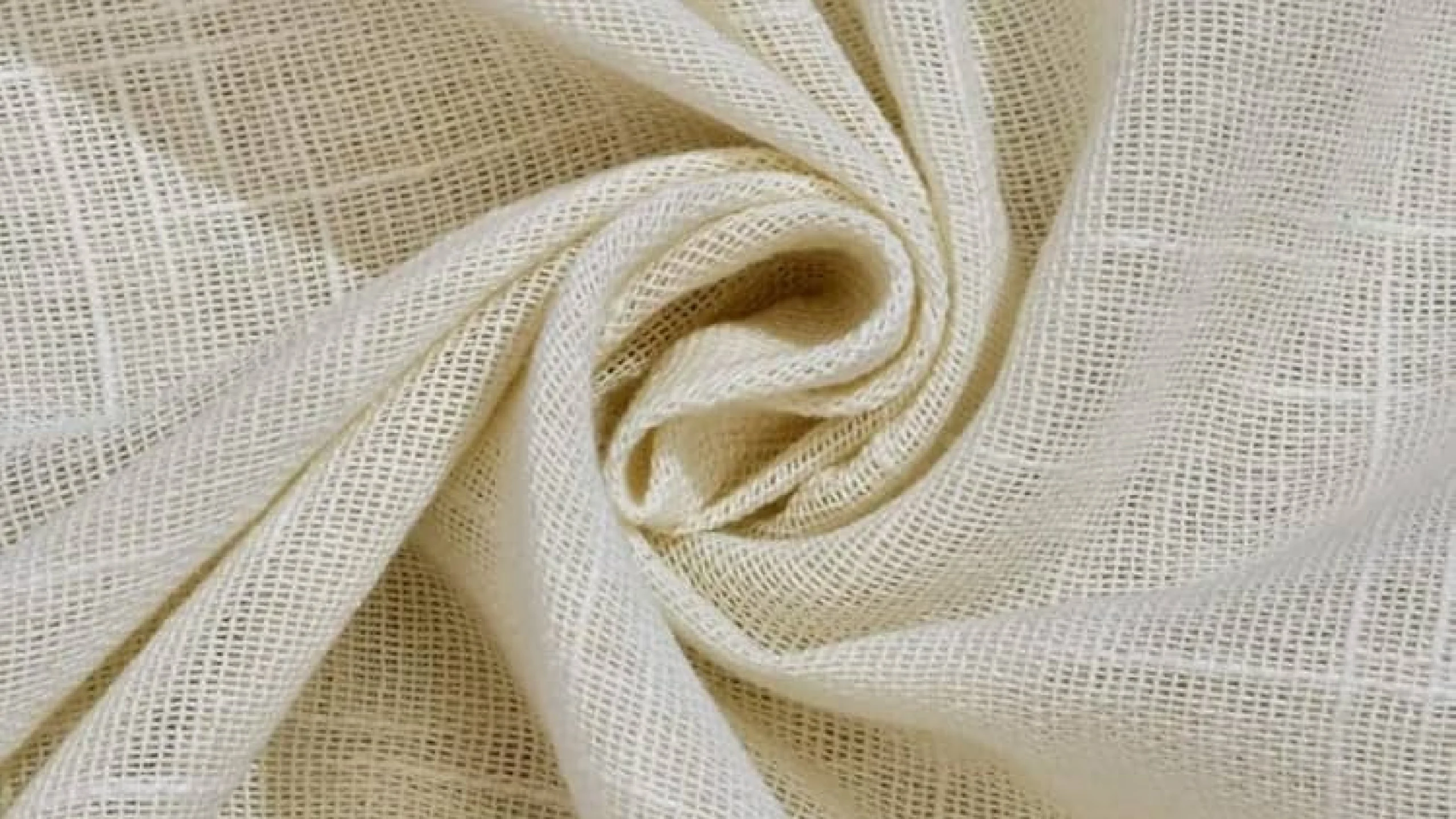
Linen is prized for its breathability and natural stiffness that softens over time with water alone. Softeners interfere with this organic aging process and can reduce the “airy” feel that makes linen perfect for hot weather.
6. Baby Clothes
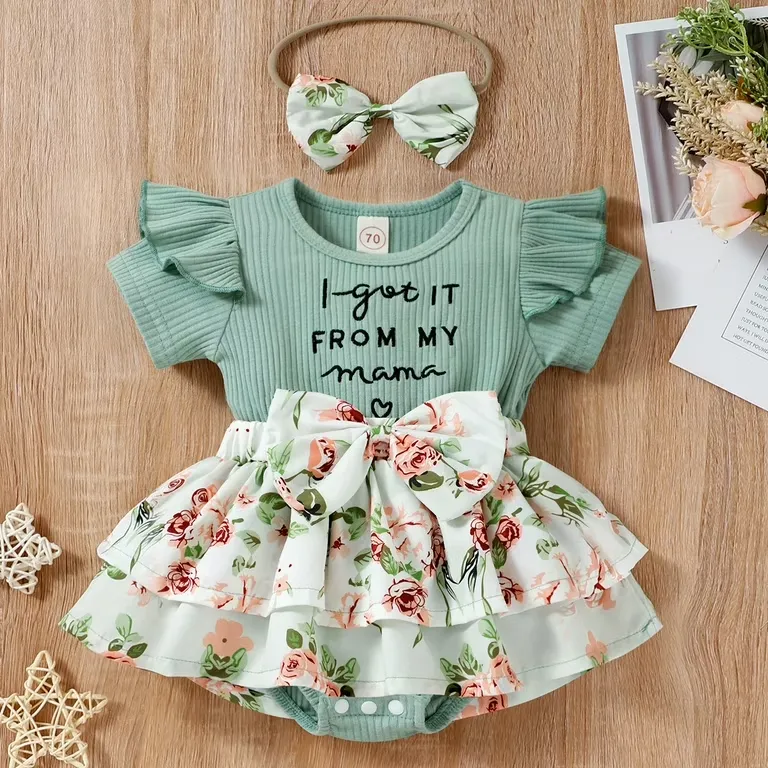
Infants have extremely sensitive skin. The strong fragrances and chemical softeners left on baby clothes are common triggers for rashes and eczema. Fragrance-free, hypoallergenic detergents are all you need to keep baby garments safe and soft.

Conclusion
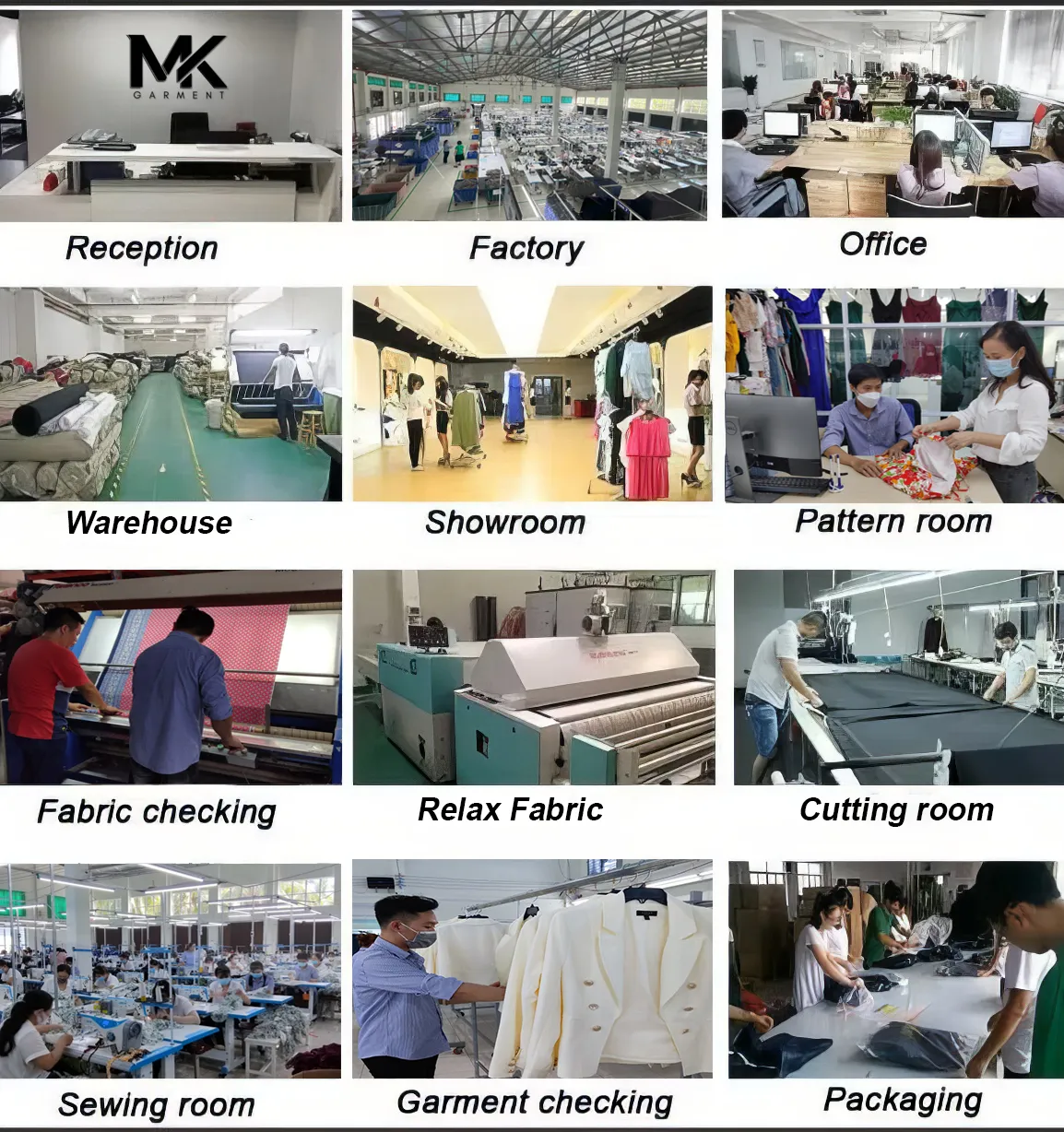
While fabric softener can make your everyday cotton tees feel cozy, it is a hidden enemy for many high-performance and delicate garments. By being selective and understanding your fabric’s needs, you ensure your clothes stay functional, absorbent, and safe for your skin. At Mekong Garment, we manufacture quality apparel that lasts—and proper post-purchase care is the final step in that journey.
Contact Mekong Garment Factory
- VN Phone/WhatsApp/WeChat: +84 947 729 829
- Email: hanh@kimmy.vn