
Even the most expensive winter clothes can look old quickly if they are not cared for properly. Chanel jackets fade, MaxMara cashmere pills, and Burberry scarves shed not because they are low quality, but because they are treated the wrong way. Professional care protects your investment and keeps your garments beautiful for years.
Down Jackets: Preserving Loft and Warmth
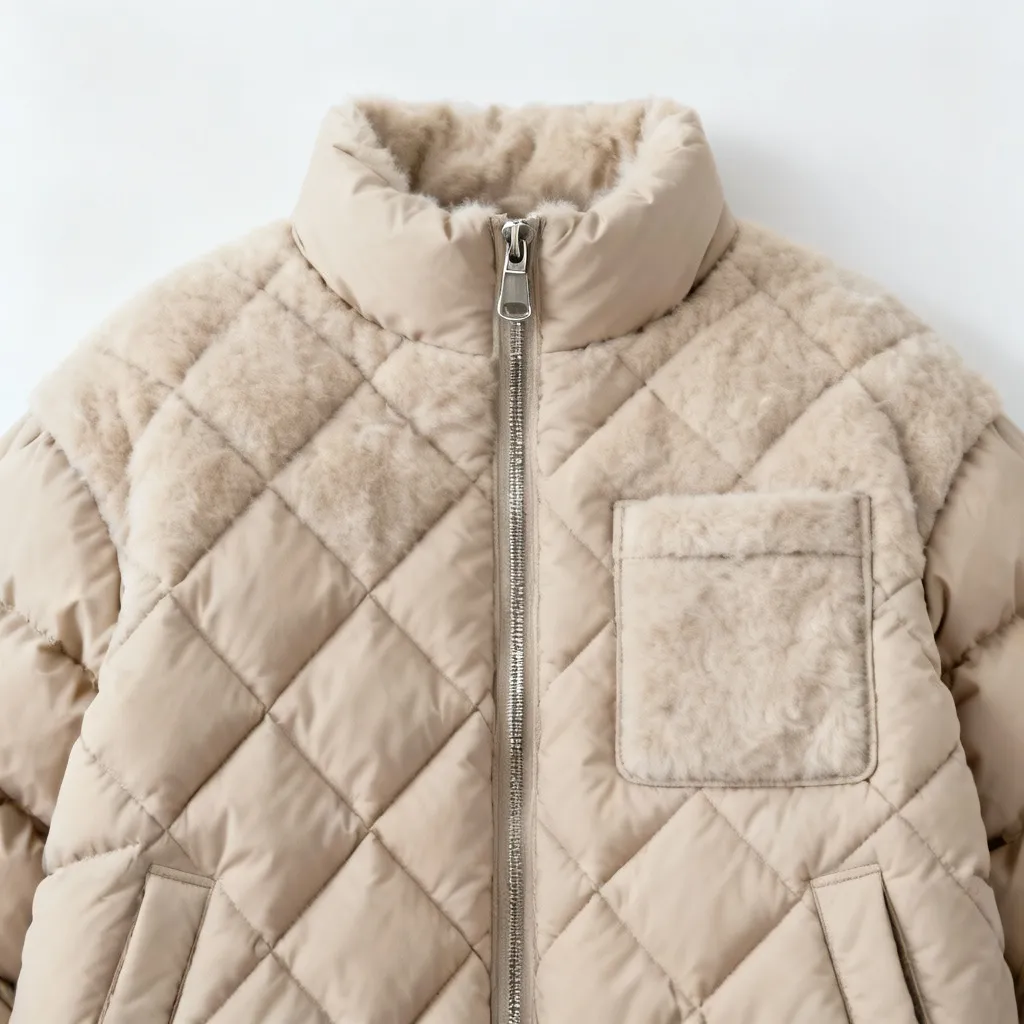
Down jackets are filled with tiny feathers that trap warm air. These feathers are sensitive to heavy agitation and high heat. Poor care leads to “clumping” and loss of insulation. Gentle handling keeps them puffy and effective.
Cleaning and Drying Technical Steps
- Spot Cleaning: Use a soft toothbrush with pH-neutral detergent to treat stains locally, avoiding unnecessary full washes.
- Full Wash: Use a front-loading washer only with down-specific detergent. Add an extra rinse cycle to remove all soap residues.
- The Tennis Ball Hack: Tumble dry on low heat with clean tennis balls. This helps break up feather clumps and restores the jacket’s natural fluff.
- Storage: Never vacuum-pack down. Fold along seams with tissue paper to allow air pockets to breathe.
Wool Coats: Maintenance for Structure
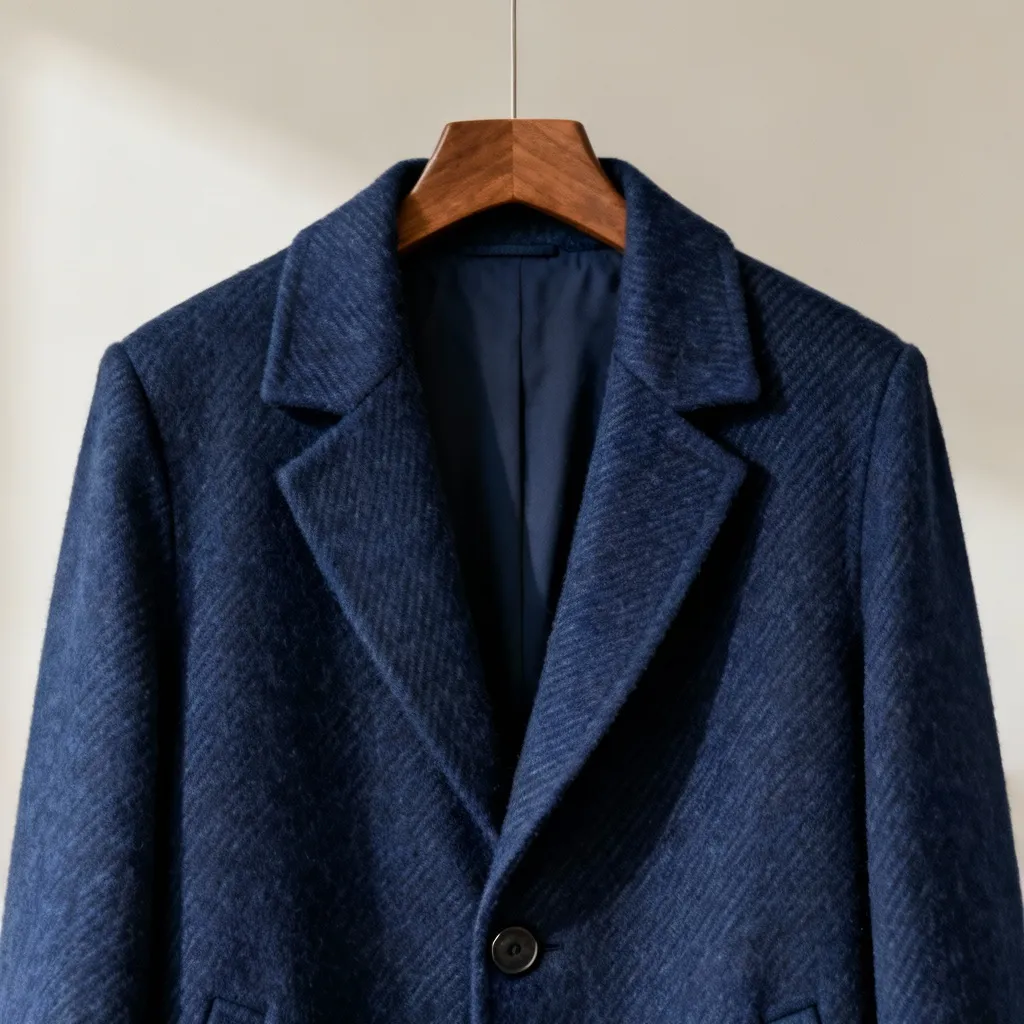
Wool is naturally dirt-repellent, meaning frequent washing is unnecessary. However, chemical exposure and improper hanging can ruin its elegant silhouette. Daily care is the secret to long-lasting wool beauty.
Daily Protection Rules
- The 48-Hour Rule: Rest wool coats for 48 hours between wears to allow fibers to recover their shape.
- Supportive Hangers: Always use wide, padded hangers. Standard wire hangers will damage the shoulder structure over time.
- Stain Management: Use cornstarch for oil stains (30 mins) or club soda for wine spills. Blot—never rub.
Cashmere & Wool Sweaters: Delicate Fiber Care
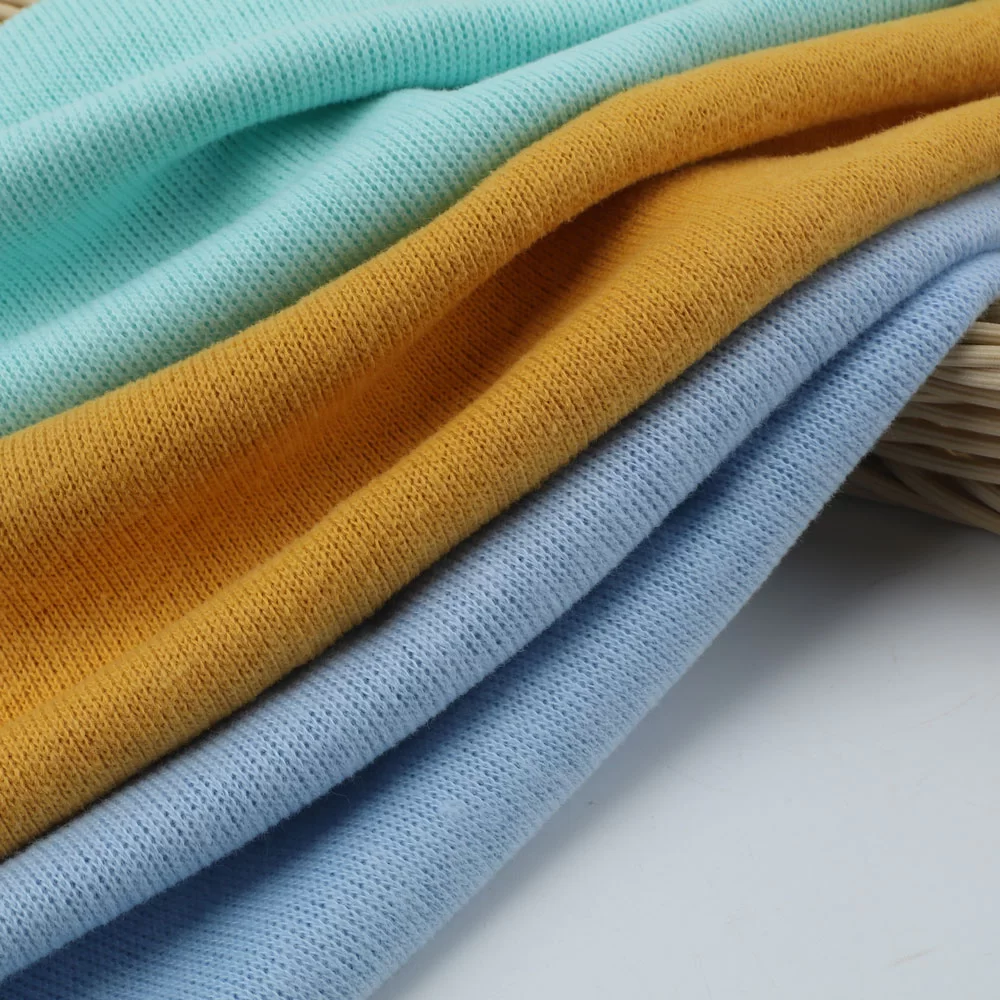
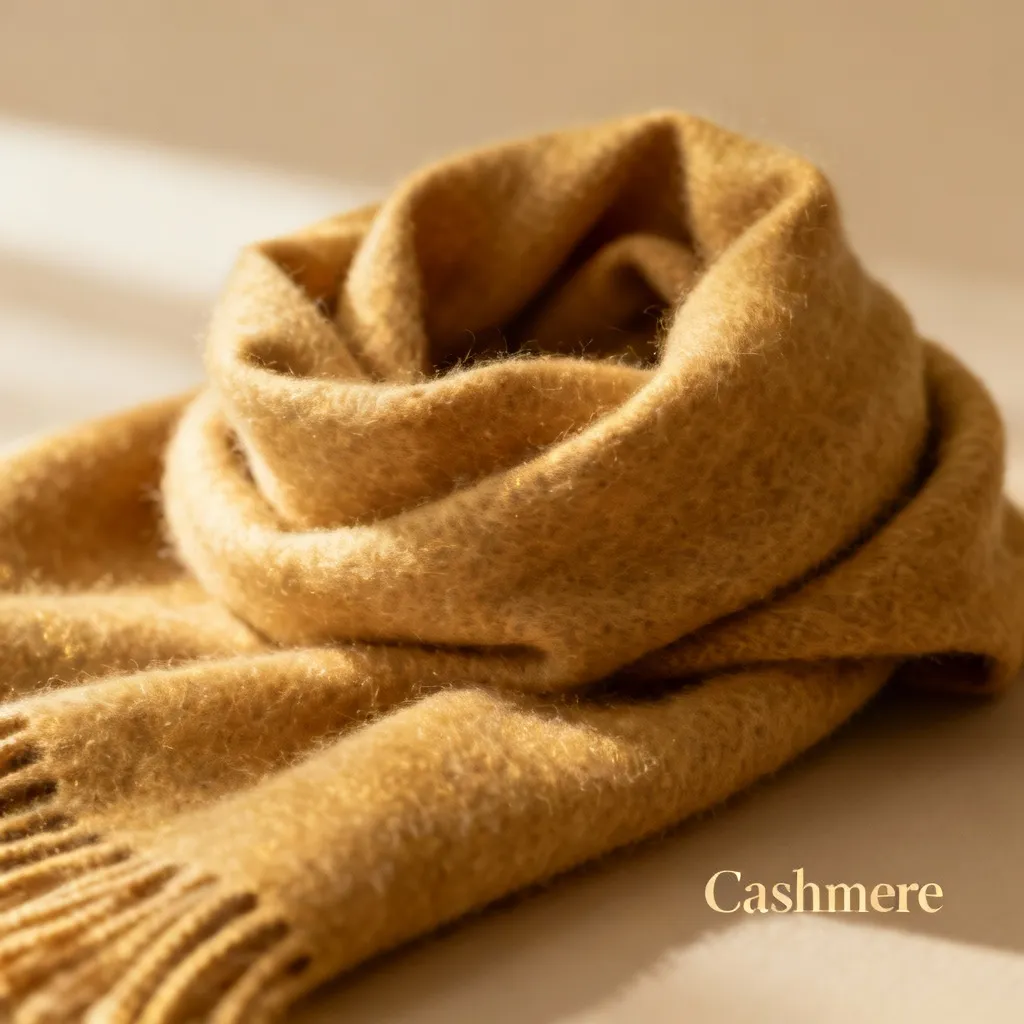
Cashmere fibers are extremely thin, making them prone to stretching and pilling. Heat, twisting, and hanging are the enemies of fine knitwear.

Washing and Long-term Preservation
- Gentle Hand Wash: Use lukewarm water (max 30°C) and specialized cashmere detergent. Swish gently by hand—never twist or wring.
- Flat Drying: Roll in a towel to remove excess moisture, then lay flat on a drying rack to reshape. Hanging will cause permanent stretching.
- Safe Storage: Use lavender sachets to repel moths. Pro Tip: Freeze your sweaters for 48 hours once a year to naturally kill any larvae.
Leather Jackets: Conditioning and Climate
Leather behaves like skin—it needs to stay hydrated to prevent cracking. Without regular conditioning, leather becomes brittle and loses its strong, supple feel.
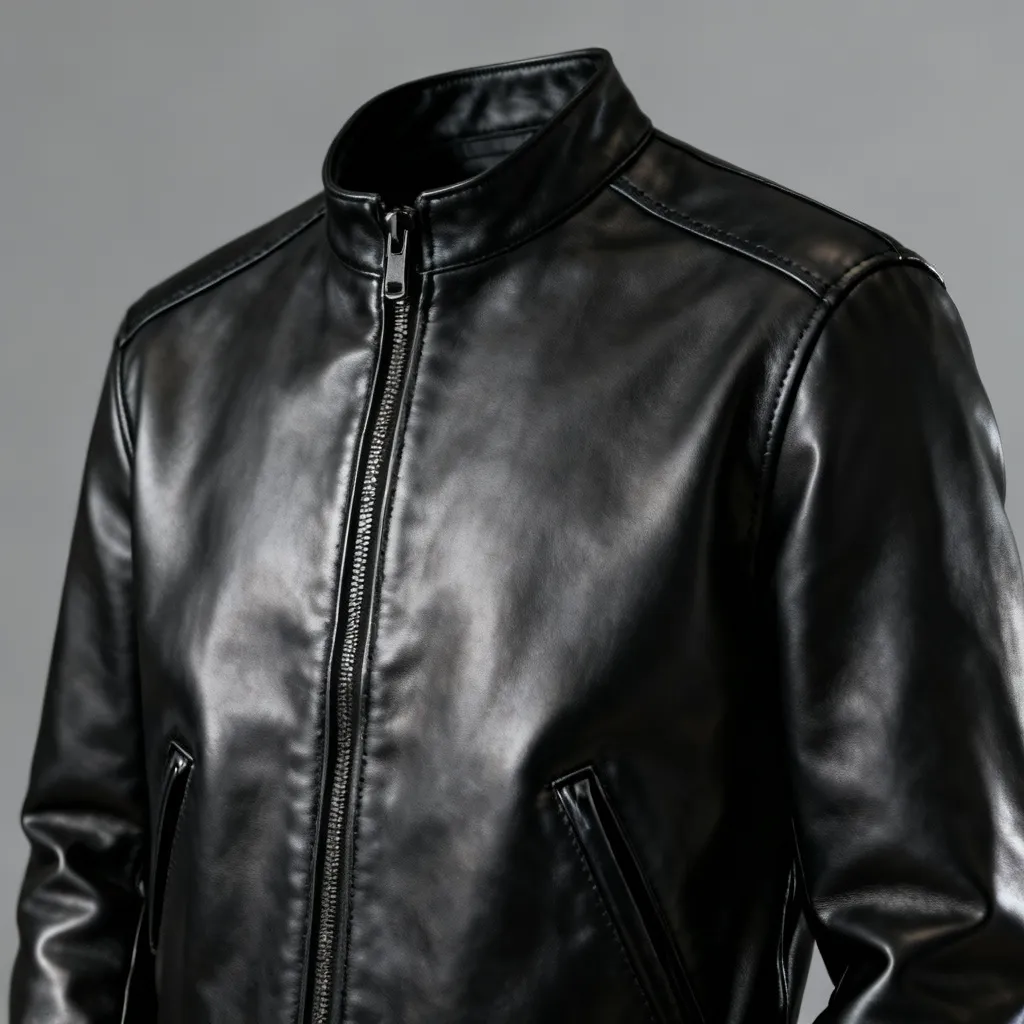
- Conditioning: Apply mink oil or leather balm in small circular motions every season.
- Breathability: Cover with breathable cotton garment bags during the off-season. Never store leather in plastic, as it traps moisture and causes mold.
Smart Storage & Climate Control
The storage environment affects clothing even when not in use. Humidity and improper lighting are silent garment killers.
- Maintain humidity between 45–55% to prevent mold and fiber weakening.
- Use charcoal bags to neutralize odors naturally.
- Store high-end knits in vacuum bags only if using oxygen absorbers for seasonal protection.
Conclusion
Caring for winter clothing is about consistency and understanding the unique needs of every fabric. By following these gentle washing, drying, and storage habits, you ensure your wardrobe stays warm and premium for many seasons to come. At Mekong Garment, we prioritize high-quality manufacturing so that with the right care, your favorite pieces remain a staple of your style for years.
Contact Mekong Garment Factory
- VN Phone/WhatsApp/WeChat: +84 947 729 829
- Email: hanh@kimmy.vn

FAQs: How to Care for Your Winter Clothing
In short, How to Care for Your Winter Clothing
Winter clothing does not need frequent washing. Many winter fabrics, such as wool and down, naturally resist dirt and odor. Washing too often can damage fibers, remove natural oils, and reduce warmth. Spot cleaning and airing out clothes between wears is usually enough.
Is it safe to wash winter clothes at home, or should I always use dry cleaning?

Many winter garments can be safely washed at home if done gently. Down jackets, sweaters, and denim often respond well to cold water and mild detergents. Dry cleaning should be reserved for structured coats, heavy wool, or items with special linings. Always check the care label before deciding.
Why do winter clothes lose shape over time?
Loss of shape usually comes from heat, hanging, or improper drying. Sweaters stretch when hung, and high heat weakens fibers. Repeated stress slowly changes the fabric structure. Proper drying and storage help clothes keep their original fit.
How can I remove odors without washing winter garments?
Airing clothes outside on a dry day is one of the easiest solutions. Freezing items like denim or sweaters can also kill odor-causing bacteria. Light steaming refreshes fabrics without soaking them. These methods reduce the need for frequent washing.
What is the best way to store winter clothing during warmer months?
Winter clothing should always be clean before storage. Dirt attracts insects and causes stains to set. Use breathable garment bags, avoid plastic covers, and keep storage areas cool and dry. Adding cedar or lavender helps prevent moth damage.
Why is drying more important than washing for winter fabrics?
Many winter fabrics are most damaged during drying. Heat can shrink wool, flatten down, and crack leather. Slow drying at low temperatures protects fibers and structure. Proper drying helps clothes last much longer.
Can I use regular detergent for winter clothes?
Regular detergent is often too harsh for winter fabrics. It can strip oils from down, wool, and leather. Specialized detergents are gentler and rinse out more easily. Using the right detergent preserves softness and warmth.
How do I prevent pilling on sweaters?
Pilling happens when fibers rub against each other. Washing sweaters inside out and using gentle cycles helps reduce friction. Avoid wearing heavy bags over sweaters. Removing pills early with a fabric comb keeps sweaters looking new.