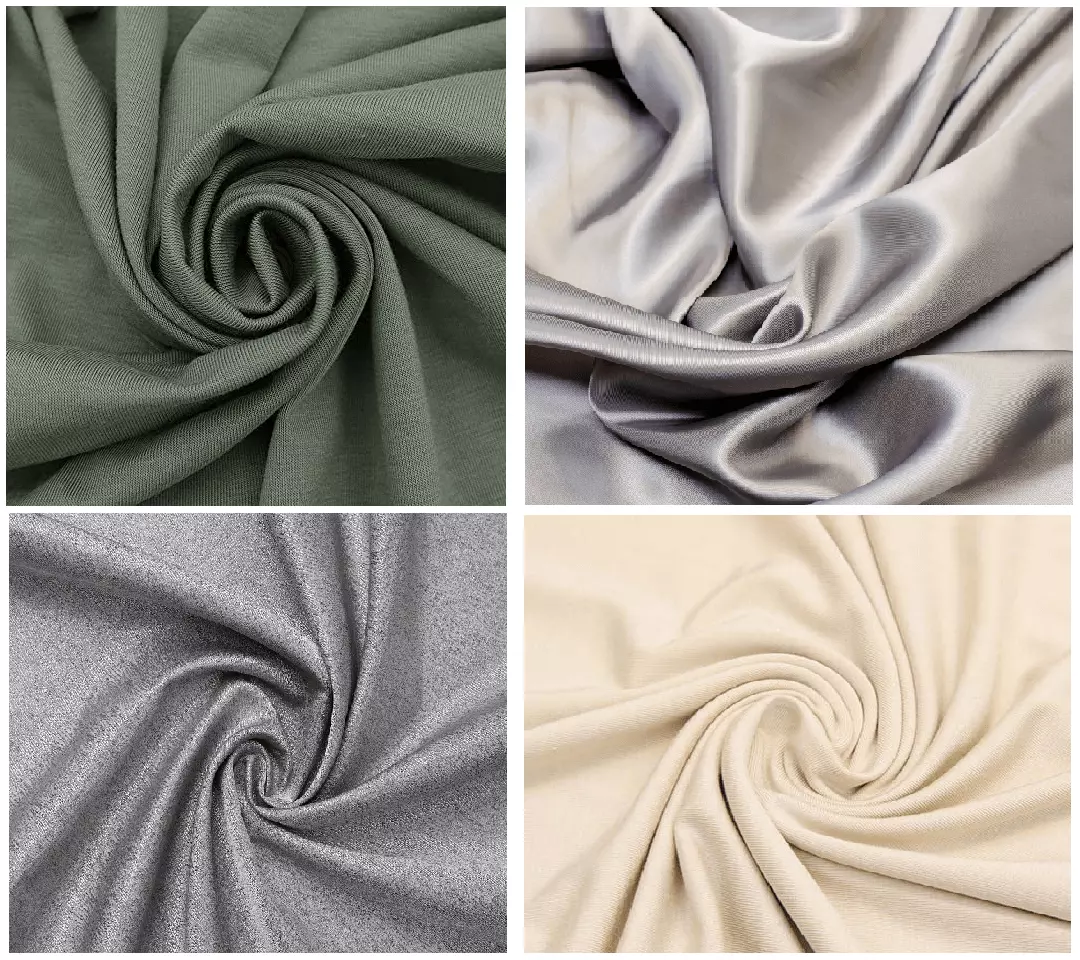

Modal fabric is loved for its soft feel, lightweight nature, and smooth drape. Derived from natural wood pulp but engineered to be stronger and more durable than regular rayon, it offers a perfect balance of comfort and practicality for everyday wear. This guide explores what modal fabric is, its production process, and why it has become a premier choice in modern fashion and textiles.
=> Related Article: Viscose Fabric: How It’s Made, How It Feels, and Why It’s Everywhere
What Is Modal Fabric?
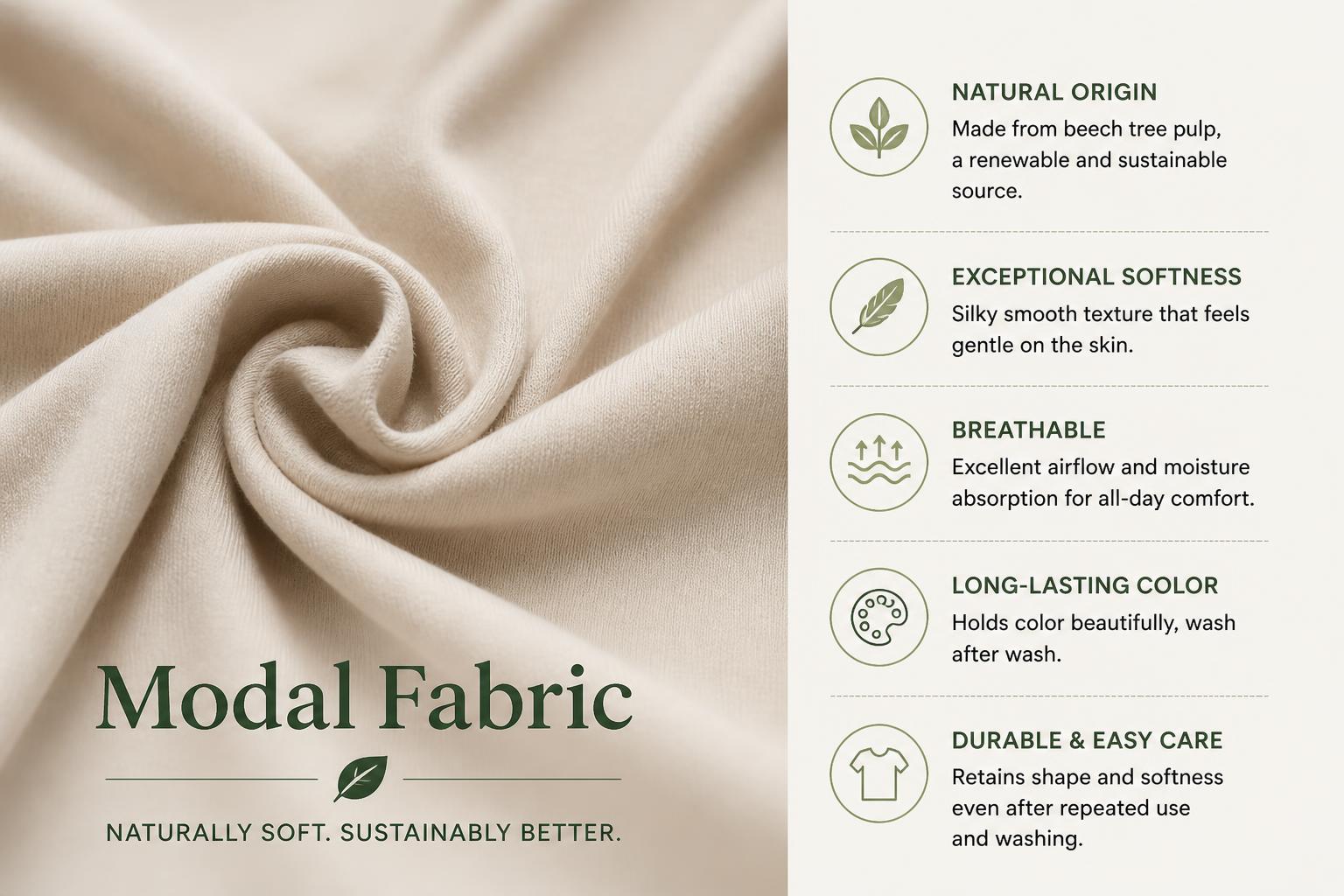
Modal is a regenerated cellulose fiber manufactured from cellulose obtained from wood pulp. Beech wood is commonly associated with modal production, particularly with some well-known commercial modal programs, but buyers should verify the actual fiber source and supplier documentation rather than assuming every modal fiber comes from exactly the same forest or tree species. The cellulose is converted into a spinnable solution and then regenerated into fibers.
=> Related Article: 100% Cotton Fabric: Benefits, Drawbacks, and Common Uses (Pure Cotton Yarn, Naturally Soft)
These fibers can then be:
- Spun into yarn
- Knitted
- Woven
- Dyed
- Finished
- Blended with other fibers
such as cotton, elastane, or polyester.
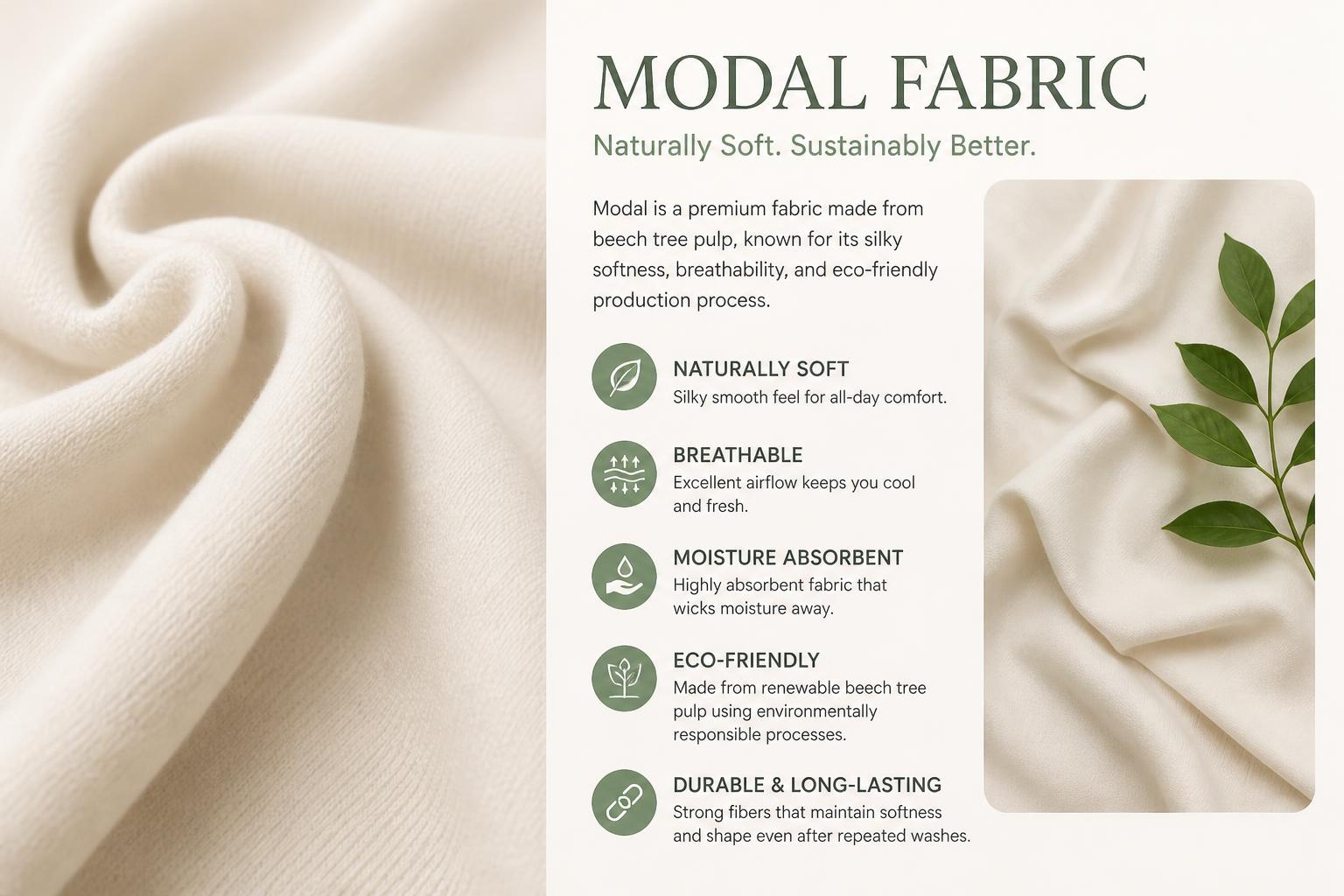
Modal is a soft, smooth semi-synthetic textile made from the cellulose of beech trees. While it begins as a natural material, it undergoes a specialized chemical process to transform fibers into a strong, silky yarn. This engineering allows modal to sit comfortably between natural and synthetic fabrics, offering a luxurious look with high-performance durability.
Key Traits of Modal Fabric
- Softness and Comfort: Modal is famous for being gentle on the skin. Its smooth surface makes it ideal for garments worn close to the body, such as underwear and sleepwear.
- Breathability: It allows air to circulate freely and absorbs moisture 50% more effectively than cotton, keeping the wearer cool and dry.
- Durability: Unlike standard viscose, modal resists shrinking, fading, and pilling. It maintains its shape even after frequent washing.
- Eco-Friendly Potential: Beech trees require significantly less water than cotton. When produced in closed-loop systems, chemicals are captured and reused, minimizing environmental impact.
=> Related Article: What Is Denim Fabric? Types of Denim Fabrics and Their Pros and Cons
How Modal Fabric Is Made
The transition from beech wood to high-quality fabric involves several technical stages designed to strengthen the fibers:
- Harvesting: Beech wood is harvested and processed to extract pure cellulose.
- Dissolving: The cellulose is treated with chemicals like sodium hydroxide to create a spinning solution.
- Spinning: This solution is forced through a spinneret to create long fibers, which are then washed and spun into yarn.
A simplified production flow is: Wood Source → Cellulose Pulp → Chemical Processing → Spinning Solution → Fiber Regeneration → Washing → Drying → Fiber → Yarn → Fabric. Because of this chemical transformation, modal is classified as semi-synthetic, offering better shape retention than 100% natural rayon.
=> Related Article: Linen Fabric Types by Weave: Everything You Need to Know
Modal Is Not a Natural Fiber in the Same Sense as Cotton
Cotton grows as a usable textile fiber around a seed. Modal does not. Wood first needs to be processed into cellulose pulp, and that cellulose then needs to be chemically converted and regenerated into textile fiber. Therefore:
- Cotton = Natural Staple Fiber
- Modal = Regenerated Cellulosic Fiber
This distinction is important when discussing fiber classification and sustainability.
=> Related Article: Different Types of Linen Fabric: Pros & Cons and Their Uses
Is Modal the Same as Rayon?
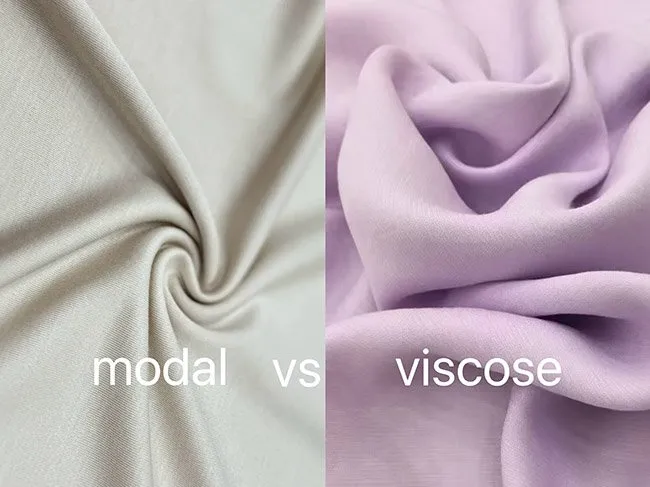
Modal belongs to the broader rayon or regenerated-cellulose family, but it should not simply be treated as identical to every conventional viscose rayon. Modal was developed to provide improved dimensional and wet-performance characteristics compared with many traditional viscose fibers.
The actual performance still depends on:
- Fiber grade
- Yarn
- Fabric construction
- Finishing
- Supplier
A high-quality conventional viscose fabric can outperform a poorly engineered modal fabric in some areas. So the label “modal” alone should not be used as a complete quality guarantee.
=> Related Article: Fabric Consumption Calculation for Woven Shirt
Pros and Cons of Modal Fabric
| Advantages (Pros) | Limitations (Cons) |
|---|---|
| Luxuriously soft and silky hand-feel. | Higher production cost than cotton or polyester. |
| Excellent moisture-wicking properties. | Requires chemical processing (sustainability varies). |
| High resistance to pilling and fading. | Can be prone to stretching if not blended correctly. |
Main Advantages of Modal Fabric
Modal offers several useful advantages for apparel.
- Soft and Comfortable: This is arguably its strongest selling point. Modal works particularly well when the garment needs direct skin comfort. Common examples include: Underwear, Sleepwear, Loungewear, Soft T-shirts
- Attractive Drape: Modal can create an elegant, flowing appearance. This makes it useful for: Dresses, Tops, Relaxed trousers, Fashion basics
- Good Moisture Absorption: Modal’s regenerated cellulose structure can provide good moisture absorption. This can improve perceived comfort in everyday wear.
- Smooth Appearance: Modal fabrics can create a clean, smooth surface. This works well for minimalist styles and premium basics.
- Good Blending Potential: Modal blends well with other fibers. Common partners include: Cotton, Elastane, Polyester, Wool, Other regenerated cellulose fibers. Blending allows fabric developers to adjust: Stretch, Stability, Cost, Strength, Hand feel
- Good Choice for Next-to-Skin Products: Modal is particularly suitable when softness matters more than rigid structure. That includes: Underwear, Sleepwear, Base layers, Soft casualwear.
=> Related Article: 12 Common Fabric Types for Making T-Shirts: Advantages and Disadvantages
Main Disadvantages of Modal Fabric
Modal also has limitations that brands should understand.
- Higher Cost Than Some Basic Fibers – Modal may cost more than: Basic polyester, Some conventional viscose, Some commodity cotton fabrics
- Actual pricing depends on: Fiber supplier, Yarn, Blend, GSM, Quantity, Finish, Market conditions. It is not possible to say modal is always more expensive than cotton because raw-material and sourcing prices change.
- Can Be Too Drapey for Structured Garments – Modal’s fluid character is an advantage for soft clothing. But it can become a disadvantage when a garment needs: Firm shape, Crisp structure, Heavy-duty performance Fabric developers may need a blend or different construction.
- Can Pill: As discussed earlier, modal is not automatically anti-pilling. Low-quality modal jersey can develop visible surface pills after repeated abrasion.
- Can Shrink or Distort – Poor production control can result in: Shrinkage, Spirality, Twisting, Length change, Width change. This is particularly important in lightweight knits.
- Wet Handling Needs Attention: Regenerated cellulose fabrics can behave differently when wet. The exact wet strength and dimensional response depend on fiber type, yarn, and fabric. Factories should avoid assuming that all modal fabrics can be processed exactly like polyester or cotton.
- Chemical Processing Is Required: Modal starts from plant cellulose, but significant chemical processing is required to manufacture the fiber. Therefore, environmental claims need to consider the manufacturing process, not only the biological source of the raw material.
=> Related Article: 12 Fabric Choices for Chic and Elegant Abayas
Modal vs. Other Fabrics
| Fabric | Feel | Breathability | Durability | Eco-Impact |
|---|---|---|---|---|
| Modal | Silky | Excellent | Strong | Moderate-High |
| Cotton | Soft | Good | Good | Varies |
| Rayon | Smooth | Good | Lower | Lower |
| Lyocell | Very Soft | Excellent | High | High |
Common Uses of Modal
Due to its versatility, modal is a staple in both casual and premium sectors:
- Intimates: High-end underwear, bras, and undershirts.
- Activewear: Yoga pants and breathable gym tees.
- Sleepwear: Lightweight pajamas and robes.
- Home Textiles: Premium bedsheets and pillowcases.
- Blends: Frequently mixed with Spandex for stretch or Cotton for added structure.
=> Related Article: 100% Cotton Fabric: Benefits, Drawbacks, and Common Uses (Pure Cotton Yarn, Naturally Soft)
Conclusion / Final Words
Modal fabric represents the intersection of nature and modern textile innovation. Its ability to stay soft and vibrant over time makes it a smart investment for both brands and consumers. As the industry moves toward more sustainable materials, modal—especially when sourced from certified producers—earns its place as a reliable, high-performance textile. At Mekong Garment, we specialize in sourcing and manufacturing premium modal garments that meet the highest standards of comfort and durability.