Lead in Clothes (Fast Fashion): Is It Real and Should You Worry?

The idea of finding lead in clothing sounds strange. We normally think of lead as a problem linked to old paint, contaminated soil, batteries, or industrial pollution — not something we wear every day. But lead and other unwanted chemicals can sometimes be found in textiles. This does not mean that every T-shirt, jacket, or pair of jeans contains dangerous levels of lead. Most clothing is not automatically unsafe. However, chemical contamination has been found in some garments, especially products made with poorly controlled dyes, pigments, prints, coatings, or finishing treatments.
- So, is lead in clothes real? Yes.
- Should you panic? No.
What matters is understanding where the risk comes from, how serious it may be, and how consumers and clothing brands can reduce unnecessary exposure.
Can Clothes May Be Contain Lead?
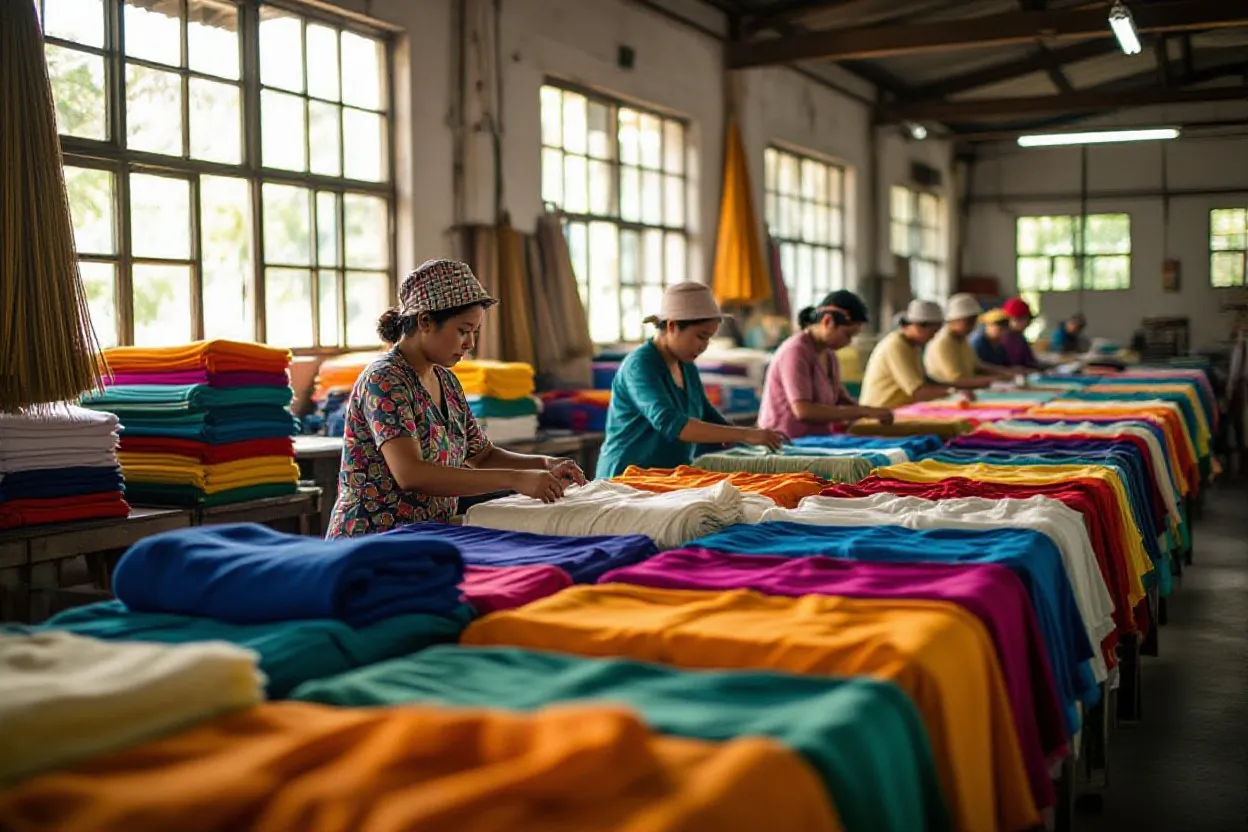
Yes. Small amounts of lead can enter textiles during different stages of manufacturing. Clothing production involves much more than simply turning yarn into fabric. Fabrics may be dyed, printed, softened, coated, washed, treated for wrinkle resistance, or given special finishes. Each of these processes can involve chemicals.

Lead contamination may come from:
- Certain pigments and dyes
- Printed graphics or decorative coatings
- Metal accessories
- Low-quality finishing chemicals
- Contaminated raw materials
- Poorly controlled manufacturing processes
Lead may also appear alongside other substances of concern, including cadmium, chromium, formaldehyde, phthalates, PFAS, and restricted azo dyes. The risk is usually higher when chemical controls, supplier testing, and regulatory oversight are weak.
Why Would Lead Be Used in Clothing?
Lead is generally not added because manufacturers want lead in the finished garment. Instead, it may be present as part of a pigment, chemical mixture, coating, accessory, or contaminated raw material. Bright colors and printed designs are areas that often receive attention during chemical testing because pigments and printing compounds can contain metals or other restricted substances if poor-quality materials are used. Decorative parts can also be a concern.


For example, buttons, zippers, painted accessories, plastic prints, and metallic decorations may contain substances that are not present in the fabric itself. This is why responsible garment manufacturers do not look only at the fabric. Every material used in a garment should be considered when managing chemical safety.
- Heavy metals such as lead, chromium, copper, cadmium, and others can be used in textile manufacturing. They may be part of dyes, pigments, mordants (chemicals used to fix dyes on fabric), as well as other treatments such as flame-resistance, water- or stain-proofing, or anti-odor finishing.
- According to a recent overview of chemical risks in fashion, textiles can absorb or retain toxic substances during manufacturing, especially when regulations are weak or poorly enforced for example in fast-fashion supply chains or in countries with lax chemical controls.
- As noted by advocacy groups, dyes and finishing chemicals sometimes include lead-based compounds particularly for vibrant colors or special finishing effects.
What Studies Reveal About Lead in Fast Fashion
Recent research highlights the scale of the issue, particularly in unregulated supply chains:
- Elevated Concentrations: A 2022 study found lead levels up to 3.4 mg/kg in certain red and blue T-shirts, exceeding the safety limits set by the Oeko-Tex Standard 100.
- Chemical Sampling: In 2025, samplings of items from major online fast-fashion retailers showed that 15–25% of tested garments contained elevated levels of lead, phthalates, or PFAS.
- Exposure Routes: Experts warn that these toxins can enter the body through skin contact, inhalation of fiber dust, or environmental exposure when chemicals leach into water systems during washing.
While not all clothes are contaminated, lead residues are a documented risk in the low-cost apparel sector.

Health Risks of Lead in Clothing
Lead is dangerous even in small amounts, especially when exposure builds up over time. Clothes that contain lead may release it through skin contact, sweat, or dust. Children and pregnant women are especially vulnerable. Knowing the risks helps us understand why safer textiles matter.
- Lead is a well known toxic heavy metal. It can harm the brain and nervous system, especially in children; lead exposure has been tied to reduced cognitive function, attention issues, and developmental delays.
- Lead also accumulates in the body (in bone, tissue), which means repeated or prolonged exposure — even in small amounts over time can be dangerous.
- Besides lead, clothing may carry other hazardous substances: phthalates (used in plastics and finishing), PFAS (water/stain repellent coatings), azo dyes (some of which may release carcinogenic amines), formaldehyde (from wrinkle- or mold-resistant finishing) all of which have raised concerns for skin irritation, allergies, endocrine disruption, and long-term health effects.
- The environmental impact is also considerable. Chemical-heavy textile production pollutes water, releases toxins into the environment, and burdens ecosystems especially in countries where wastewater treatment is weak.
=> Related Article: How to Start a Garments Business and Sell More Clothes


Lead Is Not the Only Chemical to Watchout in Fast Fashion
Lead receives plenty of attention, but it is only one part of textile chemical safety. Modern garments may contain many different chemical treatments.
- Phthalates: Phthalates are commonly associated with flexible plastics and certain printed materials. Some phthalates are restricted because of concerns about their effects on hormones and human health. They may be more relevant in clothing with large plastic prints, artificial leather, or flexible plastic components.
- PFAS: PFAS are a large group of chemicals known for their resistance to water, oil, and stains. They have historically been used in some performance clothing, outdoor garments, and water-repellent finishes. Because many PFAS break down very slowly, regulators and brands are increasingly looking for alternatives.
- Formaldehyde: Formaldehyde can be associated with some textile finishing processes, including treatments intended to reduce wrinkles or improve dimensional stability. High residual levels may irritate sensitive skin.
- Restricted Azo Dyes: Some azo dyes can break down into aromatic amines that are restricted under textile regulations. This does not mean all azo dyes are dangerous. The concern relates to specific chemicals and specific breakdown products.

How Can I Reduce The Risk?
The good news is that we can take simple steps to lower our exposure to harmful chemicals in clothes. Safer choices, better washing habits, and awareness of textile certifications make a big difference. Both consumers and manufacturers play a role in improving safety. With small changes, healthier fashion becomes completely achievable. If you want to reduce your exposure and make safer choices, here are practical actions:
- Prefer clothes certified by safety or eco-textile standards (like Oeko-Tex Standard 100, or other recognized textile safety certifications). These standards limit heavy metals, formaldehyde, and other hazardous residues.
- Choose natural materials (organic cotton, linen, hemp, wool) and avoid overly bright, cheap synthetic garments from unknown or unregulated supply chains (often typical of ultra-fast fashion).
- Wash new clothes ideally before first wear using a full wash cycle, if possible with a detergent, to help remove surface residues. Some studies show washing can remove a large portion of lead from fabrics.
- Support brands and retailers with transparent manufacturing practices, and advocate for stronger regulation of chemicals in textiles. Consumer demand matters.
- For sensitive populations children, pregnant women be especially cautious about cheap “fast fashion,” vintage items of unknown origin, or clothes with bright synthetic dyes or heavy embellishments.

Can Washing New Clothes Remove Lead?
Washing new clothes before wearing them is still a sensible habit. It may help remove:
- Loose dyes
- Dust
- Manufacturing residues
- Finishing chemicals on the surface
- Dirt from handling and transport
However, washing should not be treated as a guaranteed method for making chemically unsafe clothing safe. If lead or another restricted substance is chemically bound inside a pigment, print, coating, or accessory, normal washing may not remove it completely. So washing is useful, but good manufacturing controls must come first. Consumers should not be expected to fix unsafe products in their washing machines.


Conclusion / Final Words
Yes, lead can be present in clothes, but the real question is whether enough lead can become available to create meaningful exposure.
This is why responsible apparel manufacturing relies on chemical-management systems rather than assumptions. Testing appropriate components, controlling suppliers, following destination-market regulations, and using recognized textile-safety standards provide much stronger protection than simply choosing “natural” fabric or avoiding a particular fashion category.
For consumers, there is no need to fear ordinary clothing. The more useful approach is to understand where chemical risks can occur and support products made under transparent, well-controlled manufacturing systems.
FAQs About Lead in Clothes
Can lead really be found in clothing?
Yes. Lead has been detected in some textiles, pigments, prints, coatings, and garment accessories. However, its presence and concentration vary widely between products.
Does all fast fashion contain lead?
No. Fast-fashion clothing should not automatically be considered contaminated. The risk depends on materials, chemicals, suppliers, manufacturing controls, testing, and regulatory compliance.
Can washing clothes remove lead?
Washing may remove some loose surface residues, but it cannot guarantee the removal of lead that is contained within pigments, coatings, prints, or other materials.
Are natural fabrics safer than synthetic fabrics?
Not necessarily. Cotton, linen, wool, polyester, and other fibers can all undergo dyeing and finishing processes. Chemical safety depends heavily on how the textile is processed, not simply whether the fiber is natural or synthetic.
What clothing certifications should consumers look for?
OEKO-TEX Standard 100 is one well-known certification related to testing textile products for harmful substances. Other standards may address organic materials, responsible chemical use, sustainability, or environmental management.
Should I wash new clothes before wearing them?
Yes. Washing new clothes before first wear can help remove dust, loose dyes, and some surface residues from manufacturing, storage, and transportation.
Are brightly colored clothes more dangerous?
Not necessarily. Bright colors alone do not prove that harmful chemicals are present. What matters is the type and quality of pigments, dyes, printing chemicals, and manufacturing controls used.
Who is responsible for keeping harmful chemicals out of clothing?
Responsibility is shared across the supply chain, including chemical suppliers, textile mills, garment factories, brands, retailers, testing laboratories, and regulators. Strong chemical management should begin long before a garment reaches the consumer.