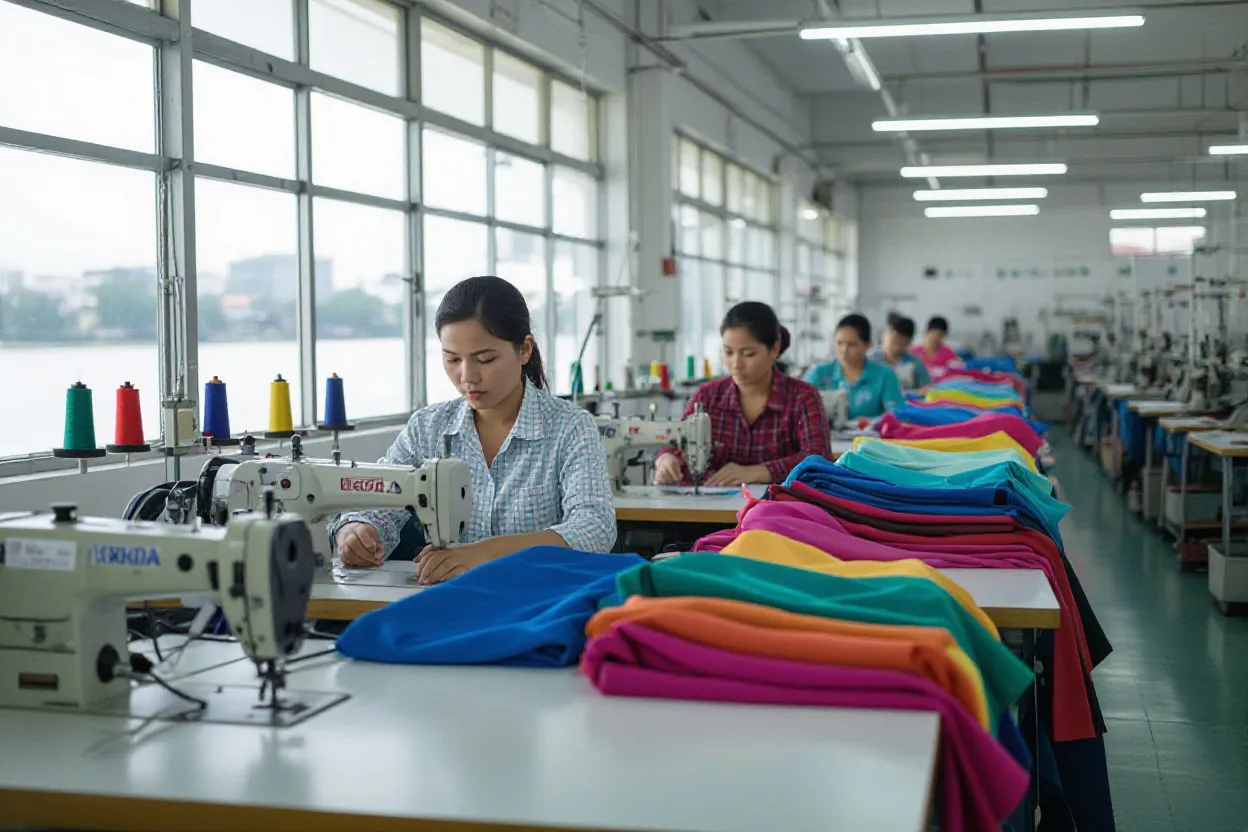
How to Find A GOOD Vietnam Clothing Manufacturers for Startups (Simple Guide for 2026)

Starting a clothing brand is more popular than ever. By 2026, the global apparel market is expected to reach $77.6 billion, offering huge growth opportunities for new players. However, your success depends on one critical decision: finding a reliable clothing manufacturer for your startup. This guide breaks down how to navigate the Vietnam manufacturing landscape, what to ask, and how to choose a partner that helps you scale.
What Are Vietnam Custom Clothing Manufacturers?
A custom clothing manufacturer is a partner that produces garments based on your specific designs and technical requirements. They handle everything from pattern-making and fabric sourcing to cutting, sewing, and final packaging.

Vietnam has developed a large apparel-manufacturing ecosystem covering many product categories, including:
- T-shirts
- Polo shirts
- Shirts
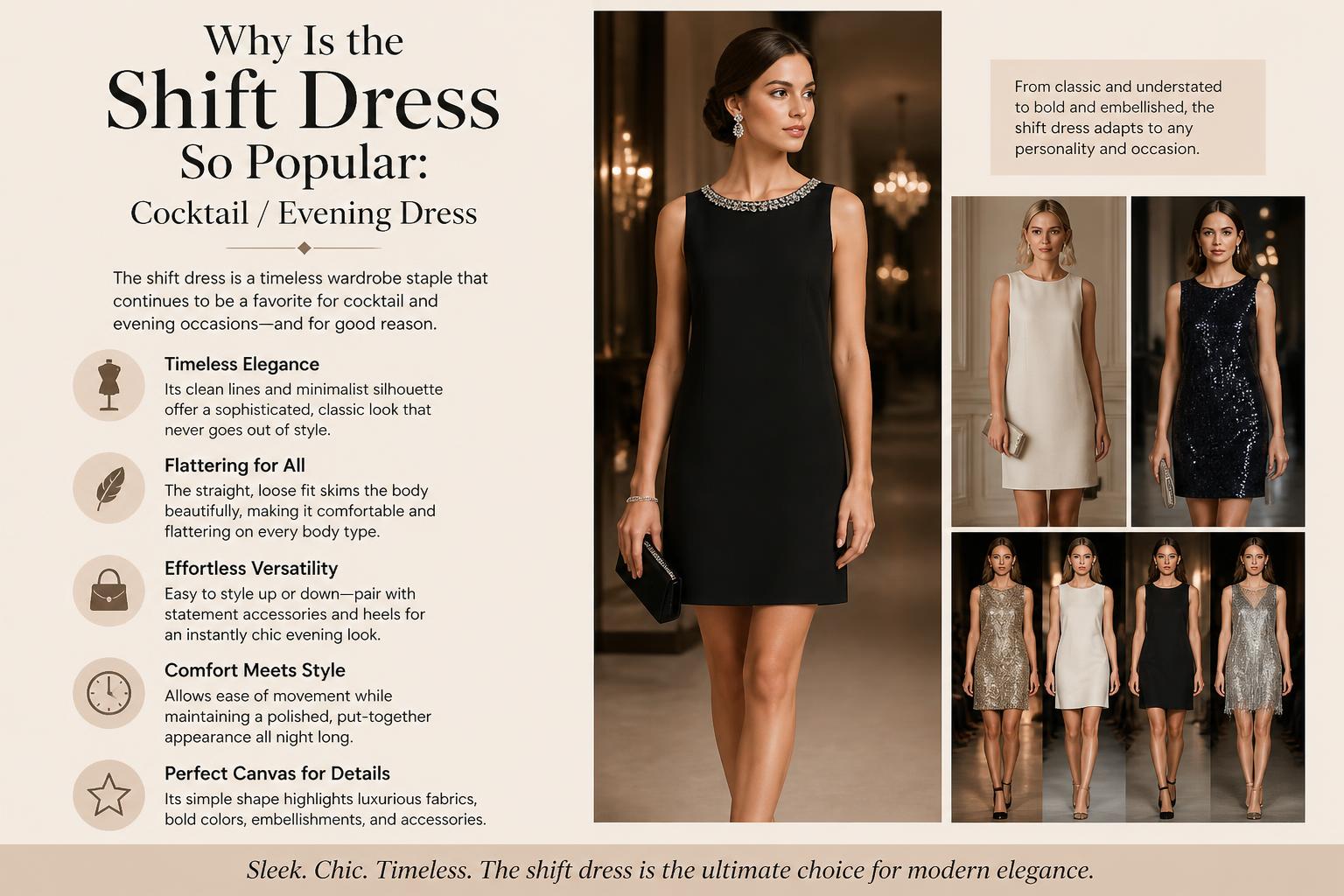
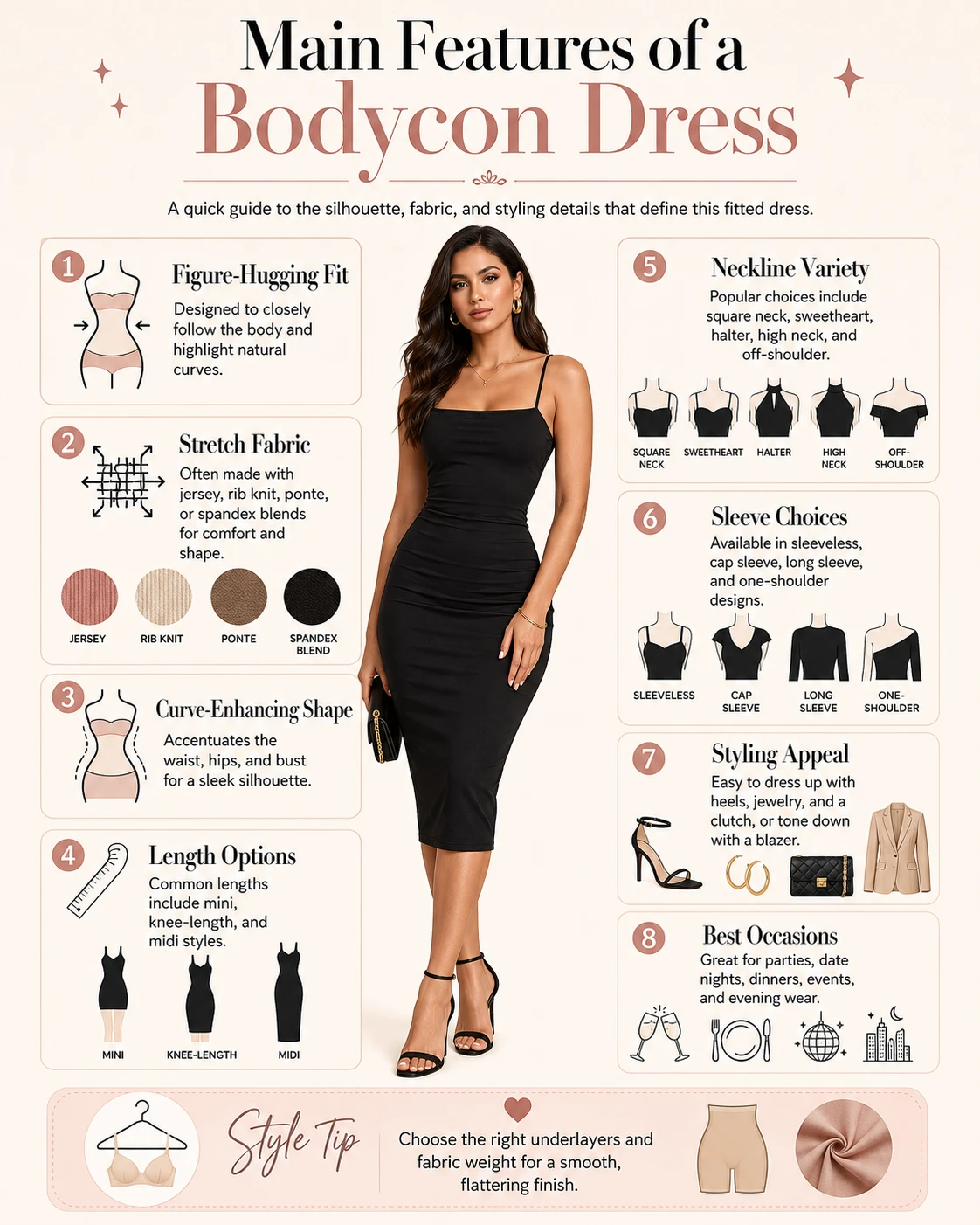
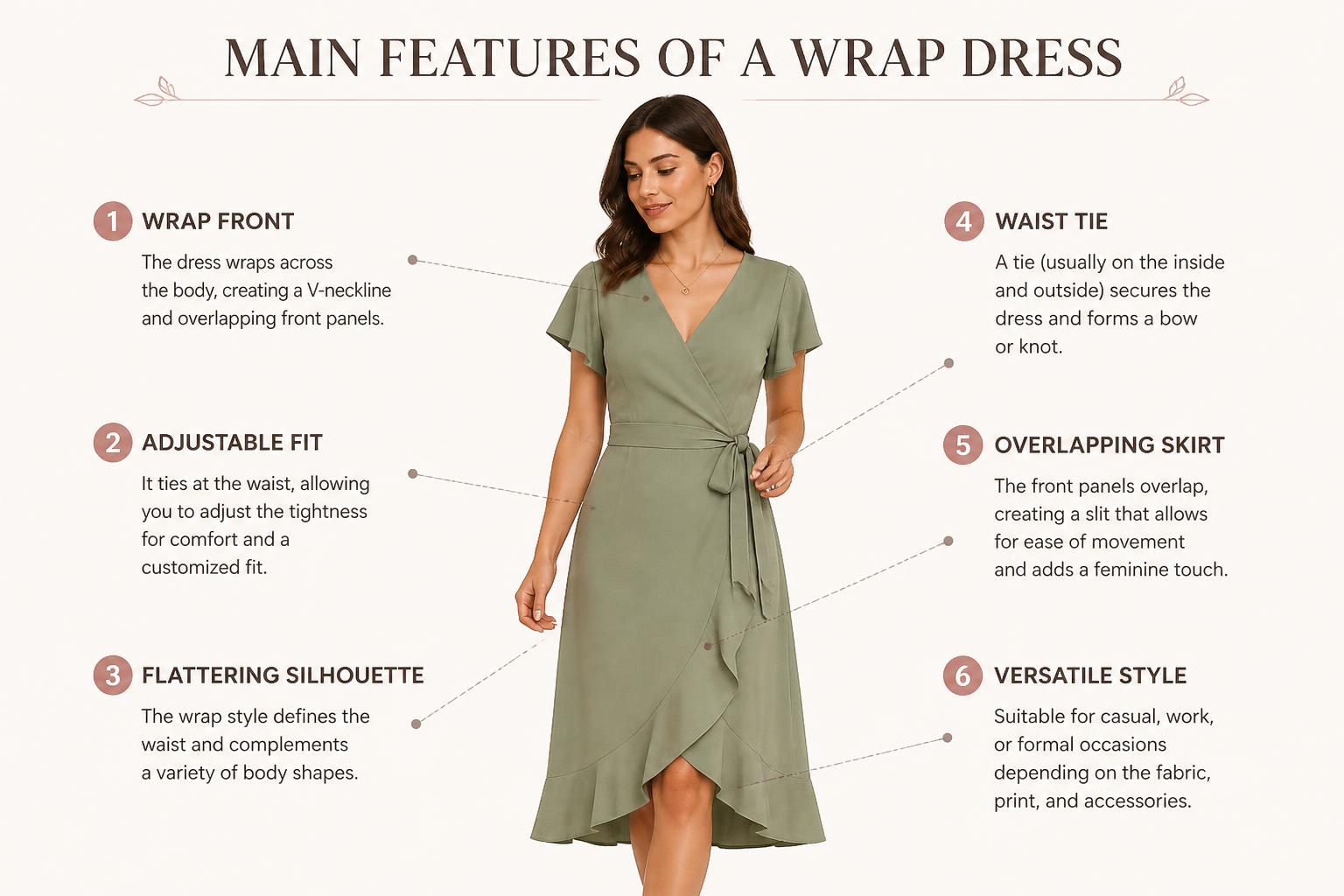
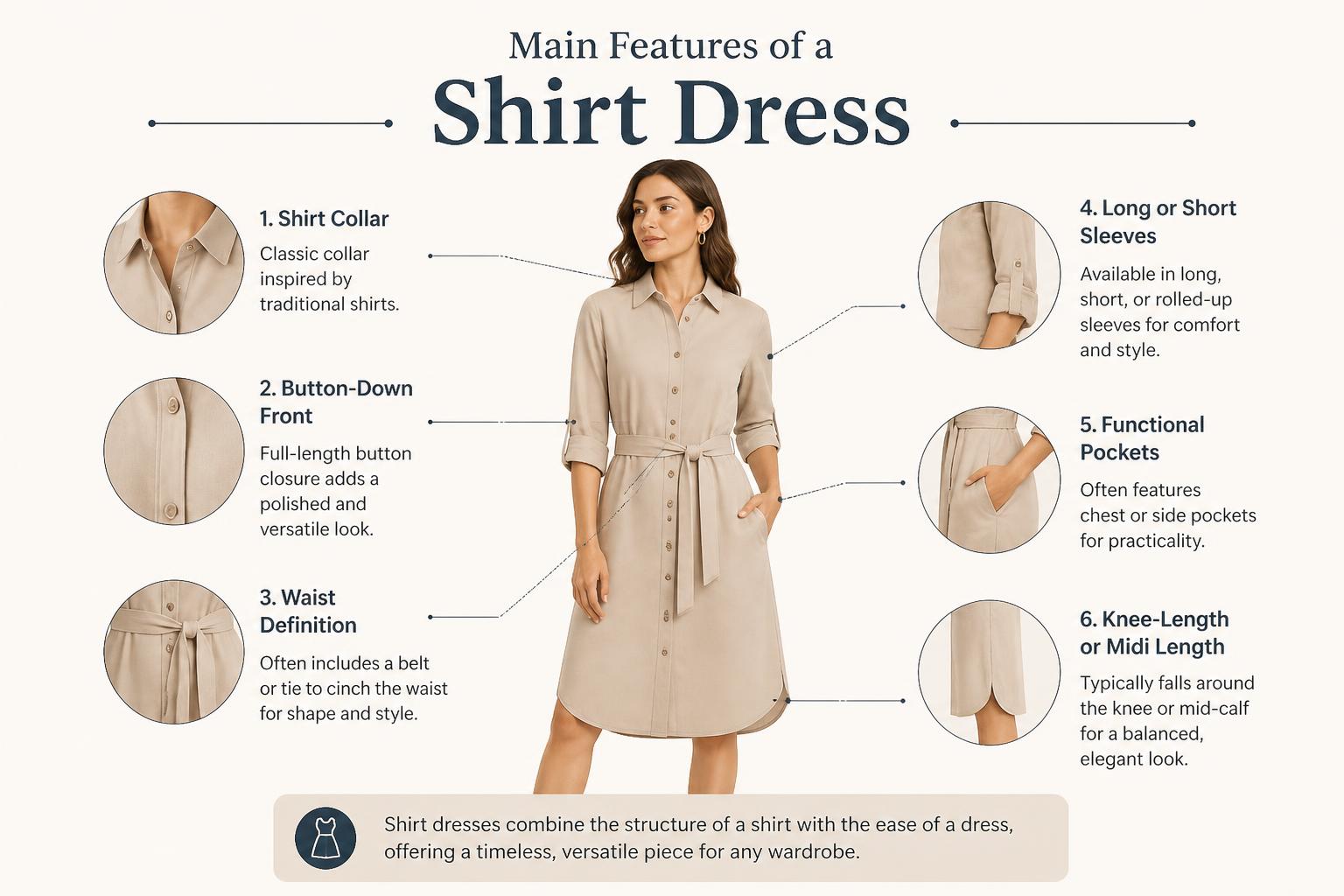
- Dresses
- Trousers
- Jackets
- Workwear
- Sportswear
- Uniforms
- Children’s clothing
- Casualwear
- Fashion accessories

The country also has supporting industries involved in:
- Fabric sourcing
- Dyeing and finishing
- Embroidery
- Printing
- Labels
- Buttons
- Zippers
- Packaging
- Testing
- Freight forwarding


This established supply chain is one reason international brands continue to source garments from Vietnam. For startups, however, Vietnam’s biggest advantage is not necessarily finding the cheapest sewing price. The bigger opportunity is finding an experienced manufacturing partner capable of supporting: Development => Sampling => Material Sourcing => Bulk Production => Quality Control => Packing => Export. That support can be more valuable to a young brand than saving a few cents per garment.

Where Can My Startups Find Vietnam Clothing Manufacturers?
Google Search
Instead of searching. Vietnam clothing manufacturer use more specific searches such as:
- Vietnam polo shirt manufacturer
- Vietnam woven shirt factory
- Vietnam clothing manufacturer low MOQ
- Vietnam garment factory for startup brands
- Vietnam OEM sportswear manufacturer
- Vietnam workwear factory
Product-specific searches usually produce better results.

Use LinkedIn to Research the Company
LinkedIn can help identify:
- Company employees
- Merchandisers
- Sales managers
- Factory managers
- Production managers
- Company history
- Product specialization
A website may say almost anything. Seeing real employees, long-term staff, customer-facing personnel, and consistent company activity can provide another layer of verification. It should not replace proper due diligence, but it can support it.

Use Vietnam Textile Industry Organizations
The Vietnam Textile and Apparel Association (VITAS) is an industry organization representing companies operating across Vietnam’s textile and garment sector. Industry-association resources can help buyers understand the Vietnamese manufacturing landscape and identify companies worth investigating. However, appearing in an association or directory should not automatically be treated as proof that a factory is suitable for your particular product. You still need to evaluate it.
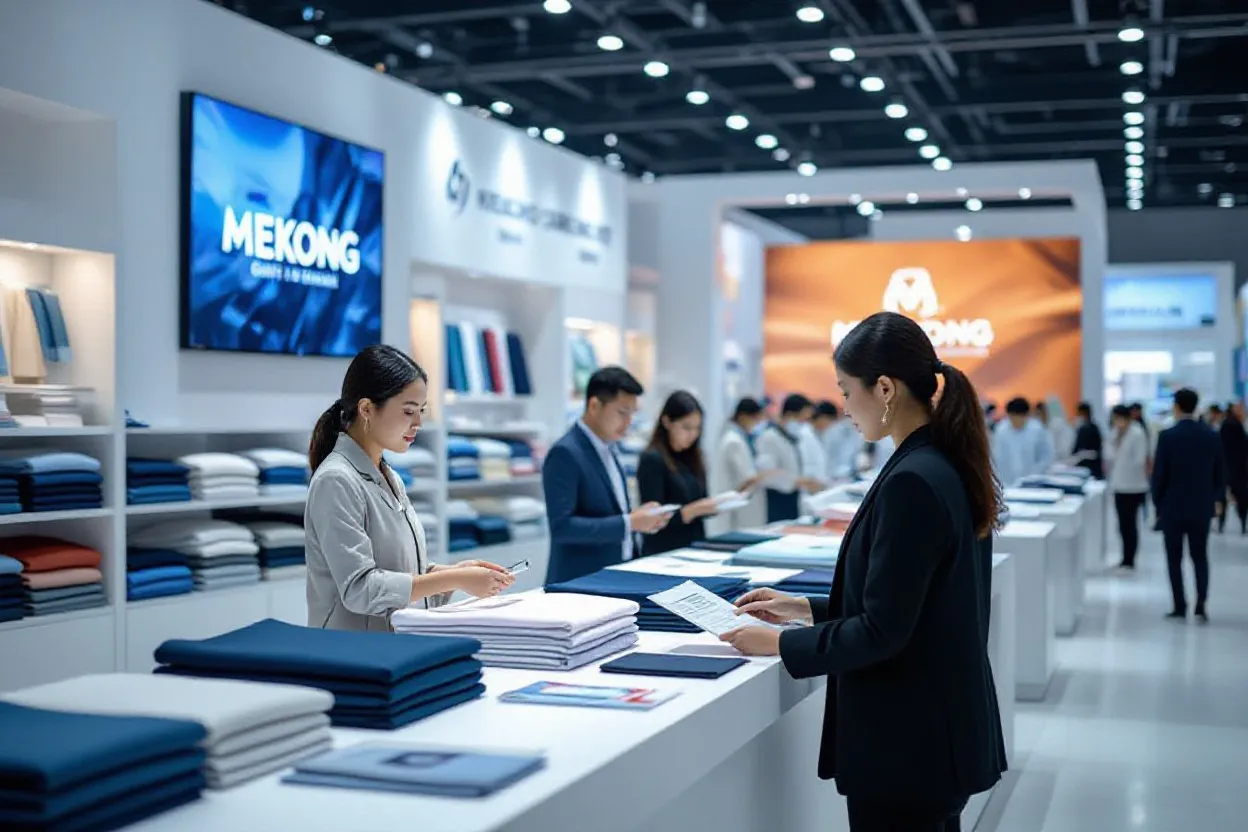
Attend Textile and Apparel Trade Shows
Trade shows can be especially useful because you can speak with suppliers directly and inspect real products. Events such as the Vietnam International Trade Fair for Apparel, Textiles and Textile Technologies (VIATT) bring together garment manufacturers, textile mills, yarn suppliers, technology providers, and other industry companies. For a startup founder, trade shows allow you to compare:
- Fabrics
- Suppliers
- Manufacturers
- Printing
- Embroidery
- Trims
- Technology
within a short period. They can be much more efficient than sending hundreds of cold emails.
Use B2B Directories Carefully
Directories and sourcing marketplaces can also produce leads. But being listed on a marketplace does not automatically mean a company owns a factory. The listing could belong to:
- Manufacturer
- Trading company
- Sourcing company
- Agent
- Wholesaler
None of these models is automatically bad. The problem occurs when you believe you are dealing directly with a factory when you are actually dealing with something else. Ask clearly: “Do you own and operate the production facility?” Then verify the answer.
Ask Other Clothing Brand Owners for Referrals
A genuine referral can be very valuable. Other founders may tell you things that do not appear on a factory website, such as:
- Communication speed
- Sampling accuracy
- Delivery reliability
- Quality consistency
- How problems were handled
But remember that factories change. A positive reference should therefore help your research, not replace it.
Consider a Sourcing Agent When Necessary
A sourcing agent can be helpful if you:
- Cannot visit Vietnam
- Have little production experience
- Need several suppliers
- Need local-language support
- Need factory inspections
- Need material sourcing assistance
But understand how the agent earns money.
Ask whether they charge:
- Fixed fee
- Commission
- Percentage of order value
- Factory-paid commission
- Combination of fees
Transparency is important.
Vietnam Custom Manufacturers: What to Expect
Vietnam is a global hub for apparel due to its skilled workforce and trade advantages like the EVFTA. When working with Vietnamese suppliers, expect bulk production lead times of 30–60 days after sample approval. MOQs typically vary by category: 200–500 units for knits and 300–1,000 units for complex outerwear. Key Success Factors:
- Tech Packs: Essential for accurate price quotes and sample precision.
- Quality Control: Always request AQL inspections and Pre-Production Samples (PPS).
- Logistics: Clarify packaging specs and export documents early to avoid customs delays.

Viet Nam Factory Production Models Explained
- OEM (Original Equipment Manufacturer): Produces exactly according to your tech packs and branding.
- ODM (Original Design Manufacturer): Provides ready-made designs that you can customize and brand.
- FOB (Free On Board): A full-package service where the factory sources all materials and delivers finished goods to the port.
- CMT (Cut-Make-Trim): The factory only handles assembly; you must supply the fabrics and patterns.
| Model | Best For | Buyer Responsibility |
|---|---|---|
| OEM | Full design control. | Detailed Tech Pack. |
| FOB | Ease of management. | Approval of materials. |
| CMT | Cost control on fabrics. | Supplying all raw materials. |
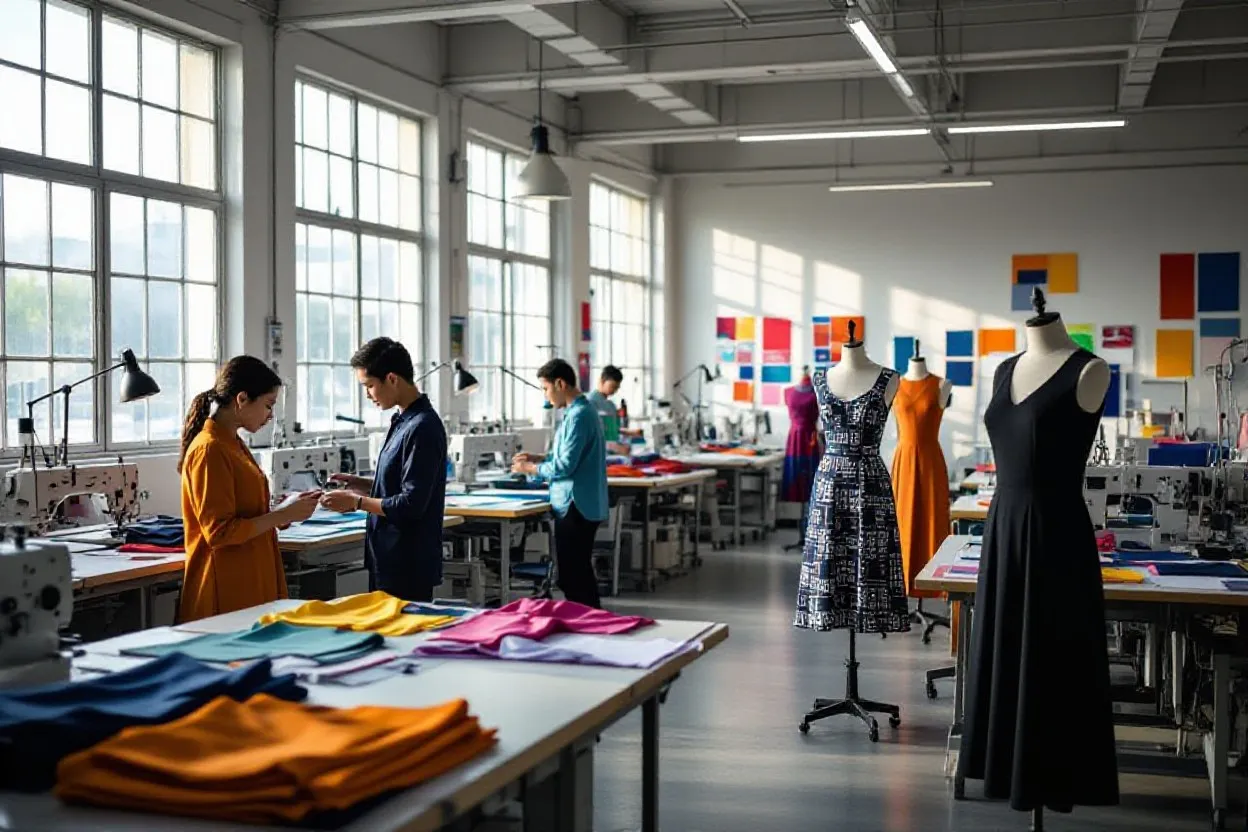
Many startup founders mix together terms such as OEM, ODM, FOB, and CMT. They are related, but they do not all describe the same thing.
OEM – Original Equipment Manufacturing
In apparel, OEM generally means the buyer provides the product concept and specifications, and the manufacturer produces according to those requirements.
The buyer may provide:
- Design
- Tech pack
- Measurements
- Artwork
- Branding requirements
The manufacturer may then support:
- Pattern making
- Sampling
- Material sourcing
- Production
OEM is a common model for brands that want control over their own designs.
ODM – Original Design Manufacturing
With ODM, the supplier already has product designs or development capability that the brand can adapt.
A startup might choose:
- Existing silhouette
- Existing fabric
- Existing construction
and customize:
- Color
- Label
- Embroidery
- Packaging
ODM can reduce development time but normally provides less design exclusivity than fully custom product development.
CMT – Cut, Make and Trim
Under a CMT arrangement, the factory mainly performs garment production. The buyer or another supplier may provide important materials. The factory’s responsibilities can include:
- Cutting
- Sewing
- Finishing
- Basic packing
CMT can work well for experienced buyers who already control their fabric and trim supply chain. For a first-time startup, however, coordinating materials from multiple suppliers can become complicated.
FOB / Full-Package Manufacturing
Under many apparel sourcing arrangements described as FOB or full package, the garment supplier takes broader responsibility for sourcing and producing the order. The factory may manage:
- Fabric
- Trims
- Labels
- Production
- Finishing
- Packing
The exact commercial responsibilities still depend on the purchase agreement and agreed Incoterm. For many startups, a capable full-package supplier can be easier to manage than coordinating fabric mills, trim companies, printers, and sewing factories separately.
Decide What You Need Before Searching for a Factory
One of the biggest sourcing mistakes is contacting manufacturers before the product is defined. Sending a message like: “Hi, I want to start a fashion brand. What is your price?” does not give a manufacturer enough information to quote accurately. Before contacting factories, prepare a basic sourcing brief. At minimum, know:
- Product category
- Men’s, women’s or children’s
- Fabric preference
- Approximate GSM if applicable
- Fiber composition
- Quantity per style
- Number of colors
- Size range
- Printing or embroidery
- Target quality level
- Packaging requirements
- Destination country
- Target delivery period
Ideally, also prepare a tech pack.
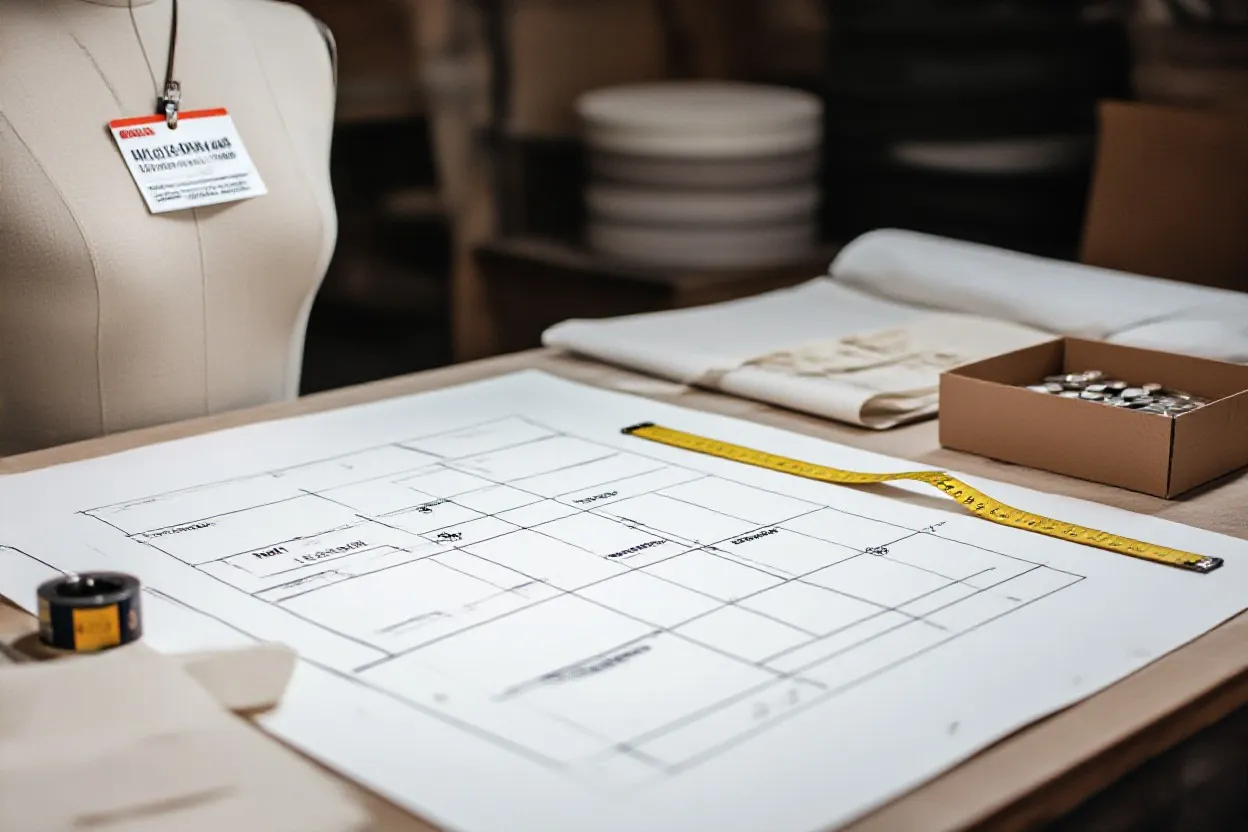
Prepare a Tech Pack Before Asking for a Serious Quote
A tech pack makes communication much easier. Depending on the garment, it may contain:
- Technical drawings
- Front and back views
- Fabric details
- Color information
- Measurement chart
- Measurement tolerances
- Stitching details
- Seam construction
- Artwork
- Label placement
- Trim specifications
- Packing instructions
The better the information, the better the quotation. If three factories quote three different products because your specification was unclear, comparing their prices tells you very little.

Domestic vs. Overseas Manufacturing
Startups often debate between local and overseas production. Each has distinct trade-offs for your 2026 strategy:
| Factor | Domestic (US/EU) | Overseas (Vietnam) |
|---|---|---|
| Unit Cost | High (15-35% more). | Competitive / Low. |
| Lead Time | Fast (1-4 weeks). | Longer (6-12 weeks). |
| MOQ | Flexible (50-200 pcs). | Higher (300-500+ pcs). |
How to Find Startup-Friendly Manufacturers
- Google & LinkedIn: Search for specific terms like “Vietnam clothing factory for startups” or “small batch apparel production.”
- Manufacturer Directories: Use platforms like Manufy or local Vietnam sourcing lists.
- Facebook Communities: Join Shopify and Fashion Entrepreneur groups to ask for honest referrals.
- Trade Shows: Attend events to meet factory representatives face-to-face and see physical samples.

Conclusion / Final Words
Finding the right manufacturing partner is not just about price—it’s about finding a team that understands your vision and can grow with you. Take your time to request samples, compare QC standards, and verify reputations through online reviews. A strong partnership with a Vietnamese factory like Mekong Garment can be your biggest competitive advantage in 2026. Start small, communicate clearly, and build a legacy.
FAQs: Finding Apparel Manufacturers in Vietnam
What should startups prioritize when choosing a Vietnam clothing manufacturer?
Prioritize a manufacturer’s experience with your product category, minimum order quantities (MOQ), quality control processes, lead times, communication skills, and relevant certifications. Request samples, check references and online reviews, and verify their capacity to scale as your brand grows. Consider proximity to ports and logistics partners if you plan regular exports.
How do minimum order quantities (MOQs) work in Vietnam and what can startups expect?
MOQs vary widely-small local workshops may accept 50-200 units per style, while larger factories often require 300-1,000+ units. Ask for proto or pre-production sample options and negotiate gradations or mixed-color orders to lower upfront volume. If MOQ is too high, explore cut-make-trim (CMT) suppliers, pilot runs, or working with a consolidator or sourcing agent who aggregates orders.
What are the most effective ways to find reputable Vietnam manufacturers for startups?
Use targeted Google searches with specific product and service keywords, check manufacturer directories (e.g., Manufy), join industry Facebook groups, attend trade shows and meetups, and ask for referrals from other founders. Evaluate candidates by reviewing samples, factory photos or video tours, customer testimonials, and checking business registration and certifications. Mekong Garment Vietnam can be a reference point for startups seeking a Vietnam-based partner with end-to-end services.
What key questions should I ask when vetting a factory?
Ask about product specialization, MOQ, sample lead times and costs, production lead time for full orders, quality control procedures, capacity, equipment, certifications (ISO, BSCI, OEKO-TEX), payment terms, packaging options, and handling of defects. Request references and recent client examples, and ask for a transparent cost breakdown including fabric sourcing, trims, and additional fees.
How can I evaluate quality and test samples before committing to a large order?
Order multiple sample types: prototype, pre-production, and production-sample (PP sample). Conduct fit sessions, wash and wear tests, trim and seam inspections, and lab tests for fabric performance if needed. Compare workmanship across suppliers, use a grading spec sheet to check sizing consistency, and place a small pilot run to validate processes before scaling.
What lead times and shipping considerations should startups plan for when manufacturing in Vietnam?
Typical sample lead times are 1-4 weeks; production lead times range from 4-12+ weeks depending on order size and season. Account for peak season delays (e.g., before holidays), fabric lead times, and customs clearance. Choose air freight for faster delivery at higher cost or sea freight for bulk shipments; define Incoterms up front and build buffer time into your launch schedule.
How can a startup protect intellectual property and ensure secure contracts with Vietnamese manufacturers?
Use NDAs and design registration where possible, include clear IP and confidentiality clauses in contracts, and define inspection, defect, and penalty terms. Limit sharing of full tech packs initially, split production across suppliers if necessary, and arrange staged payments (deposit + balance after inspection). Work with reputable factories, request factory audits or third-party inspections, and consult legal counsel for enforceable agreements.