Garment Industry: Confident in the Future of Vietnam EU Relations

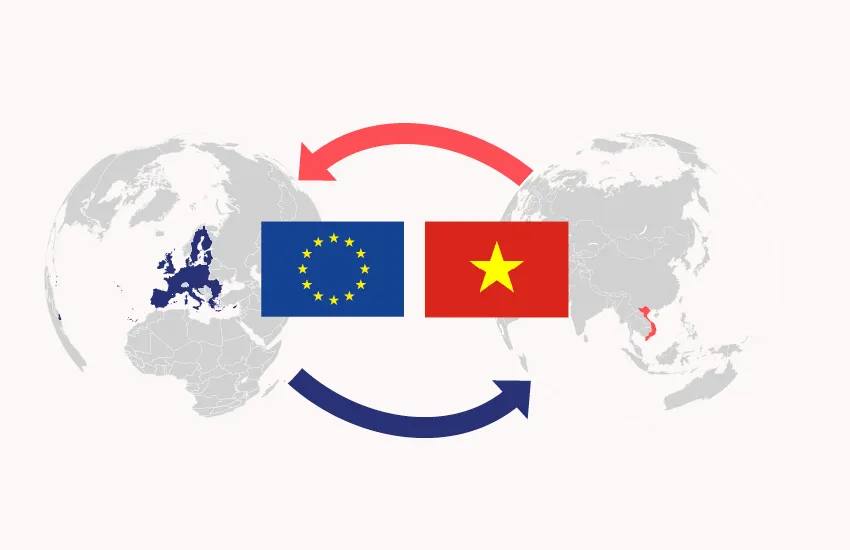
As Vietnam and the European Union (EU) celebrate 35 years of diplomatic ties, the outlook for the garment and textile sector has never been brighter. This relationship, built over decades of trust, is now entering a phase of deeper strategic cooperation. For Vietnam’s apparel manufacturers, this partnership brings immense opportunities in market access, high-tech investment, and long-term sustainable growth.
Strong Political Ties: A Predictable Trade Environment
Through close coordination at ASEAN–EU forums and international security dialogues, both sides have built a foundation of mutual trust and stability. For the apparel industry, this political synergy translates into a reliable, long-term export market with fewer trade disruptions and better cooperation on customs standards and compliance.
EVFTA: A Massive Boost for Apparel Exports
Since the EU–Vietnam Free Trade Agreement (EVFTA) took effect in 2020, apparel exports have seen remarkable momentum. Bilateral trade grew by 10% in 2024, positioning the EU as Vietnam’s 3rd largest export market.
Why EU Buyers Choose Vietnam:
- Duty Reductions: Tariffs are steadily dropping to 0%, significantly lowering landing costs.
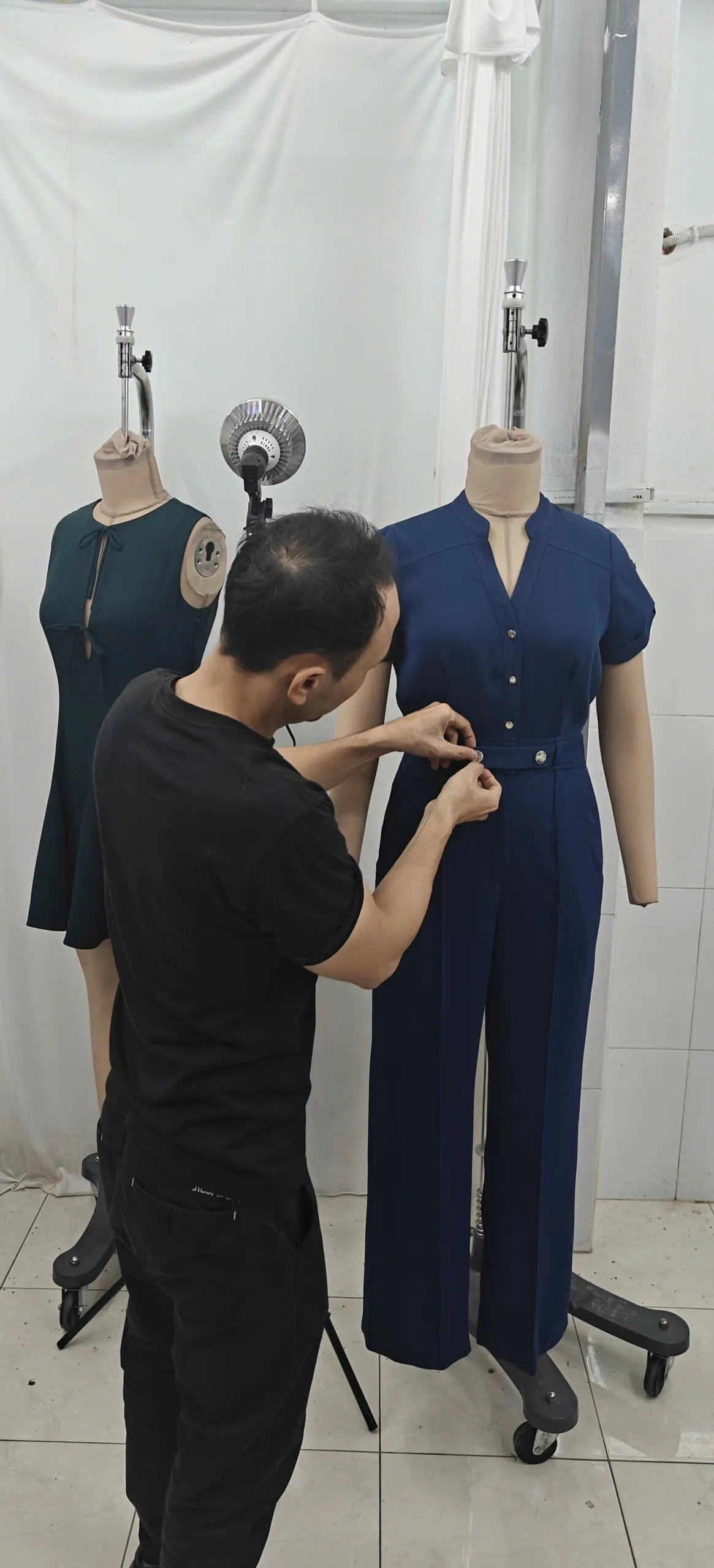
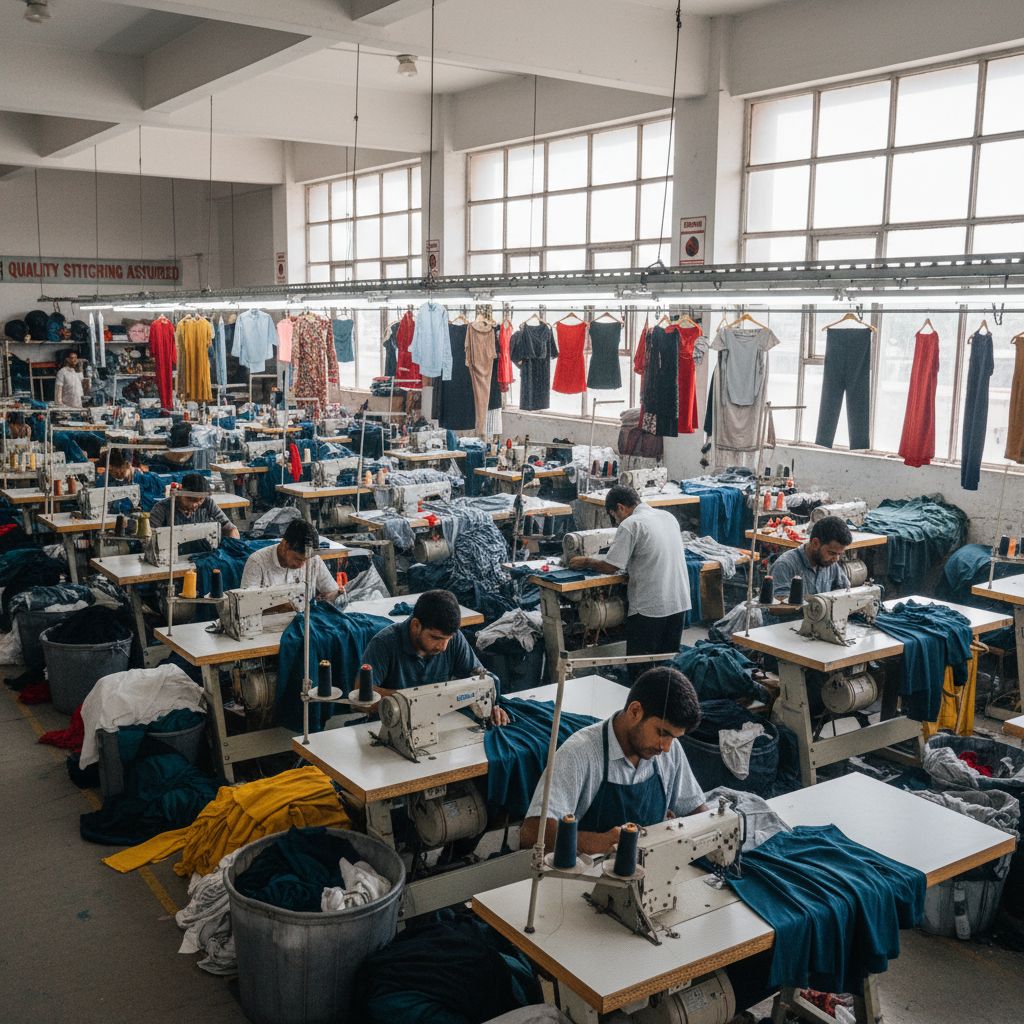
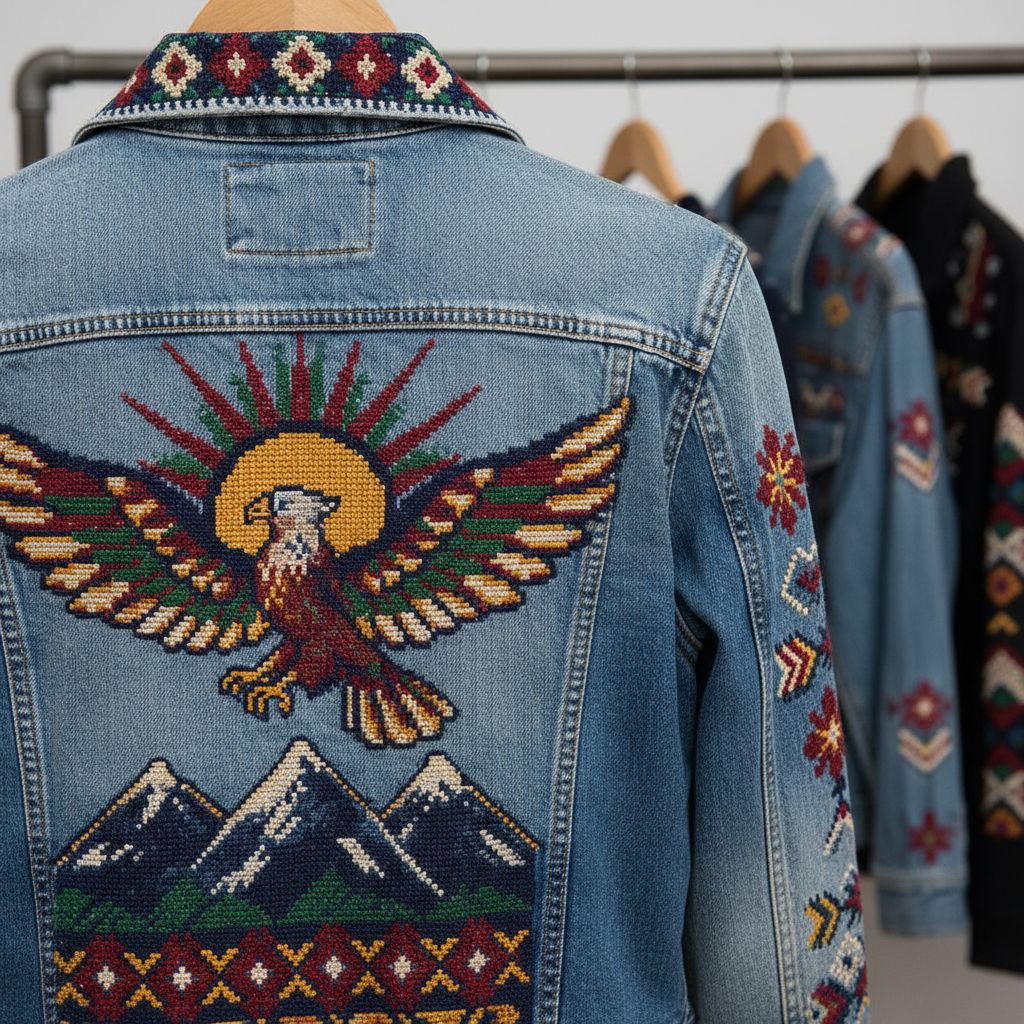
- Premium Quality: Skilled craftsmanship in denim, activewear, and high-fashion collections.
- Sustainable Focus: Vietnamese factories are rapidly adapting to the EU’s strict circularity and emissions standards (EPR and ESPR).
Expanding EU Investment: Technology & Quality Upgrades
European investors are increasingly looking at Vietnam’s stable climate and skilled labor. For our garment sector, this influx of high-quality capital means:
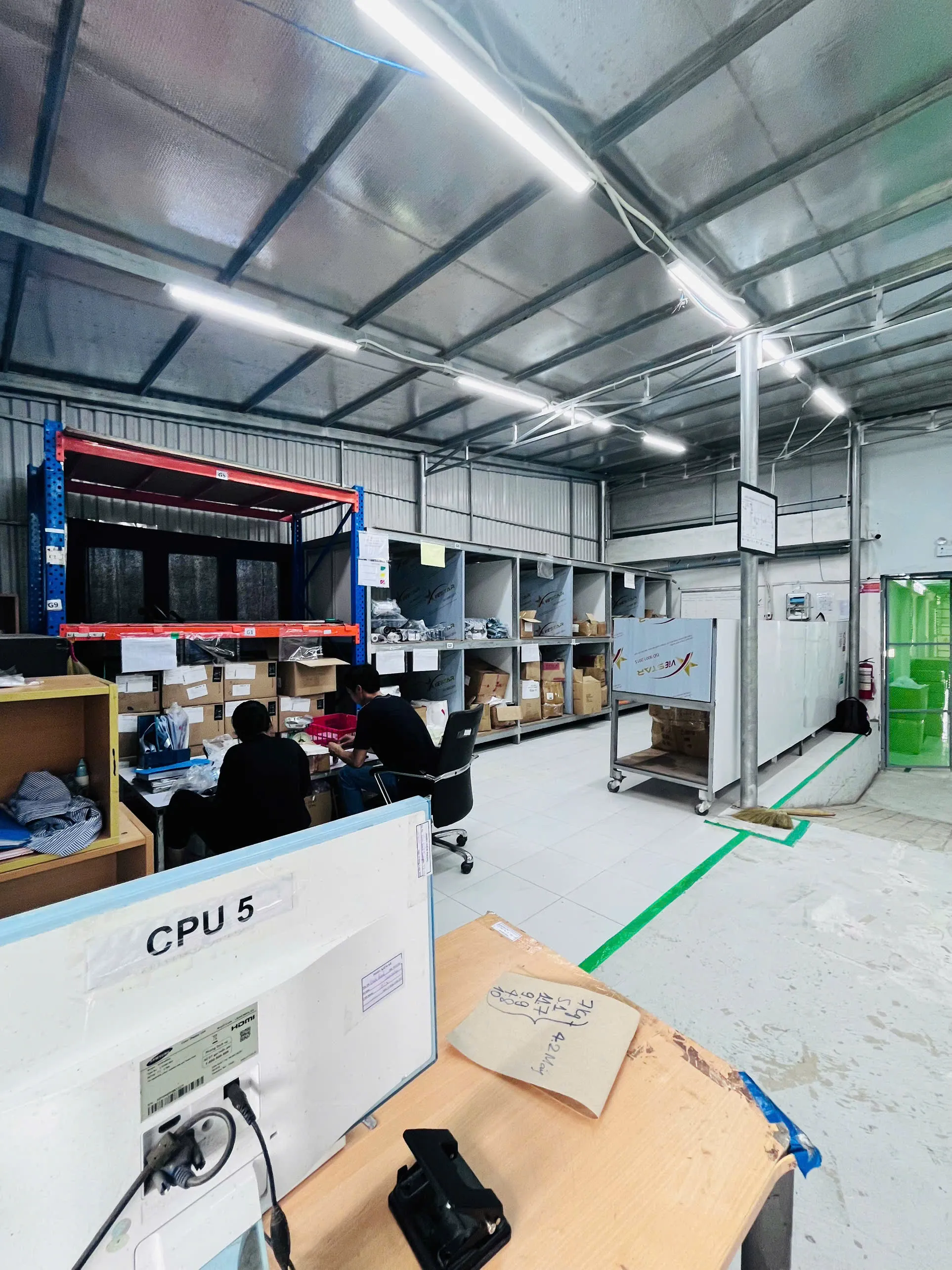
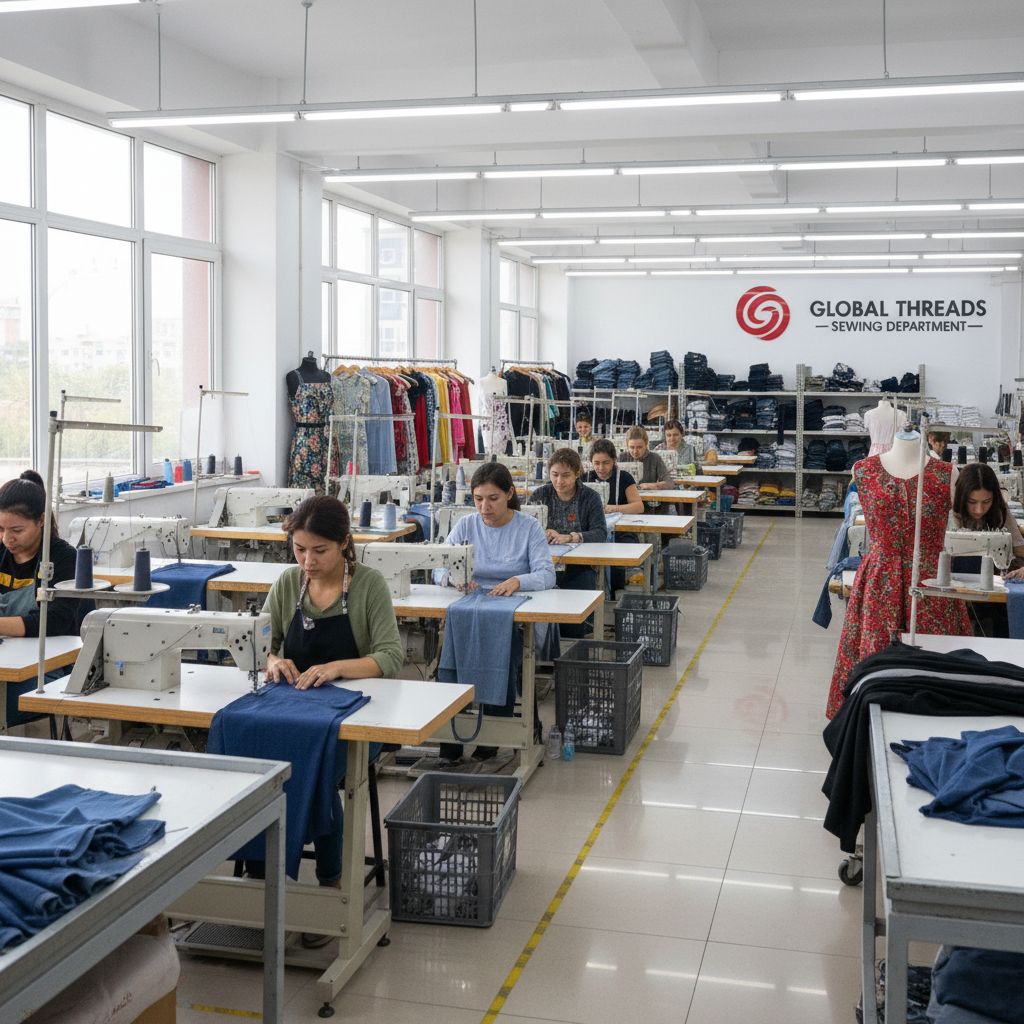
- Access to Modern Machinery and industrial automation.
- Digital Transformation: Implementing 3D design, PLM systems, and automated cutting lines.
- Green Technology: Cleaner dyeing, energy-efficient washing, and advanced wastewater treatment.
Sustainability: The Heart of Future Cooperation
The EU’s new textile strategy demands a shift toward circularity. Vietnam is already ahead of regional competitors thanks to EU-supported reforms. To remain a prime hub for EU brands, factories must embrace Traceability, Circularity, and Lower Emissions.
Vietnam as a Strategic Sourcing Hub
As EU brands seek to diversify supply chains, Vietnam stands out due to its open trade policies and infrastructure. European fashion brands find in Vietnam a partner capable of co-developing collections with stable forecasts year-round. This positions us as a prime hub for ethical and sustainable manufacturing.
Conclusion: A Golden Era for Garment Exports
The Vietnam–EU partnership is setting the stage for a decade of growth. Factories that prioritize green manufacturing, digital upgrades, and high compliance standards will lead the market. At Mekong Garment, we are fully committed to these values, helping our EU partners build a modern, competitive, and sustainable supply chain ready for the future.
FAQs About Vietnam-EU Apparel Trade Under EVFTA
Why is the Vietnam–EU relationship important for the garment industry?
The European Union is one of Vietnam’s largest and most stable export markets for garments. A strong relationship between Vietnam and the EU creates predictable trade policies, reduces business risks, and gives garment manufacturers confidence to invest and plan for long-term growth.
How does the EVFTA support Vietnam’s garment exports?
The EU–Vietnam Free Trade Agreement helps Vietnamese garments enter the EU market with lower or zero import duties over time. This improves price competitiveness while encouraging factories to meet higher standards in quality, compliance, and sustainability.
Are all garment tariffs to the EU already removed?
Not all tariffs have reached zero yet. Under the EVFTA, tariffs are reduced gradually according to a clear schedule. Each year, more garment categories benefit from lower duties, making exports increasingly attractive.
What do European buyers look for in Vietnamese garment factories?
European buyers value consistent quality, reliable delivery, transparent supply chains, and responsible production. Environmental protection and fair labor practices are especially important for brands selling in the EU.
Why is sustainability so critical in EU–Vietnam garment trade?
The EU has strict environmental and social requirements. Garments must be produced with lower emissions, safer chemicals, and ethical labor practices. Sustainability is now a basic expectation for market access, not an optional feature.
Is Vietnam an attractive destination for EU garment investment?
Vietnam is seen as a reliable and competitive manufacturing base. Skilled workers, improving infrastructure, supportive trade policies, and strong EU relations make Vietnam appealing to European investors.