
A Big Opportunity for Vietnam’s Garment Industry: Vietnam and EFTA Push to Conclude FTA Talks

The 18th negotiation round of the Free Trade Agreement (FTA) between Vietnam and the European Free Trade Association (EFTA) was recently held in Da Nang. Both sides emphasized the goal of concluding the negotiations within this round, aiming for a balanced and mutually beneficial agreement that will reshape trade flows between Vietnam and these high-income European markets.
What is EFTA?
The European Free Trade Association (EFTA) is a regional trade group consisting of four highly developed European nations: Switzerland, Norway, Iceland, and Liechtenstein. Founded in 1960, EFTA operates as an alternative to the European Union (EU). While they are not EU members, they maintain deep economic integration with global markets through robust free trade agreements.
Why the Vietnam-EFTA FTA Matters for Garment Manufacturing
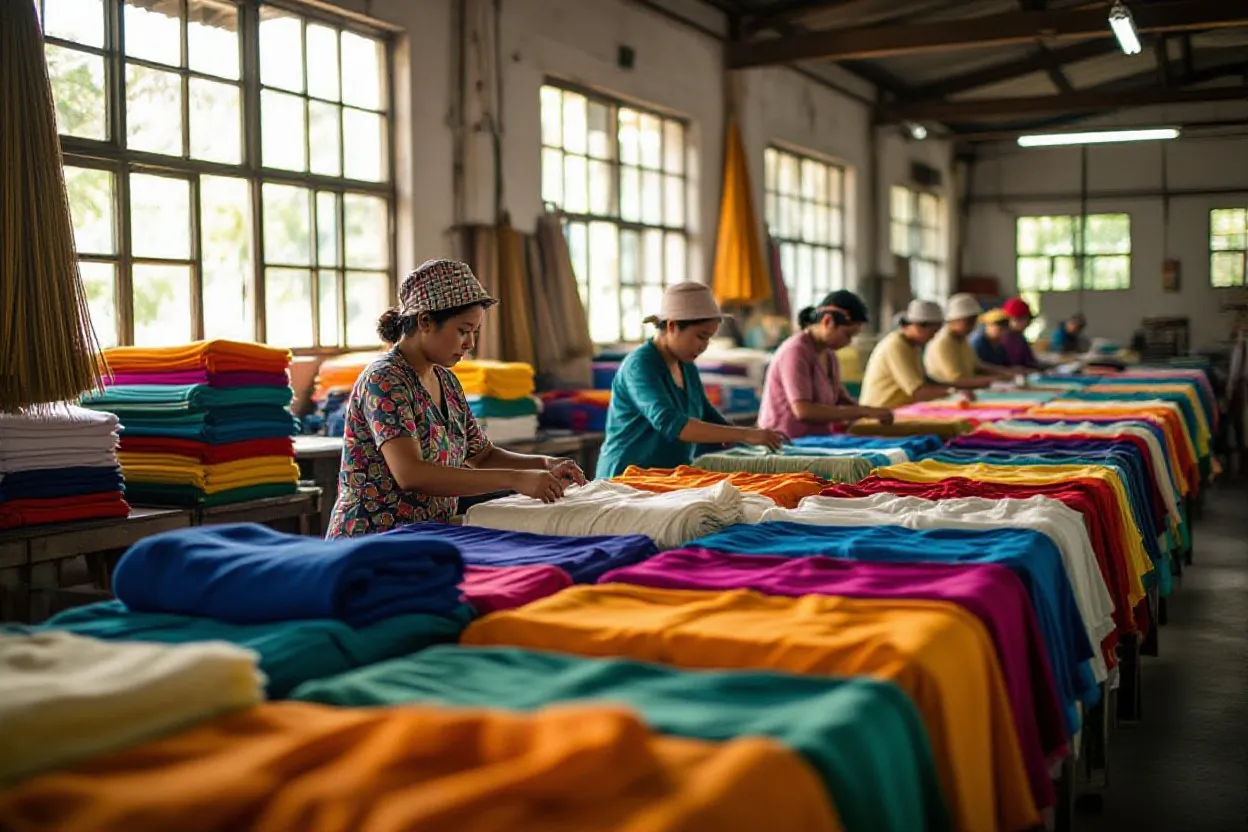
While the volume of trade is currently smaller than with the EU or US, the synergy between Vietnam and EFTA is highly complementary. EFTA nations do not possess large-scale garment manufacturing bases, making them heavily reliant on high-quality imports—a demand that Vietnam is perfectly positioned to fulfill.
Key Advantages for Vietnam Factories:
- Duty-Free Access: Once signed, the FTA is expected to eliminate high import duties on Vietnamese apparel, giving our manufacturers a significant edge over competitors like Turkey or China.
- High-Value Market Reach: Markets like Switzerland and Norway have immense purchasing power and a preference for premium, ethically manufactured garments.
- Faster Logistics: Standardized trade rules and simplified customs procedures will reduce lead times for both air and sea freight.
Expected Benefits for Importers and Exporters
For Exporters (Vietnam Manufacturers):
- Unlock Higher Margins: Lower tariffs allow factories to secure higher-margin orders while remaining competitive.
- Stable Trade Corridor: The FTA provides long-term predictability in an otherwise volatile global economy.
- Rules of Origin Flexibility: Negotiated rules for fabric and trim sourcing will make it easier for garments produced in Vietnam to qualify for preferential treatment.
For Importers (European Brands):
- Lower Landing Costs: Direct savings on import taxes immediately improve the bottom line for European retailers.
- Reliable Supply Chain: Faster clearance and predictable schedules support better inventory planning for e-commerce and seasonal retail drops.
- Simplified Compliance: Clearer documentation requirements reduce the administrative burden on European buyers.
Conclusion
The Vietnam-EFTA FTA marks a promising milestone for the textile industry. It represents more than just tax savings—it is an entry point into some of the world’s most sophisticated markets. As negotiations near the finish line, Mekong Garment is preparing to expand our services to meet the exacting standards of EFTA buyers, ensuring a smooth, duty-free, and high-quality supply chain for our future partners in Northern and Central Europe.