Should Use Third Party Final Inspections When Ordering Garments in Vietnam?

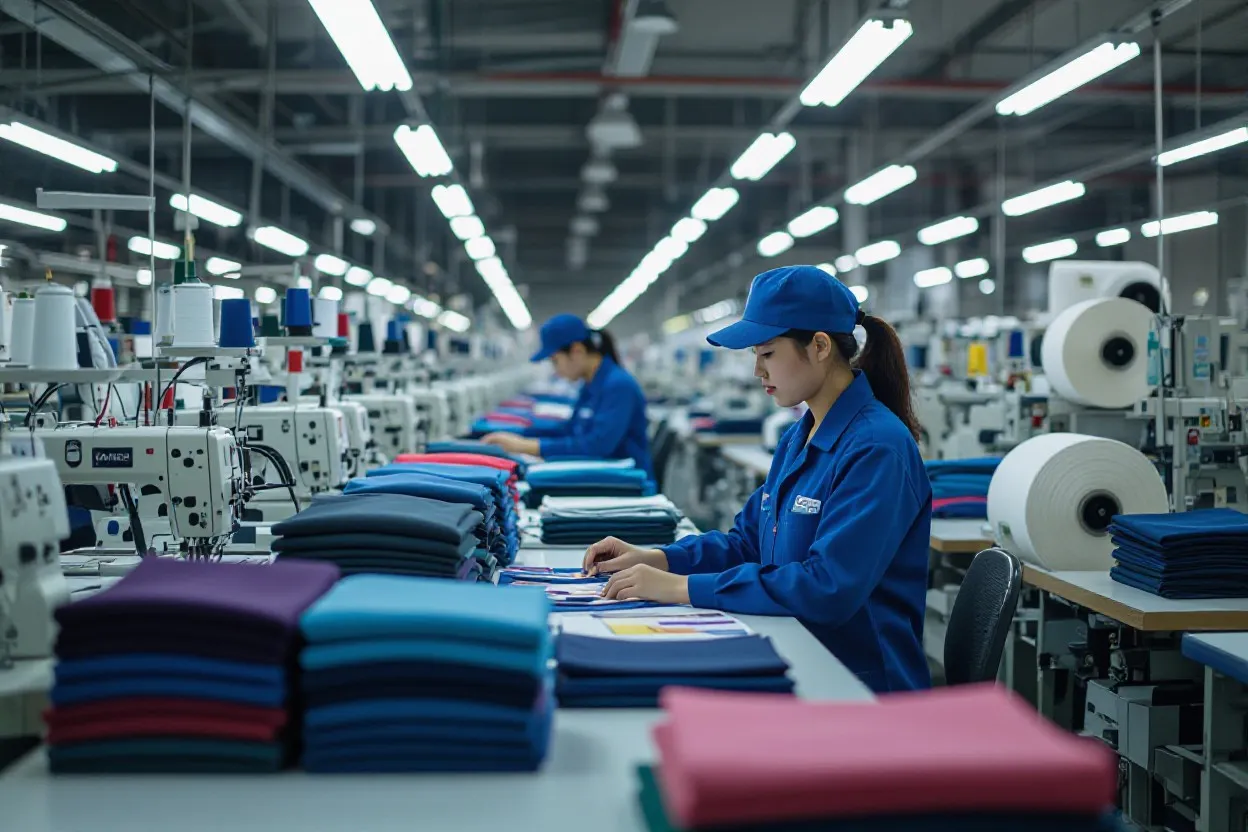
When ordering garments in Vietnam, using third-party final inspections is essential to protect your investment. Independent inspectors verify fabric, stitching, measurements, and packaging, ensuring you catch defects before shipment. This proactive step helps you avoid costly returns, delayed launches, and reputational damage while giving you factual, on-the-ground assurance that your specifications are met.
What are Third-Party Final Inspections?
Third-party inspections are independent audits performed by specialized firms like SGS, Intertek, or Bureau Veritas. They verify finished garments against your tech packs, safety standards, and labeling regulations. By using standardized sampling methods (commonly AQL 2.5/4.0), they provide a transparent report so you can accept or reject a shipment with confidence.
Why Independence Matters
An independent inspector offers a neutral viewpoint. Since they do not work for the factory, they have no incentive to hide issues. They cross-check every detail—from color consistency and printing accuracy to overall workmanship—ensuring you don’t rely solely on a supplier’s internal QC team.
The Tangible Benefits for Buyers
1. Significant Risk Reduction
Factor the small inspection fee—typically $100–$400 per visit—against potential losses. On a 10,000-piece order, a 2% defect rate means 200 faulty garments. Catching these before they leave Vietnam saves you thousands in return freight, administrative costs, and lost customer trust.
2. Supplier Accountability
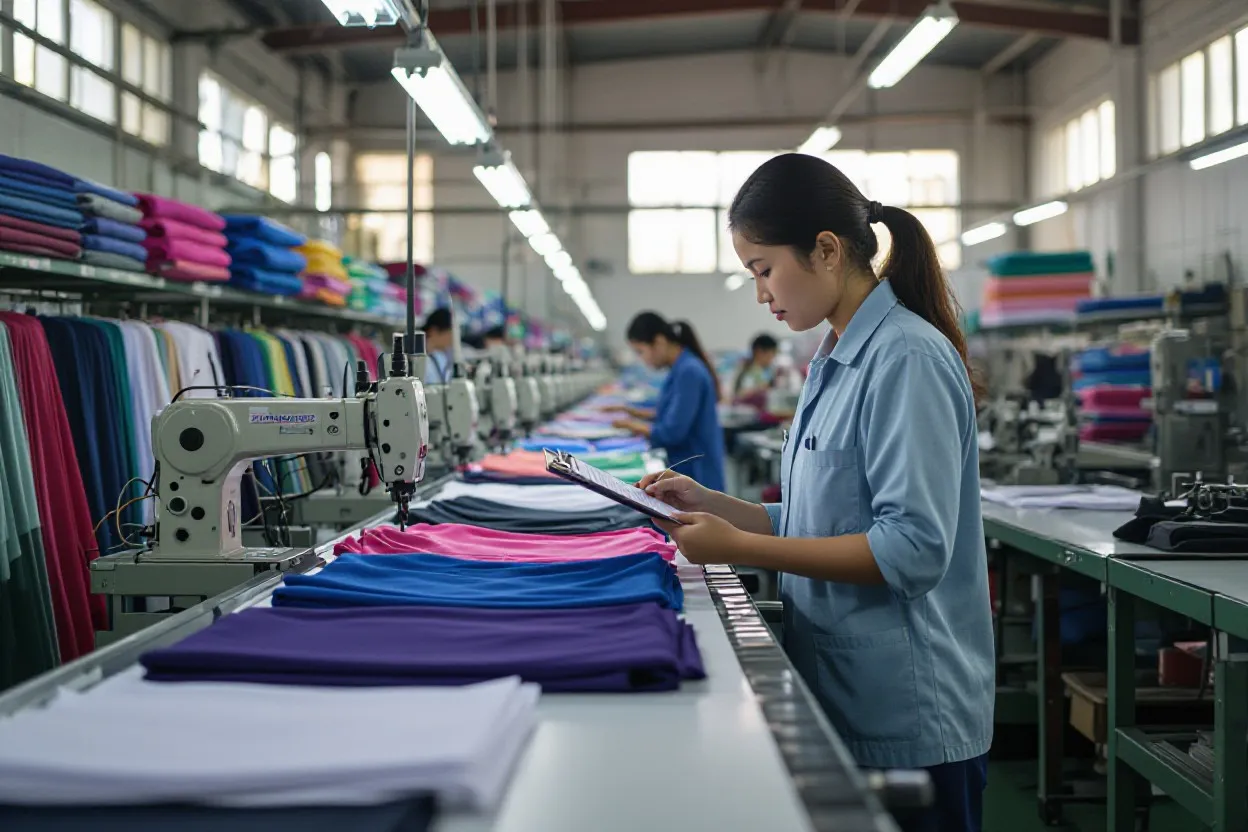
When factories know a third-party expert will be checking the final batch, they tend to follow specifications more strictly and maintain better discipline throughout the production cycle. This naturally leads to higher quality final products and smoother order transitions.

3. Measurable Performance Tracking
Standardized inspection reports provide data you can use to build supplier scorecards. By tracking pass rates and defect types monthly, you can monitor long-term trends and drive continuous improvement with your manufacturing partners.
Practical Tips for a Smooth Inspection
- Book Early: Schedule the inspection 48–72 hours before the planned container loading.
- Provide Clear Specs: Ensure the inspector has the latest tech pack, size charts, and approved “Golden Sample” photos.
- Set Thresholds: Agree with the factory beforehand on what happens if the report fails (e.g., rework costs, 100% sorting, or re-inspection fees).
- Demand Speed: Require the digital report within 24 hours to avoid shipment delays.
Conclusion
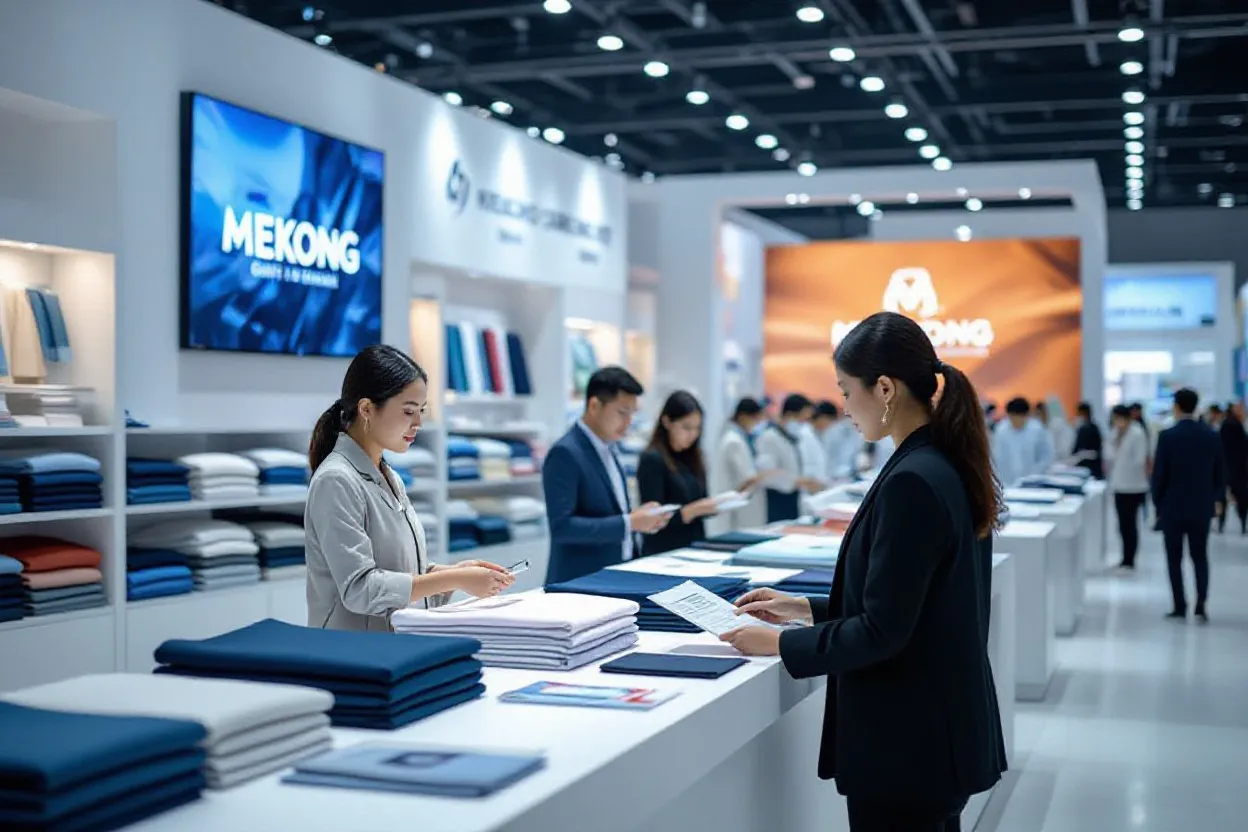
Engaging a third-party final inspection is a smart insurance policy for any apparel brand sourcing from Vietnam. It preserves your profit margins, protects your reputation, and ensures your customers receive the quality they expect. At Mekong Garment, we welcome independent inspections as they validate our commitment to precision and excellence in every batch we produce.
FAQs About Third-Party Garment Inspections
Do I need a third-party final inspection for garment orders placed in Vietnam?
Yes – when you place large, high-value, or first-time orders a third-party final inspection is highly recommended. Independent inspectors (for example SGS, Intertek, or Bureau Veritas) verify quality, quantity, and safety before shipment, reducing the risk of costly returns, delayed product launches, and damage to your brand.
What exactly does a third-party final inspection check on garments?
Inspectors evaluate fabric quality, stitching and construction, measurements and sizing, color consistency, printing and embroidery accuracy, packaging and labeling, overall workmanship, and carton/packing integrity. They also confirm shipment quantities and can perform safety/chemical checks if requested.
How does AQL 2.5/4.0 sampling work and why is it used?
AQL (Acceptable Quality Limit) is a standardized sampling method used globally. AQL 2.5/4.0 means inspectors sample a statistically defined number of pieces and accept or reject the lot based on allowed defect counts for major/minor categories. Using AQL ensures consistent, repeatable decisions across batches and aligns your checks with industry practices.
How much do final inspections cost and do they save money?
Typical inspection fees vary by provider, location, and scope, often ranging from about $80-$450 per inspection or more for extensive tests. Compared with potential costs from returns, rework, wasted freight, or lost customers, a modest inspection fee frequently prevents far larger losses and protects your delivery schedule and brand reputation.
How should I choose a reliable third-party inspection company in Vietnam?
Use accredited, experienced firms with garment industry expertise-global names (SGS, Intertek, Bureau Veritas) or reputable local providers. Check references, review sample reports, confirm inspector availability near your factory, verify certifications, and ensure clear communication and turnaround times before hiring.
What happens if a final inspection fails or finds major defects?
The inspector issues a detailed non-conformance report with photos and measurements. Typical next steps are to hold the shipment, require factory rework or replacement, negotiate discounts or partial acceptance, and schedule a re-inspection. The report also provides evidence for claims or to enforce contractual remedies with the factory.
Can third-party final inspections replace in-line factory quality control?
No – third-party final inspections complement but do not replace in-line factory QC. Ongoing factory inspections during production reduce defects early; the final inspection serves as an independent verification before shipment to ensure specs were met and to hold the factory accountable.