How CMPT Ensures Quality and Lead Time in Garments Production

In today’s fast-moving garment industry, quality and speed decide who stays ahead. That’s where the CMPT model (Cut, Make, Pack, and Trim) comes in. It brings every key stage of production under one roof, allowing factories to monitor every detail closely and respond quickly when something goes off track. By combining production and quality control in a single workflow, CMPT factories can prevent errors early, maintain consistent standards, and meet tight delivery schedules.
=> Read More: What Different Between CM, CMT and CMPT
CMPT in Garments: Why It Matters for Quality
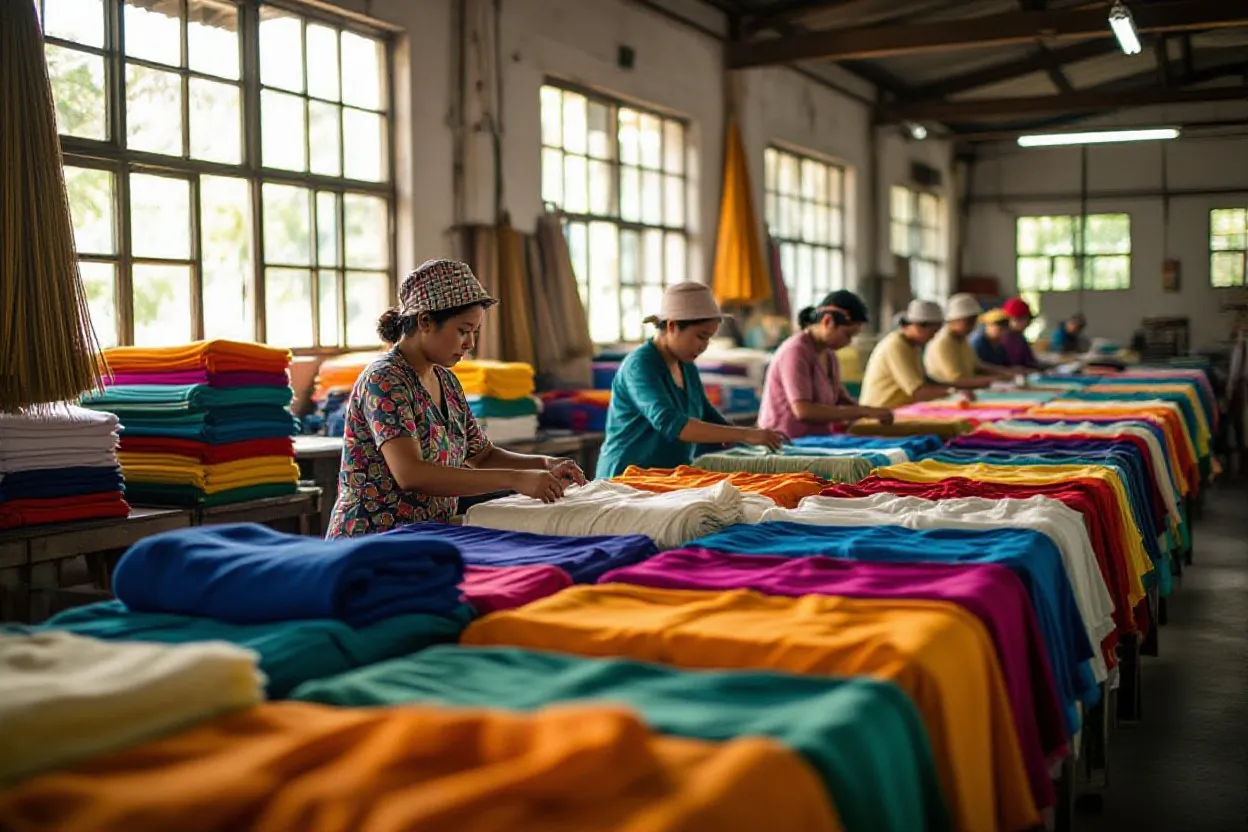
The CMPT model means the factory handles Cut → Make → Pack (finish & trim) in one facility. This integration offers brands significant advantages in coordination and quality assurance. However, realizing these benefits requires disciplined processes around QC and scheduling.

1. In-line Inspections & Checkpoint Controls
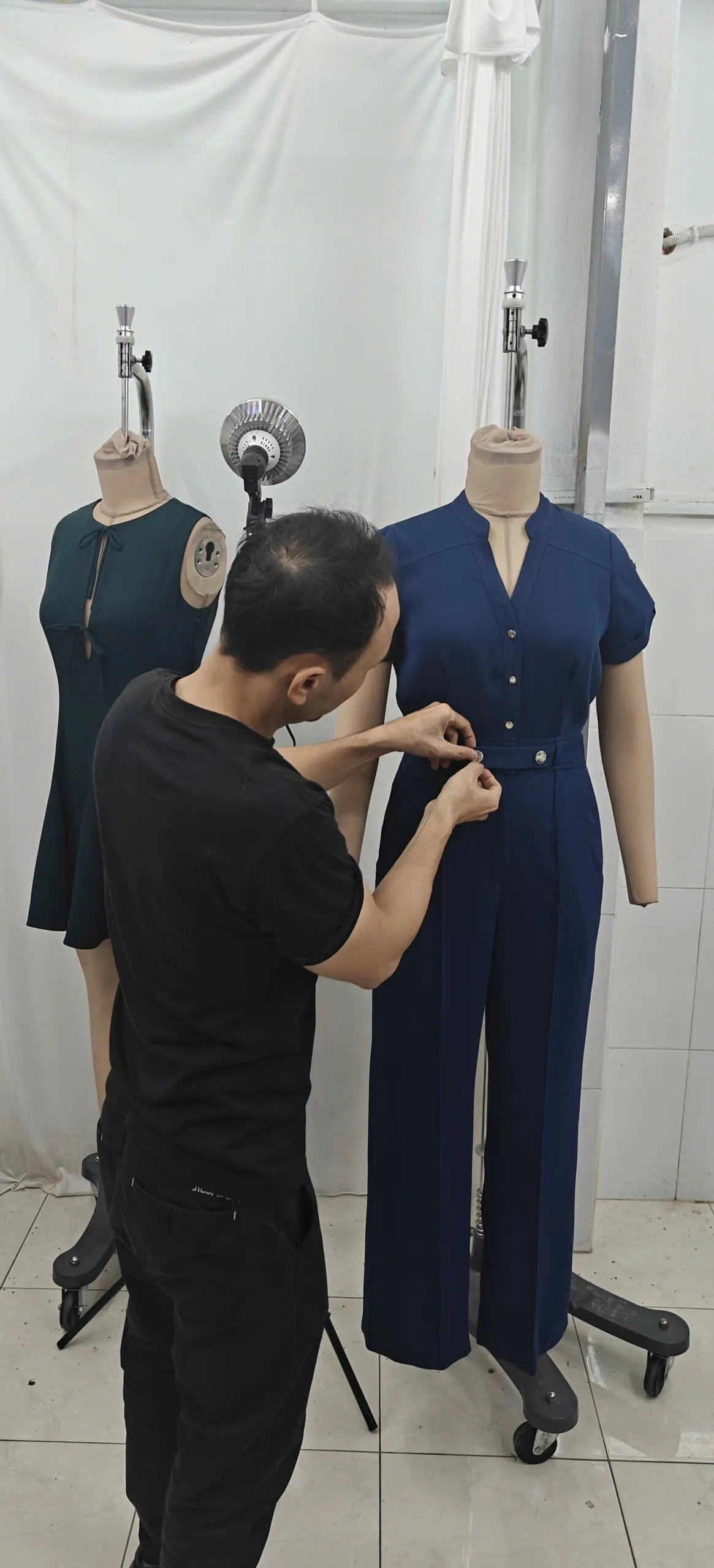
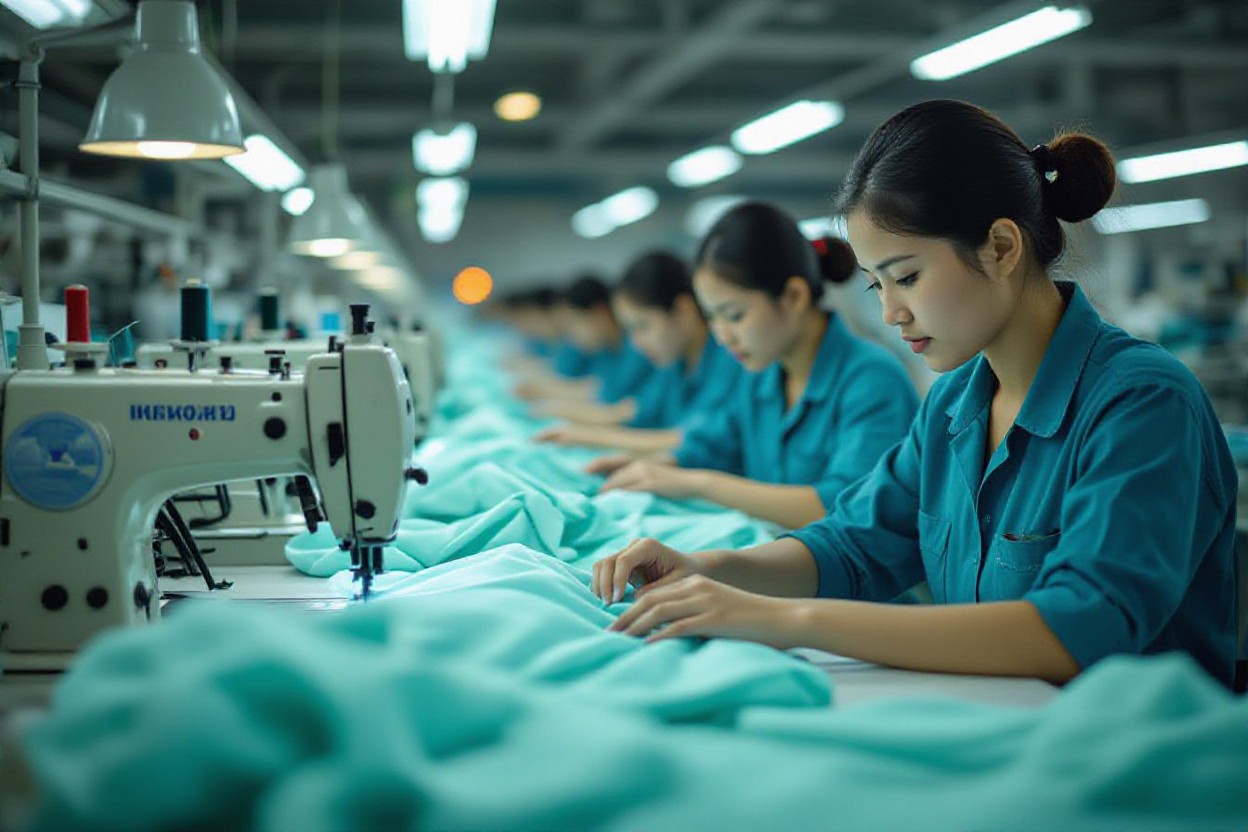
Quality starts right on the sewing line. In-line inspections mean checking garments while they’re still being made. Inspectors review the first few pieces and sample work throughout the day to catch mistakes like uneven seams before they spread through the whole batch.
- Inspectors walk lines to check bundle quality, seam-allowances, and stitch rates.
- Defined quality checkpoints (e.g., after the first 10 pieces or after each size run).
- Immediate feedback to the cutting department if pattern errors are detected.
2. End-of-line Checks
Once a garment is finished, it undergoes an end-of-line inspection. This is the last defense before packing, ensuring every piece matches the buyer’s requirements for buttons, labels, and clean pressing.


3. Final Audits Before Packing
Before any box is sealed, a final audit confirms that quantities, sizes, and packaging styles meet the approved standards. This prevents last-minute surprises like missing swing tags or incorrect carton markings that could delay shipment.
Lead Time Management in CMPT Factories
Quality control and lead-time are tightly linked: streamlined QC prevents rework, which in turn keeps lead-times predictable. Here are the key practices CMPT factories use to stay on schedule:
1. Integrated Production Speed
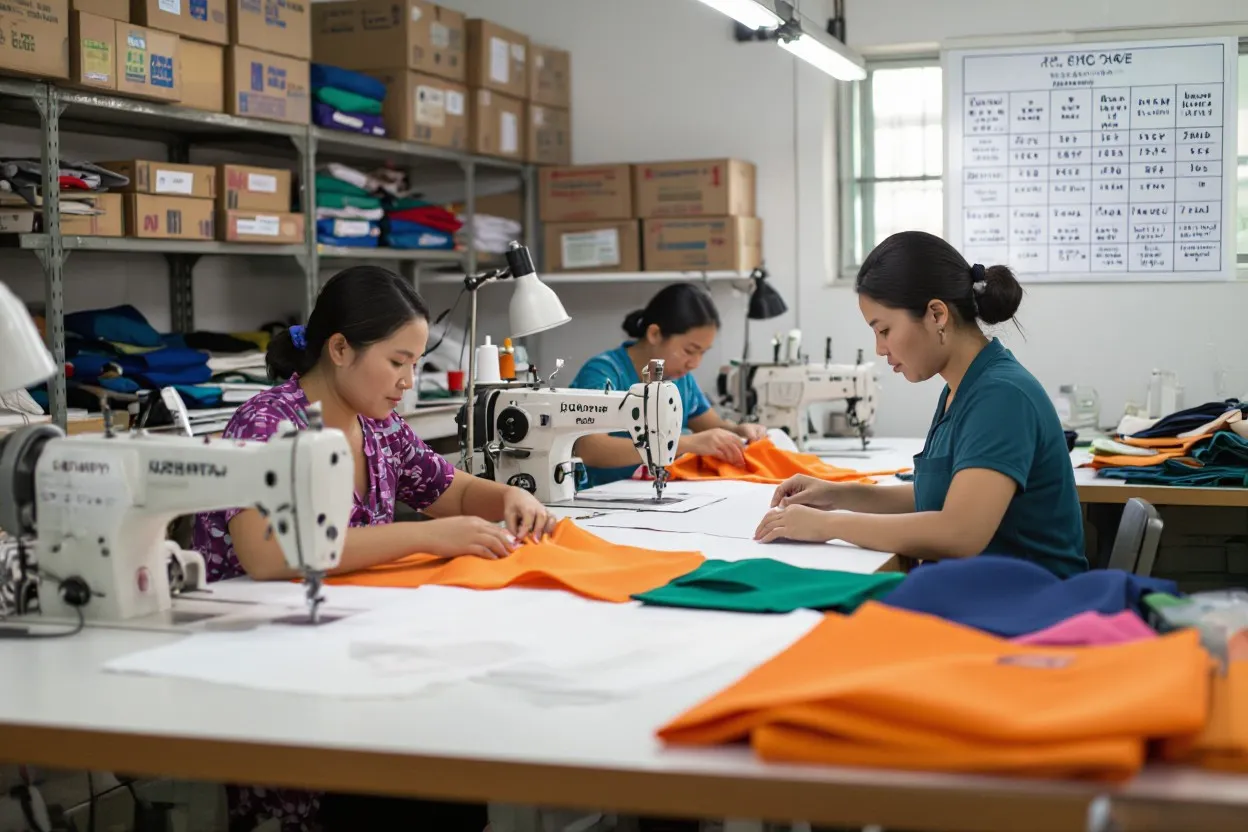
With cutting, sewing, and packing in one place, hand-offs are faster. There are no transport delays between vendors, enabling immediate decisions if a cutting error is discovered mid-run.

2. Early Sampling and Approval
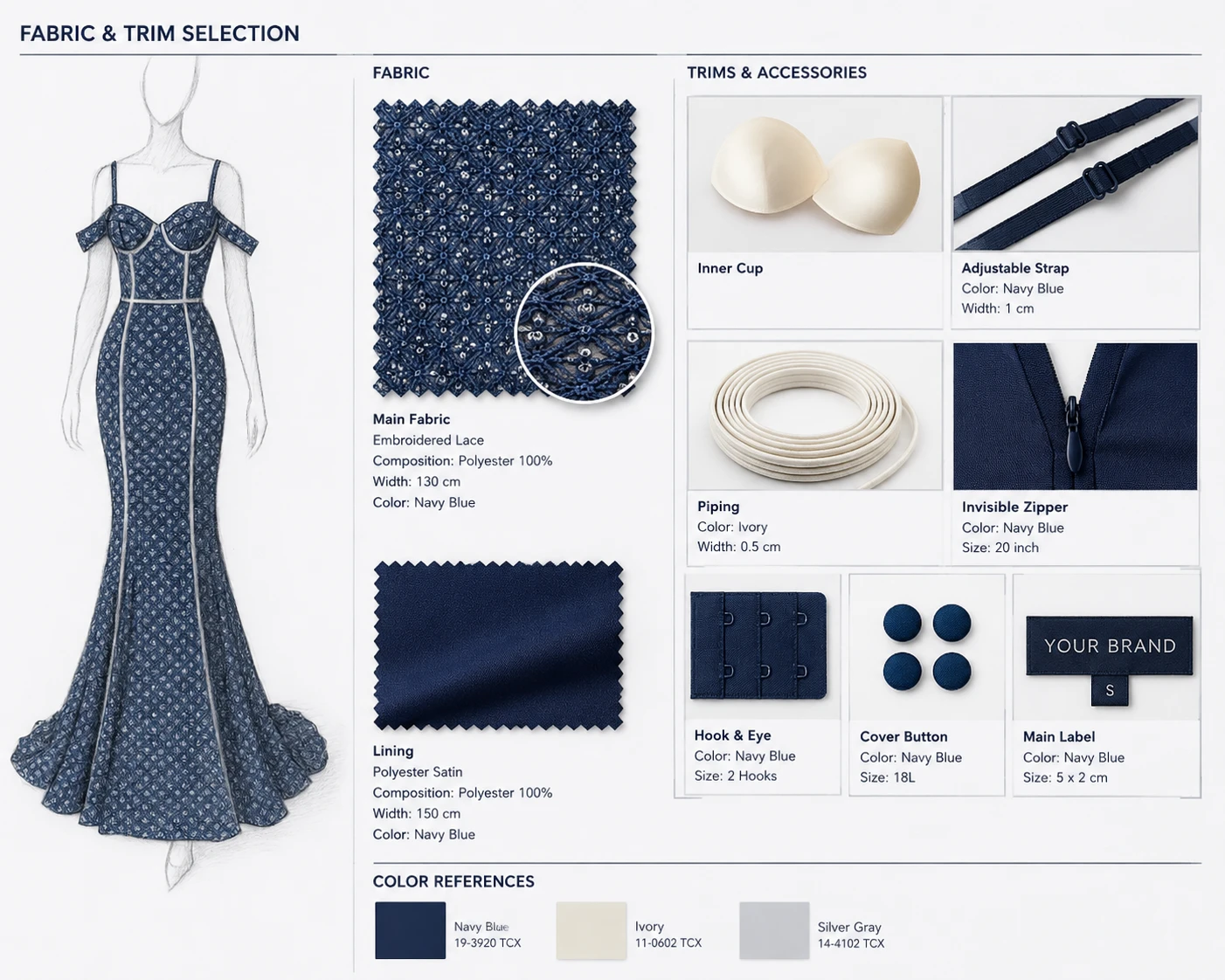
Early sample approval is the strongest driver of an on-time schedule. Because the CMPT factory manages fabrics and patterns, they can map out the approval workflow—from size-sets to pack specs—more efficiently than fragmented models.
3. Proactive Corrective Action Plans
Instead of waiting for defects to pile up, CMPT teams fix problems the moment they appear. If a defect rate rises, the line stops briefly, operators are retrained, and production resumes with monitoring. This proactive approach ensures minor hiccups don’t turn into major delivery delays.
4. Buffering and Visibility
Realistic planning includes buffers for QC inspections and container loading. Real-time visibility into each stage (e.g., cutting complete, sewing start) allows managers to proactively manage the final delivery date.

Conclusion
In a well-executed CMPT model, quality control and lead-time management go hand in hand. By integrating production facilities, a factory can streamline communication and tighten inspection checkpoints. For buyers, partnering with a capable CMPT factory like Mekong Garment means a significantly lower burden on coordination and a higher guarantee of on-time, quality-conforming delivery. Precision and speed are not trade-offs; they are the result of a disciplined, integrated system.
FAQs: Quality Control and Lead-Time Management
In short, What does CMPT mean in garment manufacturing?
CMPT stands for Cut, Make, Pack, and Trim. It’s a production model where all main stages cutting, sewing, finishing, and packing are handled by one factory. This setup reduces communication delays, simplifies quality control, and helps ensure faster delivery.
How does CMPT improve quality control?
Because every stage happens under one roof, supervisors can monitor quality in real time. In-line inspections catch mistakes early, and final audits confirm everything meets buyer standards. The fast feedback between departments keeps product quality consistent from start to finish.
What types of inspections are used in CMPT production?
There are three main types – In-line inspections: Done during sewing to spot errors early. End-of-line checks: Carried out after sewing and finishing. Final audits: Performed before packing and shipping to confirm all requirements are met.
Why are sampling approvals important in CMPT projects?
A buyer-approved sample acts as the blueprint for bulk production. It sets clear expectations for color, stitching, fit, and trims. Once approved, the factory follows it closely to ensure every garment matches the original quality and design.
How does a CMPT setup help control lead times?
Since all departments work together in one facility, communication is quick and coordination is smooth. Problems are solved on the spot, not days later. This reduces downtime, prevents rework, and helps factories meet delivery deadlines more reliably.
What happens when defects are found during production?
When issues appear, the factory follows a corrective action plan identifying the root cause, fixing it immediately, and preventing it from happening again. These quick corrections keep both quality and timelines on track.
How do factories track progress and stay on schedule?
Most CMPT factories use lead-time trackers and daily QC reports. Each stage cutting, sewing, finishing, and packing is monitored with clear milestones. If a delay appears, managers can act right away to recover lost time.
What are the common challenges in CMPT production?
If a factory doesn’t have strong management systems or skilled QC teams, integration alone won’t guarantee success. Bottlenecks can still occur between departments, and delays in one stage can affect the whole process. That’s why process control and team training are critical.
How can factories and buyers improve performance together?
Both sides should agree early on inspection plans, quality standards, and lead-time checkpoints. Sharing data on production progress, defects, and audits helps build trust and continuous improvement ensuring better results with each new order.