What Is CMT (Cut, Make, Trim) in the Garment Industry?

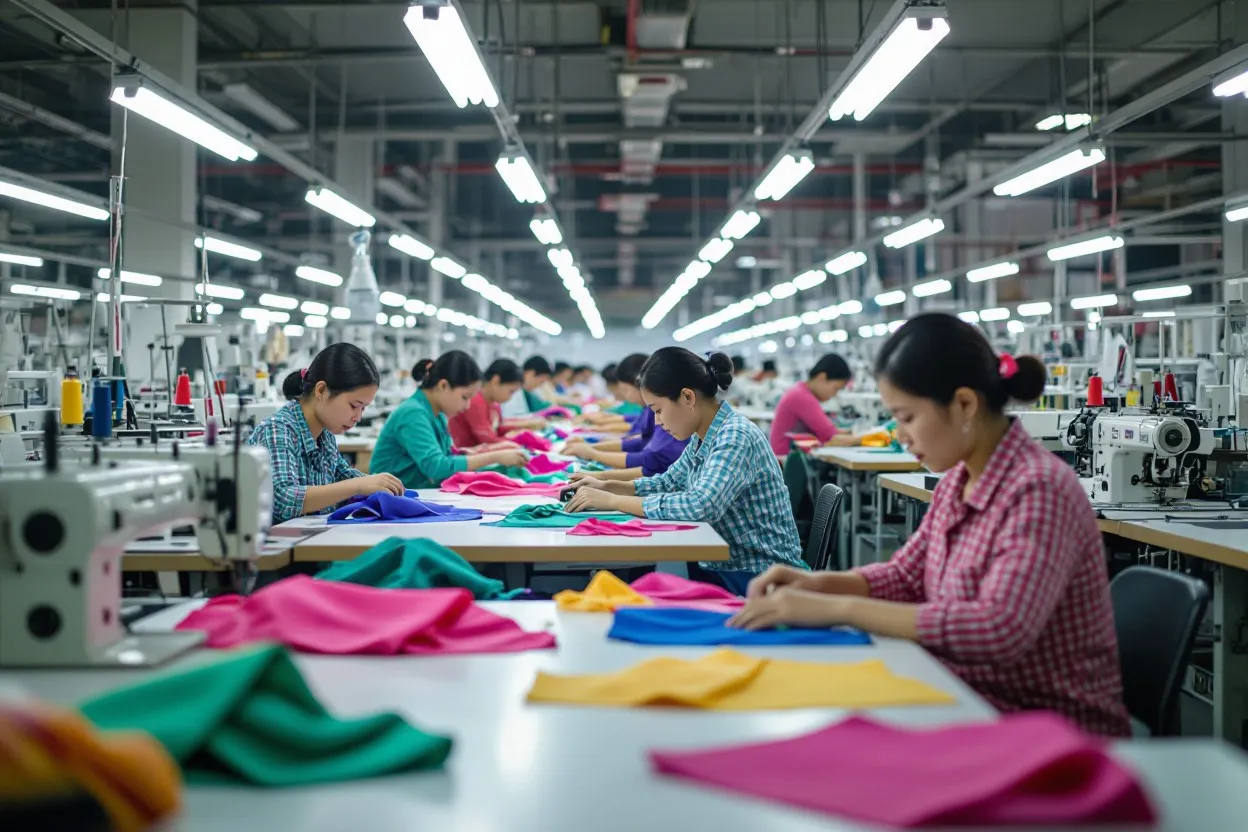
In the global apparel production chain, CMT (Cut, Make, Trim) represents an important step forward from the simpler CM model. It’s widely used by brands that wish to control their material sourcing but need professional support in finishing tasks. Under this model, the factory handles cutting, sewing, and finishing steps like ironing, labeling, and packing. For many small to medium-sized labels, CMT is the ideal balance between quality control and comprehensive production service.
Overview of the CMT Model
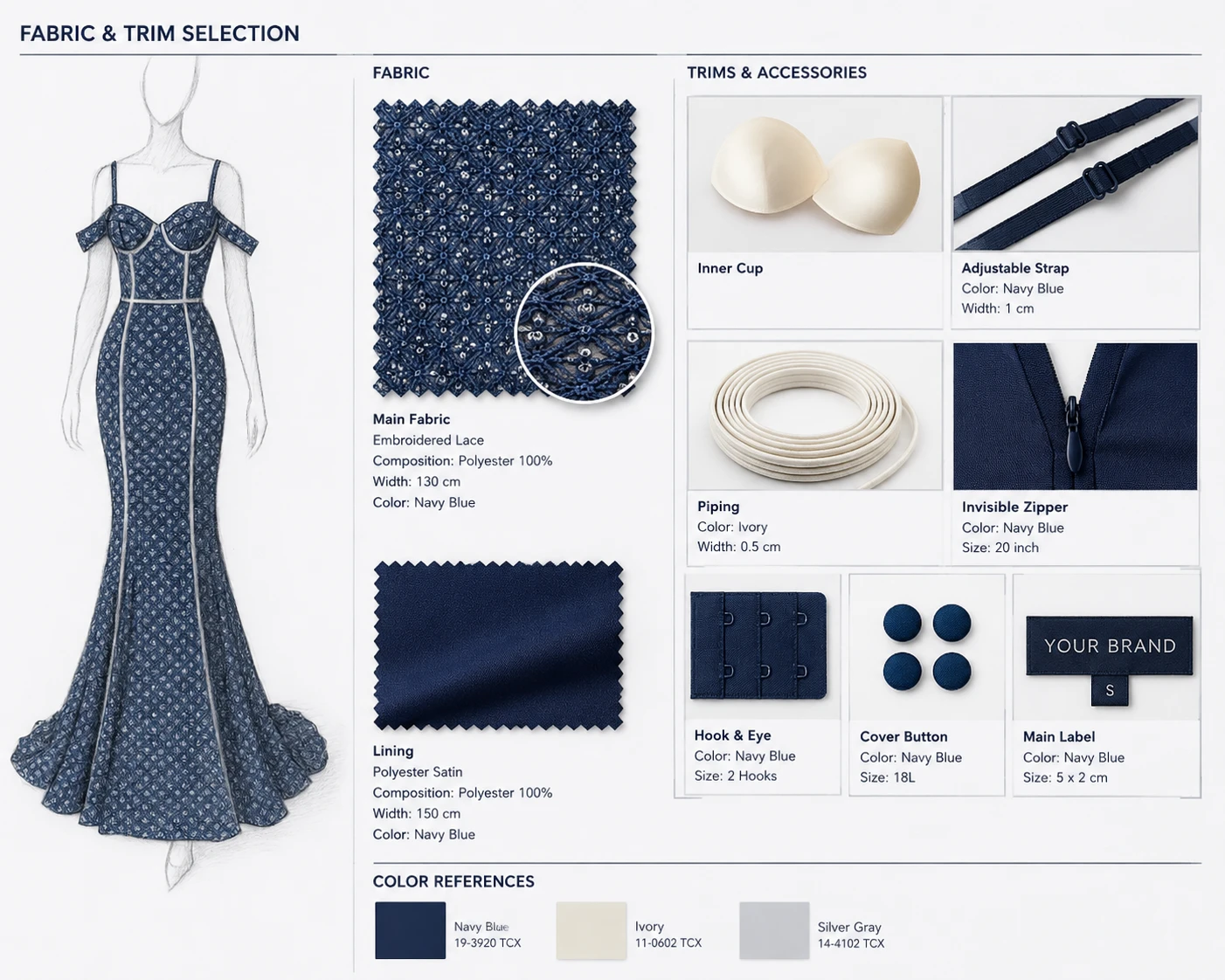
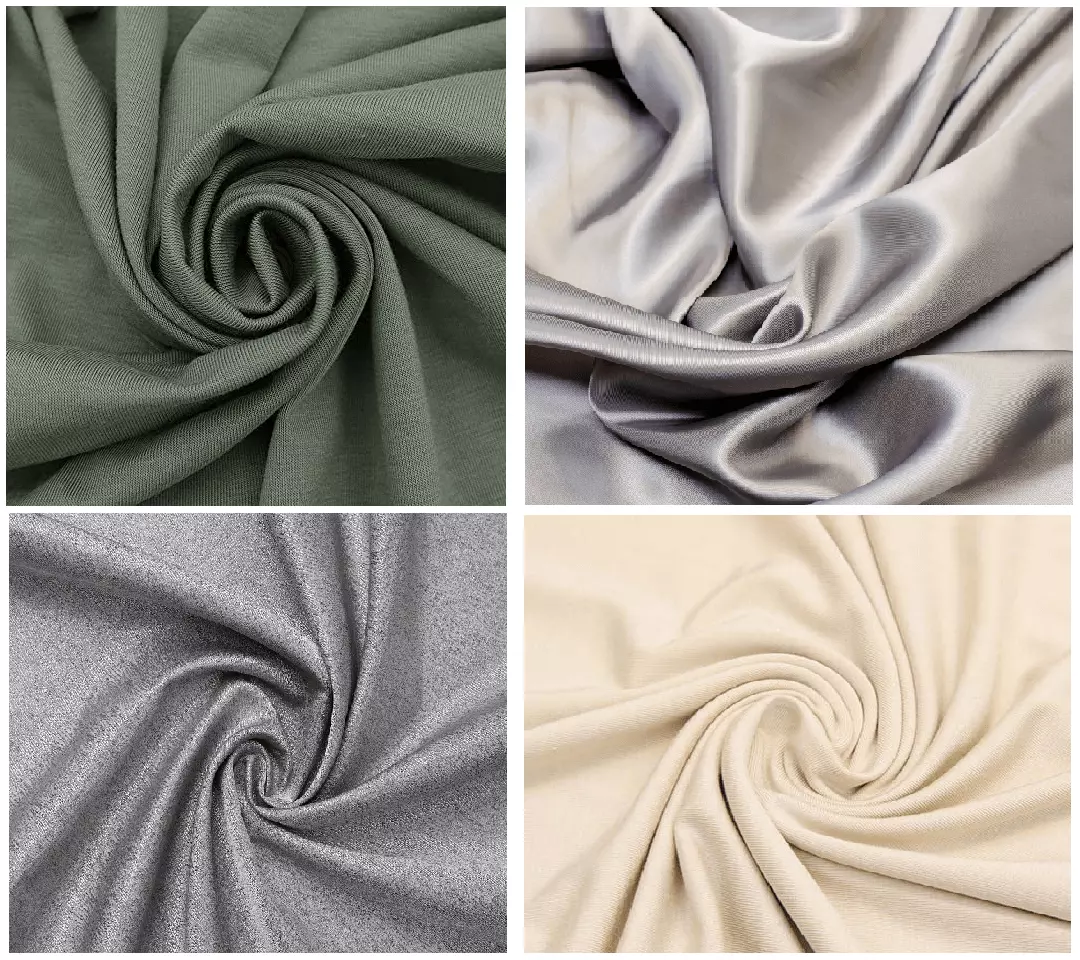
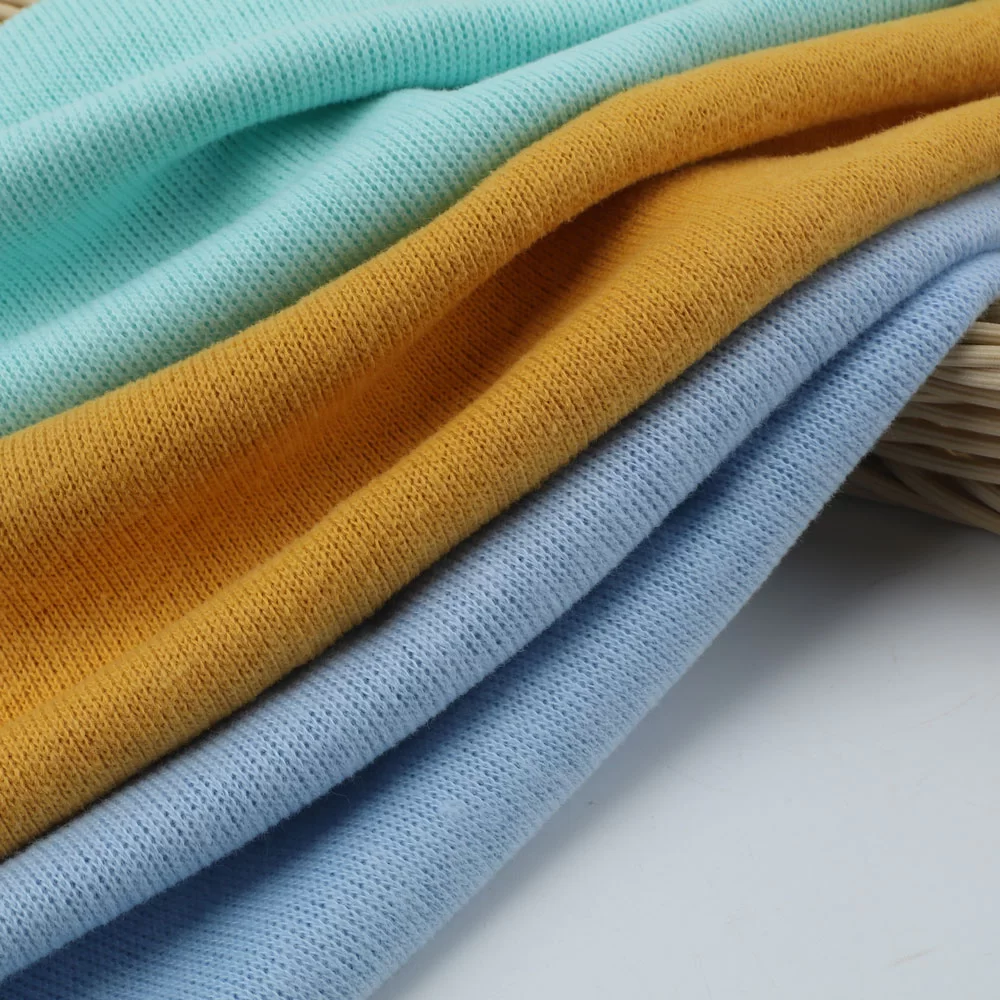
CMT stands for Cut, Make, and Trim. It is one of the most common garment manufacturing models worldwide, especially in key hubs like Vietnam. Under this model, the buyer supplies all raw materials (fabric, zippers, buttons, labels), while the factory focuses on production—transforming those materials into polished, market-ready garments.
How the CMT Process Works
The CMT production flow is simple yet highly structured to ensure export standards are met at every stage:
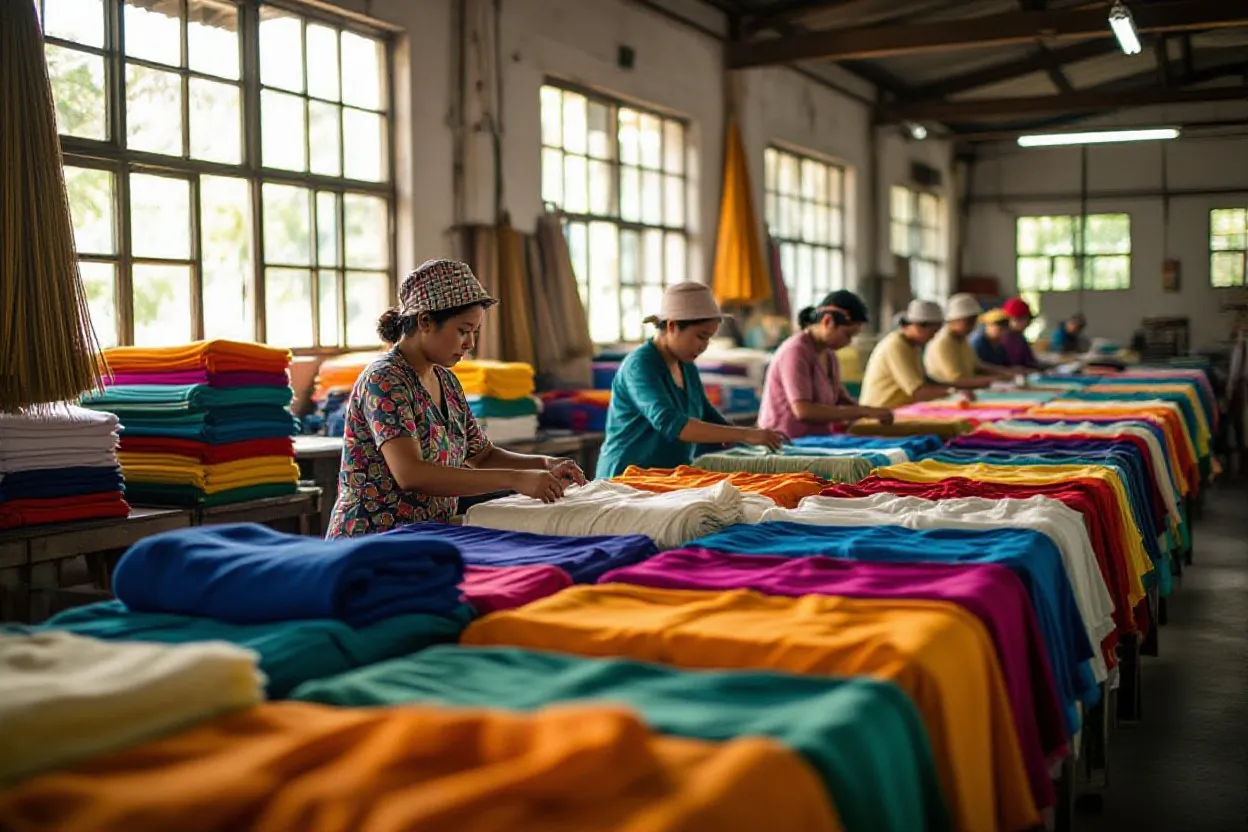
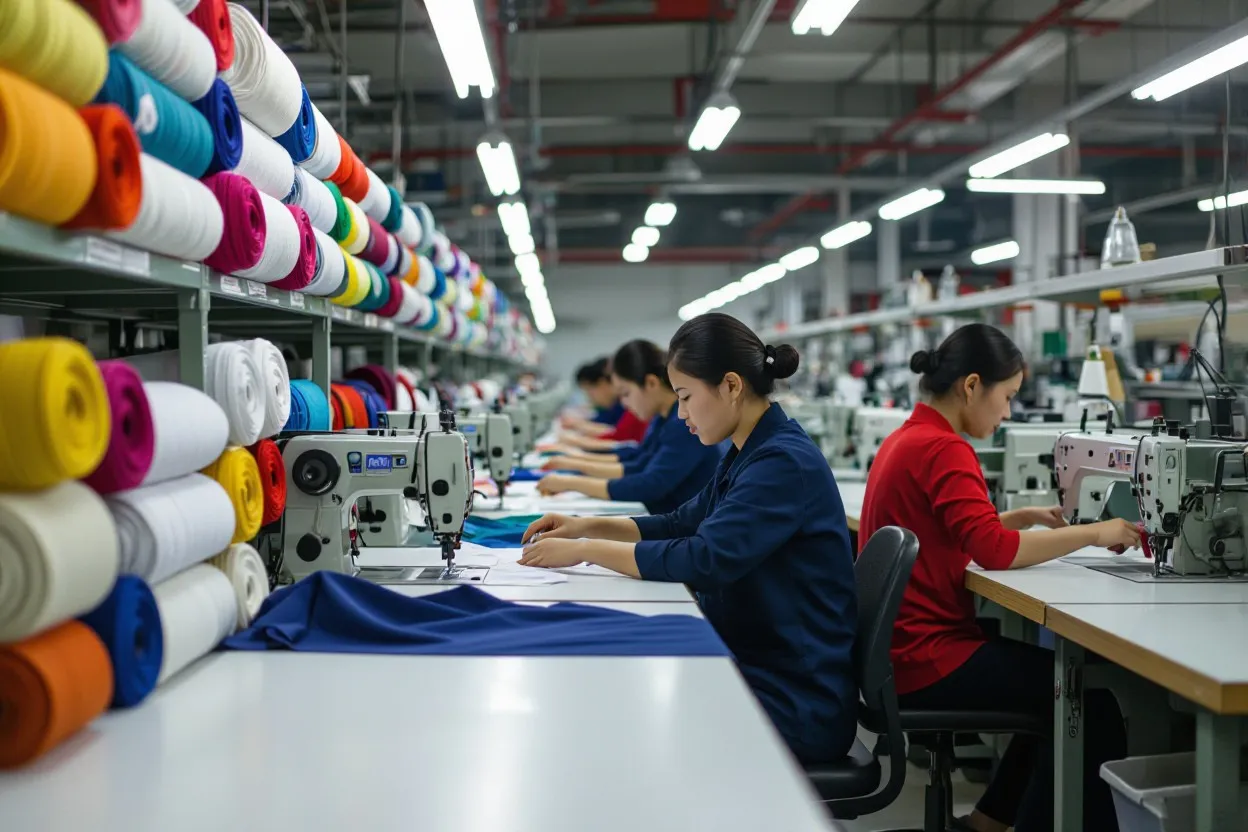
- Cut: The factory receives fabric from the buyer, lays it according to markers, and cuts it into precise pieces following the buyer’s size specifications.
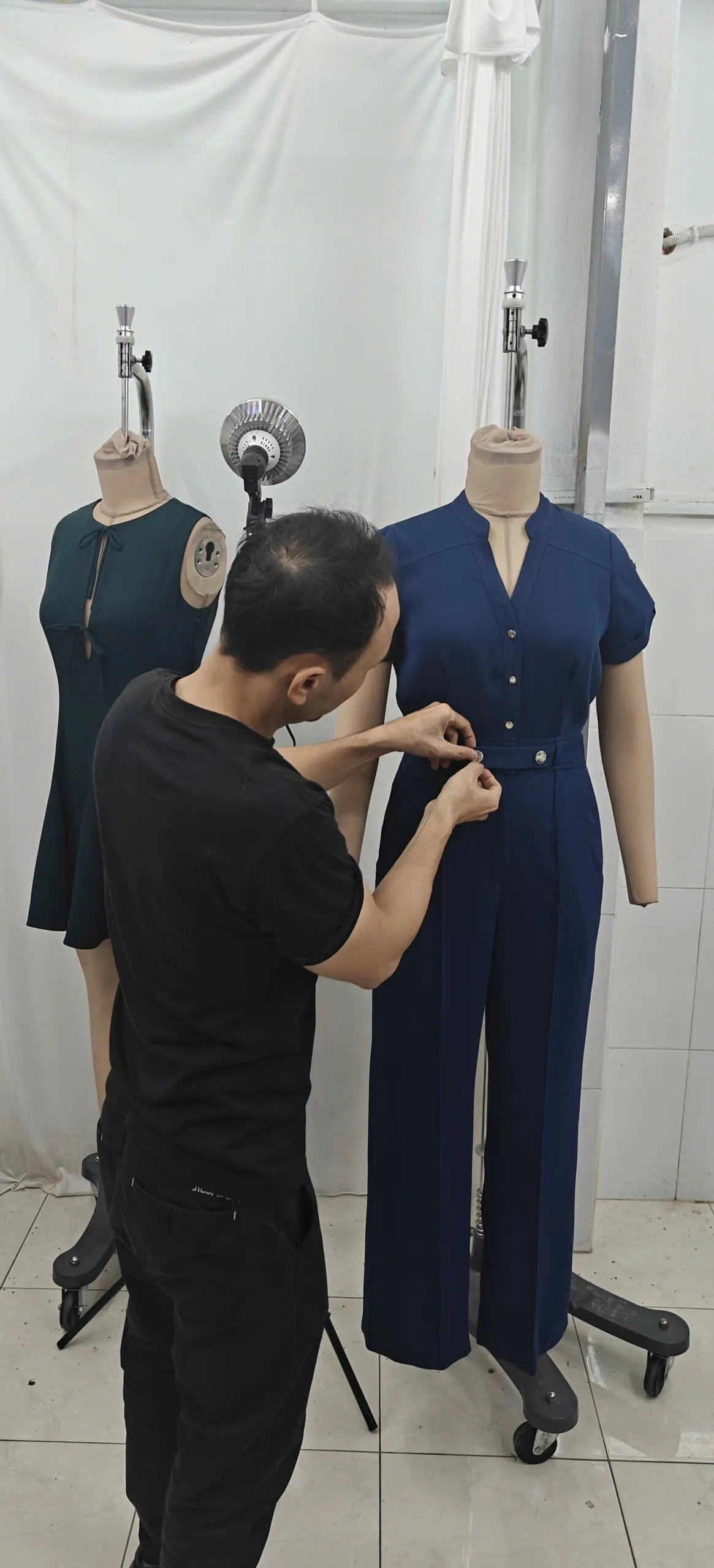
- Make: Skilled operators sew the pieces together according to the technical pack, creating the final garment structure.
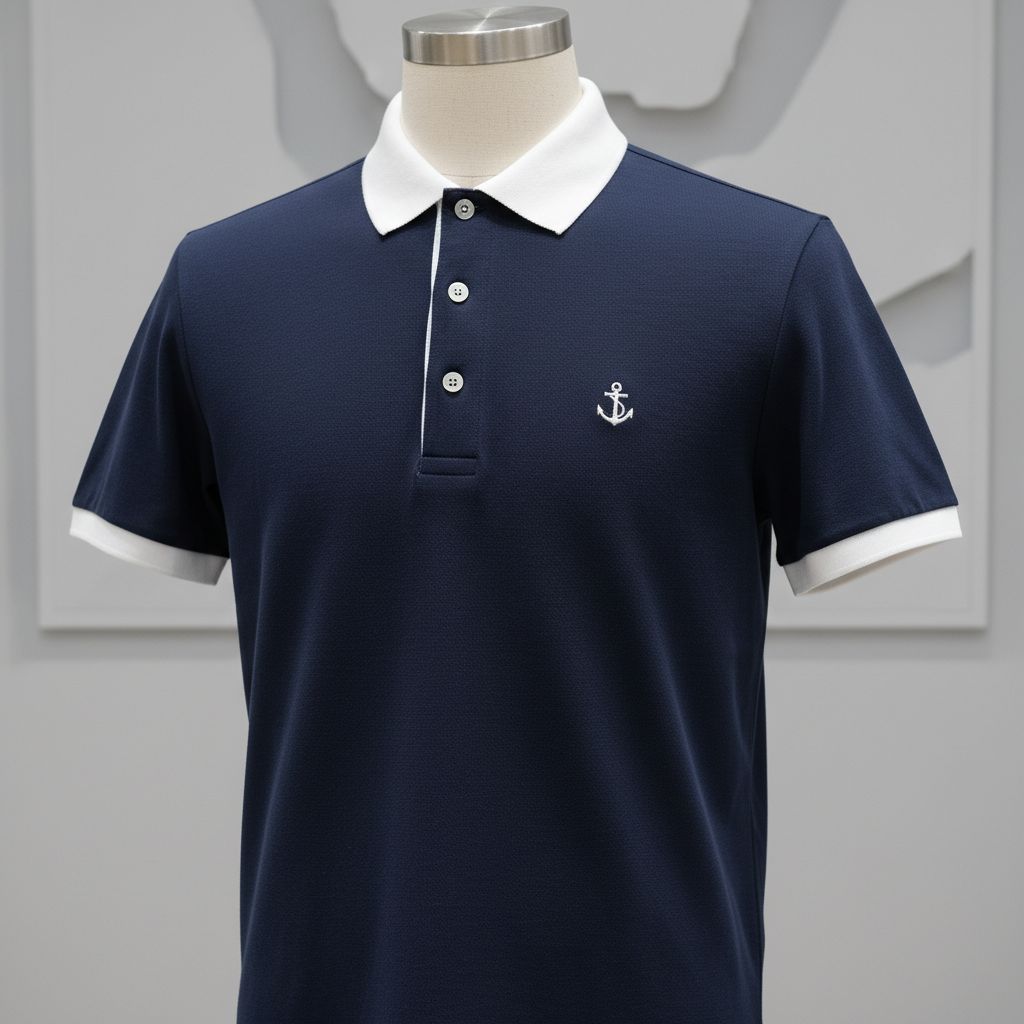
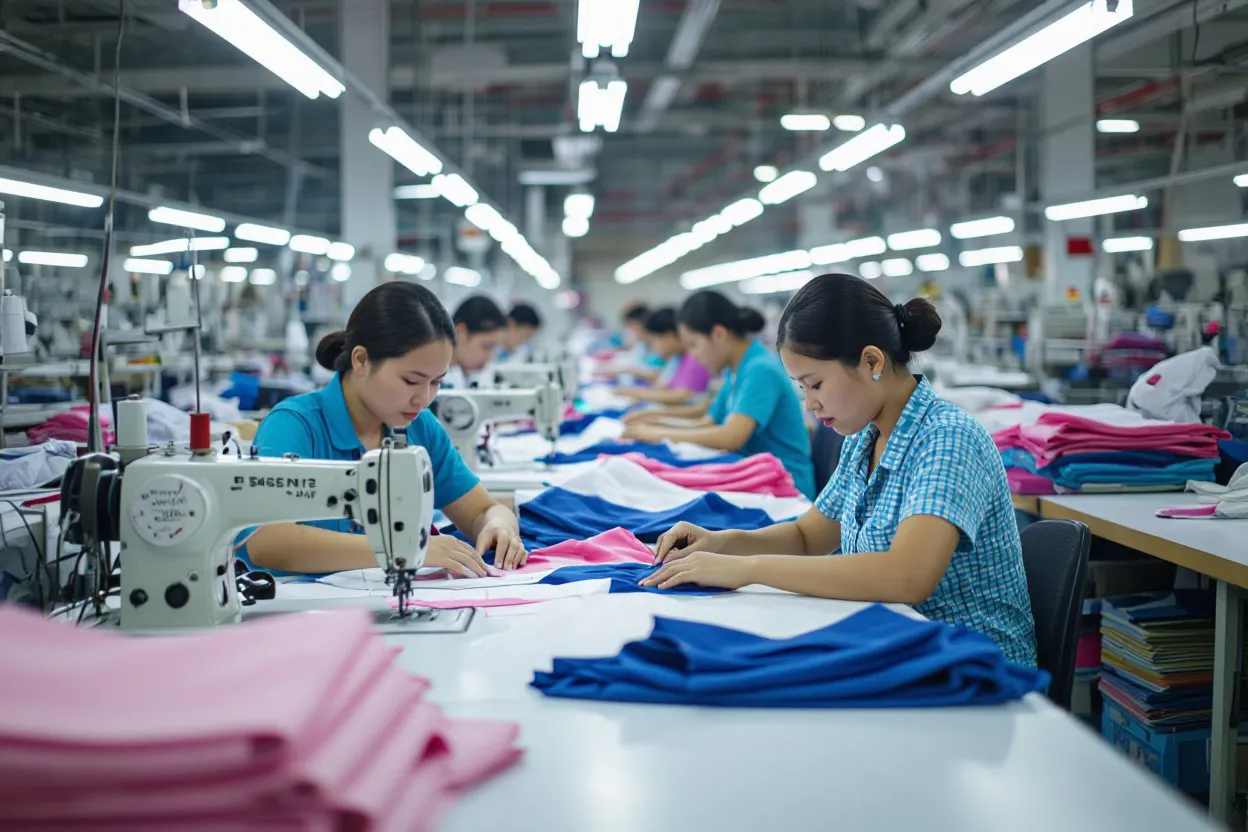
- Trim: The final stage includes attaching brand labels, ironing, thread trimming, quality inspection, and individual packing into polybags.
Best Suited For
- Medium-sized fashion brands or private labels needing professional finishing services.
- Designers who want full control over fabric type, color, and quality but don’t own a facility.
Example: A sportswear brand sends high-performance spandex fabric and zippers to Mekong Garment. We cut, sew, iron, and individually pack each item with brand stickers. The finished pieces arrive at your warehouse ready for immediate retail sale.
Pros and Cons of the CMT Model
Advantages
- Professional Finishing: Higher presentation quality compared to the basic CM model.
- Time Savings: The factory handles time-consuming tasks like pressing and basic packaging.
- Improved QC: Garments undergo a final inspection before packing, reducing return rates.
- Scalability: Buyers can focus on marketing and growth while leaving technical execution to experts.
Disadvantages
- Logistics Responsibility: The buyer must manage the coordination and shipping of all fabrics and trims.
- Material Dependency: Any delay in fabric delivery can halt the production line.
- Slightly Higher Fee: Costs more than CM due to the inclusion of finishing labor.
Conclusion
The CMT (Cut, Make, Trim) system remains a cornerstone of modern manufacturing. It empowers brands to prioritize precision, flexibility, and control, letting designers focus on creativity while trusted factories handle production excellence. In markets like Vietnam, where technical expertise meets global standards, CMT keeps your clothing lines efficient and consistent. At Mekong Garment, we provide meticulous CMT services to ensure your brand stands out on the world stage.