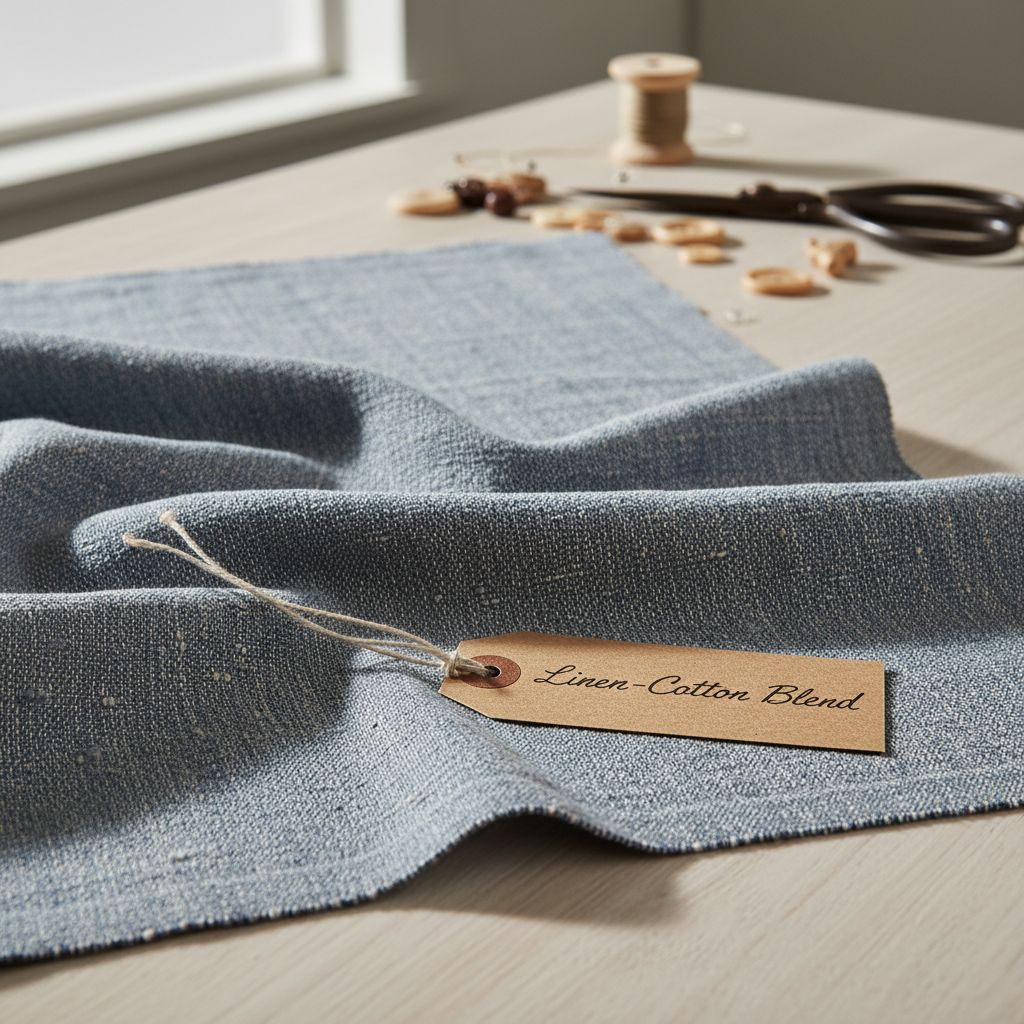
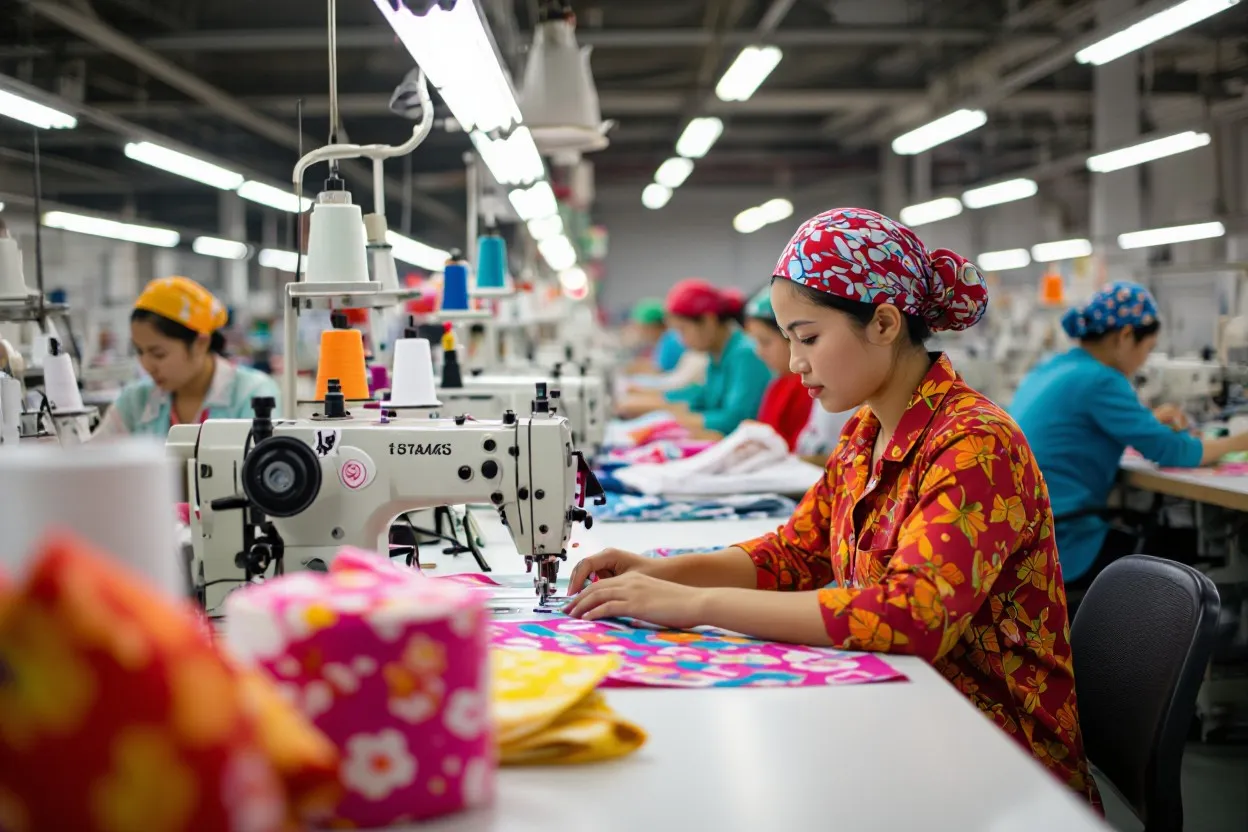

In the complex world of apparel manufacturing, every production model defines a unique balance between cost, control, and collaboration. Among these models, CM (Cut & Make) stands out as one of the most fundamental and widely used, especially for brands that already have their own raw material sources. In this system, the factory’s role is focused purely on technical execution—cutting fabric and assembly—while the buyer retains full control over materials and design details.
Quick Look: What is CM (Cut & Make)?
| Aspect | Buyer Provides | Factory Provides | Key Benefit |
|---|---|---|---|
| Materials | Fabric, trims, accessories | Labor & Equipment | Full material control |
| Production | Sourcing & Logistics | Cutting & Sewing | Labor-only cost |
| Finishing | Washing, Packing, QC | Raw sewn garments | Budget-friendly |
What Is CM (Cut & Make)?
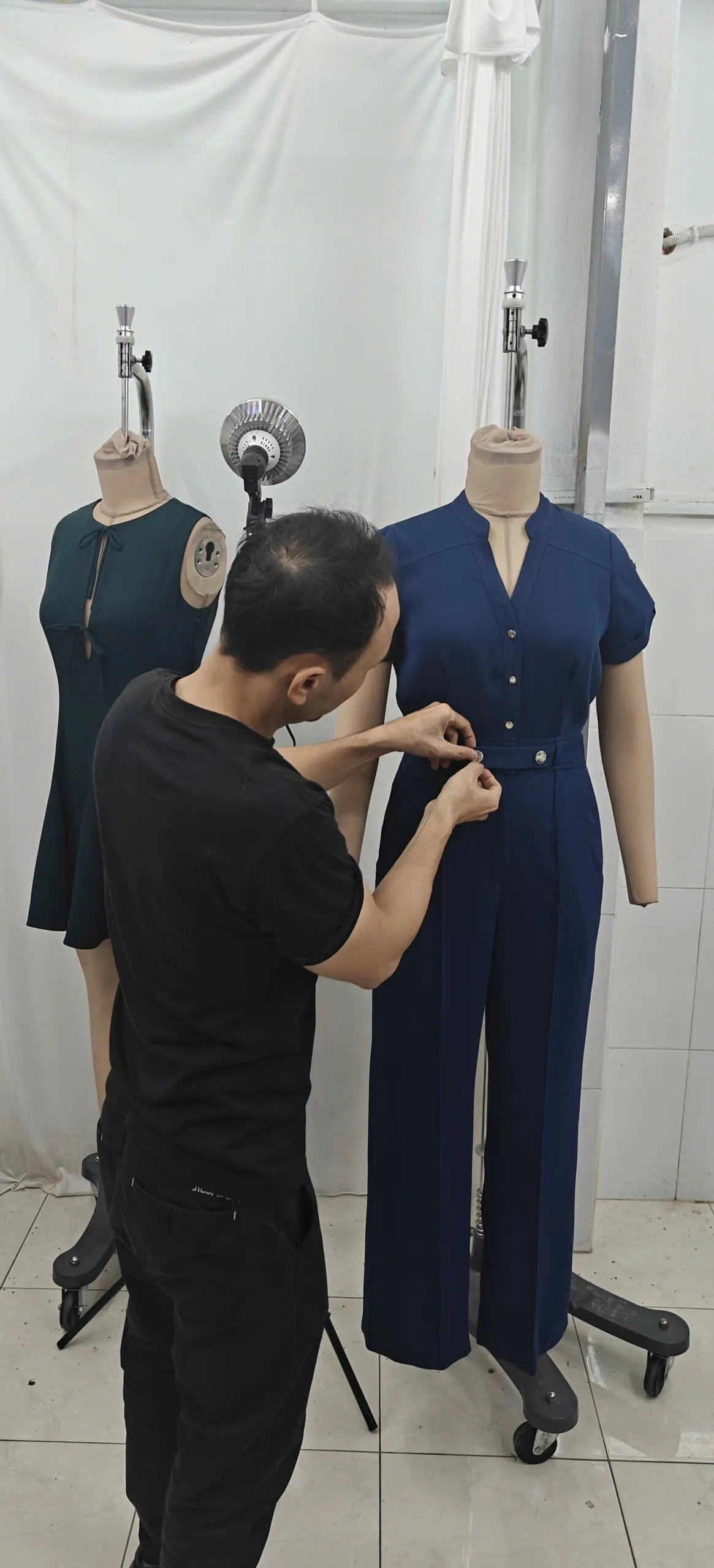
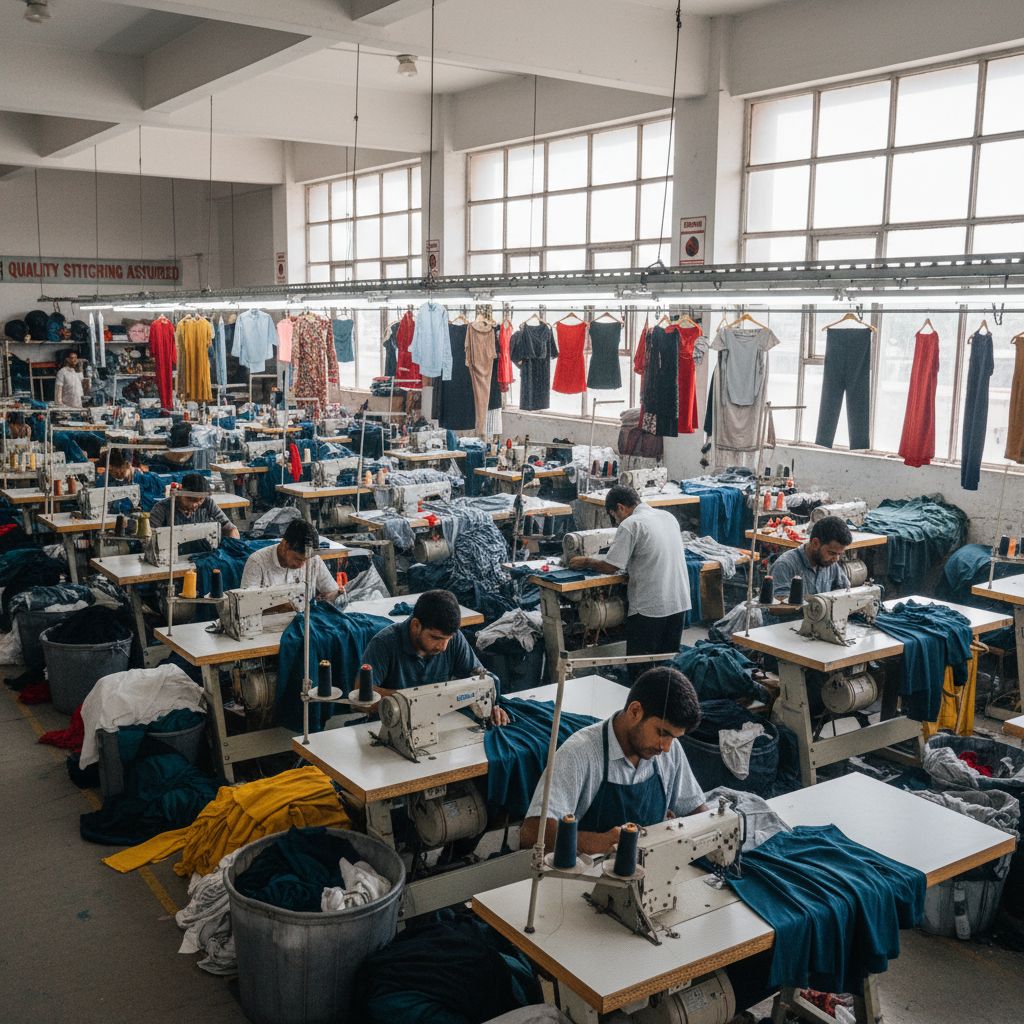
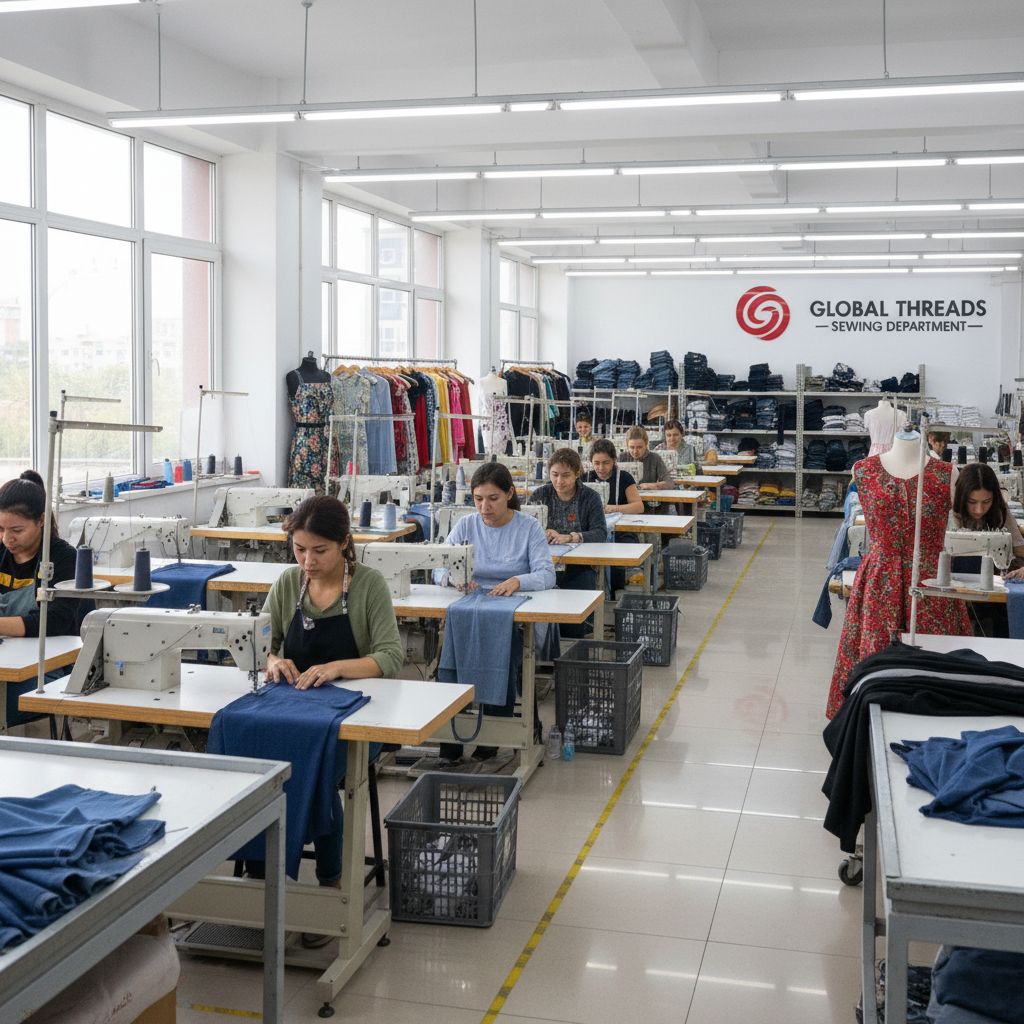
In the global garment industry, CM (Cut & Make) focuses purely on the labor side of manufacturing. The factory is responsible only for cutting the fabric and sewing garments based on designs or samples provided by the buyer. The brand supplies everything—from fabric and thread to buttons and zippers—while the factory provides the technical skill and manpower.
How the CM Process Works
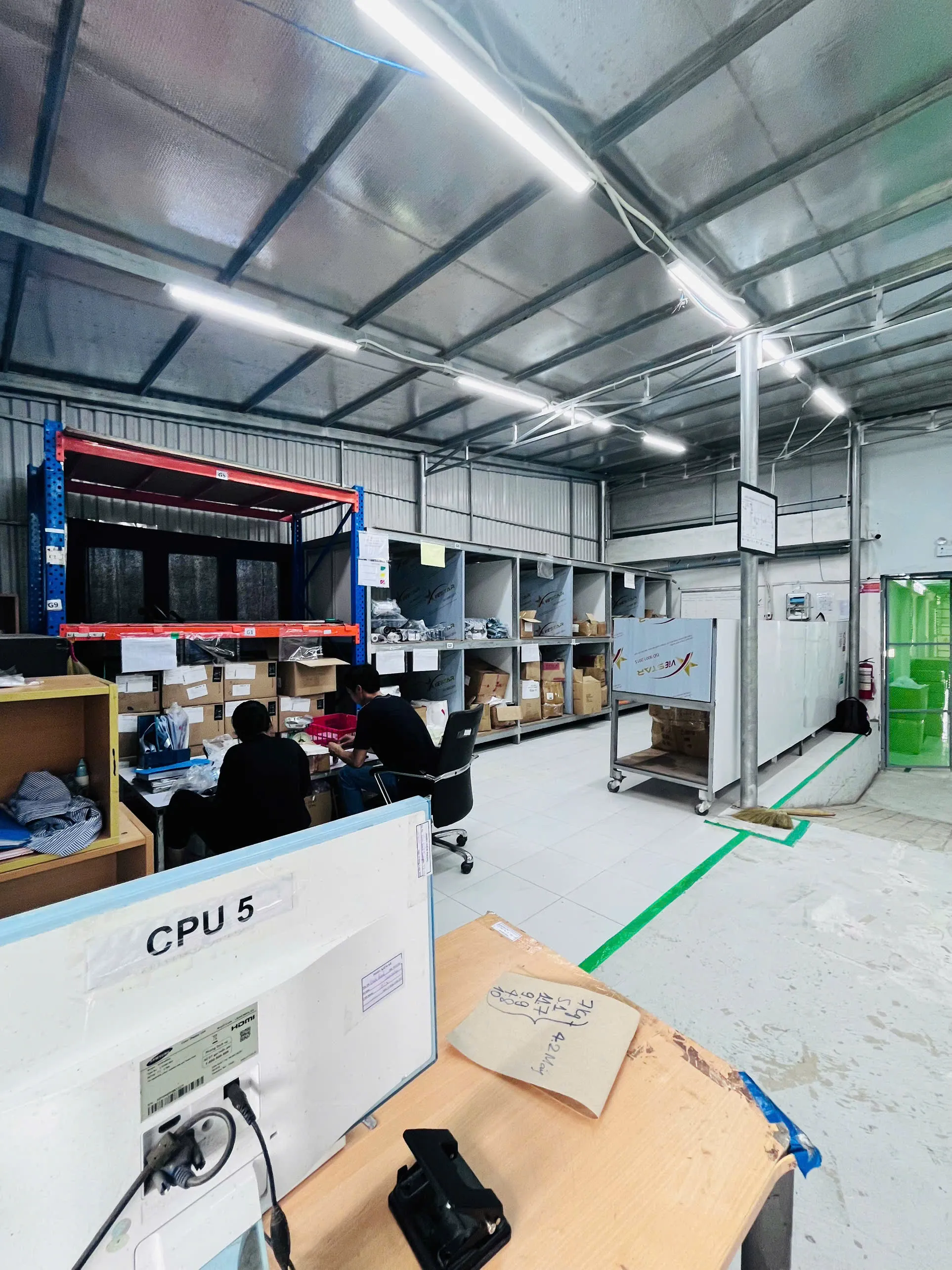
The process starts when the buyer sends a complete production package to the factory. This includes fabric rolls, trims, patterns, and a reference sample. The factory’s job is to assemble these components into finished garments. Once assembly is complete, the items are typically returned in bulk for the buyer to handle final finishing steps.
- The buyer supplies all materials: fabric, thread, labels, zippers, and patterns.
- The factory cuts and sews according to the approved tech pack.
- Finished garments are returned to the buyer, usually without final pressing or retail packaging.
Pros and Cons of the CM Model
Advantages
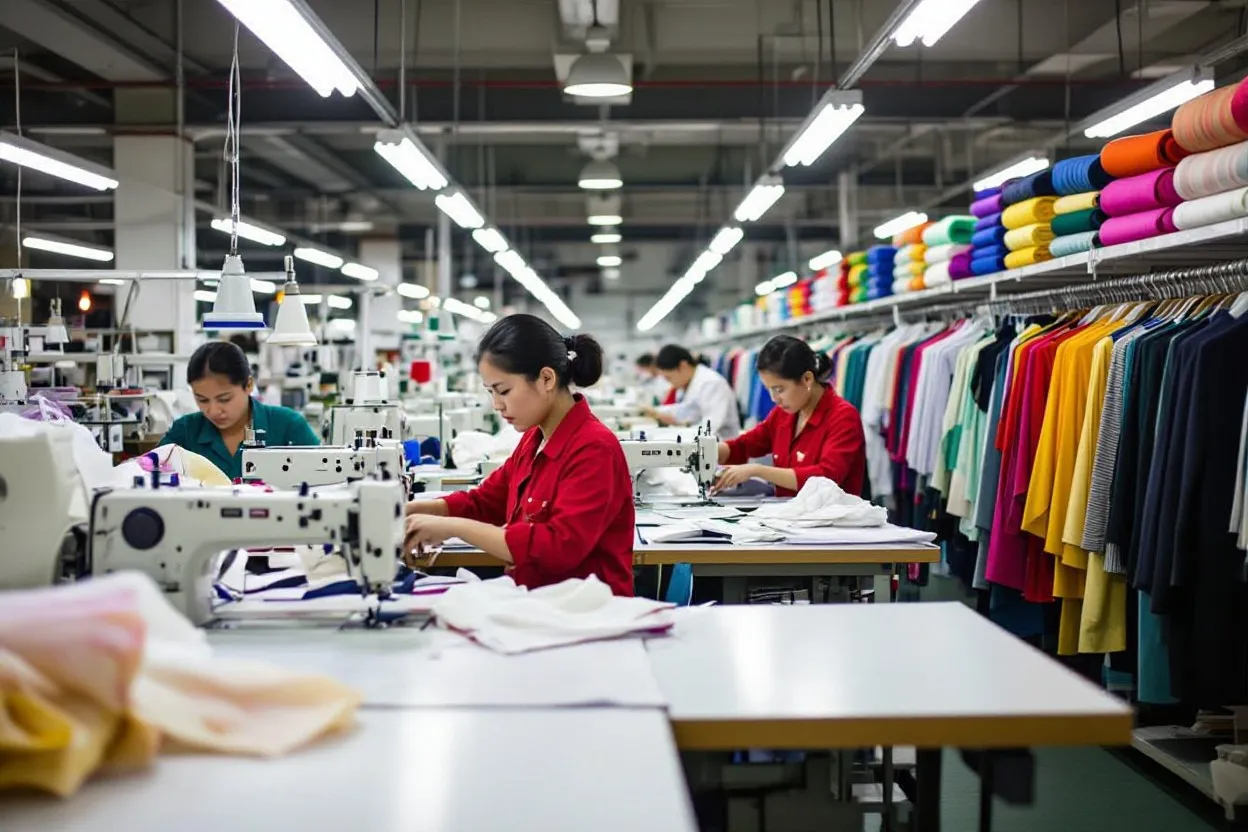
- Lowest Production Cost: Since you only pay for labor, it is the most economical per-piece model.
- Maximum Control: You choose the exact quality of fabric and trims, ensuring brand consistency.
- Focus on Skill: Allows you to leverage high-quality labor in regions like Vietnam without losing sourcing authority.
Disadvantages
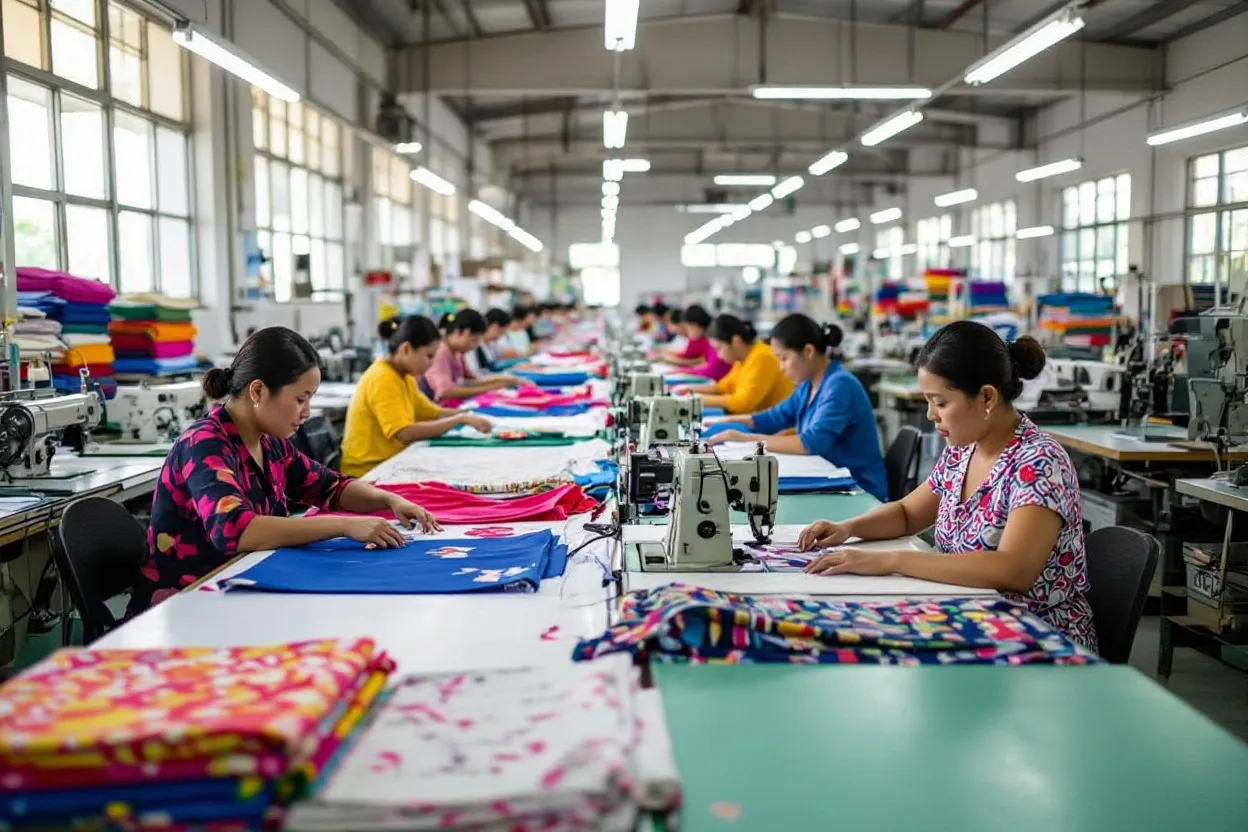
- High Coordination Effort: You must manage multiple suppliers and ensure everything arrives at the factory on time.
- No Finishing: The buyer must have their own facility or another partner for ironing and packing.
- Logistics Risk: Any delay in material delivery can halt the entire production line.
Who is CM Best For?
The CM model is perfect for independent designers, start-ups, or established labels that have long-term relationships with fabric mills. It is especially practical when maintaining fabric consistency is your top priority and you have the team to manage the supply chain logistics.

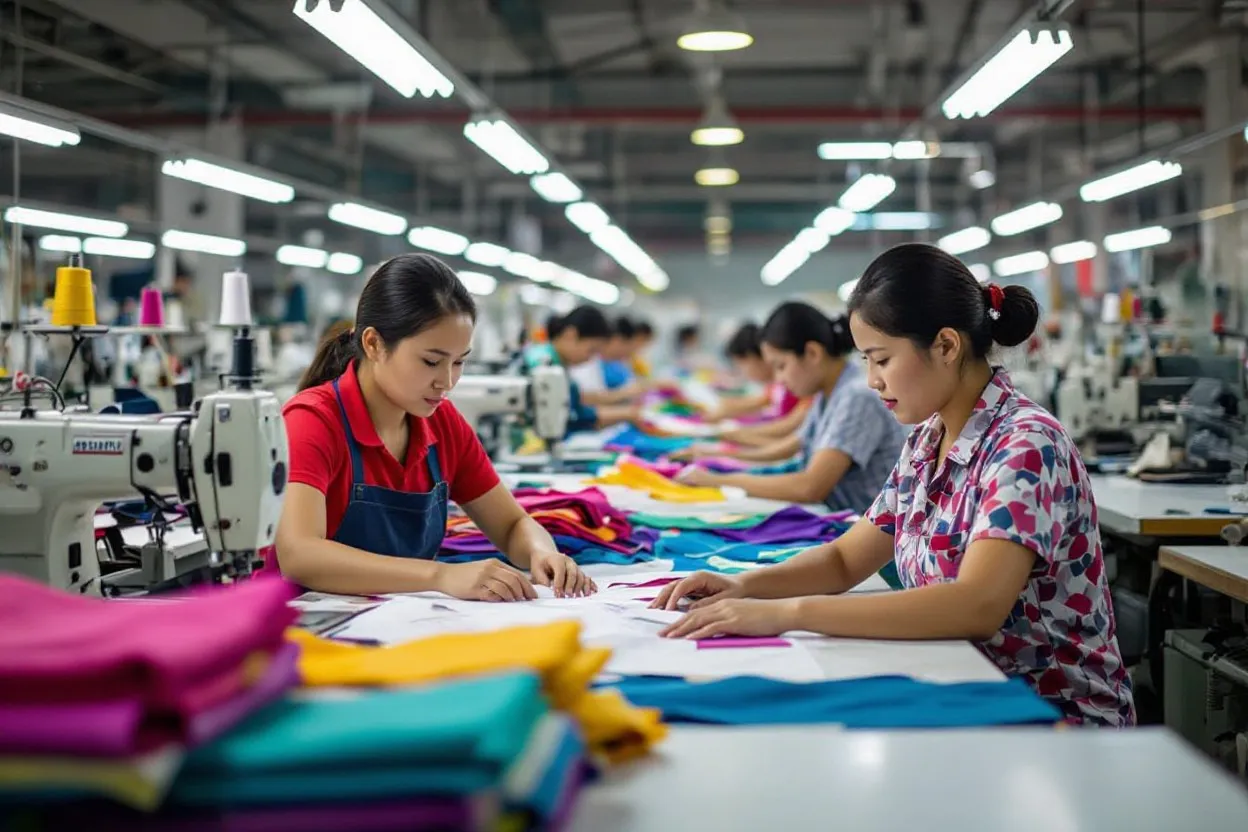
Example: A designer sends high-end linen from Italy and custom buttons from Japan to a factory in Vietnam. The factory sews the collection, and the designer handles the final branding and distribution from their own warehouse.
Conclusion
The CM (Cut & Make) model is the simplest yet most flexible form of garment manufacturing. It allows companies to save costs and maintain strict quality standards by staying hands-on with materials. While it requires strong coordination and logistics management, it is a perfect starting point for building trusted manufacturing relationships. At Mekong Garment, we provide skilled CM services to help bring your handcrafted designs to life with professional precision.
FAQs About CM (Cut & Make) in the Garment Industry
What is CM (Cut & Make) in the garment industry?
CM (Cut & Make) is a labor-focused production model where the buyer supplies all raw materials fabric, trims, patterns and reference samples and the factory provides technical work: cutting fabric and sewing garments to the buyer’s specifications. The buyer retains control over materials, design details and post-production steps while the factory charges primarily for manpower and workmanship.
How does the CM process work from buyer to factory?
The buyer sends a complete production package (fabric rolls, trims, patterns, samples and markers) to the factory. The factory cuts the fabric according to patterns, assembles pieces by sewing, and returns finished garments in bulk. Pre-production sourcing and post-production tasks such as washing, pressing, labeling, quality inspections beyond workmanship, and packing are handled by the buyer unless otherwise agreed.
=> Read More: https://mekonggarment.com/how-does-the-cm-process-work-from-buyer-to-factory/
What are the main advantages of using a CM model?
Key advantages include lower unit cost because the factory charges mainly for labor; full buyer control over fabric and trim quality; suitability for premium or designer products where material choice defines the item; and a clear division of responsibilities that lets brands focus on sourcing and design while leveraging lower-cost sewing capacity in regions like Vietnam or Bangladesh.
What are the main disadvantages or risks of CM?
Disadvantages include higher coordination and logistics workload for the buyer, vulnerability to production delays if materials arrive late or incomplete, the factory’s limited responsibility beyond sewing (so finishing, packing and some quality checks fall to the buyer), and potential slower turnaround when materials cross borders. Success depends on tight supply-chain organization and strong communication.
Who is CM best suited for?
CM suits small or medium brands, independent designers, start-ups without in-house sewing, and established labels that already manage reliable material suppliers. It’s ideal when maintaining consistent fabric quality is a priority, production volumes are small to medium, and the brand prefers hands-on control of materials and final presentation.
How does CM differ from CMT and CMPT?

CM (Cut & Make) means the buyer supplies materials and the factory only cuts and sews. CMT (Cut, Make & Trim) adds factory responsibility for trims and some accessories so the supplier provides fewer inputs. CMPT typically denotes Cut, Make, Pack (& Trim), where the factory also handles packing, labeling and basic finishing. Each step the factory takes on reduces the buyer’s sourcing and logistics tasks but increases the factory’s costs and responsibility.
What practical steps should a brand take to succeed with CM?
Establish reliable material suppliers and buffer lead times for international shipping; provide precise patterns, tech packs and reference samples; set clear quality standards and inspection points focused on workmanship; maintain close communication with the factory on schedules and quantities; and plan for post production steps (washing, pressing, tagging, packing) or contract them to trusted partners. Consistent documentation and a dedicated in-house coordinator will greatly reduce production risk.