
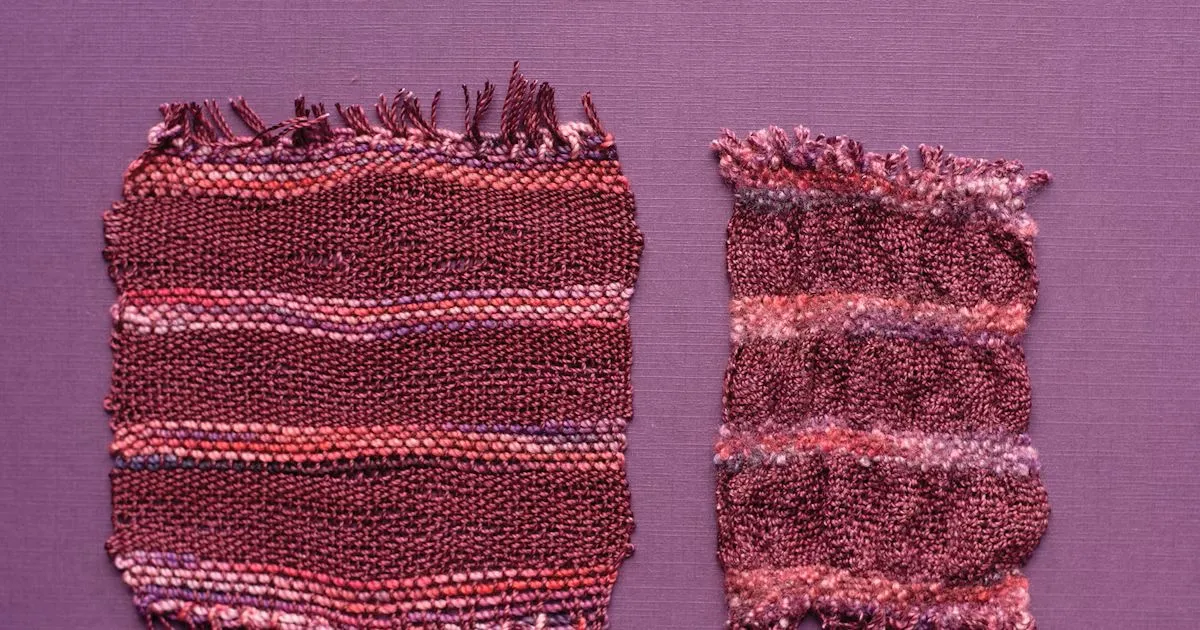

Garment makers must understand knit fabric shrinkage to prevent costly sizing changes. This guide explains the causes—heat, moisture, agitation, and fiber construction—and provides practical controls like selecting stable fabrics, pre-washing, and regulating compacting machine parameters. You will also learn how to measure and apply finishing steps to stabilize your garments for consistent quality.
What is Knit Fabric Shrinkage?
“Knit fabric shrinkage” refers to the reduction in length and/or width of a knitted fabric when washed, dried, or exposed to heat and moisture. Because knitted fabrics are made of interlocking loops, the fibers can move or compress further under stress, leading to dimensional changes.
Typical Shrinkage Ranges for Natural Fibers
| Fiber Type | Typical Shrinkage Range |
|---|---|
| Cotton | 3–7% |
| Linen | 4–10% |
| Viscose (Rayon/Bamboo) | 4–8% |
| Wool | 5–10% (Can reach 30% if agitated) |
| Silk | 2–5% |
| Lyocell (Tencel) | 2–3% (Most stable natural-based fiber) |
Core Causes of Shrinkage
The degree of shrinkage depends on several key environmental and mechanical factors:
| Factor | Impact on Fabric | Prevention Tip |
|---|---|---|
| Heat | Washing above 60°C or high-heat tumble drying draws loops in. | Wash below 40°C and air-dry or tumble-dry low. |
| Moisture | Wetting causes natural fibers to swell and relax into a tighter state. | Pre-wash or wet-relax fabrics before garment assembly. |
| Agitation | Mechanical rubbing in machines causes loops to interlock tightly. | Use gentle cycles and low spin speeds for delicate knits. |
| Construction | Single jersey (3-8%) shrinks more than interlock (1-3%). | Prefer tighter gauges or compact knits for better stability. |
How to Control Shrinkage in Production
At the factory level, controlling shrinkage happens primarily during the compacting machine process:
- Fabric Selection: Choose appropriate constructions and weights that are inherently more stable.
- Temperature & Humidity: Maintain consistent machine temperatures to stabilize loops permanently.
- Speed Control: Adjust the throughput speed to manage tension and allow for proper loop relaxation.
- Regular Maintenance: Ensure rollers and tension devices do not reintroduce stress during finishing.
- Chemical Stabilization: Use approved resin cross-linking or stabilizers when natural fibers require extra control.
Calculating Shrinkage Percentage
To measure accurately, follow international standards like AATCC 135 or ISO 6330. Measure a specific area before and after a wash/dry cycle.

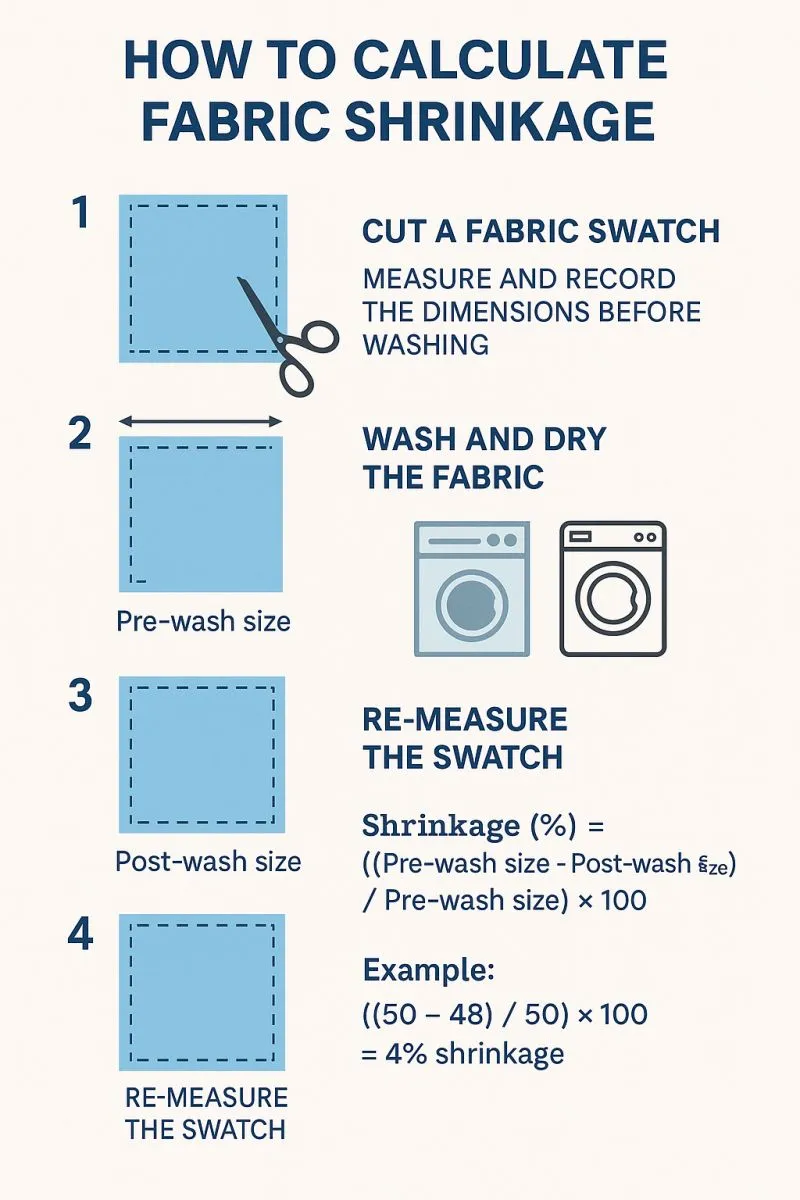
The Formula:
Shrinkage % = ((Dimension After Wash – Dimension Before Wash) / Dimension Before Wash) x 100
Example: A 100cm piece reduces to 96cm.
((96 – 100) / 100) x 100 = -4% (The negative sign indicates reduction).
Generally, a shrinkage rate of 2–3% or less is acceptable for premium garments.
Finishing Tips to Minimize Residual Shrinkage
- Compacting/Sanforizing: Aim for 1–3% residual shrinkage on cotton jerseys.
- Heat-Setting: Use 180–200°C for polyester blends to lock the loop geometry.
- Tentering: Control overfeed (0–5%) to ensure the width stays within ±1% tolerance.
- Relaxation Drying: Avoid reintroducing tension during the final winding stage.
Conclusion
Managing knit shrinkage requires a systematic approach, from selecting stable raw materials to fine-tuning machine parameters. Aiming for under 3% shrinkage ensures that your finished products maintain their intended fit and quality. At Mekong Garment, we utilize advanced compacting and testing protocols to protect your brand from sizing inconsistencies.
FAQs About Controlling Knit Fabric Shrinkage
What is knit-fabric shrinkage and why does it happen?
Knit-fabric shrinkage is the reduction in a knitted fabric’s length and/or width after exposure to washing, drying, heat or moisture. Knits are made of interlooped yarns, so fibres and loops can move, swell, compress or interlock further when wet or heated. The degree of shrinkage depends on fibre type (natural fibres like cotton and wool shrink more than synthetics), fabric construction (looser knits shrink more), fabric quality and finishing, and the care conditions applied.
What are the main causes of shrinkage in knit fabrics?
The primary causes are heat (high washing, drying or ironing temperatures compress fibres and draw loops tighter), moisture (wetting causes swelling and subsequent contraction on drying), mechanical agitation (washing or tumbling causes loops to interlock more tightly), fibre type (natural fibres are more prone), fabric construction (knits vs. wovens), and inadequate finishing or stabilization during manufacturing.
How do you measure and calculate knit-fabric shrinkage?
Measure dimensions (length and width) before and after the treatment. Shrinkage percentage = (after − before) / before × 100. Example: before = 35 cm, after = 33 cm → (33 − 35) / 35 × 100 = −5.7% (negative sign indicates reduction). Measure both length-wise and width-wise shrinkage; for quality control, many manufacturers aim for shrinkage under about 5% in well-processed fabrics.
What steps control shrinkage during compacting of knit fabrics at the fabric stage?

Key measures: select stable fabric constructions and appropriate fibre blends; perform pre-washing or pre-treatment to remove residual stresses and allow initial relaxation; maintain controlled machine temperature and ambient humidity so the fabric stabilizes predictably; set and monitor fabric feed speed and tension to avoid introducing unwanted stretch or relaxation; perform regular maintenance on rollers, tension devices and feeders to prevent mechanical variability; and, where applicable, use approved shrink-control chemicals per supplier guidelines.
Which finishing treatments and chemicals help reduce knit shrinkage and how should they be applied?
Mechanical finishing such as compaction, controlled heat-setting (for thermoplastic fibres), steaming and controlled drying can stabilize loops and reduce shrinkage. Chemical options include stabilisers and shrink-control agents formulated for knit applications. Apply chemicals at recommended types and concentrations, conduct lab trials on representative samples, and verify results after washing cycles. Avoid over-treatment that can alter hand, breathability or appearance.
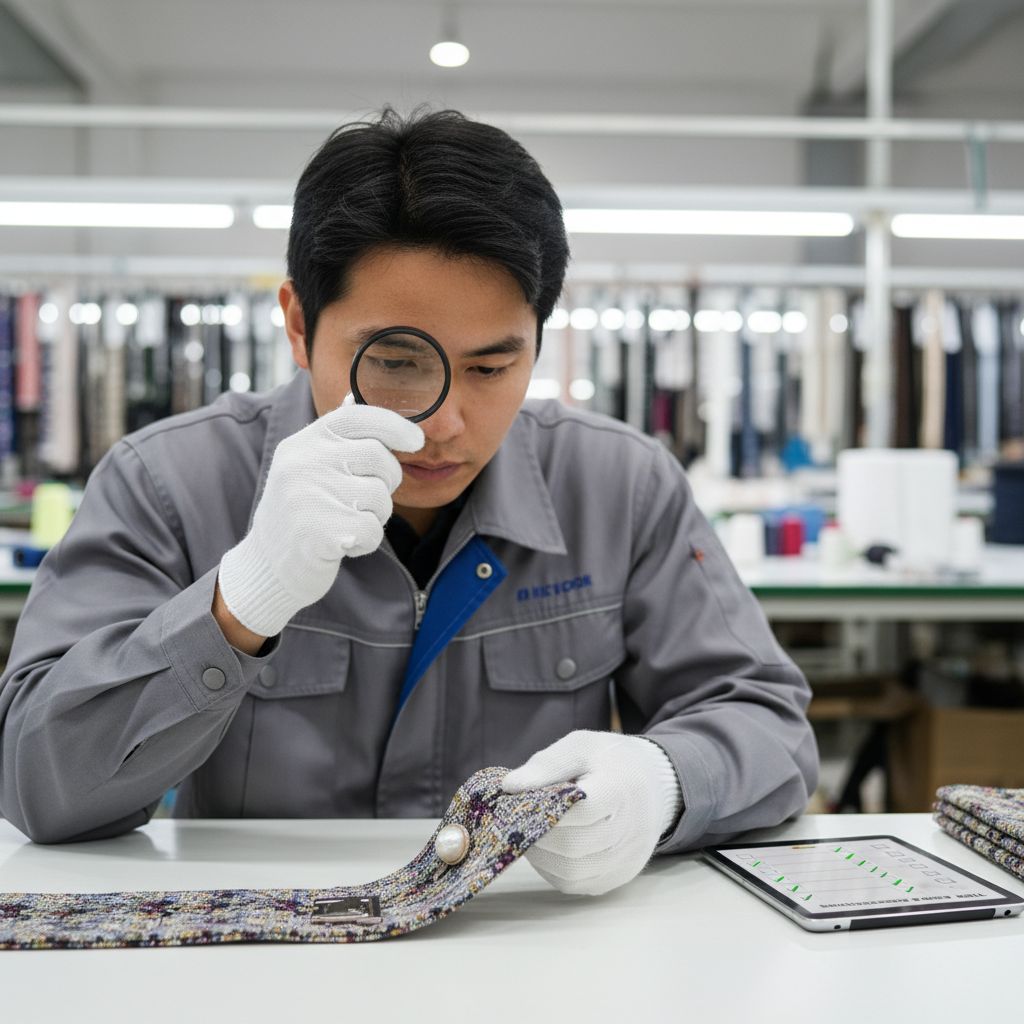
What quality checks should manufacturers perform to ensure acceptable shrinkage levels?
Implement incoming fabric evaluation and pre-treatment shrinkage tests, measure length and width before and after prescribed wash/dry cycles, set acceptance criteria (commonly <5% for many finished knits), document compacting machine settings (temperature, speed, tension, humidity) and chemical treatments, conduct routine sampling and statistical monitoring, and carry out corrective actions (adjust compacting parameters, change chemical recipe or fabric selection) when samples exceed limits.