Seal Inspection Procedure (V.V.T.T Method) in the Garment Industry – Container Sealing

In international garment exports, container security is a top priority. One of the most important safeguards is the container seal, which ensures goods remain untouched during transport. This guide explains the V.V.T.T inspection method, a simple yet effective process widely used in the garment industry to maintain safety and transparency.
Seal Inspection Procedure (V.V.T.T Method)
Purpose and Importance of Seal Inspection
Before any container is shipped, the seal serves as the final line of defense against tampering. For garment exporters, this is vital as each shipment contains thousands of finished products. Proper seal inspection helps to:
- Prevent loss or substitution of goods.
- Detect early signs of tampering or damage.
- Maintain compliance with international supply chain security standards.
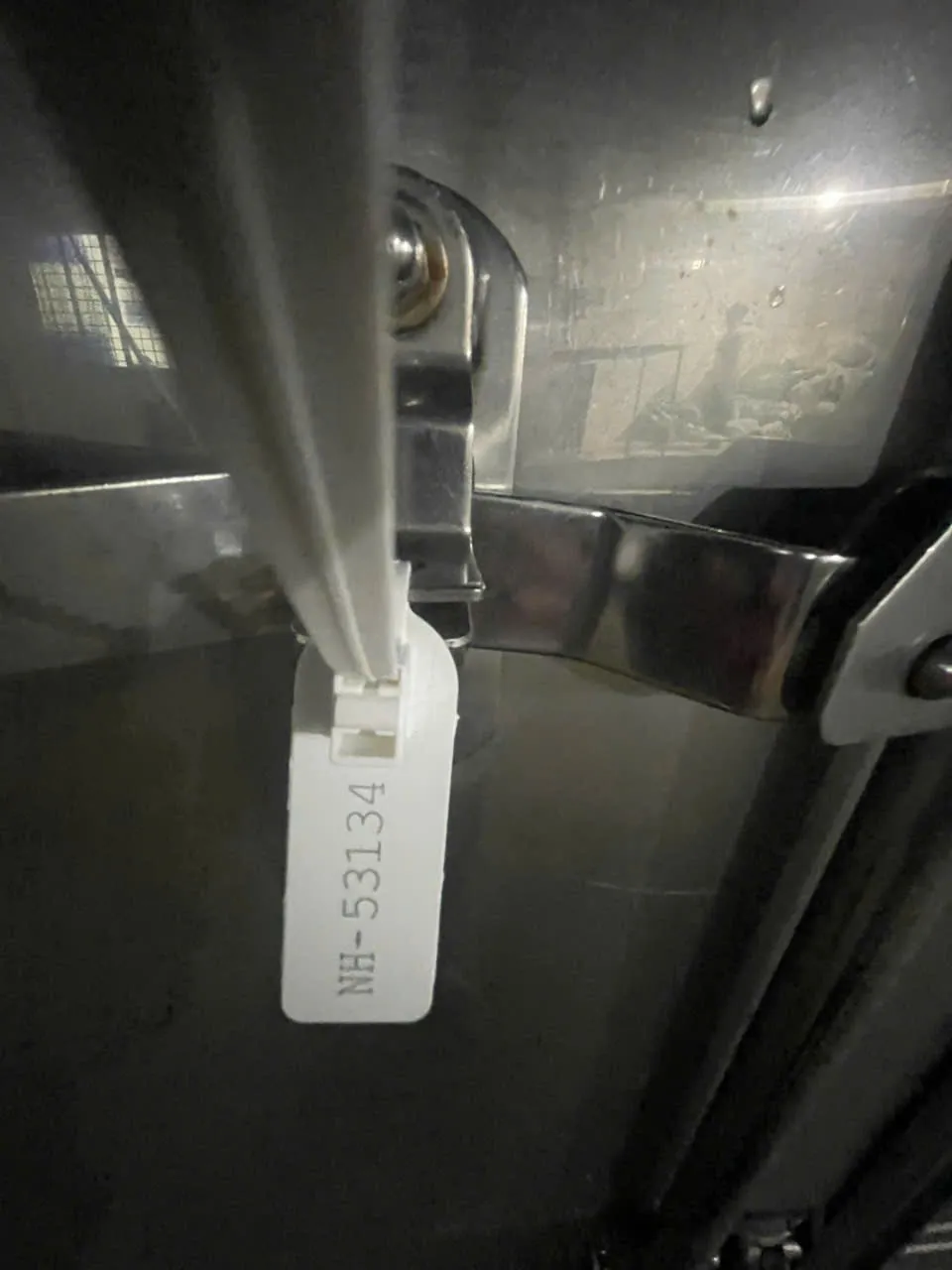
Seal Inspection Method Based on the V.V.T.T Principle
To make inspection consistent, the industry applies the V.V.T.T method—focusing on looking, verifying, pulling, and twisting. This ensures the seal is not only present but correctly locked and tamper-proof.
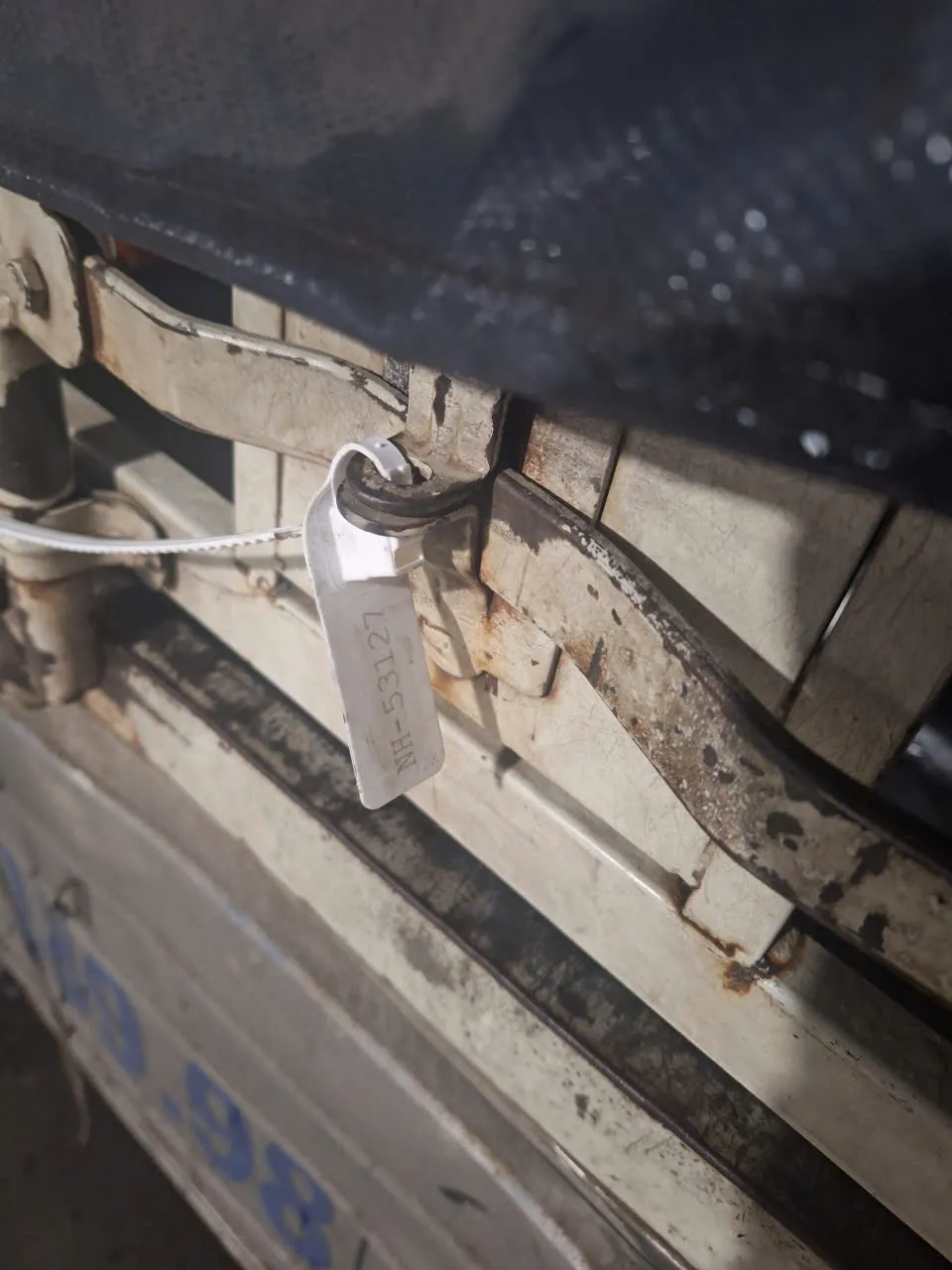
| Step | Meaning | Action | Objective |
|---|---|---|---|
| V – View | Visual Check | Inspect the external condition of the seal and lock. | Ensure no visible damage or tampering. |
| V – Verify | Reconciliation | Compare seal number with shipping documents. | Confirm authenticity and consistency. |
| T – Tug | Pull Down | Pull the seal firmly downward. | Ensure the seal is locked tight. |
| T – Twist & Turn | Spin Test | Twist and rotate the seal. | Confirm it cannot be manipulated or removed. |
Seal Verification and Confirmation Procedure
Once the physical inspection is complete, documentation is essential for proof of integrity. In case of disputes at the port, these records serve as trusted evidence. Follow these steps:
- Record the seal number accurately on all shipping documents.
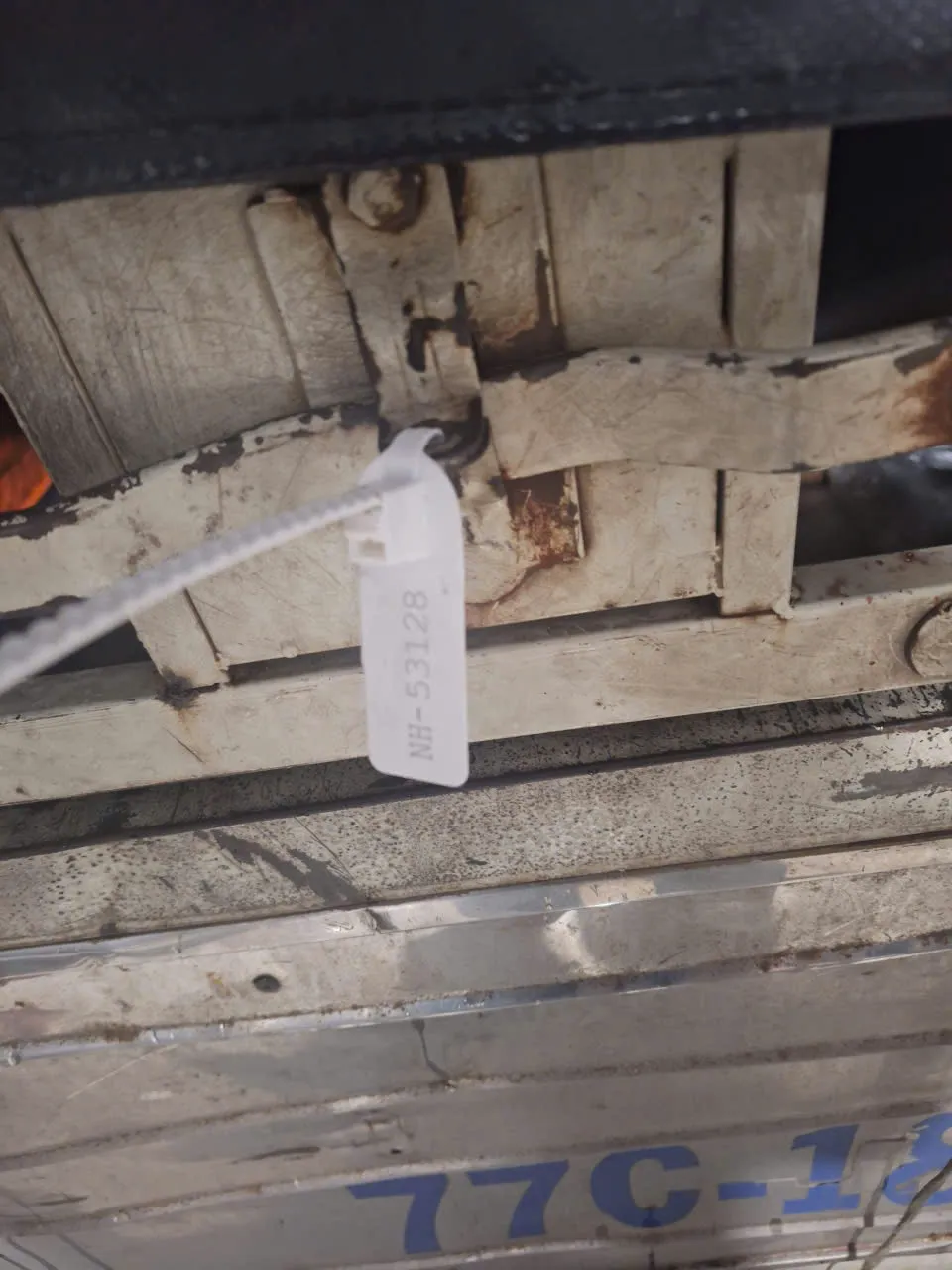
- Photograph the seal clearly (showing the number) for digital documentation.
- Ensure the logistics supervisor signs off on the inspection form.
- Retain all records for future verification.

Conclusion
Seal inspection is a critical part of international shipping security. By applying the V.V.T.T method, Mekong Garment ensures every container is safely sealed, transparent in handling, and fully compliant with global logistics standards. It’s a small detail that carries the big responsibility of safeguarding your entire shipment.
FAQs About Seal Inspection Procedure (V.V.T.T Method)
What is the V.V.T.T method?
View (V) – Perform a visual check of the seal and container lock to spot damage or tampering. Verify (V) – Cross-check the seal number against shipping documents to ensure correctness. Tug (T) – Pull the seal firmly downward to test that it’s locked tightly and not loose. Twist & Turn (T) – Twist/rotate the seal to confirm that it cannot be manipulated or removed easily.
Why is seal inspection important for garment exports?
Because each shipment typically contains thousands of finished products, a compromised container seal can lead to serious issues: Loss or substitution of goods. Delays or claims from buyers if appearance of tampering occurs. Damage to the manufacturer’s reputation for reliability and product integrity.
When should the seal inspection be carried out?
The inspection should happen before loading the container (to ensure proper seal is applied and intact) and during transit checking if applicable, so that any signs of tampering or damage are detected early.
What form of documentation is needed after the inspection?
After the physical check is completed via V.V.T.T, the following verification steps are recommended:
Record the seal number accurately in shipping documents. Photograph the seal clearly for proof and traceability. Signature of the logistics supervisor or relevant representative on the inspection form. Archive all inspection records for future disputes or verification.
What should be checked visually (the “View” step) in V.V.T.T?
During the “View” step, the inspector should: Check the external condition of the seal itself and the container lock. Ensure there are no visible signs of damage, tampering, or forced removal. Confirm that the seal is properly seated and the lock is engaged.
How does the “Verify” step work and why is it important?
In “Verify”, the inspector compares the seal number on the container seal with the number listed on the shipping documents. This is important because: It confirms the correct seal is applied to the correct container. Prevents fraudulent replacements or mismatches which could lead to tampering unnoticed.