Poly Bags in the Apparel Industry: Types, Materials, Uses, and Thickness Guide

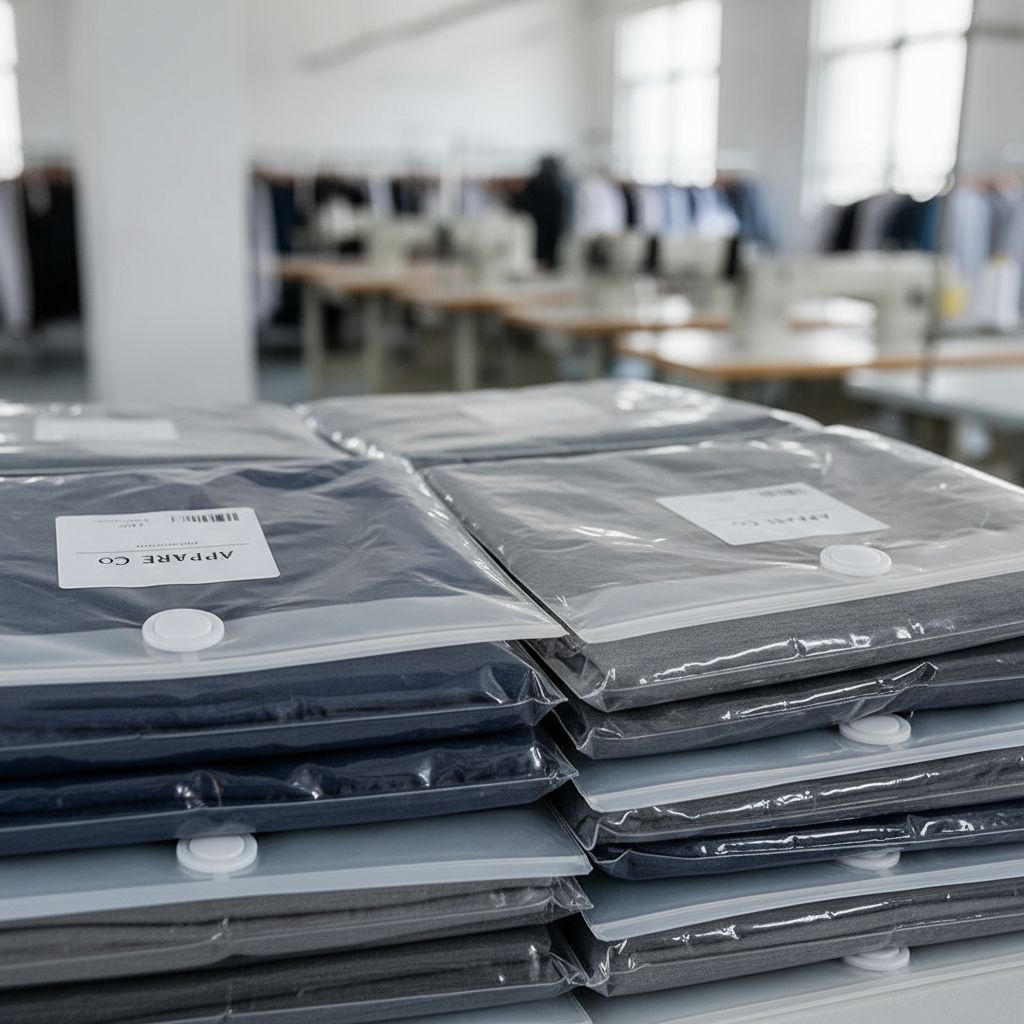
Poly bags may seem like a small part of garment production, but they play a critical role in protecting apparel throughout the supply chain. From the sewing line to the retail shelf, a properly selected poly bag helps keep garments clean, wrinkle-free, and protected from dust, moisture, and handling damage. For fashion brands, retailers, and garment manufacturers, poly bags are more than simple packaging. They also support efficient packing, inventory control, transportation, and brand presentation. Many buyers specify detailed requirements for poly bag size, material, thickness, warning labels, vent holes, and sealing methods as part of their packaging standards.
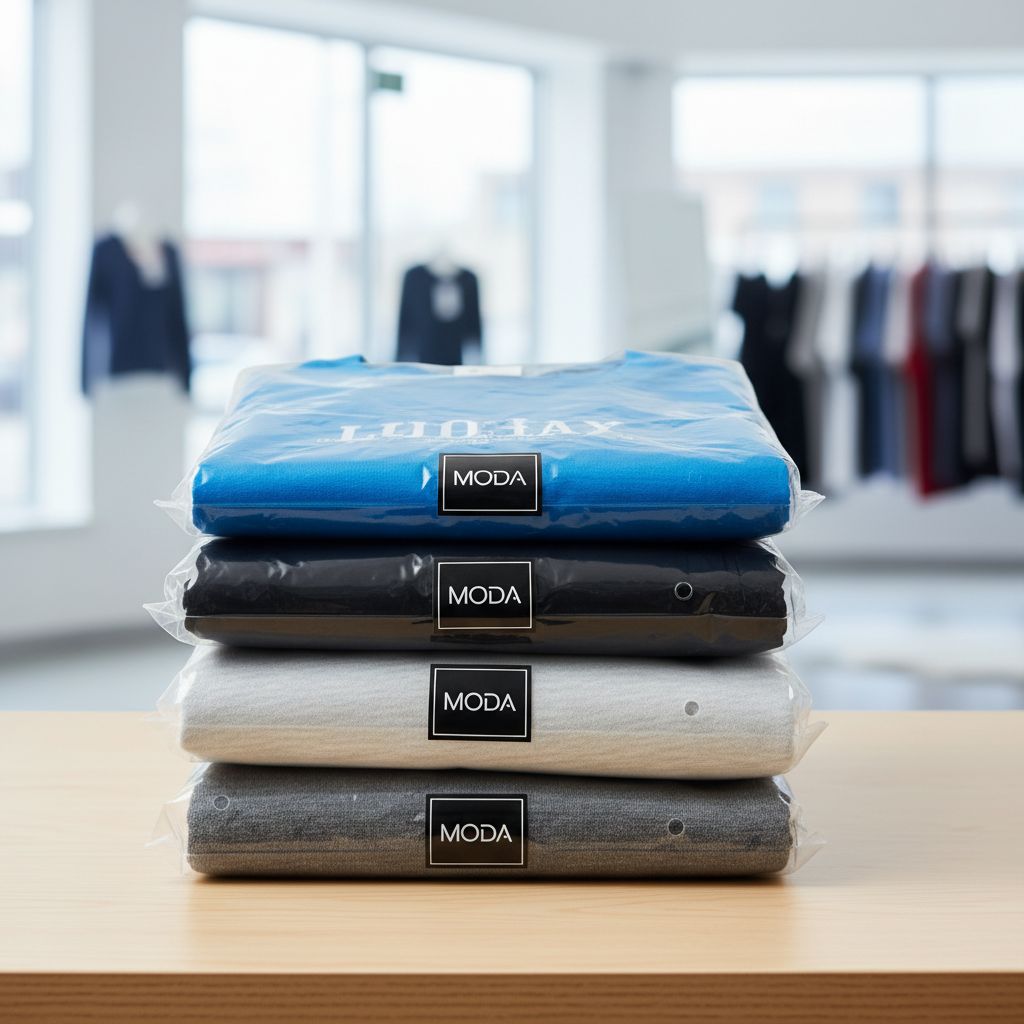
In this guide, we’ll explain what poly bags are, the different types used in the apparel industry, common materials, thickness measurements, and the quality checkpoints every garment factory should understand.
What Is a Poly Bag?
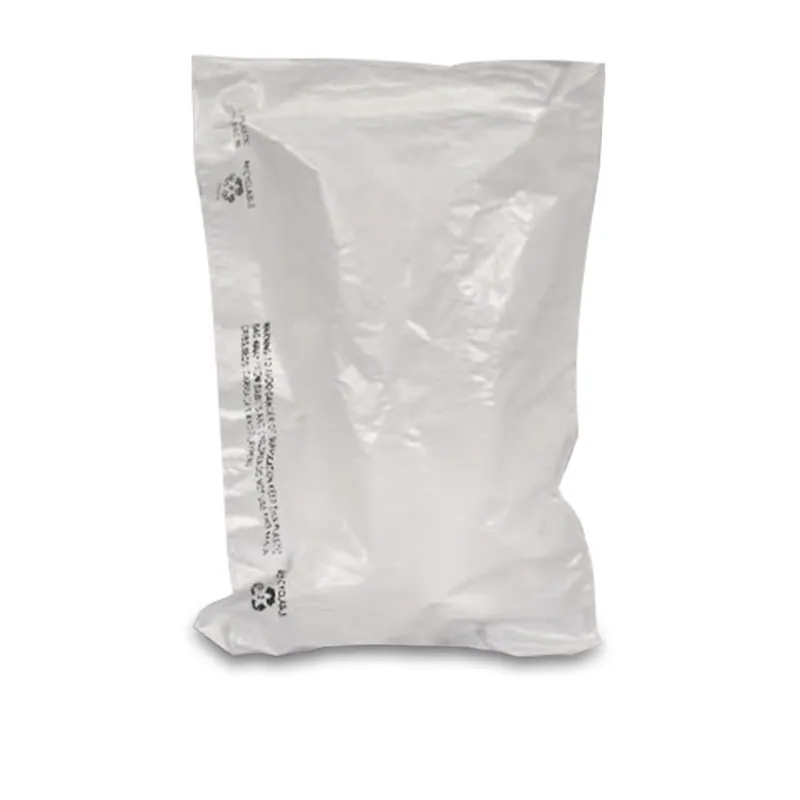
A poly bag (short for polyethylene bag) is a protective plastic bag used to package garments after production. Its primary purpose is to keep finished apparel clean and protected during storage, transportation, and distribution.
Depending on buyer requirements, poly bags may be used to package:
- Individual garments
- Multiple garments in one package
- Hanging garments
- Retail-ready products
Although simple in appearance, the right poly bag helps maintain product quality until the garment reaches the customer.
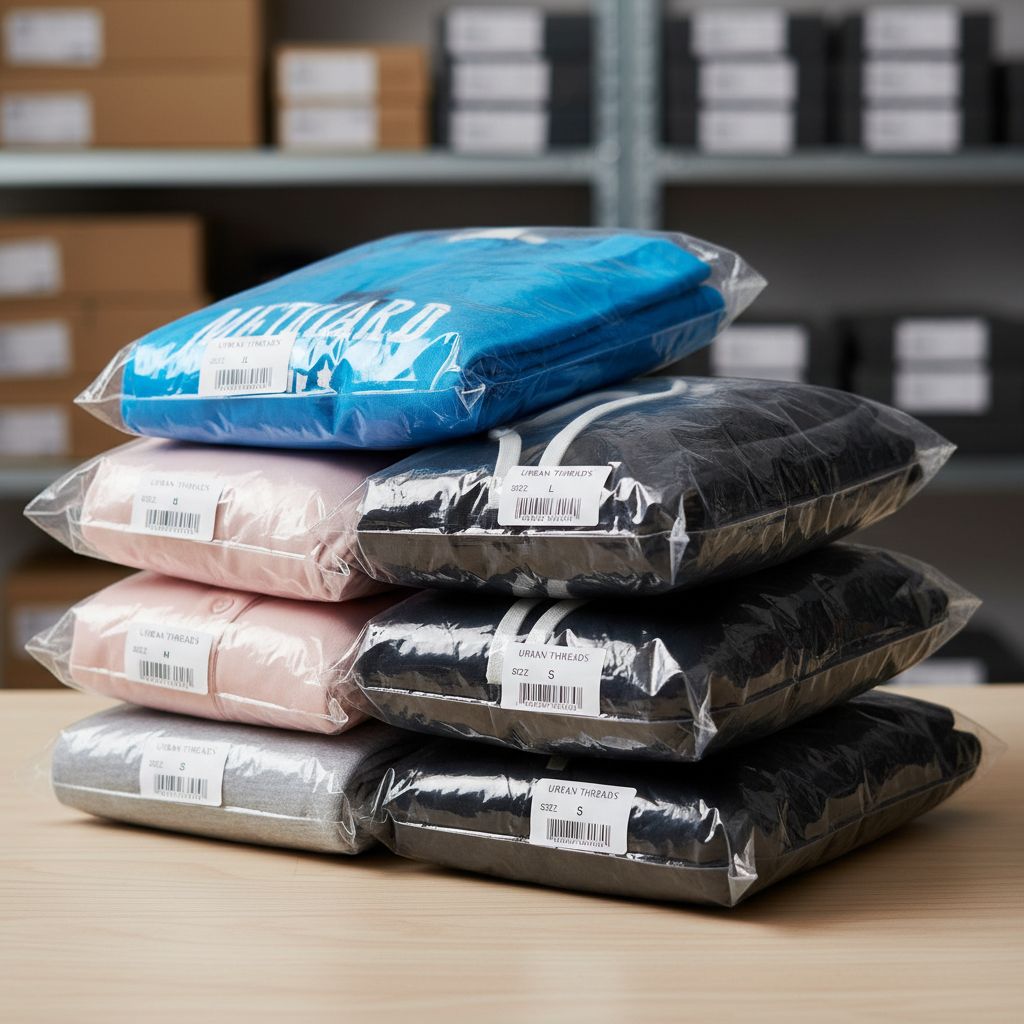

A poly bag, also called a polythene bag, is used to protect garments from dust, dirt, moisture, and stains during transport. Depending on the buyer’s packing method, one garment may be packed in one individual bag (single pack), or several pieces may be packed together (blister pack).
Why Are Poly Bags Important in the Apparel Industry?
Poly bags perform several important functions throughout the garment supply chain. They help:
- Protect garments from dust and dirt.
- Prevent moisture damage during shipping.
- Reduce stains and contamination.
- Minimize wrinkles during handling.
- Improve packing efficiency.
- Support warehouse organization.
- Present products professionally to buyers and retailers.
Without proper packaging, garments are much more vulnerable to damage before reaching the end customer.
Poly Bag Thickness Conversion Chart
- Mil: Mil means the thickness is 1/1000 of an inch. That means, 1mil= 1/1000 of an inch.
- Microns: Microns means the thickness is 1/1000 of an mm. That means, 1microns= 1/1000 of an mm.
- Gauge: Microns means the thickness is 1/100000 of an inch. That means, 1gauge= 1/100000 of an inch.
| Mil | Micron | Gauge |
|---|---|---|
| 1 mil | 25 μm | 100 gauge |
| 1.5 mil | 38 μm | 150 gauge |
| 2 mil | 50 μm | 200 gauge |
| 2.5 mil | 63 μm | 250 gauge |
| 3 mil | 75 μm | 300 gauge |
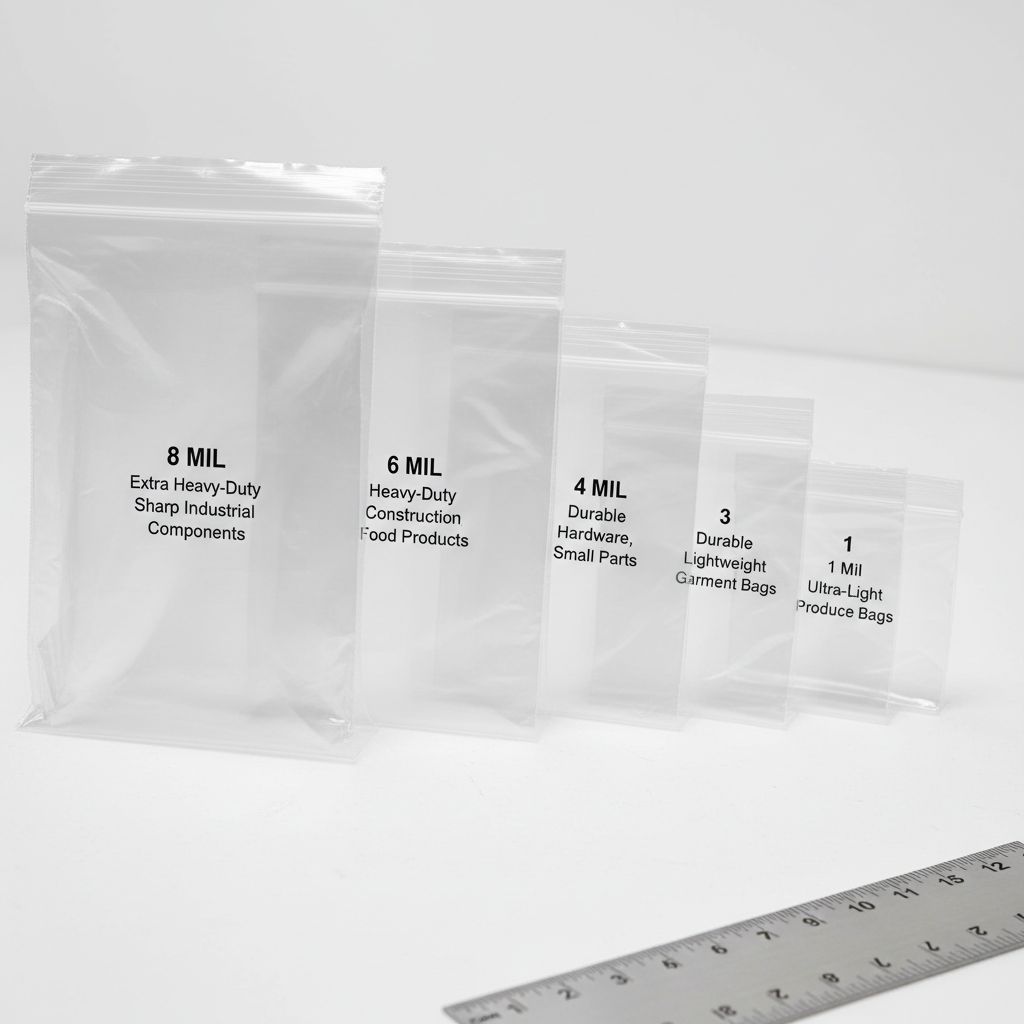
Thickness is a critical specification measured in Mil, Micron, or Gauge. Using a bag that is too thin leads to tearing, while too thick increases poly bag consumption costs. Common Conversions: 1 mil = 25 microns = 100 gauge. For example, a 2 mil bag is equal to 50 microns or 200 gauge. Understanding these units is essential for accurate ordering.
Understanding these units helps buyers and manufacturers communicate packaging specifications accurately.
Types of Poly Bags Used in Apparel Industry
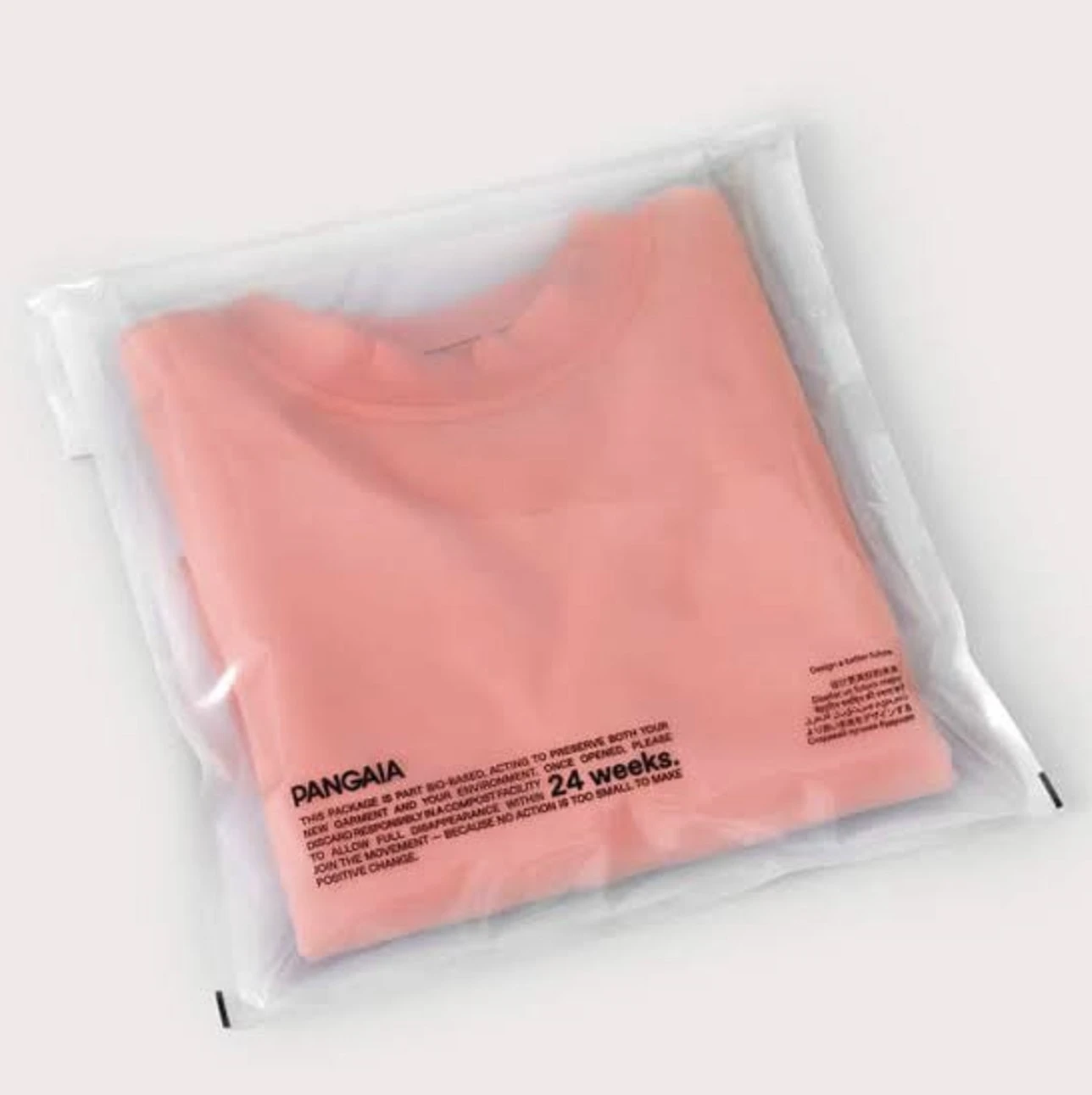
The choice depends on the garment type and final presentation requirements. Common types include:
- Poly Bags with Flap: Neat closure with an extended flap.
- Adhesive/Self-Sealing Bags: Feature an adhesive strip for quick sealing.
- Lip and Gusset Bags: Provide extra space for bulkier garments.
- Zip-Lock and Slider Bags: Reclosable packaging for premium items.
- Hanger Bags: Specifically for garments like suits or dresses that should not be folded.
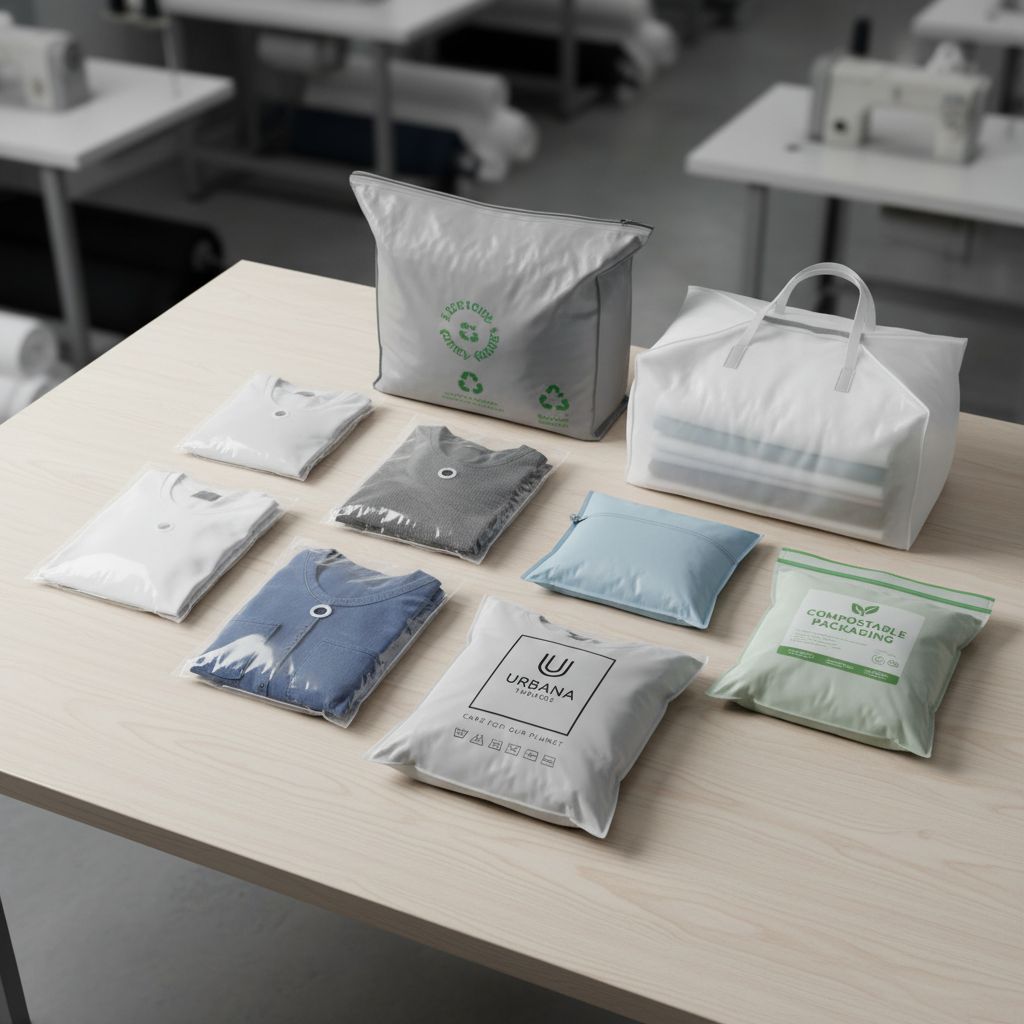
1. Poly Bags with Flap
Flap bags feature an extended flap that folds over the opening after the garment is inserted. They provide a clean appearance while protecting the contents during storage and transportation. Common applications include:
- T-shirts
- Polo shirts
- Casual shirts
- Children’s wear
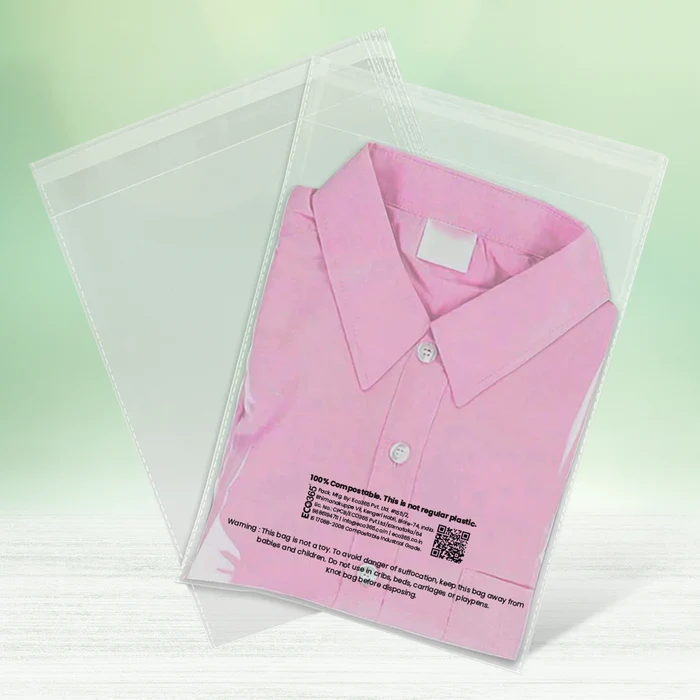
2. Self-Sealing (Adhesive) Poly Bags
These bags include an adhesive strip that allows quick and secure sealing without additional tape. Advantages include:
- Faster packing
- Clean presentation
- Reliable closure
- Improved packing efficiency
They are among the most widely used packaging options for export garments.
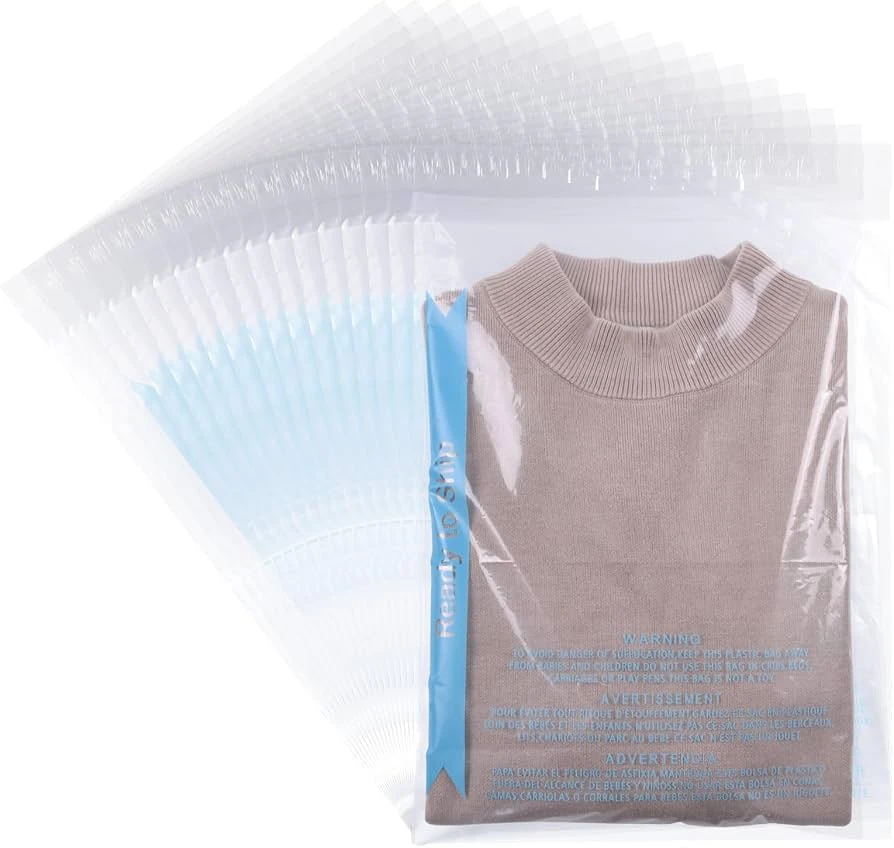
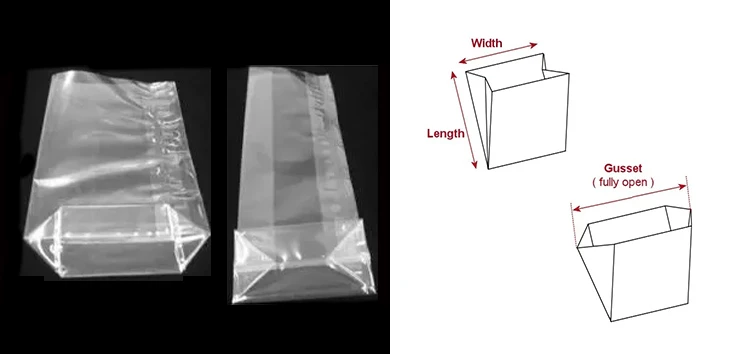
3. Lip and Gusset Poly Bags
Gusset bags contain expandable side or bottom panels that provide additional internal space. They are commonly used for:
- Bulky sweaters
- Winter jackets
- Multiple-piece garment sets
- Heavy knitwear
The extra capacity reduces excessive pressure on the garments inside.
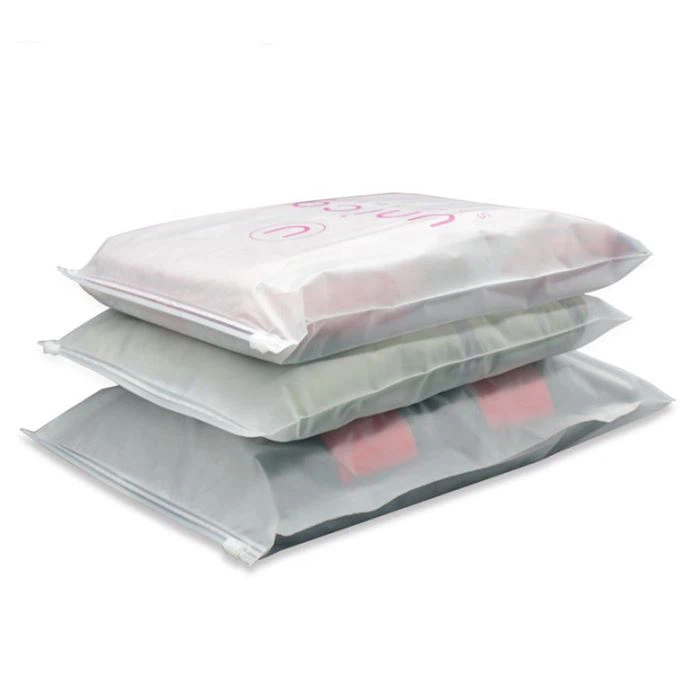
4. Zip-Lock and Slider Bags
These premium bags can be opened and closed repeatedly without damaging the packaging. They are often used for:
- Sportswear
- Premium apparel
- Travel clothing
- Retail packaging
Reusable packaging also provides additional value for consumers.
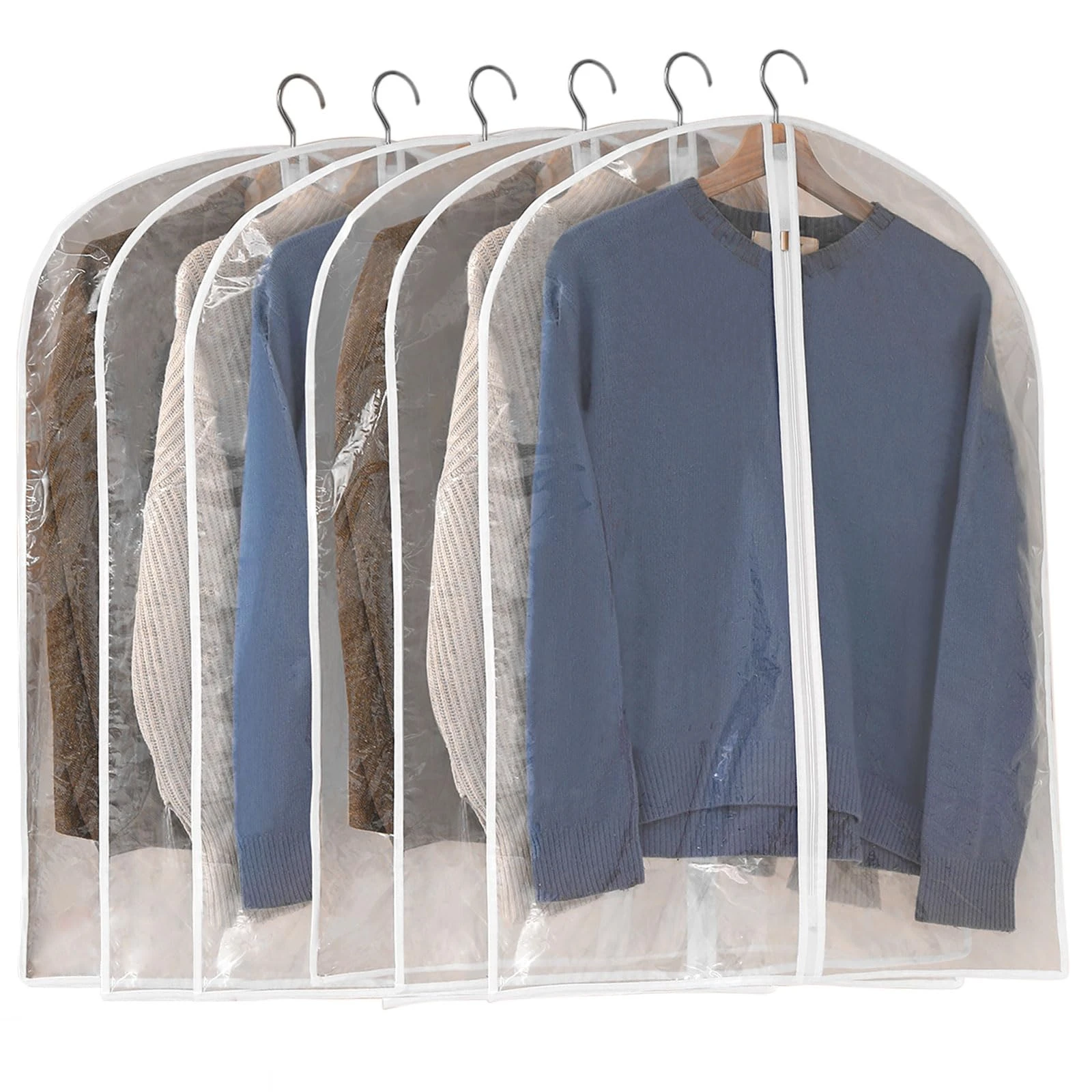
5. Hanger Bags
Hanger bags are designed for garments that remain on hangers throughout transportation and retail display. Typical products include:
- Business suits
- Formal dresses
- Coats
- Blazers
- Long garments
These bags help reduce wrinkles while protecting garments from dust.

Common Materials: LDPE, PP, and More
The material affects the bag’s clarity and strength. Low-Density Polyethylene (LDPE) and LLDPE are widely preferred today for their flexibility. Polypropylene (PP) offers high clarity for retail display, while HDPE is stronger but less clear. Modern buyers also focus on sustainability, often requiring recyclable materials.
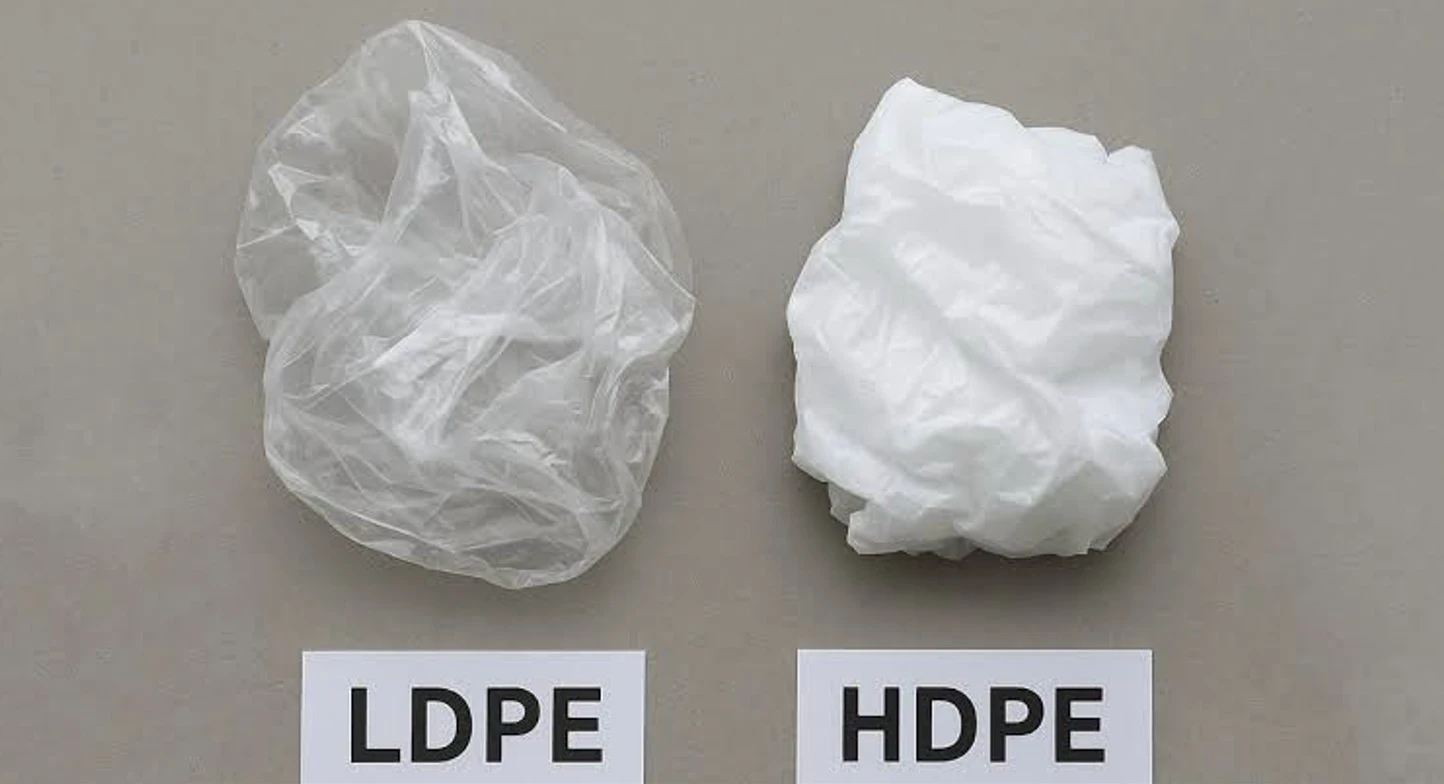
LDPE (Low-Density Polyethylene)
LDPE is the most common material used in garment packaging. It offers:
- Good flexibility
- Soft texture
- Excellent sealing performance
- Good moisture protection
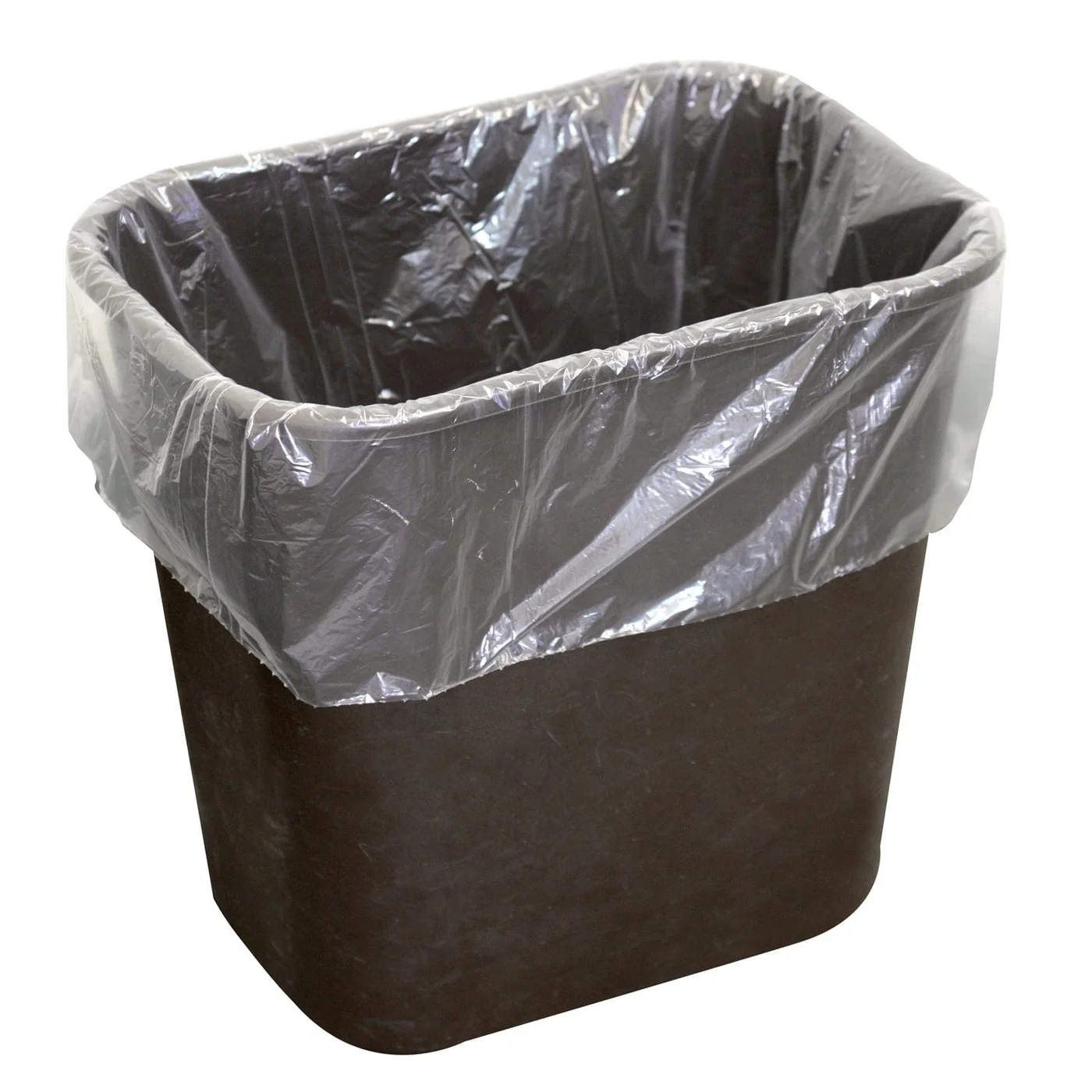
LLDPE (Linear Low-Density Polyethylene)
LLDPE provides similar flexibility while offering improved strength and puncture resistance. Many export garment factories prefer this material for demanding shipping conditions.
PP (Polypropylene)
Polypropylene provides excellent clarity and a glossy appearance. It is often selected for:
- Retail display packaging
- Premium apparel
- Fashion accessories
Its high transparency allows products to remain clearly visible.
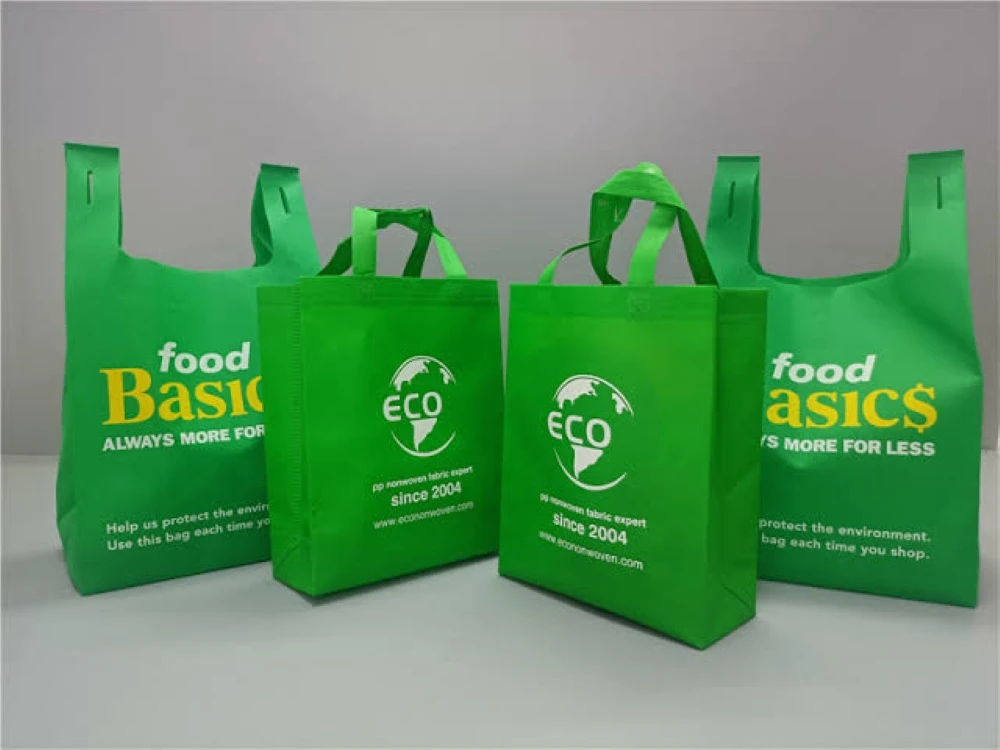
HDPE (High-Density Polyethylene)
HDPE is stronger and more rigid than LDPE but has lower transparency. It is more commonly used for shopping bags than for premium garment packaging.
Recycled and Sustainable Materials
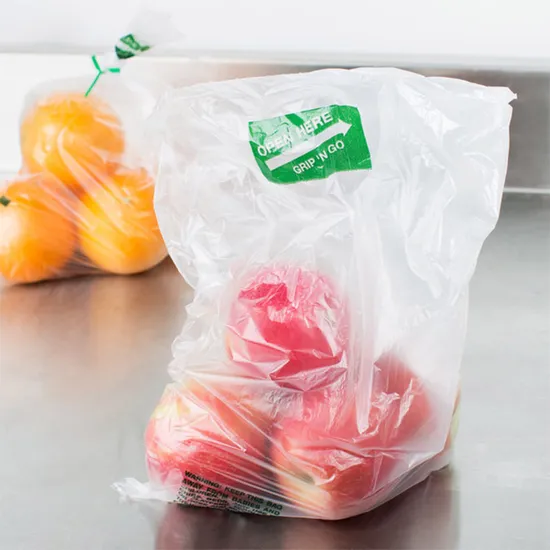
As sustainability becomes increasingly important, many brands now request packaging made from:
- Recycled polyethylene (PCR)
- Recyclable materials
- Reduced-plastic packaging
- Bio-based plastic alternatives
These materials help reduce environmental impact while meeting buyer sustainability goals.
Quality Check Points for Poly Bags
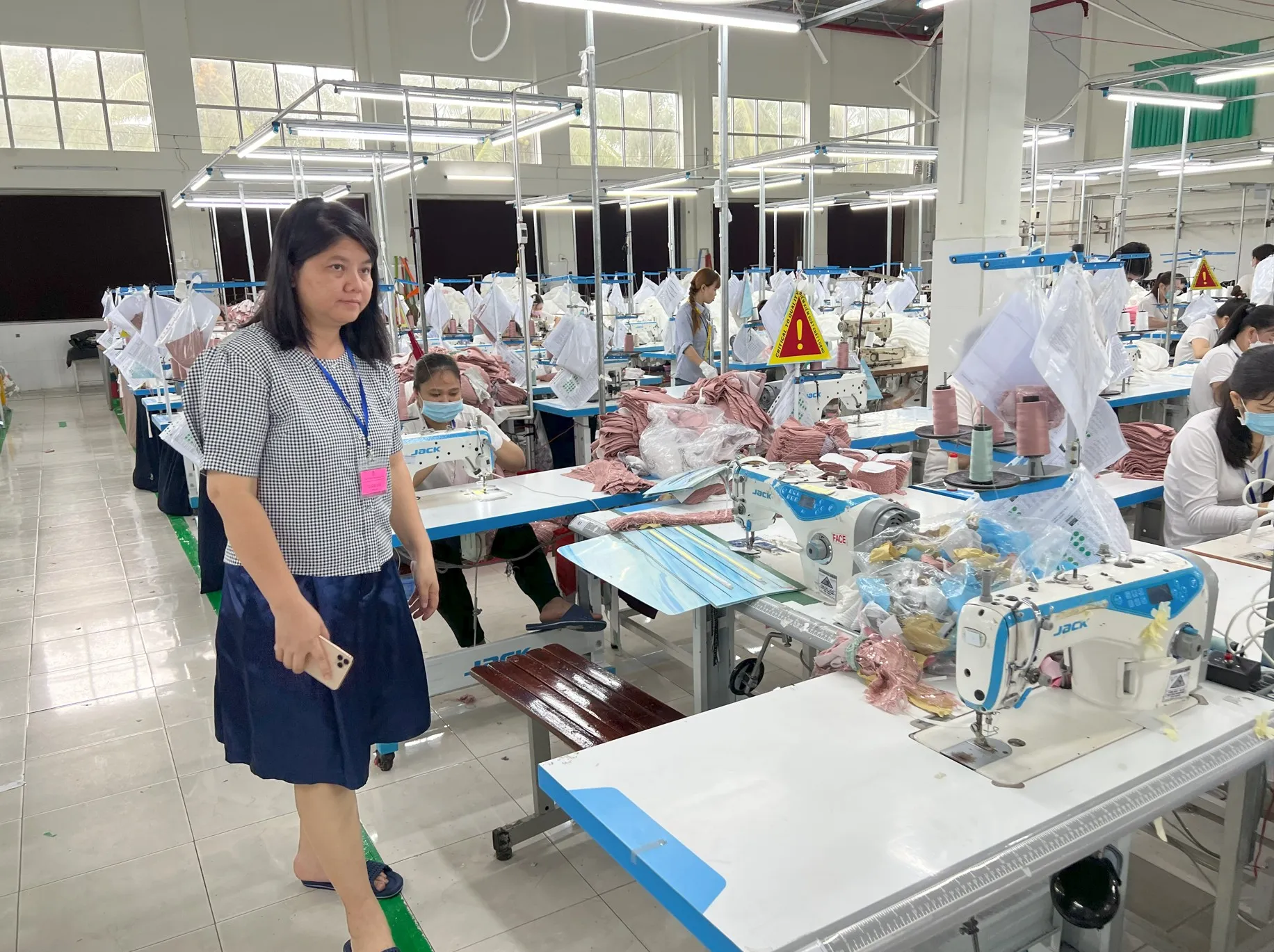
Before beginning bulk packing, garment factories should inspect every packaging material carefully. Important checkpoints include:
- Correct bag dimensions.
- Specified material type.
- Correct thickness.
- Proper transparency or opacity.
- Strong adhesive or heat seal.
- Correct suffocation warning text.
- Required vent holes.
- Clean appearance without contamination.
- No tears, holes, or wrinkles.
Packaging defects can result in buyer claims or shipment delays, making inspection an essential part of quality control.
Conclusion / Final Words
Poly bags may appear simple, but they are a vital part of garment packaging and quality assurance. The right poly bag protects clothing from dust, moisture, stains, and handling damage while supporting efficient packing and professional product presentation. Understanding the different bag styles, materials, thickness measurements, and quality requirements helps garment manufacturers meet buyer expectations and reduce packaging-related problems. Whether you’re producing basic T-shirts or premium fashion apparel, choosing the appropriate poly bag is an important step in delivering products that arrive in excellent condition. For apparel brands and manufacturers alike, investing in the right packaging is not just about protecting garments—it’s also about protecting product quality, customer satisfaction, and brand reputation.