
Baby coveralls are the ultimate “one-and-done” outfit for infants. They are easy to wear and keep babies comfortable from nap time to play time. However, the choice between footed and footless styles matters more than most parents think. While they look similar, they serve different needs for mobility, warmth, and growth. This guide will help you pick the right one for your baby’s stage.
=> Related Article: T Shirts Manufacturing Vietnam | Mekong Garment Factory
What Are Baby Coveralls?
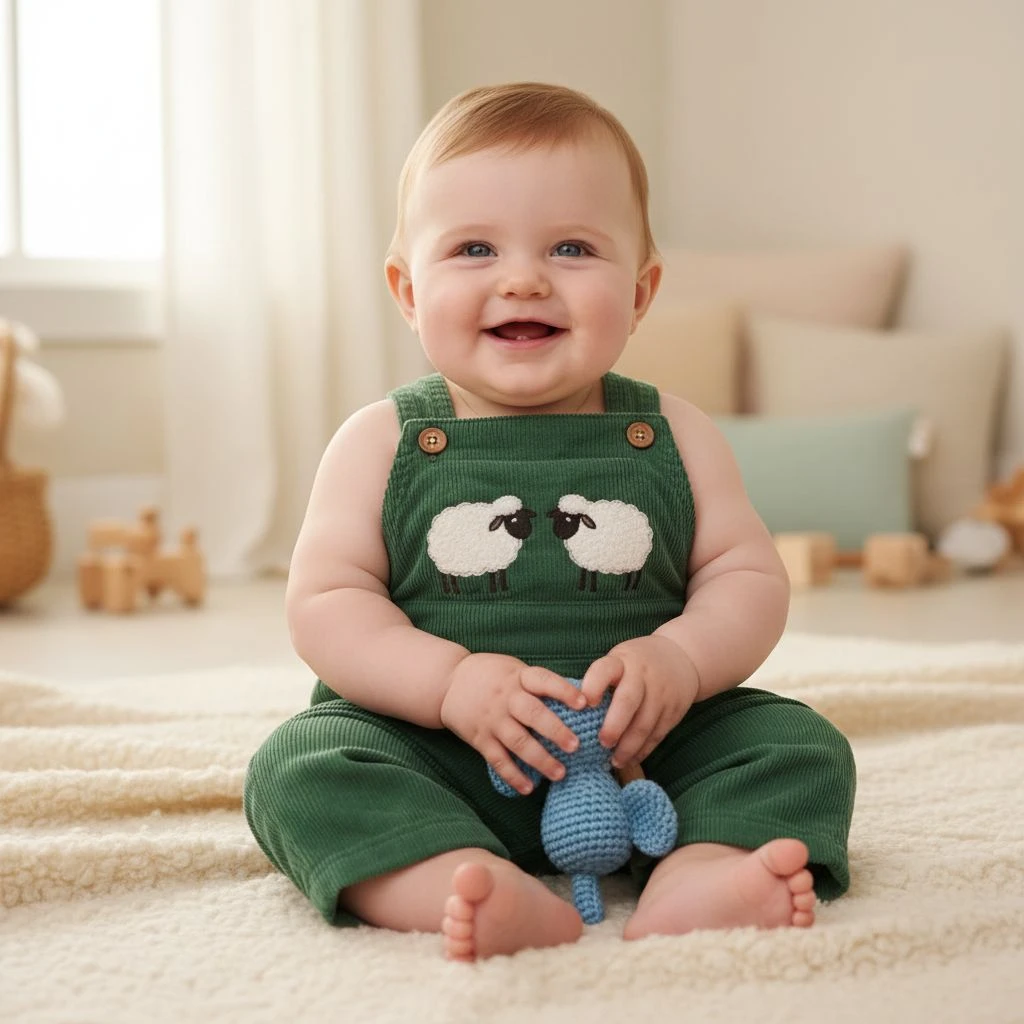
Baby coveralls are one-piece garments covering the body from shoulders to legs. Designed for maximum convenience, they typically feature soft fabrics and zippers (often two-way) or snaps for quick diaper changes. Coveralls are versatile enough to be used as sleepers, daywear rompers, or thicker fleece suits for cold weather.
Footed Coveralls: Built-in Warmth
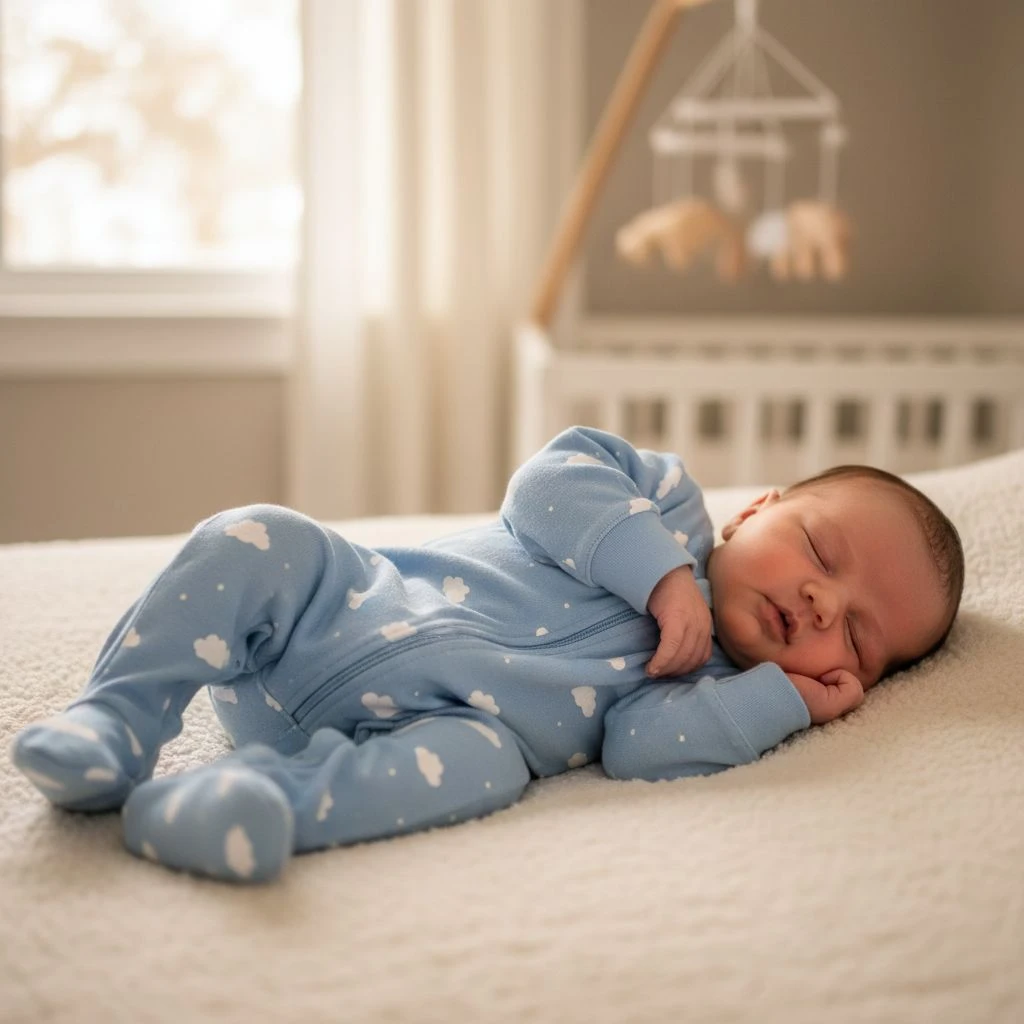
Footed coveralls include built-in feet, eliminating the need for separate socks. They are the ideal choice for newborns who lose heat easily and for babies sleeping in cooler, air-conditioned rooms. They provide a simple, “no-missing-socks” solution for busy parents.
Considerations for Footed Styles:
- Growth Limits: Babies outgrow foot length quickly. If the feet become tight, the entire suit becomes unusable.
- Mobility: Built-in feet can be slippery on hard floors once babies start standing or cruising.
- Climate: In hot or humid environments, footed styles can trap too much heat.
Footless Coveralls: Flexibility and Freedom
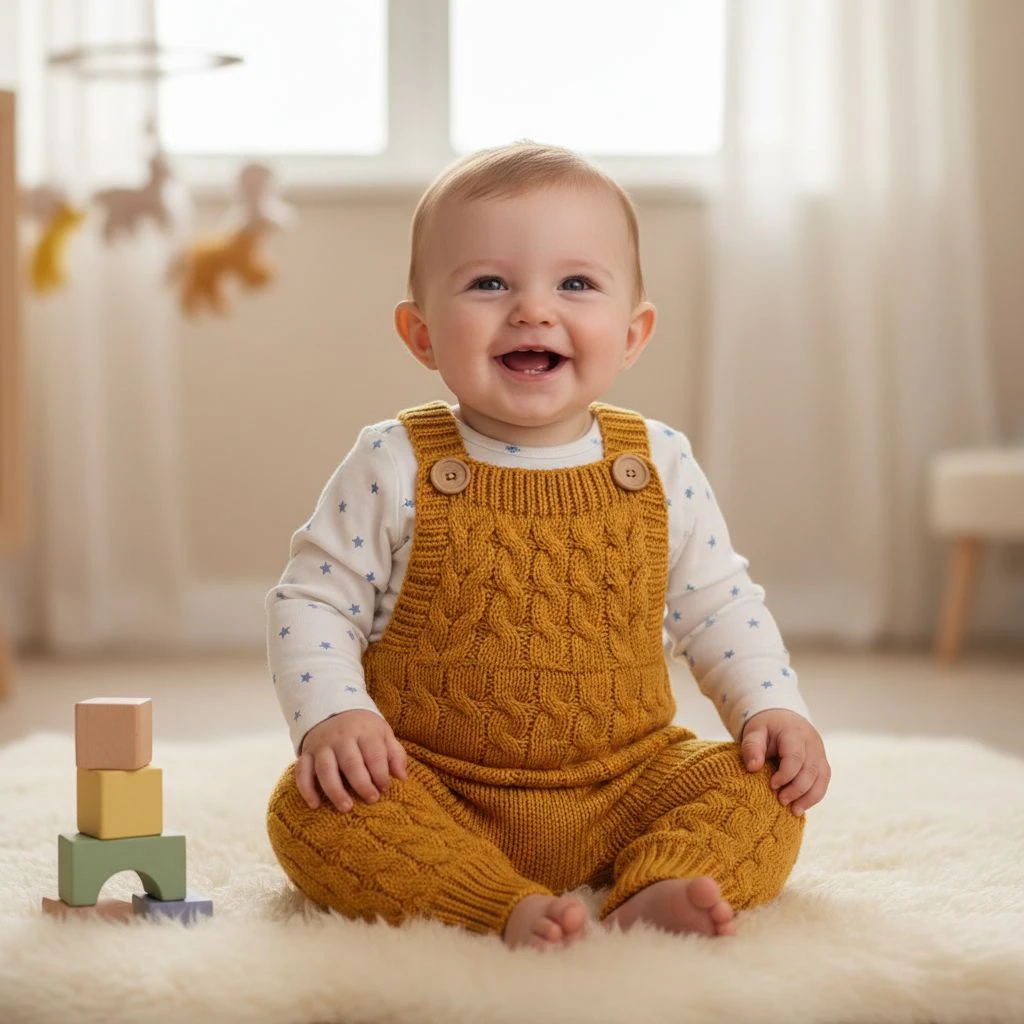
Footless coveralls stop at the ankle, allowing babies to go barefoot or wear separate socks/booties. This style offers much more flexibility for active babies who are crawling or walking, as it allows for natural toe gripping on the floor.

Why Footless is More Flexible:
- Longer Wear Time: No fixed foot length means the garment fits longer as the baby grows.
- Active Movement: Better for crawlers and cruisers to move naturally.
- Temperature Control: Easier to adjust by adding or removing socks as needed.
Footed vs. Footless: Side-by-Side Comparison
| Feature | Footed Coveralls | Footless Coveralls |
|---|---|---|
| Warmth | High (Enclosed feet) | Medium (Adjustable with socks) |
| Best for | Newborns, Sleep, Cold Rooms | Crawlers, Walkers, Warm Climates |
| Growth Span | Shorter (Fixed foot length) | Longer (Flexible ankle) |
| Safety | Higher slip risk on hard floors | Lower slip risk (barefoot grip) |
Choosing the Right One by Development Stage
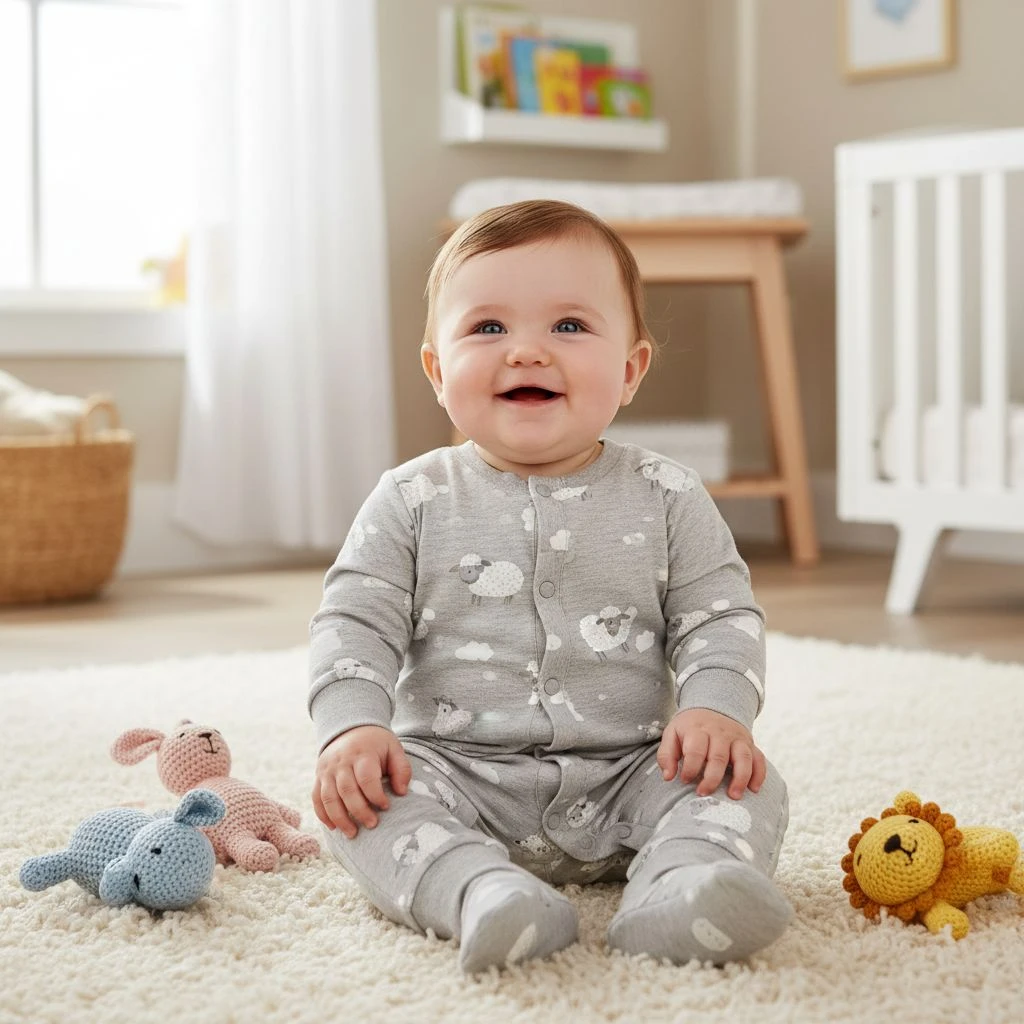
Development matters more than style. Newborns (0-6 months) benefit most from the warmth of footed coveralls. For babies in the crawling and standing stage (6-12 months), footless styles provide the mobility they need to explore safely.
Conclusion
Neither style is universally better—it’s about matching the garment to your baby’s routine. Footed coveralls win for newborn warmth and sleep convenience, while footless coveralls win for movement and all-season flexibility. For the smartest wardrobe, get both: footed for nights and footless for active daytime play.