

What Is the Difference Between QA and QC in Garment Manufacturing?

Quality is not luck. It is a system. In garment manufacturing, two roles keep that system alive:
- QA (Quality Assurance): stops defects from happening.
- QC (Quality Control): catches defects after they happen.
People mix these terms all the time. That confusion costs money. It causes rework, delays, and returns. So let’s make it clear, with real factory examples.
What Difference QA (Quality Assurance) vs QC (Quality Control)
In garment manufacturing, people often use QA and QC like they mean the same thing but they don’t. Quality Assurance (QA) focuses on the process: how we set up the work so mistakes are less likely to happen. Quality Control (QC) focuses on the product: checking finished or semi-finished garments to find any mistakes that slipped through.
The Short Answer
| Aspect | QA – Quality Assurance | QC – Quality Control |
|---|---|---|
| Main focus | Process, methods, preparation | Product, finished pieces |
| Goal | Prevent defects from happening | Find defects before shipping |
| Timing | Before and during production | During and after production |
| Key question | “How do we avoid this problem?” | “Does this garment meet the standard?” |
| Typical outputs | Standards, SOPs, training, risk control | Inspection reports, defect data, pass/fail |
What Is QA (Quality Assurance) in Garment Manufacturing?
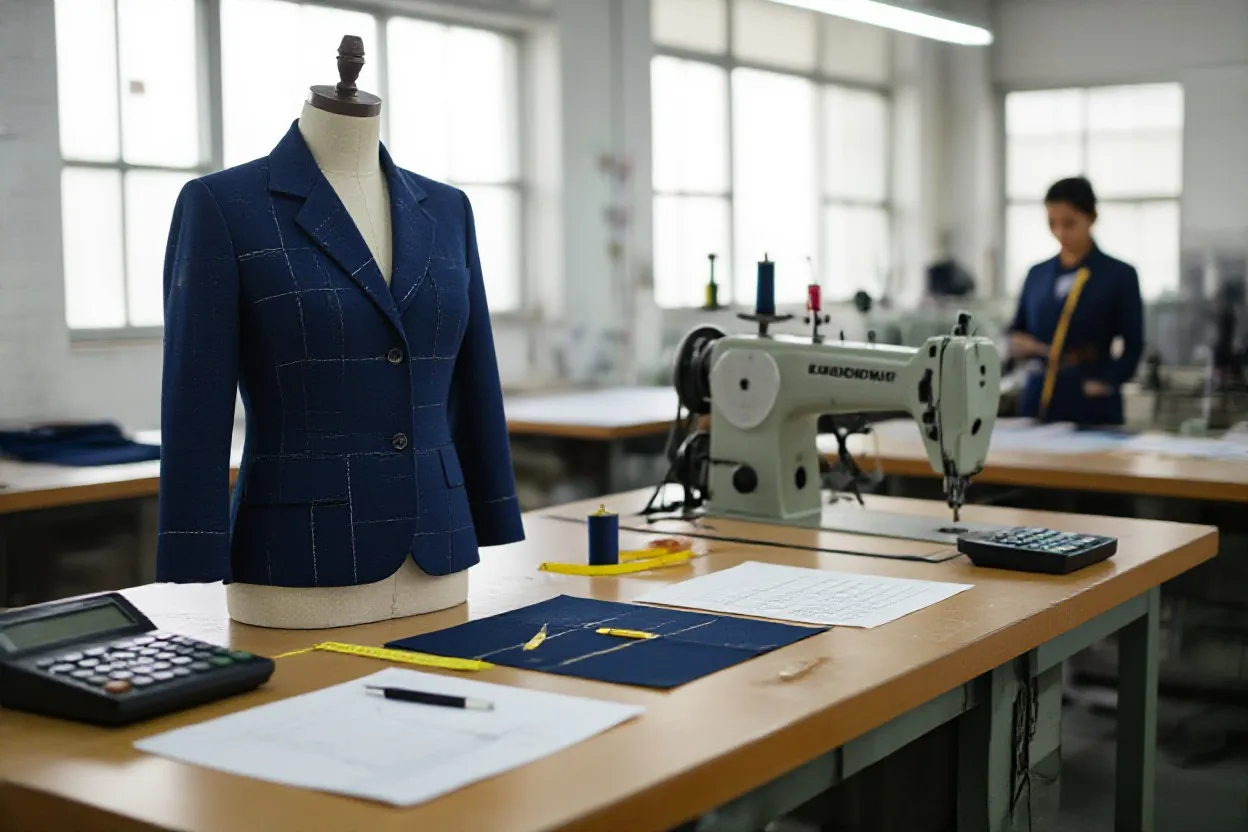
Quality Assurance (QA) in garment manufacturing is everything you do before and during production to make sure garments are made right the first time. Instead of waiting until the end to check finished pieces, QA focuses on the process: setting standards, planning methods, training workers, and preparing machines and materials so defects are less likely to appear. In simple terms, QA asks: “Are we setting up this style in a smart, controlled way so mistakes don’t keep repeating?” It’s not just a “quality police” department or a fancy title on someone’s name badge. If QA doesn’t change the way work is done, it’s not really QA, it’s just decoration.

Simple definition
QA is everything you do to make sure the factory is set up to produce good garments before bulk production starts. It focuses on:
- standards
- methods
- training
- machine setup
- risk prevention
QA is like building a good recipe and kitchen system before cooking a big meal.
What QA usually handles
In a garment factory, QA often:
Defines product standards
- seam types, seam allowance, SPI (stitches per inch)
- acceptable level of puckering
- label position and attachment rules
- measurement tolerances, not just size chart
Checks technical readiness
- fabric and trim specs vs tech pack
- pattern and grading accuracy
- pre-production (PP) sample, size set sample
- machine settings: tension, needle type, press foot, folder, guides
Builds process control
- operation breakdown and sewing sequence
- clear SOP sheets at each workstation
- handling rules (how to stack, move, iron, fold)
- training plan for new styles or tricky operations

Manages risks
- identifies high-risk operations (e.g. collar, placket, zipper, pockets)
- adds extra checks or special tooling for those operations
Some factories design their QA system to match quality management standards such as ISO 9001, but even without formal certification, the logic is the same: plan, control, and improve the process.
Examples of QA activities
Concrete QA actions you might see:
Reviewing fabric tests for shrinkage and colourfastness using methods from AATCC
- Verifying that PP sample fully matches the tech pack before giving “OK to bulk”
- Setting standard stitch settings for each machine and operation
- Writing and posting sewing SOPs at each workstation with photos
- Training sewing operators on a new neckline construction before style launch
If QA is strong, bulk production starts with fewer unknowns and fewer surprises.
What Is QC (Quality Control) in Garment Manufacturing?
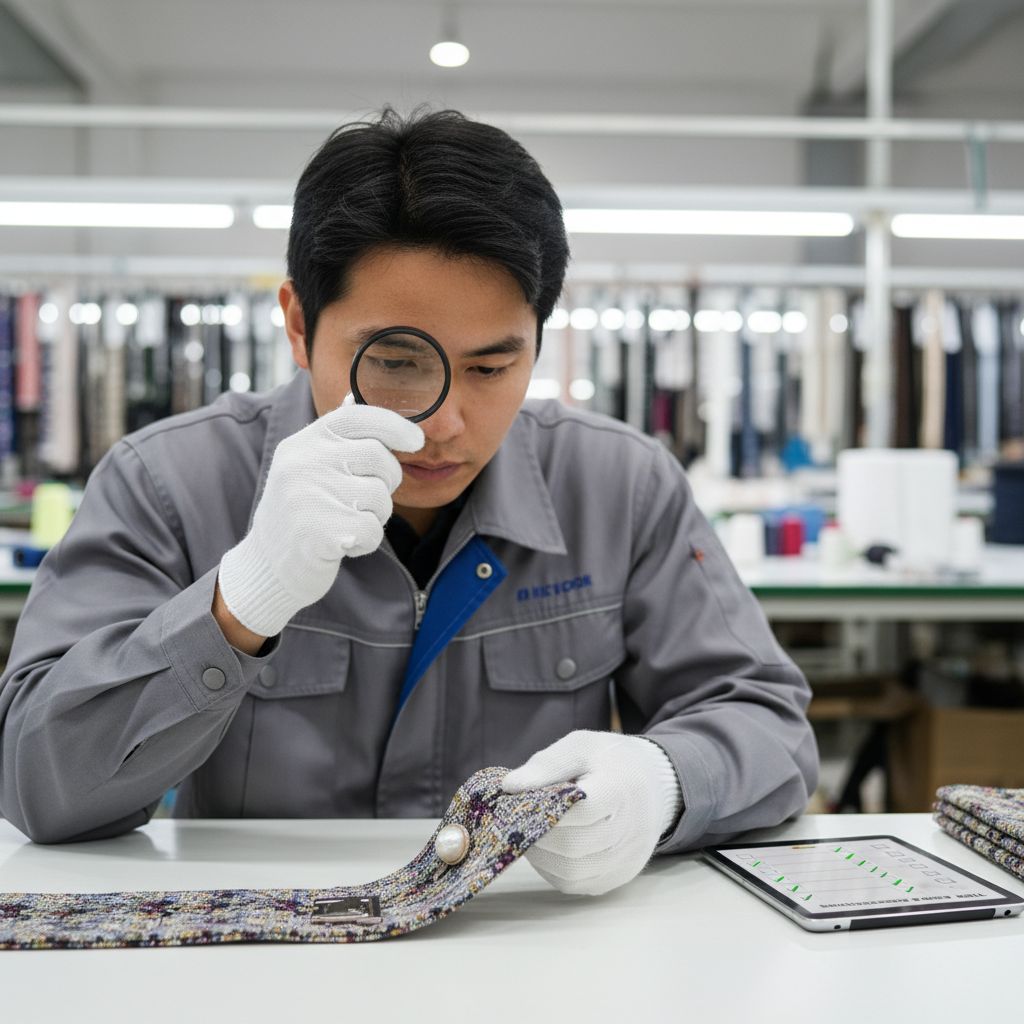
Quality Control (QC) in garment manufacturing is the step where people check the actual garments to see if they meet the agreed standard. Instead of planning how work should be done, QC looks at what has already been produced and asks: “Is this piece good enough to ship?” QC inspectors check garments during sewing and after sewing. They look for problems like wrong measurements, open seams, puckering, stains, wrong labels, or bad pressing, then decide whether each piece should be repaired, rejected, or accepted. If QC only “counts defects” but no one uses that information to improve the process, you’re just measuring how bad things are, not really improving quality.

Simple definition
QC is the activity of checking the garments themselves to see if they meet the agreed standard. It focuses on:
- inspection
- measurement
- defect recording
- pass / fail decisions
QC is like tasting the food before serving it.
What QC usually handles
In a garment factory, QC typically:
Performs in-line inspections
- checks semi-finished pieces during sewing
- looks for skipped stitches, open seams, broken stitches, wrong stitch type, wrong label
Performs end-line inspections
- checks completed garments at the end of the line
- measures key points against size chart and tolerances
- looks for stains, poor pressing, twisted seams, loose threads
Performs final inspections
- checks packed or pre-packed garments before shipment
- confirms labeling, hangtags, barcodes, folding, packing method
- often uses AQL sampling to decide pass / fail for the lot
Records defects and results
- defect type (e.g. needle hole, open seam, shade variation)
- defect location and operation
- number of pieces affected
- final decision: repair / reject / accept

Defects and visual assessments often follow rules from bodies such as ASTM International and internal brand manuals.
AQL and why it can be misunderstood
Many factories and buyers use Acceptable Quality Level (AQL) sampling. Key point: AQL is a sampling rule, not a guarantee that the entire shipment is perfect.
- Only a part of the lot is inspected.
- If defects stay within the allowed limits, the lot is “accepted.”
- Some defects may still exist in uninspected pieces.
QC still reduces risk, but it cannot “fix” a weak process on its own.
Where QA and QC Sit in the Production Flow
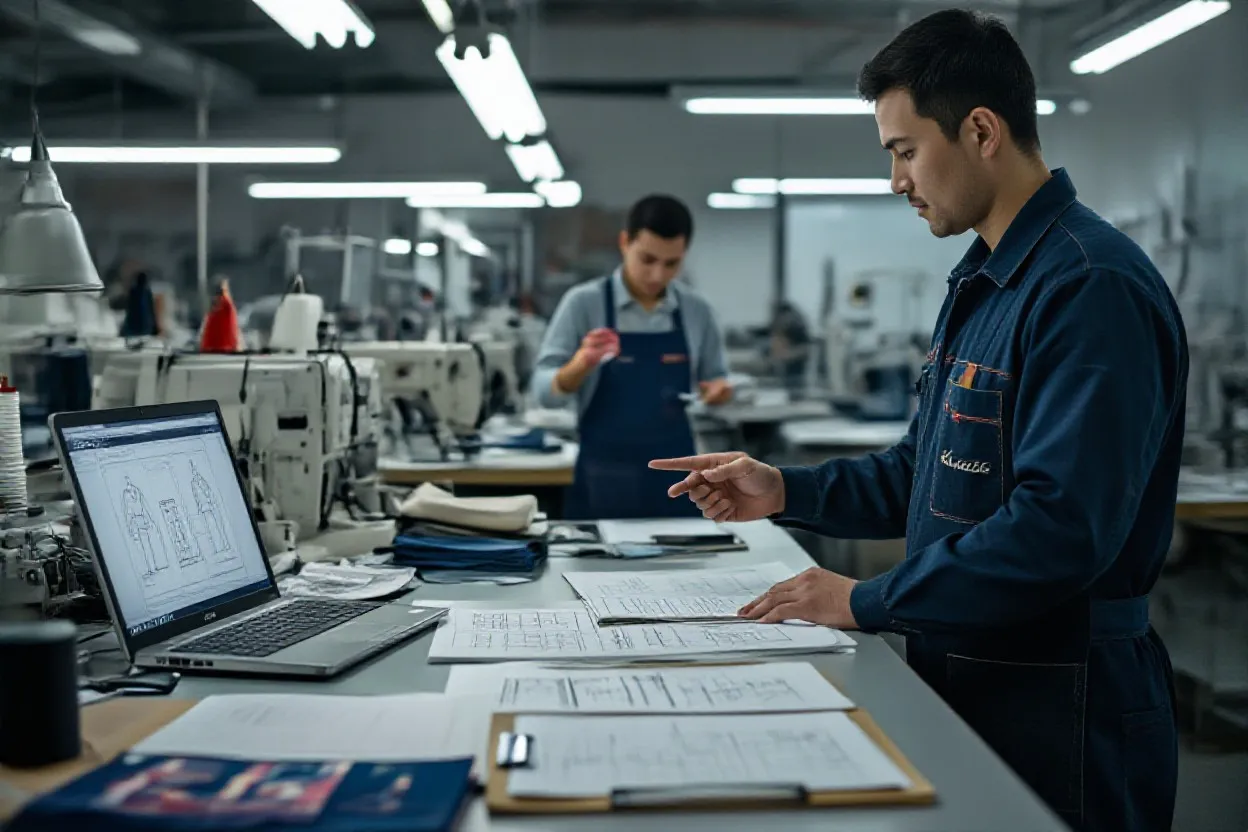
QA and QC don’t live in one single step like many people think. They both appear at different moments from pre-production to final packing, but with very different jobs. QA stays close to the planning and setup of each stage, making sure methods, machines, and materials are under control. QC shows up wherever real garments exist, checking what has been produced and blocking defects from moving to the next step. When you map QA and QC across the full production flow cutting, sewing, finishing, packing you stop treating “quality” as one final inspection and start seeing it as a chain of controls that work together. Let’s walk through a classic apparel production flow and see who does what.
Pre-production
QA:
- review tech pack and clarify open points
- confirm fabric and trims against requirements
- approve PP sample and size set
- plan line layout and operation breakdown
- identify risk operations and prepare tooling / guides
QC:
- check incoming fabric visually and by test reports
- sometimes inspect trial runs or pilot lots
Cutting
QA:
- define marker rules and cutting tolerances
- set rules for shade grouping and bundling
- define how to handle splicing, holes, fabric flaws
QC:
- check ply alignment and marker placement
- verify cut parts (size, notches, shape)
- check that wrong shades are not mixed in the same garment
Sewing
QA:
- sets standard settings for each operation
- ensures correct attachments, folders, and guides are used
- trains operators on difficult seams (e.g. placket, collar, armhole)
- audits method compliance on the line
QC:
- performs in-line checks at key points
- records defects and returns pieces to repair
- gives feedback if a specific operator / operation shows many defects
Finishing and packing
QA:
- defines pressing, folding, tagging, and packing standards
- sets rules for handling to reduce re-soiling or creasing
QC:
- checks final appearance, pressing, and measurements
- verifies label, hangtag, barcode, and packing accuracy
- conducts final AQL inspection before shipment decision
A Practical Example: One Defect, Two Roles
Defect: Puckering along the placket seam on a woven shirt.
What QC does:
- detects puckering during in-line or end-line checks
- marks and separates the defective pieces
- sends them to rework or rejection
- notes the defect type in the report
What QA does:
- investigates why the puckering happened
- checks thread tension, stitch length, differential feed, presser foot pressure
- checks whether the operator is stretching or pushing the fabric
- may change the construction method or add a guide
- updates the SOP and trains operators
- checks later production to confirm improvement
If only QC works, the defect gets fixed piece by piece. If QA also works, the cause is removed, so the defect stops repeating.
How QA and QC Support Each Other
Think of QA and QC as a loop, not two separate boxes.
- QA defines what “good” looks like and sets up the process.
- QC checks actual garments and collects defect data.
- QA reviews that data, finds root causes, and changes the process.
- QC checks again to see if things improved.
=> This becomes a simple cycle of continuous improvement: Plan → Do → Check → Improve
- If QC reports are written but nobody uses them to adjust the process, the loop is broken.
- If QA writes SOPs but never checks real defects, the loop is also broken.
A Simple QA + QC Setup for Growing Brands
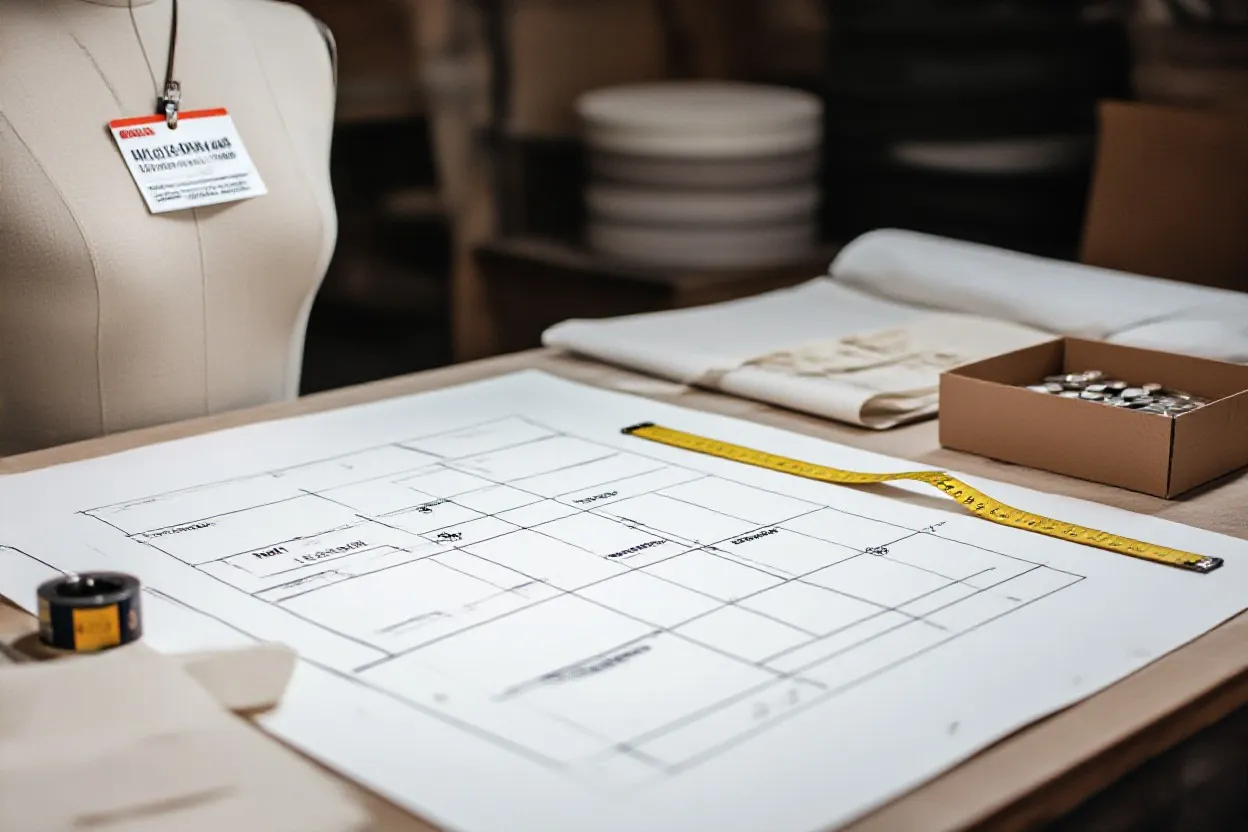
You may not need a complex system, but you do need a clear one. Here is a simple starting point:
Step 1: Define clear quality standards
- defect list with photos
- critical / major / minor ranking
- measurement tolerances per key point
Step 2: Lock pre-production controls (QA)
- tech pack review checklist
- PP + size set approval process
- fabric and trim checks and basic tests
- machine setting guidelines for key operations
Step 3: Set 3 key QC checkpoints
- cutting checkpoint
- in-line checkpoint on high-risk operations
- final checkpoint with sampling plan
Step 4: Track a few simple quality KPIs
- defect rate (defects per 100 pieces)
- rework rate
- first-pass yield (how many garments pass with no repair)
- top 5 defect types per week
Step 5: Use QC data to drive QA actions
- every week, pick the most common defect
- find the root cause (method, machine, fabric, training)
- change something in the process (SOP, training, tooling, settings)
- check next week’s data to see if it improved
This is where quality starts to become predictable instead of random.
Conclusion / Final
In garment manufacturing, QA and QC are different but connected:
- QA designs and protects the process, so good quality is likely.
- QC checks the garments and blocks defects, so poor quality is less likely to ship.
When you separate and respect both roles, you cut rework, improve consistency, and protect your brand and your customer at the same time.