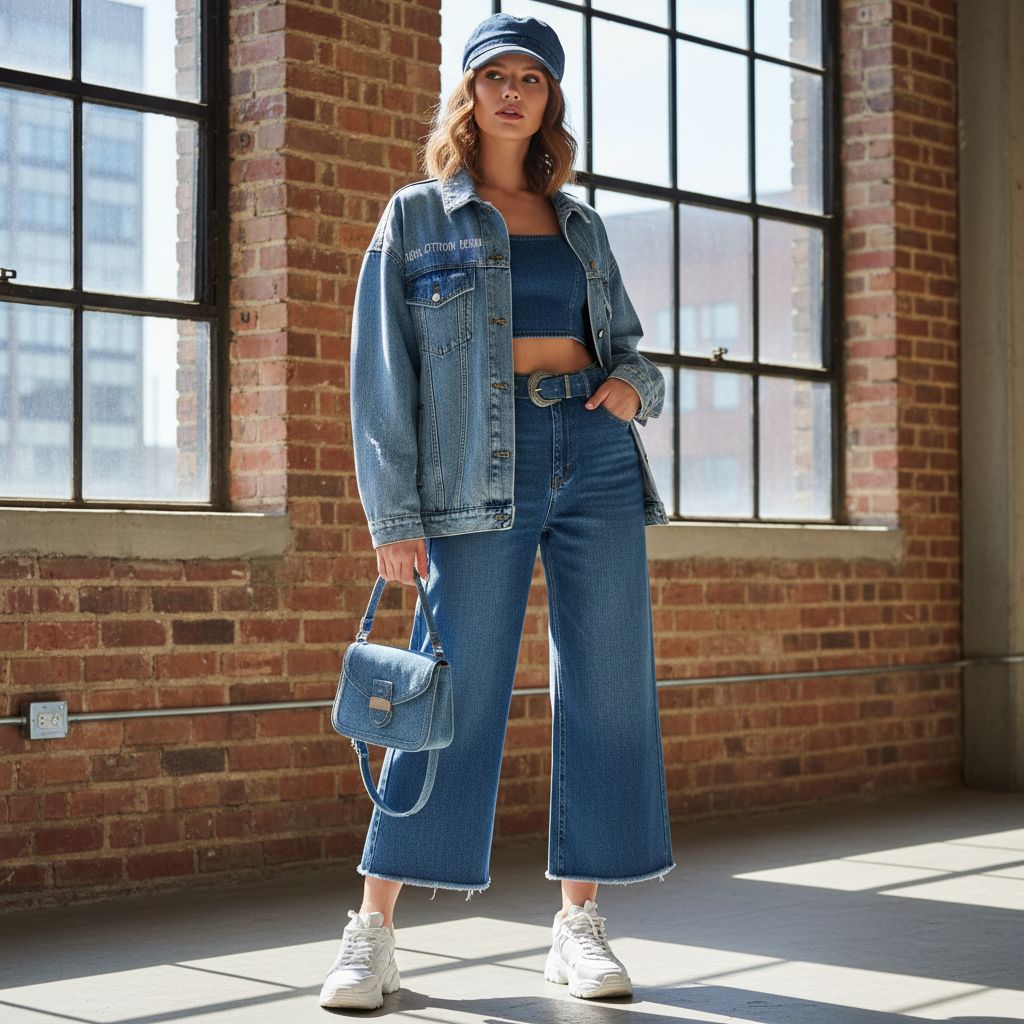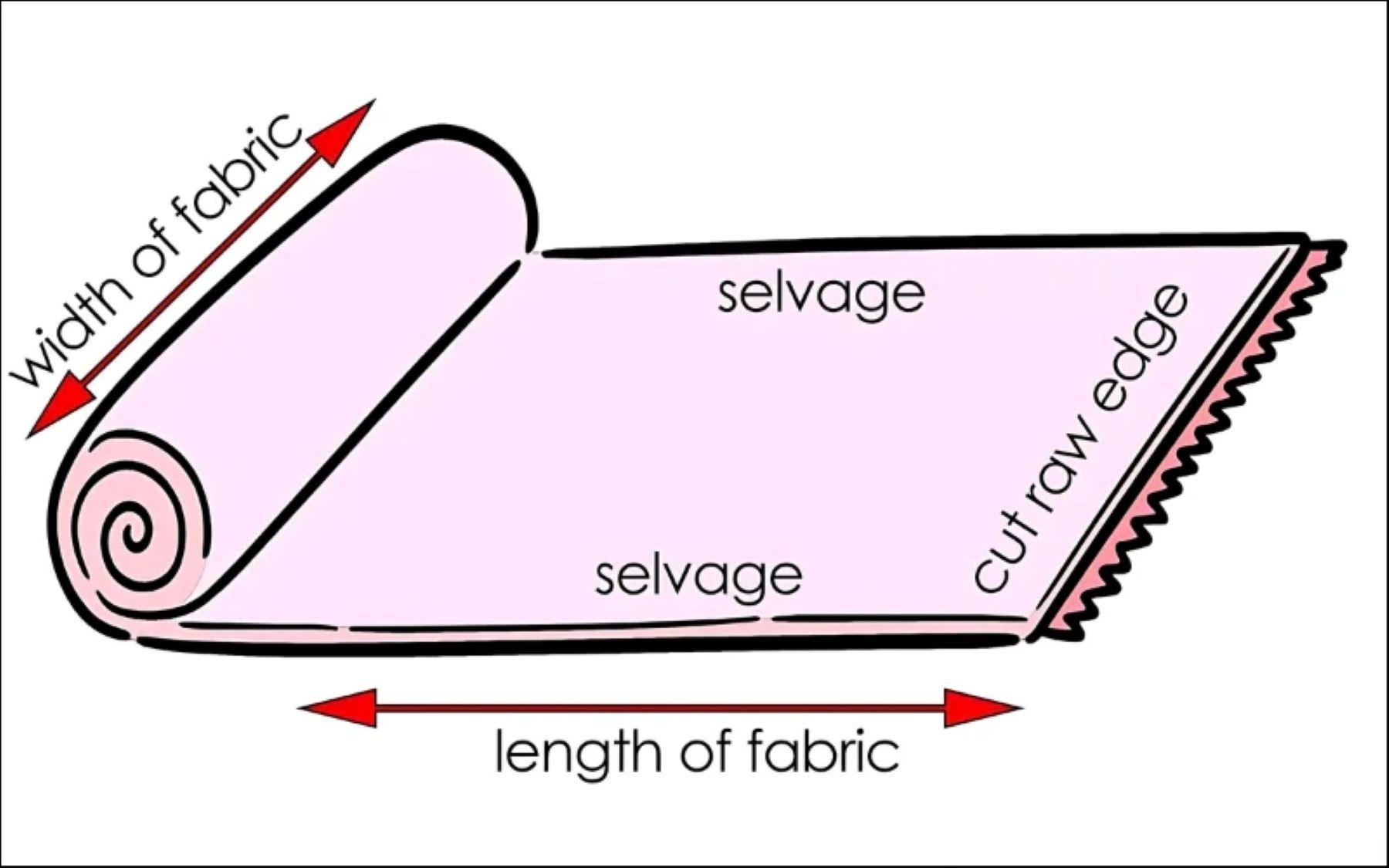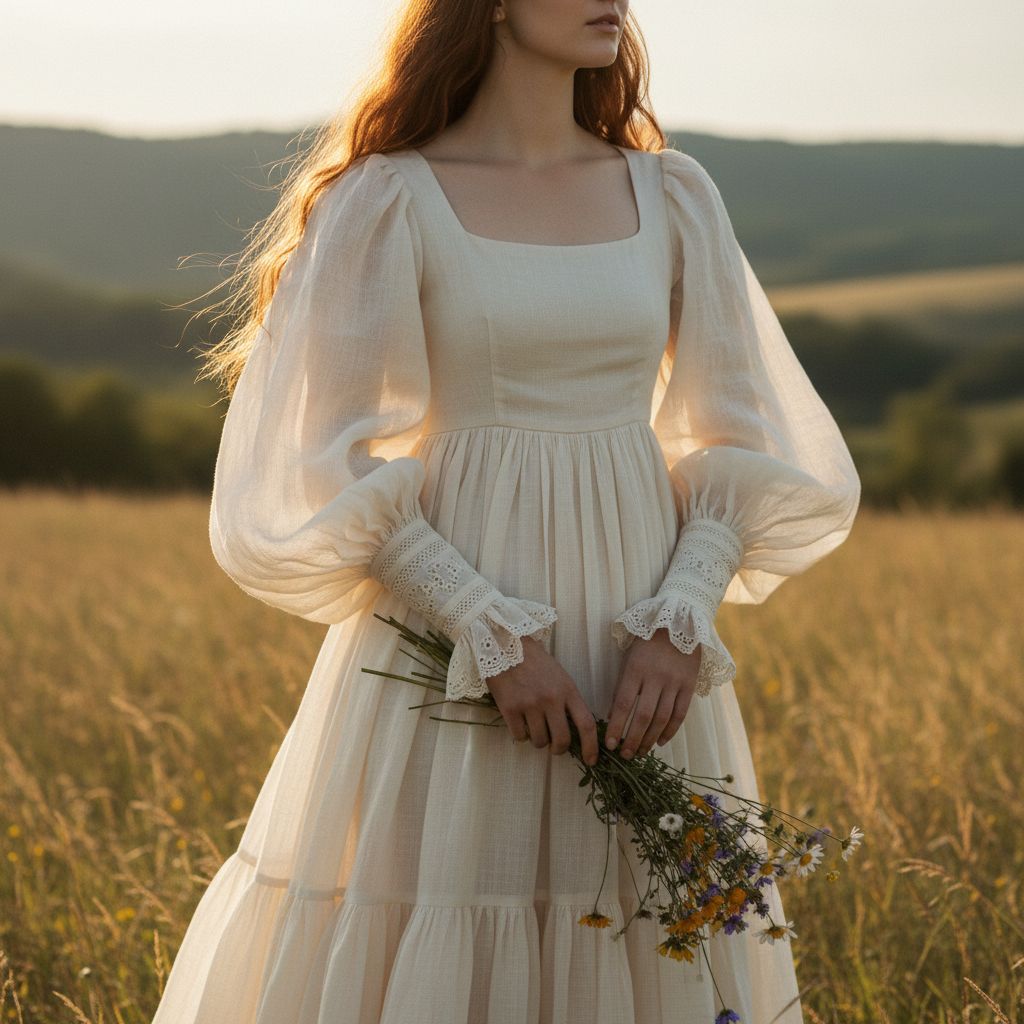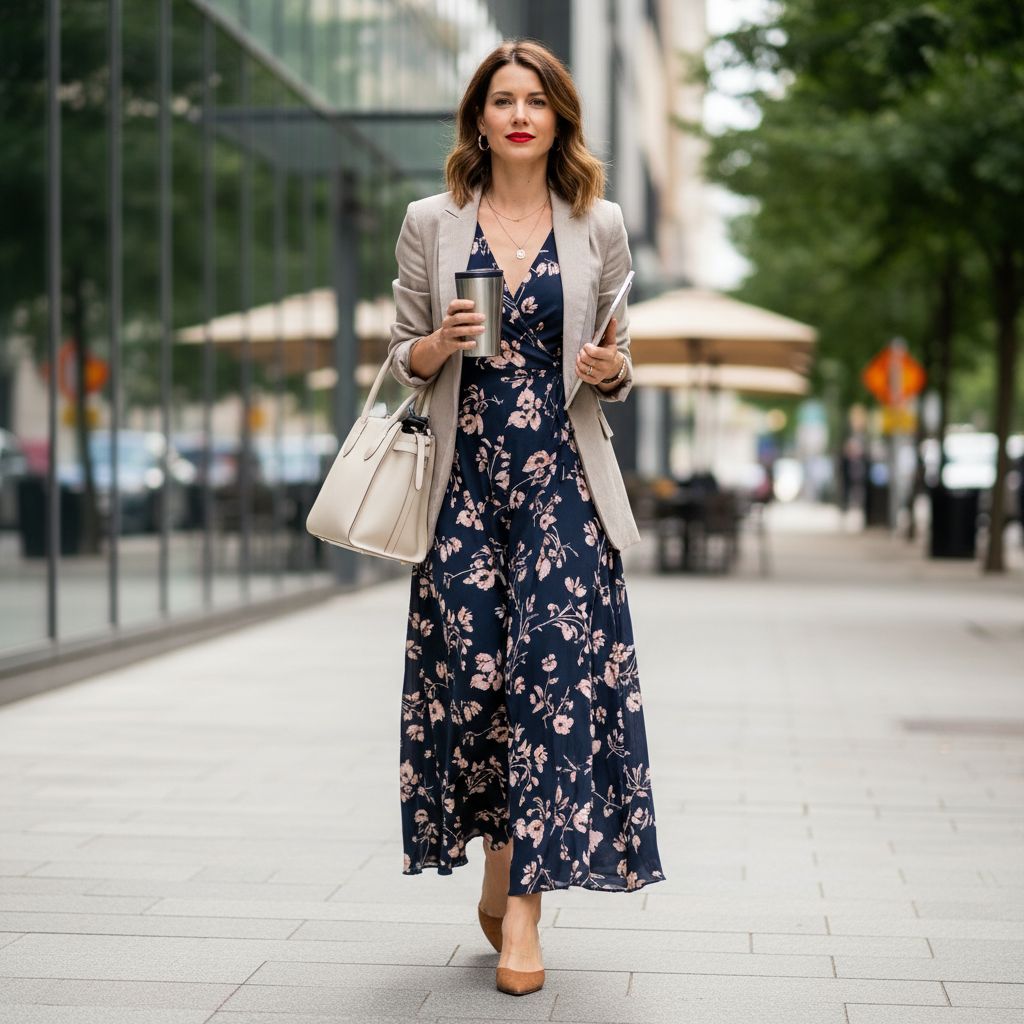


Starting a fashion brand is exciting. You get to create something of your own, share your style, and build a business you’re proud of. However, to turn your vision into a successful brand, you need a strong plan and a clear direction. Below are practical tips to help you start with confidence and avoid common mistakes that many beginners face.
Choose the Right Business Model
Your business model decides how your brand will operate day-to-day. It affects your pricing, cash flow, and workload. Choosing the right model early helps you stay organized and avoid costly changes later.

1. Wholesale Model
If you prefer a traditional approach, wholesale allows you to buy products in bulk at a lower price and resell them for a profit. This works well when you want steady stock and predictable pricing.
- Buy items in bulk at discounted rates.
- Keep inventory and control your own packaging.
- Profit margins grow as your order volume increases.
2. Dropshipping
Dropshipping is beginner-friendly because it removes the pressure of inventory and storage. You sell products without buying stock upfront, and the supplier handles the shipping.
- No need to buy inventory upfront or rent a warehouse.
- Pay suppliers only after a customer buys from you.
- Test designs and learn customer tastes with zero risk.
3. Retail (Online or Offline)
Retail gives you the most freedom. You can set your own prices, build a direct relationship with your customers, and shape their buying experience from start to finish.
- Set your own price points and brand identity.
- Online retail allows you to reach global buyers anywhere.
- Offline retail lets shoppers feel the quality and try on products.
Focus on a Specific Niche
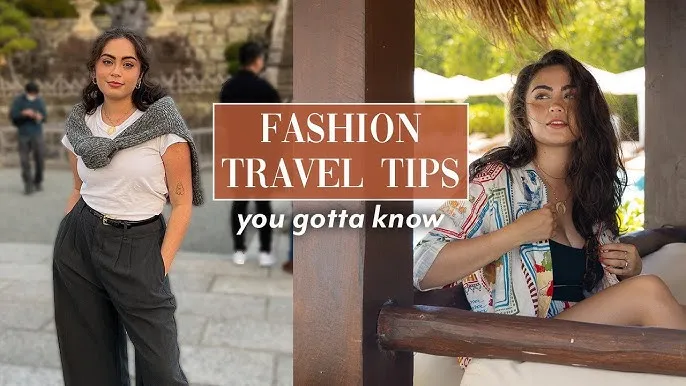
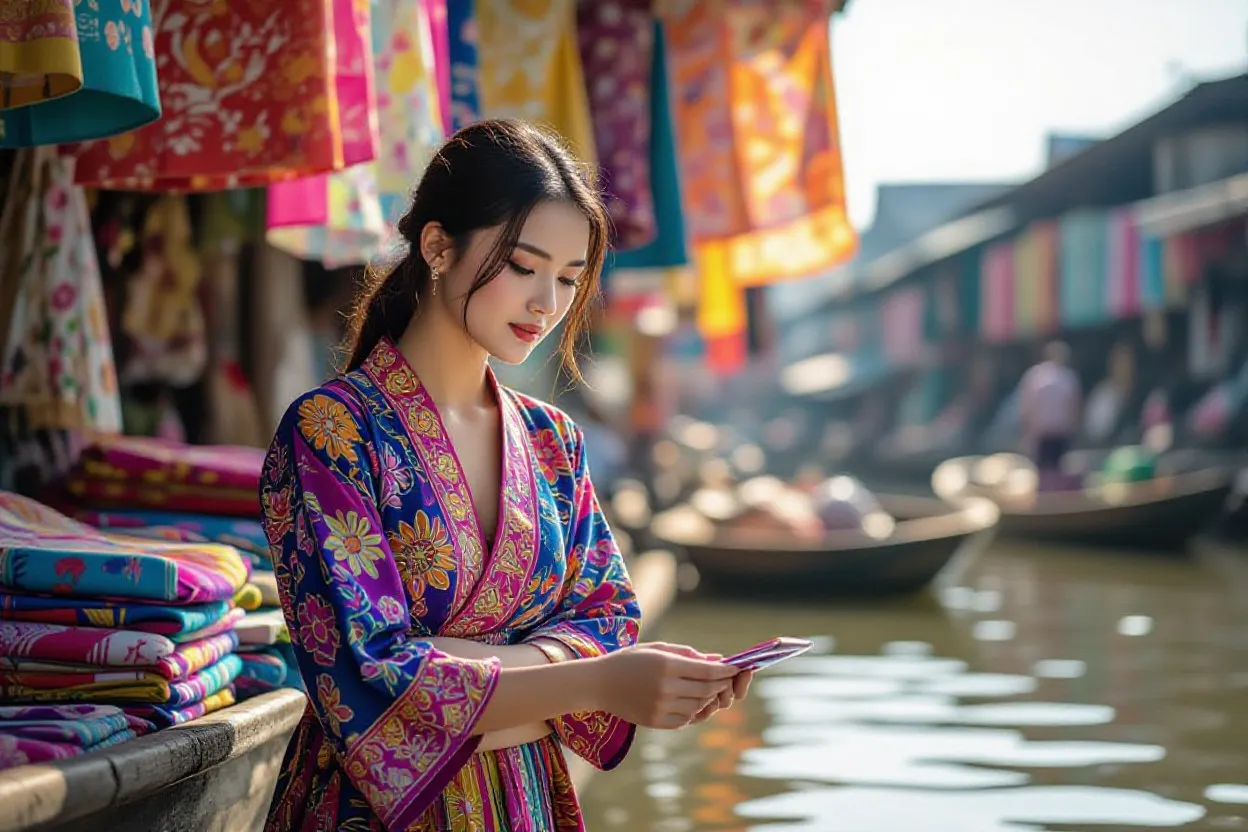
Trying to appeal to everyone will spread your resources too thin. A niche helps you focus your ideas and speak directly to a clear group of customers. It makes your brand easier to recognize and remember.
- Minimalist basics: High-quality daily essentials.
- Sustainable apparel: Eco-friendly and ethical fashion.
- Athletic wear: Specialized clothing for active lifestyles.
- Streetwear: Bold, youth-focused urban styles.
Keep Up With Fashion Trends
Fashion changes fast. Staying aware of trends helps you create products people are excited to buy. Use social media (TikTok, Instagram, Pinterest) and trend forecasting sites to see what’s popular, but always filter them through your brand’s unique identity.

Be Patient With First-Year Profits
The first year of business is usually about learning, not earning. Most successful brands grow step-by-step. Use this time to:
- Learn your audience’s behavior.
- Refine your designs and improve quality.
- Test different marketing channels to see what converts.
- Build a long-term relationship with a reliable manufacturer.

Conclusion
Starting a fashion brand is a journey of creativity and discovery. By choosing the right model, focusing on a clear niche, and remaining patient, you set yourself up for long-term success. At Mekong Garment, we are here to support you in every step, from the first sample to a full production run. Start small, stay consistent, and watch your brand grow.
FAQs About Starting a Fashion Brand
What business model should I choose when starting a fashion brand?
The best model depends on how much money and time you can invest. Dropshipping works well if you want a simple, low-risk start because you don’t need to buy products upfront. Retail or wholesale gives you more control but also requires more capital. If you prefer to focus on a very specific group of shoppers, a niche store is a steady way to build a loyal community. The right choice is the one that fits your goals and your budget.
Why do beginners often choose dropshipping?

Dropshipping is popular because it removes a lot of pressure. You don’t need to store goods, pack orders, or handle shipping. You only pay the supplier after a customer buys, which keeps your risk low while you test designs and learn what people like. It’s a gentle and safe way to enter the fashion world.
Should I follow fashion trends when building my brand?
Following trends can help you understand what shoppers are excited about, but it’s important not to chase everything. When you pick trends that match your brand’s style, you stay focused and spend your time where it matters most. Good brands balance trends with their own identity.
Why do experts suggest starting small?
Starting small makes everything easier. You learn faster, fix mistakes more calmly, and spend far less money. A small product range keeps your brand clear in customers’ minds and gives you room to grow at a steady pace. It is much better than trying to launch too many items at once.
What does it mean to have a niche fashion brand?
A niche brand serves a specific group of people or follows a special style. This helps you stand out in a crowded market and makes it easier for customers to remember you. When customers feel like a brand understands their exact taste, they connect faster and stay longer.
Is it useful to study other fashion brands?
Yes, it is very helpful. Looking at established brands gives you insight into what works well, how they talk to their audience, and how they design their collections. You do not copy them; instead, you learn from their strengths and avoid their mistakes.
When can I expect my fashion brand to make a profit?
Many new brands don’t see profit in the first year. This early stage is usually about learning, improving your products, building trust, and understanding your customers. Once your foundation is strong, profit tends to come more naturally in the following years.
What mistakes do beginners often make?
A common mistake is trying to offer too many products from the start. Others forget to research their customers, underestimate production costs, or chase every new trend. Many also expect quick profit, which rarely happens. Being patient and learning step by step makes a big difference.