
Ordering T-shirts sounds simple… until you have to guess everyone’s size. For teams, clubs, events, and company orders, you rarely know the exact size for each person. So most buyers use a size-by-percentage breakdown. It’s a practical way to order the “right mix” without collecting everyone’s measurements. But here’s the catch: a “typical” size mix is not a law of nature. It’s a starting point. If you use it blindly, you can end up with a pile of sizes nobody wants. This article explains the most common size percentages, how to apply them, and how to adjust them so you don’t get stuck with leftovers.
What “Most Common Sizes by Percentage Ordered” Means
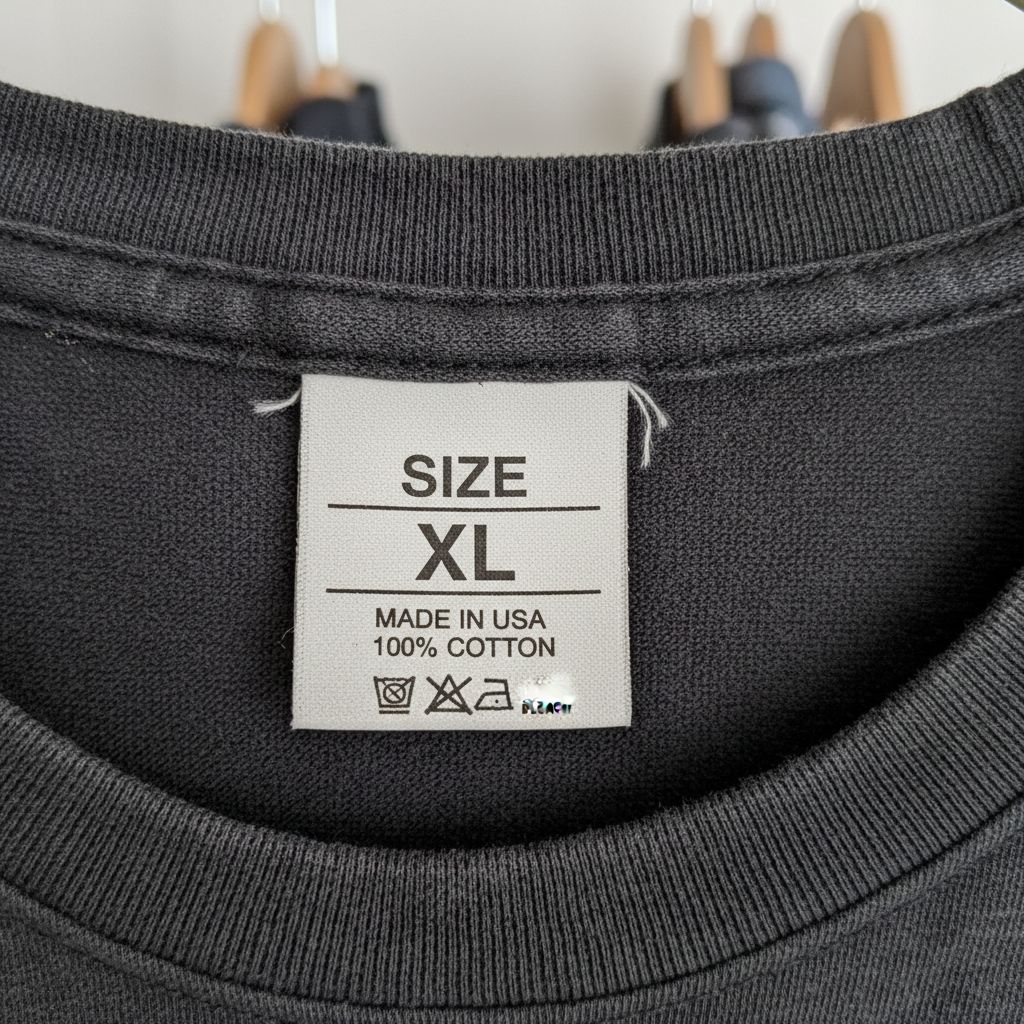
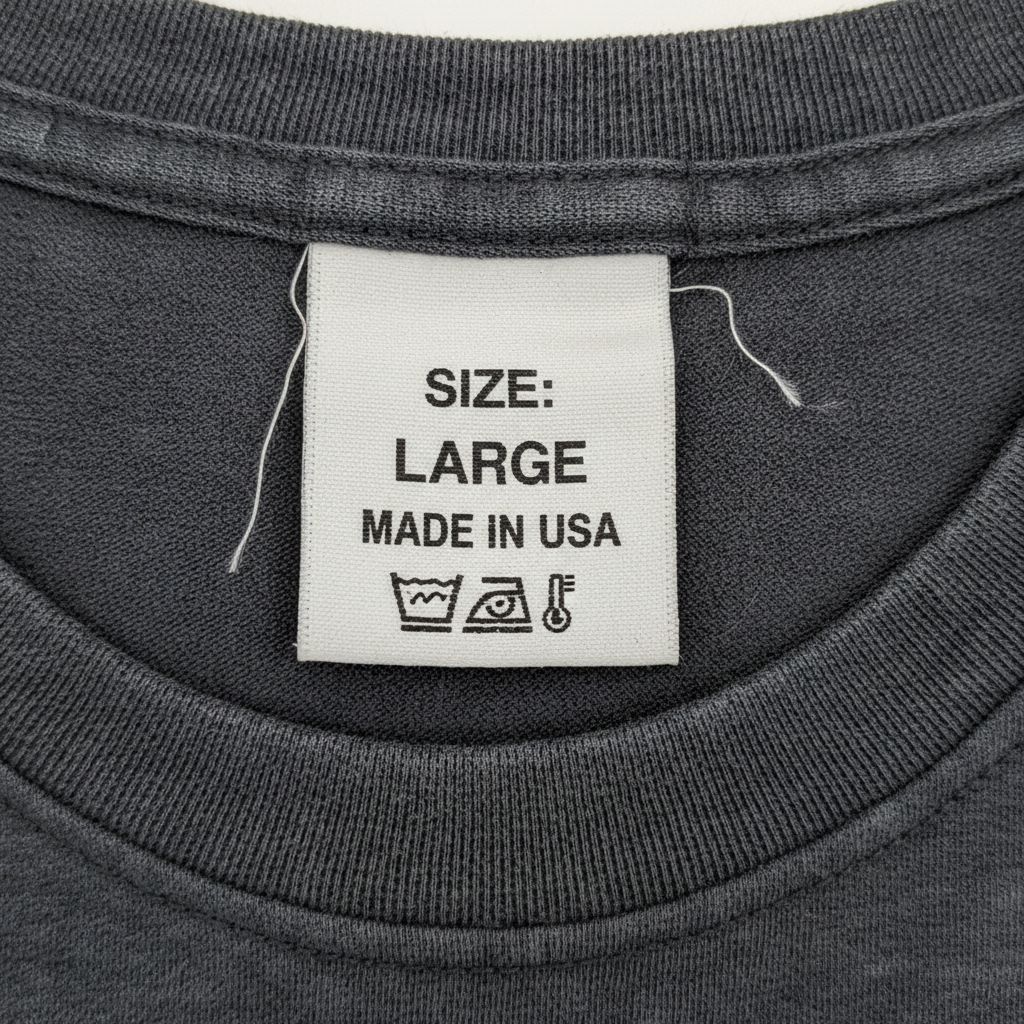
“Most common sizes by percentage ordered” refers to the typical size distribution seen in large T-shirt orders. Over time, patterns show that Medium and Large are usually ordered the most, followed by Small and XL, while extreme sizes make up smaller portions. Instead of guessing each person’s size, buyers use these percentages as a guide to estimate how many shirts to order in each size. It’s not a fixed rule—just a practical starting point that can be adjusted based on the audience and shirt style.
A size breakdown by percentage is a distribution like this:
- Medium and Large are ordered the most
- Small and XL follow
- XS, 2XL, 3XL, 4XL make up smaller slices
You choose a total quantity (like 100 shirts), then convert percentages into piece counts.
This approach is useful when:
- You’re ordering for a group (company, school, event)
- You need a fast estimate
- You don’t have exact size info

It’s less useful when:
- You already have a size list (then just use it)
- Your audience is an “outlier” group (sports teams, youth fashion, etc.)
Typical T-Shirt Size Breakdown by Percentage
A typical T-shirt size breakdown by percentage shows how most bulk orders are usually divided across sizes. Instead of random guessing, this method uses common ordering patterns, where Medium and Large take the biggest share, followed by Small and XL, with larger and smaller sizes making up smaller portions. This kind of breakdown helps buyers estimate quantities quickly, especially when ordering for teams, companies, or events without exact size data. It serves as a practical baseline that can be adjusted depending on the audience and shirt style.
Below is a commonly shared percentage breakdown from a large custom apparel customer base:
- XXS: 0.09%
- XS: 2.14%
- S: 19.56%
- M: 28.36%
- L: 27.16%
- XL: 16.16%
- 2XL: 5.19%
- 3XL: 1.15%
- 4XL: 0.19%
What this tells you (in plain words):
- Medium (M) and Large (L) are the clear leaders.
- Small (S) and XL are the next most common.
- Everything lse is a small add-on.
=> This is why many printers say: “If you’re unsure, stack the middle sizes.”
Example: Turning Percentages Into Real Shirt Quantities
Understanding percentages is helpful, but what really matters is how they translate into actual shirt counts. Once you choose your total order quantity, you can convert each percentage into a specific number of pieces per size. This step turns theory into action. Whether you’re ordering 50, 100, or 300 shirts, applying the size percentages properly ensures your breakdown adds up correctly and reflects real-world quantities, not just ratios on paper.
Let’s say you order 100 shirts. Using the typical breakdown, you’d get roughly:
- 3 XS
- 20 S
- 28 M
- 28 L
- 16 XL
- 5 2XL
- (XXS/3XL/4XL are tiny, often rounded to 0 unless needed)

=> TOTAL = 100
Rounding tip (important)
Percentages rarely land perfectly on whole numbers. A simple way to round safely is:
- Round each size
- Add them up
- If you’re over/under, adjust the biggest sizes (MD/LG) by 1
Why adjust M / L ? Because those sizes are easiest to reassign if someone needs to swap.
Why Medium and Large Are Usually the “Standouts”
There are a few reasons M and L usually dominate:
- Many people prefer a comfortable fit (not tight)
- Unisex shirts tend to push people toward the middle sizes
- Events often order “safe sizes” to avoid returns or exchanges
- People size up for comfort, especially in hot weather
So even when you don’t know your audience, MD/LG are the least risky sizes to stock.
How to Adjust the Breakdown Sizes (Simple Rules)
If you don’t want to run a full size survey, use these easy adjustments:
If your group is more “athletic / bigger build”
- Increase L, XL, 2XL
- Reduce SM, XS
If your group is more “youth / smaller build”
- Increase S, M
- Reduce XL, 2XL
If your shirt style is oversized streetwear
- Increase L and XL
- Keep M solid
- Cut XS
If you expect lots of women ordering unisex tees
- Increase S
- Keep M
- Reduce 2XL+
These are not perfect, but they prevent the most common leftovers.

Don’t Forget: Larger Sizes Often Cost More
Many printers charge more for:
- 2XL and up
- sometimes XL and up
So a size breakdown also affects your budget, not just inventory.
A smart move is to plan like this:
- Keep 2XL+ insmaller amounts unless you know you need them
- Add them on purpose when your audience demands it
- Don’t accidentally “round up” too many expensive sizes
Conclusion / Final Words
A “most common sizes by percentage ordered” chart is a helpful shortcut when you don’t have a full size list. Most orders do skew toward Medium and Large, with Small and XL close behind. But the smart move is to treat the percentage breakdown as a starting point, not a rule. Your audience, shirt style, and fit trend can change the distribution a lot. If you use the breakdown wisely, then adjust it for your real situation, you’ll get fewer leftovers, fewer exchanges, and a smoother order.