
The fashion industry isn’t just about clothing—it’s a global powerhouse built on creativity, marketing, supply chains, and consumer behavior. While it brings opportunity and innovation, it also faces serious challenges. To understand this complex world, let’s break it down by looking at each key factor shaping the fashion business today.
Overview of the Fashion Business
You operate within a value chain that stretches from raw-fiber suppliers to the customer’s closet: design, material sourcing, manufacturing, logistics, marketing, retail, and after‑sale services. Globally, the apparel market was valued at approximately $1.7 trillion in 2023, employing over 60 million garment workers.
=> Related Article: Fashion Guide: Dressing Right for Your Body Type
Digital channels now account for roughly 30% of fashion sales, while the resale market is expected to reach about $77 billion by 2025, creating new revenue streams and operational complexities.
The 6 Pillars of the Fashion Industry
1. Design & Creativity
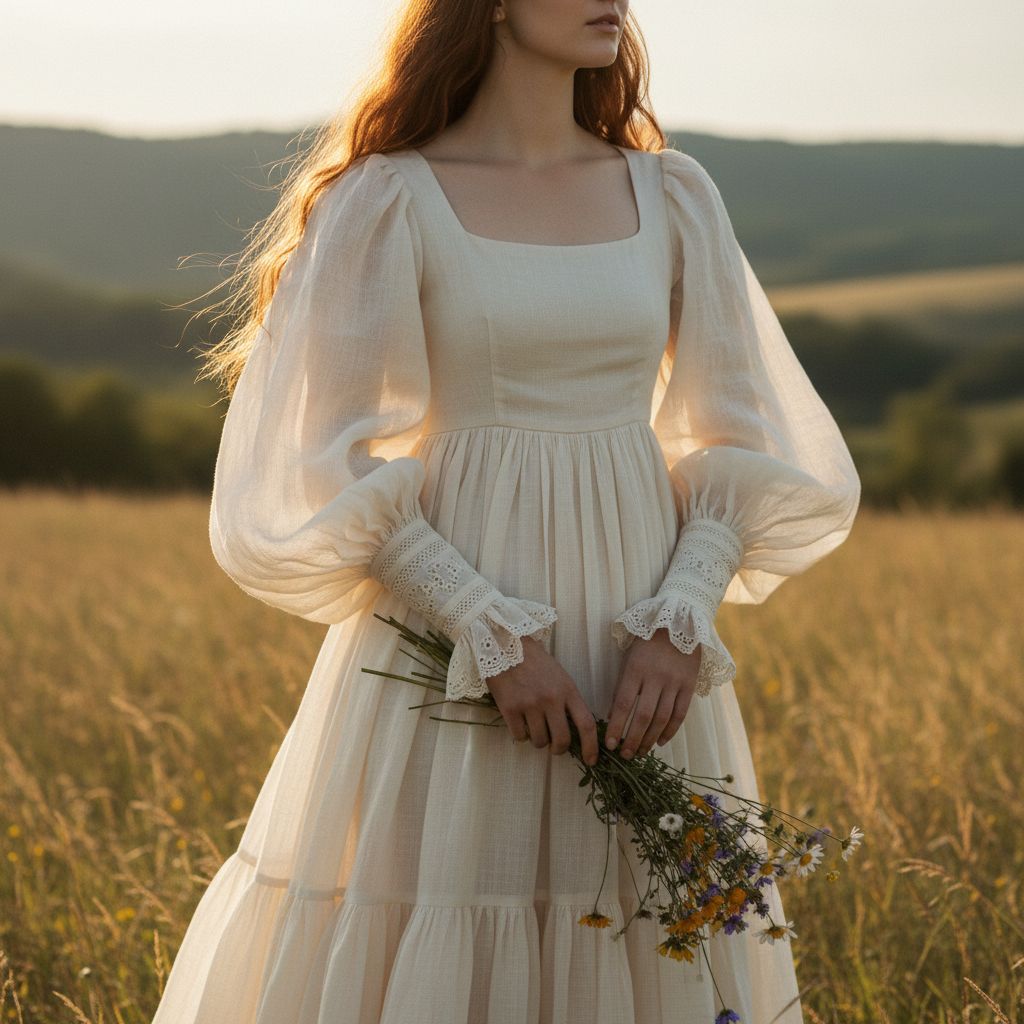
Every piece of fashion begins as a spark—an idea sketched on paper. Design and creativity are the soul of fashion, where art meets function, and imagination becomes wearable reality.

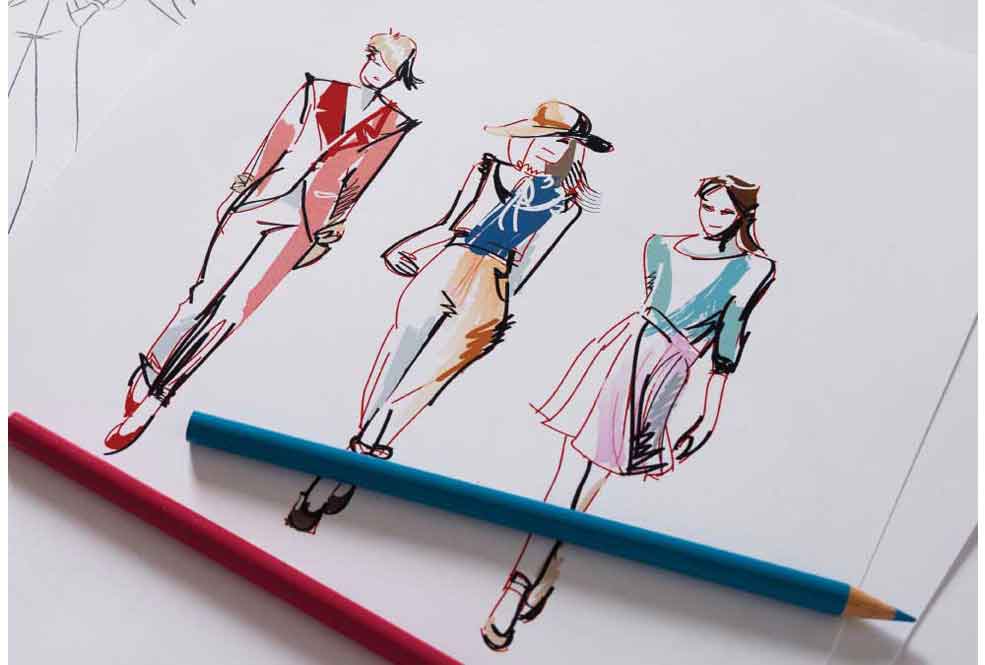
The technical development process includes:
- Trend forecasting: Analyzing upcoming colors and styles.
- Material selection: Choosing the right fabric and texture.
- Prototyping: Developing samples and adjusting fit.
[Image of the fashion design process from sketch to 3D model]
2. Manufacturing & Production
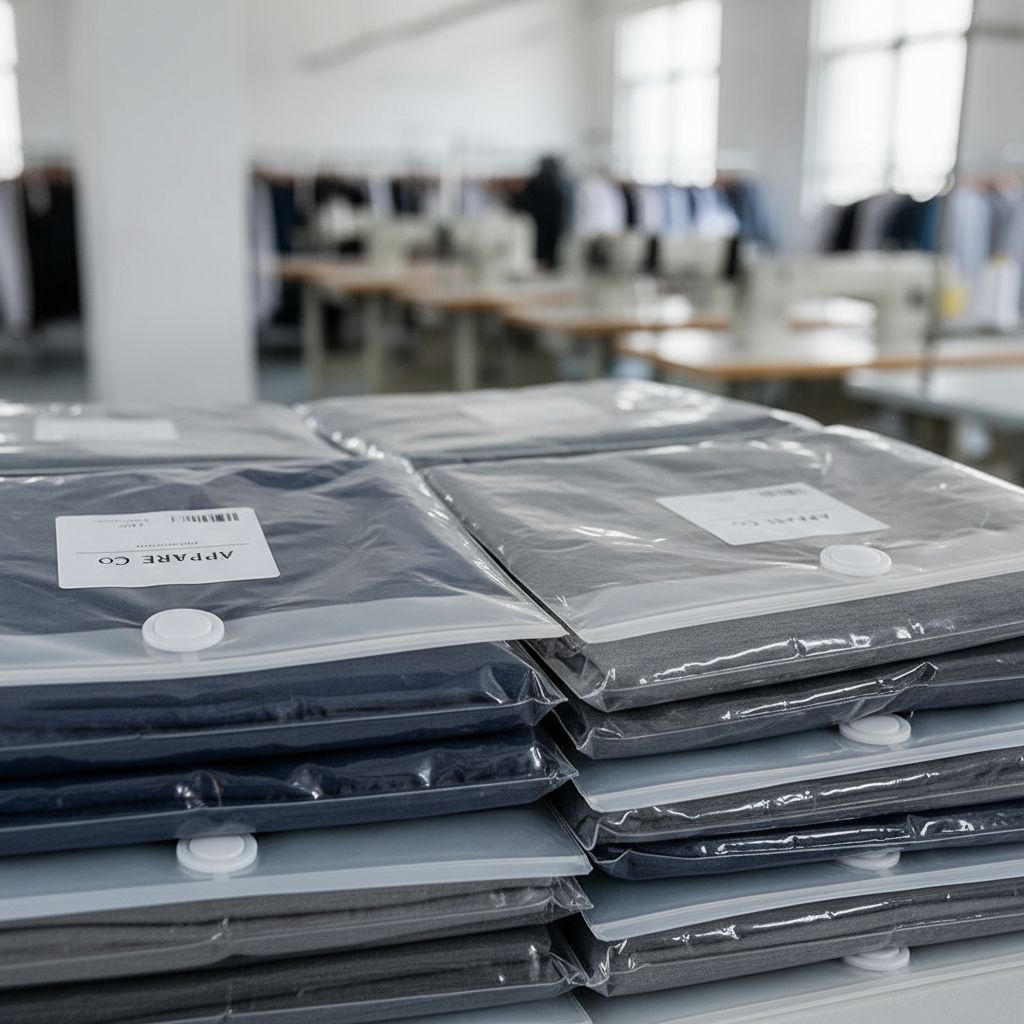
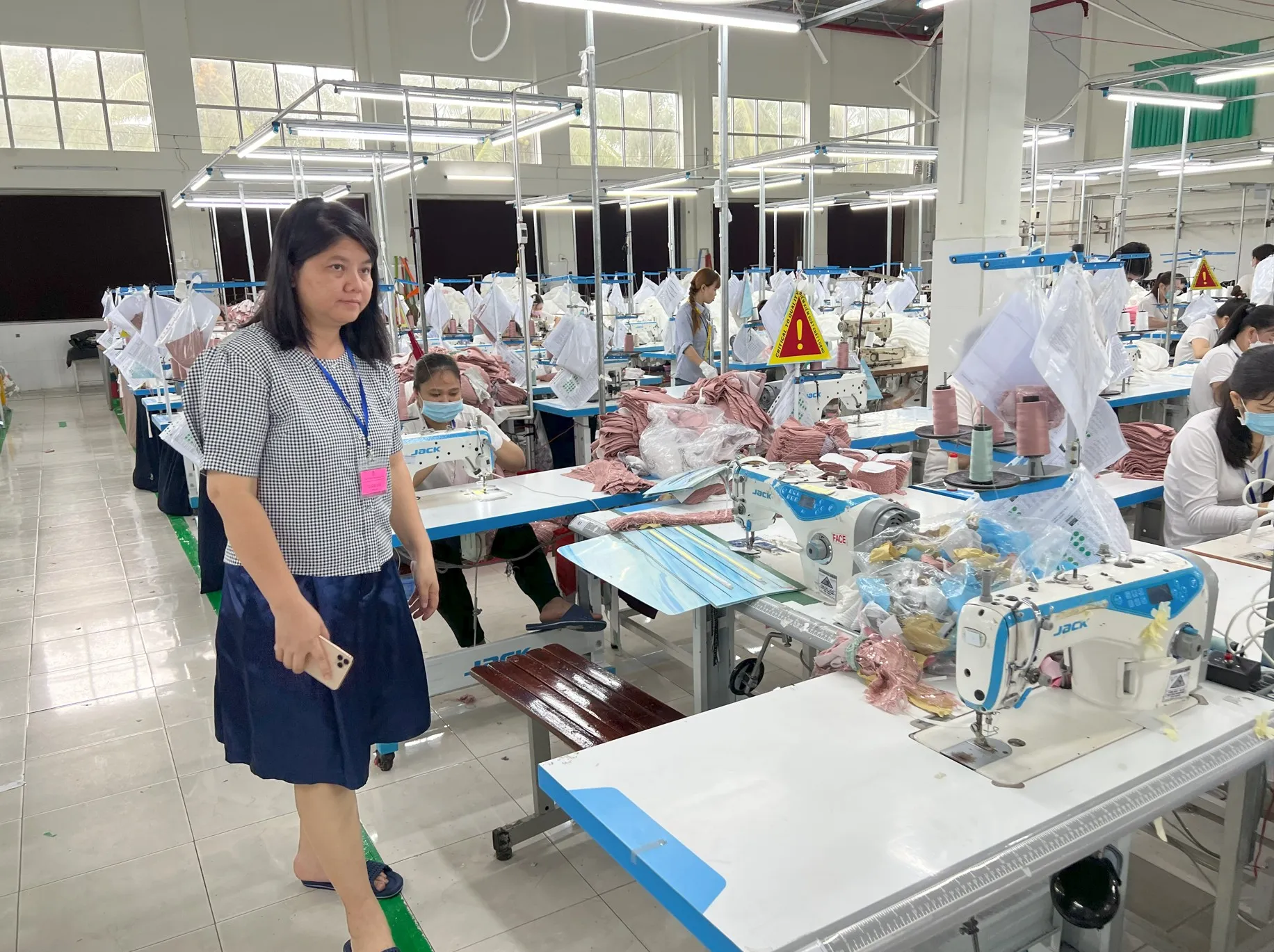
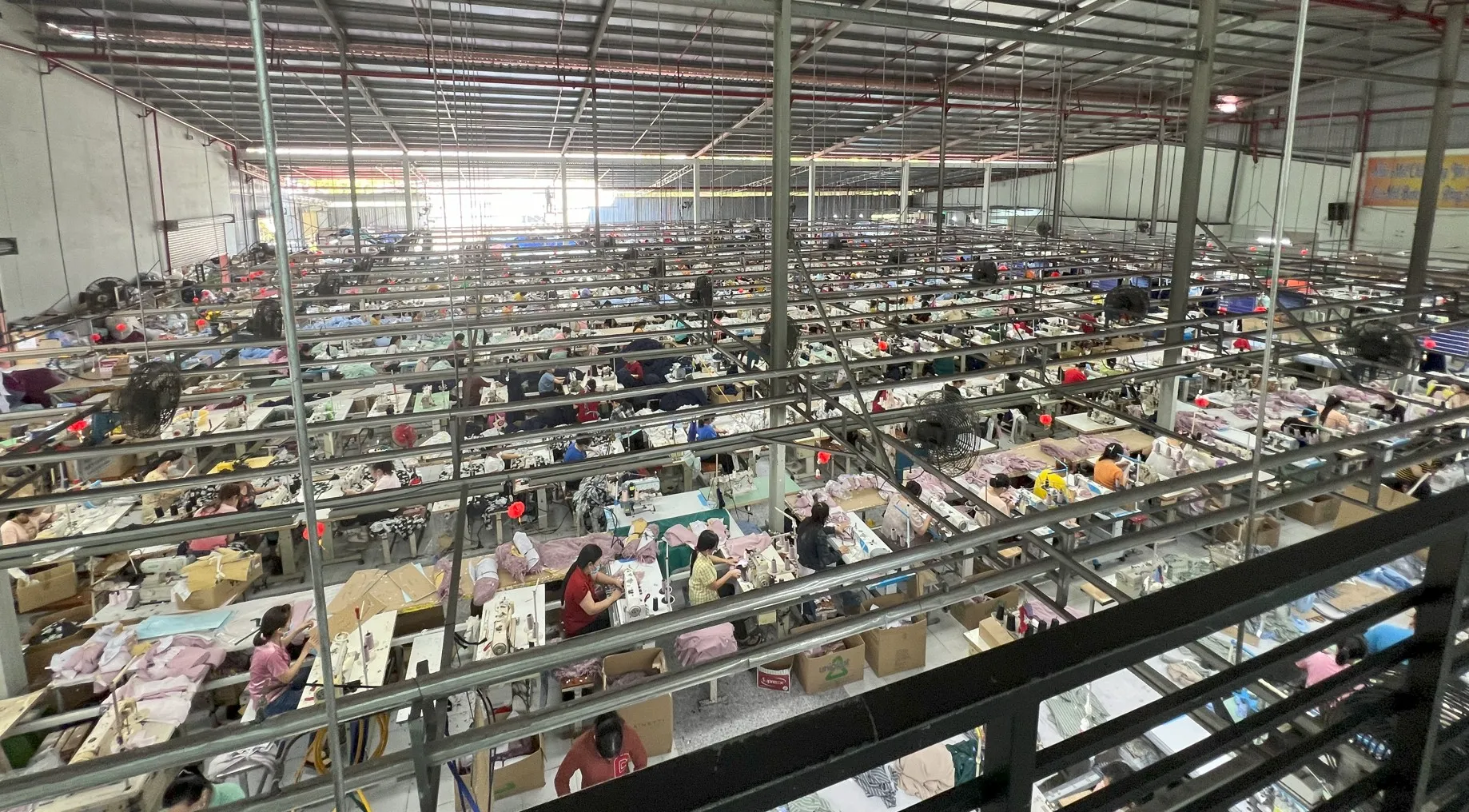
This is where creativity meets craftsmanship. Efficient production balances cost, speed, and quality. Today, many brands focus on ethical sourcing and sustainable practices.
=> Read More: 4 Main Production Models: CMT, OEM, ODM, OBM
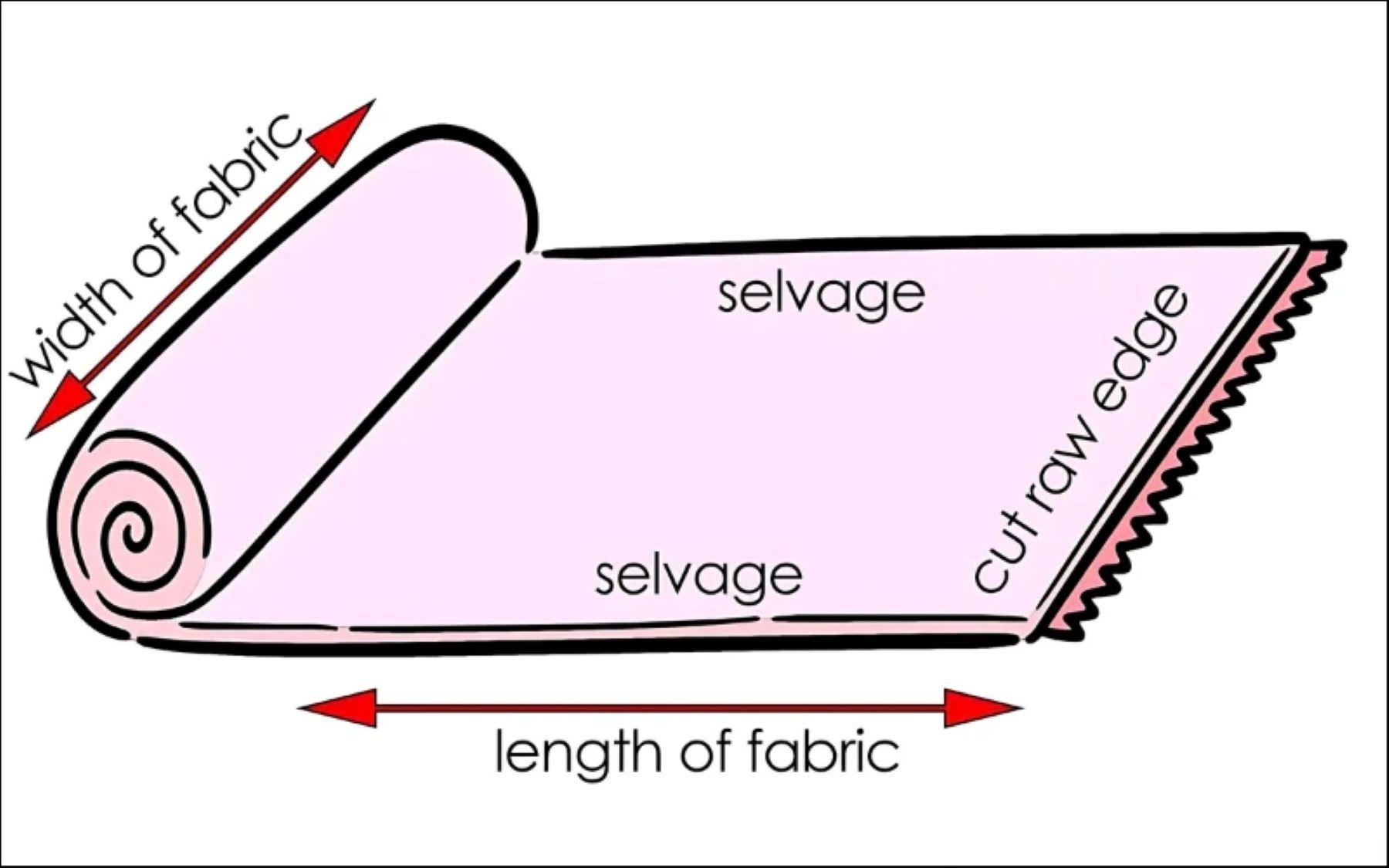
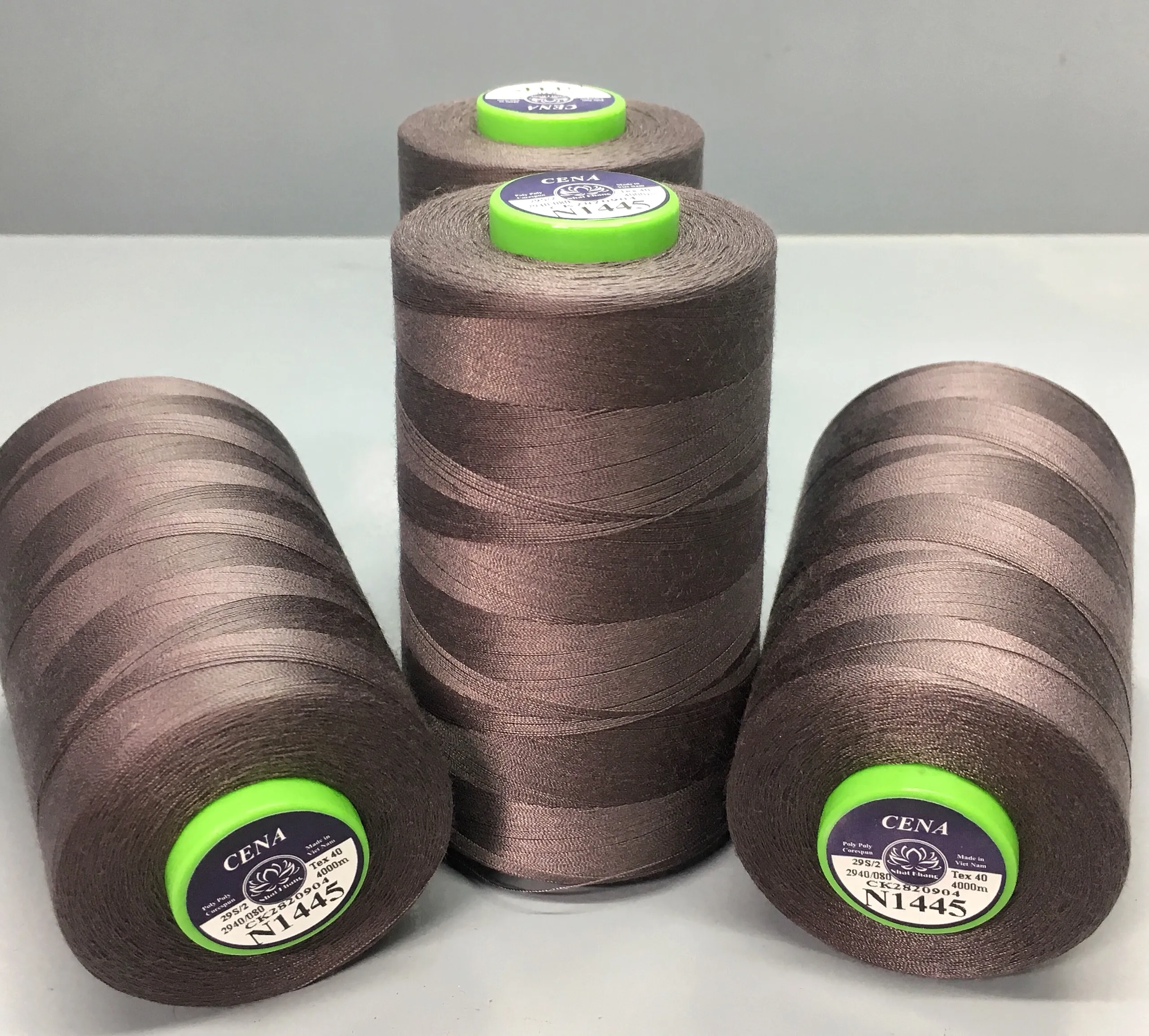
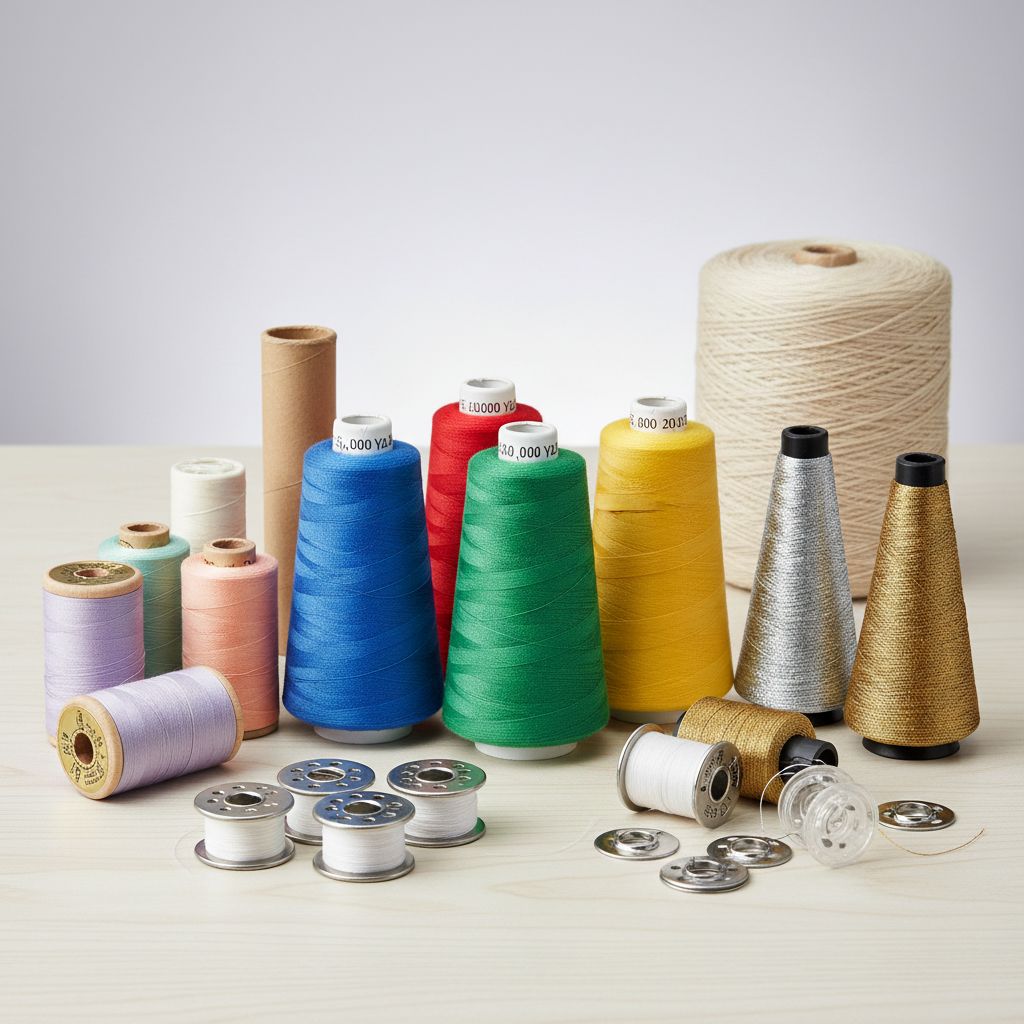
- Material sourcing: Selecting fabrics, trims, and zippers.
- Pattern making & Cutting: Translating 2D designs into templates using CAD software.
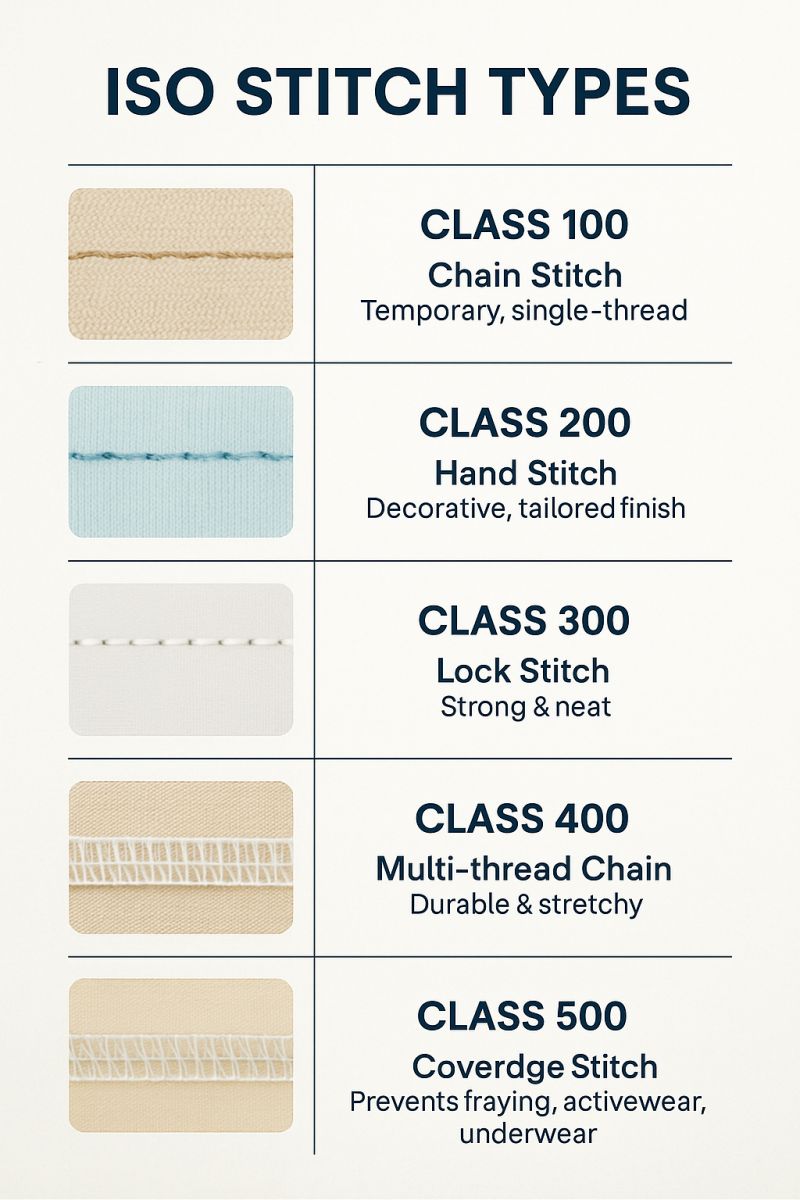
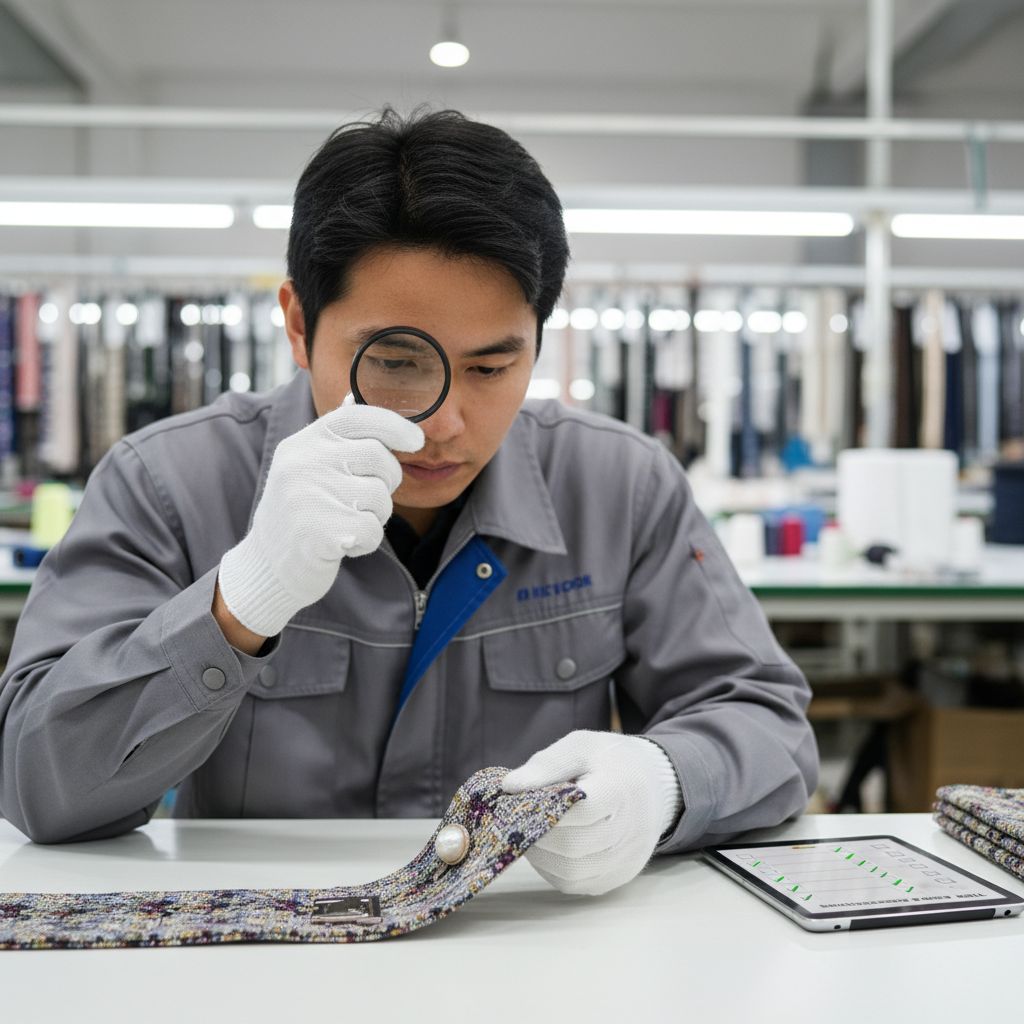
- Sewing & Assembly: Skilled workers stitching garments with strict quality control.
[Image of a typical garment factory floor layout]
3. Supply Chain Management

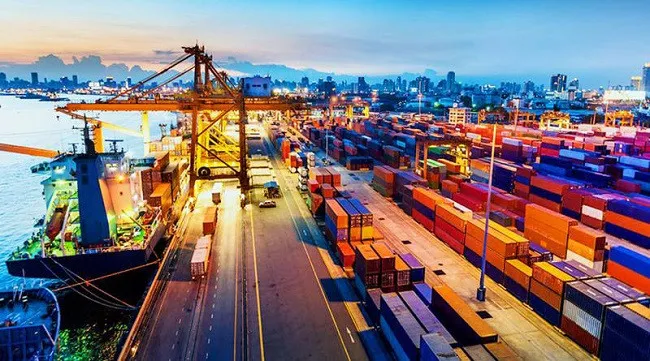
Coordinating materials and delivery from source to shop is a logistical puzzle. A smooth supply chain ensures products arrive on time and reach consumers smoothly.
4. Marketing & Brand Identity
A strong brand tells a story. Through social media, influencer partnerships, and experiential retail, brands build trust and recognition. In fashion, building a strong brand is just as important as the clothes themselves.

5. Retail & Distribution
Retail is the moment when customers interact with the product. Today’s shoppers expect personalized experiences and a seamless journey between online and physical stores.

6. Consumer Trends & Demand
Consumer preferences are shaped by social media, celebrities, and cultural shifts. The fastest brands to spot and deliver a trend gain a major competitive edge.
Conclusion
Fashion is more than garments—it is a living story. Success comes when design, production, supply, branding, marketing, and consumer insight flow together in harmony. At Mekong Garment, we believe embracing all six pillars allows businesses to create products that are both beautiful and meaningful.
FAQs About Fashion Business
In Short, What are the main pillars of the fashion business?
The fashion business stands on six key pillars: Design & Creativity, Manufacturing, Supply Chain, Marketing & Branding, Retail & Distribution, and Consumer Trends. These parts work together to turn ideas into real products that reach customers.
Why is design so important in fashion?
Design is where everything starts. A design sets the look, style, and feel of a product. Without strong design, a collection has no direction. Good design also makes production easier and helps a brand stand out.
What happens during the manufacturing stage?
Manufacturing turns sketches into real clothing. It includes choosing materials, cutting, sewing, quality checking, and packing. This step must be fast, accurate, and cost-effective to keep the business healthy.
What is a fashion supply chain?
A supply chain is the journey of a product—from raw fabric to the finished item in stores. It manages sourcing, shipping, inventory, and production timelines. A smooth supply chain helps brands avoid delays and reduce waste.
Why does marketing matter so much in fashion?
Fashion is emotional. People buy what makes them feel confident or inspired. Marketing tells the story behind a brand and helps customers connect with it. Good marketing can turn a simple item into a must-have trend.
How does branding affect a fashion company?
Branding shapes how people see a company: its style, tone, values, and personality. A strong brand builds trust and keeps customers coming back.
What is retail and distribution in fashion?
This pillar is all about how products reach customers—online stores, physical shops, pop-ups, or marketplaces. Good retail makes shopping easy, enjoyable, and fast.