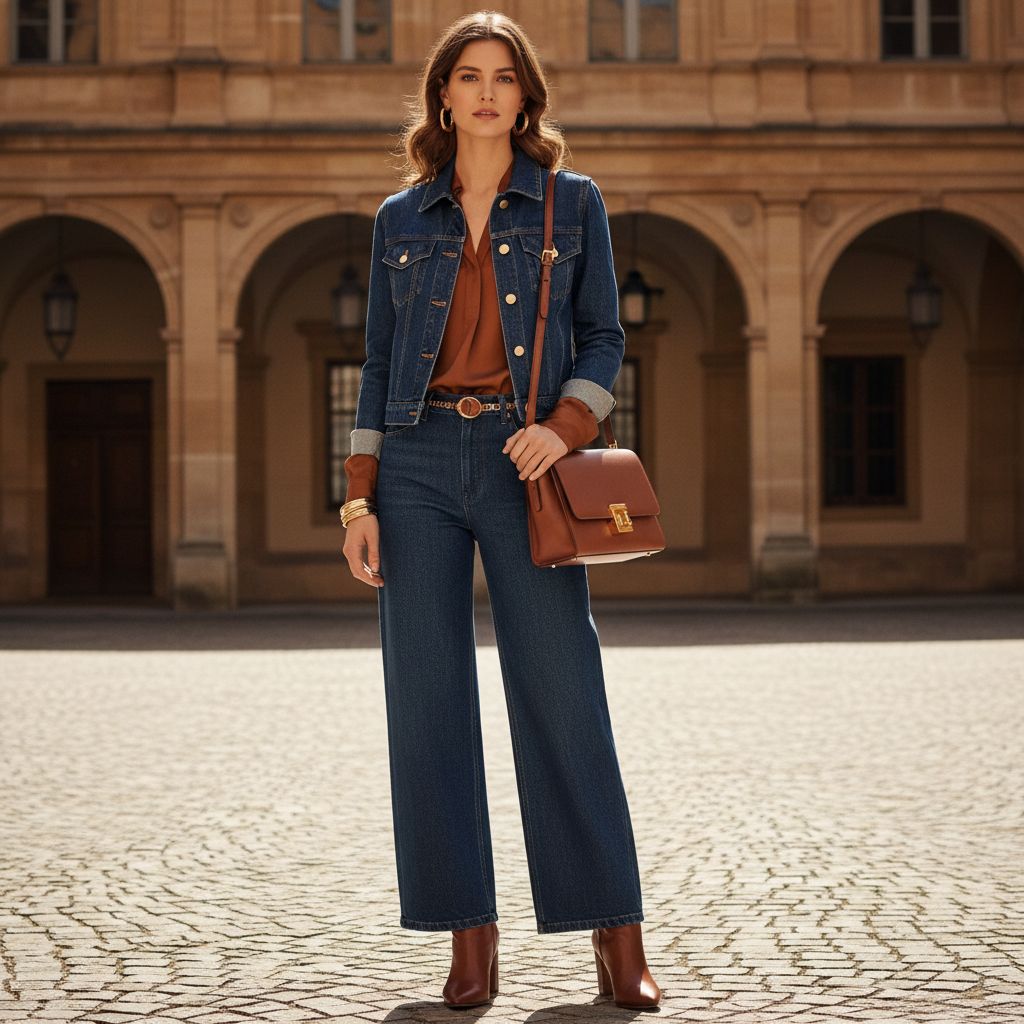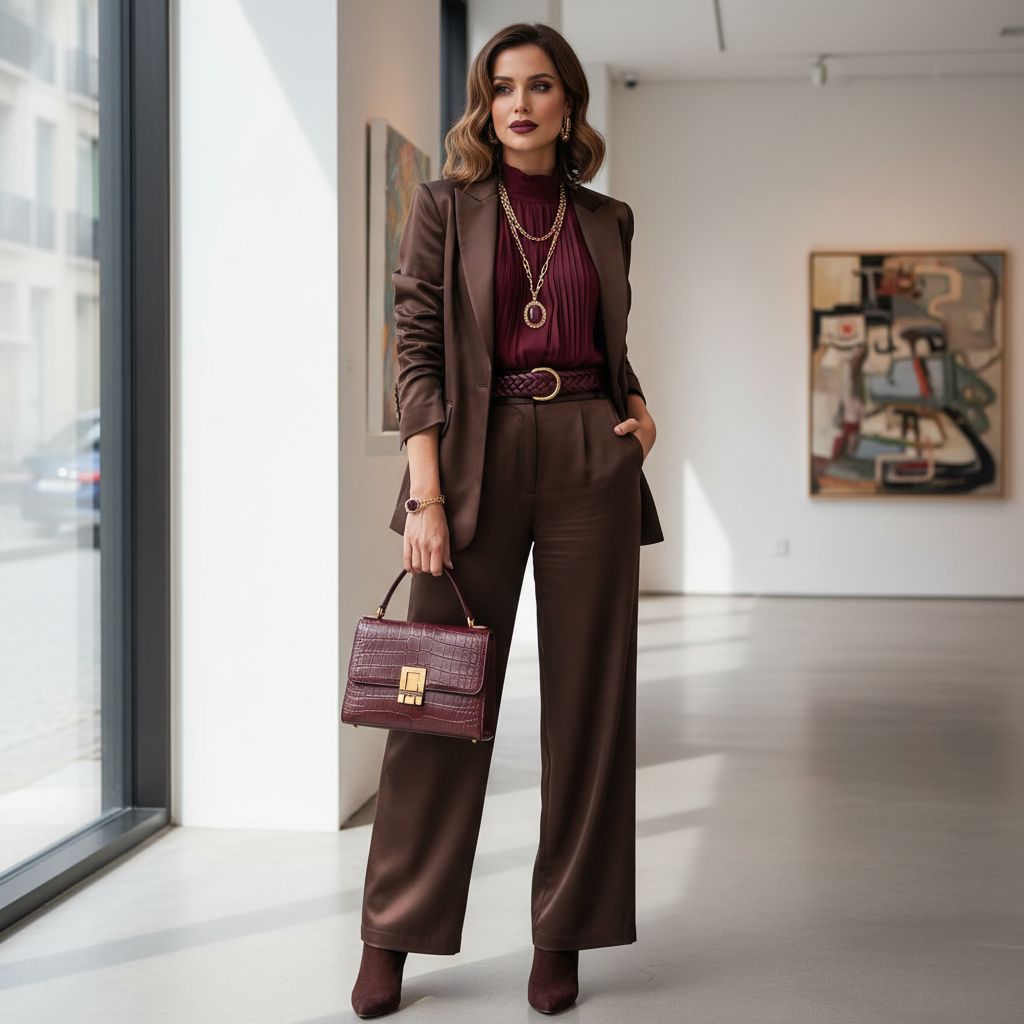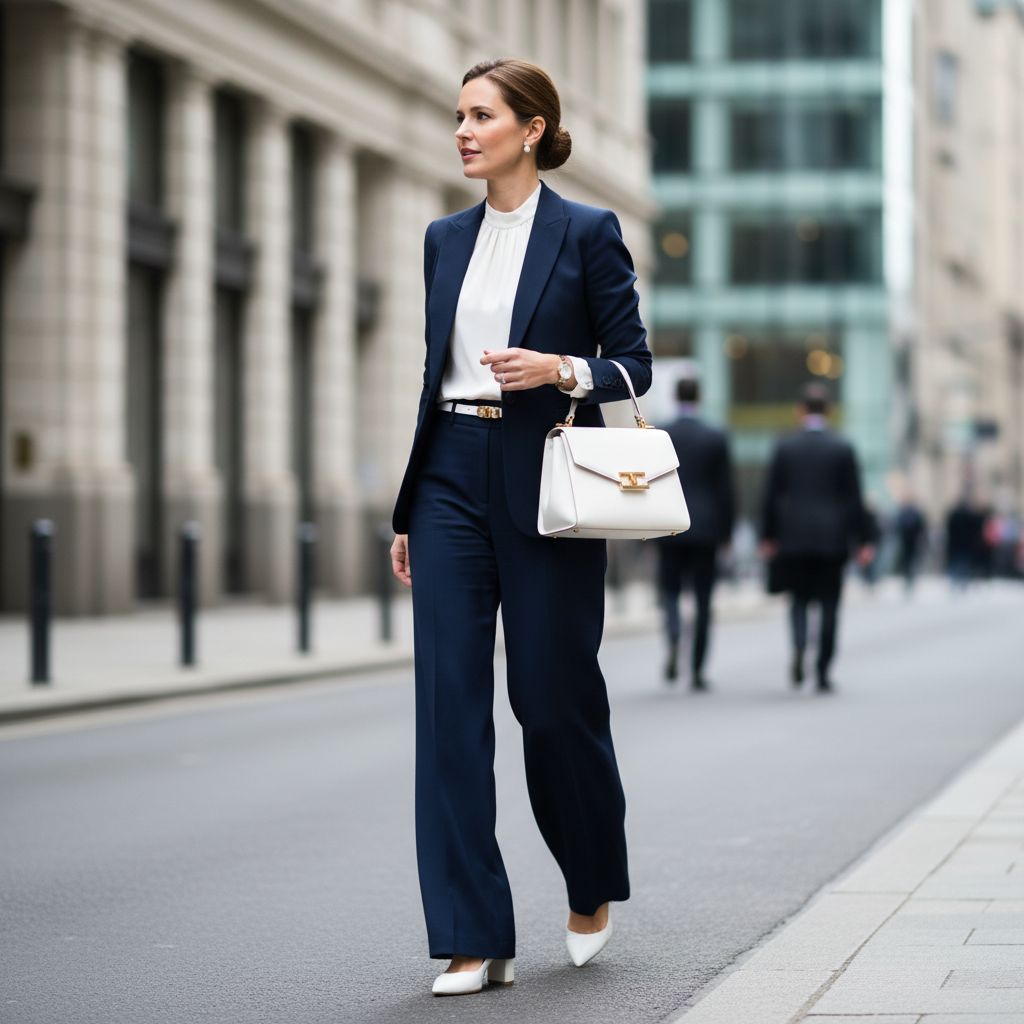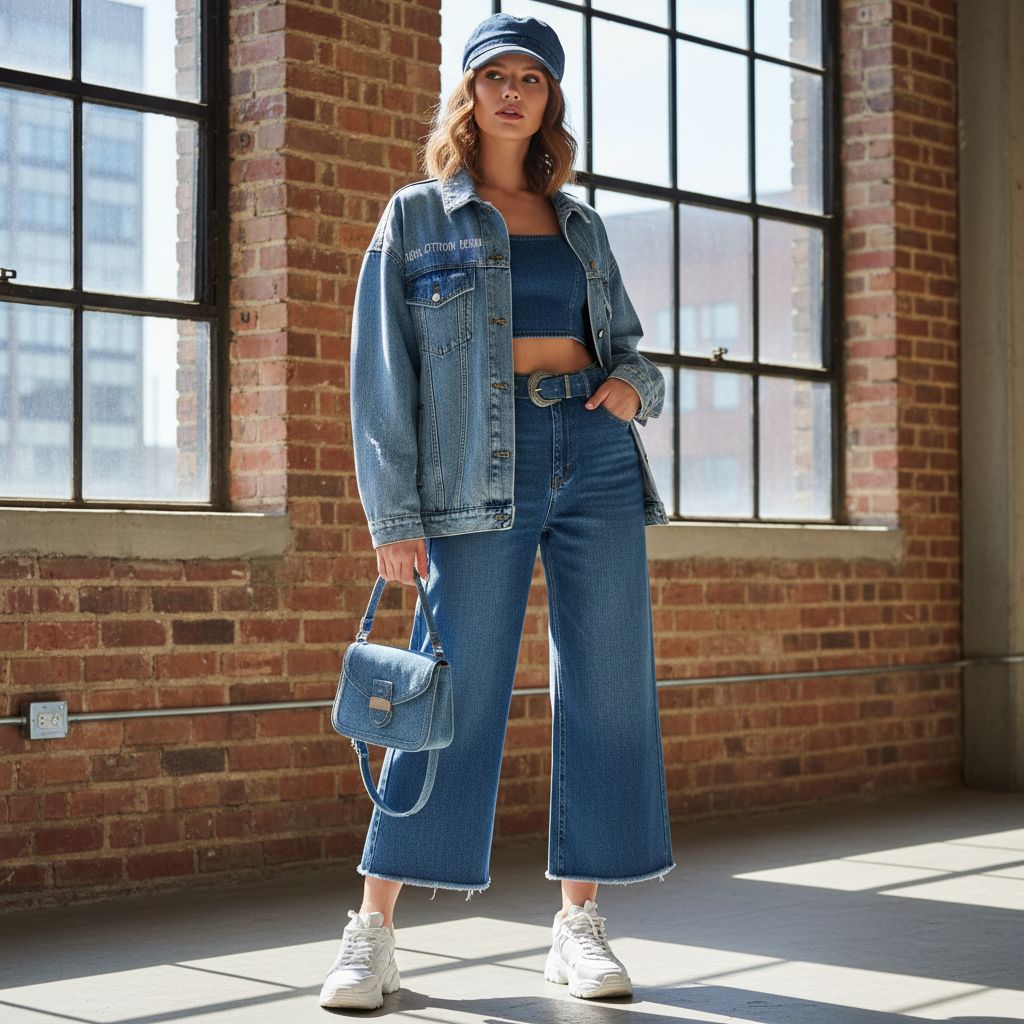
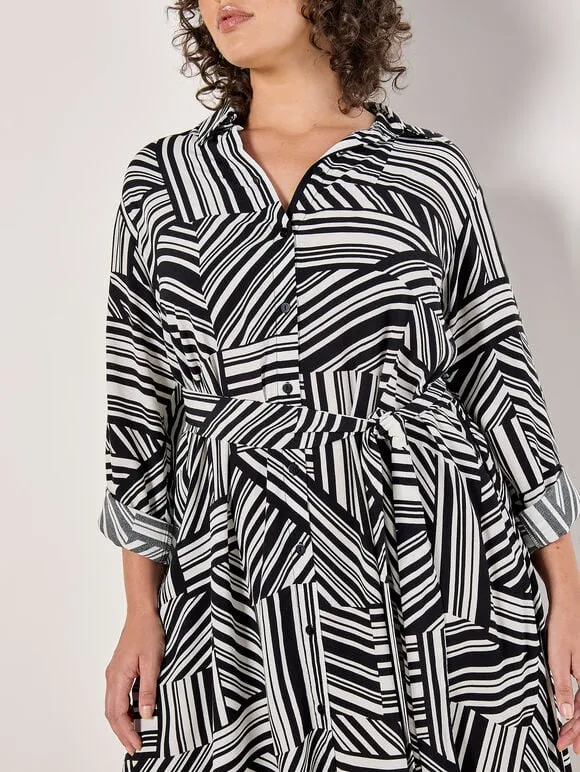
The Art of Style: Line – The Direction of Design

In fashion, line is the path your eye follows on a garment. Sometimes it’s obvious (a stripe). Sometimes it’s subtle (a seam, fold, or row of topstitch).

Lines do three big jobs:

  • Guide the eye (where people look first)
  • Shape the silhouette (how the outfit “reads” from a distance)
  • Set the mood (sharp, soft, calm, bold, sporty, formal)

=> But here’s the twist: Lines don’t “flatter” by magic. A “vertical line” won’t always look longer. A “horizontal line” won’t always look wider. The result depends on contrast, spacing, fit, fabric, and placement. Let’s break it down the useful way.

1) What Counts As a Line in Clothing?

A line can be visible or implied.

Visible lines

You can clearly see them:

  • Stripes and prints
  • Piping and trims
  • Contrast panels
  • Topstitching
  • Zippers, plackets, button rows

Implied lines

You “feel” them even if you can’t name them:

  • Darts and shaping seams
  • Pleats and folds
  • Draping
  • Hem angles
  • Shoulder slope and armhole shape

Design tip: If you can trace it with your finger, it’s a line.

2) The Main Line Directions (and what they suggest)

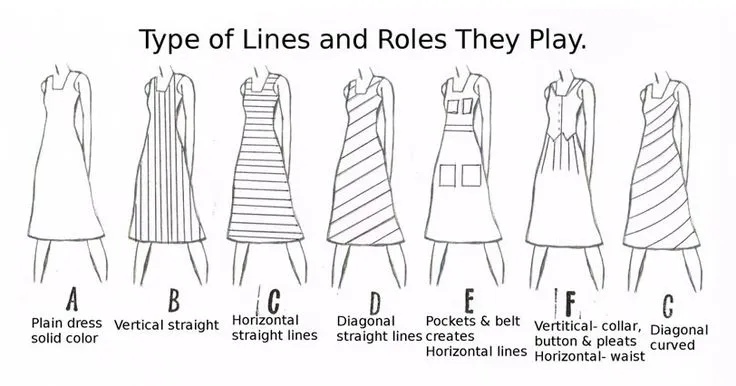
In fashion design, line direction is one of the fastest ways to control how a garment “reads” at first glance. The same outfit can feel taller, wider, softer, or more energetic just by changing where the lines lead the eye. But, direction alone doesn’t guarantee the effect contrast, spacing, and placement decide whether the line actually works. In this section, we’ll look at the four main directions and what they tend to suggest in real garments.

Vertical lines

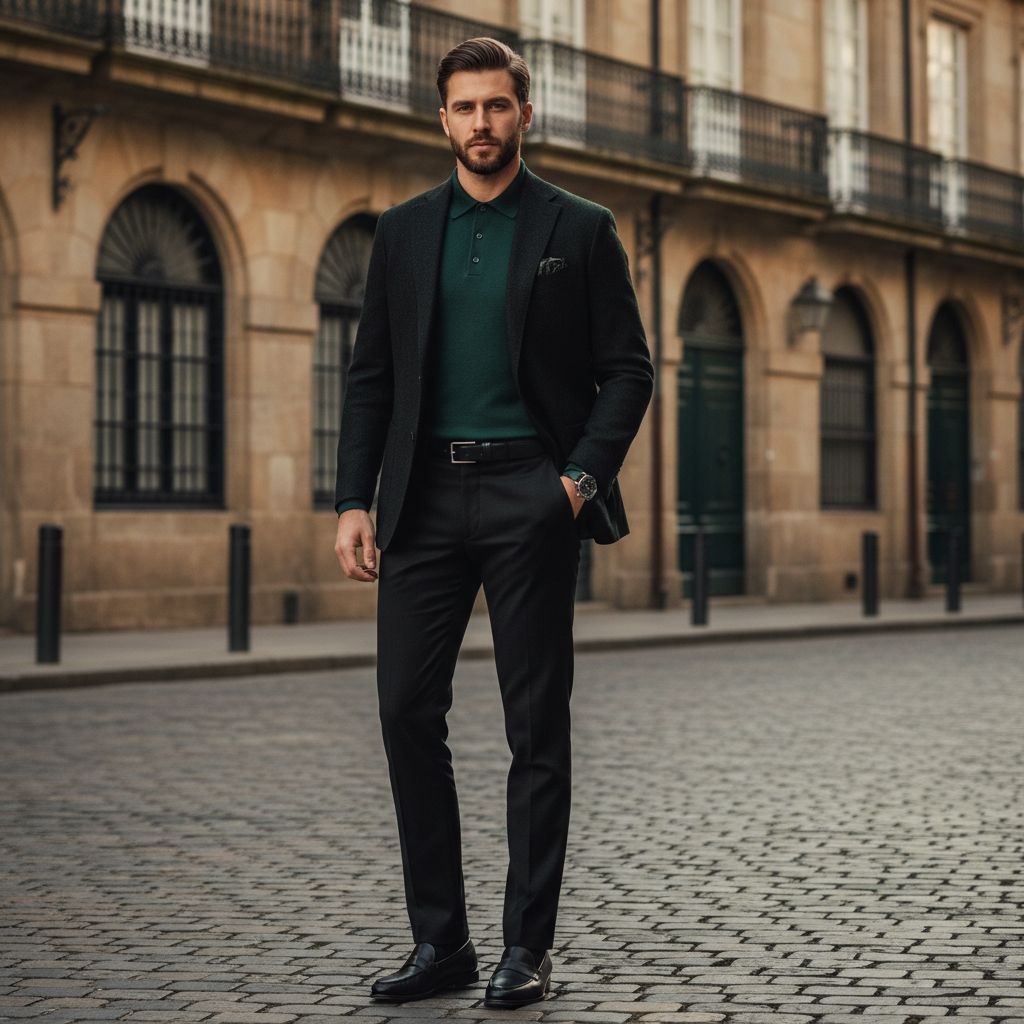
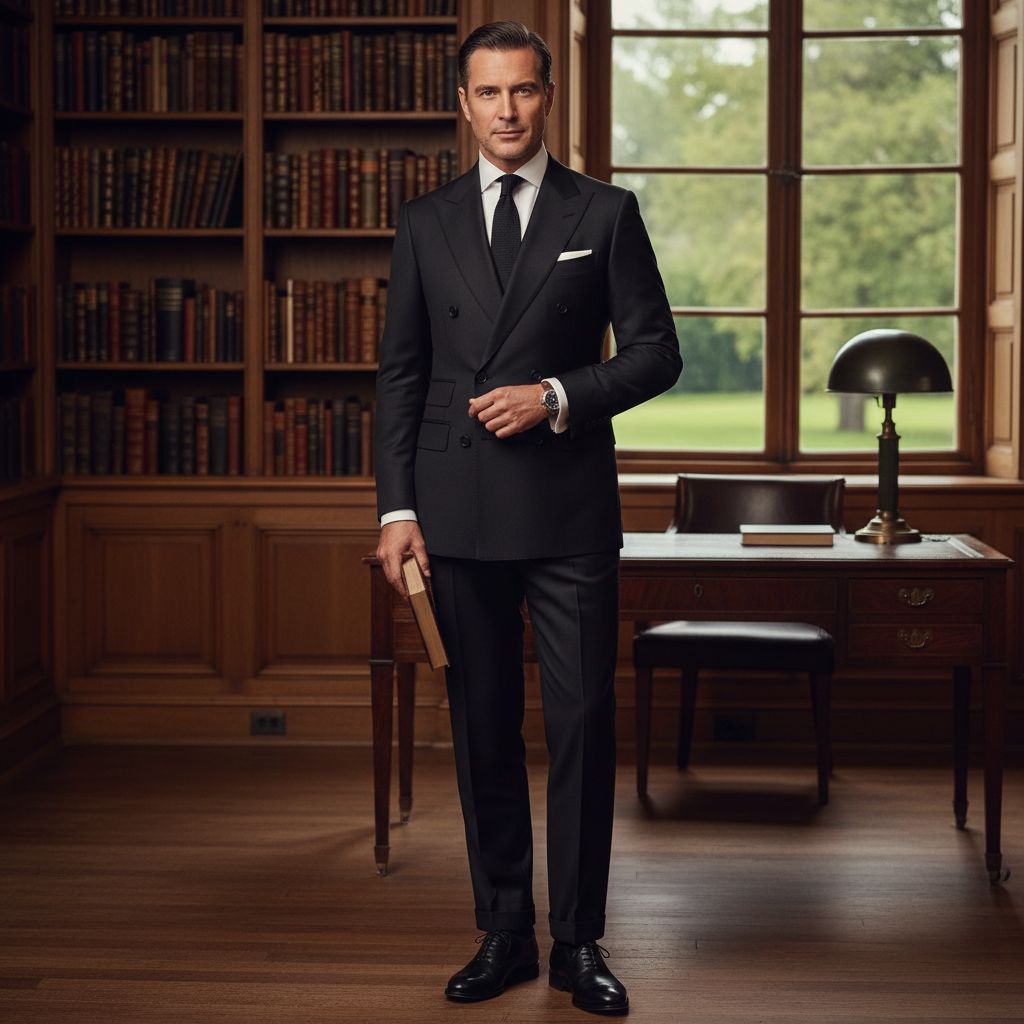
Vertical lines guide the eye up and down, which often makes a look feel cleaner and more “pulled together.” They’re common in coats, blazers, and uniforms because they suggest structure and formality. But don’t assume they always “slim” the body high contrast vertical lines can actually make the area feel louder and more noticeable. The trick is using vertical lines with controlled contrast and clean alignment.

  • Vibe: clean, calm, structured, formal
  • Common effect: can feel “longer” and more streamlined
  • Examples: Princess seams on a blazer, Long coat panels, A center-front zipper

Notes: If the line is too high contrast (like bright white piping on black), it can pull attention hard and feel “busy,” not “sleek.”

Horizontal lines

Horizontal lines move the eye side to side, which can create a stable and balanced feel. They work well to build presence at the shoulders or to visually “anchor” an outfit. Still, placement matters more than direction one stripe in the wrong spot can highlight the widest area. Use horizontals when you want calm, classic energy, not when you want the design to disappear.

  • Vibe: stable, grounded, classic, casual
  • Common effect: can feel wider or more “balanced”
  • Examples: Chest stripe on a tee, Waist seam on a dress, Cuffs and hem bands

Notes: A horizontal line placed in the “wrong” spot (like a thick stripe right at the widest area) can highlight that area. But the same stripe placed slightly higher or lower can look great.

Diagonal lines

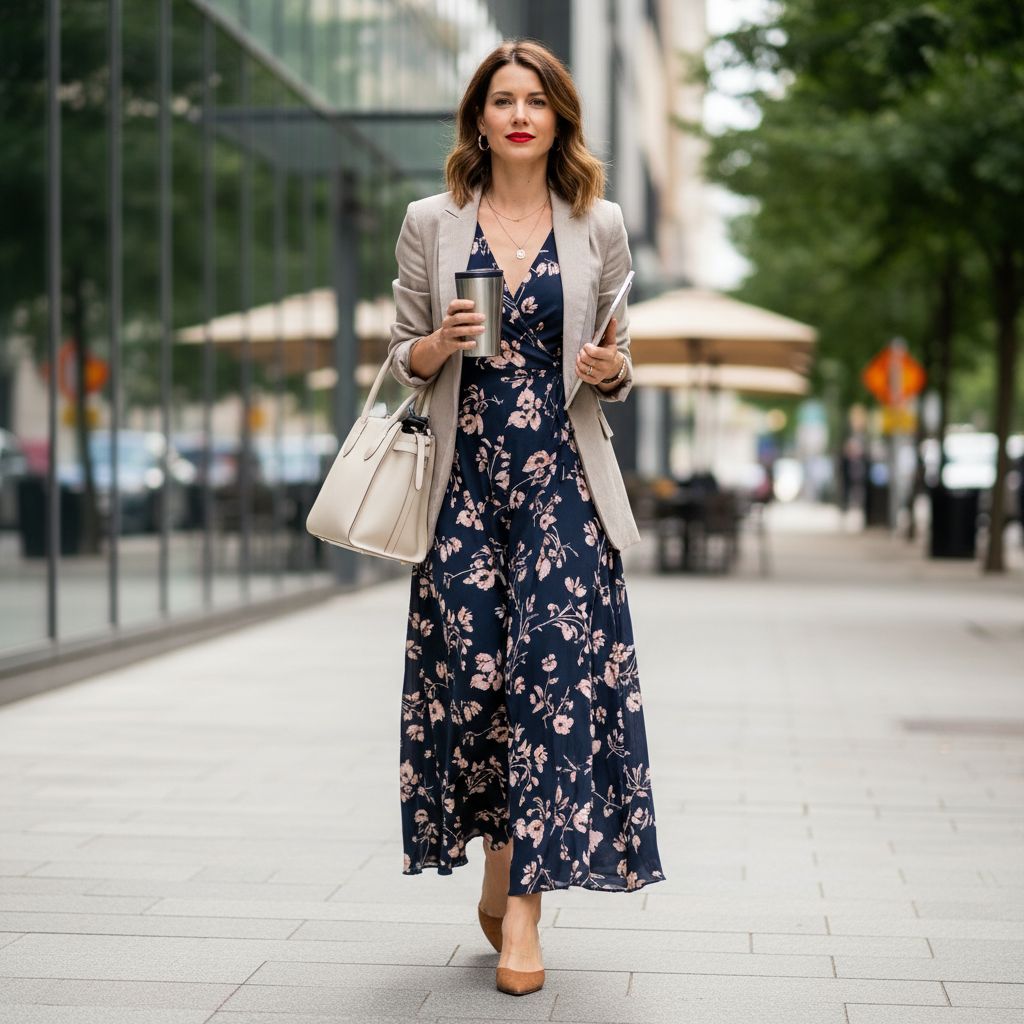
Diagonal lines feel like motion because they pull the eye across the body instead of straight up or across. That’s why wrap designs, sporty panels, and asymmetry often look dynamic and modern. The danger is overdoing it too many diagonals can make the garment look busy or confusing. A strong diagonal should act like a main path, not random decoration.

  • Vibe: movement, energy, modern, sporty
  • Common effect: adds motion and leads the eye across the body
  • Examples: Wrap dress overlap, Asymmetric zipper on a jacket, Diagonal color blocking on activewear

Notes: Too many diagonals can feel chaotic. Your eye doesn’t know where to rest.

Curved lines

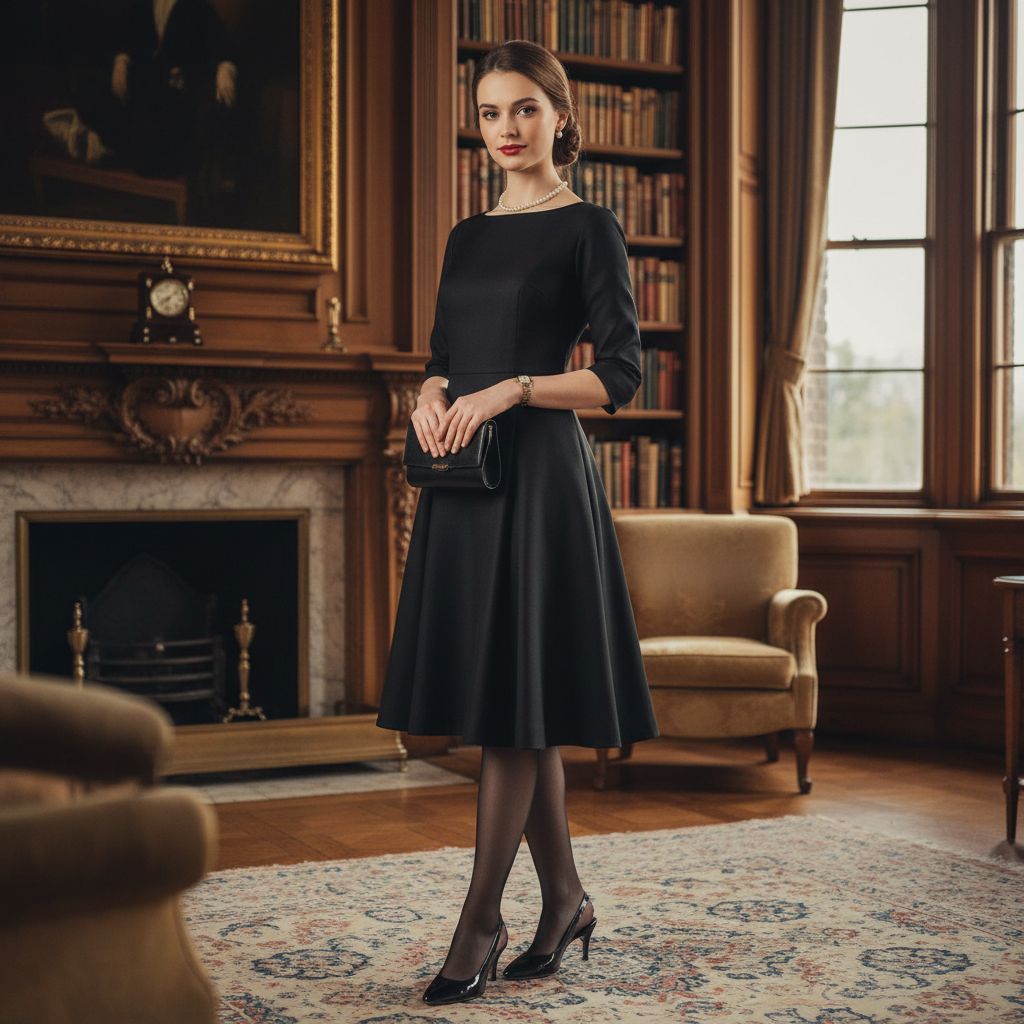
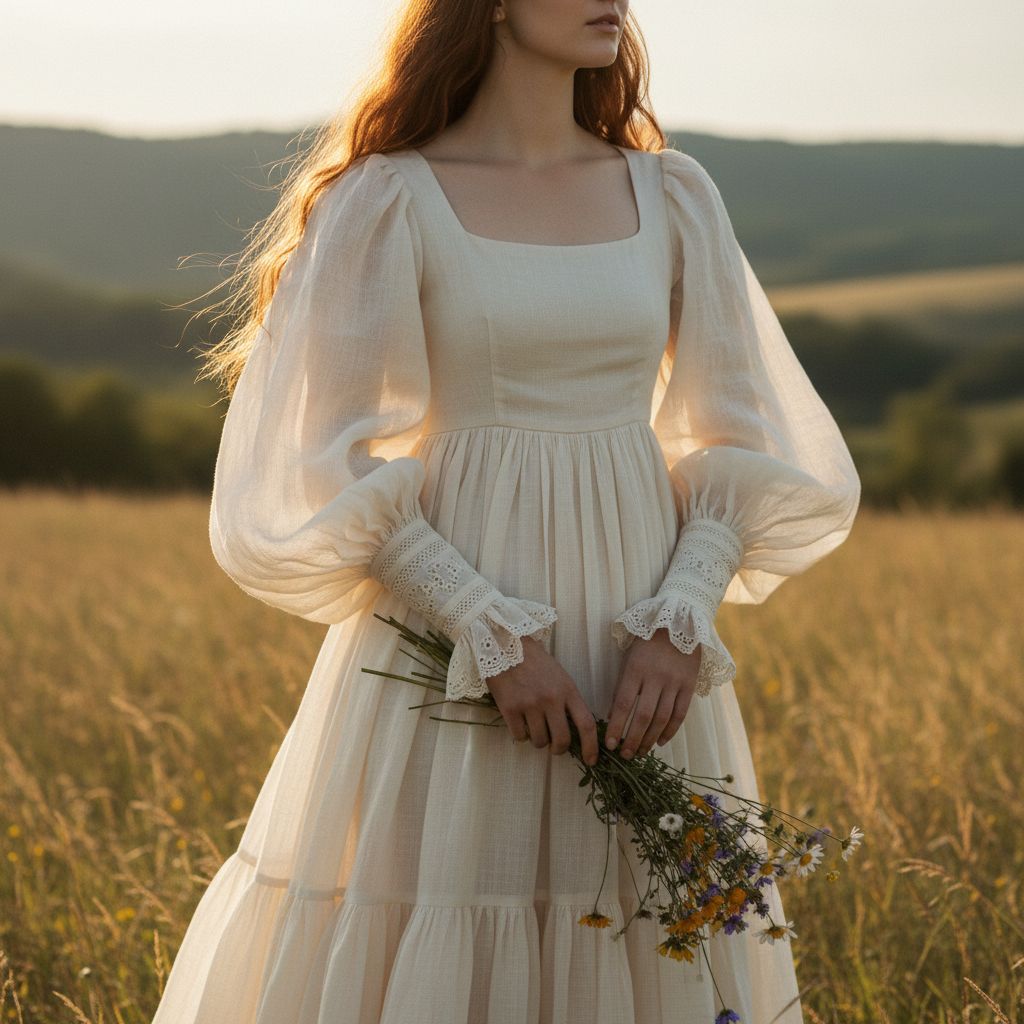
Curved lines feel soft and natural because they echo the body’s shapes. They show up in necklines, princess seams, drape, and fit-and-flare silhouettes to create a gentle, feminine mood. But curves demand good pattern control if the curve is uneven, people notice fast. Curves also need the right fabric; stiff fabric can make curves look forced.

  • Vibe: soft, human, elegant, romantic
  • Common effect: feels gentle and flowing
  • Examples: Scoop neckline, Curved princess seam, Draped skirt panels

Notes: Curves in a stiff fabric can look awkward (they fight the fabric). Curves usually look best when the fabric can bend.

3) The “Hidden Rules” that Matter More than Direction

People learn “vertical vs horizontal,” but real design lives in these factors:

A) Thickness

Thickness changes the “volume” of a line in the viewer’s mind. Thin lines tend to look refined and premium, while thick lines feel bold, casual, or sporty. If you mix thick and thin lines, you create hierarchy (one hero line, the rest support). The mistake is making everything thick then nothing feels special.

  • Thin lines feel refined.
  • Thick lines feel bold and casual.
  • Mixed thickness can create hierarchy (one main line, others support it).

B) Spacing

Spacing controls rhythm and calmness. Tight spacing can look energetic and intense, while wider spacing often looks cleaner and easier on the eye. Uneven spacing can look high-end, but only if it’s clearly intentional. If spacing feels accidental, the garment reads sloppy even if the sewing is fine.

  • Tight spacing (many stripes) can look intense.
  • Wide spacing looks calm and clean.
  • Uneven spacing can look premium if it’s intentional.

C) Contrast

Contrast decides how loud a line is. High contrast grabs attention fast (great for focus points), while low contrast feels subtle and expensive. The risk with high contrast is that it can overpower the silhouette and make the design look busy. If you want “premium,” use contrast like spice strong, but not everywhere.

  • High contrast grabs attention fast.
  • Low contrast feels subtle and expensive.

Quick check: If the line is the first thing you notice, it’s high contrast.

D) Placement

Placement is the real boss. A line can shape perception simply by sitting at the shoulder, waist, chest, or hip. If a line lands on a sensitive zone, it will pull attention there good if that’s the goal, bad if it’s not. Smart placement creates balance without needing extra details.

Where the line sits matters more than what direction it is.

  • A line at the shoulder can build presence.
  • A line at the waist can define shape.
  • A line at the hip can emphasize that zone (good or bad depends on the goal).

E) Continuity

Continuity is about whether the eye can travel smoothly. Long, uninterrupted lines feel sleek and intentional. Broken lines (too many panels, too many stops) can feel cluttered and reduce the “premium” vibe. If the design needs many pieces, keep one main line clean so the eye has a clear path.

  • One clean line from shoulder to hem feels smooth.
  • Broken lines (many panels and interruptions) feel busy.

Premium trick: Keep the main line continuous. Let small lines be quiet.

4) Line types designers use (with real garment tools)

Here’s how lines show up in pattern + construction:

A) Seam lines (structure): 

  • Side seams,
  • Princess seams,
  • Yokes,
  • Panel seams

Best for: shaping + fit control

Watch out: seam placement affects comfort and movement.

B) Style lines (visual storytelling)

  • Color blocking panels
  • Angled pockets
  • Decorative cuts

Best for: brand identity and silhouette

Watch out: too many style lines = more sewing time + higher defect risk.

C) Stitching lines (detail + quality cue)

  • Topstitch rows
  • Quilting channels
  • Edge stitching

Best for: “premium feel”

Watch out: if stitch spacing is inconsistent, it screams “cheap.”

D) Trim lines (focus and framing)

  • Piping
  • Tape trims
  • Reflective strips (uniforms/activewear)

Best for: directing attention

Watch out: trims can shrink, wave, or twist if not applied right.

E) Fashion Examples (and what’s really happening)

  • Vertical lines in a long coat: Not just “slimming.” It works because it creates a single clean pathway your eye follows top to bottom.
  • Horizontal stripes on a sailor shirt: Not just “wider.” It reads balanced because the stripes create rhythm and a stable visual base.
  • Diagonal wrap dress lines: It works because the diagonal creates a focal point and guides the eye in a smooth loop.
  • Curved seams on a fit-and-flare dress: It works because curves match the natural arcs of the body and the fabric flow.

F) Uniform + Casualwear: practical line strategy

For uniforms (clean, confident, functional)

Lines should help with:

  • Authority + clarity (clean seams, stable shapes)
  • Movement (panel placement that supports bending/reaching)
  • Identification (tape/stripes used sparingly and clearly)
  • Good uniform line choices

Vertical panel lines for structure:

  • Minimal topstitch for a sharp finish
  • One clear focal trim (not five)

For casualwear (easy, friendly, wearable). Lines should help with:

  • Comfort (no stiff lines that fight the body)
  • Versatility (details that don’t limit styling)
  • Brand style (signature stitching or panel)

Good casual line choices

  • Slight curved seams for softness
  • Low-contrast topstitching for “quiet premium”
  • Simple stripes with calm spacing

G) Production reality: lines can raise cost and defect risk

Every extra line you add often means:

  • More pattern pieces
  • More sewing steps
  • More alignment points
  • More chances for mismatch

Common “line” quality problems:

  • Stripe mismatch at side seams
  • Wavy piping/tape
  • Topstitch wobble
  • Panel seam not mirrored left vs right
  • Uneven curve shaping (one side looks different)

QC checkpoints that protect the design:

  • Match stripes at key seams (side seam, center front, pocket)
  • Check symmetry on curved seams
  • Measure stitch distance (topstitch width consistency)
  • Confirm trim tension (no pulling, no rippling)

If the line is a “hero feature,” QC must treat it like one.

5) A Simple Design Checklist (fast and useful)

Checklist question What it’s testing (really) If the answer is “No / Not sure”… Quick fix
What is the main line people notice first? Visual hierarchy (hero vs noise) Design feels busy / no clear identity Pick 1 hero line, remove or soften others
Does that line have a clear start + end? Eye flow and intention Eye gets stuck or jumps around Extend the line, or frame it with simpler shapes
Is the contrast too loud for the purpose? Premium vs “shouty” Looks cheap or overly sporty Lower contrast (tone-on-tone), thinner trim, fewer accents
Do lines support comfort + movement? Wearability and function Pulling, restriction, awkward fit Move seams away from stress zones; add ease; simplify panels
Can the factory sew it cleanly at scale? Manufacturability + consistency High defect risk, slow production Reduce pieces, simplify curves, standardize stitch specs
Does it still look good from 3 meters away? Readability at real-life distance Details disappear or become visual clutter Increase clarity: one strong line, cleaner silhouette
If I remove one line, does it improve? Edit discipline (premium comes from restraint) Too many “extras” Delete the least useful line; keep only what adds meaning

Conclusion / Final Words

Line is the quiet “director” of a garment. It guides the eye, shapes the silhouette, and sets the mood often more than color or print. But don’t fall for simple rules like “vertical always slims” or “horizontal always widens.” In real clothing, the outcome depends on contrast, spacing, thickness, placement, and continuity, plus the fabric and fit.

The best designs use lines with a clear purpose: one strong path for the eye, supportive secondary lines, and nothing extra that creates noise. That’s how you get a look that feels premium, confident, and wearable not busy or accidental. And in production, fewer, cleaner lines usually mean better consistency, fewer defects, and happier customers.


Related posts