

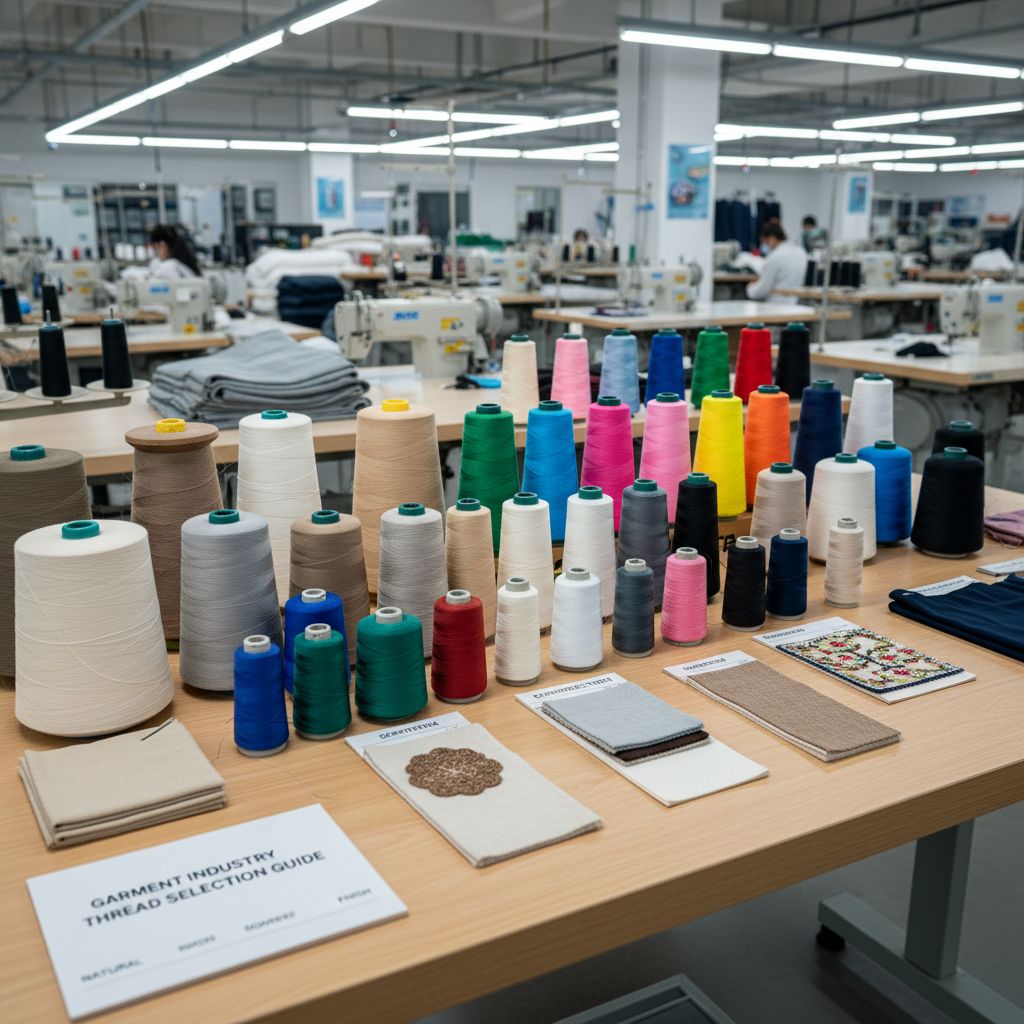
Sewing thread consumption is a small detail with a big impact in garment production. It directly affects garment costing, material planning, and overall production efficiency. Even a slight miscalculation can lead to thread shortages, excess waste, or inaccurate pricing, especially in bulk orders. That’s why manufacturers must understand what drives thread usage on the production floor.
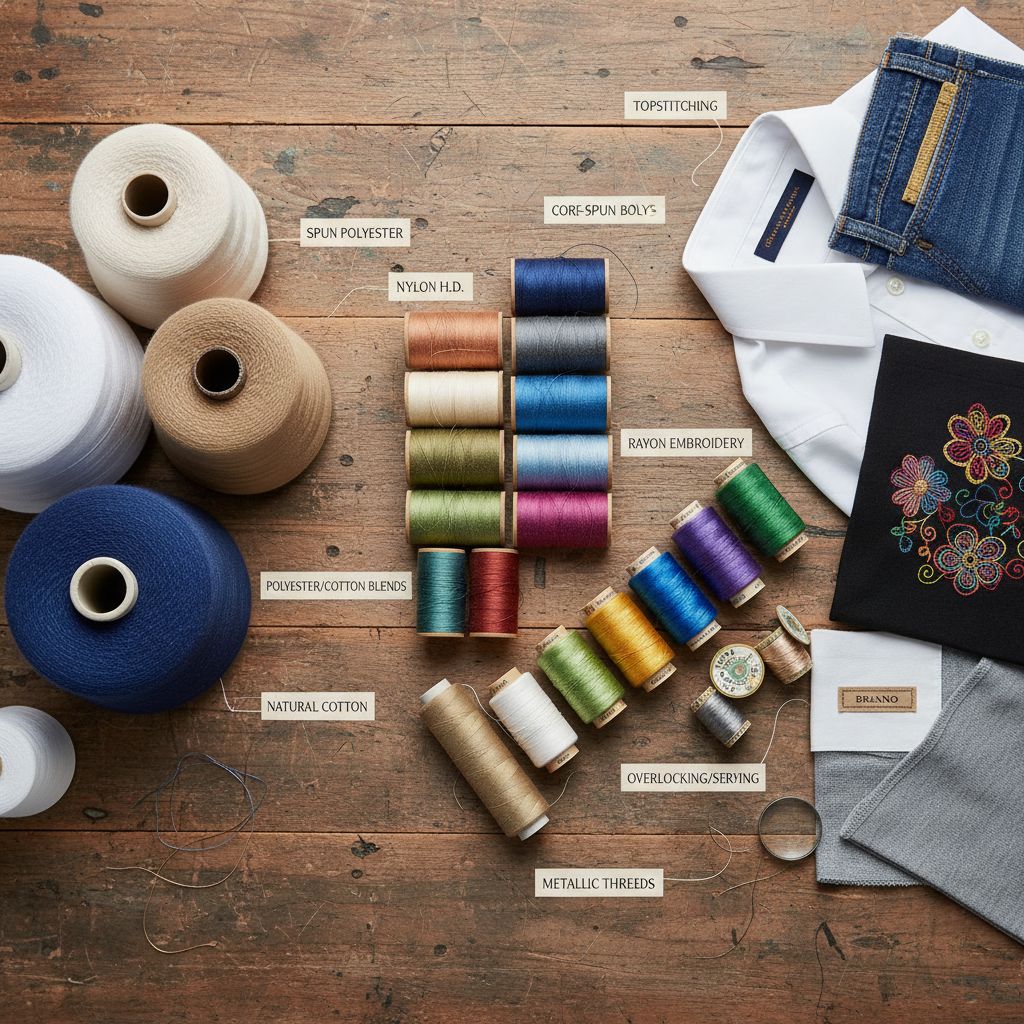
Thread consumption is influenced by multiple factors, including fabric properties, stitch types, seam construction, machine settings, and operator performance. Each of these elements plays a role in determining how much thread is actually used during sewing. In this guide, we break down 15 key factors that affect sewing thread consumption, helping you improve cost accuracy and production control.
What is Sewing Thread Consumption?
Sewing thread consumption refers to the total length of thread required to produce a garment. It is usually measured in meters or yards.
Accurate thread consumption calculation is essential because:
- It directly affects garment costing
- It impacts material planning
- It helps reduce production waste
Even a small miscalculation can lead to significant cost differences in bulk production.

Why Thread Consumption Matters in Garment Production
In large-scale manufacturing, thread is a hidden cost that is often underestimated.
If not properly calculated, it can result in:
- Material shortages during production
- Increased wastage
- Inaccurate BOM (Bill of Materials)
- Reduced profit margins
That’s why understanding the key factors behind thread consumption is critical.
15 Key Factors That Affect Sewing Thread Consumption
1. Fabric Thickness
Thicker fabrics require more thread because the needle must travel a longer path through the material.
Example:
- Denim or canvas → high thread consumption
- Lightweight cotton → lower consumption
2. Number of Fabric Plies
The more layers of fabric being sewn together, the more thread is needed.
Example:
- Single-layer seam → low consumption
- Multi-layer seams (e.g. waistband, collar) → significantly higher consumption
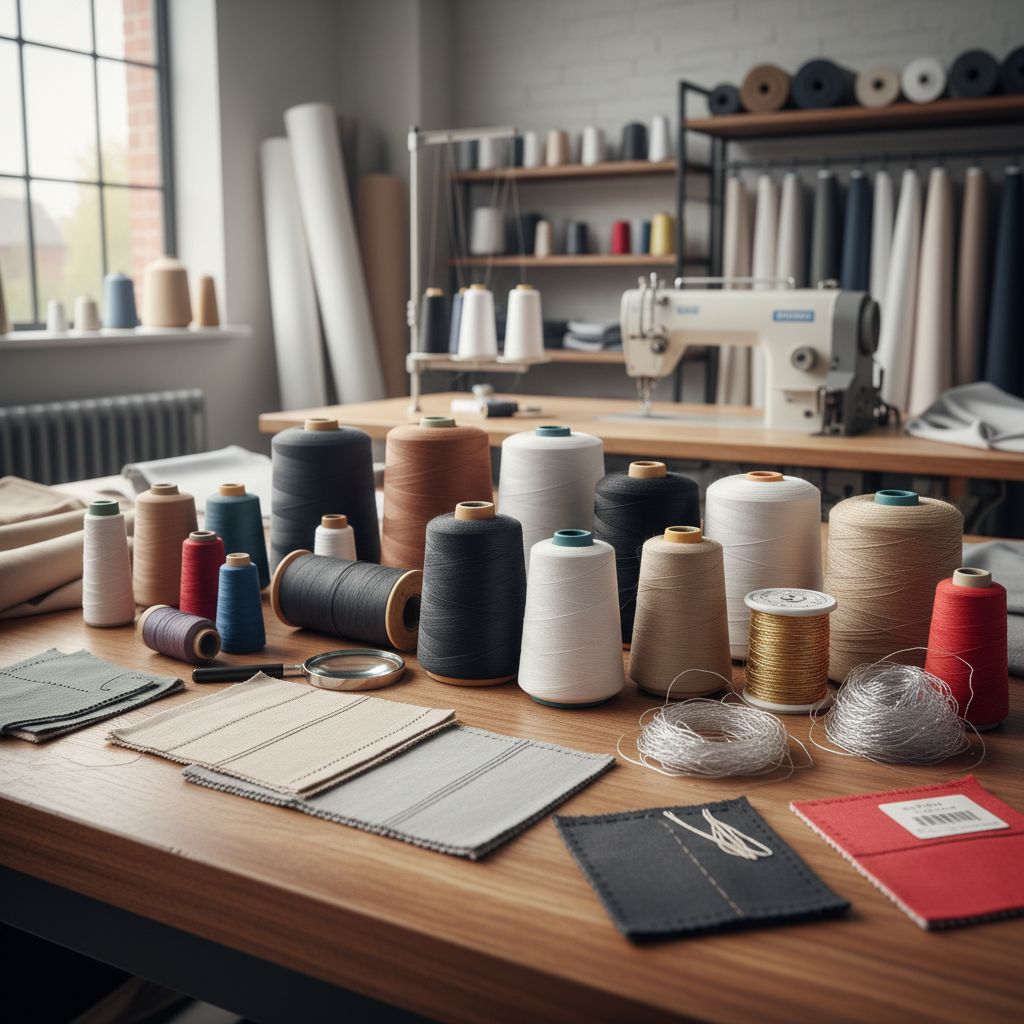
3. Stitch Type
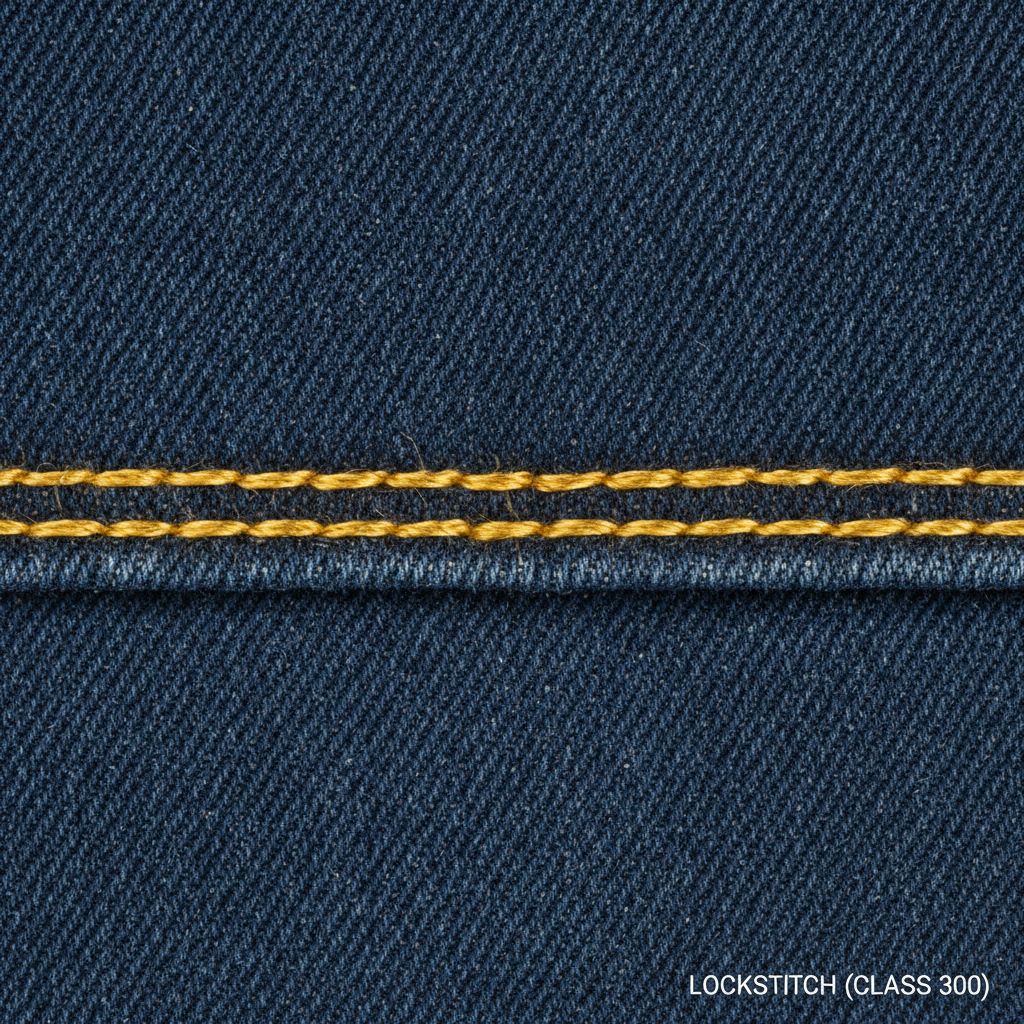
Different stitch types consume different amounts of thread.
Common examples:
- Lockstitch (301) → moderate consumption
- Chain stitch (401) → higher consumption
- Overlock (504) → very high consumption
Stitch selection plays a major role in total thread usage.
4. Stitch Density (SPI – Stitches Per Inch)
Higher stitch density means more stitches per unit length, which increases thread consumption.
Example:
- 8 SPI → lower thread usage
- 12–14 SPI → higher thread usage
However, higher SPI often improves seam strength and appearance.
5. Seam Width
Wider seams require more thread due to longer stitch paths.
Example:
- Narrow seam → less thread
- Wide seam or decorative seam → more thread
6. Garment Size
Larger garments naturally require longer seam lengths, which increases total thread consumption.
Example:
- Size S vs Size XXL → noticeable difference in thread usage
7. Garment Design Complexity
Design details directly influence thread consumption.
More details = more thread:
- Pockets
- Panels
- Topstitching
- Decorative stitching
Simple designs consume less thread than complex garments.
8. Automatic Thread Trimming
Machines equipped with automatic thread trimmers help reduce excess thread usage.
Benefits:
- Cleaner finish
- Reduced waste
- Better consistency
Without trimming, excess thread adds up significantly in bulk production.
9. Operator Skill Level
The efficiency of the sewing operator affects thread wastage.
Skilled operators:
- Minimize thread breakage
- Reduce rework
- Use thread efficiently
Unskilled operators:
- Cause more thread waste
- Increase defect rates
10. Thread Quality
Low-quality thread can break frequently during sewing, leading to increased consumption.
High-quality thread:
- Strong and consistent
- Reduces breakage
- Improves efficiency
Poor-quality thread:
- Causes interruptions
- Increases waste
- Raises production cost
Practical Insight: Beyond the 15 Factors
While the factors above are important, real garment factories also consider:
- Stitch consumption ratios for each stitch type
- Seam-by-seam calculation
- Allowance for waste (usually 10–15%)
- Machine type and settings
In practice, thread consumption is calculated per operation, not just per garment.
Conclusion / Final Words
Sewing thread consumption is influenced by multiple technical and operational factors. Understanding these factors helps manufacturers:
- Improve cost accuracy
- Optimize material usage
- Enhance production efficiency
For garment exporters and manufacturers, mastering thread consumption is not optional—it is a key part of professional production planning.