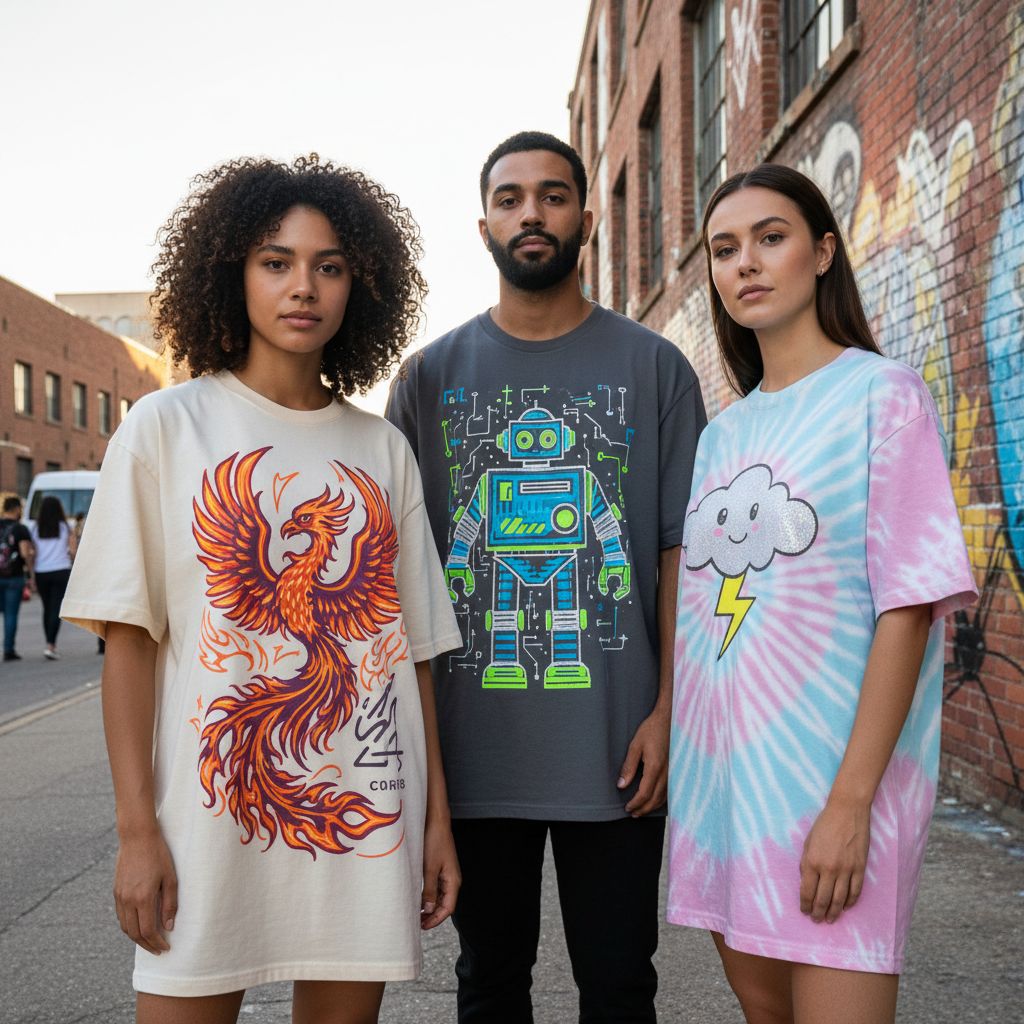

Most people judge a T-shirt by the logo, the color, or the fabric. But sleeves are the real “cheat code.” Sleeves sit right next to your shoulders and arms, so they shape how your whole upper body looks. Get them right and you look sharper, stronger, and more put together, even in a plain tee. Get them wrong and the shirt can look cheap, sloppy, or awkward, even if it cost a lot. Let’s break it down in a simple, practical way.
Why Sleeves Matter So Much?
Sleeves are the “frame” of your T-shirt. They sit right next to your shoulders and arms, so they control how your whole upper body looks at first glance. Good sleeves can make your shoulders look broader, your arms look cleaner, and your outfit look more expensive, even if it’s just a plain tee. Bad sleeves do the opposite: they can make the shirt look boxy, droopy, or cheap. And here’s the part people forget: most of the “fit” you notice in a mirror comes from the shoulder seam and sleeve shape, not the chest logo or color. That’s why sleeves matter so much. A T-shirt sleeve does three big jobs:
- Frames your shoulders (makes you look wider or narrower)
- Shows the shape of your arms (defined, average, or “hidden”)
- Sets the vibe (clean and fitted vs relaxed and street)
So sleeves aren’t a small detail, they’re a style signal.

The 3 Sleeve Features That Change Your Look
Not all sleeves are the same, even when the T-shirt looks “normal” on the hanger. Small differences in sleeve design can make you look sharper, wider, slimmer, or more relaxed. Most people blame the whole shirt when it looks off, but the real problem is usually one of three sleeve details. If you understand these three features, you can spot a good tee in seconds and avoid wasting money. Even better, you can choose the sleeve style that matches the vibe you want, clean, athletic, or street. Let’s break them down.
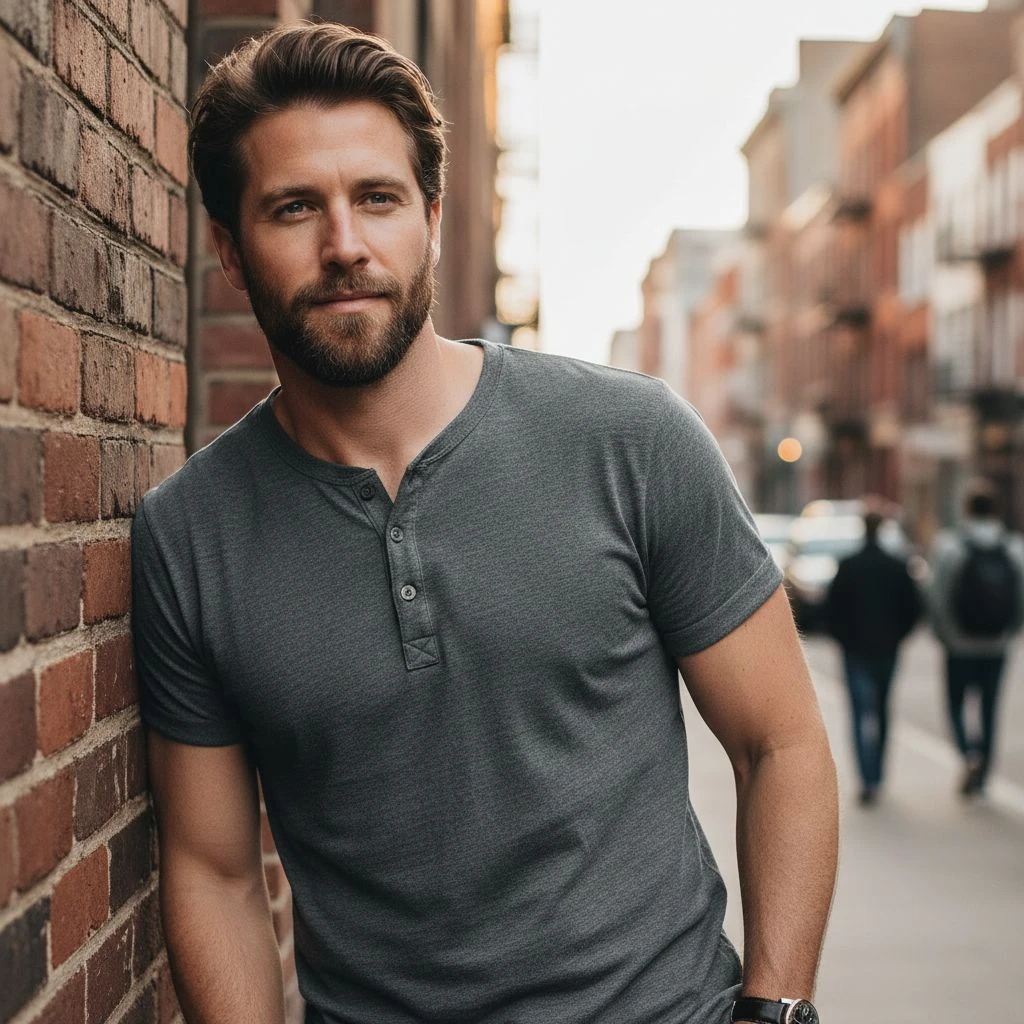
1) Sleeve length: where it ends on your arm
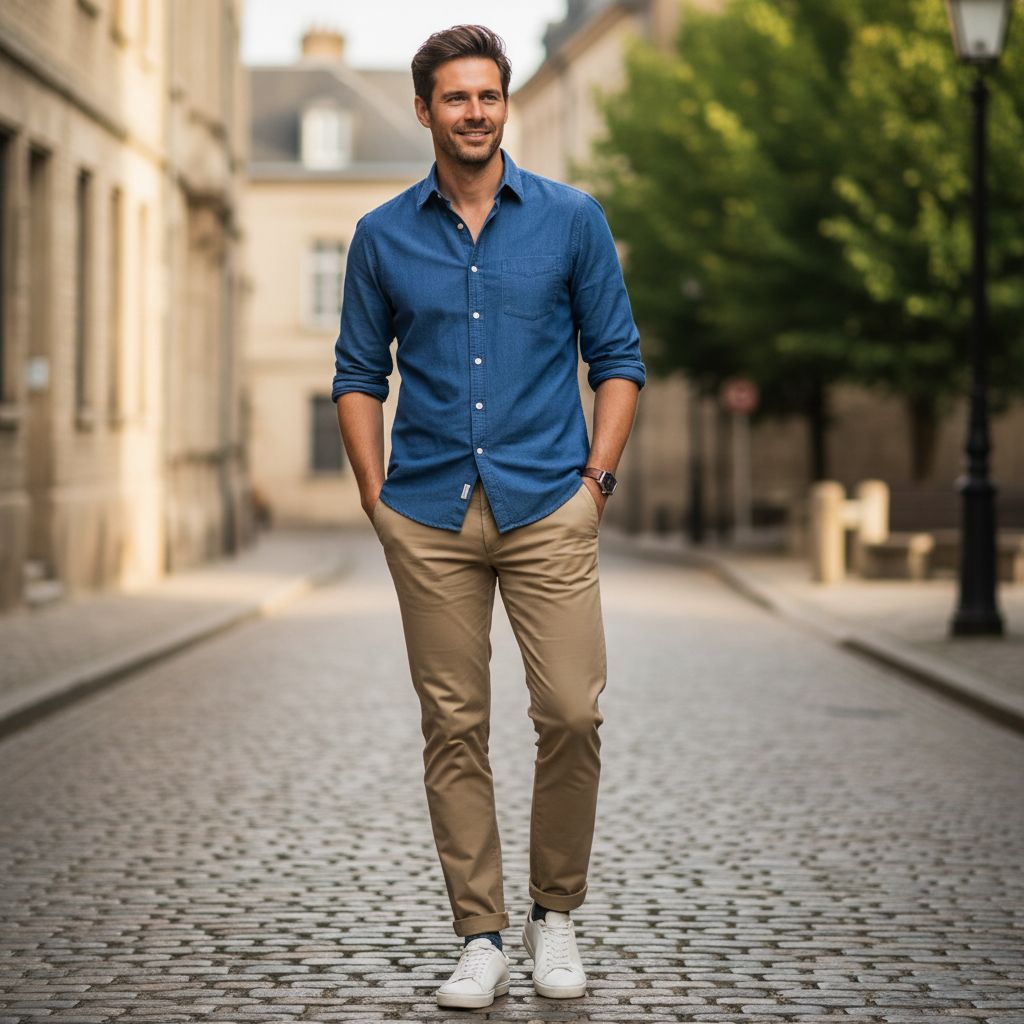
Best “clean” zone: sleeve ends around mid-bicep.

Mid-bicep sleeves
- Look modern and balanced
- Make arms look more defined
- Work for almost every body type
Long sleeves (near the elbow)
- Feel more relaxed, skater, street
- Can make arms look smaller if the shirt is loose
- Can look “borrowed” if the tee is too big
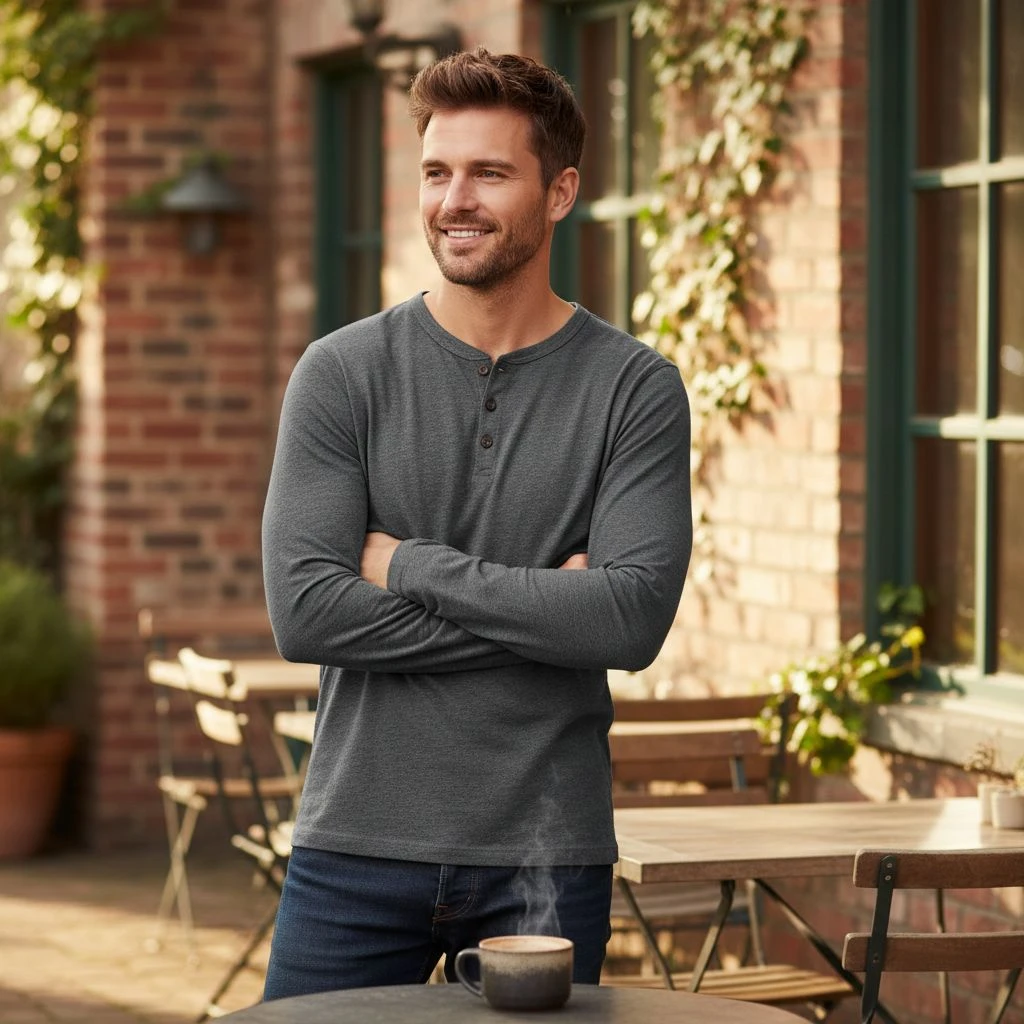
Very short sleeves (tiny cap sleeves)
- Often looks odd unless the whole fit is intentional
- Can make shoulders look narrow on many people
=> Important Notes: People love saying “long sleeves are always street.” Not true. If the fabric is thin and the body is wide, long sleeves often look droopy, not street, just messy.
2) Sleeve width: tight, regular, or baggy

This is where the “athletic” effect comes from.
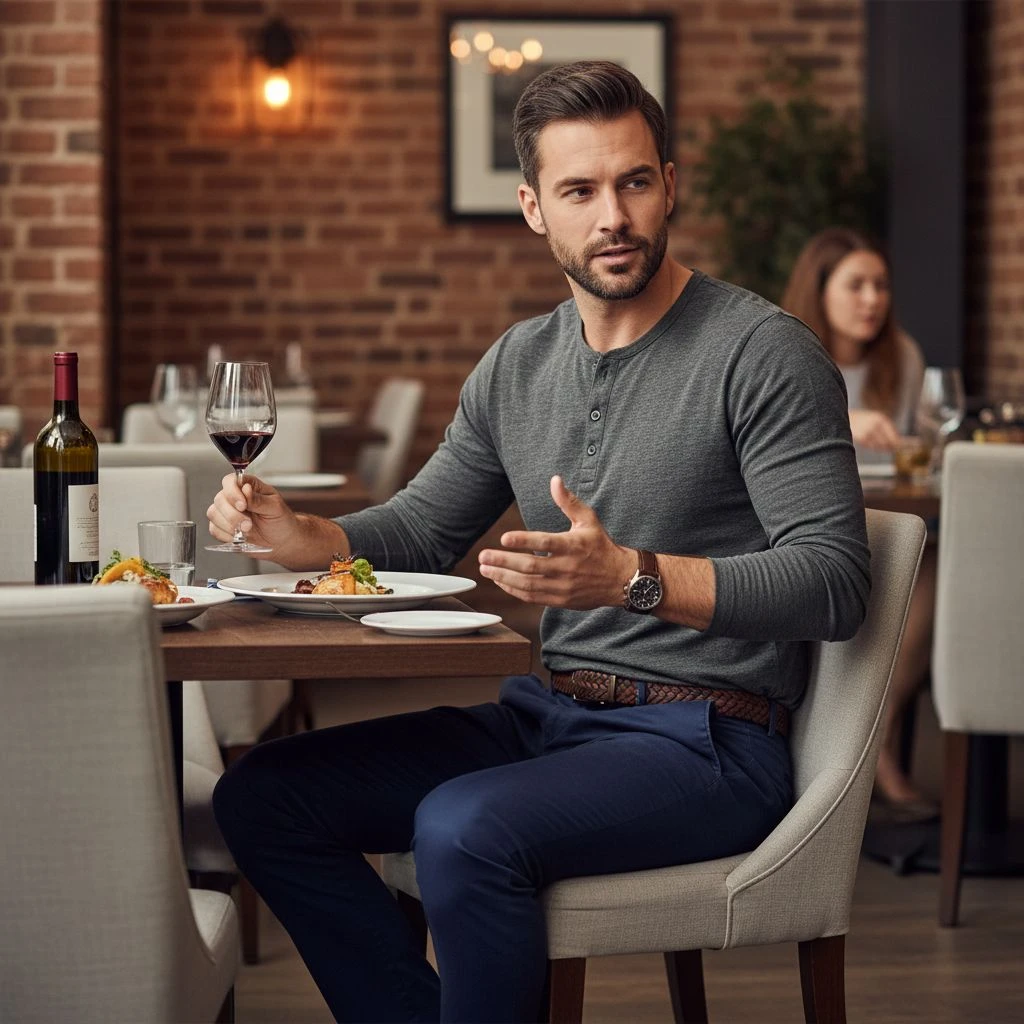
Slightly fitted sleeves (best for most people)
- Makes arms look stronger without trying too hard
- Looks neat and higher quality
Too tight sleeves
- Looks like you’re forcing the look
- Emphasizes armpit creases and pulls the fabric
- Can be uncomfortable and rides up
Baggy sleeves
- More casual and relaxed
- But can make arms look smaller
- Can make your whole upper body look softer
=> Simple test: You want a little space, roughly 1–2 fingers between sleeve and arm. Not vacuum-sealed, not flapping.

3) Shoulder seam placement: the “quality” indicator
This is the most overlooked detail, and it changes everything.
Seam sits right on the shoulder edge (best for clean style)
- Makes your shoulders look structured
- Makes the shirt look “retail quality”
- Gives a sharper silhouette
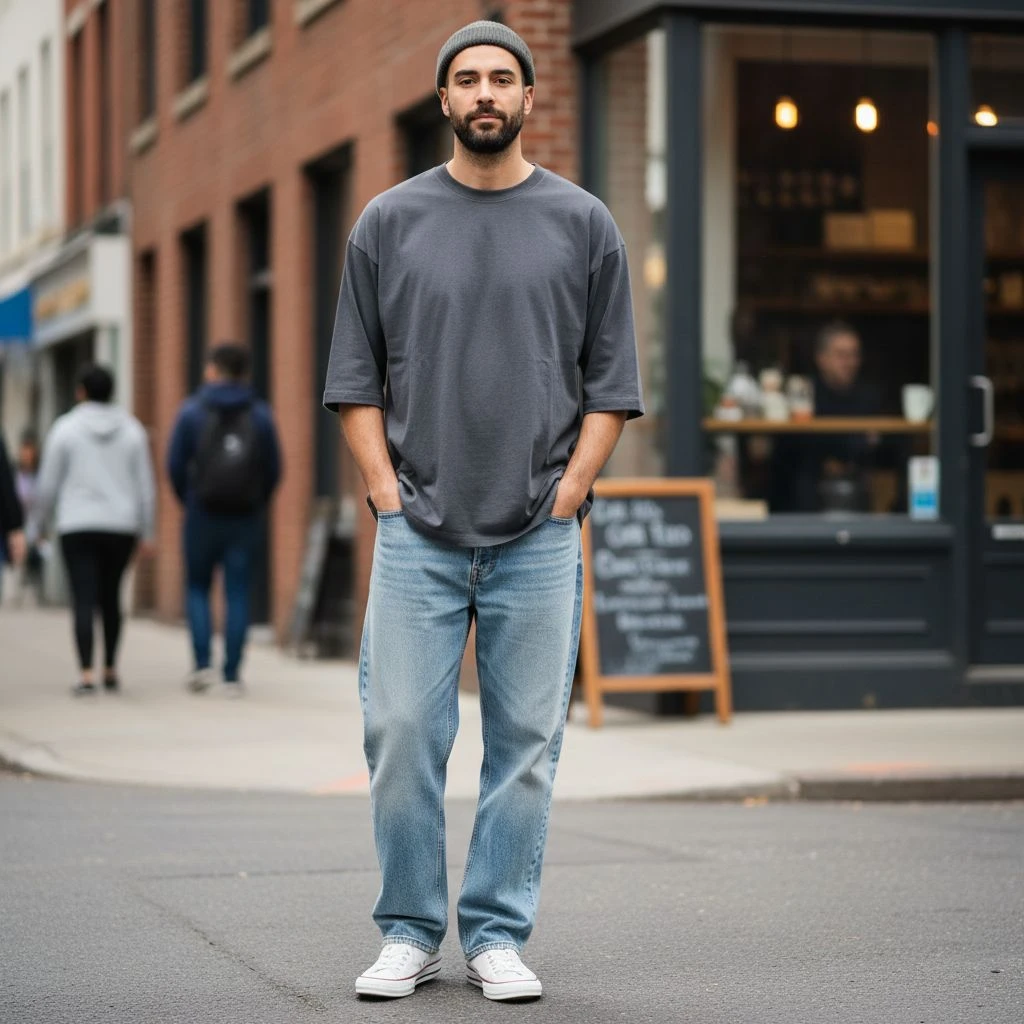
Seam drops down the upper arm (oversized style)
- Can look cool and street—if intentional
- Needs heavier fabric and a good neckline
- If the fabric is thin, it looks sloppy fast
=> Important Notes: Oversized tees aren’t “easy.” They’re actually harder to pull off. If the shoulder drop is too low and the sleeves are long and wide, you can look shorter and boxier than you expected.
Sleeve Styles and What They Communicate
Sleeves don’t just change fit, they send a message. The same plain T-shirt can look clean and “put together,” sporty and confident, or relaxed and street, depending on the sleeve shape. That’s why two people can wear the same color tee and look totally different. But here’s the catch: the vibe only works if the sleeves match the rest of the shirt (fabric, neckline, and overall cut). If they don’t, the look turns confusing fast, like you tried to go street but ended up looking sloppy. Below are the main sleeve styles and what people usually read from them.
A) Clean / smart casual
- Goal: look sharp without looking dressed up
- Sleeve choice: mid-bicep + regular/slightly fitted + shoulder seam on point
- Pair with: chinos/khakis, jeans with a clean fit, simple sneakers or loafers
This is the “I tried, but not too hard” look.
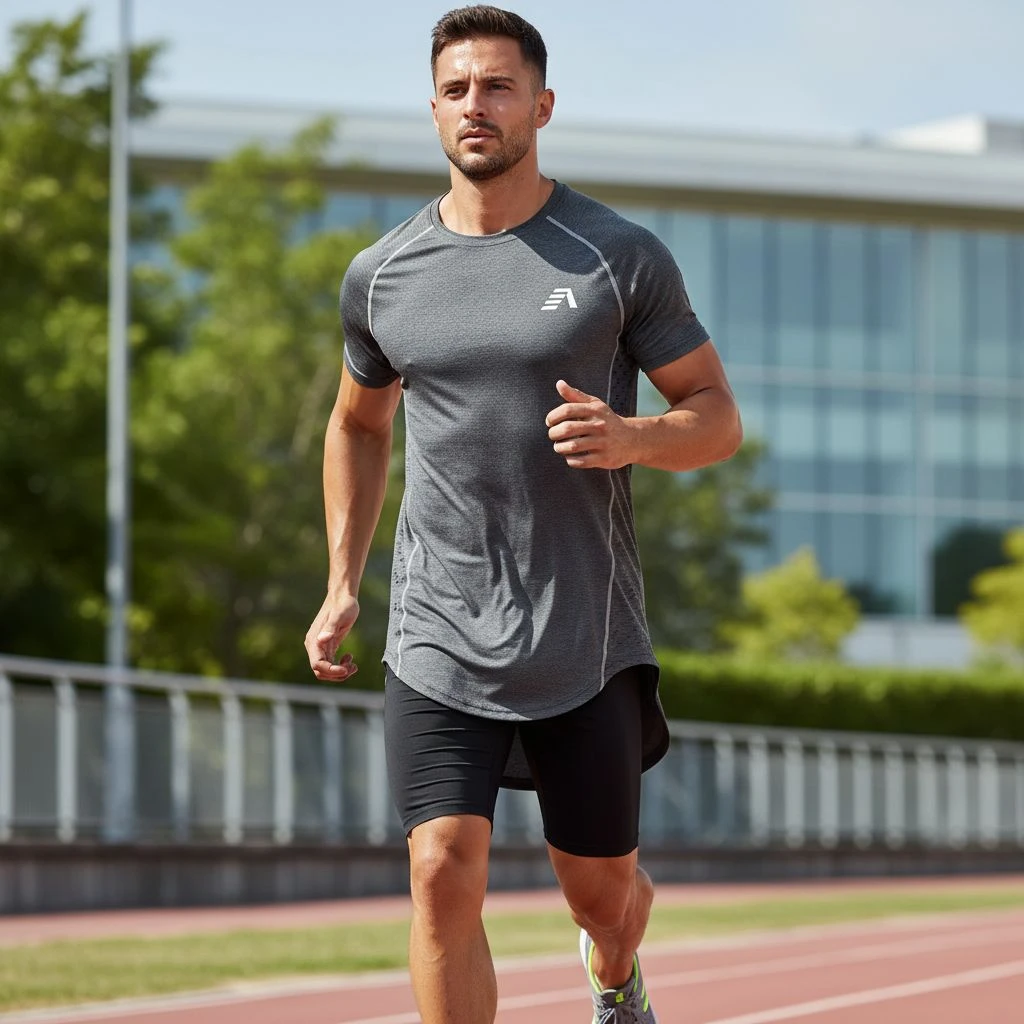
B) Athletic / masculine
- Goal: show shoulders and arms, but still tasteful
- Sleeve choice: mid-bicep + slightly fitted sleeve + fitted shoulder seam
- Avoid: super tight sleeves (looks forced), super thin fabric (shows every crease)
- Pro tip: a thicker tee fabric often looks more premium and holds shape better.
C) Street / oversized
- Goal: relaxed, trendy, intentional
- Sleeve choice: dropped shoulder + longer sleeves + boxier body
- But the tee must have: a solid neckline (not bacon neck), thicker fabric, good drape.
- Pair with: wider pants, chunkier sneakers, clean accessories.
- Key warning: If you wear an oversized top with skinny pants, it can look unbalanced (big top, tiny legs). That’s not always “street,” sometimes it just looks off.
How To Choose Sleeves Based on Your Body Type
There isn’t one “best” sleeve for everyone, because sleeves don’t look the same on different builds. A sleeve that looks sharp on a slim frame might look tight and stressed on a broader chest, and a baggy sleeve that feels comfy can make some people look smaller than they are. That’s why buying tees by size alone can be a trap: the sleeve cut matters just as much as the label. The goal is simple, pick sleeves that add structure where you want it and avoid extra bulk where you don’t. => Important Notes: don’t chase trends first; if the sleeve fights your proportions, it won’t look good no matter how “in” it is. Here’s how to choose smarter.

If you’re slim:
- Go for mid-bicep sleeves
- Avoid super baggy sleeves (they swallow you)
- Slightly fitted sleeves help add shape
If you’re broad shoulders / bigger chest
- Keep shoulder seam correct
- Avoid sleeves that are too tight (they pull weirdly)
- Regular sleeves with structure look best
If you carry more weight around the midsection
- Avoid super tight sleeves (draws attention up top)
- Avoid super baggy sleeves (makes you look larger overall)
- Choose a clean sleeve + a body fit that skims, not clings
=> Important Notes: Some people think “baggy hides weight.” Often it does the opposite because it removes structure. Structure is your friend.
Common Sleeve Mistakes (and quick fixes)
- Mistake 1: Sleeves too long + body too wide – Looks like: sloppy, “sleep shirt” vibe. Fix: shorter sleeve or more structured fabric
- Mistake 2: Sleeves too tight – Looks like: trying too hard, uncomfortable lines. Fix: size up or choose a different cut (not just a bigger size)
- Mistake 3: Dropped shoulder without structure – Looks like: melted tee, messy silhouette. Fix: choose heavier fabric and a better neckline if going oversized
- Mistake 4: Wing sleeves – Looks like: boxy and cheap. Fix: smaller sleeve opening or better drape
Final Words/ Conclusion
T-shirt sleeves aren’t a small detail, they’re the shortcut to looking sharp in a basic outfit. If your sleeves hit around mid-bicep, sit neatly on the shoulder, and don’t flare out, your whole top half instantly looks cleaner and stronger. Don’t fall for the myth that “oversized always looks cool”, without thicker fabric and a solid neckline, it can look messy fast. Also, super tight sleeves rarely look premium; they usually look uncomfortable and try-hard. When in doubt, pick structure over extremes: a balanced sleeve makes even a plain tee look expensive. Nail the sleeves once, and you’ll start looking “put together” without changing anything else.