

Classic vs Premium T-Shirts: Which Is Best for Your Custom Apparel Needs?

When you start a custom apparel project, the first big choice is often not the design. It’s the shirt. Pick the wrong blank, and everyt...

How to Design Custom Hospitality Uniforms: Key Considerations for Hotels, Restaurants, and Resorts
In hospitality, guests notice the details,and uniforms are one of them. A custom uniform is more than clothing. It shapes first impress...
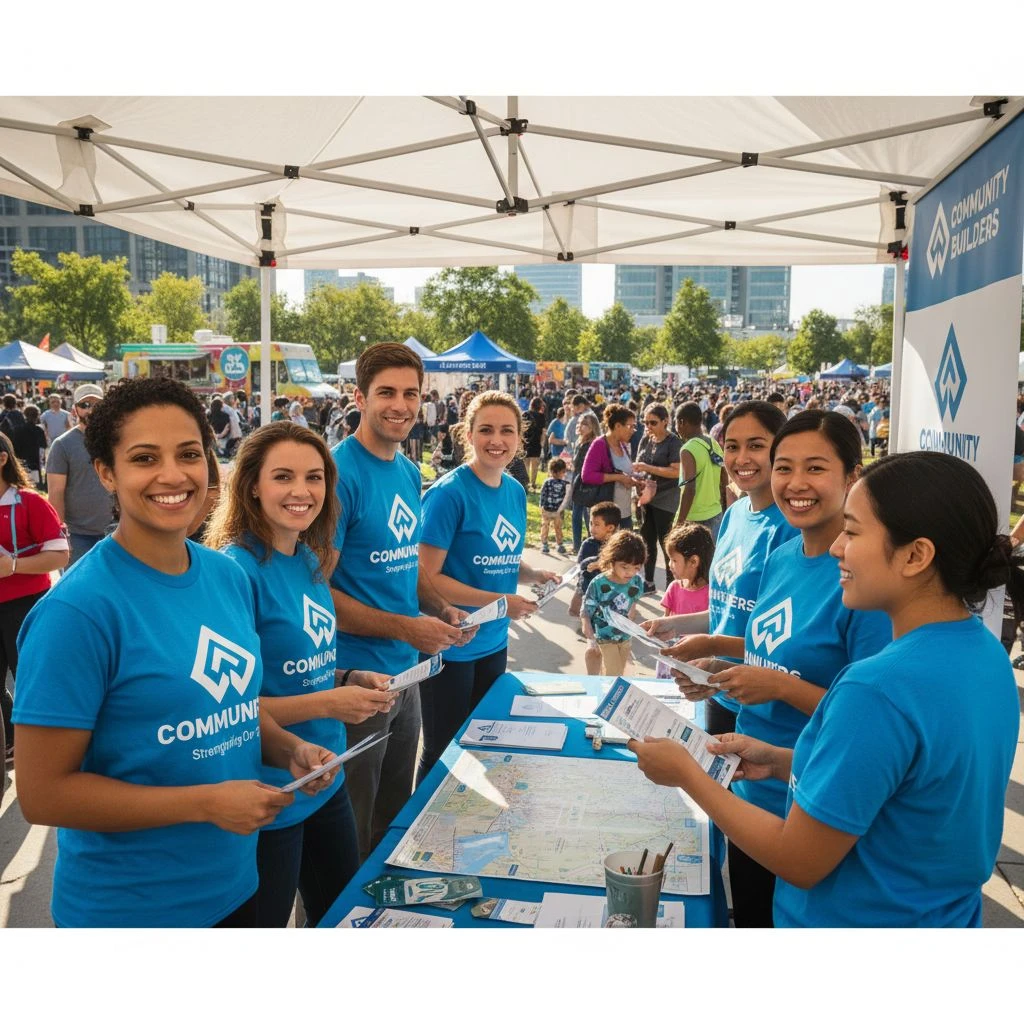
The Impact of Custom T-Shirts on Small Business Branding
In a crowded market, small businesses have only a few seconds to make a strong impression. People scroll fast, forget ads quickly, and ...
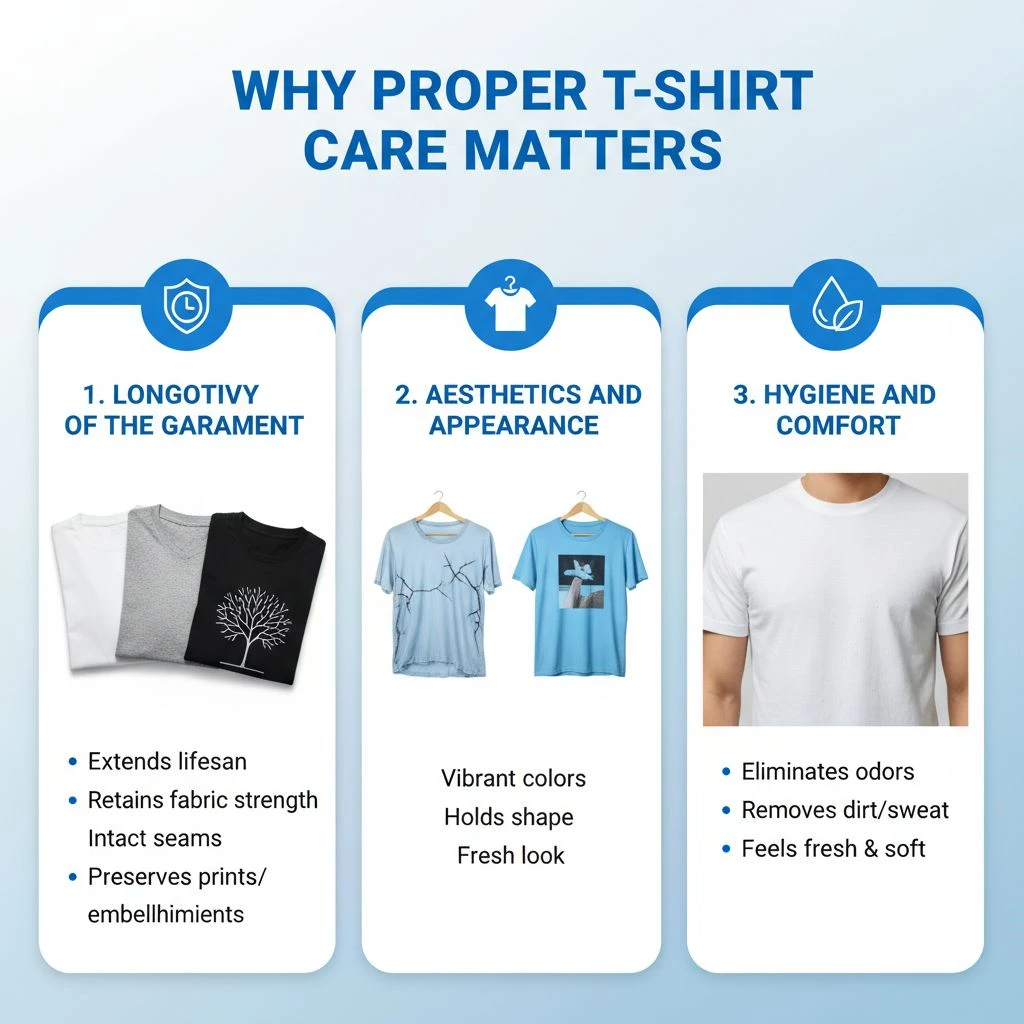
How to Care for and Maintain Your Luxury T-Shirts
A luxury T-shirt should feel great, look sharp, and keep its shape over time. But even a premium shirt can fade, stretch, shrink, or lo...
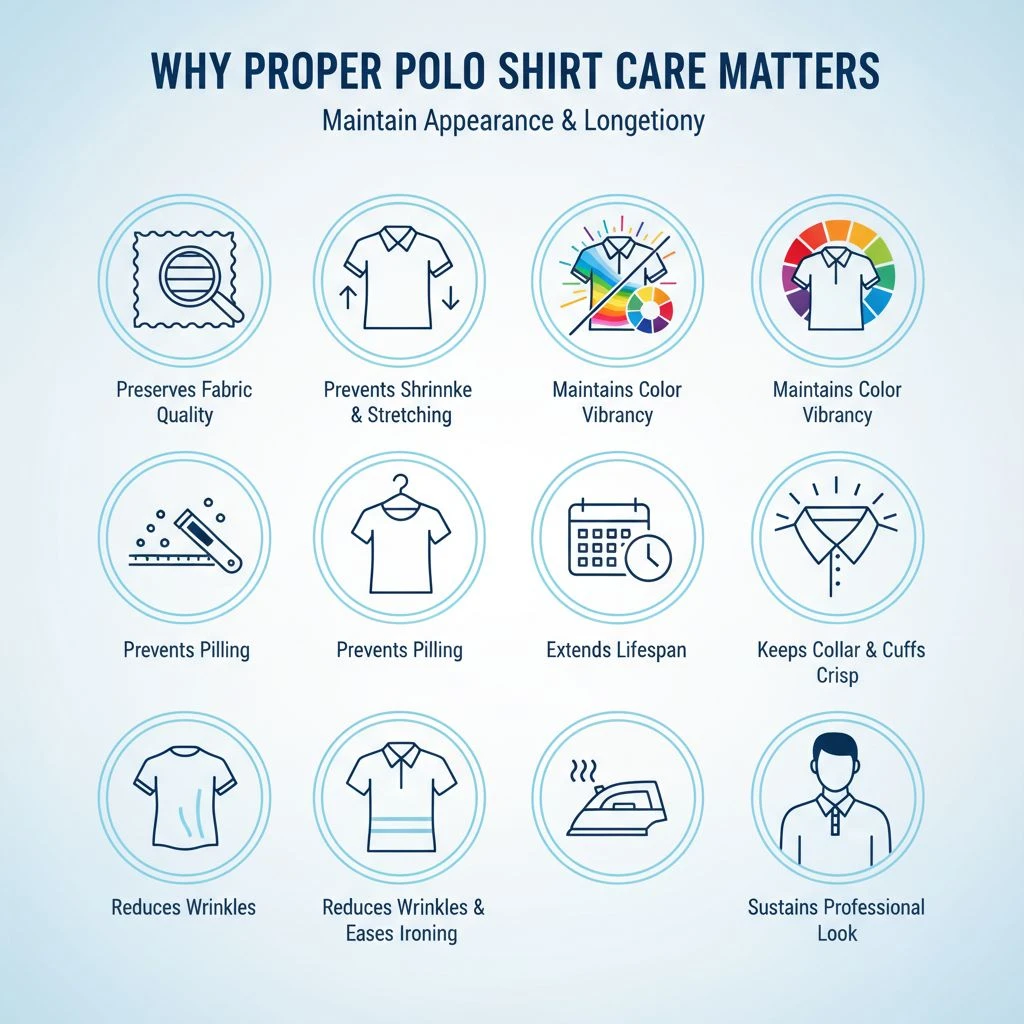
How to Maintain and Care for Polo Shirts
Polo shirts are one of the most practical pieces in any wardrobe. They look neat, feel comfortable, and work well for many situations, ...
Top 15 Custom T- Shirts Design Mistakes Need to Avoid
Custom T-shirts can do a lot: promote a brand, unify a team, raise funds, or make an event feel “real.” But here’s the hard truth, most...
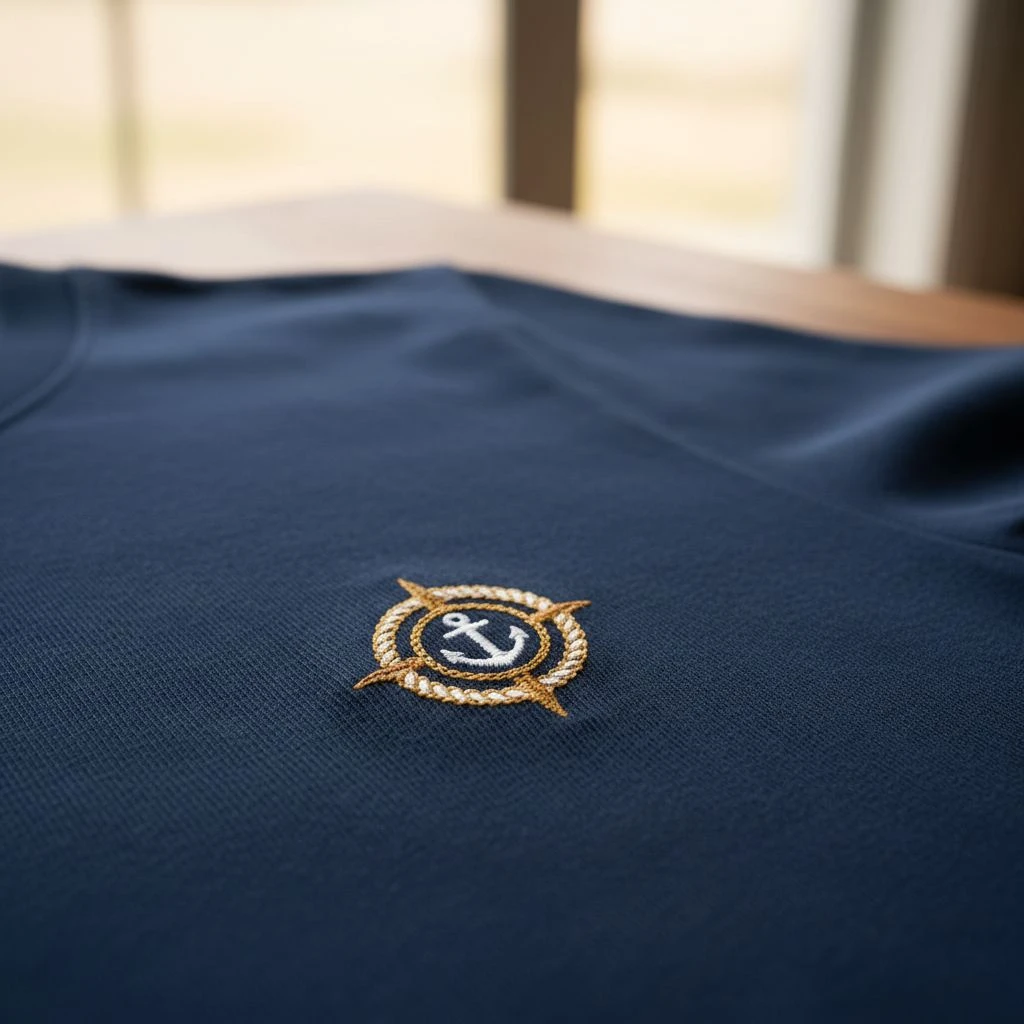
Screen Printing vs. Embroidery: Which is Best for Your Custom T-Shirts?
If you’re making custom T-shirts for a brand, event, team, or company, you’ll usually land on two popular decoration methods: screen pr...
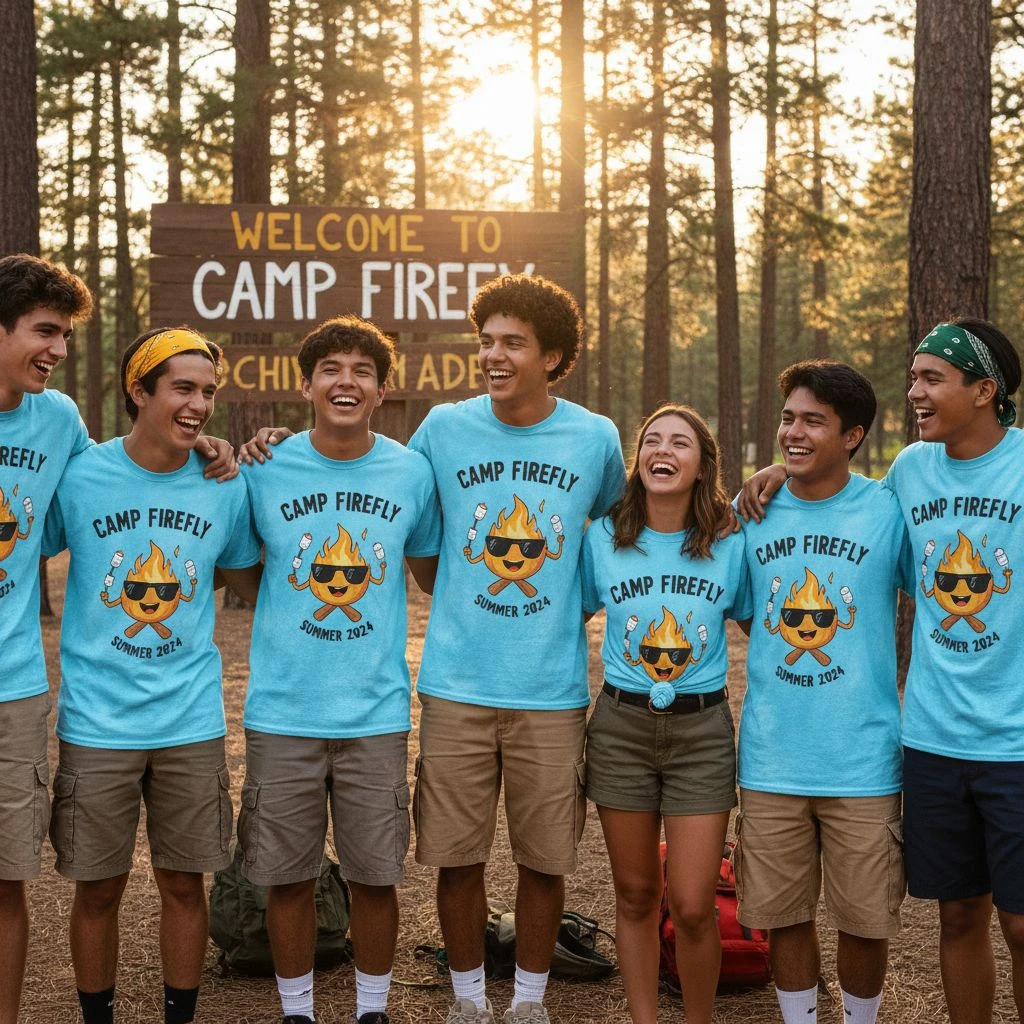
How to Design the Perfect T-Shirts for Summer Camps (step by step guides)
A summer camp t-shirt is more than “matching shirts.” It’s a badge that says, “I was there.” The best camp tees get worn long after cam...
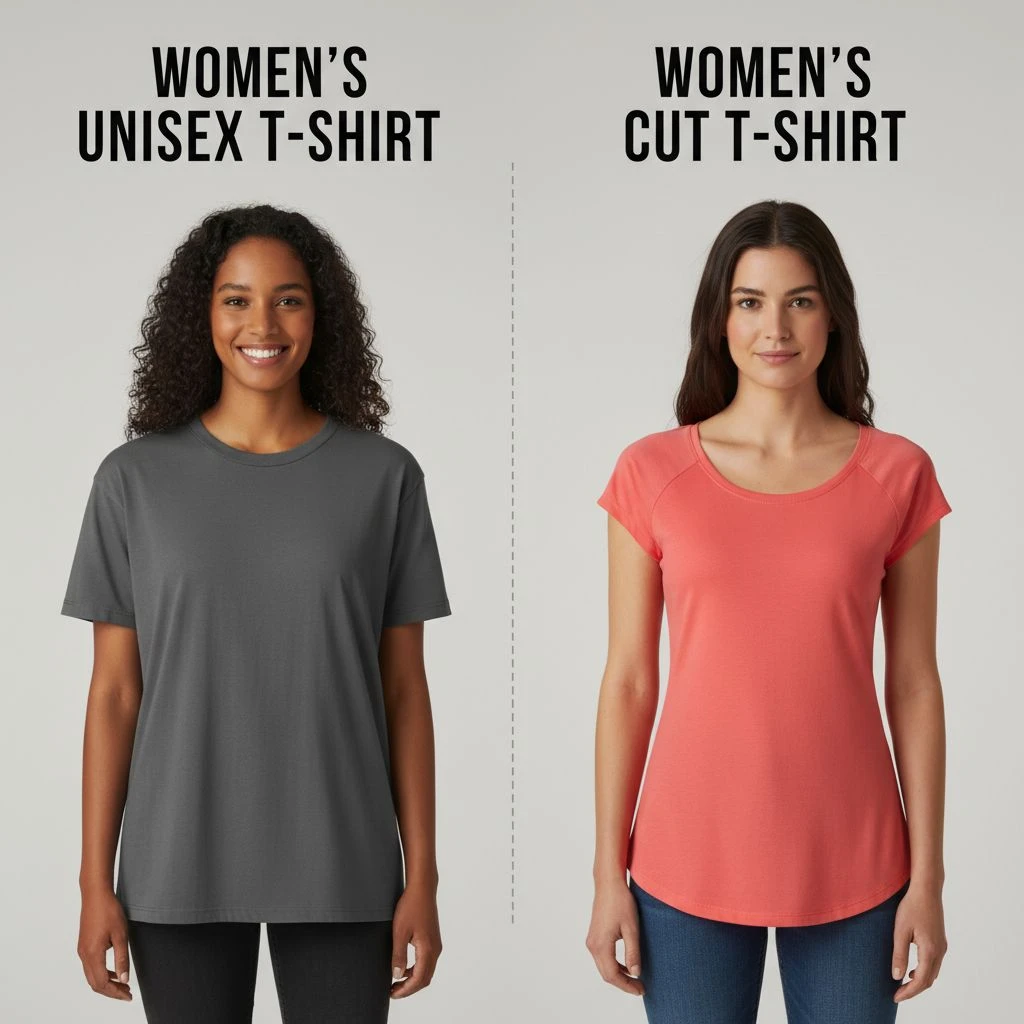
Unisex vs. Women’s Cuts T-Shirts: Pros & Cons…What’s the Difference?
Ever order custom tees for a team… then half the people say, “This fits weird”? Yep. The biggest reason is usually cut not color, not p...
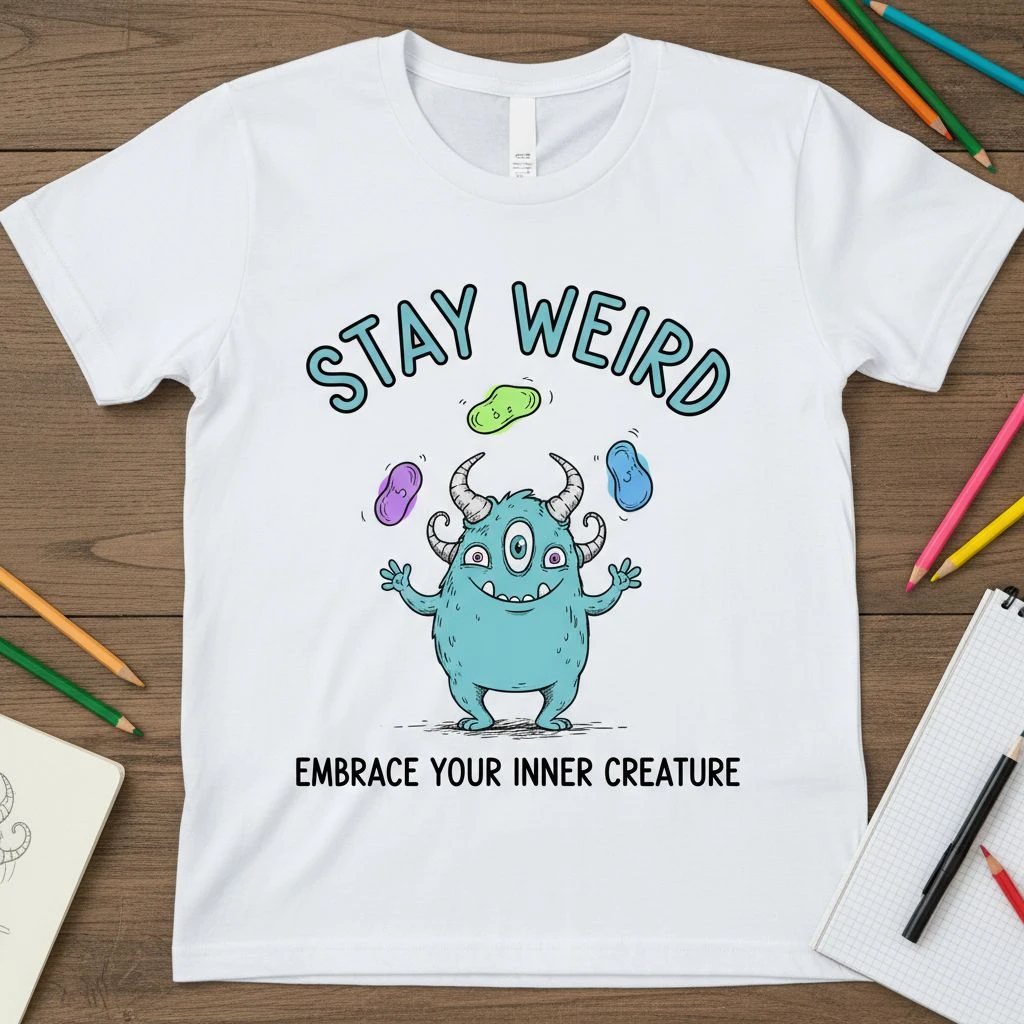
10 Best Canva Fonts for T-Shirt Designs & Rules To Save Your Design
Typography can make a shirt feel pro or feel cheap fast. And here’s the trap: a font that looks great on your laptop can look muddy, br...