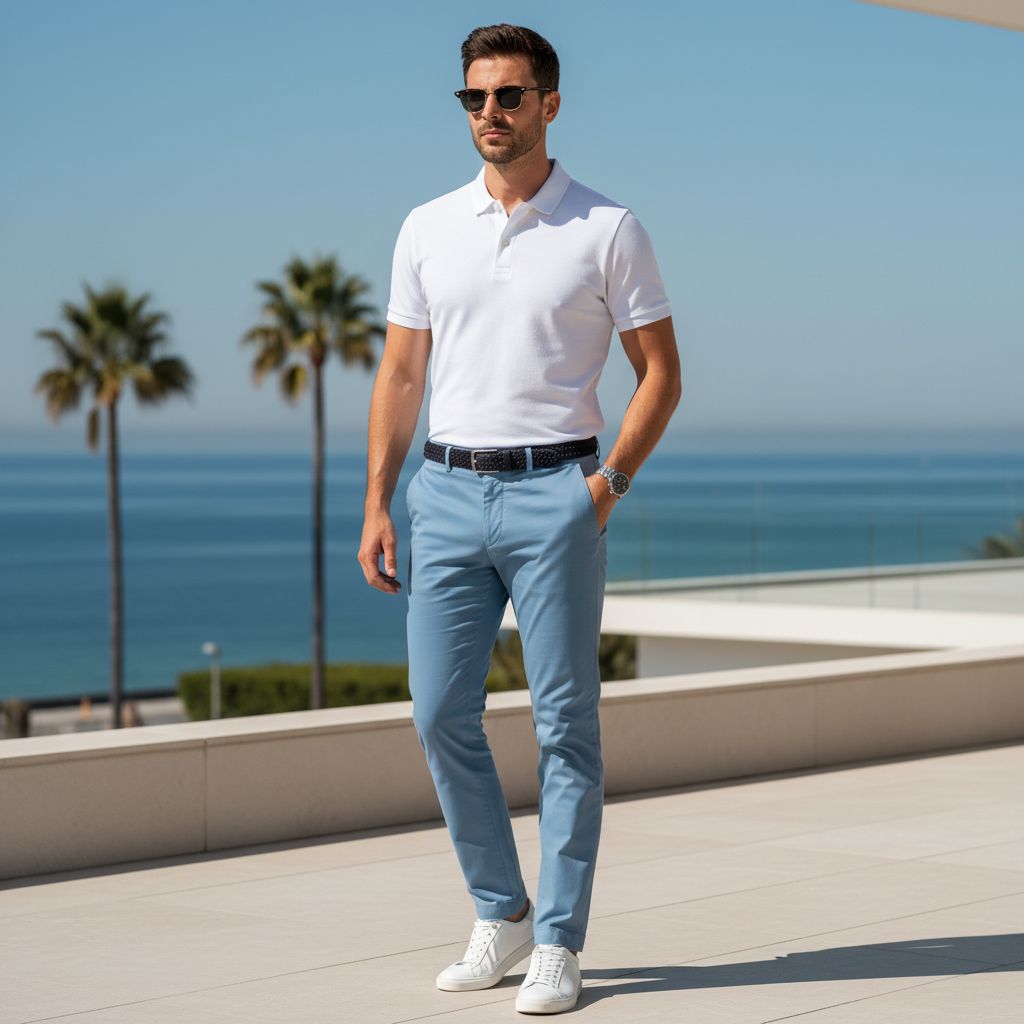
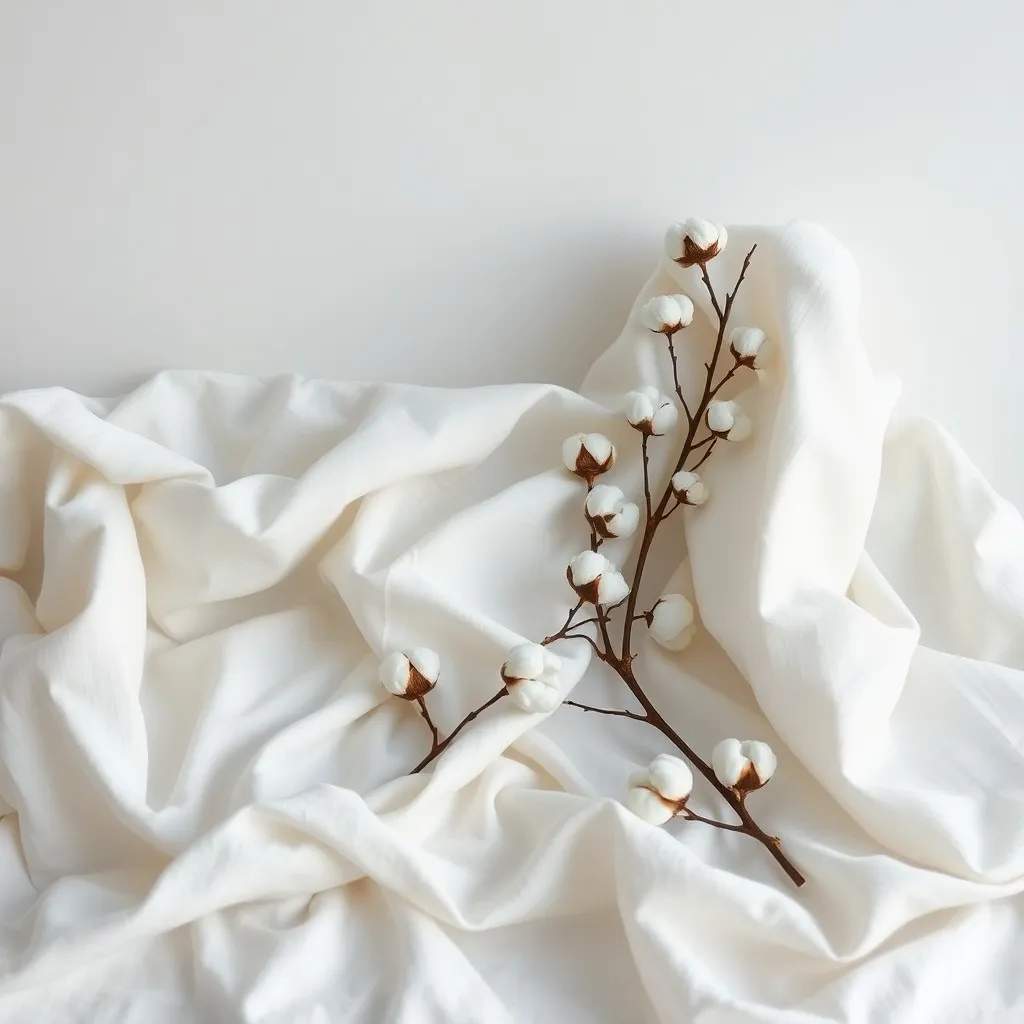

Cotton has always been a symbol of comfort and reliability. At Mekong Garment, we believe that caring for your favorite cotton pieces should be simple and effective. While cotton is naturally strong, the right care preserves its softness, color, and shape for years. In this guide, we’ll show you how to wash, dry, and iron cotton garments properly.
Exploring Cotton Fabric
Cotton remains the leading natural fibre, supplying about 25 million tonnes annually. Brands choose cotton for its breathability and supply-chain flexibility. You’ll notice cotton’s cellulose-based fibres offer high absorbency and variable strength, with staple lengths ranging from 16 mm to over 40 mm.

Fabric weights span roughly 80–480 GSM, from lightweight lawn to heavy denim. You can enhance cotton through processes like mercerization (for luster), combing (for strength), and sanforization (to reduce shrinkage).
Types of Cotton Fabric: A Comprehensive Guide
1. Cambric
Cambric is a soft, tightly woven cotton fabric with a smooth surface and light body, ideal for shirts and baby clothes.
- Pros: Soft texture, highly breathable, easy to iron, and durable for its weight.
- Cons: Wrinkles easily, can be slightly sheer, and has limited stretch.
2. Canvas
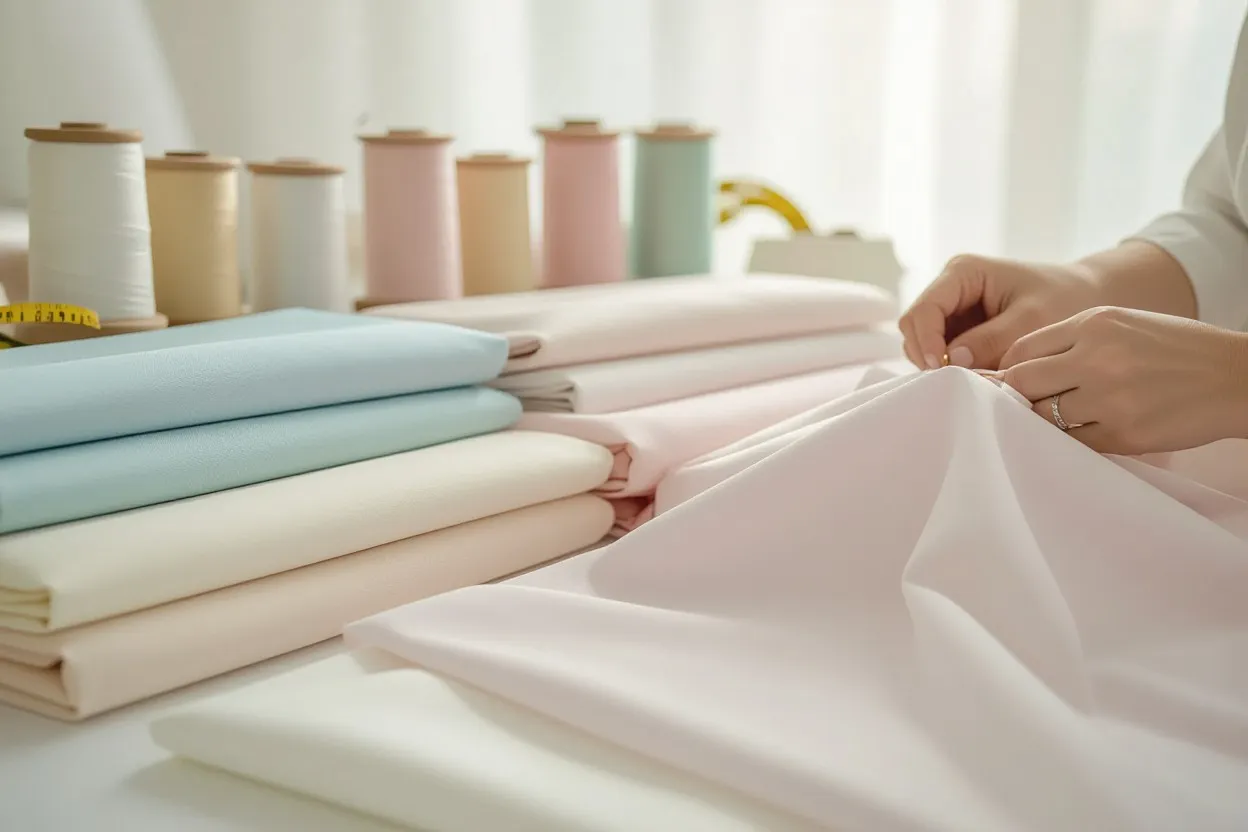
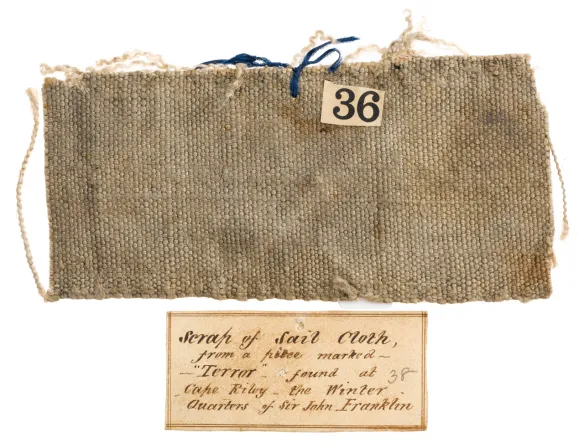
Known for its robustness, Canvas is a heavyweight fabric made from thick cotton yarns. Perfect for workwear, tote bags, and outdoor gear.
- Pros: Very strong, long-lasting, and holds color/dye beautifully.
- Cons: Quite heavy and stiff, may shrink if washed at high temperatures.

3. Corduroy
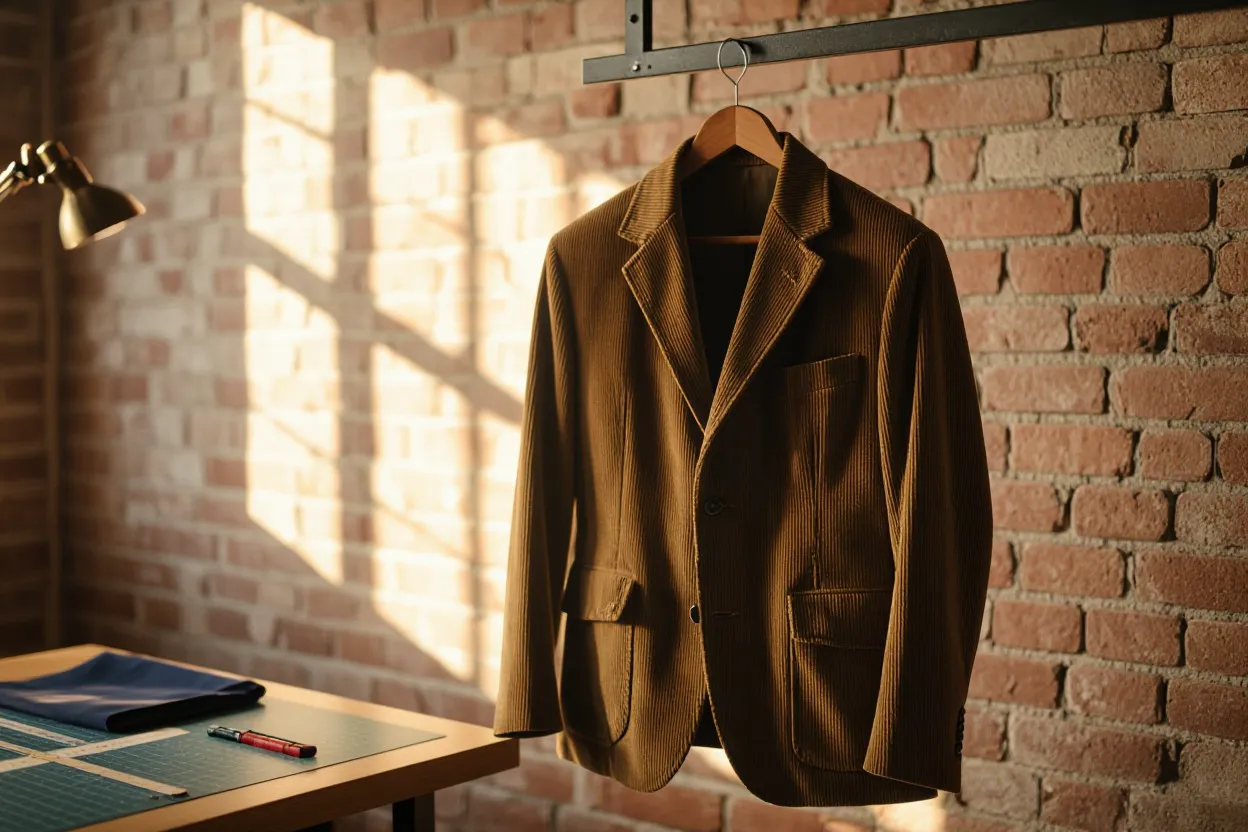
Features vertical “wales” (ridges) that provide warmth and a distinctive vintage look.
- Pros: Soft, insulating, and stylishly textured.
- Cons: Attracts lint/dust, can feel bulky in humid climates.
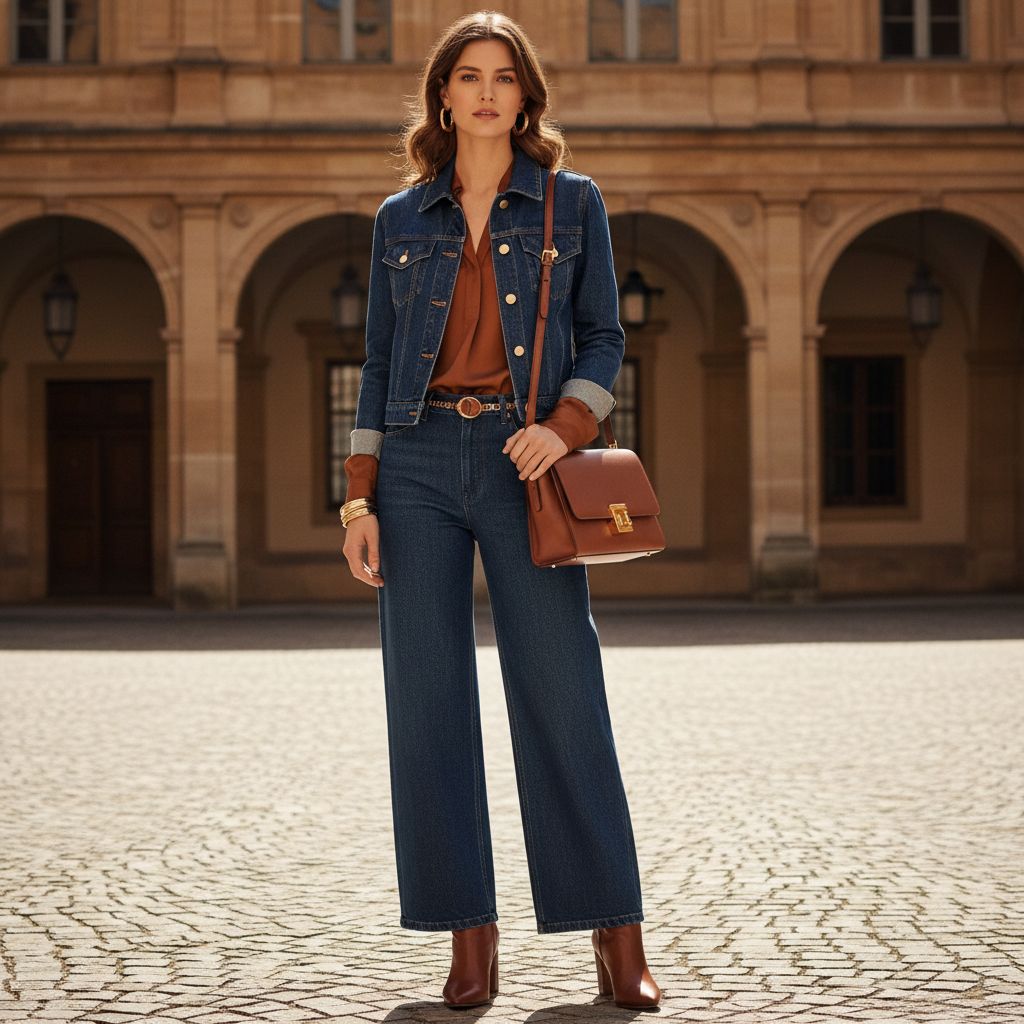
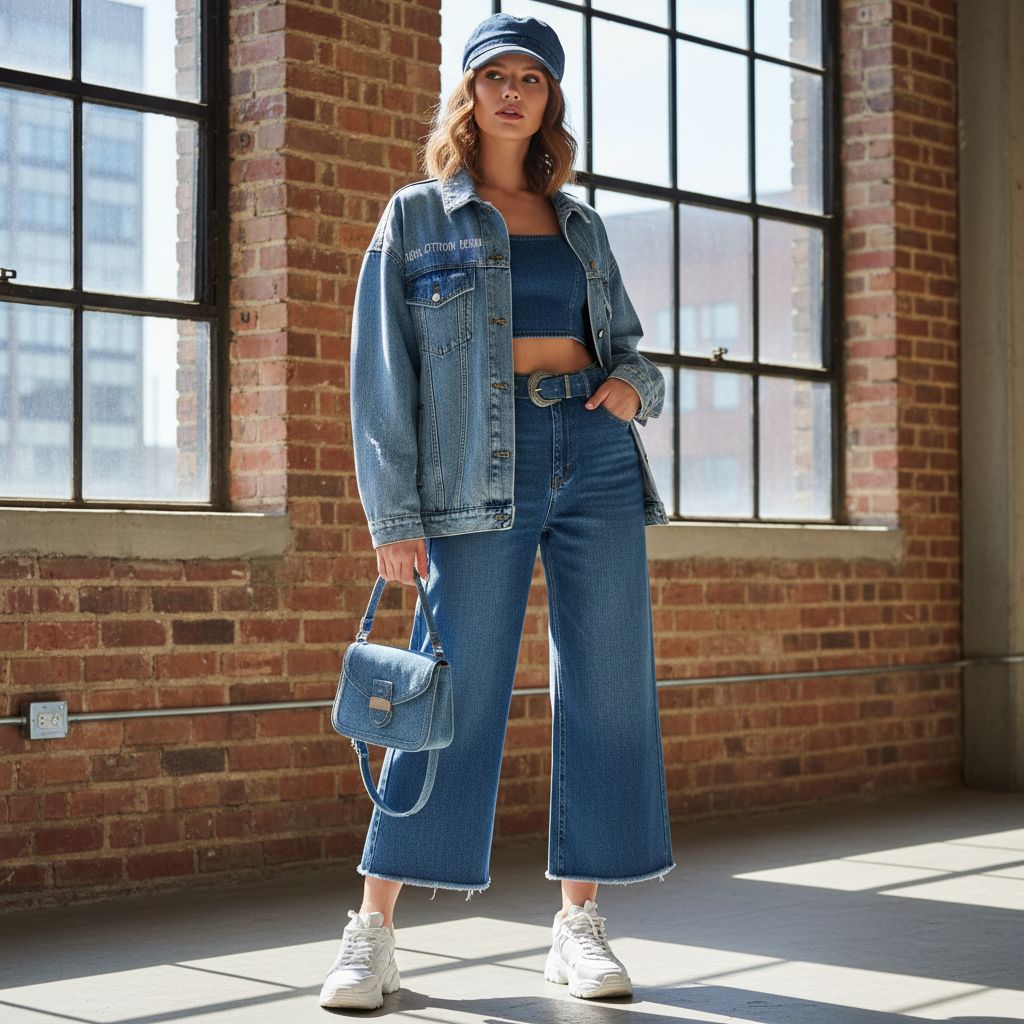
4. Denim
Synchronous with jeans, Denim is a durable twill-weave fabric with indigo-dyed warp and white weft threads.
- Pros: Exceptionally durable and ages beautifully with unique character.
- Cons: Slow to dry and has limited breathability in dense weaves.
5. Gauze
A loosely woven, lightweight fabric perfect for tropical climates like Vietnam.
- Pros: Extremely light, airy, and very gentle on sensitive skin.
- Cons: Delicate (prone to snagging) and lacks structure for tailored clothes.
6. Blends & Functional Cotton
- CVC (65% Cotton / 35% Poly): The best balance of comfort and wrinkle resistance for uniforms.
- TC (35% Cotton / 65% Poly): Highly durable and budget-friendly for mass production.
- Stretch Cotton: Adds 2-5% Spandex for freedom of movement in fitted shirts.
- Cotton Satin: Uses a satin weave for a luxurious, glossy finish.
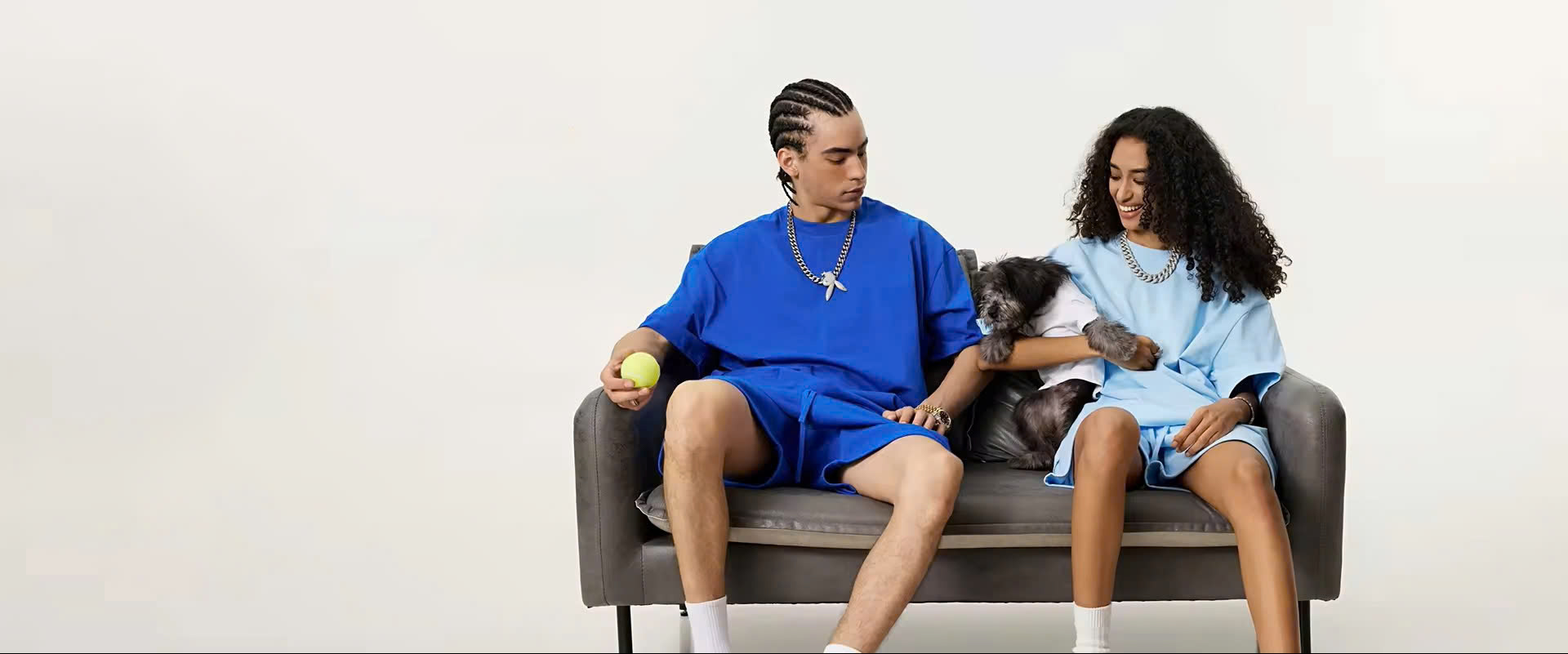
How to Care for Cotton Clothes: A Simple Guide
Washing Tips
- Temperature: Use 30–40°C to protect colors. Hot water causes shrinkage.
- Inside Out: Turn garments inside out to reduce friction and prevent pilling.
- Softener: Use a fabric conditioner to keep fibers soft and reduce static.
Drying & Ironing
- Air-Dry: Cotton loves fresh air. Dry in the shade to prevent fading.
- Ironing: Use medium-to-high heat with steam. Ironing while slightly damp yields the best results.
Conclusion
From lightweight lawns for summer to sturdy canvas for workwear, understanding these 15 cotton varieties helps you select the perfect material for your goals. At Mekong Garment, we match performance, feel, and manufacture requirements to deliver garments that meet your market needs. Complying with these care steps ensures your cotton pieces stay fresh and reliable season after season.
FAQs About Different Types of Cotton Fabric
What lightweight cottons are best for hot climates and summer garments?

Cambric, lawn, gauze and muslin are ideal: cambric and lawn are fine, smooth and breathable for dresses and blouses; gauze is airy and sheer for overlays and scarves; muslin is loose-woven and breathable for casual summer pieces and underlayers.
Which cotton fabrics are most suitable for heavy-duty items and workwear?
Canvas and denim are top choices: canvas is heavyweight with a tight weave for bags, tents and rugged outerwear; denim’s twill weave and indigo-dyed warp provide durability for jeans and work garments. Corduroy can also be used for sturdy trousers and jackets.
What cotton types does Mekong Garment recommend for shirts and shirting collections?
Poplin, Oxford cloth, cambric and lawn are preferred: poplin is dense with a subtle rib and resists wrinkles; Oxford offers a textured, semi-formal look; cambric and lawn deliver a smooth, lightweight feel for premium shirting and summer blouses.
Which cotton fabrics are best for warm loungewear, robes and winter garments?
Flannel, corduroy, velour and terry cloth suit cooler conditions: flannel is brushed and fuzzy for warmth; corduroy traps heat with its wales; velour offers a soft pile for lounge sets; terry cloth has looped surfaces with excellent absorbency for robes and towels.
How do weave and construction influence a cotton fabric’s performance and use?
Weave and construction determine weight, drape, durability and texture: plain weaves (cambric, lawn, poplin) yield smooth, versatile fabrics; twill (denim) gives strength and diagonal texture; pile (corduroy, velour) adds warmth and hand; loops (terry) increase absorbency; loose weaves (gauze, muslin) provide breathability and softness.
What care guidelines should I follow for different cotton fabrics to keep them looking and performing well?
Follow fabric-specific care: wash delicate, lightweight fabrics (lawn, gauze, cambric, muslin) on gentle cycles with cold water; launder denim and canvas inside out and avoid excessive heat; tumble-dry terry on low or line-dry to preserve loops; use low-to-medium iron for poplin and Oxford; avoid harsh bleaching and pre-wash new cottons to limit shrinkage and color loss.