
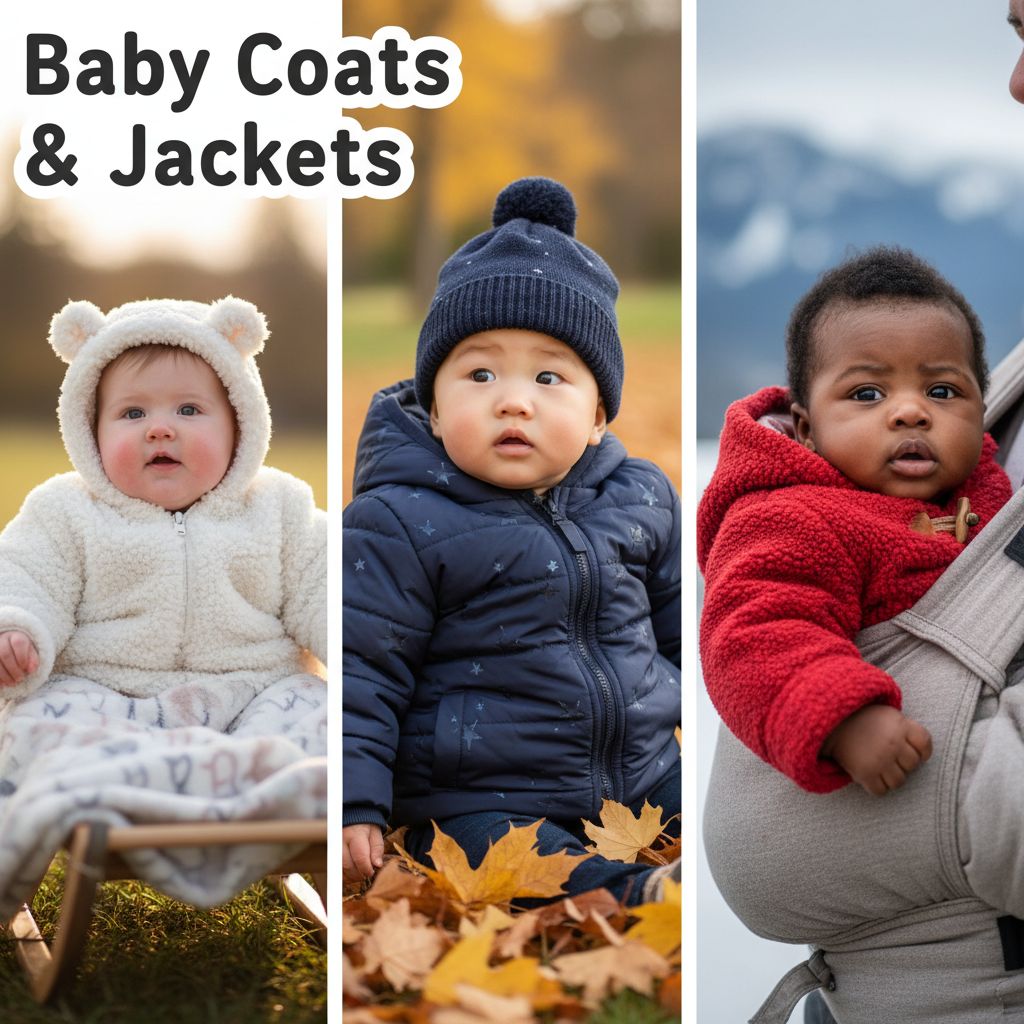
Keeping a baby warm sounds easy: just put on a coat, right? Not always. “Baby coats & jackets” is a big category. Some are made for wind, some for real cold, and some are mostly for stroller time. If you pick the wrong one, your baby may get too cold, too hot, or just uncomfortable. This guide helps you choose the right outer layer, with simple tips you can use right away.
What Are Baby Coats and Jackets?
A lot of people think a baby “jacket” is just a smaller version of an adult jacket. Not really. Baby coats and jackets are outer layers designed to reduce heat loss and shield from wind, but they also need to be safe and practical, especially if your baby spends time in a stroller or car seat. That’s why it’s smarter to focus on the fabric, warmth level, and fit, not just the name on the tag.
A baby coat or jacket is an outer layer worn over clothes to protect a baby from:
- Wind
- Cold air
- Light rain or snow (if the fabric is water-resistant or waterproof)
Coat vs. Jacket (Simple Difference)
- Jacket: usually lighter and shorter. Great for cool weather and wind.
- Coat: usually thicker, warmer, and sometimes longer. Better for colder weather.
In real life, many brands use the words “coat” and “jacket” loosely. So the material and warmth matter more than the label.
Why Babies Need Different Outerwear Than Adults
Babies are not tiny adults. They:
- lose heat faster
- can’t tell you they’re cold
- can overheat quickly, especially in thick layers
- often spend time in strollers or car seats, which changes what’s safe and useful
So the best baby outerwear is not just “warm.” It should be safe, comfortable, and easy to use.
How Warm Should a Baby Be?
A simple rule many parents use – Dress baby in one extra light layer compared to what an adult would wear. But don’t overdo it. Babies can overheat fast.
Easy Signs to Check: Touch the back of the neck (better than hands/feet)
- warm and dry = good
- sweaty = too hot
- cool = add a layer
Picking the Right Coat for Different Weather
- Mild cool weather: long sleeves + light jacket or fleece
- Windy day: windbreaker shell + light warm layer
- Cold winter: base layer + fleece + insulated puffer, hat + mittens if needed
- Rainy and cool: warm layer + waterproof rain jacket
Types of Baby Coats & Jackets (And When to Use Them)
Here are the most common types you’ll see, with the best use for each.
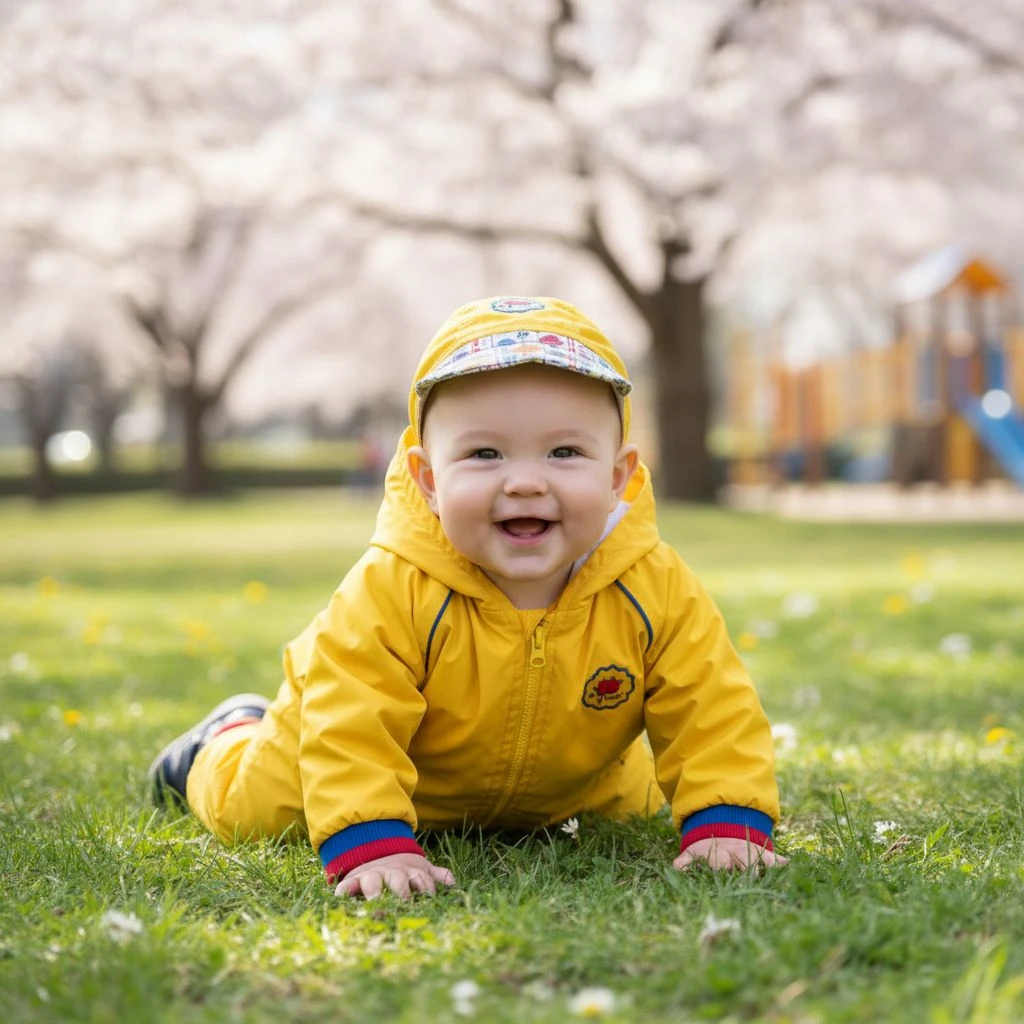
1) Windbreakers (Shell Jackets)
- Best for: breezy days, mild weather, outdoor walks
- What they do: block wind; sometimes resist light rain
- What they don’t do: provide much warmth by themselves
- Good signs: lightweight fabric, hood (soft and not stiff), elastic cuffs to stop wind
- Tip: Pair a windbreaker with a long-sleeve shirt or fleece underneath.
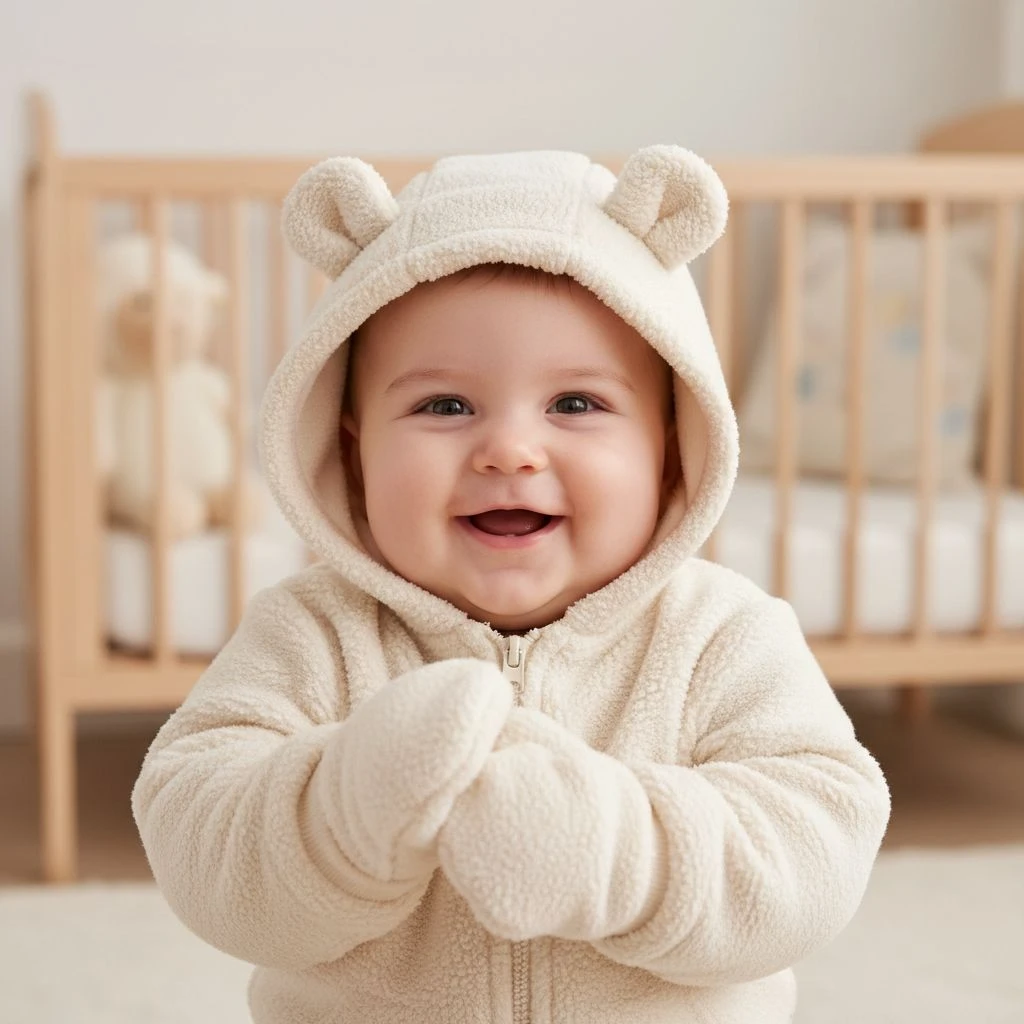
2) Fleece Jackets
- Best for: cool days, mild cold, indoor-to-outdoor changes
- What they do: provide warmth and comfort
- What they don’t do: block strong wind or heavy rain
- Why parents like fleece: soft on baby skin, breathable, easy to wash
- Tip: If it’s windy, put a shell jacket over fleece.
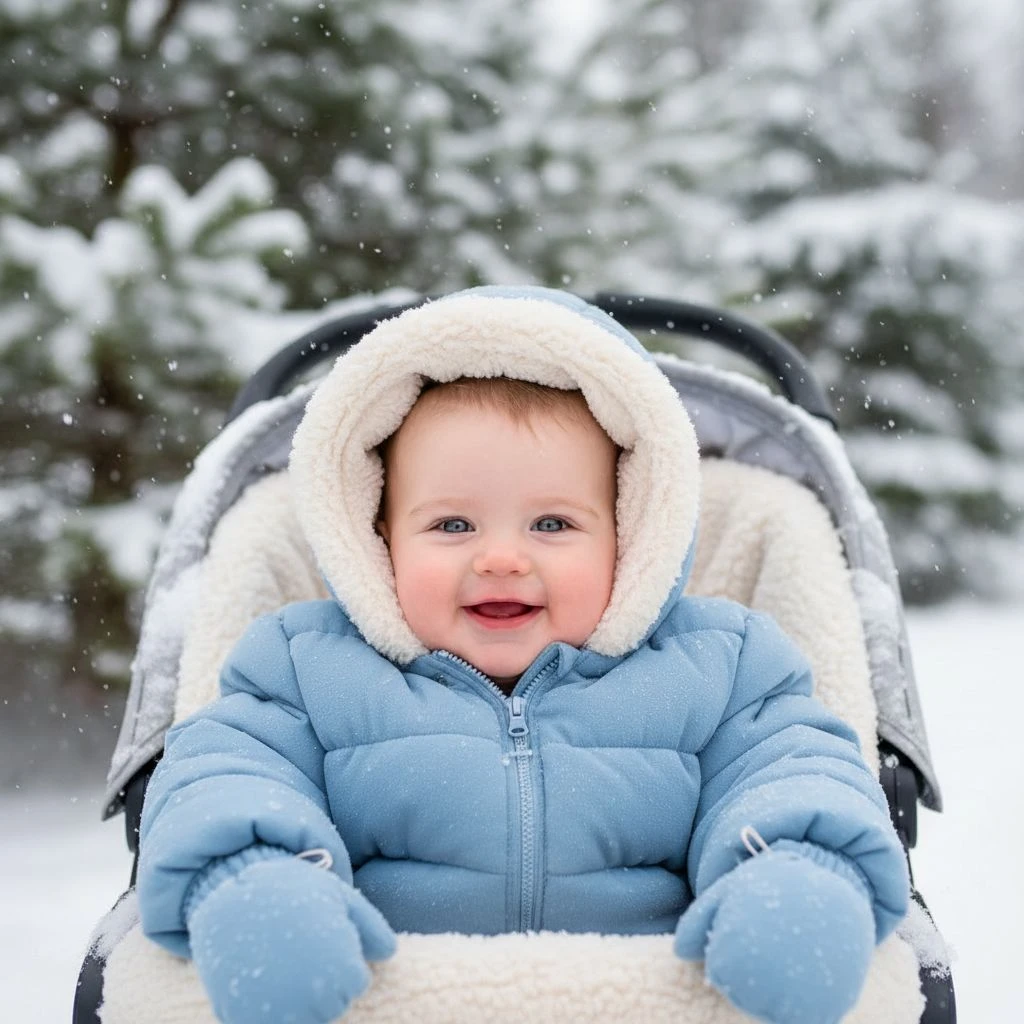
3) Insulated Puffers (Down or Synthetic Fill)
- Best for: cold weather, winter trips, outdoor cold
- What they do: trap heat and keep baby warm
- What they don’t do: work well when soaked (especially down)
- Down vs. Synthetic – Down: very warm and lightweight, but loses warmth when wet. Synthetic fill: still warm when damp, often easier to wash
- Tip: Puffers are great outdoors, but be careful with car seats (more on that below).
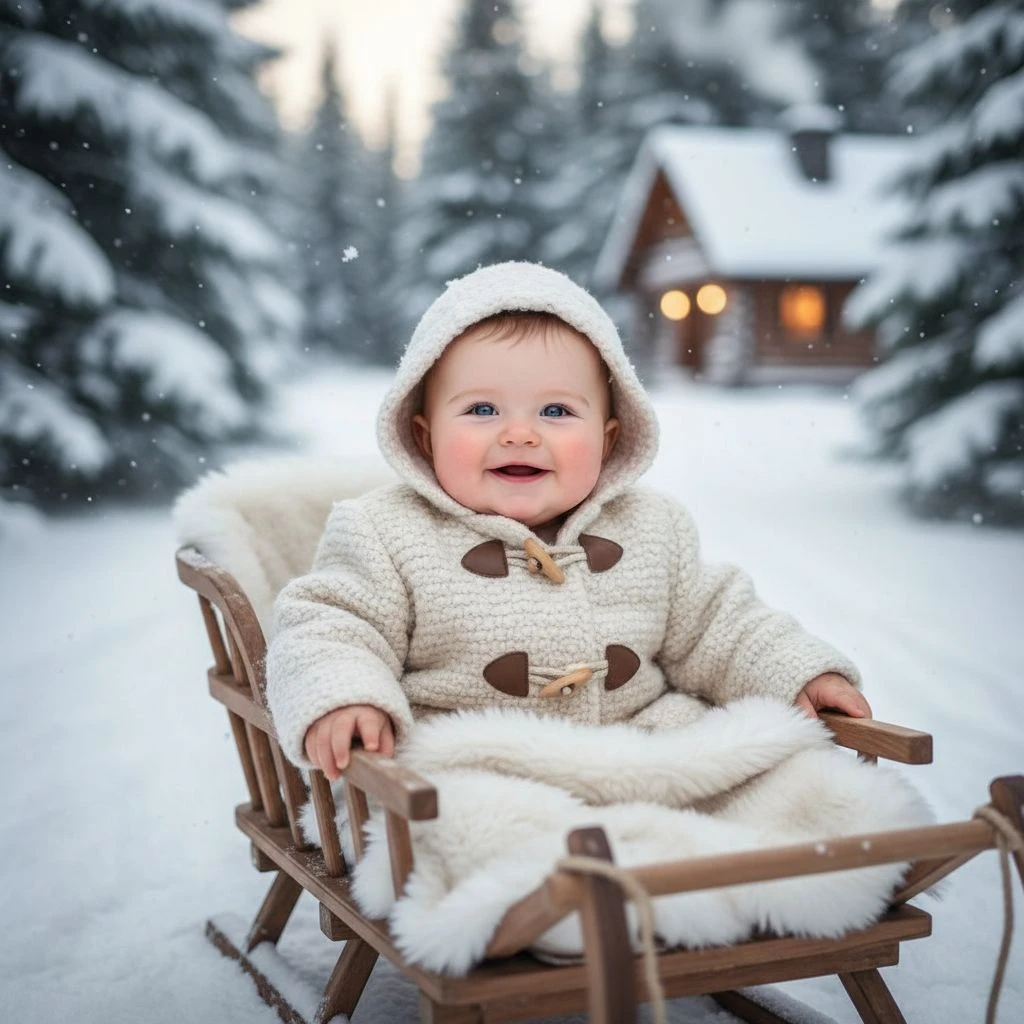
4) Wool Coats (Less Common for Babies)
- Best for: dry cold weather, short outings
- What they do: keep warmth well
- Watch out for: scratchiness or irritation on sensitive skin
- Tip: If you choose wool, make sure the inside lining is soft.
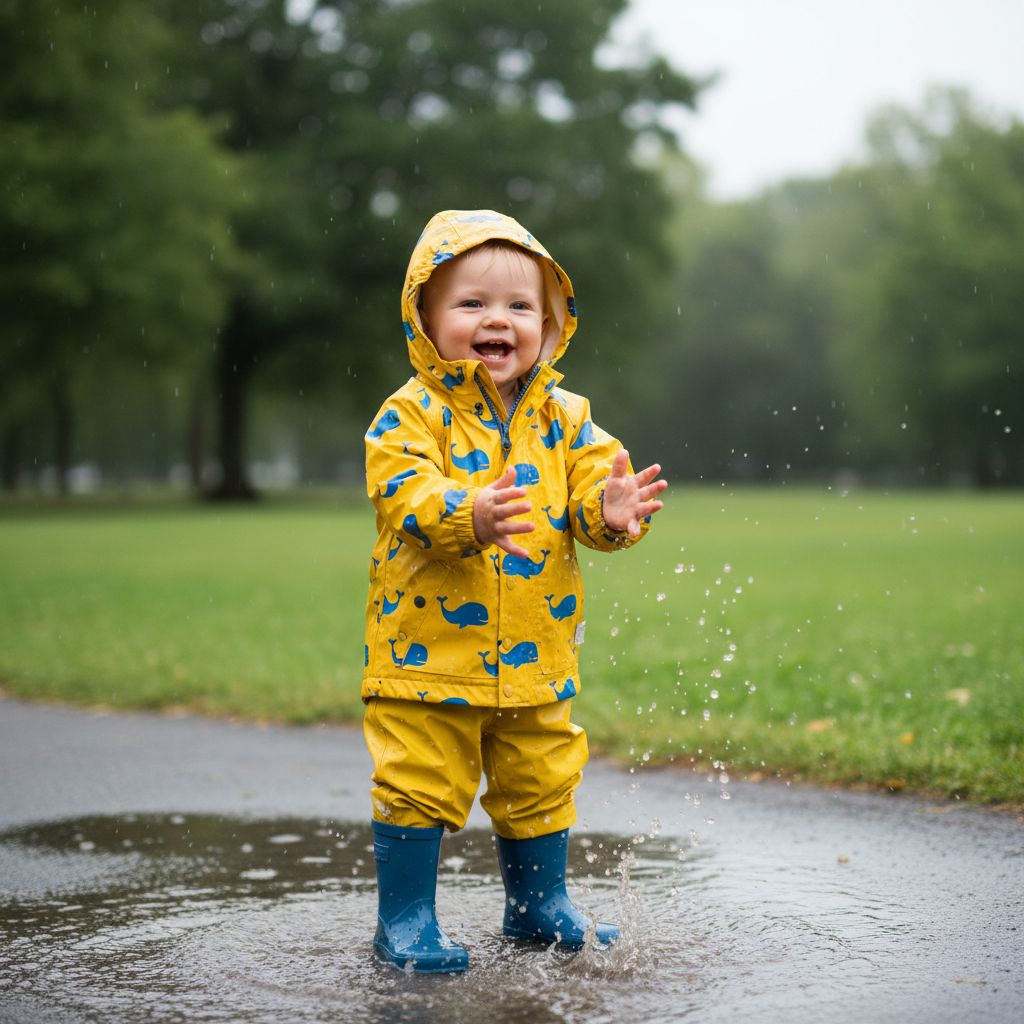
5) Rain Jackets (Waterproof Shells)
- Best for: rainy days, wet windy weather
- What they do: block water and wind
- What they don’t do: provide warmth unless layered
- Look for: waterproof label + sealed seams (best protection), breathable fabric if possible
- Tip: Add a warm layer under it, like a long-sleeve top or fleece.
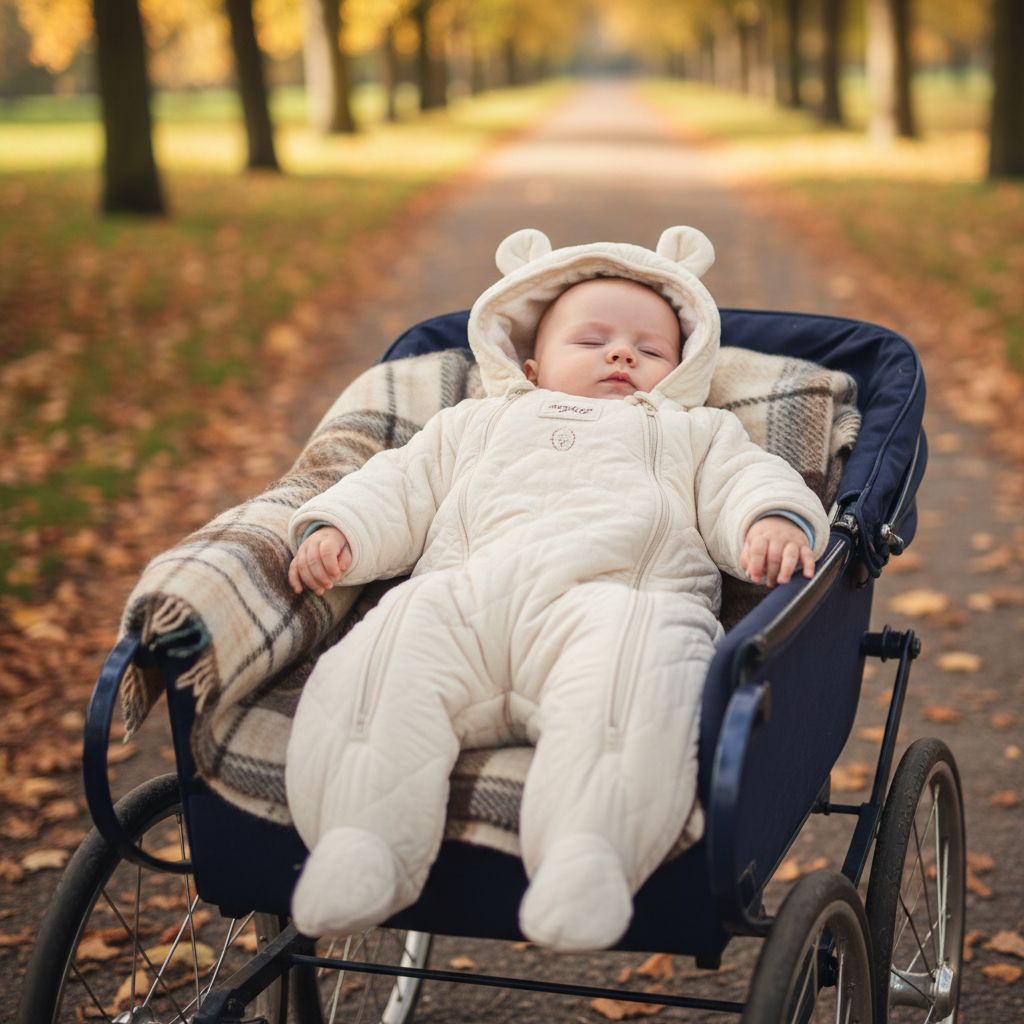
6) Bunting Bags / Pram Suits (Full-Body Outerwear)
- Best for: stroller rides in cold weather
- What they do: cover baby’s body (sometimes legs and feet too)
- What they don’t do: work well for active walking toddlers
- Tip: These are great for babies who aren’t walking yet and spend lots of time in a stroller.
Car Seat Safety: A Very Important Warning

This part matters a lot. Bulky coats and thick puffers are not safe under a car seat harness. They can create extra space, so the straps feel tight but are actually loose in a crash.
Safer Car Seat Plan:
- Dress baby in thin warm layers
- Buckle the harness snug
- Then place the coat over the top, or use a blanket after buckling
If your baby is mostly in a car seat, a thick coat may be more trouble than help.
What to Look for When Buying
Comfort:
- soft lining
- not too tight at shoulders
- lightweight enough to move
Easy On/Off:
- smooth zipper
- big zipper pull (helpful for parents)
- snaps that don’t scratch
Safety Details:
- zipper guard at chin (prevents pinching)
- no long cords or loose strings
- hood that doesn’t fall over the face
Practical Features:
- elastic cuffs (blocks wind)
- machine-washable fabric
- durable outer shell (especially for toddlers)
Common Mistakes (So You Can Avoid Them)
- Buying the cutest thick coat but baby is always in a car seat
- No wind protection (fleece alone won’t stop strong wind)
- Overheating with too many layers
- Wrong size (too big lets cold air in; too small limits movement)
- Rough fabric that irritates baby’s skin
Simple Conclusion / Final Words
Baby coats and jackets are meant to do one job: protect your baby from wind and cold. The best choice depends on your weather and your baby’s routine. For most families, the easiest approach is:
- layering, plus
- a shell for wind/rain, and
- a warm layer like fleece for cooler days.
And remember: avoid bulky coats inside car seats. Warmth is important, but safety comes first.