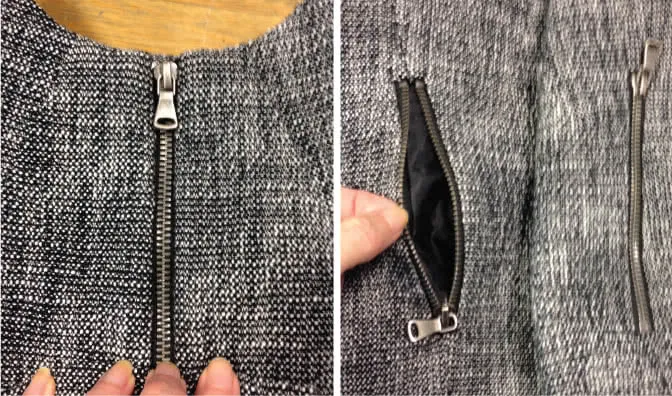
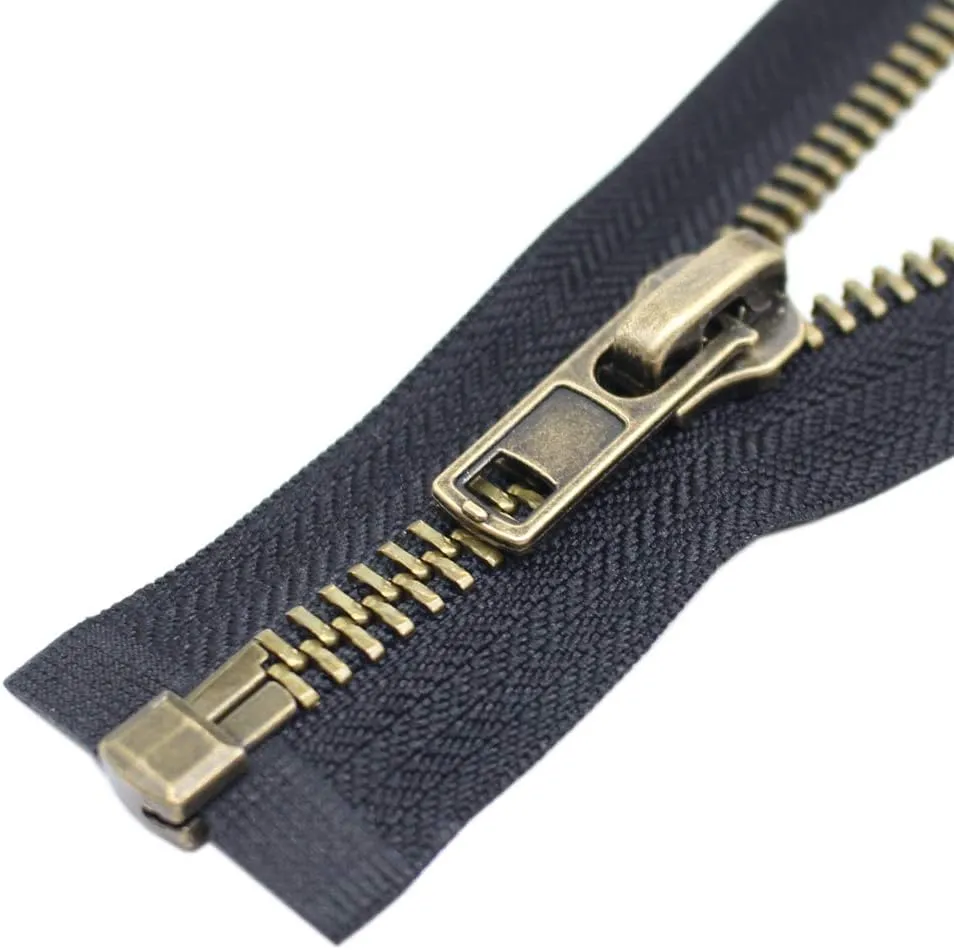

Zippers are more than just fasteners; they play a big role in how a garment feels, functions, and looks. Among the many kinds, nylon and metal zippers are two of the most common types used in clothing and accessories. While they serve the same purpose, they differ greatly in structure, durability, and style. Understanding these differences helps designers and buyers choose the right zipper for each specific product.
About Nylon Zipper and Metal Zipper
Nylon Zipper (Coil Zipper)
Nylon coil zippers are made by sewing a continuous nylon filament into the tape, producing soft, flexible teeth. They are lightweight, dyeable to match your fabric, and offer excellent flexibility and corrosion resistance. However, they can be less abrasion-resistant than metal, so choosing the correct size (#3, #5, or #8) for high-wear uses is essential.
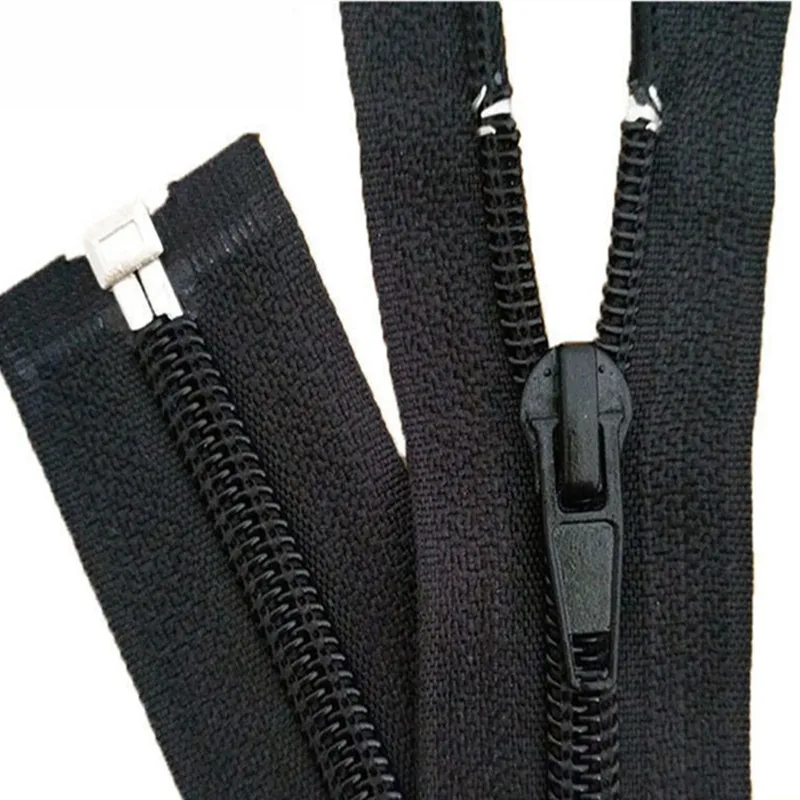
Typical Applications: Ideal for jackets, dresses, activewear, and children’s clothing where weight and flexibility matter. For performance gear, nylon zippers shine because they do not rust when exposed to moisture or salt. Reverse-coil variants are also used for a clean, invisible aesthetic on fashion pieces.
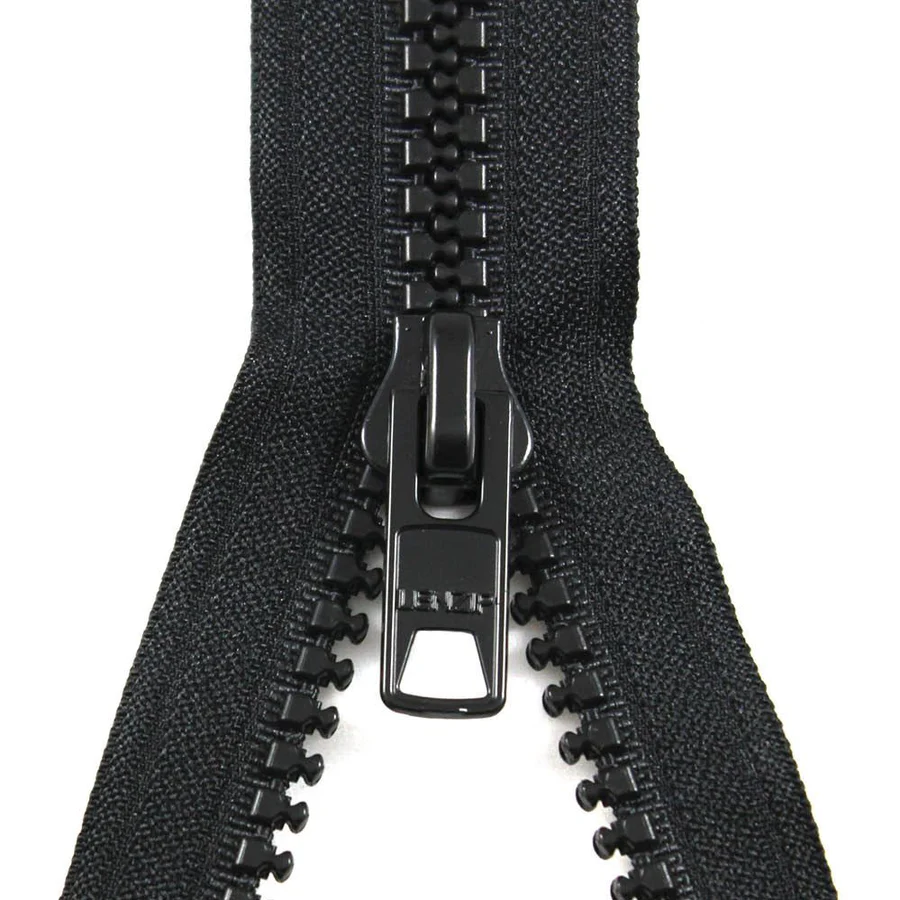
Metal Zipper
Made from individual metal teeth—typically brass, nickel-plated brass, or aluminum—pressed onto a woven tape. Metal zippers provide high tensile strength and a bold finish. While they offer lasting performance under stress, they can sometimes snag delicate fabrics and are heavier than nylon options.
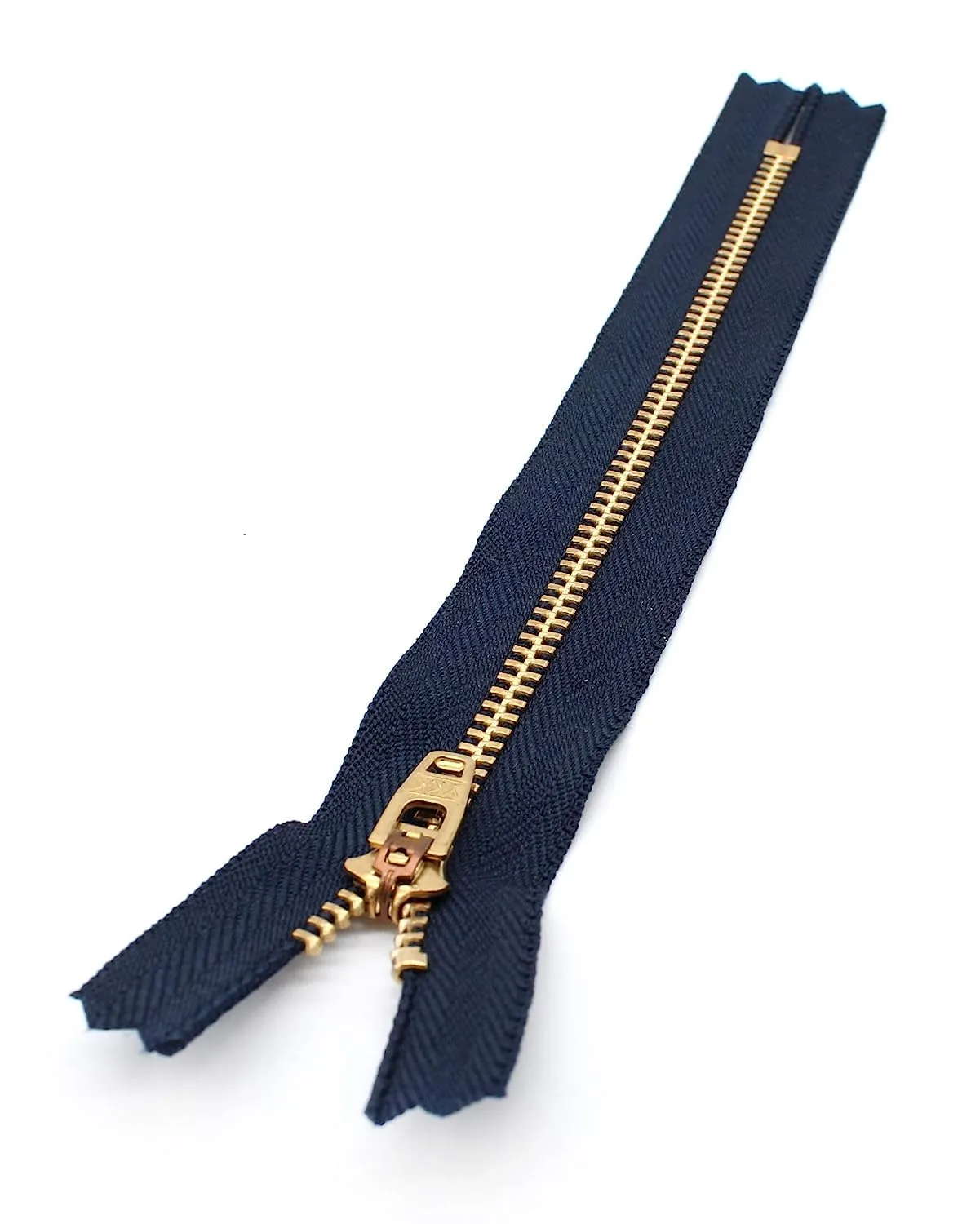
Typical Applications: Commonly found on jeans (usually #5), leather motorcycle jackets, heavy boots, and canvas workwear. Designers pick metal when the zipper is intended as an exposed stylistic element. Brass is often specified in denim production for its authenticity and superior corrosion resistance compared to other metals.
Nylon Zipper vs. Metal Zipper: Performance Comparison
| Criterion | Nylon (Coil) Zipper | Metal Zipper |
|---|---|---|
| Strength | Better at repeated flexing (3-5x more). | High raw tensile strength under heavy loads. |
| Weight | Lightweight (30–60% lighter). | Heavier; provides structural rigidity. |
| Corrosion | Resists salt and moisture (doesn’t rust). | Can corrode unless plated or made of brass. |
| Design | Dyeable tape; can be hidden easily. | Visible teeth; acts as hardware detail. |
| Cost | Generally lower in high volume. | Higher due to stamping and plating. |
Functionality in Different Environments
- Marine/Coastal use: Nylon is preferred for its total salt resistance.
- Cold climates: Nylon maintains better flexibility at lower temperatures.
- Heavy-duty/Denim: Metal handles the repeated high tension of thick fabrics better.
Wear, Tear, and Maintenance
To extend zipper life, consider the following:
- Slider wear: The most common failure point; regular lubrication helps.
- Tooth deformation: Avoid overloading bags or garments with metal zippers.
- Maintenance: Lubricate sliders with silicone or graphite for smooth action, and avoid harsh chlorine bleach.
Conclusion
Choosing between nylon and metal zippers depends on balancing function, style, and weight. Nylon offers flexibility and corrosion resistance for activewear, while metal delivers the strength and premium look required for denim and leather. At Mekong Garment Vietnam, we help you align your selection with the garment’s purpose to ensure lasting performance and aesthetic appeal.
FAQs About Nylon and Metal Zippers
What are the main structural differences between nylon and metal zippers?
Nylon (coil) zippers use a continuous nylon filament sewn onto the tape to form flexible teeth; the coil is lightweight and bends with fabric. Metal zippers have individual teeth (brass, nickel, aluminum, etc.) pressed or clamped onto the tape, producing rigid, visible teeth and a firmer closure.
Which type is more durable and why?
Metal zippers are generally stronger under heavy load and abrasion because of solid metal teeth, making them better for heavy-duty garments. Nylon zippers resist repeated bending and flexing without breaking and are less prone to rust, so they often outlast metal zippers in flexible, high-motion applications.
How do nylon and metal zippers compare in flexibility, weight, and feel?
Nylon zippers are lightweight, highly flexible, and operate smoothly — ideal where comfort and fabric drape matter. Metal zippers are heavier and stiffer, providing a tactile, substantial feel and a more defined closure line that can affect how the garment hangs.
What are the best applications for each type?
Nylon zippers suit sportswear, lightweight jackets, dresses, backpacks, children’s clothing, and marine/outdoor gear where low weight, flexibility, and corrosion resistance are priorities. Metal zippers are preferred for jeans, leather jackets, boots, heavy coats, and fashion items where strength and a visible, premium or rugged aesthetic are desired.
How do they perform outdoors or in corrosive environments?
Nylon zippers are inherently corrosion-resistant and better for wet or salty environments. Metal zippers can corrode unless made from corrosion-resistant alloys (brass, stainless) or given protective plating; brass holds up well and is often chosen when a metallic look is required outdoors.
How do appearance and customization options differ?
Metal zippers offer shiny, textured, or plated finishes and read as a design feature; they can be aged, polished, or plated for varied looks. Nylon zippers are low-profile and can be dyed to match fabric precisely, come in many tape colors, and can use specialized sliders and molded pulls for subtle customization.