
Knowing how much cotton a fabric contains is important when sourcing materials for apparel production. Fiber composition affects softness, moisture absorption, drying speed, durability, wrinkle resistance, dyeing behavior, cost, and the overall performance of the finished garment.
However, determining cotton content is not always as simple as touching or looking at a fabric. A cotton-polyester blend can feel surprisingly similar to 100% cotton, especially after softening, brushing, or other finishing treatments. Simple observations can provide useful clues, but they cannot reliably tell you whether a fabric contains 60%, 80%, or 100% cotton. For an exact percentage, buyers and manufacturers should rely on supplier documentation and appropriate laboratory fiber-composition testing.
This guide explains the practical methods used to identify cotton, what each method can and cannot tell you, and how apparel professionals should verify cotton content before bulk production.
What Does Cotton Content Mean?
Cotton content refers to the percentage of cotton fiber contained in a textile. For example:
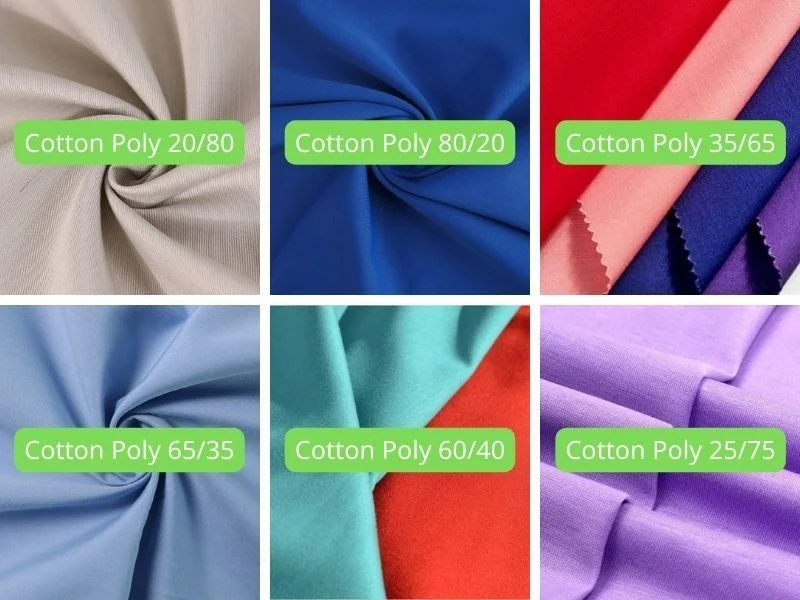
- 100% Cotton – the textile fiber composition is cotton.
- 80% Cotton / 20% Polyester – cotton is the main fiber, with polyester added.
- 60% Cotton / 40% Polyester – a cotton-dominant blend commonly associated with CVC constructions.
- 35% Cotton / 65% Polyester – a polyester-dominant cotton-polyester blend.
These differences can significantly affect how the fabric feels and performs.
Can You Tell Cotton Percentage Just by Looking at Fabric?
Not accurately. Experienced textile professionals may be able to make a rough judgment about whether a fabric is cotton-rich or polyester-rich, but appearance alone cannot determine an exact percentage. This is because fabric appearance is influenced by many factors, including:
- Yarn spinning method
- Fabric construction
- GSM
- Dyeing
- Brushing
- Mercerization
- Softening agents
- Surface finishing
A polyester-rich fabric can be finished to feel soft and matte, while some cotton fabrics can have a smooth, shiny surface. Visual inspection should therefore be considered a screening method, not a composition test.
6 Ways to Know How Much Cotton Is in a Fabric
1. Visual Inspection
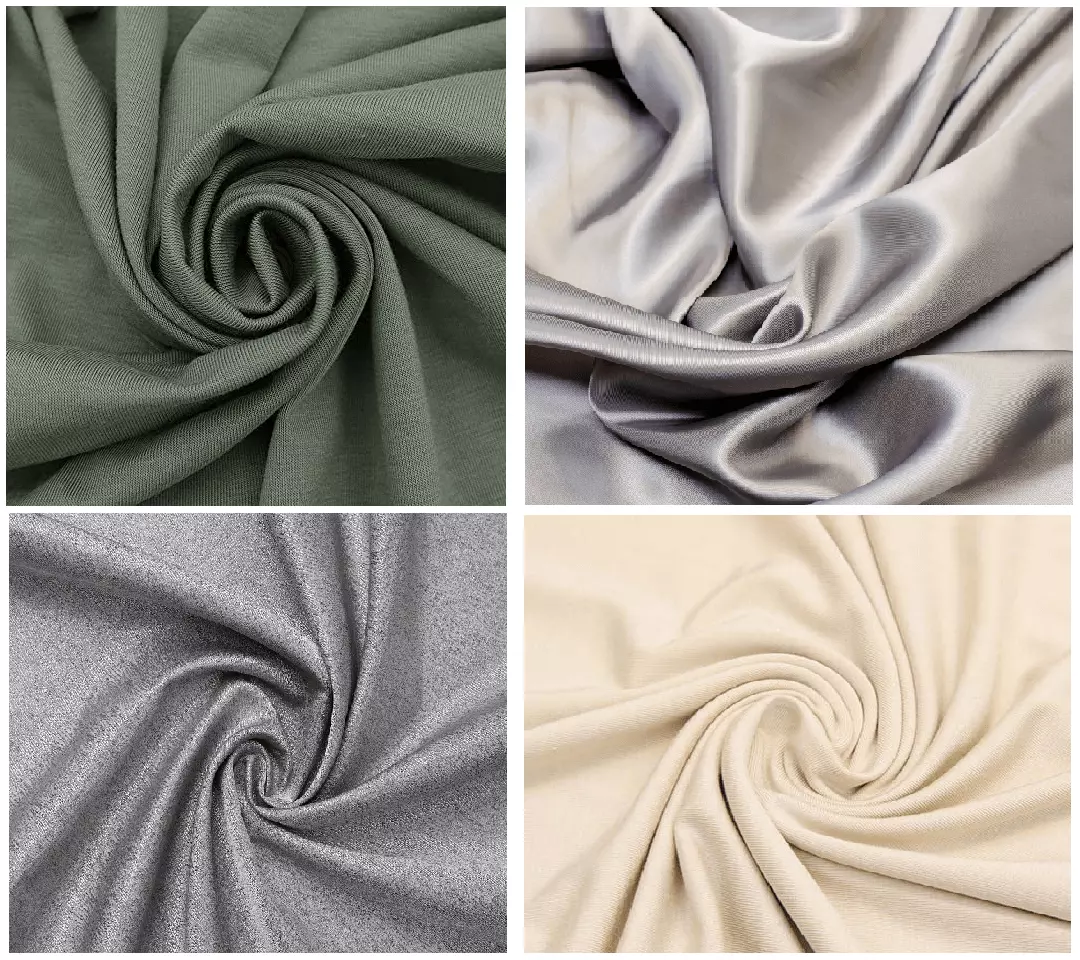
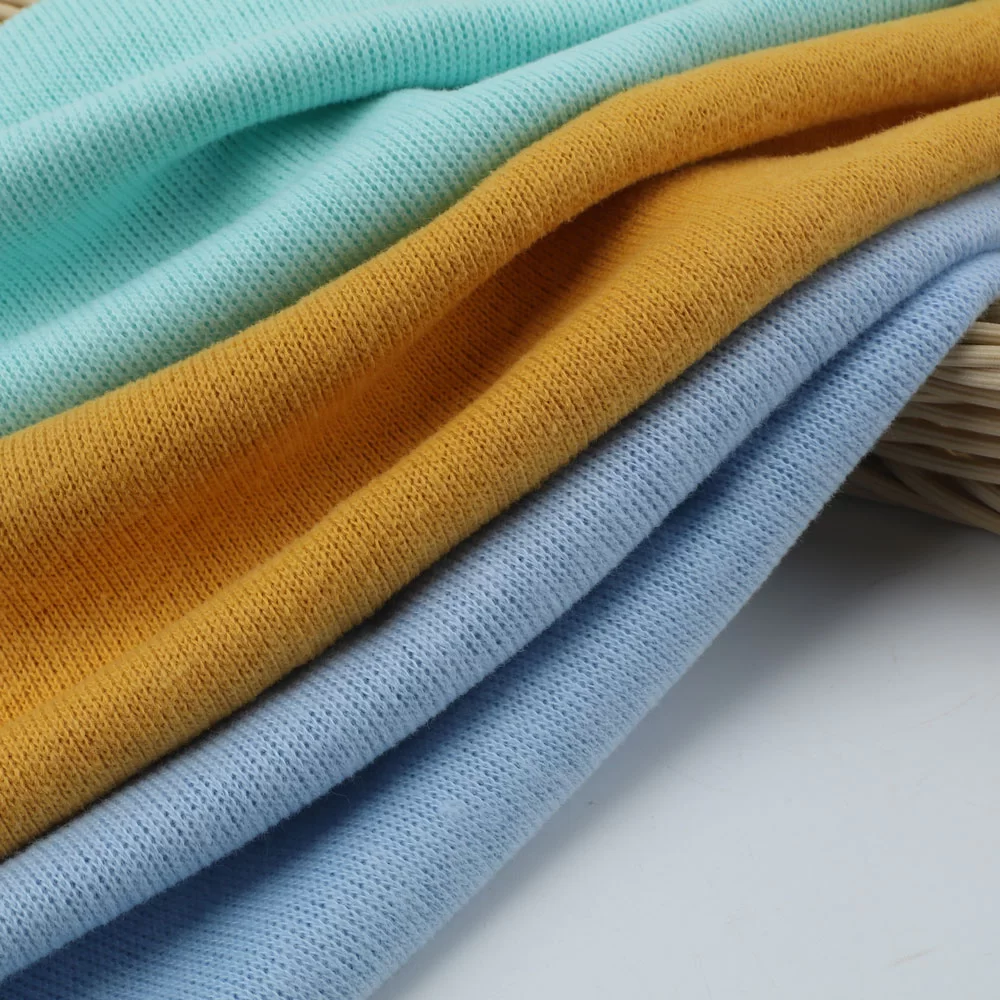
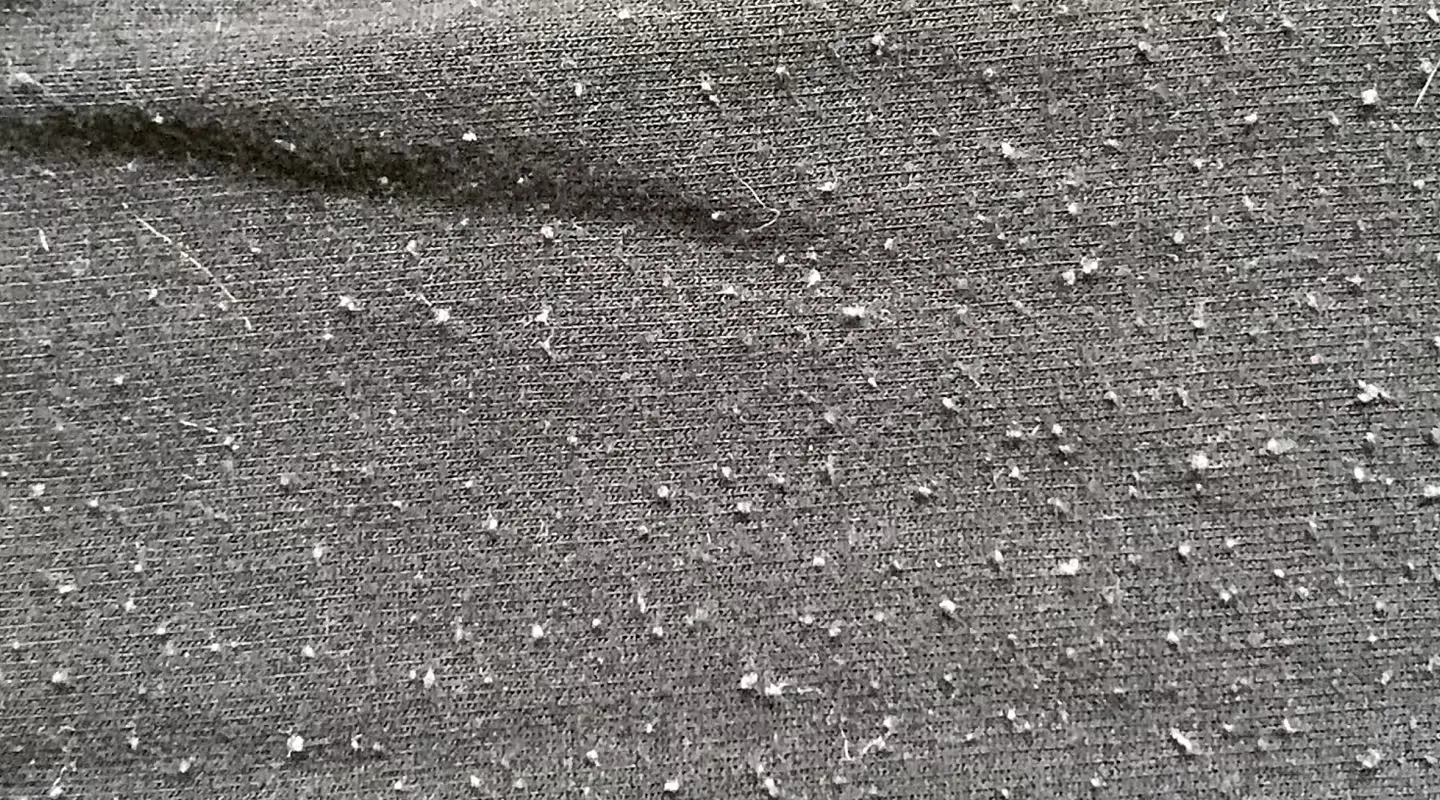
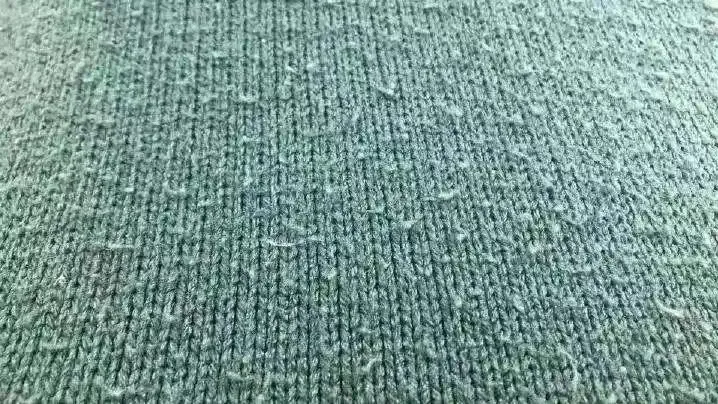
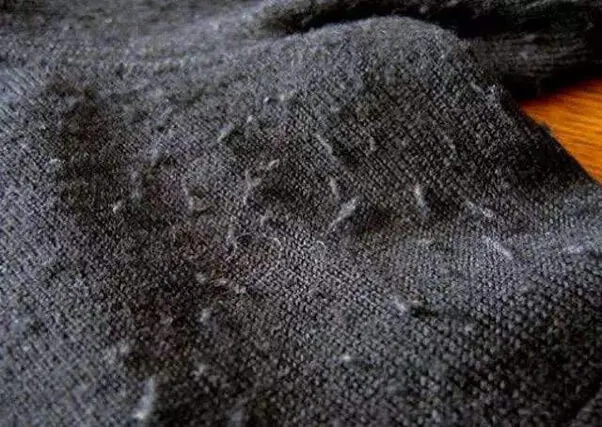
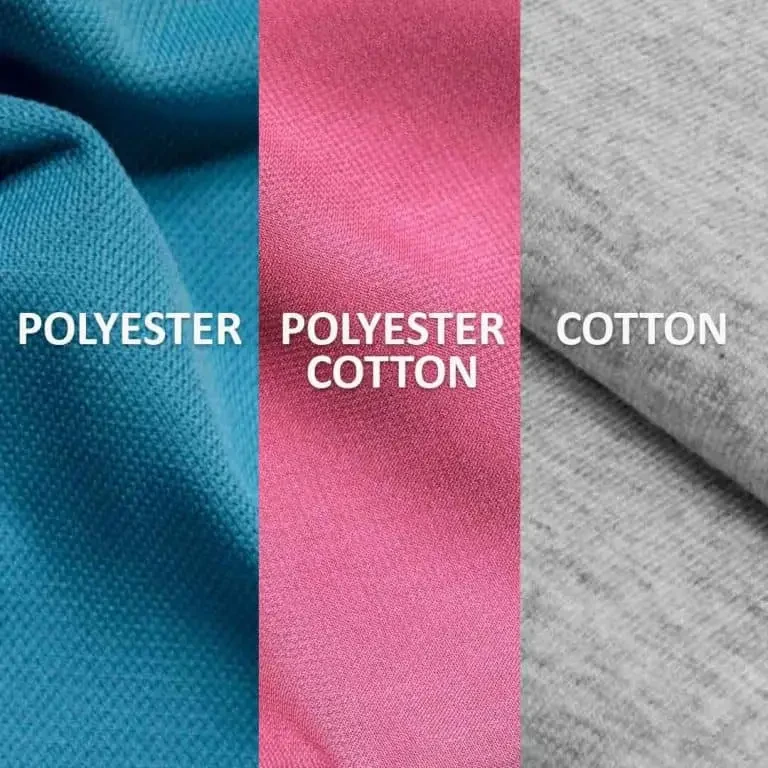
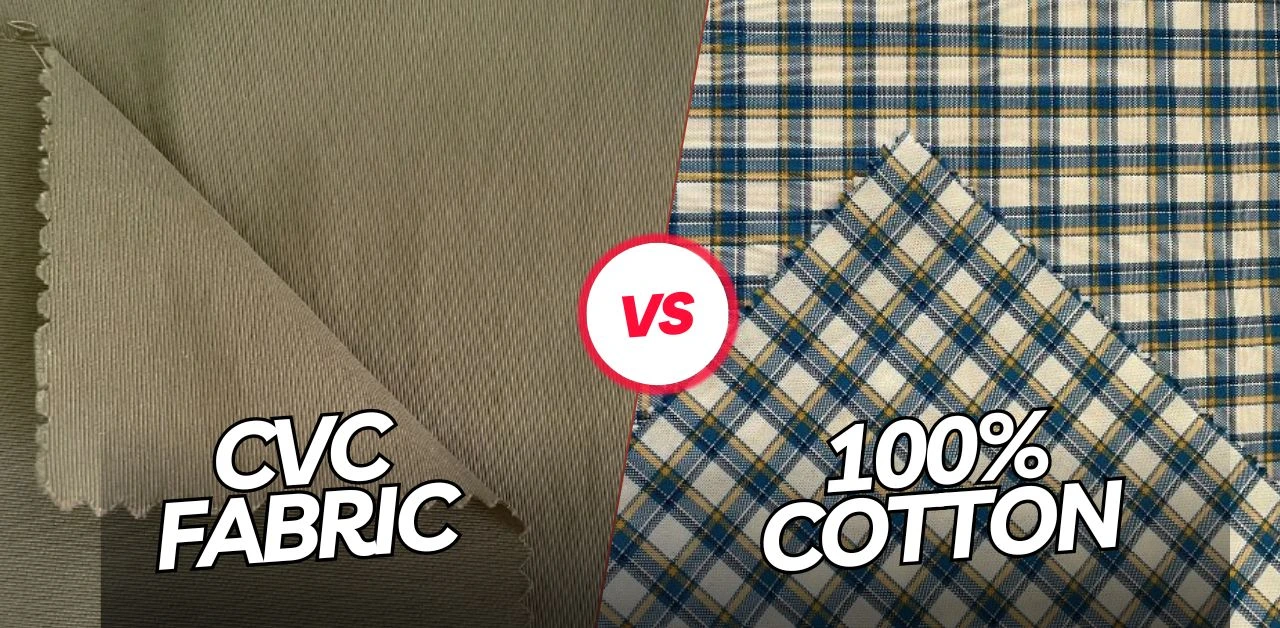
Seeing is your first, fastest test. High-cotton knits usually look slightly matte, show tiny fuzz (natural fibers), and the stitches are not perfectly uniform. Blends with more polyester look smoother, more even, and often have a gentle, “glassy” sheen. Cotton holds soft, natural tones, while synthetics can appear more vibrant but artificial.
What Cotton-Rich Fabric May Look Like – Depending on its construction and finishing, cotton-rich fabric may have:
- A relatively matte surface
- A soft or slightly fuzzy appearance
- Visible natural fiber hairiness
- A less glossy appearance than some synthetic fabrics
- A softer, more natural drape
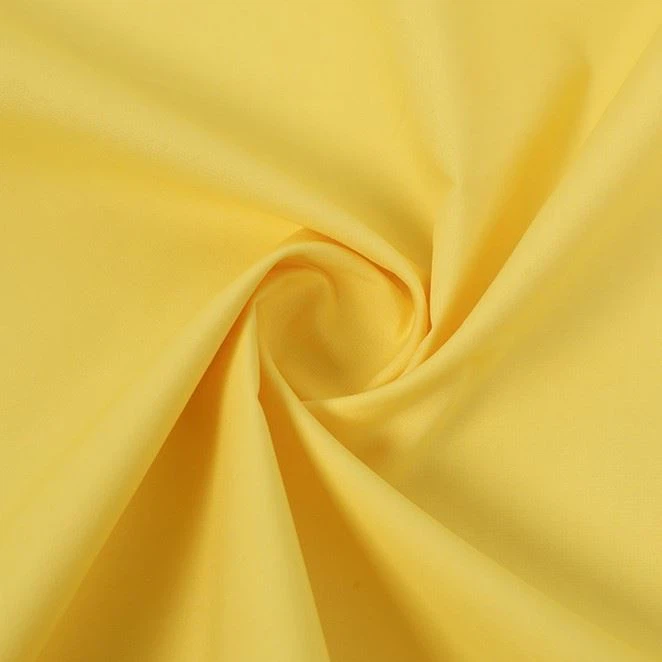
What Polyester-Rich Fabric May Look Like – Polyester-rich fabrics may sometimes appear:
- Smoother
- More uniform
- Slightly shinier
- Less hairy on the surface
- More resistant to creasing
These are general tendencies only. Modern finishing technology can make cotton and polyester blends look very similar.
2. Water Absorption Test
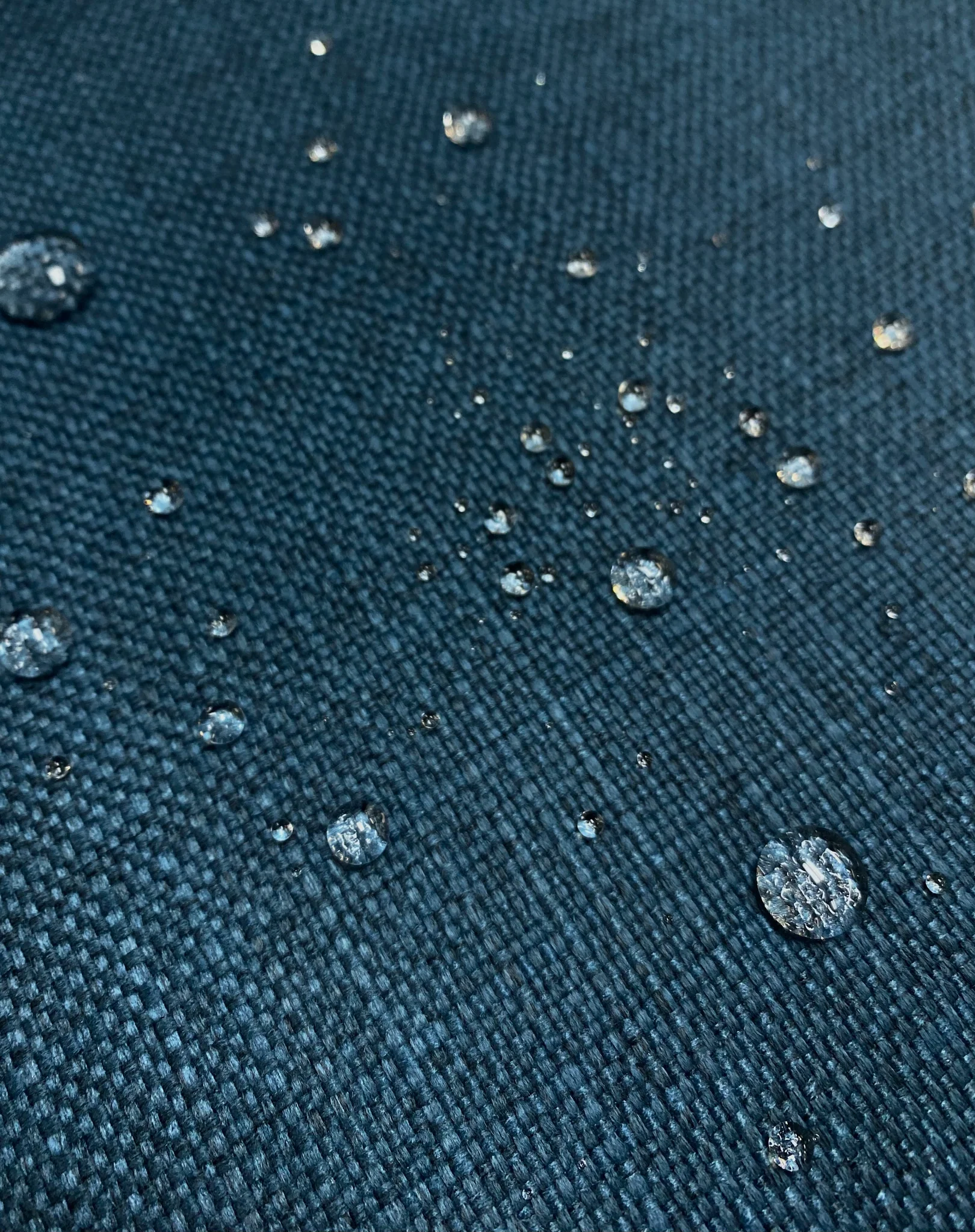
A small water-drop observation can provide another clue because cotton and polyester interact with moisture differently. Cotton is hydrophilic, meaning it readily absorbs moisture. Polyester absorbs much less moisture into the fiber itself. As a result, an untreated cotton-rich fabric may allow water to wet and spread across the surface more readily than a polyester-rich fabric.
Water tells the truth about fiber. Place one clean drop on the fabric:
- High Cotton: The water will soak in quickly and spread out over a broad area.
- High Synthetic: The water will absorb slowly, or may stay as droplets on the surface for a long time.
| Observation | Possible Indication |
|---|---|
| Water wets and spreads relatively quickly | May indicate higher absorbency or cotton content |
| Water remains as a bead for longer | May indicate lower absorbency or a synthetic-rich surface |
However, this test has major limitations. Water behavior can be changed by:
- Water-repellent finishes
- Softening agents
- Wicking treatments
- Dyes
- Fabric density
- Surface coatings
Therefore, water absorption cannot be used to say that a fabric contains exactly 60%, 80%, or 100% cotton.
3. Burn Test (Use with Care)
This is the most accurate manual test but requires safety measures. Use a small scrap and observe the flame, smell, and residue:
| Trait | 100% Cotton (Natural) | Polyester (Synthetic) |
|---|---|---|
| Flame | Burns quickly and evenly. | Burns slowly; shrinks and melts. |
| Smell | Smells like burning paper. | Smells like burning plastic/chemicals. |
| Ash | Fine, grey ash; easily crumbles. | Hard, black, sticky plastic-like beads. |

Burning fabric residue analysis – Traditional textile references sometimes mention burn testing as a way to distinguish natural and synthetic fibers. Cotton and polyester behave differently when exposed to flame, so the method can provide clues about fiber family.
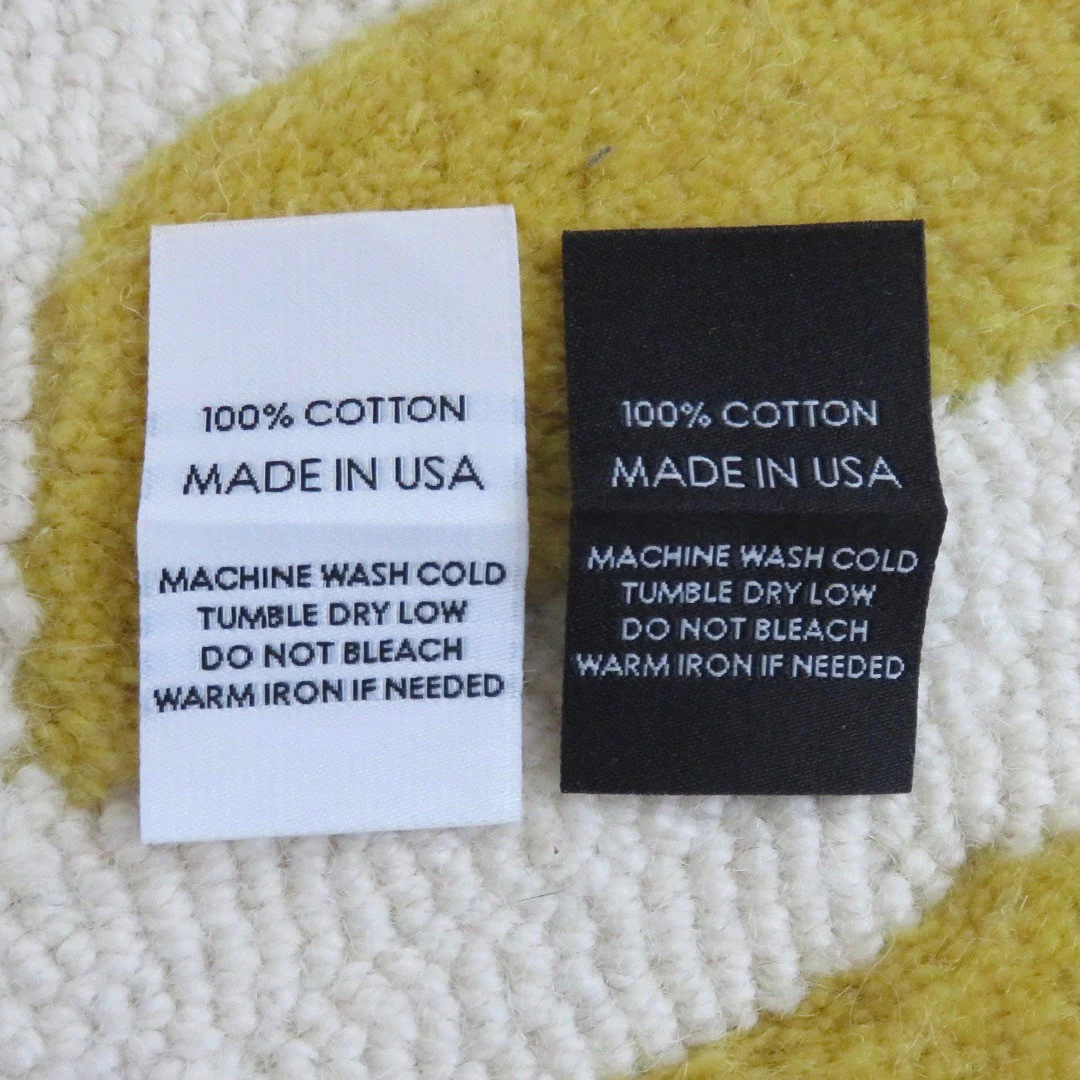
4. Label & Supplier Information
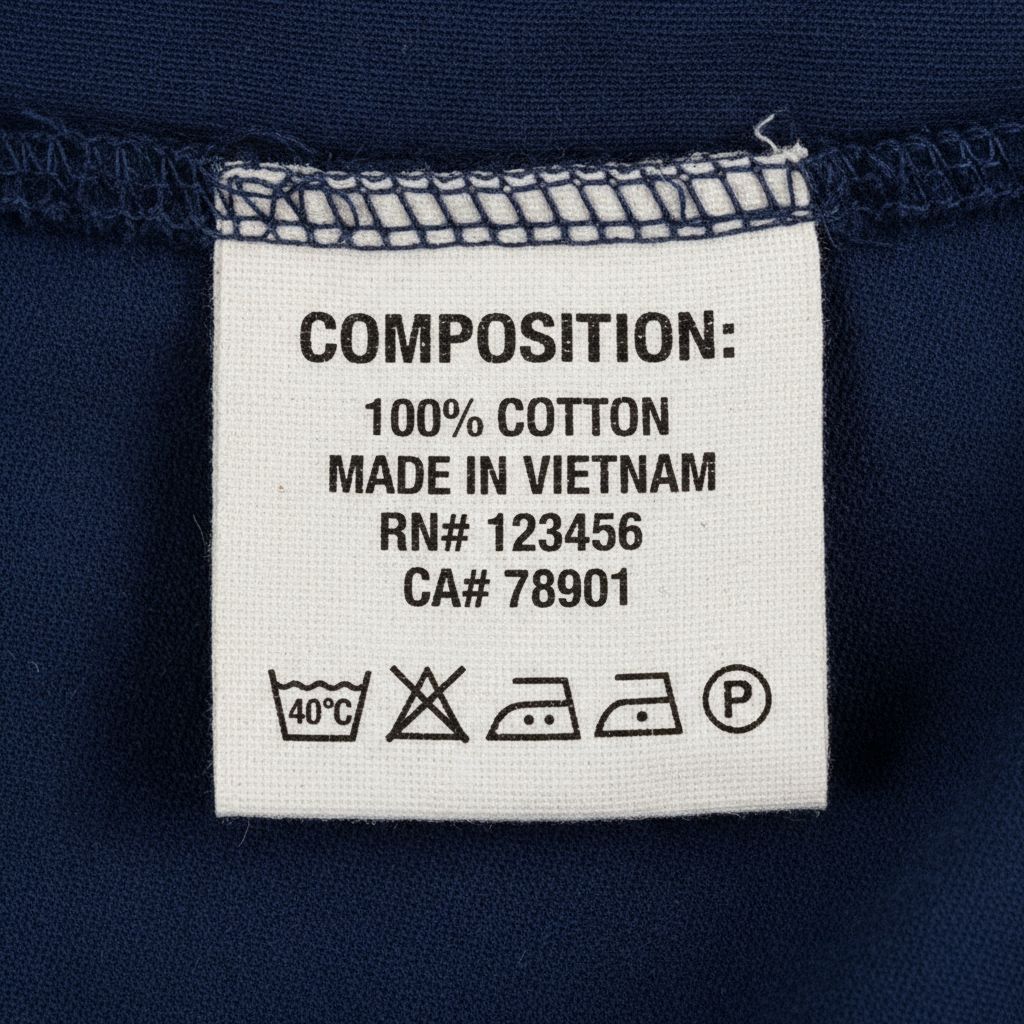
The simplest starting point is the fiber-content label, fabric specification sheet, purchase order, or supplier technical document.
A professional fabric specification normally states the composition clearly, such as:
- 100% Cotton
- 95% Cotton / 5% Elastane
- 65% Cotton / 35% Polyester
- 60% Cotton / 40% Polyester
For normal sourcing, this is usually the first information buyers should request. However, documentation and physical goods should still be checked against each other when composition is critical to the order.
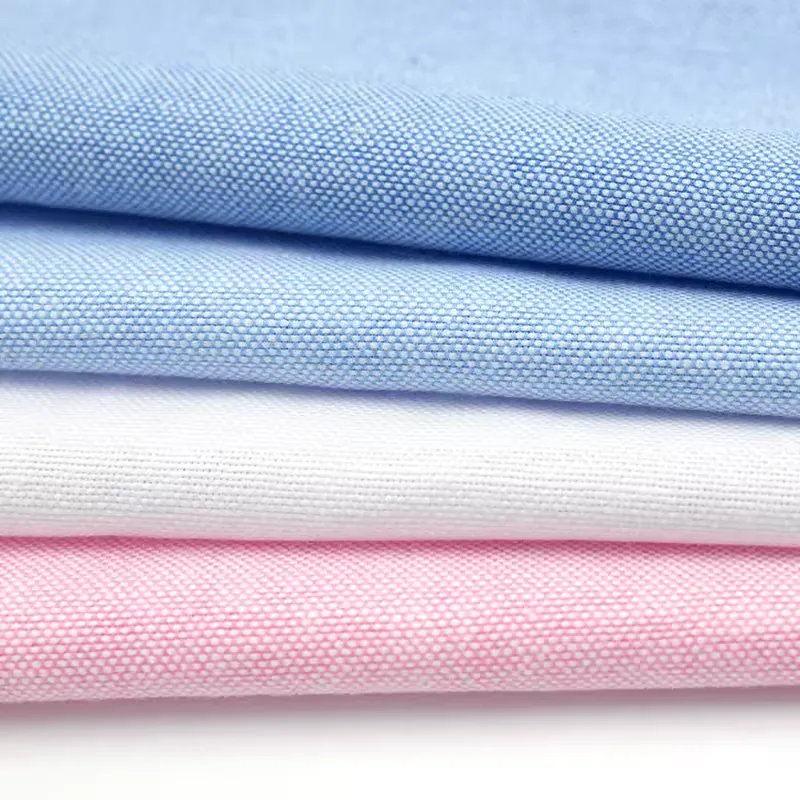
Documents Buyers Can Request Sellers:
- Fabric specification sheet
- Fiber composition declaration
- Mill test report
- Third-party laboratory report
- Product certification where applicable
For bulk production, documentation is far more reliable than trying to judge cotton content from hand feel alone.

Always check the fabric label or ask for a spec sheet. While labels usually list ratios like “65% Cotton / 35% Polyester,” some lower-grade fabrics may be mislabeled. Requesting swatches for your own manual testing is the best way to confirm bulk order accuracy – Reading garment care and fiber content labels
5. Hand Feel and Touch Test
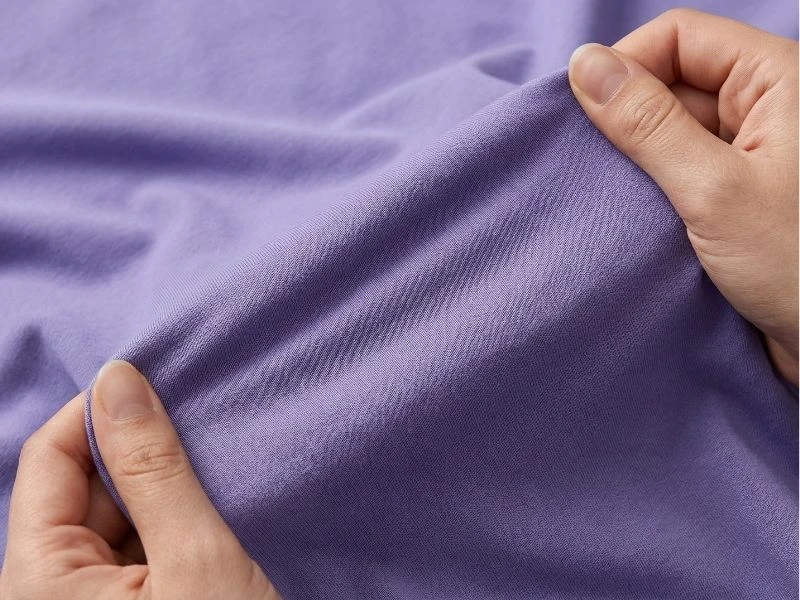
Touching the fabric is another traditional way of making an initial assessment.
Cotton-rich fabrics often feel:
- Soft
- Dry or natural to the touch
- Less slippery
- Comfortable against the skin
Polyester-rich fabrics may feel:
- Smoother
- More slippery
- More resilient when compressed
- Slightly less absorbent or dry against the skin
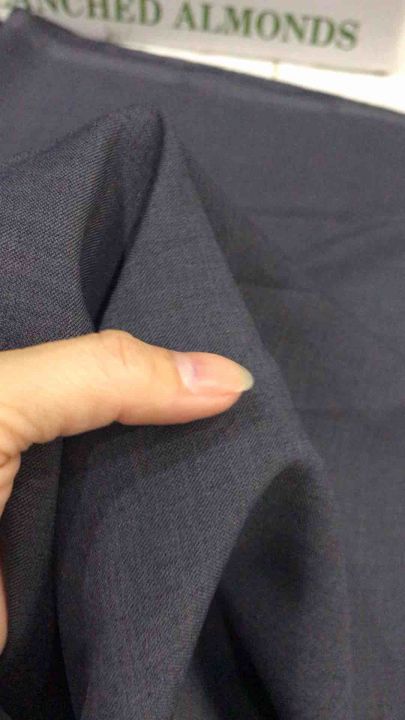
Again, this does not provide a percentage. Softening agents, silicone finishes, brushing, yarn quality, and knitting construction can dramatically change hand feel. A high-quality cotton-polyester blend can sometimes feel softer than a low-quality 100% cotton fabric.
6. Specialized Equipment
For large-scale manufacturing or export, businesses use FTIR Spectrometers or moisture content testers. These provide a chemical analysis of the fiber makeup, ensuring 100% accuracy for professional QC reports. When an exact result is required, laboratory testing is the most reliable option. Professional textile laboratories can identify and quantify fiber composition using standardized analytical methods.
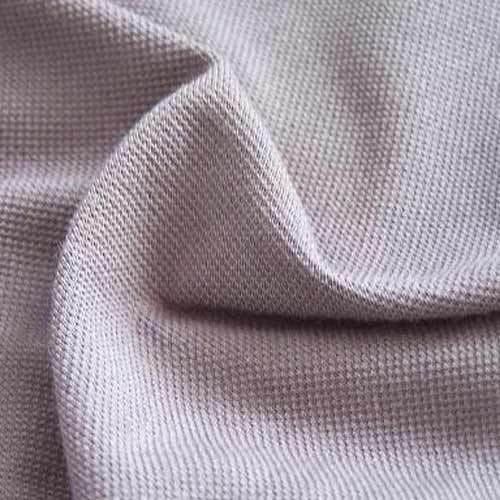
Depending on the material, laboratories may use methods involving:
- Microscopic fiber identification
- Chemical separation
- Gravimetric analysis
- Spectroscopic techniques
- Standardized quantitative fiber analysis
The appropriate method depends on the fibers contained in the fabric. A laboratory report may confirm a result such as: 60.2% Cotton / 39.8% Polyester This is very different from simply saying that a sample “feels like high cotton.”
Why This Matters: The Balance of Quality
The fiber ratio directly affects your product’s performance:
- Comfort: Higher cotton content generally increases the natural hand feel and moisture absorption associated with cotton.
- Drying Speed: Adding polyester generally reduces the amount of moisture absorbed into the fibers, helping blended garments dry more quickly than comparable pure cotton products.
- Wrinkle Resistance: Polyester improves elastic recovery, which can help garments remain smoother after wear and washing.
- Dimensional Stability: Blended fabrics often offer better shape retention than similar all-cotton constructions, although finishing remains important.
- Durability: Polyester can improve abrasion resistance and strength in many constructions.
- Cost: Fiber price, cotton quality, polyester grade, yarn type, production method, and market conditions all affect final fabric cost. Composition is therefore an important part of garment costing.

The percentage of cotton affects more than the fiber label. It can influence how the entire garment performs.
Conclusion / Final Words
A fabric’s story begins with its fiber. Understanding the cotton percentage influences how garments feel, breathe, and last. By using simple methods like visual inspection, water tests, and burn analysis, you can confidently choose materials that match your brand’s standards.
Visual inspection, hand feel, water behavior, and wrinkle recovery can help experienced buyers make an initial judgment about a fabric. None of these methods can accurately determine whether a material contains 60%, 65%, 80%, or 100% cotton. GSM is also useful for understanding fabric weight, but it should never be used as a substitute for fiber-composition testing. For apparel brands and manufacturers, the most reliable process is to start with a clear fabric specification, obtain documentation from the supplier, compare bulk material with the approved standard, and use professional laboratory testing whenever exact fiber composition must be verified.
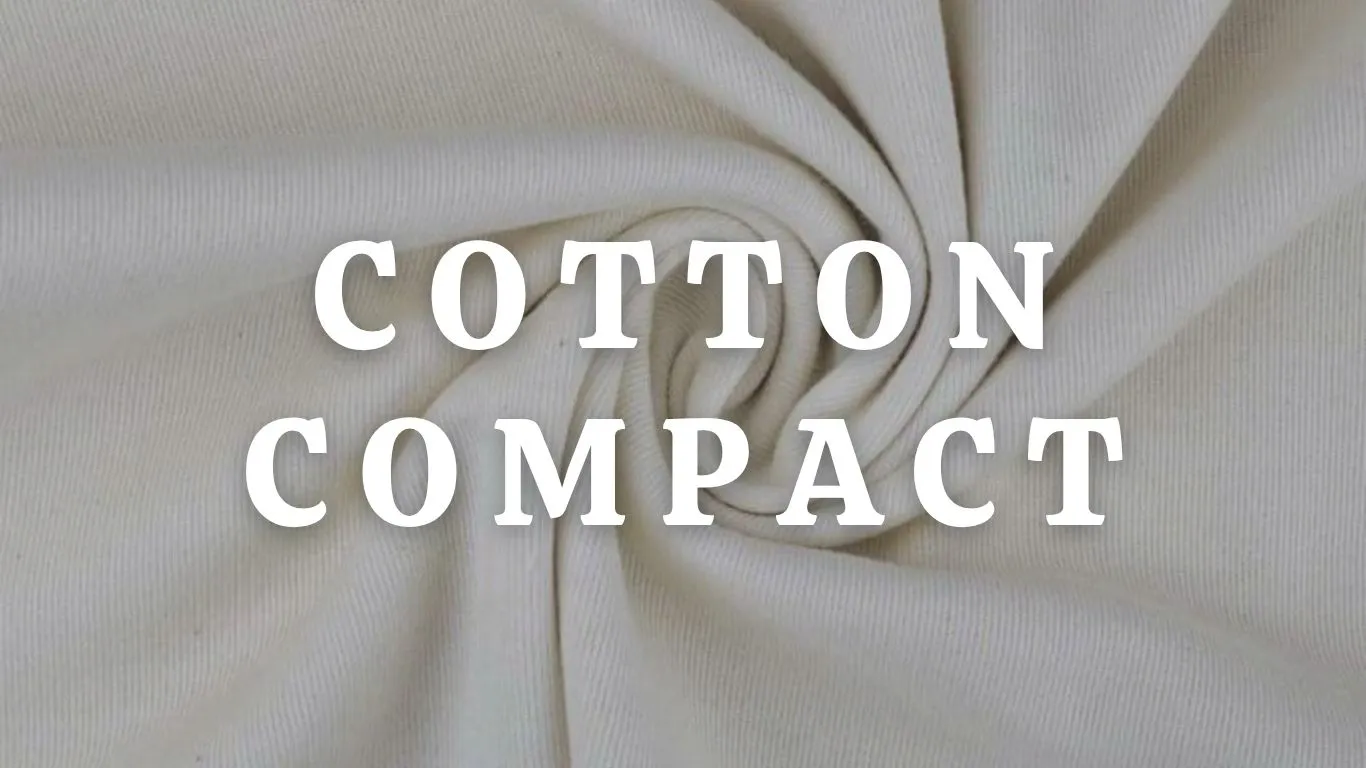
Ultimately, understanding cotton content is not just about identifying a fiber. It helps buyers choose materials that deliver the right balance of comfort, durability, wash performance, appearance, and cost for the finished garment.
FAQs About Testing Cotton Content
How can I tell if a fabric has a lot of cotton in it?
You can estimate cotton content by using simple methods like looking closely at the fabric under good light, doing a water absorption test, or even a burn test if done safely. High-cotton fabrics tend to look matte and absorb water quickly.
What does a visual inspection show about cotton content?
A close visual look can hint at cotton content. Fabrics with a lot of cotton usually have a slightly matte surface and tiny fuzz or fibers, while more synthetic blends often look smoother and shinier.
How does the water test work?
Place a small drop of water on the fabric. If it soaks in and spreads quickly, the fabric likely has more cotton. If the water beads or absorbs slowly, there may be more synthetic fibers.
Is the burn test reliable?
The burn test can help tell natural from synthetic fibers: natural cotton burns quickly, smells like paper, and leaves soft grey ash, while synthetics melt and smell chemical. But this test has safety risks and should only be done with proper precautions.
Can the fabric label be trusted for cotton percentage?
Yes — the fiber breakdown on a label or supplier spec sheet is a strong indicator (like “100% cotton” or “60/40 cotton-polyester”). However, testing might still be useful, because labels can be incorrect or misleading
Does fabric weight (GSM) tell me cotton content?
GSM (grams per square meter) shows how heavy the fabric is, but not the exact fiber percentage. Heavier fabrics usually feel more substantial, yet cotton content still must be estimated with other tests.
What’s the most accurate way to know cotton content?
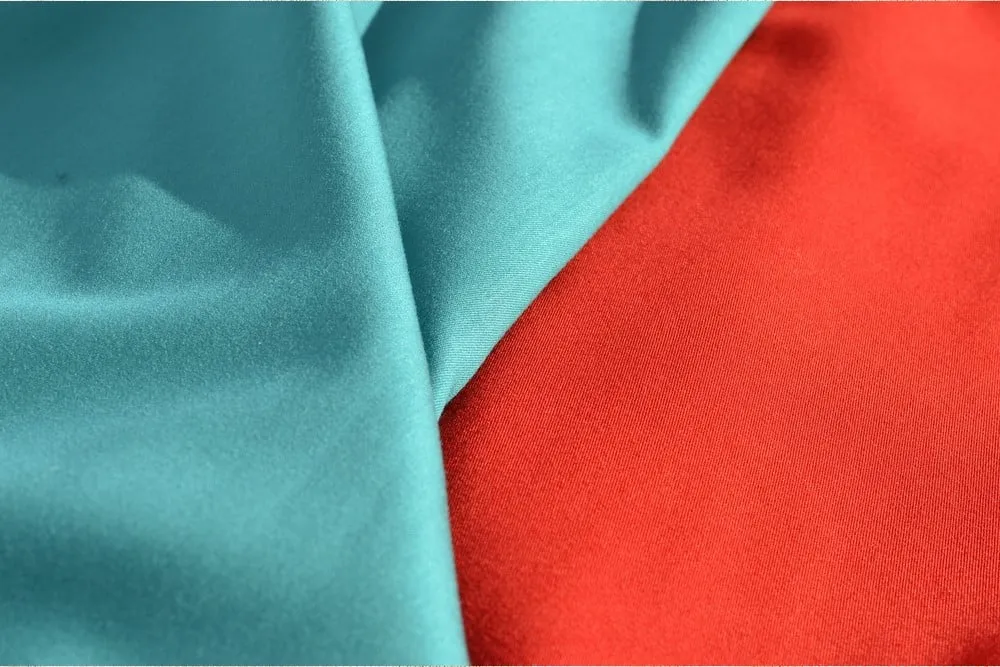
Specialized lab equipment — like spectrometers or moisture analyzers — gives the most precise fiber composition. These tools are used for quality control or bulk fabric inspection.
Why does cotton content matter?
The amount of cotton in a fabric affects how it feels, breathes, absorbs moisture, and performs during wear. More cotton usually means softer feel and better sweat absorption, while more synthetics add shape retention and durability.