Zippers are one of the most common fastening components used in garments. Although they look simple, a zipper is made up of several parts that must work together smoothly. Each part has a specific job, from guiding the slider to keeping the teeth aligned and ensuring the zipper opens and closes properly.

In the apparel industry, understanding zipper parts is important for garment design, production, quality control, and sourcing. A small problem in one zipper component can affect the function, durability, and appearance of the whole garment. In this article, we explain the main parts of a zipper and their functions in a clear and practical way.
What Is a Zipper?

A zipper is a fastening device used to open and close two edges of a garment or textile product. It works through two rows of interlocking elements, usually called teeth, that are joined or separated by a slider. Zippers are widely used in jackets, trousers, skirts, dresses, bags, luggage, and many other products.

In the garment industry, zippers serve both functional and decorative purposes. Some are designed to be highly visible as part of the style, while others are hidden to create a clean and smooth appearance.

Why It Is Important to Understand Zipper Parts

Knowing the parts of a zipper helps manufacturers and buyers make better decisions during product development and bulk production. It also helps quality teams identify defects faster.

A good understanding of zipper components is useful for:

  • selecting the right zipper for a garment,
  • checking zipper quality during inspection,
  • communicating clearly with suppliers,
  • reducing production problems,
  • improving garment durability and user experience.

Main Parts of a Zipper with Their Functions

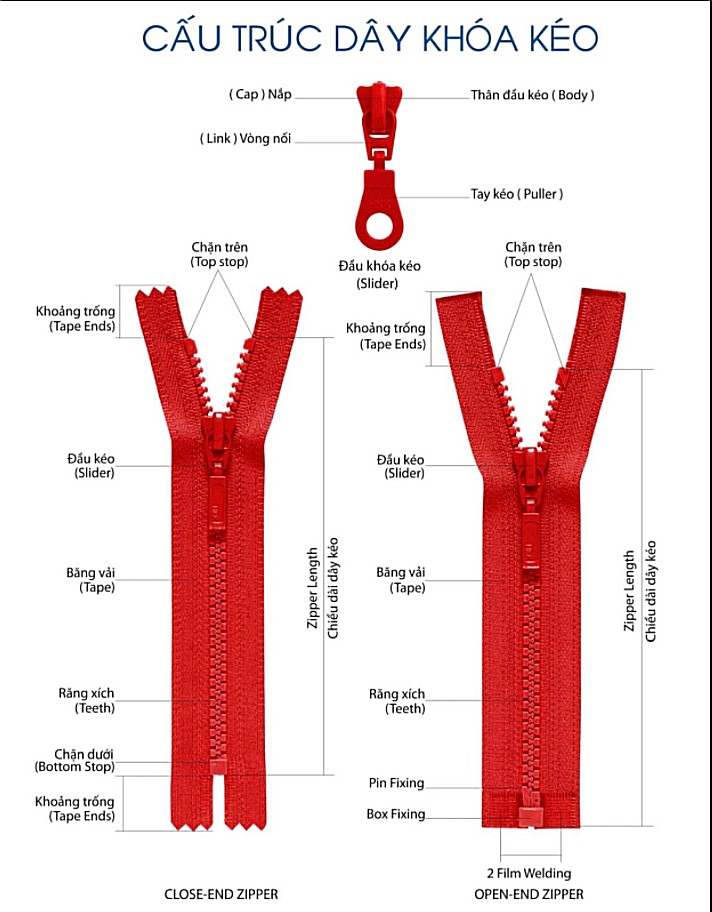
A zipper is made up of several important parts. Each one plays a role in the zipper’s performance.

1. Zipper Tape

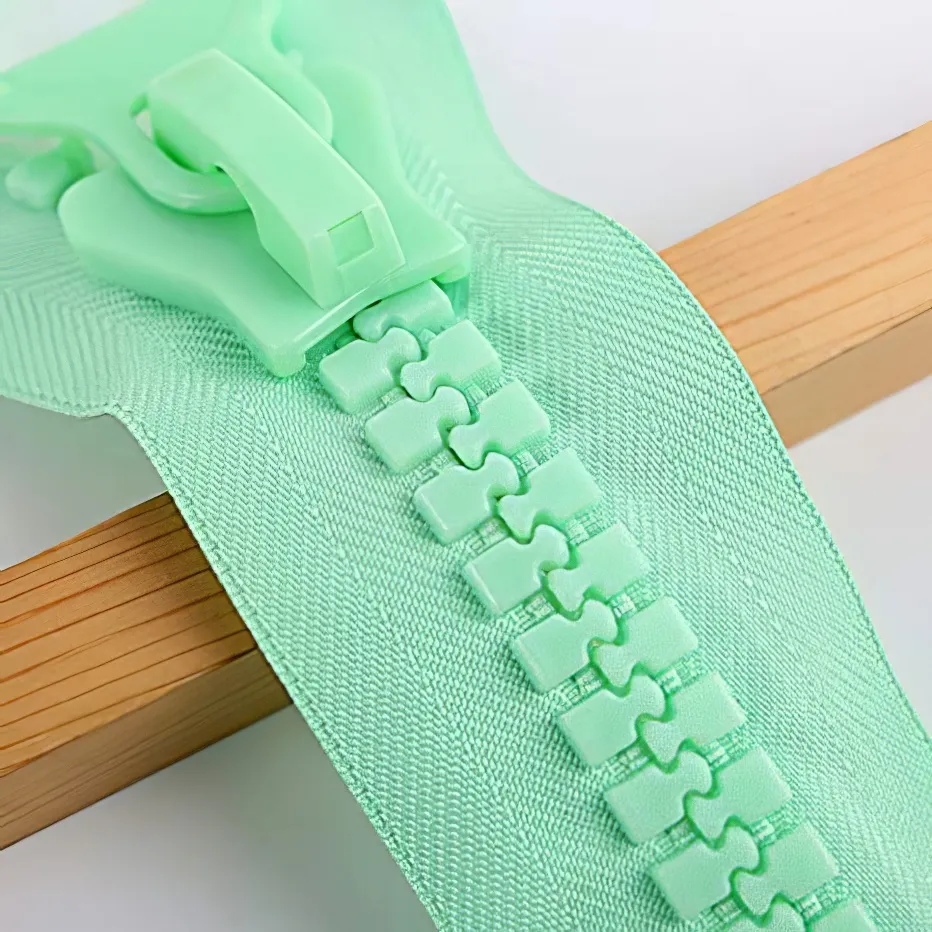
The zipper tape is the fabric strip on both sides of the zipper. It holds the zipper elements and allows the zipper to be sewn onto the garment. Zipper tape is usually made from polyester, cotton, or blended yarns. It must have enough strength to support repeated use during opening, closing, washing, and wearing.

Function of zipper tape:

  • holds the zipper teeth or coil,
  • provides the base for stitching the zipper into the garment,
  • supports the overall structure of the zipper.

2. Teeth or Chain

The teeth, also called the chain, are the interlocking parts of the zipper. They are arranged along both sides of the zipper tape and connect when the zipper is closed. Depending on the zipper type, the chain may be made from metal, molded plastic, or nylon coil.

Function of teeth or chain:

  • interlock to close the garment opening,
  • separate when the zipper is opened,
  • provide the main fastening function of the zipper.

3. Slider

The slider is the moving part that joins or separates the zipper teeth. When it moves upward or forward, it closes the zipper. When it moves downward or backward, it opens the zipper. The slider must move smoothly and fit correctly with the chain. If the slider is poor in quality or damaged, the zipper may not close properly.

Function of the slider:

  • opens and closes the zipper,
  • guides the teeth into engagement or disengagement,
  • controls the movement of the zipper chain.

4. Pull Tab or Puller

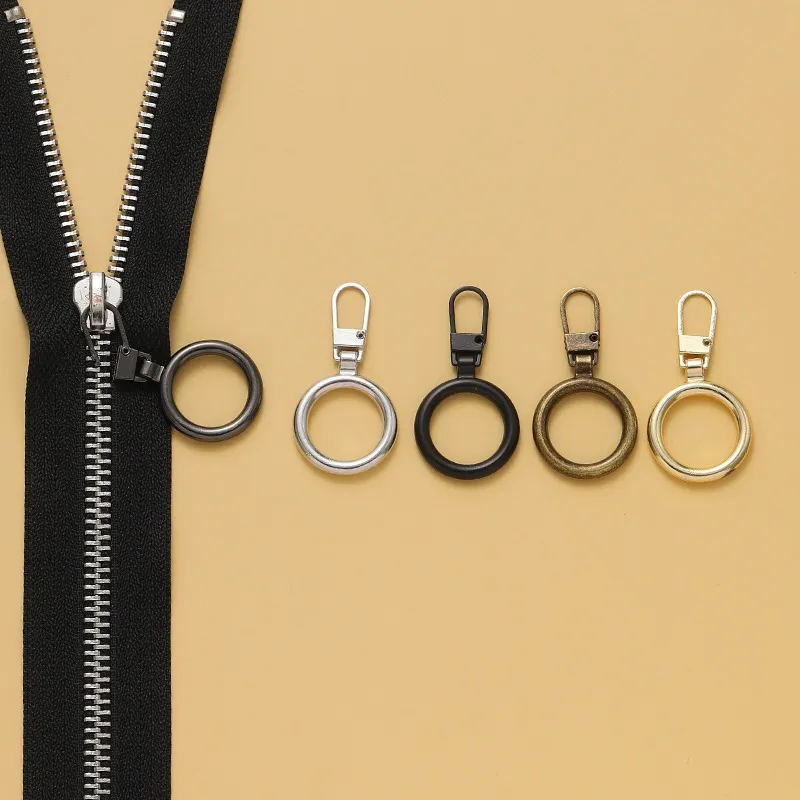
The pull tab, also called the puller, is attached to the slider. It is the part that the user holds to move the slider up and down. Pull tabs come in many shapes and sizes. Some are simple and functional, while others are designed for branding or decoration.

Function of the pull tab:

  • allows easy handling of the slider,
  • improves user comfort,
  • may also add decorative value to the garment.

5. Top Stop

The top stop is located at the upper end of the zipper on both sides. It prevents the slider from coming off the chain when it is pulled upward. Top stops are especially important for open-end and closed-end zippers because they keep the slider securely on the zipper track.

Function of the top stop:

  • stops the slider at the top end,
  • prevents the slider from slipping off the zipper,
  • helps maintain safe and controlled zipper movement.

6. Bottom Stop

The bottom stop is placed at the lower end of a closed-end zipper. It keeps the two sides of the chain joined at the bottom and prevents the slider from running off. This part is commonly found in zippers used for trousers, skirts, dresses, and pockets.

Function of the bottom stop:

  • prevents the slider from coming off the lower end,
  • keeps both zipper sides connected,
  • supports the closing function of the zipper.

7. Separating Pin

The separating pin is found in open-end zippers, such as those used in jackets and coats. It is inserted into the retainer box to align the zipper before closing. This part is essential for zippers that need to separate fully.

Function of the separating pin:

  • helps engage the zipper at the start of closing,
  • allows the zipper to separate completely when opened,
  • supports proper alignment of the zipper halves.

8. Retainer Box

The retainer box is attached at the lower end of one side of an open-end zipper. It receives the separating pin and helps the zipper start closing correctly. Without a properly fitted retainer box, the zipper may fail to align or lock.

Function of the retainer box:

  • holds the separating pin in position,
  • helps start zipper engagement,
  • ensures proper alignment in open-end zippers.

9. Insertion Pin Reinforcement or Bottom Tape Extension

Some zippers include a reinforced area near the separating pin or bottom section. This part improves durability in an area that receives repeated stress. Although it may not always be discussed as a separate zipper part, it is important in many practical applications.

Function of the reinforced bottom section:

  • strengthens the lower zipper area,
  • reduces damage during repeated use,
  • improves the service life of the zipper.

Common Materials Used for Zipper Parts

Different zipper parts can be made from different materials depending on the end use of the garment.

  • Zipper Tape Materials – Common tape materials include: polyester, cotton, blended fibers.
  • Zipper Teeth Materials –  Common chain materials include: brass, aluminum, molded plastic, nylon coil.
  • Slider Materials – Sliders are usually made from: zinc alloy, metal, plastic.

The material choice affects durability, appearance, corrosion resistance, weight, and cost.

Types of Zippers Commonly Used in Apparel

Different garments use different zipper types. Choosing the right type matters because not all zippers perform the same way.

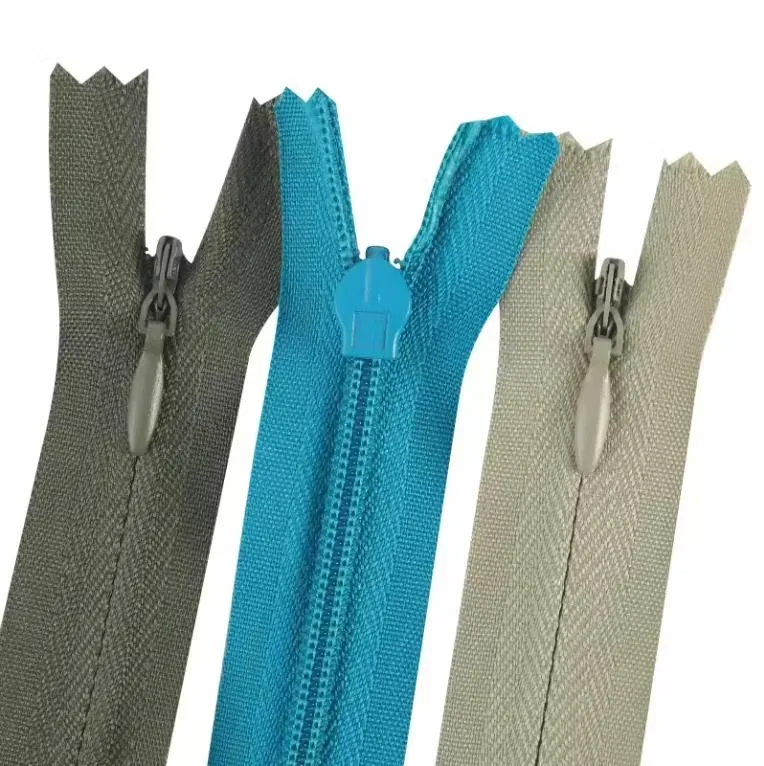
  • 1. Concealed Zipper: A concealed zipper is designed so that the teeth are hidden when the zipper is closed. It is commonly used in skirts, dresses, and some women’s wear where a clean appearance is important.
  • 2. Closed-End Zipper: A closed-end zipper has a bottom stop and does not separate fully. It is widely used in trousers, jeans, pockets, and bags.
  • 3. Open-End Zipper:  An open-end zipper separates completely into two halves. It is commonly used in jackets, hoodies, coats, and outerwear.
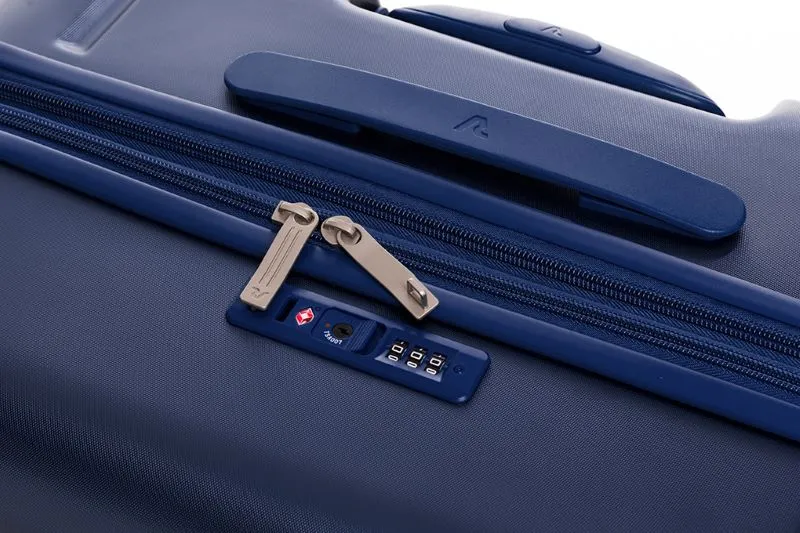
  • 4. Two-Way Zipper: A two-way zipper has two sliders and can be opened from both directions. It is often used in long jackets, coats, luggage, and some sportswear products.
  • 5. Continuous Zipper:  A continuous zipper is supplied in long rolls without fixed top or bottom stops. Manufacturers cut it to the required length for bags, covers, home textiles, and some garment applications.

When one zipper part fails, the whole zipper may stop working properly. Some common issues include:

  • broken or missing teeth,
  • loose or damaged slider,
  • weak tape that tears during sewing or wearing,
  • missing top or bottom stop,
  • faulty separating pin or retainer box,
  • rough slider movement.

These issues can lead to garment rejection during quality inspection or customer complaints after sale.

Conclusion / Final Words

A zipper may seem like a small garment component, but it contains several important parts that must work together precisely. The zipper tape, chain, slider, pull tab, stops, separating pin, and retainer box all have specific roles in zipper function and durability.

For garment manufacturers, understanding these zipper parts is essential for selecting the right zipper, maintaining quality, and avoiding production defects. A well-chosen zipper improves not only garment performance but also the overall value of the final product.