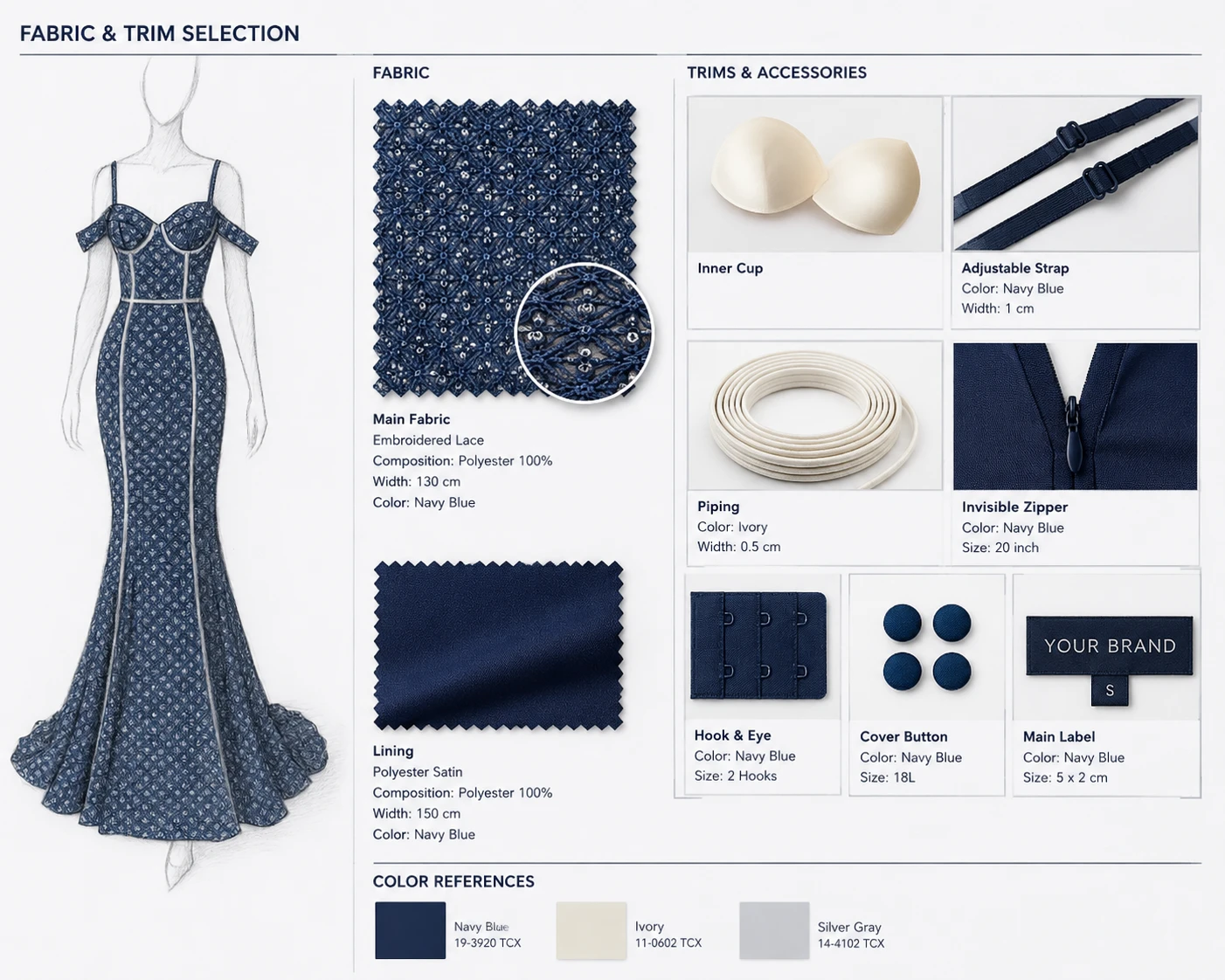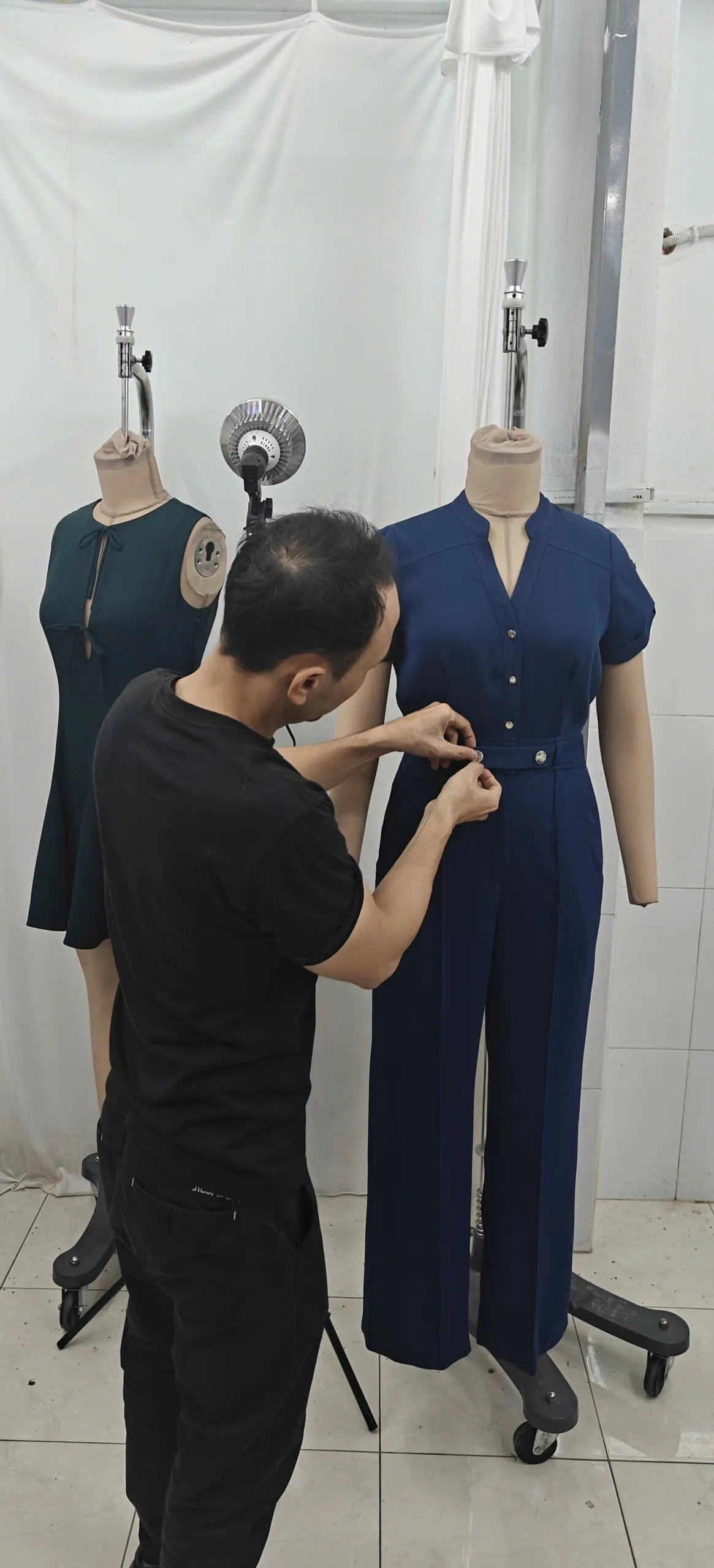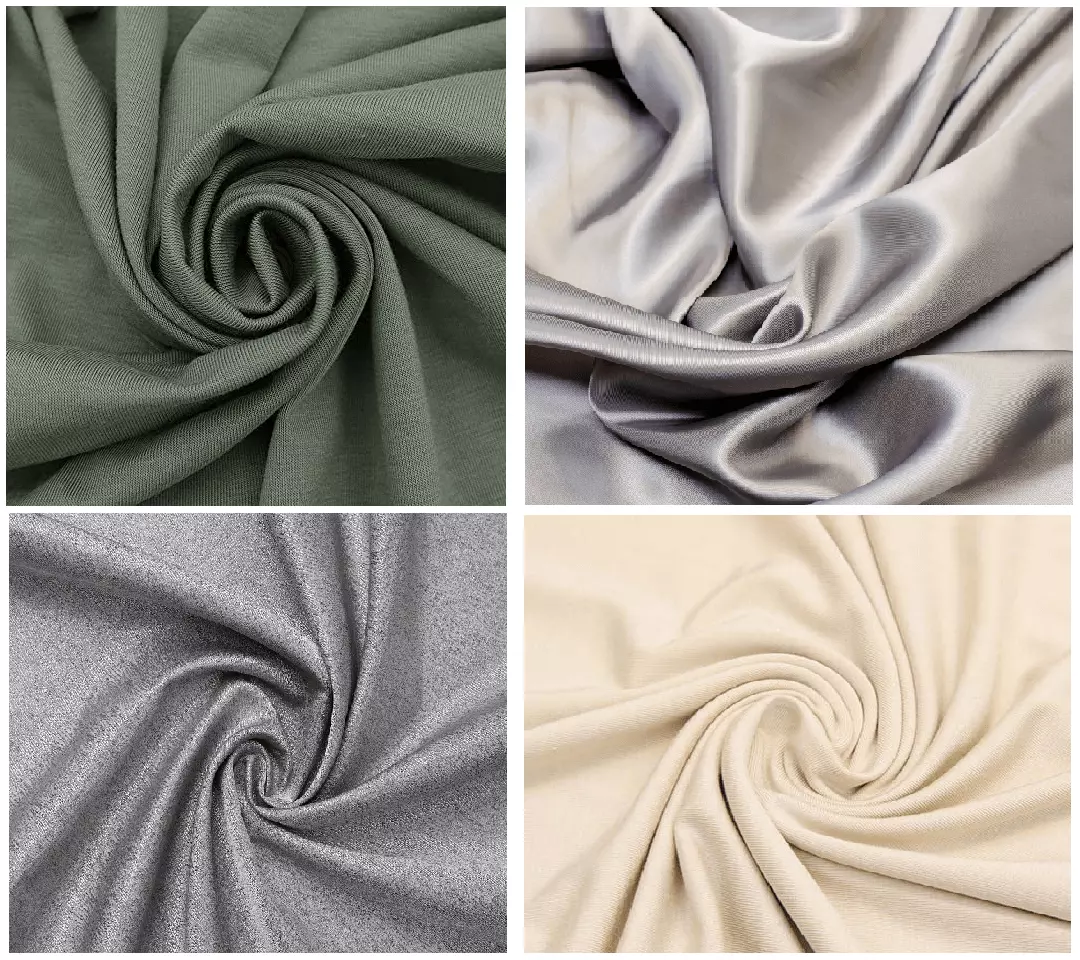
Embroidery is one of the most widely used decorative techniques in the garment industry. It adds value, improves appearance, and helps garments stand out in the market. From casual wear and uniforms to premium fashion items, embroidery is used to create branding, decoration, and unique surface effects.
In simple terms, embroidery is the process of decorating fabric with a needle and thread or yarn. In some cases, other materials such as beads, sequins, pearls, and metallic threads are also added to create richer designs. Embroidery is commonly seen on shirts, dresses, denim items, caps, jackets, childrenswear, and workwear.
There are many embroidery styles used in garments. Some are traditional hand techniques, while others inspire modern garment decoration methods. In this article, we explain the most common types of embroidery used in garments and the features of each one.
What Is Embroidery in Garments?
Embroidery in garments refers to decorative stitching applied to fabric to create patterns, motifs, logos, lettering, or ornamental details. It can be done by hand or by machine, depending on the design, production volume, and cost target.
In garment manufacturing, embroidery is often used for:
- Brand logos on polo shirts, shirts, jackets, and uniforms
- Decorative motifs on dresses, blouses, and ethnic wear
- Surface enhancement on denim and casualwear
- Premium detailing on fashion garments
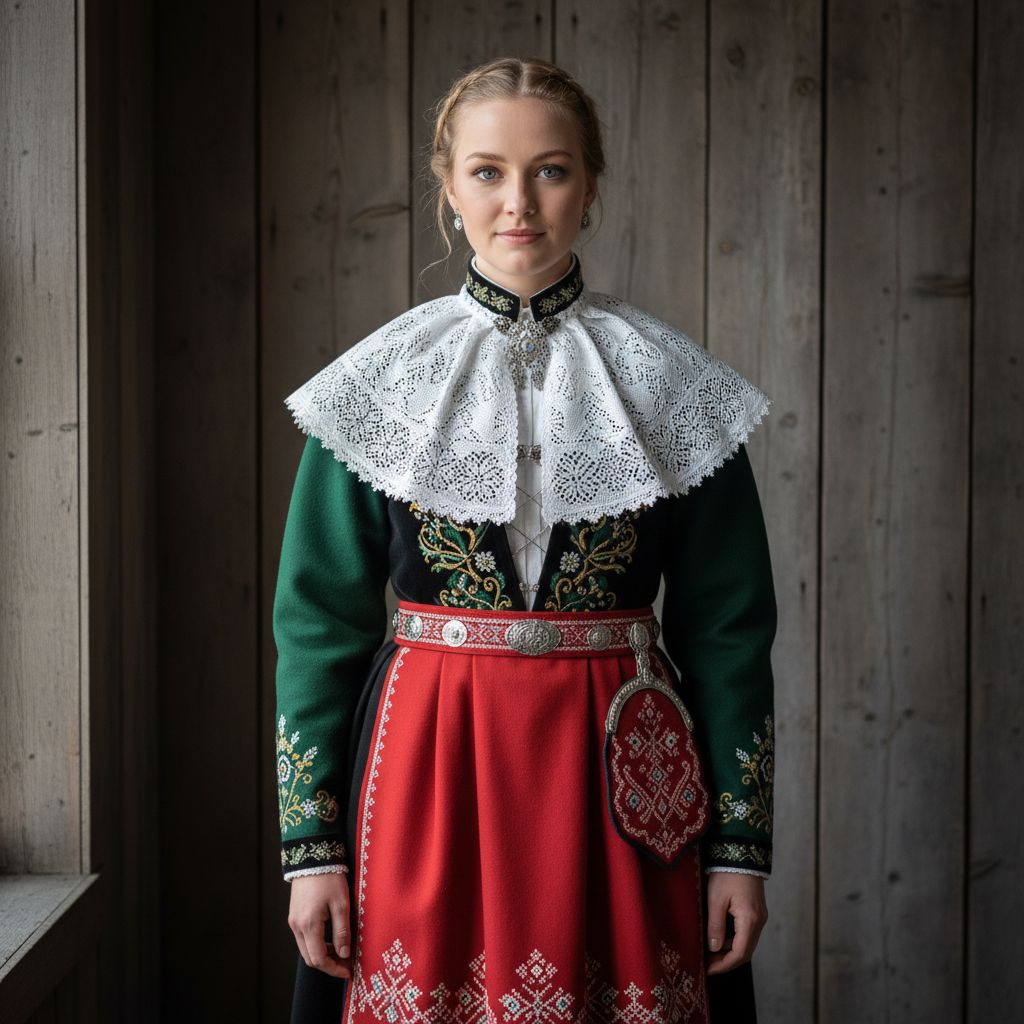
- Traditional and cultural decoration on specialty apparel
Compared with printing, embroidery usually gives a more textured, durable, and premium look.

Why Embroidery Is Important in the Garment Industry
Embroidery plays an important role in apparel decoration for several reasons. First, it improves the visual appeal of a garment. Second, it can increase the perceived value of the product. Third, it is often used to strengthen branding, especially on uniforms, sportswear, and promotional apparel.
Some key benefits of embroidery in garments include:
- Long-lasting decoration
- Premium and textured appearance
- Better brand presentation
- Wide design flexibility
- Suitable for both functional and decorative purposes
However, not every embroidery type is suitable for mass garment production. Some are mainly traditional techniques, while others are more practical for commercial use.

Types of Embroidery Used in Garments
Below are some well-known types of embroidery used in garments and textile decoration.
1. Whitework Embroidery
Whitework embroidery refers to embroidery stitched with white thread on white fabric or on a fabric of the same color as the thread. The beauty of this style comes from texture rather than color contrast.

This technique creates a clean, elegant, and delicate appearance. It is often associated with formal garments, babywear, bridal items, and traditional household textiles. Whitework can include several embroidery methods such as satin stitch, cutwork, and other fine surface techniques.

2. Candlewick Embroidery
Candlewick embroidery is a traditional form of whitework. It is usually done with thick cotton thread on unbleached muslin or similar fabric. The design is often made with colonial knots or other raised stitches arranged in repeated patterns.

This embroidery style gives a soft, handcrafted look. It is more common in decorative textiles than in modern mass-produced garments, but it still inspires certain vintage apparel styles.

3. Cross-Stitch Embroidery
Cross-stitch embroidery is made by forming X-shaped stitches on fabric. It is one of the most recognizable counted-thread embroidery techniques.

This style is widely used in decorative fabric work and can also appear on garments with a handmade or folk-inspired look. Cross-stitch is valued for its neat geometric appearance and its ability to create detailed motifs, borders, and patterns.

4. Pulled Thread Embroidery
Pulled thread embroidery is a counted-thread technique in which stitches are worked tightly around fabric threads to pull them apart. This creates small open spaces and lace-like effects without cutting the fabric. The result is a light and airy design that works well for decorative bands, hems, borders, and inserts. In garments, it is mainly used for delicate and traditional styles rather than large-scale industrial apparel production.

5. Hedebo Embroidery
Hedebo embroidery is a traditional whitework style that originated in Denmark. It combines surface stitching, cutwork, and drawn-thread effects to create elegant decorative patterns. This type of embroidery is known for its fine craftsmanship and classic appearance. It is more often seen in heritage textiles and traditional garments than in everyday clothing production.

6. Drawn Thread Embroidery
Drawn thread embroidery is created by removing selected threads from the base fabric and then stitching around the remaining threads to form open designs. This technique produces a decorative, airy, and lace-like effect. It is often used in fine garments, heirloom sewing, and decorative textile products. Because it is time-consuming, it is usually chosen for specialty products rather than high-volume garment manufacturing.

7. Hardanger Embroidery
Hardanger embroidery comes from Norway and is known for its geometric patterns, satin stitches, and cutwork details. It usually uses evenweave fabric and creates a very structured, elegant design. Hardanger embroidery is visually rich and highly decorative. Although it is not commonly used in bulk garment production, it remains an important traditional embroidery style and can influence high-end fashion details.

8. Crewel Embroidery
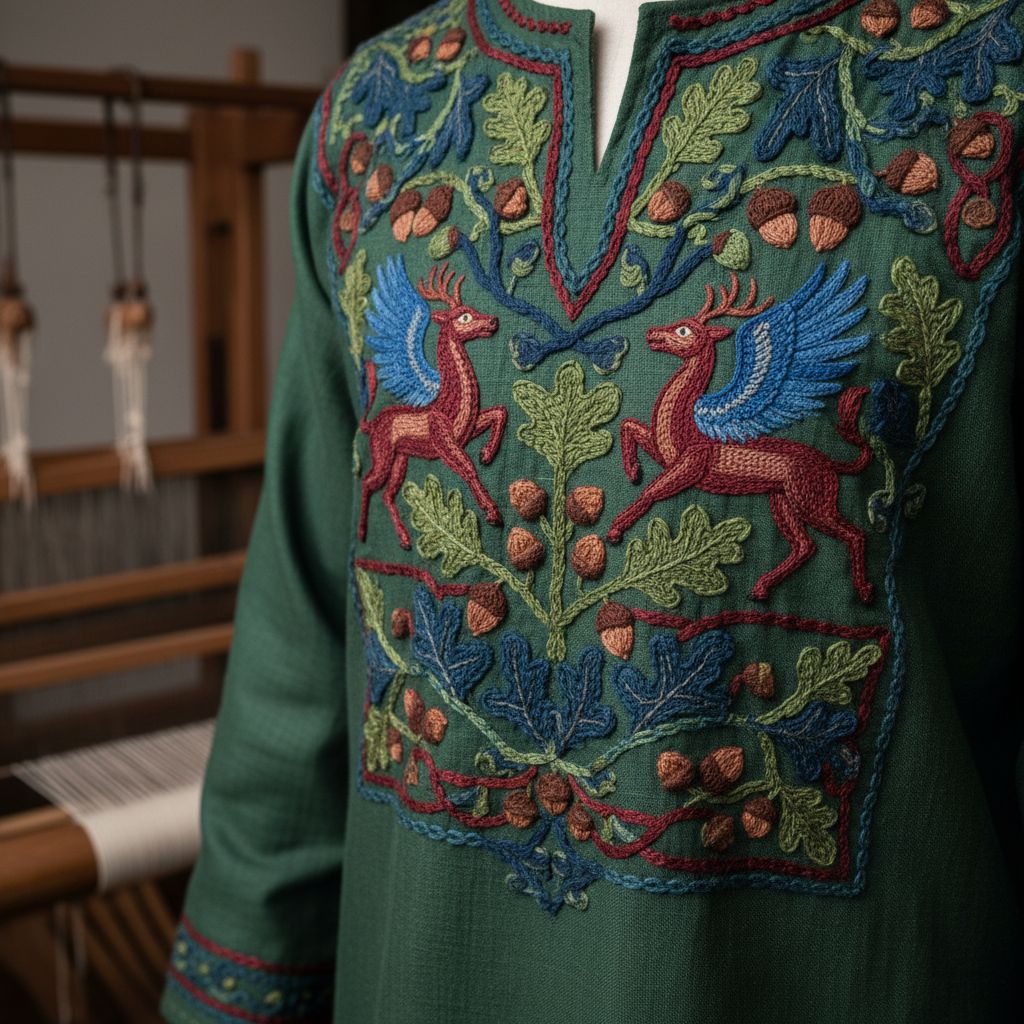
Crewel embroidery is a decorative surface embroidery typically worked with wool thread. It often features flowing patterns such as flowers, leaves, animals, and ornamental shapes. This style is known for its rich texture and artistic appearance. In garments, crewel embroidery is suitable for statement pieces, ethnic wear, jackets, and decorative panels where a handcrafted effect is desired.

9. Surface Embroidery
Surface embroidery is a broad term used for embroidery worked on top of the fabric surface using decorative stitches. Unlike counted-thread methods, it does not depend heavily on the weave of the fabric. This is one of the most practical embroidery categories for garments because it includes many techniques that can be adapted for apparel decoration. Floral motifs, logos, monograms, and ornamental designs are often created through surface embroidery methods.

10. Goldwork Embroidery
Goldwork embroidery uses metallic threads to create a rich and luxurious appearance. Traditionally, these threads were made with metal components or gold-coated materials rather than pure gold. Goldwork is often associated with ceremonial wear, military garments, religious textiles, and luxury fashion. In modern garment applications, metallic embroidery threads are used to achieve a similar premium effect at a more practical cost.

11. Redwork Embroidery
Redwork embroidery refers to embroidery stitched in red thread on white or natural-colored fabric. It is simple, striking, and easy to recognize because of its strong color contrast. This style is commonly used in surface embroidery and outline-based decorative work. In garments, it can create a classic, folk-inspired, or vintage look.

12. Blackwork Embroidery
Blackwork embroidery is traditionally worked with black thread on white or light-colored fabric. It is known for its clear contrast, geometric patterns, and counted-thread style. Originating from historical European traditions, blackwork remains popular for decorative textile designs and can also inspire modern garment embellishment, especially for fashion items with strong visual detail.

13. Bluework Embroidery
Bluework embroidery is similar in concept to redwork and blackwork, but it uses blue thread on a white or natural-colored ground. It can be done in surface embroidery, cross-stitch, or other related techniques. This style gives a fresh and classic look. It is often associated with simple decorative motifs and traditional textile aesthetics.

14. Sashiko Embroidery
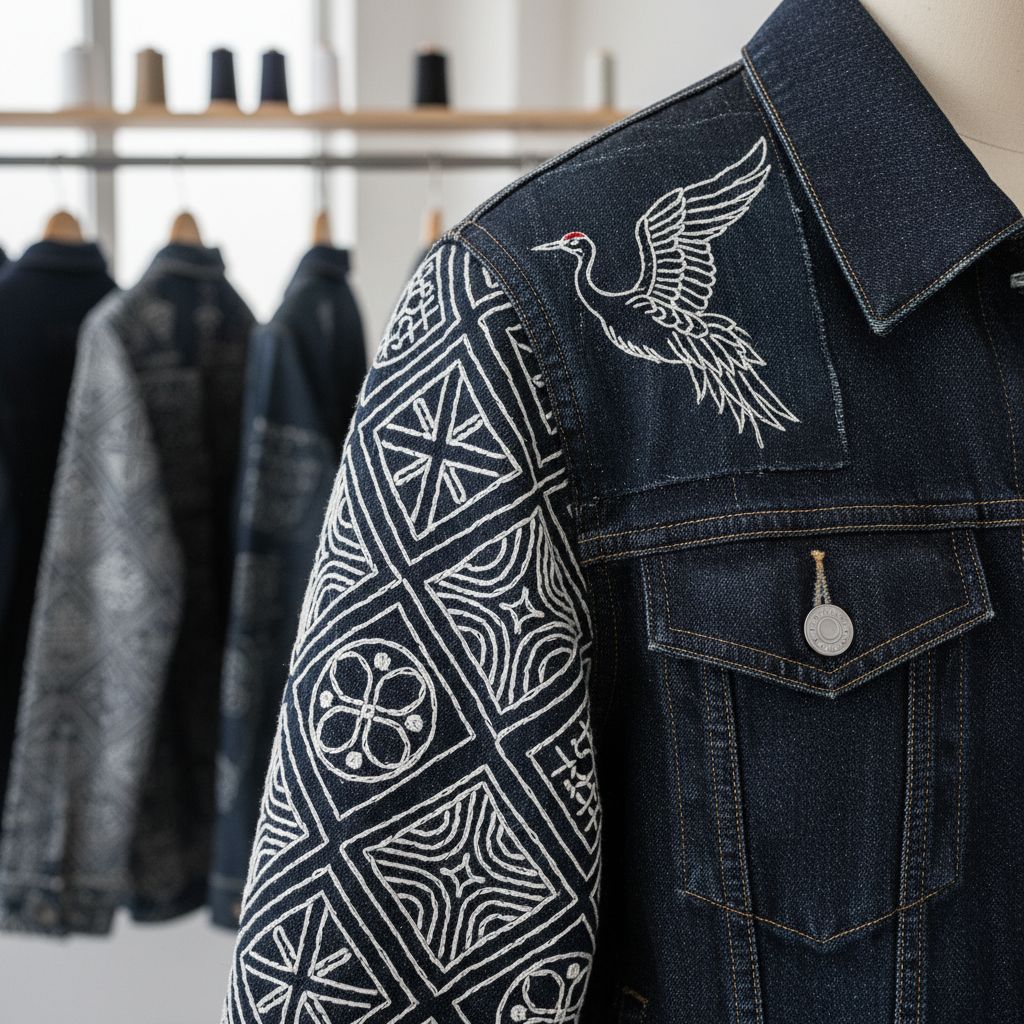
Sashiko embroidery is a Japanese embroidery technique that uses running stitches to form repeated geometric or decorative patterns. Originally, it was used to reinforce fabric and extend the life of garments. Today, sashiko is appreciated for both its function and beauty. In garments, it is often used on denim, workwear-inspired fashion, jackets, and visible mending designs. It creates a handmade, durable, and artistic effect that is highly valued in modern fashion.

Which Types of Embroidery Are Most Common in Modern Garments?
Although many embroidery styles exist, not all are equally common in commercial garment manufacturing. In modern apparel production, the most widely used embroidery applications are usually based on surface embroidery and machine embroidery techniques. These are preferred because they are faster, more consistent, and easier to scale.
In practical garment production, embroidery is commonly used for:
- Logos on polo shirts, T-shirts, shirts, and jackets
- Decorative chest or sleeve motifs
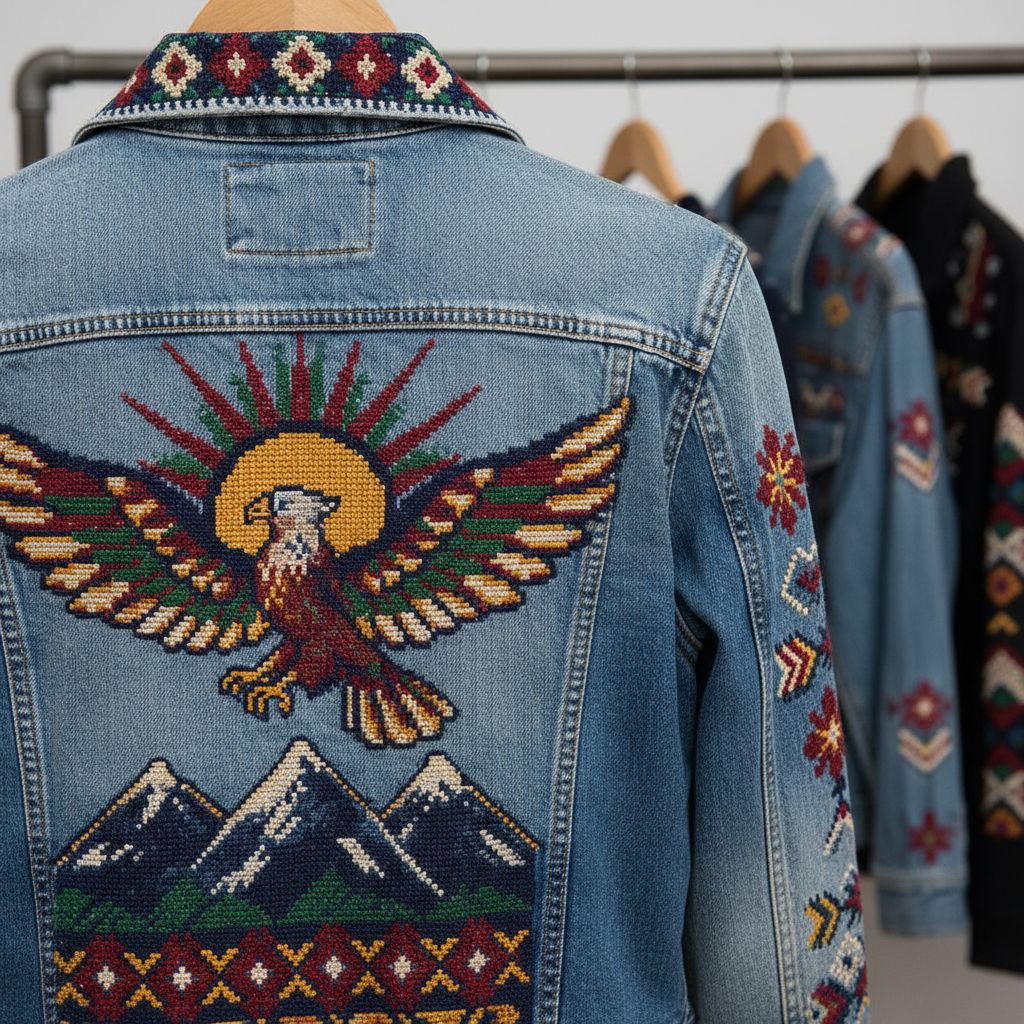
- Back embroidery on denim and outerwear
- Fashion embellishment on dresses and blouses
- Traditional or ethnic garment decoration
Traditional embroidery types such as sashiko, cross-stitch, and crewel embroidery are still used, but mainly for niche, handmade, designer, or heritage-inspired products.

Factors to Consider Before Using Embroidery on Garments
Before applying embroidery to garments, manufacturers should evaluate several important factors:
- Fabric Type: Some fabrics are more suitable for embroidery than others. Stable fabrics usually hold embroidery better, while very thin, stretchy, or delicate fabrics may need special backing or support.
- Design Complexity: Complex embroidery designs take more time, more thread, and more machine capacity. This directly affects production cost and lead time.
- Garment Placement: The embroidery position must be chosen carefully. Common areas include the chest, sleeve, back, collar, and pocket area. Poor placement can affect garment appearance or wearer comfort.
- Production Cost: Embroidery is usually more expensive than printing, especially for large designs or dense stitch patterns. The design should match the target price of the garment.
- End Use of the Garment: A fashion garment, school uniform, sportswear item, and luxury product may all require different embroidery approaches. The embroidery style should support the purpose of the garment.

Embroidery vs. Printing in Garments
Embroidery and printing are both popular decoration methods in apparel, but they serve different purposes.
| Aspect | Embroidery | Printing |
|---|---|---|
| Definition | A decoration method that uses thread stitched onto the fabric surface | A decoration method that applies ink, pigment, or transfer material onto the fabric surface |
| Appearance | Textured, raised, and premium-looking | Smooth, flat, and often more colorful |
| Visual Effect | Gives depth and a more luxurious feel | Gives sharp graphics and detailed color effects |
| Durability | Usually very durable and long-lasting if done correctly | Can also be durable, but it depends on the print method and washing conditions |
| Best For | Logos, small designs, uniforms, caps, polo shirts, jackets | Large graphics, artwork, photo prints, bold fashion designs, T-shirts |
| Fabric Feel | Adds thickness and can feel heavier on the decorated area | Usually lighter than embroidery, especially for large designs |
| Design Detail | Better for simple to medium-detail designs | Better for complex images, gradients, and multi-color artwork |
| Color Flexibility | Limited by thread colors and stitch style | Wide color range with better freedom for detailed artwork |
| Production Cost | Usually higher, especially for large or dense designs | Often lower for large graphic designs, depending on print method |
| Production Speed | Slower because stitching takes more time | Usually faster for bulk graphic application |
| Suitability for Large Designs | Less suitable because large embroidery can become heavy and expensive | More suitable for large front, back, or all-over graphics |
| Suitability for Small Logos | Excellent choice for a professional and premium look | Good choice, but often looks less premium than embroidery |
| Common Use in Garments | Polo shirts, uniforms, workwear, caps, corporate apparel, jackets | T-shirts, fashion tops, promotional wear, sportswear, casualwear |
| Comfort | May feel slightly stiff or heavy in stitched areas | Usually softer and more flexible, depending on the print type |
| Wash Performance | Strong wash durability when properly made | Good wash performance, but some prints may crack or fade over time |
| Overall Advantage | Premium look, strong branding effect, long-lasting decoration | Better for detailed artwork, colorful designs, and cost-effective large graphics |
Embroidery is better when the goal is:
- A premium look
- Texture and dimension
- Strong durability
- Professional branding
Printing is often better when the goal is:
- Large artwork
- Fine color gradients
- Lower cost for big designs
- Lightweight decoration
In many cases, brands choose embroidery for logos and printing for larger graphic designs.
Conclusion / Final Words
Embroidery is an important decorative technique in the garment industry. It enhances garment appearance, adds value, and supports both branding and design creativity. From whitework and candlewick to goldwork and sashiko, each embroidery type has its own style, history, and application.
While many traditional embroidery forms are mainly used for decorative or heritage purposes, their influence continues in modern apparel design. For commercial garment production, embroidery remains a strong choice for logos, ornamental details, and premium garment presentation. Choosing the right type of embroidery depends on the fabric, design, production method, and intended market. When used correctly, embroidery can turn a simple garment into a more attractive and valuable product.