

Head coverings for warmth and sun protection are essential, but the details matter. Caps and hats for babies can be very useful or totally unnecessary depending on the environment. A good baby hat must protect, feel gentle, and fit safely without slipping over eyes or squeezing the head.
=> Related Article: T Shirts Manufacturing Vietnam | Mekong Garment Factory
Why Babies Need to Wear Caps and Hats
1) Warmth and Temperature Balance
Newborns lose heat fast. A soft cap helps reduce heat loss in cool or windy weather. However, babies can overheat easily; if the room is warm, a thick hat may be unnecessary. Rule: Use hats for cold/windy seasons but avoid them in warm indoor settings.
2) Sun Protection Outdoors
A baby’s skin is delicate. Lightweight sun hats with wide brims or flaps offer better shade than beanies during outdoor walks, protecting the scalp and face from direct sunlight.
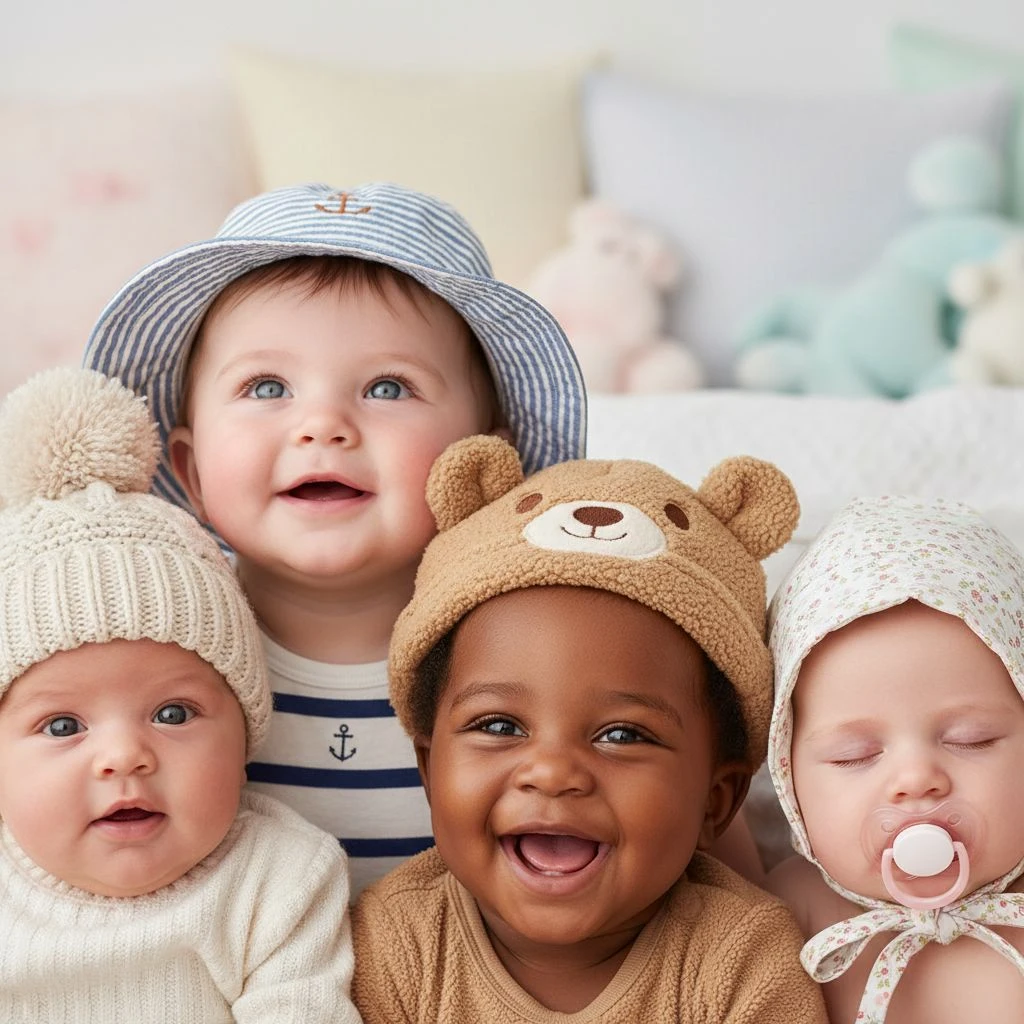
3) Comfort and Gentle Protection
Hats reduce rubbing from blankets and keep babies cozy during naps. But remember: if the fabric or fit is wrong, it causes more harm than comfort.


Common Types of Infant Caps and Hats
1) Beanie Caps (Soft Knit)
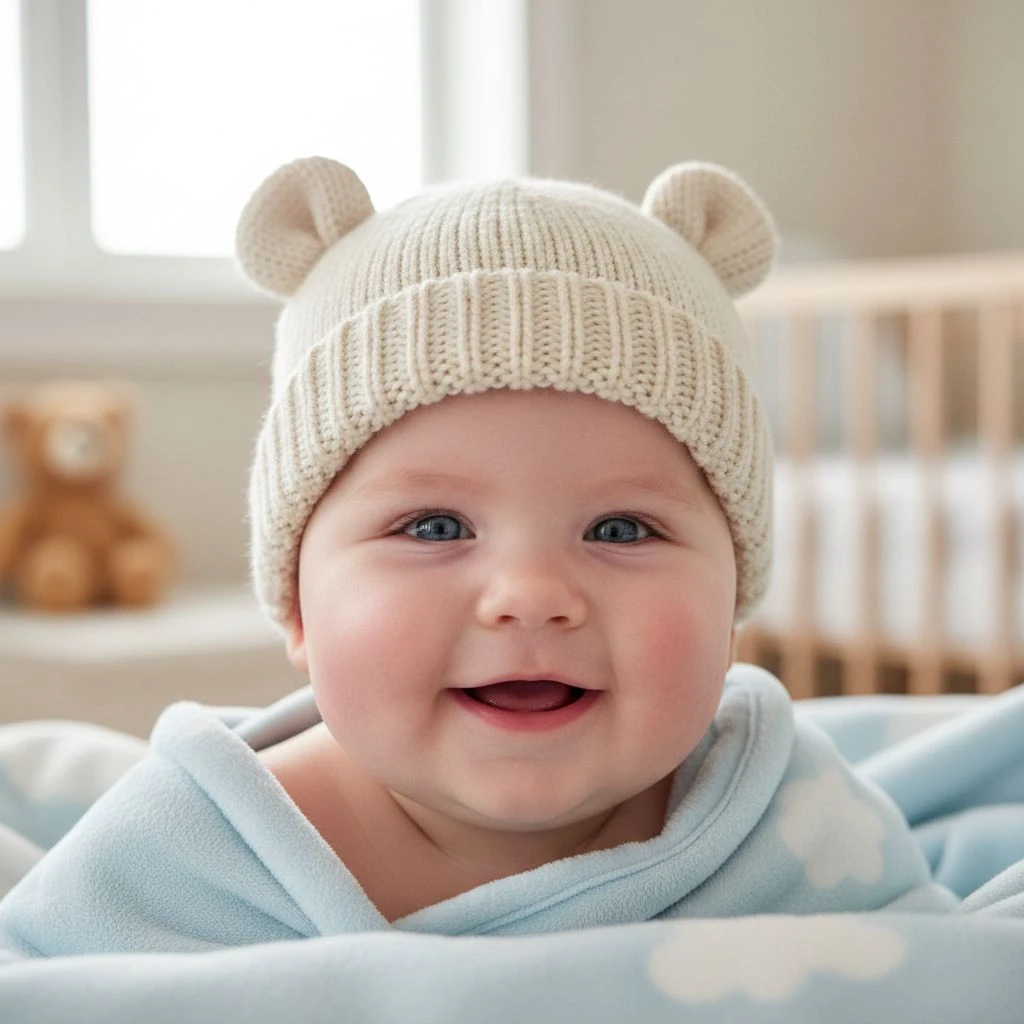
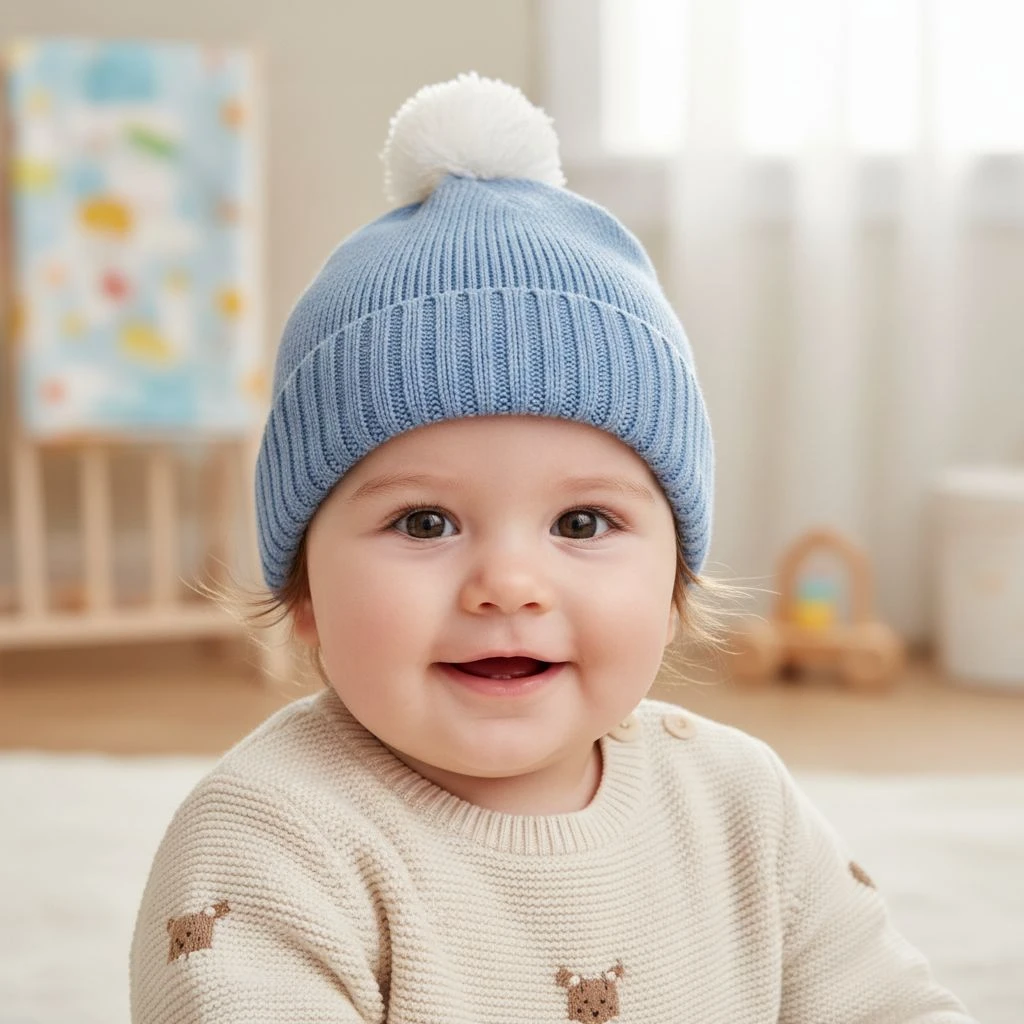
Snug and stretchy caps that cover ears. Best for cooler weather and newborns. Watch out: Ensure they aren’t too tight to avoid red marks on the forehead.
2) Sun Hats (Brim Hats)
Designed to block sunlight in hot weather. Look for breathable fabrics and a brim that provides genuine shade.
3) Bonnet-Style & Winter Hats
Bonnets stay on well during movement, providing a classic premium look. Winter hats (fleece/lined) are best for extreme cold but should be avoided indoors to prevent overheating.

Best Materials for Baby Hats
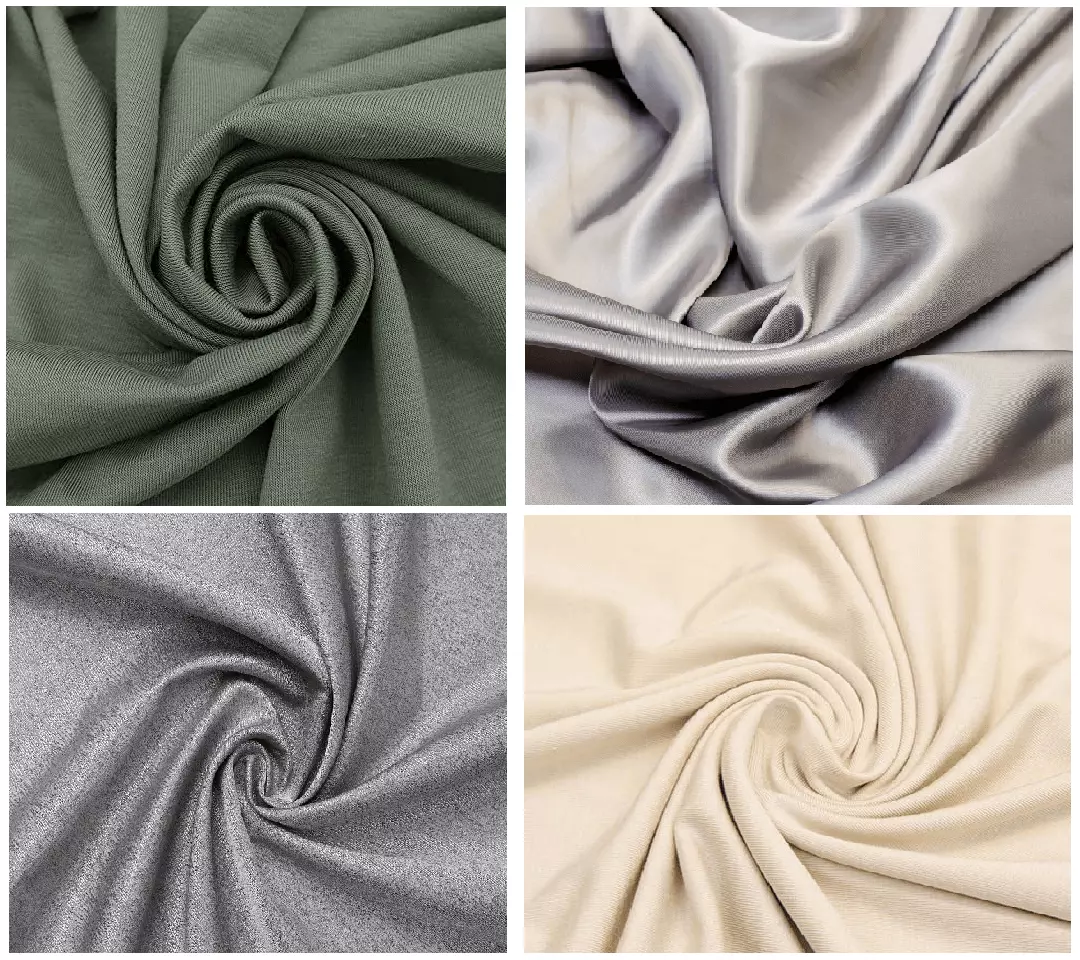
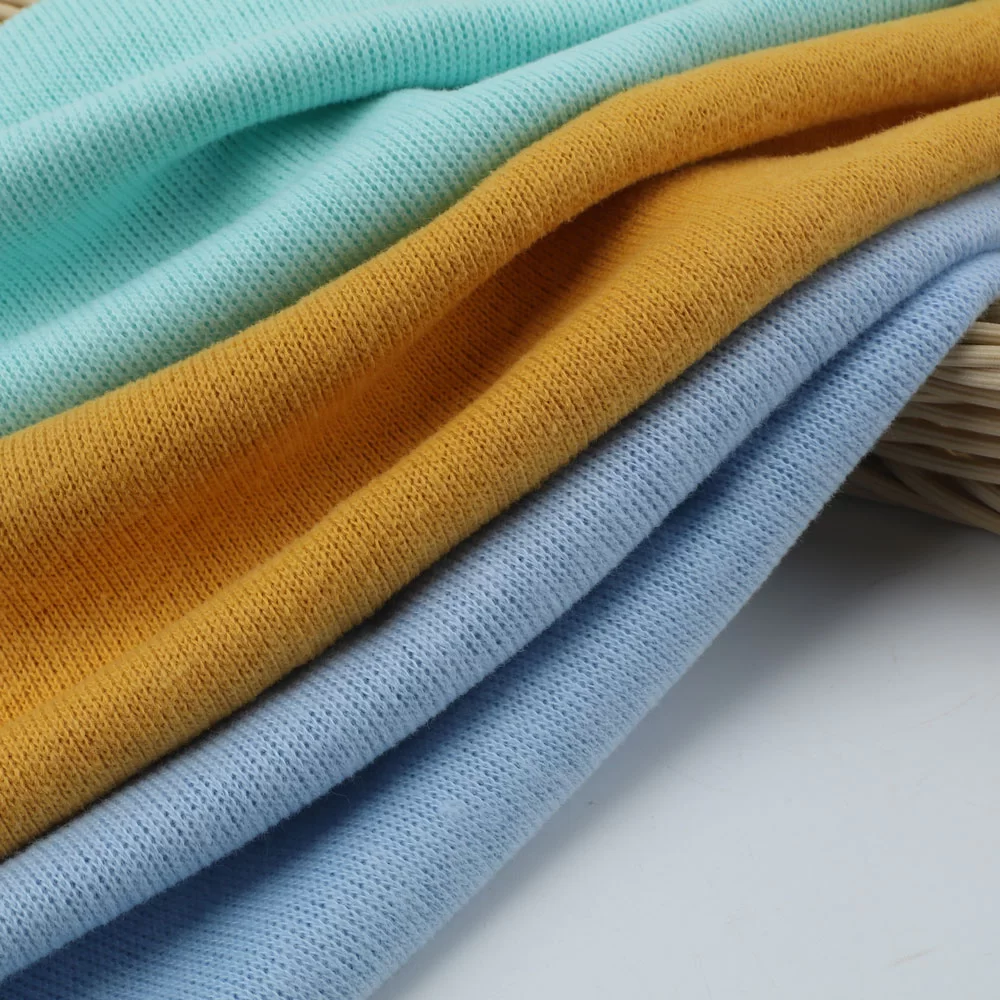
Top Choices: Cotton (Jersey/Rib/Interlock) for breathability, Organic Cotton for sensitive skin, and Bamboo blends for softness. Avoid: Rough knits or hard internal seams that rub the scalp. “Soft” on the outside doesn’t mean comfortable inside.
When Should Babies Wear Hats?
Hats are great for cool outdoors, windy days, or air-conditioned rooms. They are often not needed in warm indoor rooms or during active play. Avoid keeping hats on just for “cuteness” if the baby is getting hot or sweaty.
Conclusion
Infant caps and hats are small accessories that play a huge role in comfort. The right hat helps keep your baby warm and protected. Always prioritize safe fit, breathable materials, and smooth construction. By focusing on these basics, you ensure comfort and protection your baby can actually feel every day.